
Bahamas News
Home Fabrics set to open in Grand Bahama

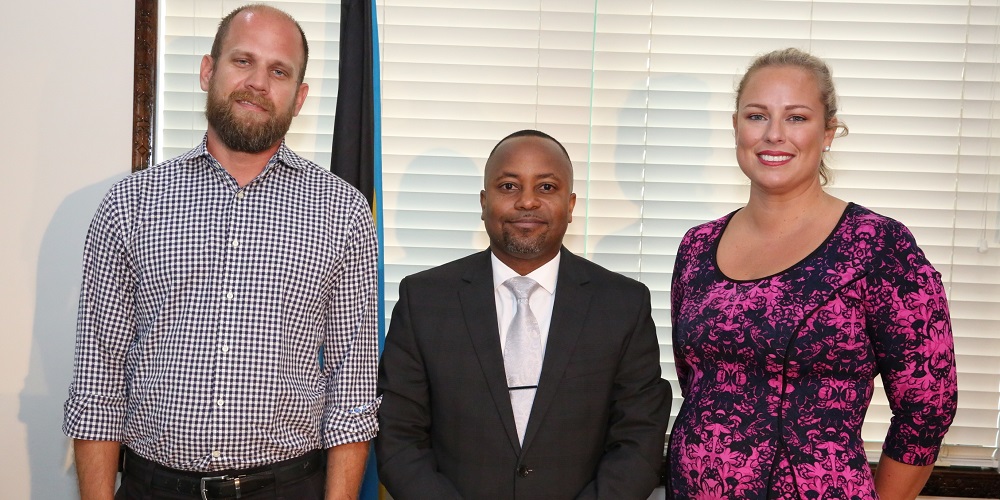
#GrandBahama, June 18, 2018 – Bahamas – Grand Bahama is set to get yet another economic boost with the opening of the largest fabric distributor in the country, Home Fabrics. With an estimated $2 million initial investment, the company will hire 10 people and more as the business grows.
Minister of State for Grand Bahama in the Office of the Prime Minister, Senator the Hon. Kwasi Thompson, during a press conference to announce the business expansion on Thursday, June 14, congratulated the Benjamin and Laura Pinder of Home Fabrics on the venture.
 “I’m told that Home Fabrics is the largest fabric distributor in The Bahamas and they have a number of locations. We are happy that Home Fabrics has chosen a location of their newest store will be right here in Grand Bahama.
“That really speaks volumes for Grand Bahama. It also speaks about investor confidence in Grand Bahama. One of the things that we have noticed and have continued to inform the public about is that we’ve seen and uptick in investor confidence and investor interest.”
Minister Thompson added that there has been an increase in Bahamian domestic investment and described the investment by Home Fabrics as “significant”.
With the fabric industry being an important one, he said, he is sure Home Fabrics will be comfortable in Grand Bahama, at an unfinished warehouse on Milton Street, that has already been secured. Queen’s Highway is one of the island’s business centres, said Minister Thompson, and it is hoped that there will be further improvements and investments as it is revitalized.
“The government has also embarked upon a budget process and are encouraging Bahamians to take advantage of one of the aspects of the budget, which is refurbishment and for dilapidated business. You are able to apply to the Ministry of Finance for a duty-free exemption on materials. This has been extended in this year’s budget, so we are encouraging those businesses that may be on Queen’s Highway, and those businesses that may be in other locations that may need refurbishment or are in a dilapidated state, to take advantage of this duty-free exemption.”
Minister Thompson also used the opportunity to mention the duty-free exemptions to be introduced on clothing, shoes and fabrics. “Bahamians are able to take advantage of those local stores that are going to be selling clothes, and they should be able to sell clothes at duty-free rates. And those businesses, like Home Fabrics, that sell fabrics should be able to do so at a duty-free rates. The purpose behind this project or behind this incentive, is to assist local businesses in this area.”
Benjamin Pinder, accounting manager at Home Fabrics, gave some history of the company in that they have been in existence since 1976 in Nassau. The family business has been expanding: 2009, opened a store in Abaco; 2011, opened a branch in Carmichael in Nassau; and now they feel it is the  time expand in Grand Bahama.
Praising the Office of the Prime Minister, Mr. Pinder said Minister Thompson has assisted greatly in getting their business to the point it is now for the intended opening in October, and “we are very excited to be a part of the revitalization in Grand Bahama.”
He added, “We not only expect to have an impact on the economy by employing people, but a trickle down effect as well to garment manufacturers, interior decorators, designers and industries of that nature.”
His wife, Laura, is the buyer for the company and said they hope to be open on October 1, to be ready for their busy seasons, Halloween and Christmas. She added that many people do not realize that a big part of their business is seasonal and so everytime everyone goes into the store, it’s different. Grand Bahamians have asked for years for them to open a branch on the island, and now “seems like the right time to pull the trigger.”
By: Robyn Adderley (BIS)
Photo Caption: Minister of State for Grand Bahama in the Office of the Prime Minister, Senator the Hon. Kwasi Thompson announced on Thursday, June 14, that Home Fabrics will expand their business to Grand Bahama and is set to open in October. Shown from left during the announcement are: Benjamin Pinder, Accounting Manager, Home Fabrics; Minister Thompson; and Laura Pinder, Buyer, Home Fabrics.
(BIS Photo/Lisa Davis)

Bahamas News
Bahama Brass Band Invitation Sparks Heritage Debate Ahead of TCI Constitutional Holiday

Turks and Caicos, August 20, 2026 – The planned participation of the Bahama Brass Band in the Turks and Caicos Islands’ inaugural Constitutional Holiday celebrations on August 30 has sparked public debate over culture, heritage and the historical contributions of Turks and Caicos Islanders abroad.
Organizers defended the invitation, saying the band’s inclusion is intended to highlight the deep historical ties between the two countries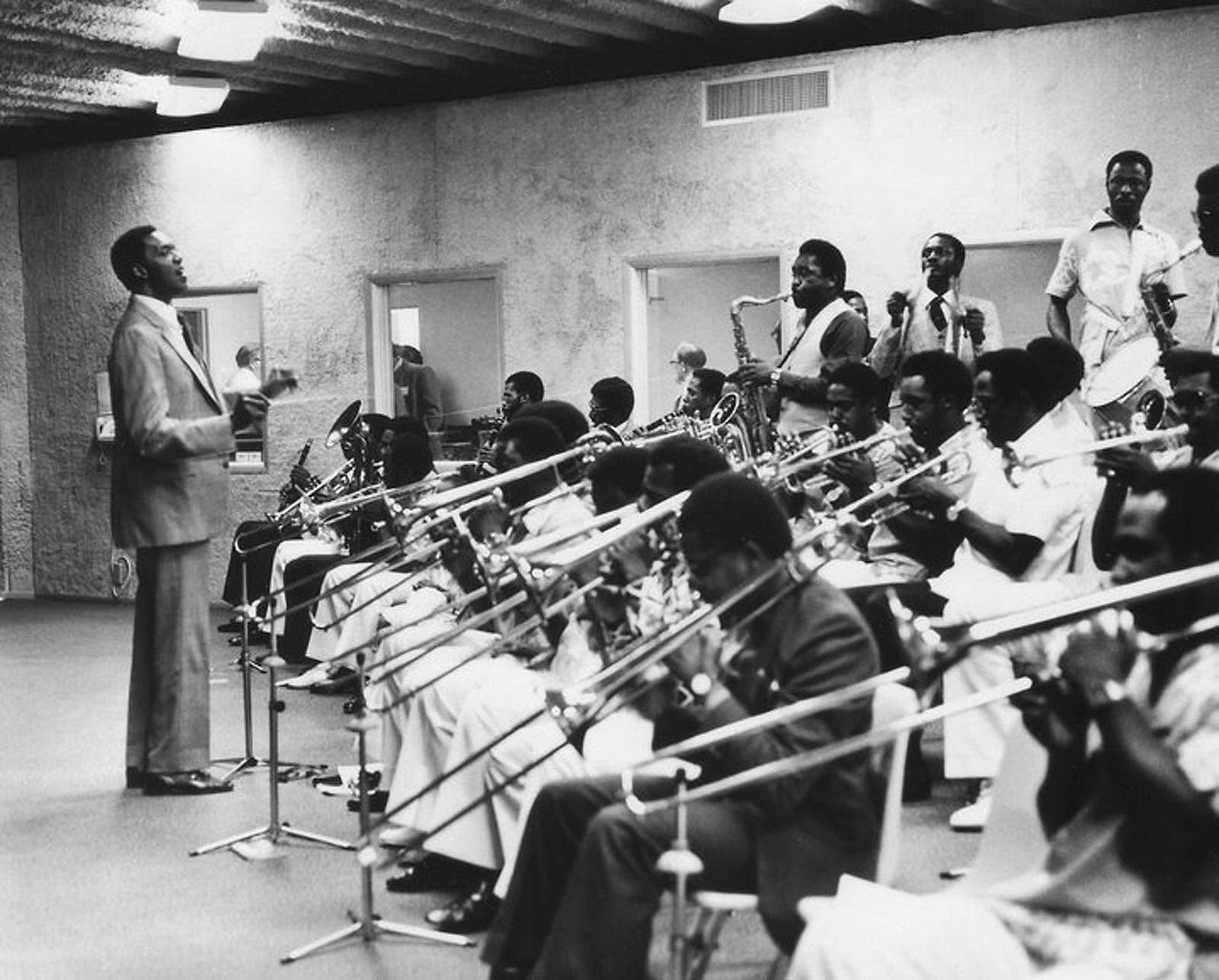 and honor Turks and Caicos men who helped establish and develop the institution in Grand Bahama.
According to the organizers, the Bahama Brass Band began in 1955 in Pine Ridge, Freeport, with Turks and Caicos Islanders, including the late Deacon Reuben Hall Sr. of Middle Caicos and Jenkins Williams and Mervin Hendfield of North Caicos, among those who helped build its foundation. The band eventually grew to more than 50 men.
The organizers also pointed to the participation of Turks and Caicos men in The Bahamas’ Independence celebrations on July 10, 1973, arguing that their contributions became part of Bahamian history while maintaining strong connections to their homeland.
Supporters say bringing the band home represents an opportunity to honor those pioneers, showcase their regional influence and expose younger generations to an important part of Turks and Caicos history.
However, concerns raised publicly described the invitation as potentially disrespectful to local culture and heritage. Organizers acknowledged those concerns, apologizing to anyone who felt overlooked or offended, while maintaining that no disrespect was intended.
The committee said the event should ultimately unite rather than divide, presenting the band’s history as evidence of the reach and resilience of Turks and Caicos heritage.
PHOTO CREDIT: Bahamas Brass Band
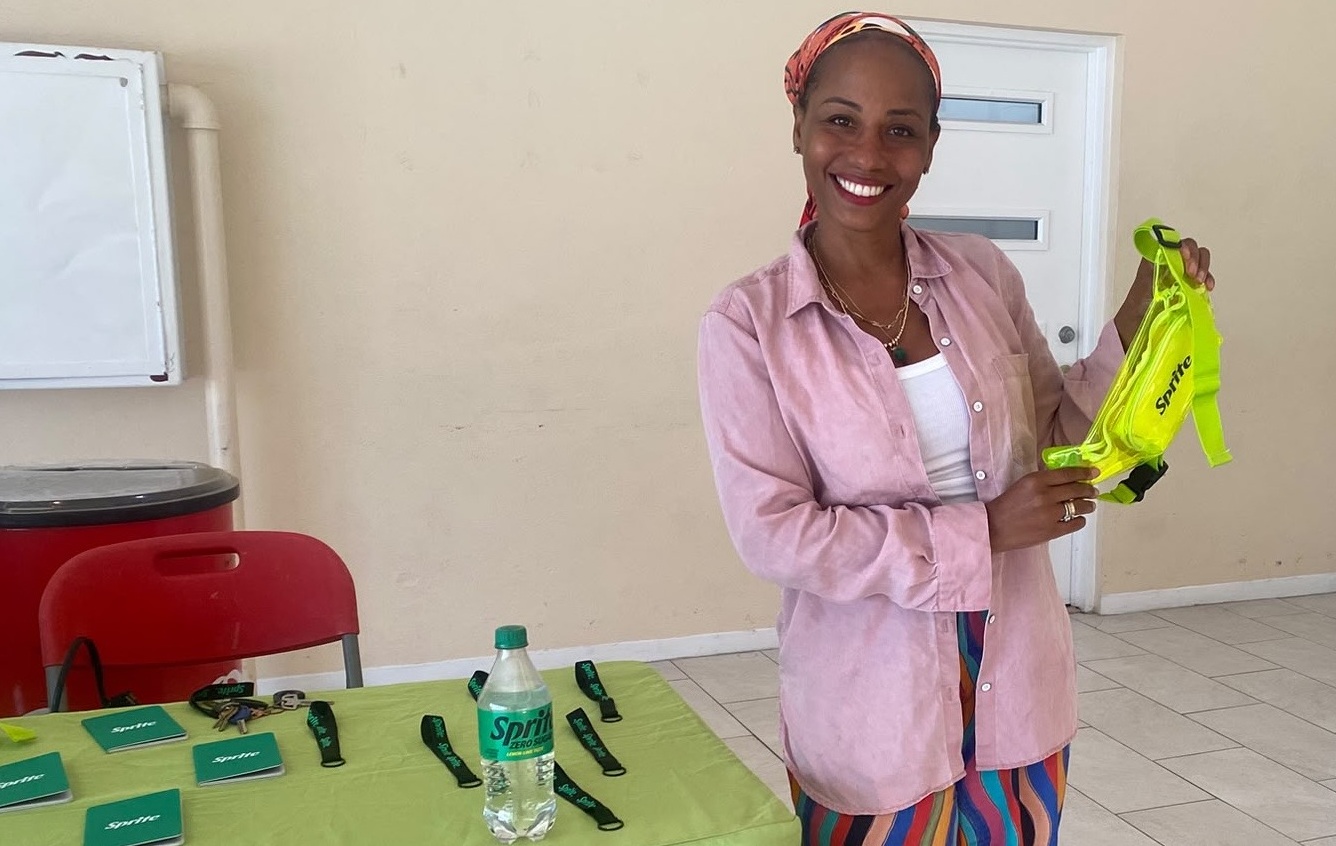
NASSAU, Bahamas — Caribbean Bottling Company (CBC), local producers of Dasani products, proudly sponsored the fifth annual, Caribbean Hoopfest.
The tournament brings together Bahamian high school basketball teams and visiting teams from the United States for a competitive showcase at the Kendal G. L. Isaacs Gymnasium. Following its inaugural year at the Kendal G. L. Isaacs gym and last year’s event at Loyola Hall, the tournament returned to the Kendal G. L. Isaacs gym this year.
During the weekend tournament, CBC kept athletes well hydrated with in-kind donations of Dasani Water, Powerade and Minute Maid Juices.
During the tournament’s final day, CBC provided additional support by offering Sprite No Sugar samples and inviting attendees to participate in its Spin the Wheel for a chance to win exciting prizes.
CBC was proud to support this incredible event, which provides young Bahamian athletes with valuable exposure to U.S. basketball scouts and coaches. This opportunity gives them the chance to earn scholarships, continue their education, and pursue their basketball careers in the United States.
Event organizer, Donald Francois shared his appreciation for CBC’s support.
“I want to express our sincere appreciation for Caribbean Bottling Company, who has been a tremendous supporter and an important part of the success of our program. Without CBC’s support, Caribbean Hoop Fest would not be able to function at the level it does today. And without Caribbean Hoop Fest, we would not have been able to provide the opportunities that have helped young Bahamian athletes gain exposure and pursue educational opportunities in the United States,” he expressed.
Since the program’s inception, several Bahamian student-athletes have been selected for scholarship opportunities, highlighting the tournament’s growing impact on the development and advancement of young basketball talent in The Bahamas.
They are: Kelvin McDowells – Guard, Wodson Antoine – Power Forward, Justin Lafleur – Guard and Sean John – Guard.
After another successful edition of the tournament, Francois shared what he hopes he and Caribbean Bottling Company can achieve in the future.
“Our vision is bigger than basketball. We want to use the platform of Caribbean Hoop Fest to educate, develop, and create opportunities for young people and their families throughout the Bahamas. With individuals and organizations committed to our mission, we believe we can continue to grow the program and make an even greater impact,” Francois said.
For more details on community support, events and new products visit Caribbean Bottling Company at www.cbcbahamas.com today.

NASSAU, Bahamas — More Bahamians are accessing HIV and sexually transmitted infection-related healthcare through National Health Insurance, a trend the NHI Authority says should be viewed positively.
NHIA stressed in an August 6 statement that its 2025 figures measure healthcare utilisation, not newly diagnosed infections. They include beneficiaries screened, treated, monitored or receiving follow-up care, including people diagnosed previously.
“Increased utilisation of these services should be viewed as a positive development,” NHIA said.
The Authority pointed to “greater enrolment and use of NHI, improved access to screening and testing, continued treatment and monitoring of existing conditions, and increased willingness to seek medical care.”
The development comes amid a mixed three-year HIV picture. New diagnoses rose from 130 in 2023 to 156 in 2024, before declining to 142 in 2025.
NHIA said increased utilisation demonstrates that more beneficiaries are accessing needed healthcare and actively managing their health, reinforcing the importance of screening, early diagnosis and continued treatment.





-

 News1 week ago
Beaches Turks & Caicos shares dining etiquette training at Provo youth summer camp
-
 News4 days ago
Salt Cay Water Shortage Unresolved as Residents Question Promised Relief
-

 News2 days ago
BermudAir Launches New York Area’s First Nonstop Service to South Caicos, Now Just a 3.5 Hour Flight from Newark
-
 Bahamas News2 days ago
CBC Supports Opportunities for Young Bahamian Basketball Players
-

 Bahamas News1 day ago
Bahama Brass Band Invitation Sparks Heritage Debate Ahead of TCI Constitutional Holiday