
News
Court of Appeal meeting in Providenciales, convicted men seeking lesser sentences




Hydrating and focusing on nutrient-rich foods are key for recovery
If you’re sick with the flu, sometimes the last thing you want to do is eat or drink. But what passes your lips can support your recovery and help you feel better as your body fights off the virus.
Of course, no specific food will cure the flu, but what you consume can help relieve symptoms and ease that general feeling of ickiness.
So, let’s set a menu for recovery with registered dietitian Beth Czerwony, RD, LD.
The importance of hydration and nutrition
When you have the flu, your body works overtime to fight the infection. That depletes available resources and energy reserves, which can leave you tired, sweaty, achy and feverish.
Two main factors come into play:
- Dehydration: Sweating out a fever can drain your internal fluid reservoirs. Ditto for vomiting or diarrhea. As those losses add up, your risk of dehydration rises.
- Reduced nutrient intake: The loss of appetite that often comes with the flu can make it harder to get the energy, protein, vitamins and minerals your body needs to function and recover.
That’s why replenishing your body is so important during this time.
“Your body needs hydration and nourishment when you’re sick,” emphasizes Czerwony. “Your immune system is your body’s defense network against invaders like the flu. So, it pays to feed it well.”
Best foods and drinks when sick with the flu
Here’s what should be on your recovery menu when you’re trying to bounce back from the flu.
Water
A simple glass of water is the OG of hydration. It’s easy to get, easy to sip on and generally well-tolerated — always a plus if your tummy feels a bit topsy-turvy because of influenza symptoms.
“Your body needs hydration more than any specific food when you’re fighting the flu, especially early on,” says Czerwony. “Drinking more water is a great place to start.”
Electrolyte drinks
Electrolytes are essential minerals that help keep your body running efficiently. If you’re losing fluids due to illness, your electrolyte levels can quickly get out of balance and leave you worse for wear.
Drinking electrolyte-rich beverages (like sports drinks) can keep you hydrated and boost your electrolytes to help you feel better.
Herbal tea
A steamy cup of herbal tea does more than hydrate. It also may help soothe a sore throat and temporarily ease a stuffy nose. (Plus, let’s be realistic: There’s just something comforting about a sip of tea.)
Peppermint tea is a good option because its menthol can create a cooling sensation that makes breathing feel easier, says Czerwony. Herbal teas with echinacea, hibiscus or elderberry are also popular when you’re under the weather.
Soup
A bowl of soup provides both fluids and nutrients one spoonful at a time. Plus, like tea, the warmth may temporarily relieve congestion and help you breathe a bit easier.
Chicken soup has long been regarded as a feel-good remedy when you’re sick — and not just because Mom makes it with love. A widely cited study found that chicken soup may offer an anti-inflammatory effect that can ease respiratory issues.
Other soups, or even simple broth, can bring similar benefits by:
- Boosting hydration
- Replacing lost electrolytes
- Easing congestion
- Providing vitamins and nutrients
“Soup is gentle on your throat and easy on your stomach while also getting you key nutrients,” says Czerwony. “And maybe best of all, it basically feels like a warm hug in a bowl.”
Vitamin C-rich foods
Vitamin C is well-known as an immune system booster — and some research suggests it may slightly reduce the severity and duration of illness. It won’t cure the flu, but it may help you feel better.
Consider nibbling on these vitamin C-rich fruits and veggies:
- Citrus fruit (like oranges)
- Broccoli
- Cauliflower
- Cantaloupe
- Kiwi
- Potatoes
- Red bell peppers
- Strawberries
- Tomatoes
Fruit or vegetable juice
Eating whole fruits and vegetables is best to maximize nutritional benefits — but when you’re sick, that may be more than you can stomach. In that case, a glass of juice can help you get some key nutrients and fluids.
But Czerwony recommends drinking 100% juice, to limit added sugars.
Smoothies
Another way to drink your nutrients is to go the smoothie route. Just toss a combination of fruit, veggies, ice, milk, yogurt or juice into a blender to get a refreshing glass of key vitamins and minerals.
“A smoothie’s icy coolness may also bring relief if your throat feels raw or sore,” Czerwony notes.
Easy-to-tolerate foods
Sometimes when you’re sick, getting any food in qualifies as a victory. Certain foods tend to be gentle on your stomach as you work to regain your appetite. Options that could help you start eating include:
- Toast
- Crackers
- Bananas
- Applesauce
- Oatmeal
- Rice
- Eggs
- Yogurt
Comfort foods
You need nourishment when you’re down and out with the flu. So, if eating a certain comfort food usually makes you feel better … well, eat it. Don’t feel like you’re bound by certain “only-eat-this” rules.
“Choosing foods that just make you feel better can go a long way,” says Czerwony.
What to avoid when you have the flu
While it’s important to eat and drink when you have the flu, certain choices may be less helpful than others for recovery. The list includes:
- Alcohol: Can a shot of whiskey help cure the flu? No. The same goes for beer, wine or other liquor. “Alcohol won’t help you recover and may make it harder to rest, stay hydrated and feel your best,” advises Czerwony.
- Caffeinated products: If you’re sick, you need sleep — and caffeine can work against rest. It may also worsen nausea and stomach upset in some people. Consider limiting drinks like coffee, black tea, soda and energy drinks.
- Sugary foods: You may not feel like eating as much when you’re sick. Given that, try to limit sugary foods that fill your belly without offering much nutritional value to support recovery.
- Spicy foods: Turning up the heat with a spicy dish might irritate a sore throat or cause GI issues. It might be best to keep Scoville heat units to a minimum when your belly is feeling sensitive.
“If any food upsets your stomach or makes you feel worse, skip it until you’re feeling better,” advises Czerwony.
Final thoughts
Flu symptoms can last anywhere from a few days to two weeks. While eating and drinking won’t dramatically change that timeline, fueling up can help you feel a little better as you work back to 100%.
If your flu symptoms get worse, you have signs of dehydration or your appetite doesn’t return within a week, contact a healthcare provider for guidance.
“You can’t eat your way out of the flu, but you can give your body the support it needs to recover,” encourages Czerwony. “Odds are, you’ll feel better one sip, one spoonful and one small bite at a time.”
News
Invest Turks and Caicos Islands Highlights Investment Growth and Workforce Opportunity at 5th Annual General Meeting

Providenciales, Turks and Caicos Islands – Monday, 28th September 2026:Invest Turks and Caicos Islands (Invest TCI) hosted its 5th Annual General Meeting (AGM) on Tuesday, September 15, 2026, at The Ritz-Carlton, Turks and Caicos, under the theme “Investment and Opportunity: Building a Stronger Workforce.”
The event brought together government officials, investors, developers, industry leaders, small business owners and key stakeholders for an evening of reflection on the Agency’s performance and the continued growth of the Turks and Caicos Islands. The meeting was called to order by Invest TCI Chairperson Ms. Cindy Ewing, who greeted the guests, outlined the purpose of the AGM, including the Agency’s statutory mandate and commitment to public accountability.
Building on the evening’s focus, Premier and Minister of Finance, Trade and Investment, Hon. Charles Washington Misick, reflected on the strength of the tourism industry, continued development and the transformation experienced by the Islands over the past five decades. He emphasized that economic progress cannot be measured solely by the number of buildings constructed or the amount of capital reaching the country’s shores, but by whether the people of the Turks and Caicos Islands are advancing alongside that growth.
The Premier also called for greater attention to the social cost of economic expansion and the extent to which the benefits of growth are shared. As Invest TCI continues to play a central role in facilitating development, he stressed the importance of responsible corporate citizenship and of ensuring that those benefiting from the economy contribute meaningfully to the society in which they operate.
Following the Premier’s remarks, Her Excellency Governor Dileeni Daniel-Selvaratnam highlighted the opportunity to convert strong investor confidence into lasting economic capability, productivity and prosperity. She underscored the importance of viewing investment as a catalyst for innovation, skills development, enterprise and institutional strength, while building the domestic capacity required to support continued growth.
Bringing the discussion back to Invest TCI’s role in advancing that objective, Chairperson Ms. Ewing presented the Board’s report, reflecting on governance, Board oversight, key achievements and the strategic direction of the Agency, while underscoring the responsibility that accompanies a growing investment environment.
“The true value of investment is not only what is built on our shores, but also what is built within our people,” Ms. Ewing said. She further emphasized the Board’s responsibility to understand the investment landscape, question it and, where necessary, improve upon it.
The focus then shifted from strategic oversight to the Agency’s performance, as Chief Executive Officer Mrs. Angela Musgrove presented on the performance of the organization for the 2025/26 financial year. She highlighted an active investment pipeline of 53 projects valued at approximately $6.335 billion and reported that the Agency received 140 applications to its Micro Small and Medium Enterprise programme, the highest number of applications in the programme’s history. Importantly, she emphasized that the Agency’s focus extends beyond the size of the investment pipeline to the impact these investments are expected to generate across the economy, including employment, construction activity, business opportunities, linkages with local enterprises and broader economic participation.
Further demonstrating the breadth of activity across the Agency’s portfolio, Mrs. Musgrove reported progress under the Heritage Turks and Caicos Islander Investment Policy, with two Development Agreements executed and five projects currently progressing through the Heritage pipeline. She highlighted the Agency’s focus on moving these projects forward and converting investment activity into tangible outcomes, including construction and employment opportunities. This impact-focused approach reflects the Agency’s emphasis on not only attracting and facilitating investment, but on tracking how investment translates into measurable benefits for the Turks and Caicos Islands and its people.
Providing a financial and operational overview, Mrs. Musgrove emphasized that performance should not be assessed only by budget utilization, but by what the Agency delivers through its resources, including investments advanced, businesses supported and opportunities created across the Islands. This , she noted, reinforces the Agency’s focus on accountability, results and measurable economic impact.
A central feature of the evening was the special panel discussion, “Beyond Employment: Turning Investment into Opportunity for Our People.” Moderated by Damian Wilson, Deputy Director of Radio Turks and Caicos, the panel brought together James McAnally, Regional Managing Director, Sandals Resorts International; Hon. Jamell Robinson, Deputy Premier and Minister of Immigration and Border Services; Claudia Been Munnings, Director of Organizational Learning and Development, Pelican Energy; Melanie Smith, Founder and Owner, Talent Recruitment Group; and Dr. Candice Williams, President, TCI Community College.
The discussion explored five interconnected priorities: workforce quality, meaningful local participation, skills and workforce readiness, career progression, and stronger partnership and planning. Panelists considered how education and training can be better aligned with industry demand and higher-value, specialized and future-focused roles, while creating clearer pathways for advancement and leadership. The discussion also reinforced the importance of collaboration among government, investors, employers and training institutions in preparing the workforce for the next decade of development.
Other highlights of the evening included an investment and economic development video and a prize giveaway, with prizes including a spa experience for two at South Bank and four day or night passes sponsored by Beaches Turks and Caicos. Invest TCI also recognized staff members who reached five and ten years of service, acknowledging their dedication and contribution to the Agency’s continued growth and development.
The 5th AGM reinforced Invest TCI’s continued focus on attracting and facilitating investment while ensuring that economic growth creates meaningful opportunities for the people and businesses of the Turks and Caicos Islands. With a significant investment pipeline, record demand for MSME support and continued progress under the Heritage Policy, the Agency remains focused on advancing projects, supporting enterprise and strengthening the connection between investment, workforce development and long-term economic opportunity.
The evening concluded with closing remarks and appreciation to attendees, speakers, panelists, partners and the organizing team for their contribution to a successful AGM.
For more information on upcoming events and Invest TCI initiatives, follow Invest TCI on social media @InvestTCI.
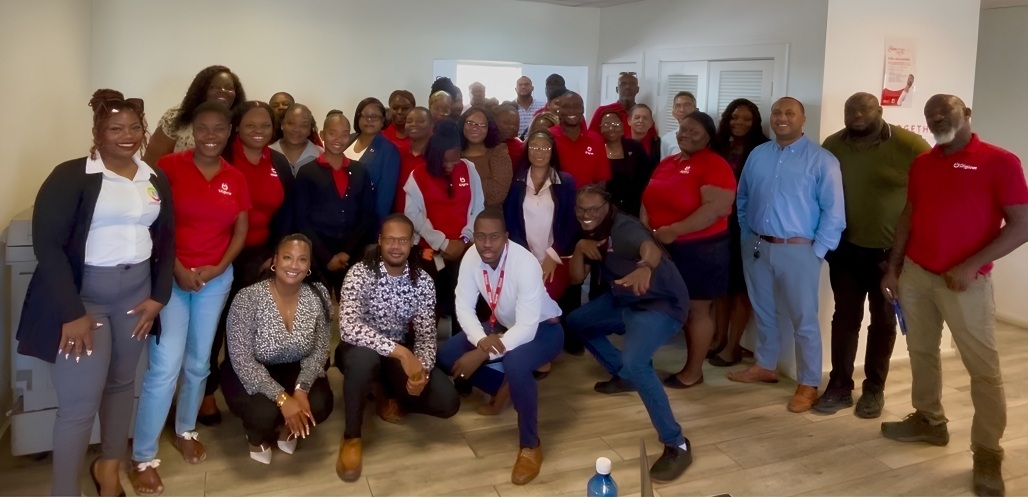
Providenciales, Turks and Caicos Islands— Thursday, 24 September 2026: The Department of Disaster Management and Emergencies (DDME) was invited by Digicel to deliver a hurricane preparedness presentation to members of their staff.
The engaging 90-minute presentation formed part of DDME’s ongoing public education and awareness efforts aimed at strengthening preparedness across the Turks and Caicos Islands. During the session, Digicel employees were provided with important information on the potential impacts of hurricanes and other emergencies, as well as the actions that individuals and organisations can take to reduce risks and protect lives, property and essential operations.
The presentation emphasised that preparedness is a shared responsibility and should begin well before a storm or other emergency threatens the country. Staff were encouraged to understand the risks associated with hurricanes, remain informed through official sources and develop personal and workplace preparedness plans.
DDME recognises the important role that businesses play in national disaster preparedness and resilience. Corporate organisations are encouraged to establish and regularly review emergency plans that clearly outline responsibilities, communication procedures, evacuation arrangements, business continuity measures and recovery actions.
“Preparedness is most effective when it is planned and practised before an emergency occurs,” Jason Hills, DDME Director. “Organisations that invest in preparedness today are better positioned to protect their people, maintain essential services and support the wider community during times of crisis.”
Corporate organisations, schools and government departments interested in DDME’s assistance with hurricane preparedness training, emergency drills support or assistance with developing a business contingency plan are encouraged to contact the Department of Disaster Management and Emergencies via email at ddme.tci@gmail.com.





-

 News6 days ago
Indian Association of Turks and Caicos Islands Empowers Local Students Through Back-to-School Backpack & Supplies Drive
-

 Caribbean News5 days ago
Royal Caribbean Group and Sandals Resorts Announce Landmark Partnership to Accelerate Their Leading Vacation Experiences
-

 Independent writer1 week ago
Letter to The Editor
-

 Bahamas News7 days ago
CIBC Caribbean Celebrates 2026 Unsung Heroes Finalists
-

 Health6 days ago
TCI Hospital Celebrates World Pharmacy Day 2026
-

 Bahamas News1 week ago
Romer Receives Regional Leadership Award
-

 Caribbean News6 days ago
Royal Caribbean Signs US$3-Billion Deal for Half of Sandals and Beaches
-

 Health1 week ago
Urgent Care vs. the ER: How To Choose Where To Go