
TCI News
Experience Turks and Caicos Projects Month-on-Month Growth of Stayover Arrivals for Winter Season


PROVIDENCIALES, TURKS AND CAICOS ISLANDS – (December 17th, 2025) – As the Turks and Caicos Islands welcomes visitors for the 2025/2026 winter season, forward bookings for the peak travel period from December to March are projected to surpass those of the same period last year. Experience Turks and Caicos is also forecasting steady month-on-month growth throughout the first half of 2026, with forward bookings already tracking ahead of 2025 levels.
“This is welcome news for our tourism sector, which experienced modest declines over the last two quarters,” said Mr. Paul Pennicook,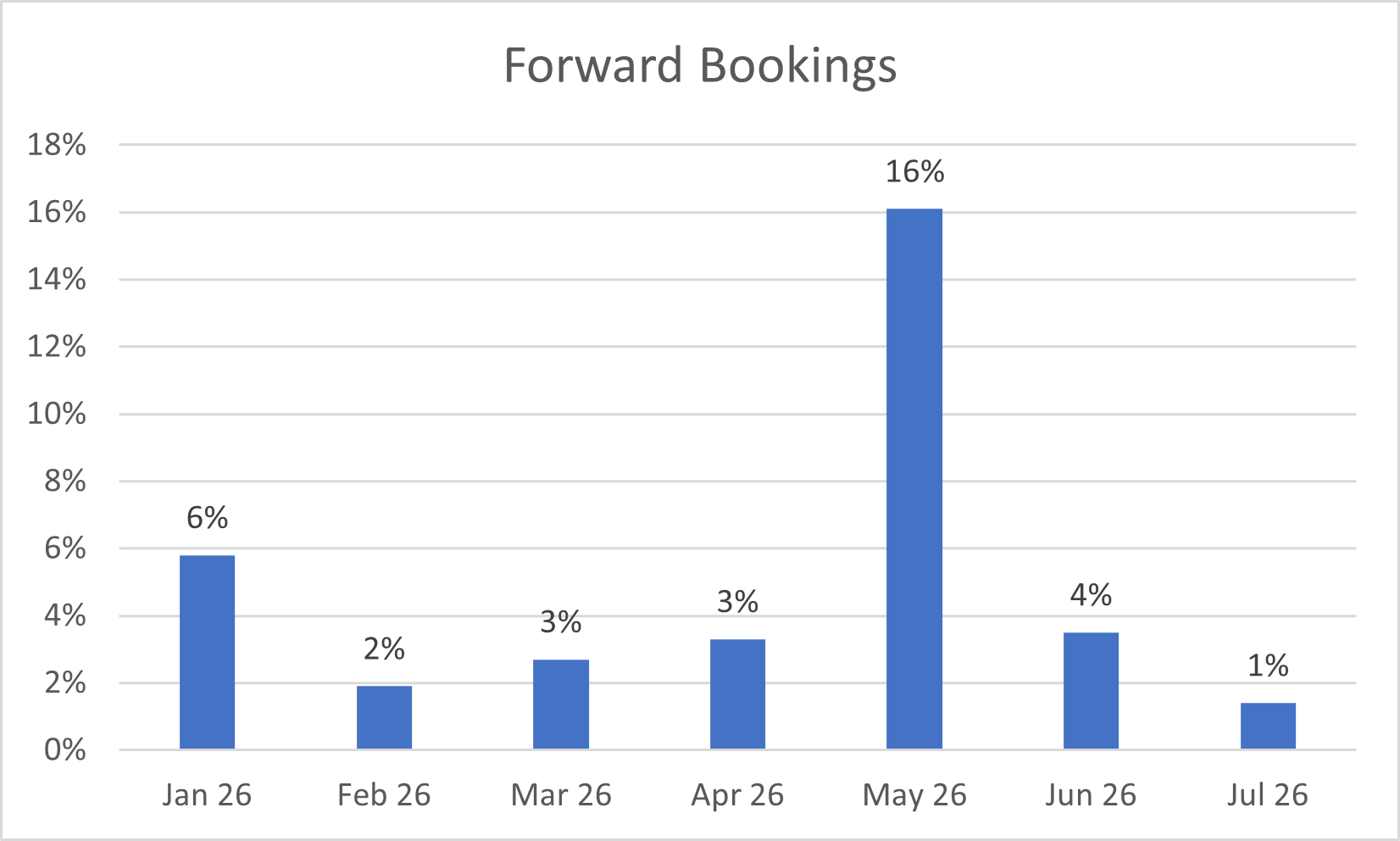 Interim CEO Consultant of Experience Turks and Caicos. “One of the key drivers of this positive outlook is increased airlift, including a 19 percent increase in capacity from Canada for the winter season and a six percent increase from the United States.” Mr. Pennicook also attributed the improved projections to targeted marketing and trade engagement efforts led by Experience Turks and Caicos, particularly ongoing training and education for travel advisors and tour operator call-centre agents across all key source markets.
“We have maintained a strong presence through product launches and travel trade events such as Delta Vacations University, while significantly increasing the destination’s visibility through co-op advertising with major tour operators in our three primary markets,” he added.
Public relations activity has also played a critical role, with several hosted media visits from journalists in the United States, Canada, the United Kingdom, and Latin America, alongside proactive pitching efforts that resulted in more than 100 placements in travel trade and consumer publications in 2025.
Analysis of current booking patterns also indicates a notable shift toward shorter booking windows. “One major U.S. tour operator reports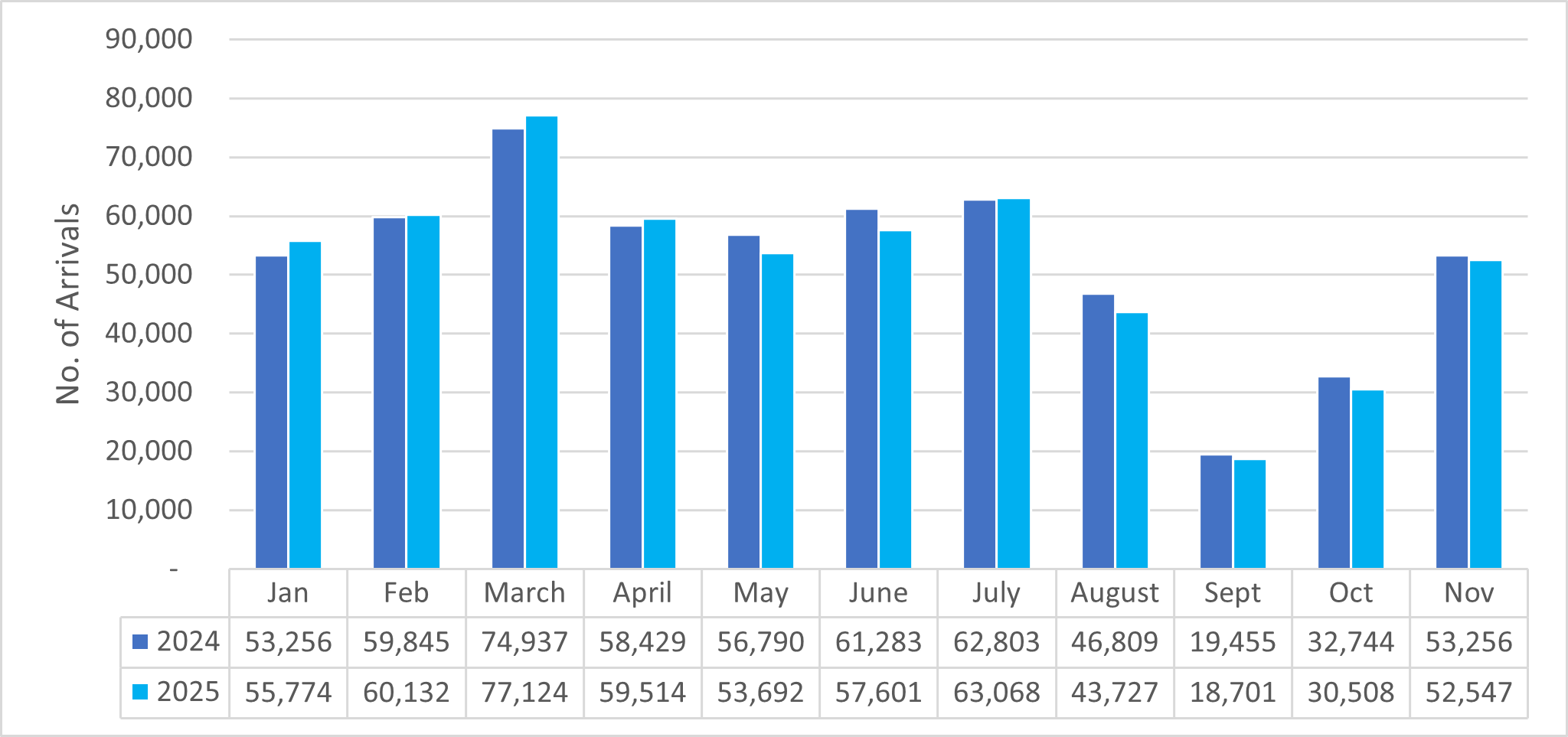 that over the past several weeks, approximately 90 percent of bookings have been for travel within the next 60 days,” Mr. Pennicook noted. “Hoteliers are reporting similar trends, suggesting the potential for further growth as we move into 2026.”
Despite the positive outlook, October and November recorded declines in stayover arrivals. Preliminary data shows 30,508 air arrivals in October, representing a seven percent decrease compared to October 2024, largely due to reduced airlift from the United States, Canada, and the United Kingdom as well as the impact of Hurricane Melissa on travel to the region. November recorded 52,547 stayover arrivals by air, a marginal one percent decrease year-on-year.
As the Turks and Caicos Islands welcomes visitors back to its shores this winter season, Experience Turks and Caicos would like to reassure that the island remains safe and welcoming. Statistics from the Royal Turks and Caicos Police Force show that overall crime is down, with a 40 percent reduction in murders. Experience Turks and Caicos is working closely with the police force to ensure tourism areas are well monitored and patrolled to enhance visitor security.








News
Invest Turks and Caicos Islands Highlights Investment Growth and Workforce Opportunity at 5th Annual General Meeting
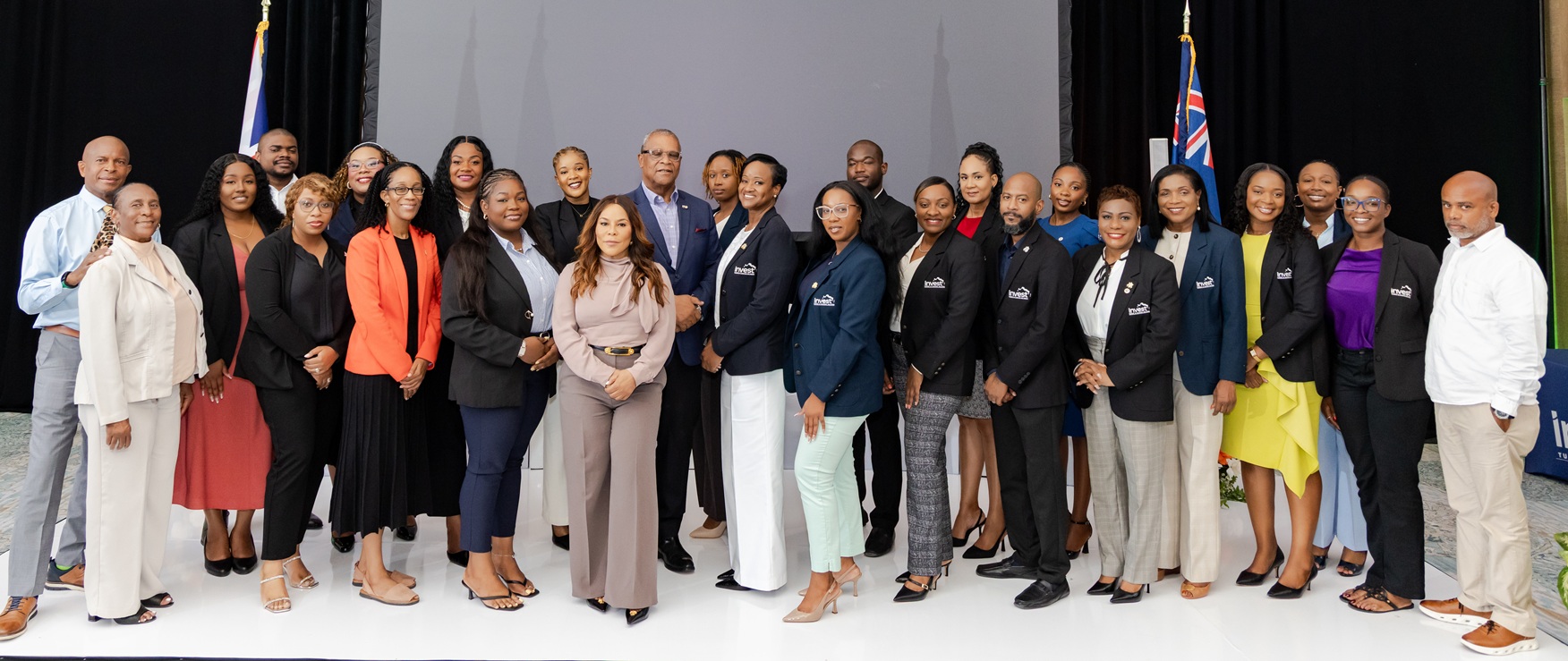
Providenciales, Turks and Caicos Islands – Monday, 28th September 2026:Invest Turks and Caicos Islands (Invest TCI) hosted its 5th Annual General Meeting (AGM) on Tuesday, September 15, 2026, at The Ritz-Carlton, Turks and Caicos, under the theme “Investment and Opportunity: Building a Stronger Workforce.”
The event brought together government officials, investors, developers, industry leaders, small business owners and key stakeholders for an evening of reflection on the Agency’s performance and the continued growth of the Turks and Caicos Islands. The meeting was called to order by Invest TCI Chairperson Ms. Cindy Ewing, who greeted the guests, outlined the purpose of the AGM, including the Agency’s statutory mandate and commitment to public accountability.
Building on the evening’s focus, Premier and Minister of Finance, Trade and Investment, Hon. Charles Washington Misick, reflected on the strength of the tourism industry, continued development and the transformation experienced by the Islands over the past five decades. He emphasized that economic progress cannot be measured solely by the number of buildings constructed or the amount of capital reaching the country’s shores, but by whether the people of the Turks and Caicos Islands are advancing alongside that growth.
The Premier also called for greater attention to the social cost of economic expansion and the extent to which the benefits of growth are shared. As Invest TCI continues to play a central role in facilitating development, he stressed the importance of responsible corporate citizenship and of ensuring that those benefiting from the economy contribute meaningfully to the society in which they operate.
Following the Premier’s remarks, Her Excellency Governor Dileeni Daniel-Selvaratnam highlighted the opportunity to convert strong investor confidence into lasting economic capability, productivity and prosperity. She underscored the importance of viewing investment as a catalyst for innovation, skills development, enterprise and institutional strength, while building the domestic capacity required to support continued growth.
Bringing the discussion back to Invest TCI’s role in advancing that objective, Chairperson Ms. Ewing presented the Board’s report, reflecting on governance, Board oversight, key achievements and the strategic direction of the Agency, while underscoring the responsibility that accompanies a growing investment environment.
“The true value of investment is not only what is built on our shores, but also what is built within our people,” Ms. Ewing said. She further emphasized the Board’s responsibility to understand the investment landscape, question it and, where necessary, improve upon it.
The focus then shifted from strategic oversight to the Agency’s performance, as Chief Executive Officer Mrs. Angela Musgrove presented on the performance of the organization for the 2025/26 financial year. She highlighted an active investment pipeline of 53 projects valued at approximately $6.335 billion and reported that the Agency received 140 applications to its Micro Small and Medium Enterprise programme, the highest number of applications in the programme’s history. Importantly, she emphasized that the Agency’s focus extends beyond the size of the investment pipeline to the impact these investments are expected to generate across the economy, including employment, construction activity, business opportunities, linkages with local enterprises and broader economic participation.
Further demonstrating the breadth of activity across the Agency’s portfolio, Mrs. Musgrove reported progress under the Heritage Turks and Caicos Islander Investment Policy, with two Development Agreements executed and five projects currently progressing through the Heritage pipeline. She highlighted the Agency’s focus on moving these projects forward and converting investment activity into tangible outcomes, including construction and employment opportunities. This impact-focused approach reflects the Agency’s emphasis on not only attracting and facilitating investment, but on tracking how investment translates into measurable benefits for the Turks and Caicos Islands and its people.
Providing a financial and operational overview, Mrs. Musgrove emphasized that performance should not be assessed only by budget utilization, but by what the Agency delivers through its resources, including investments advanced, businesses supported and opportunities created across the Islands. This , she noted, reinforces the Agency’s focus on accountability, results and measurable economic impact.
A central feature of the evening was the special panel discussion, “Beyond Employment: Turning Investment into Opportunity for Our People.” Moderated by Damian Wilson, Deputy Director of Radio Turks and Caicos, the panel brought together James McAnally, Regional Managing Director, Sandals Resorts International; Hon. Jamell Robinson, Deputy Premier and Minister of Immigration and Border Services; Claudia Been Munnings, Director of Organizational Learning and Development, Pelican Energy; Melanie Smith, Founder and Owner, Talent Recruitment Group; and Dr. Candice Williams, President, TCI Community College.
The discussion explored five interconnected priorities: workforce quality, meaningful local participation, skills and workforce readiness, career progression, and stronger partnership and planning. Panelists considered how education and training can be better aligned with industry demand and higher-value, specialized and future-focused roles, while creating clearer pathways for advancement and leadership. The discussion also reinforced the importance of collaboration among government, investors, employers and training institutions in preparing the workforce for the next decade of development.
Other highlights of the evening included an investment and economic development video and a prize giveaway, with prizes including a spa experience for two at South Bank and four day or night passes sponsored by Beaches Turks and Caicos. Invest TCI also recognized staff members who reached five and ten years of service, acknowledging their dedication and contribution to the Agency’s continued growth and development.
The 5th AGM reinforced Invest TCI’s continued focus on attracting and facilitating investment while ensuring that economic growth creates meaningful opportunities for the people and businesses of the Turks and Caicos Islands. With a significant investment pipeline, record demand for MSME support and continued progress under the Heritage Policy, the Agency remains focused on advancing projects, supporting enterprise and strengthening the connection between investment, workforce development and long-term economic opportunity.
The evening concluded with closing remarks and appreciation to attendees, speakers, panelists, partners and the organizing team for their contribution to a successful AGM.
For more information on upcoming events and Invest TCI initiatives, follow Invest TCI on social media @InvestTCI.
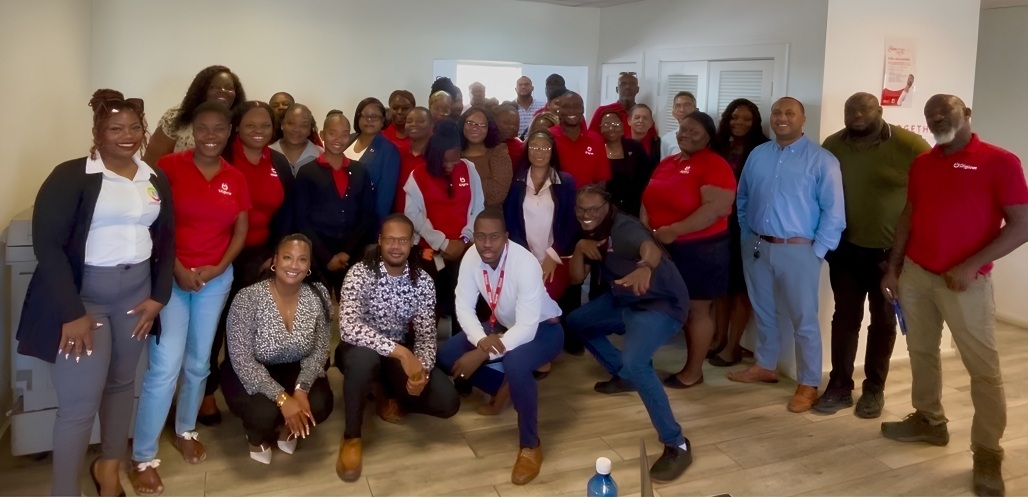
Providenciales, Turks and Caicos Islands— Thursday, 24 September 2026: The Department of Disaster Management and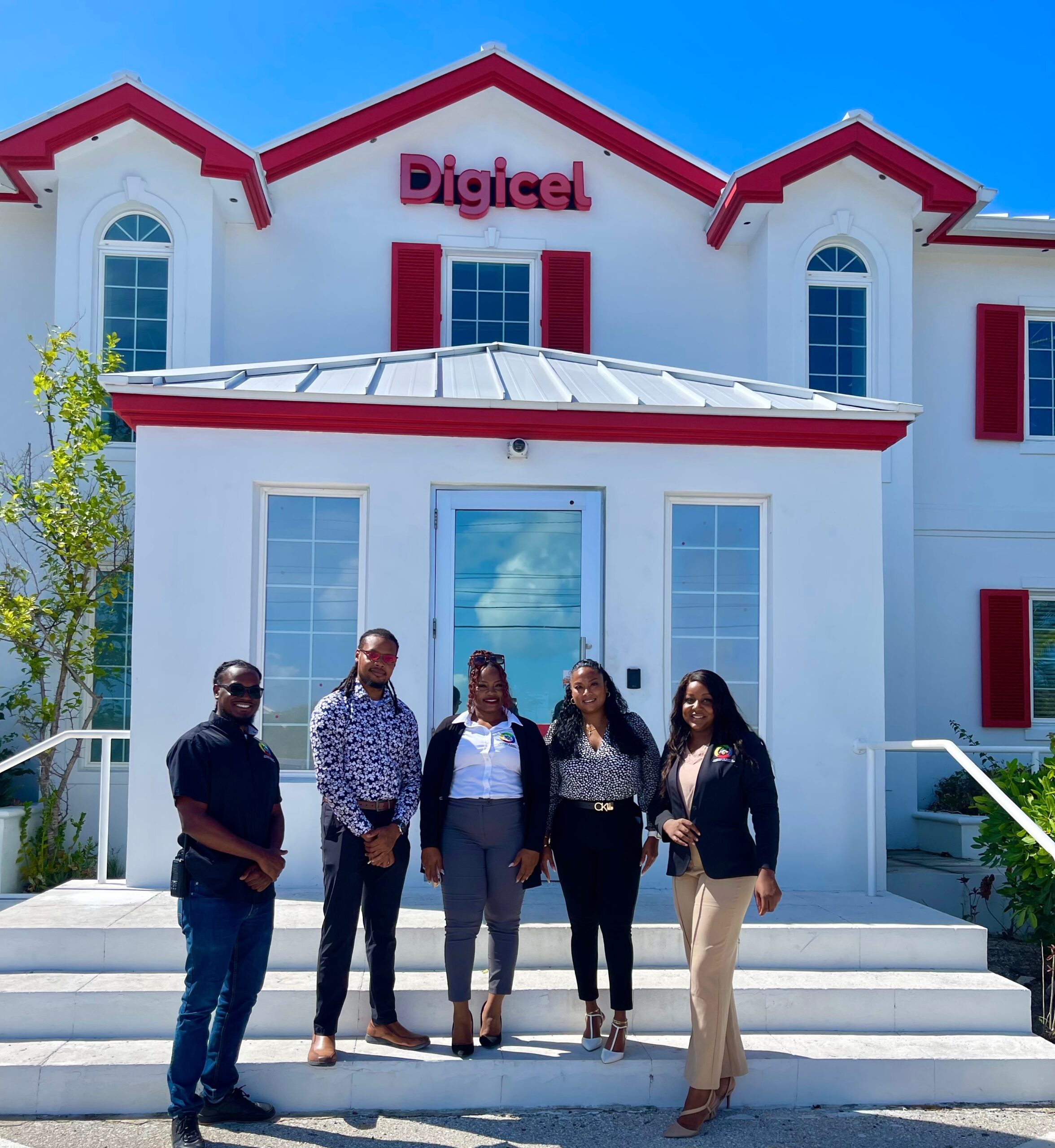 Emergencies (DDME) was invited by Digicel to deliver a hurricane preparedness presentation to members of their staff.
The engaging 90-minute presentation formed part of DDME’s ongoing public education and awareness efforts aimed at strengthening preparedness across the Turks and Caicos Islands. During the session, Digicel employees were provided with important information on the potential impacts of hurricanes and other emergencies, as well as the actions that individuals and organisations can take to reduce risks and protect lives, property and essential operations.
The presentation emphasised that preparedness is a shared responsibility and should begin well before a storm or other emergency threatens the country. Staff were encouraged to understand the risks associated with hurricanes, remain informed through official sources and develop personal and workplace preparedness plans.
DDME recognises the important role that businesses play in national disaster preparedness and resilience. Corporate organisations are encouraged to establish and regularly review emergency plans that clearly outline responsibilities, communication procedures, evacuation arrangements, business continuity measures and recovery actions.
“Preparedness is most effective when it is planned and practised before an emergency occurs,” Jason Hills, DDME Director. “Organisations that invest in preparedness today are better positioned to protect their people, maintain essential services and support the wider community during times of crisis.”
Corporate organisations, schools and government departments interested in DDME’s assistance with hurricane preparedness training, emergency drills support or assistance with developing a business contingency plan are encouraged to contact the Department of Disaster Management and Emergencies via email at ddme.tci@gmail.com.
News
Indian Association of Turks and Caicos Islands Empowers Local Students Through Back-to-School Backpack & Supplies Drive
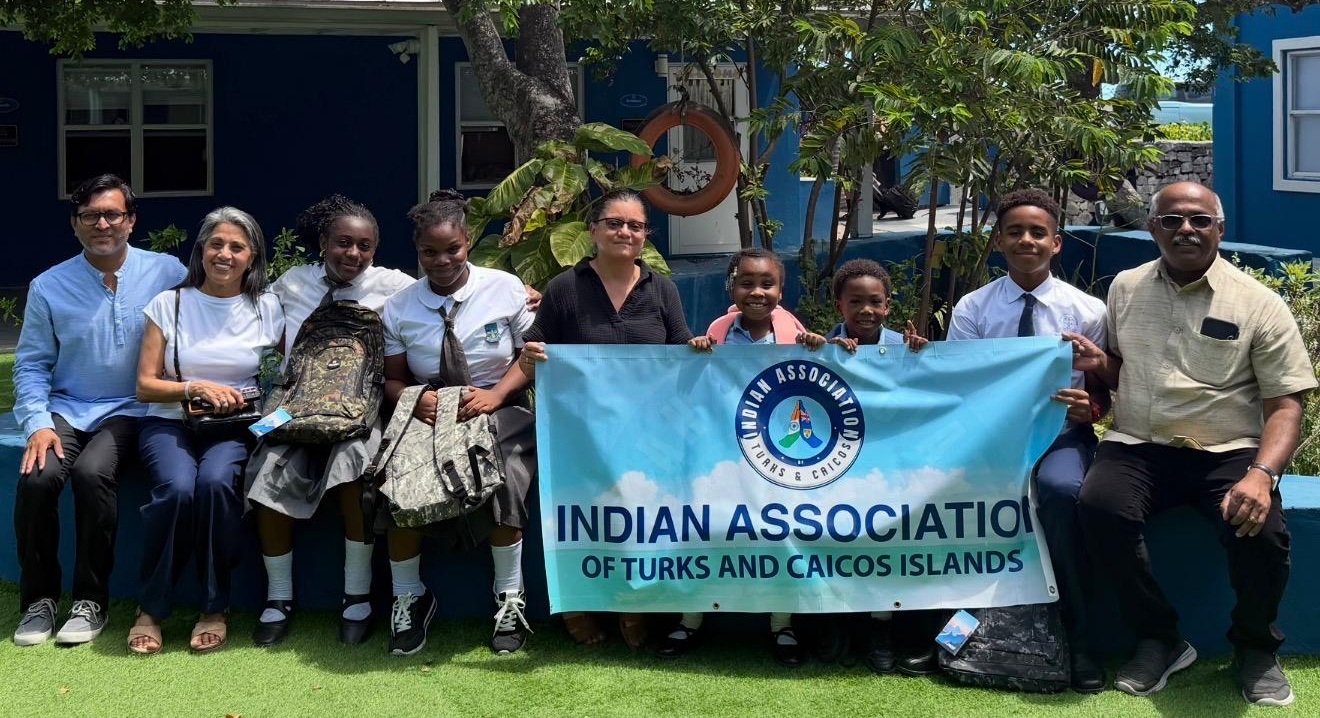
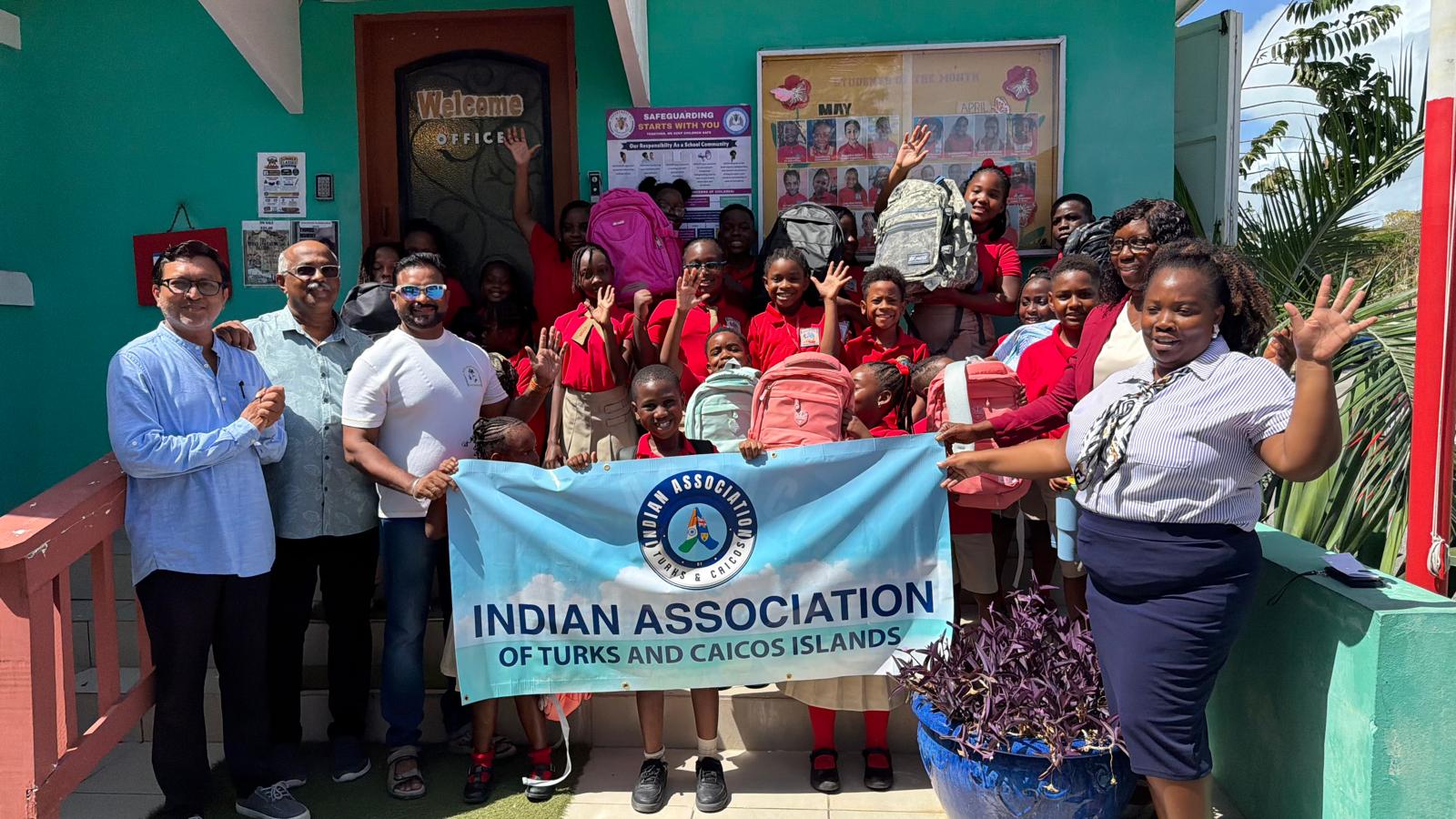
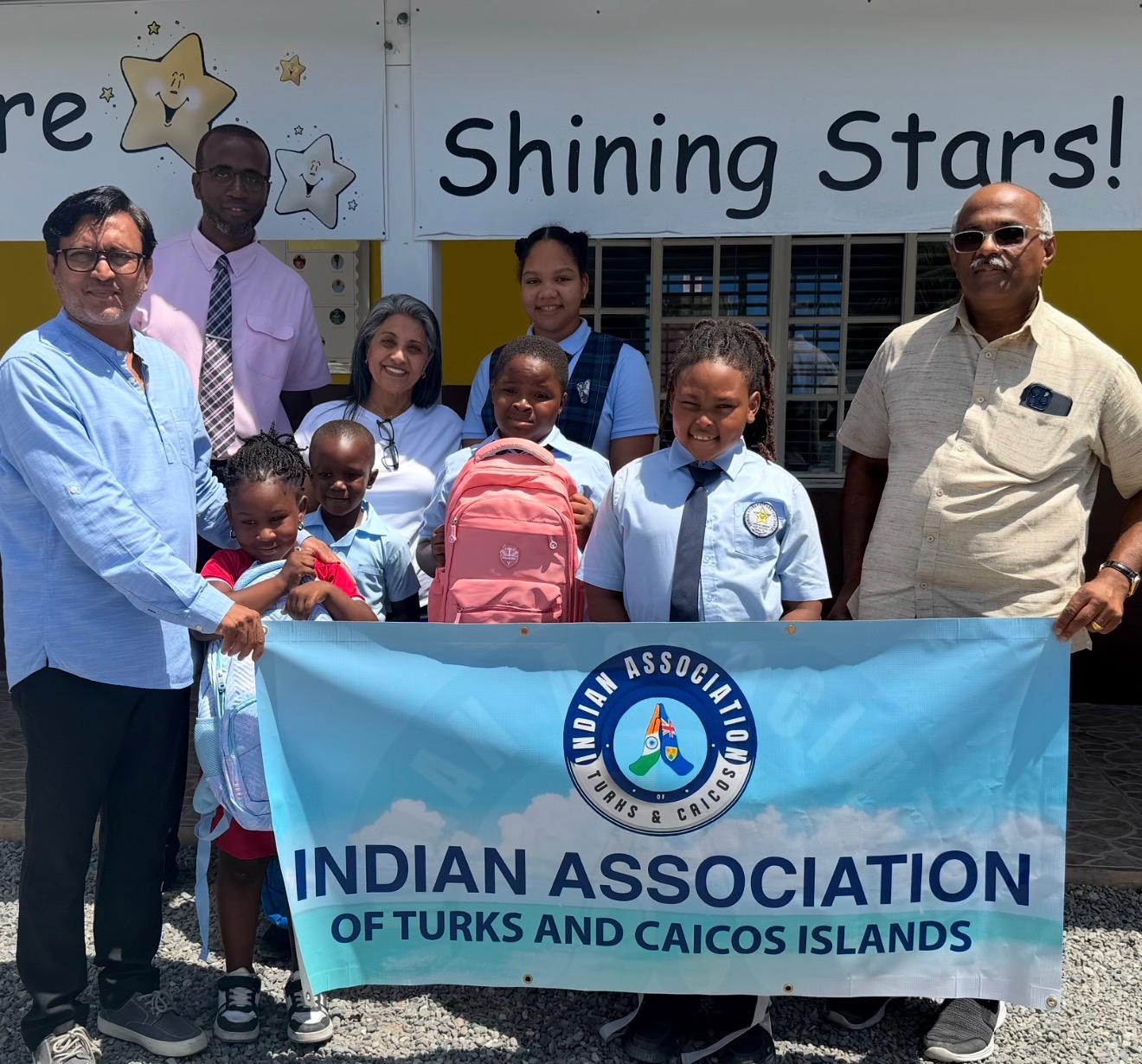
PROVIDENCIALE, TURKS AND CAICOS ISLANDS — The Indian Association of Turks and Caicos Islands (IATCI) is proud to announce the successful completion of its 2026 Back-to-School Supplies Initiative, distributing essential backpacks and educational materials to local students and families across the community.
With the new academic year underway, this annual drive was designed to alleviate the financial burden on families while equipping local youth with the necessary tools for academic success.
Education is an investment in a better generation and a brighter future. We are grateful to all our generous donors and supporters whose contributions helped make this initiative possible.
The initiative’s success was made possible through the collaboration and contributions of local corporate partners and community members. IATCI extends its sincere appreciation to the following sponsors for their support and commitment:
• Mayaa Ltd, Ayavue Enterprises, Provo Café, Sunny Foods, Gold Smith, Charlie’s, Kishco / Kostco, Citrusbuy Ltd.
Through partnerships like these, IATCI continues its commitment to fostering community growth, supporting educational development, and making a lasting positive impact across the Turks and Caicos Islands.
About the Indian Association of Turks and Caicos Islands (IATCI)
The Indian Association of Turks and Caicos Islands is a non-profit community organization dedicated to cultural enrichment, community service, and supporting educational and social initiatives throughout the islands.
Indian Association of Turks and Caicos Islands (IATCI)





-

 News7 days ago
Indian Association of Turks and Caicos Islands Empowers Local Students Through Back-to-School Backpack & Supplies Drive
-

 Caribbean News6 days ago
Royal Caribbean Group and Sandals Resorts Announce Landmark Partnership to Accelerate Their Leading Vacation Experiences
-

 Independent writer1 week ago
Letter to The Editor
-
 Bahamas News1 week ago
CIBC Caribbean Celebrates 2026 Unsung Heroes Finalists
-

 Health7 days ago
TCI Hospital Celebrates World Pharmacy Day 2026
-

 Bahamas News1 week ago
Romer Receives Regional Leadership Award
-
 Caribbean News7 days ago
Royal Caribbean Signs US$3-Billion Deal for Half of Sandals and Beaches
-

 Health1 week ago
Urgent Care vs. the ER: How To Choose Where To Go