
Independent writer
The 7 Habits of Happy Families; Stronger relationships, more laughter, and deeper connection—here’s how


Ed Forbes | Concerned Citizen
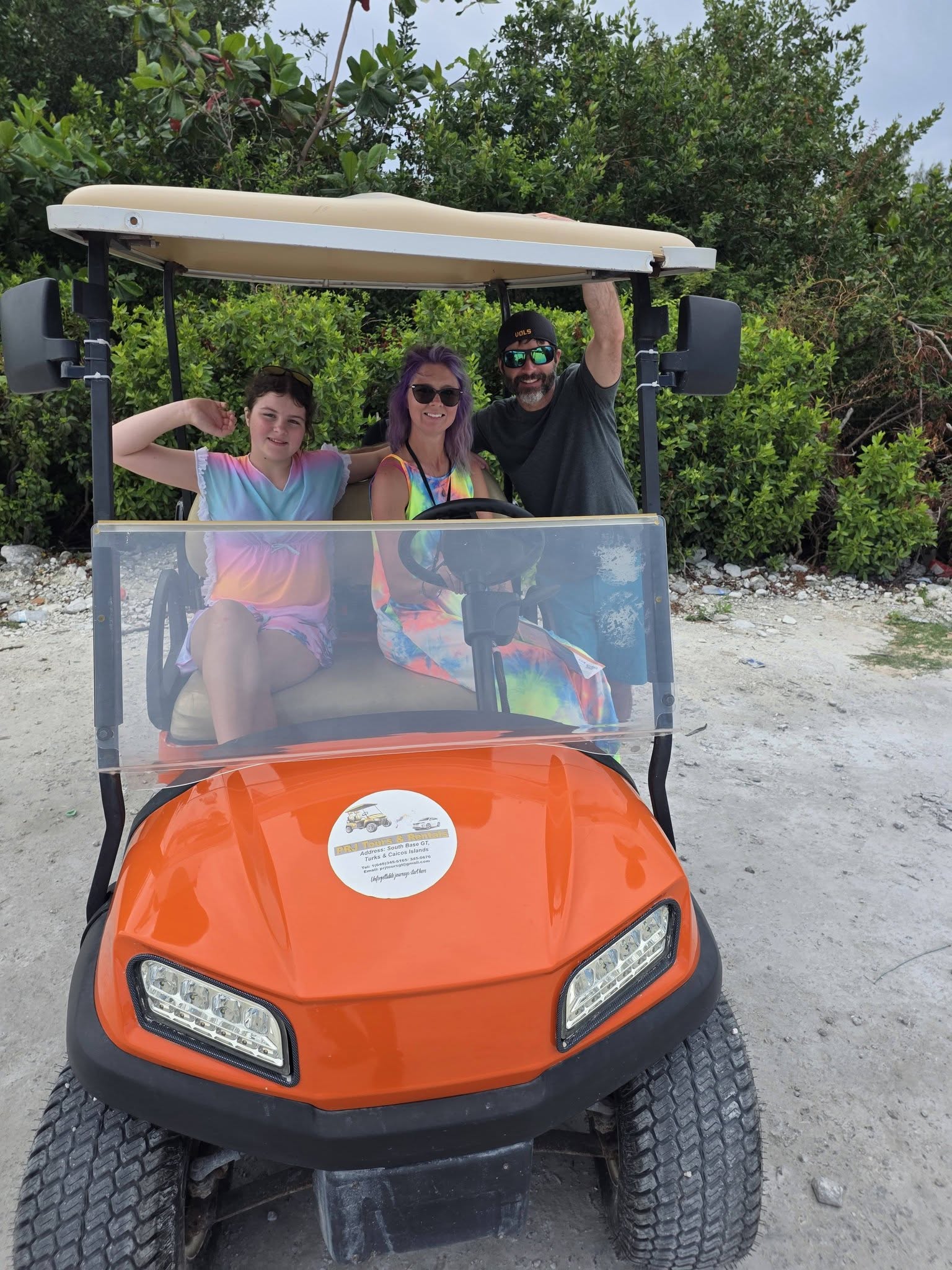
Public safety must always be a priority, and government has a responsibility to ensure vehicles operating on public roads meet appropriate safety standards. However, new policies affecting small businesses and residents must also consider economic and social consequences.
The Department of Motor Vehicles’ recently published restrictions on golf carts and ATVs raise important questions.
I understand restricting golf carts on the busy roads of Providenciales, where growth and traffic have placed significant pressure on infrastructure. But should the same approach automatically apply to Grand Turk, North, Middle and South Caicos?
Grand Turk’s tourism economy relies partly on golf cart rentals. Cruise visitors use them to explore attractions, restaurants and local businesses. Restrictions could affect livelihoods beyond rental operators, particularly as cruise arrivals decline.
What happens to residents who purchased golf carts for personal transportation? Will existing owners be grandfathered? And how will Airbnb operators who include golf carts in guest packages be affected?
Why not regulate rather than eliminate nighttime use? Roadworthiness standards, functioning lights, mirrors, seat belts, insurance, inspections and driver-age requirements could improve safety.
Electric golf carts also support environmentally responsible transportation. Shouldn’t suitable green mobility be encouraged?
Commercial tours could face designated routes or restrictions on congested roads while approved vehicles remain available for independent transportation.
Government must explain the legal basis, implementation timeline and treatment of existing licenses, and whether affected communities were consulted.
Good public policy balances safety with economic realities. Different islands have different transportation needs.
Regulate, Don’t Eliminate. Protect Our People, Preserve Our Livelihoods and Keep Grand Turk Moving Forward.
DEAR EDITOR,
Sometimes the best ideas come from experiences far away from home.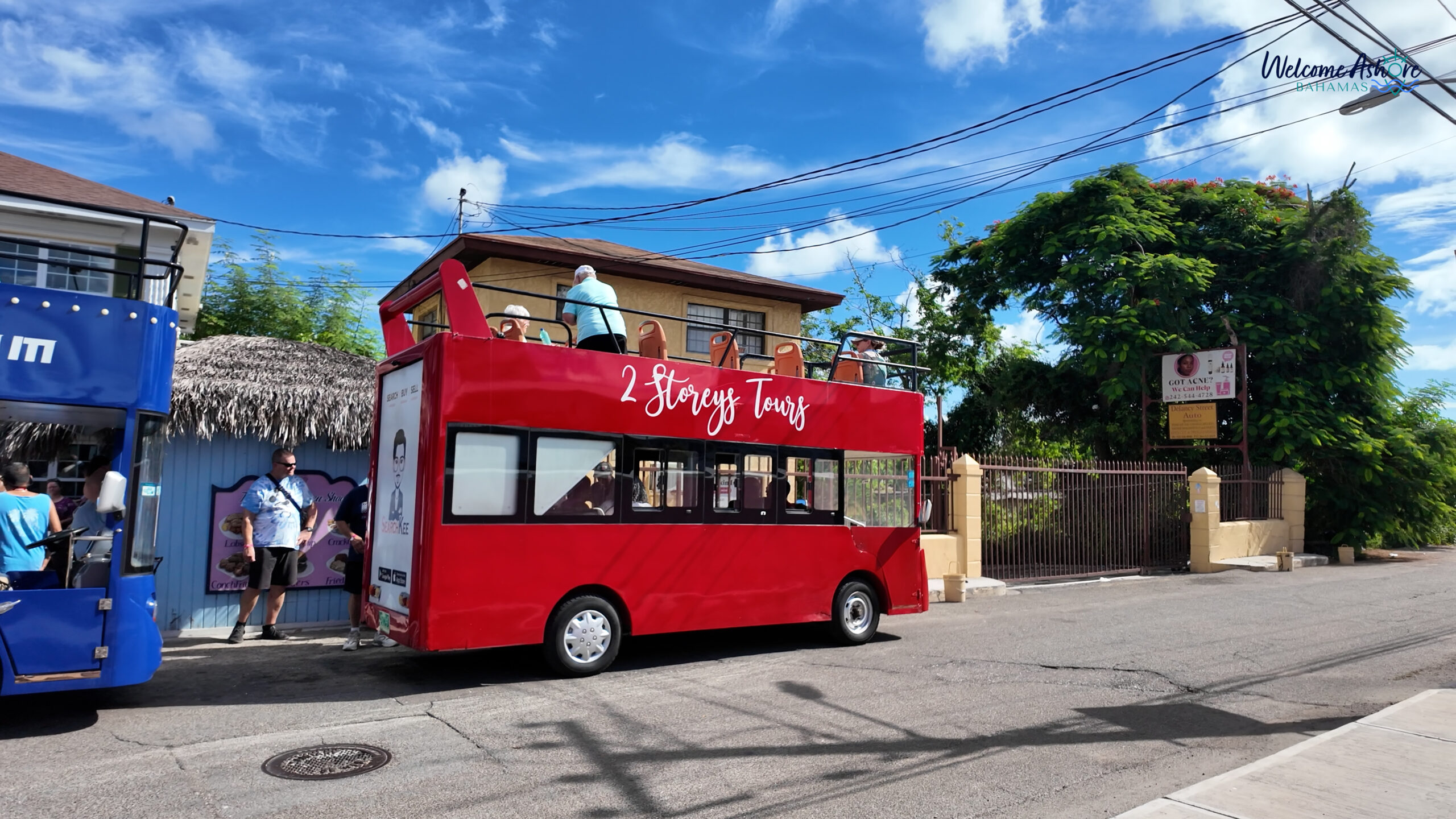
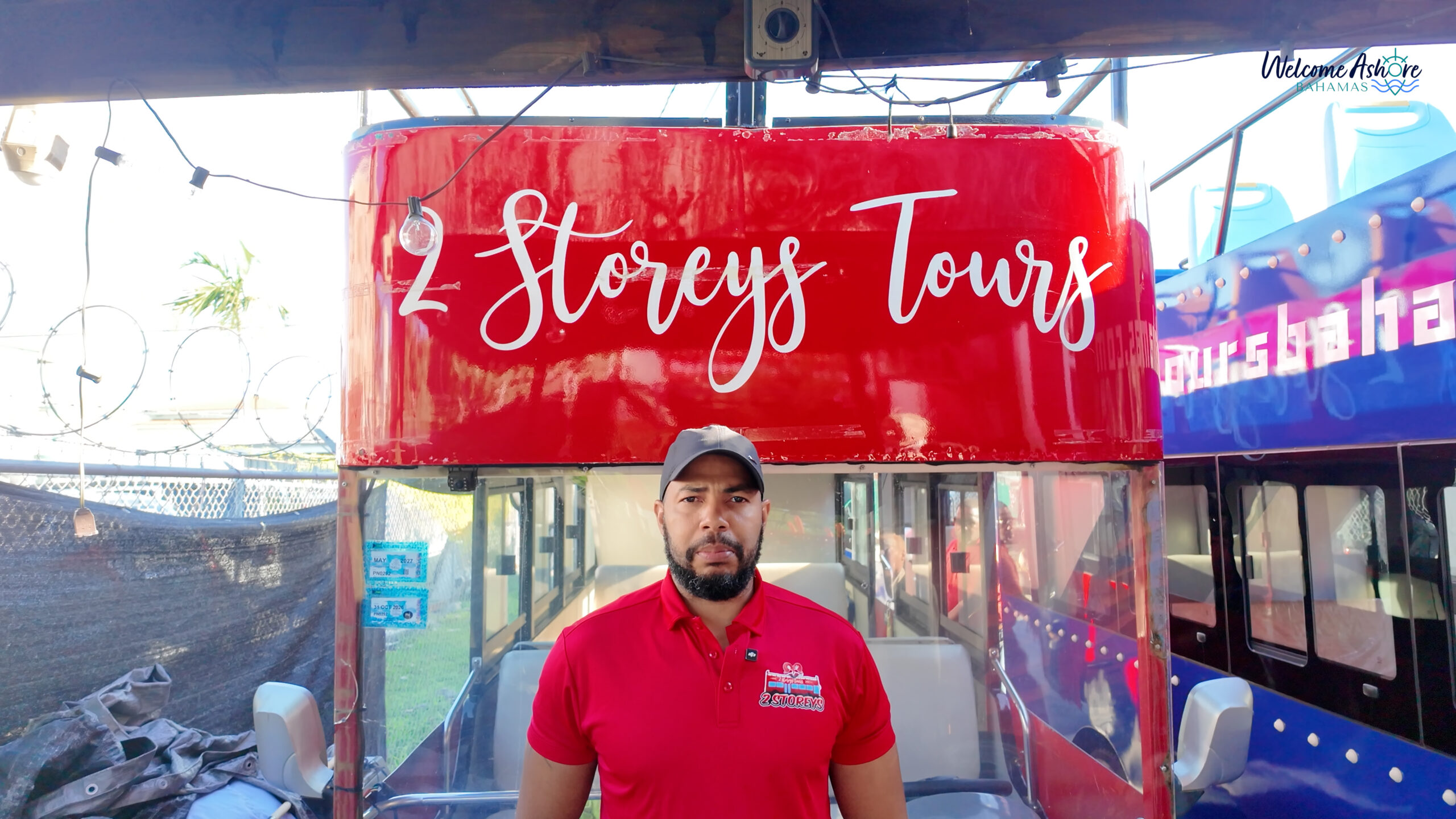
It was while I was living in Europe that I saw how excited people were about England’s iconic double-decker buses. It was a symbol of culture – and visitors looked forward to the ride as an experience in itself rather than just a method of transportation.
That sparked a thought: What if we brought that same excitement to The Bahamas, but made it uniquely Bahamian?
In November 2024, that thought became 2 Storeys Tours. I wanted visitors to see Nassau in a way they had not been able to before. That meant they could come straight off a cruise ship and onto a double-decker to see what makes our country what it is – to see our beautiful waters and to discover what makes us Bahamian.
We wanted to create something memorable, something visitors would associate with their Bahamian vacation, just as people associate double-decker buses with England.
The bus may catch your attention, but The Bahamas is what makes the experience unforgettable.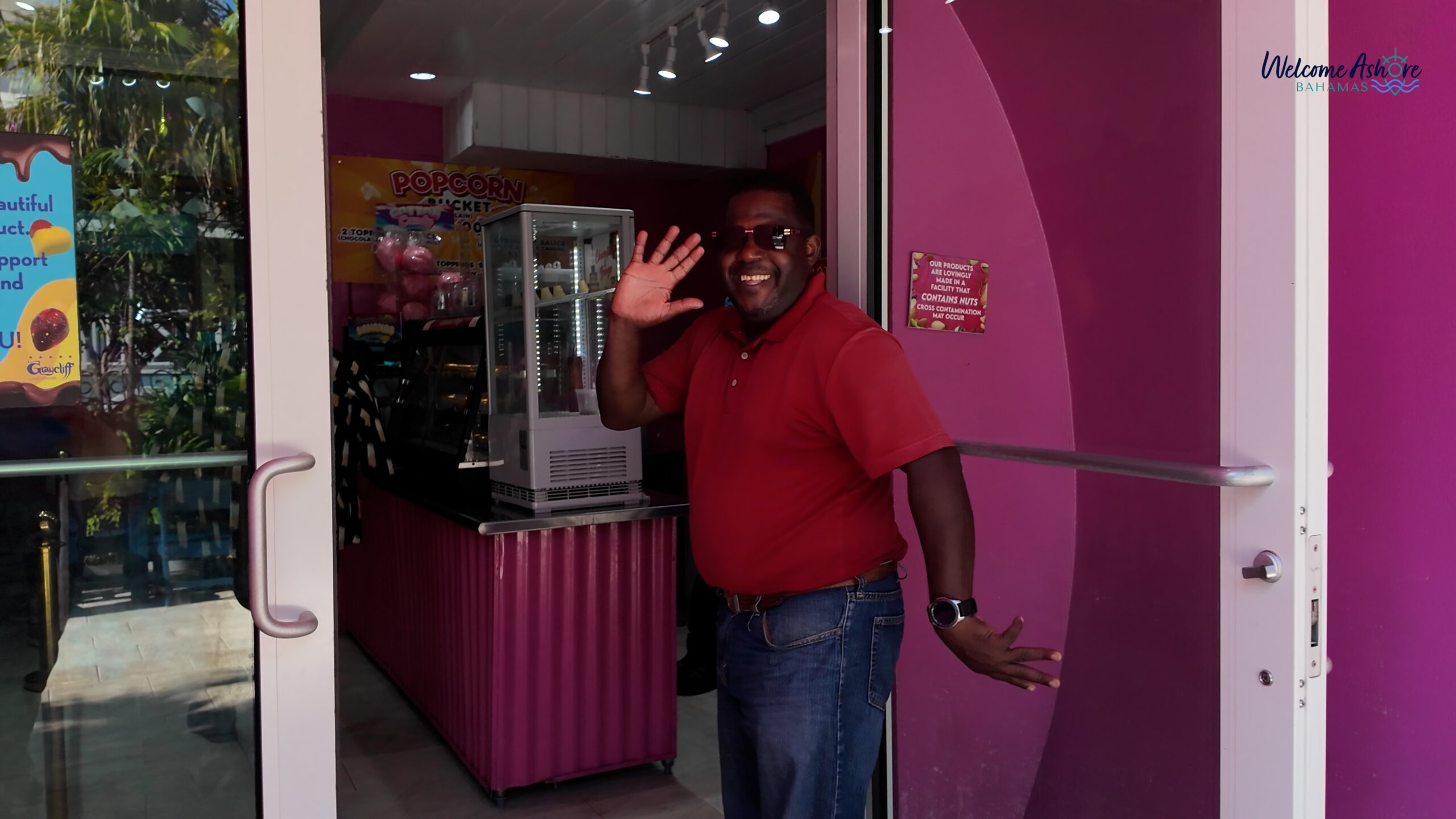
We also believe tourism should create opportunities for Bahamians.
We started less than five years ago with one very used double decker bus.
Now thanks to cruise ship business, we have quadrupled the size of our little fleet. We now have four shiny new red and blue buses, so we can say Welcome Ashore in style.
Depending on the season, between 70 and 80 percent of our business is cruise-passenger driven. Even during the slower season for hotels, the cruise ships arrive filled with people looking to explore historic Nassau and we are giving them the closest to a bird’s eye view as they can get. And they love it.
Turning an idea into a functioning business has been an exciting journey, but certainly not without challenges. From planning and preparation to finally seeing our buses on the road, the experience has taught us patience, perseverance, and the importance of believing in a vision.
We are proud of how far we’ve come, and even more excited about what lies ahead.
Building partnerships helped us to get to where we are today – building them further will take us to where we can reach tomorrow.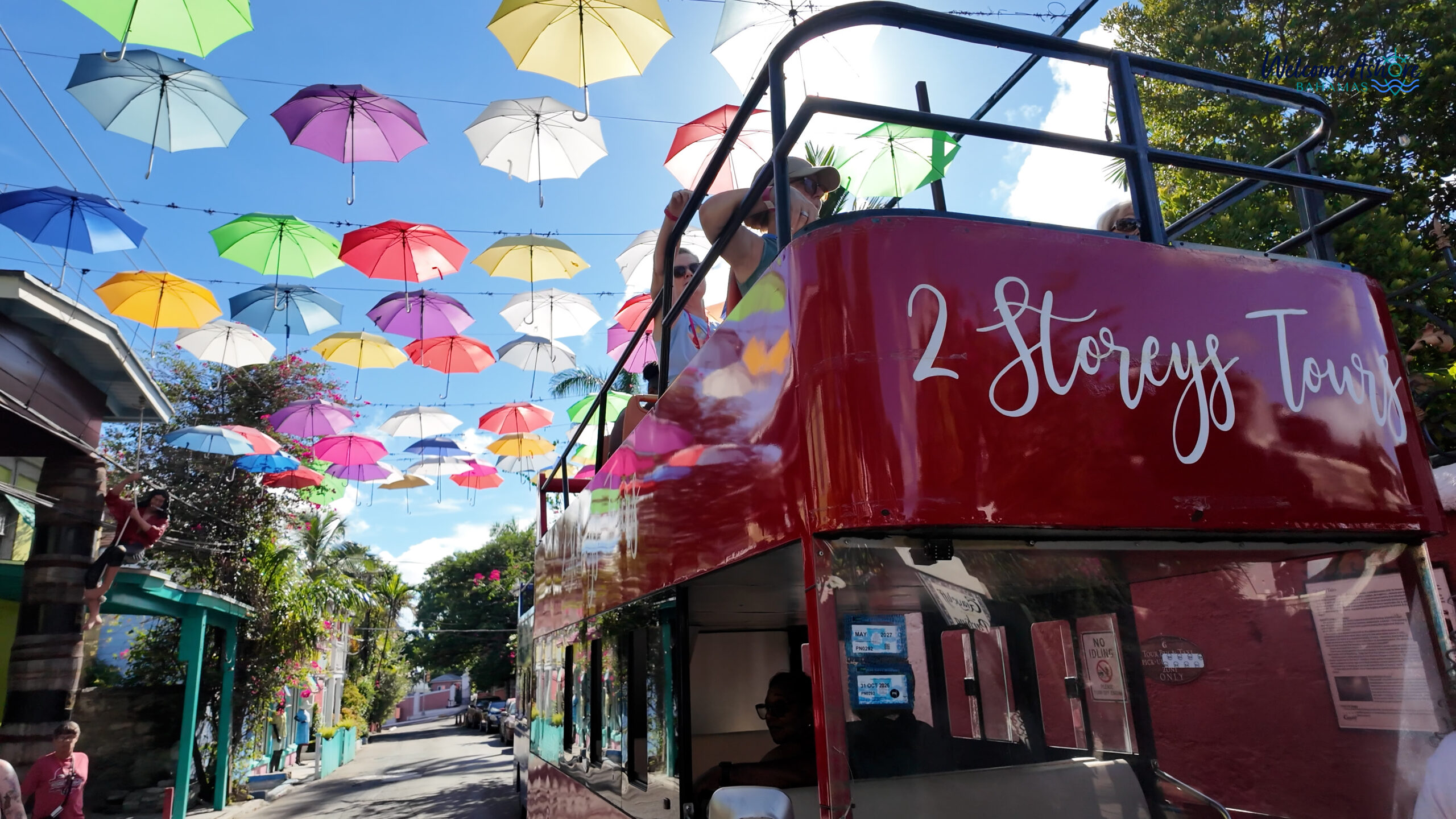
Our ambition is to make 2 Storeys Tours a recognised and trusted name in Bahamian tourism. We want to continue improving our tours, developing new experiences, embracing environmentally responsible tourism, and building meaningful relationships – and eventually take the 2 Storeys Tours experience beyond Nassau to other islands.
Above all, we want to build something that lasts.
Looking back, it’s incredible to think that an observation while living in Europe could lead to a business right here at home.
What began as an idea became a business with a purpose, and we’re only getting started.
Our inspiration came from abroad. Our passion comes from home. And our future is proudly Bahamian.
By: KEEVON MAYNARD
President, 2 Storeys Tours
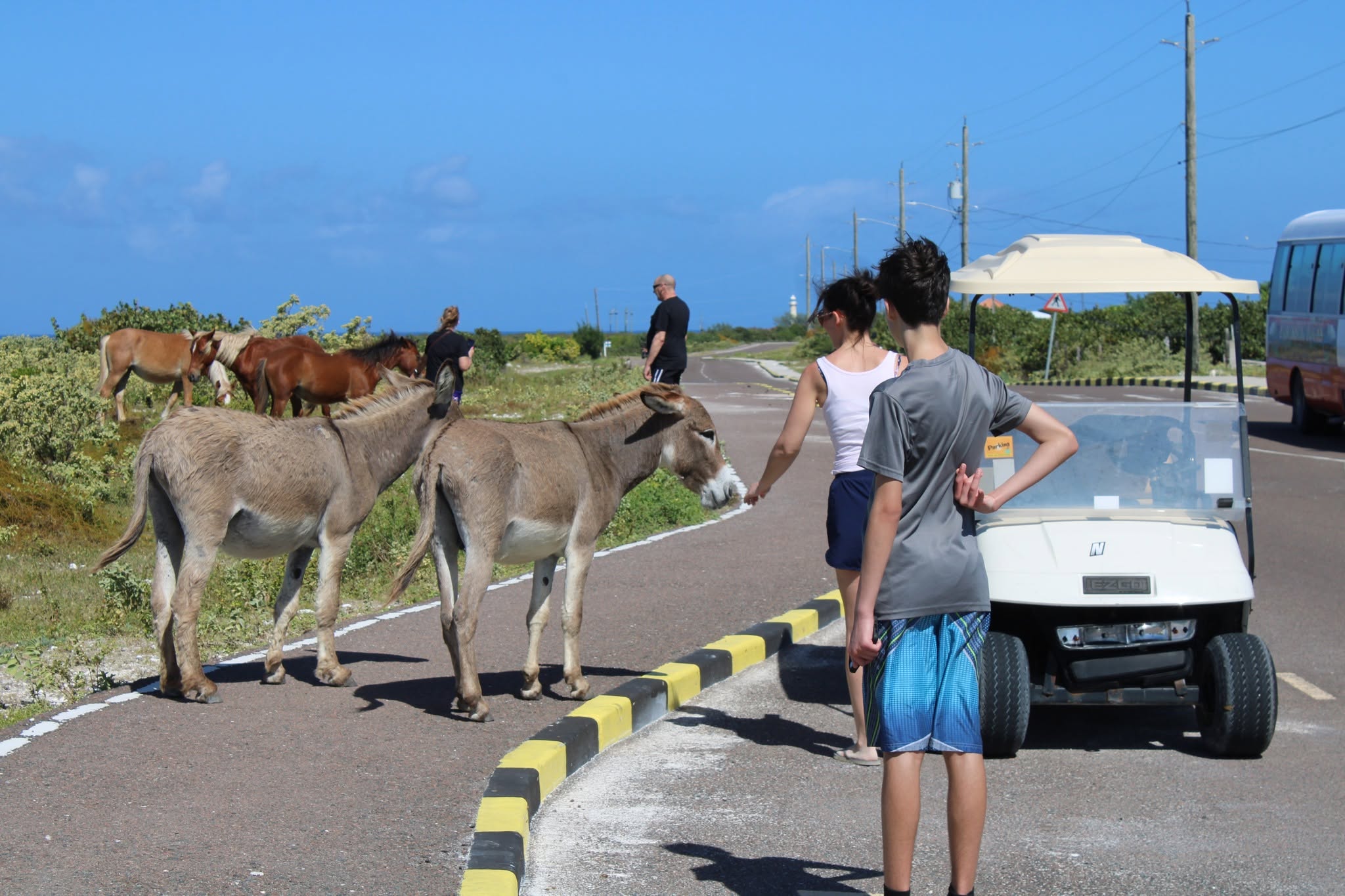
Turks and Caicos, October 31, 2026 – Once again, I feel compelled to put pen to paper on this matter. You don’t expect to slam your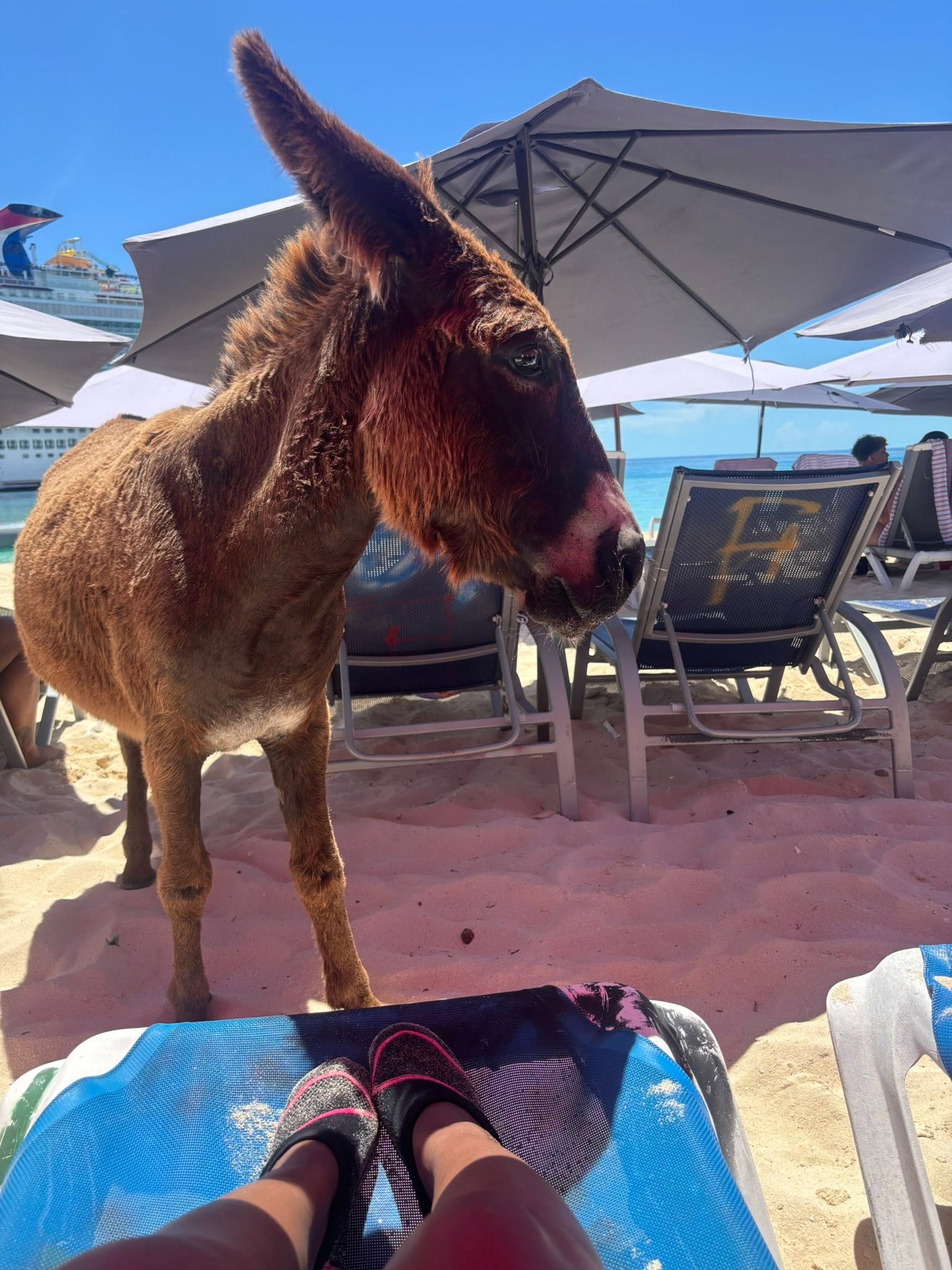 brakes in paradise. But in Grand Turk, it’s becoming routine.
Donkeys roam along roadsides, darting into traffic, while packs of dogs linger around neighborhoods. Tourists and residents alike face dangerous encounters with animals that, while symbolic of Grand Turk’s identity, now pose very real threats to public safety and themselves.
I’ve had near misses myself, and I’m not alone. This is no longer simply an island charm issue; it’s an unfolding dilemma that demands attention.
Grand Turk has a long history of romanticizing its animals. Donkeys, once essential to the island’s salt trade in the 1800s, are now part of its distinctive character. Yet neither they nor the growing population of free-roaming dogs are being adequately managed.
Estimates place the donkey population at around 500 on an island measuring just 10.5 square miles, with approximately 4,000–5,000 residents and tourist numbers that can double on cruise ship days. Add dogs that are quasi-owned—fed occasionally out of pity or when they wander onto someone’s property, but rarely properly cared for or contained—and the scale of the problem becomes clearer.
Feeding a dog occasionally is not the same as taking responsibility for it. The same applies to owners who fail to provide adequate fencing, allowing their dogs to roam freely through neighborhoods and onto public roads. Responsible ownership requires more than occasional feeding; it means ensuring an animal’s welfare while protecting the wider community.
Tourists may marvel at roadside donkeys or follow a friendly dog to the beach. But they don’t necessarily witness the accidents, injuries, property damage, and scattered garbage. Nor do they see how open grazing areas are disappearing beneath roads, homes, and new developments.
So, whose space is it now? Are the animals invading ours, or are we gradually taking theirs, leaving less vegetation for them to feed on?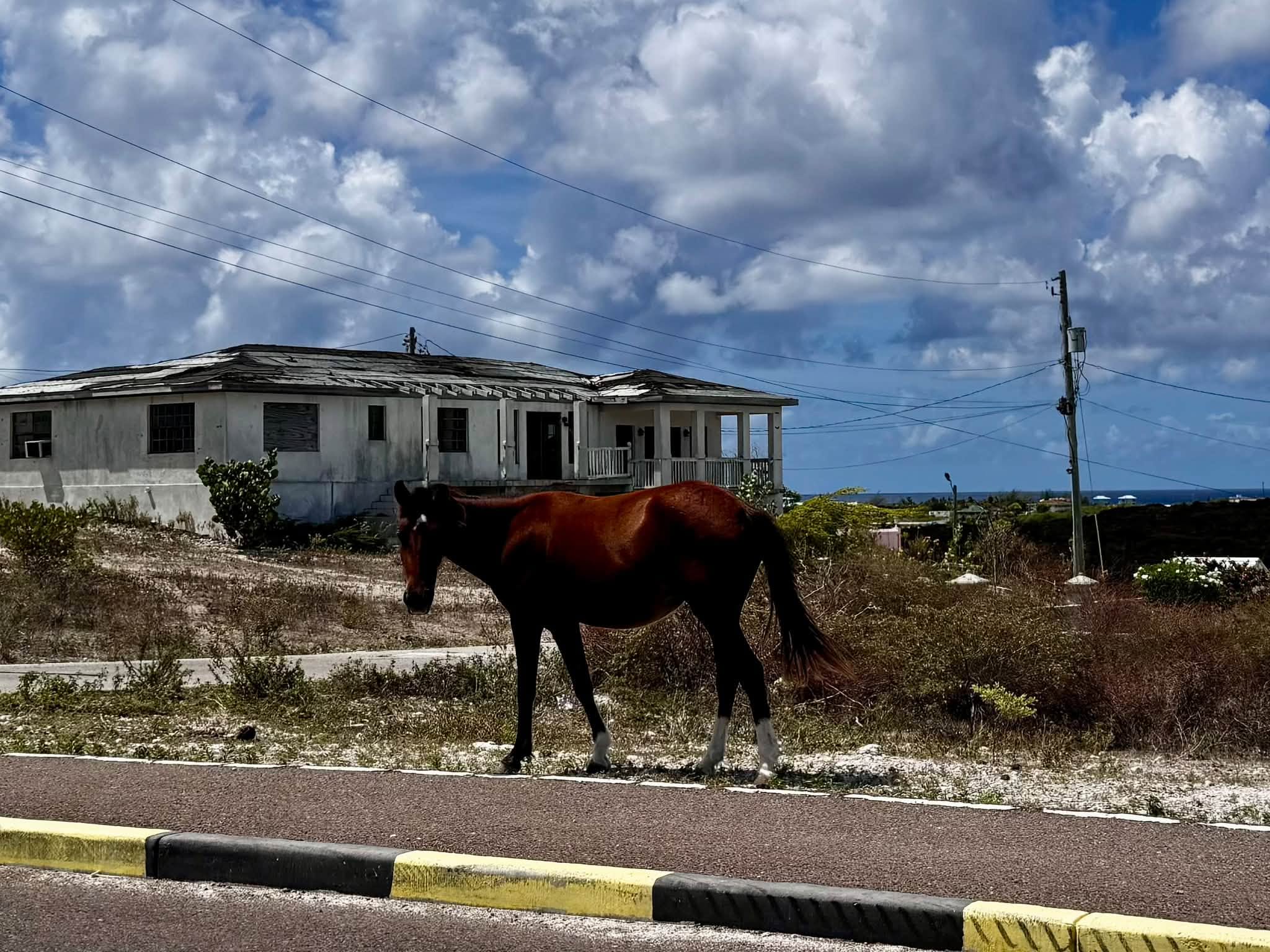
This is not simply a debate about animals. It is about responsibility, planning, and public safety.
Grand Turk’s Department of Agriculture faces a challenging predicament. The Turks & Caicos Society for the Prevention of Cruelty to Animals (TCSPCA) does what it can, but without adequate funding and government support, its capacity remains limited. Volunteers continue to step forward, yet goodwill alone cannot resolve a problem of this magnitude.
There are several suggestions from avid Hooves & Paws TCI volunteers: Establish satellite watering holes away from high-traffic areas, properly maintain existing ones, or explore the creation of a donkey sanctuary etc.
We have recently welcomed the long-awaited arrival of a full-time veterinarian, but that alone is not enough. Support vehicles, appropriate facilities, and equipment for the safe and humane capture and treatment of animals are also essential.
There is another uncomfortable question that deserves an answer: Is the Department investing in the training and resources needed for the humane euthanasia of severely injured animals when recovery is no longer possible, rather than leaving police officers to resort to shooting them?
There may be emergencies in which officers must act immediately to protect human life. However, emergency responses should not replace a properly funded animal management programme. Severely injured animals deserve a humane, professional response, with veterinary guidance wherever circumstances permit.
We have also heard concerning reports of animal mutilation. Such reports warrant serious attention and, where appropriate, proper investigation. Animal welfare must be part of this conversation, not an afterthought.
If Grand Turk wants to preserve its Beautiful by Nature identity, it needs more than slogans. It needs enforcement, practical solutions, and a willingness to acknowledge that some animals are suffering while others pose genuine dangers to residents and visitors.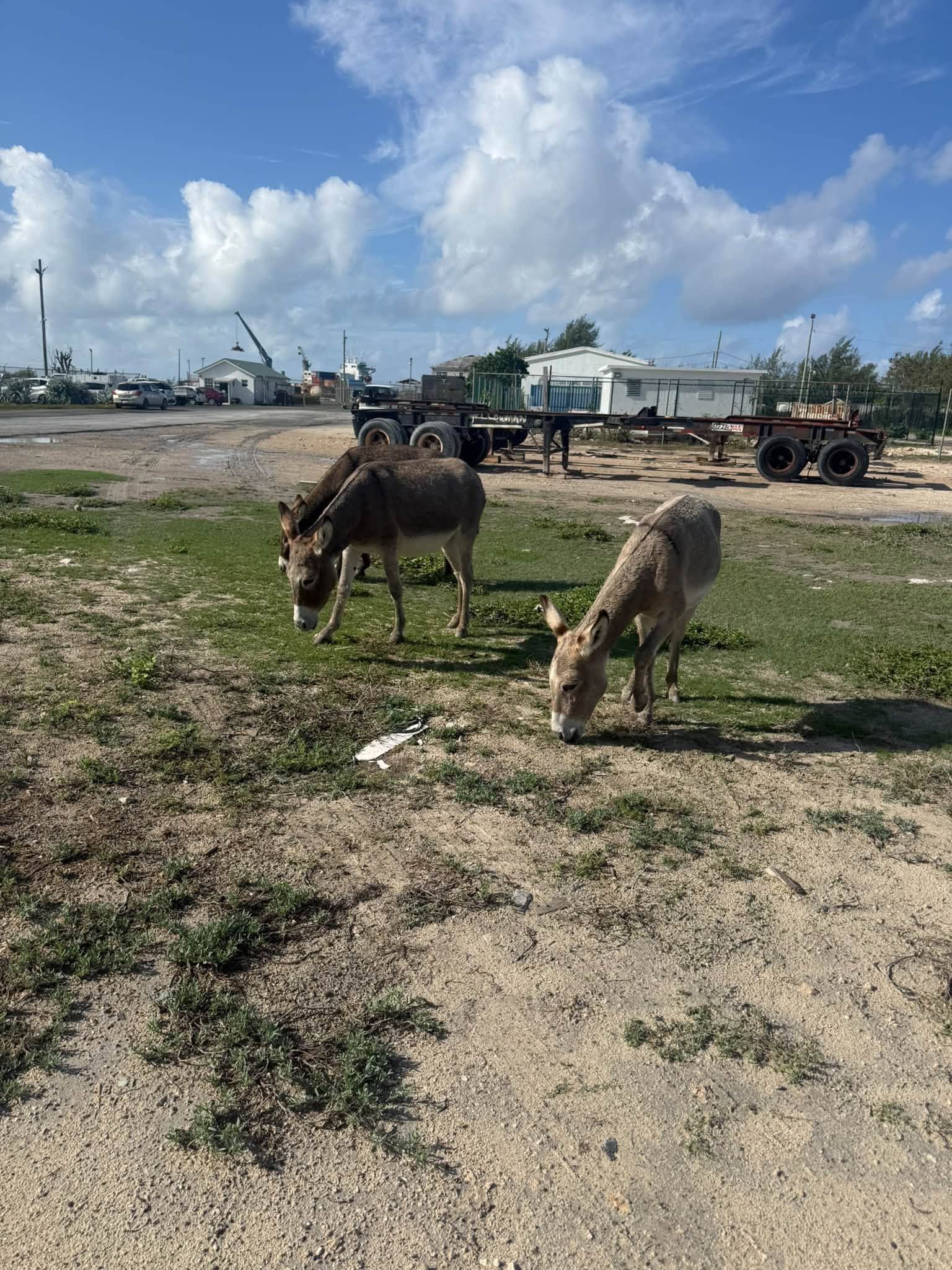
No one wants to strip the island of its character. Donkeys, dogs, horses, cows, and even the occasional roaming of goats or roosters contribute to the experience that makes Grand Turk memorable. But when charm becomes a hazard and beauty collides with danger, it is time to stop romanticizing the situation and start organizing around solutions.
There is no single, perfect answer. But continuing to do too little only increases the risk of more accidents, more suffering, and further damage to the environment we claim to cherish.
The wild can still be free, and humans and animals can coexist. But that balance requires responsible ownership, humane treatment, effective enforcement, adequate resources, and government leadership.
This administration must work alongside local volunteers, expatriate residents, animal welfare organizations, and the private sector to develop sustainable strategies before neglect leads to irreversible consequences.
Grand Turk’s animals are part of our heritage. Protecting that heritage means protecting the animals, the people who share this island with them, and the visitors who come here expecting paradise.
Ed Forbes





-
 Bahamas News1 week ago
Sunset and friendship as guests join Governor General at 700ft table for inaugural The Longest Table event in The Bahamas
-
 News1 week ago
Experience Turks and Caicos Completes Revitalization of Grand Turk Bird Watching Trails, Advancing Sustainable Tourism Opportunities
-
 Bahamas News2 days ago
CIBC Caribbean Introduces Sip for the Cure
-
 Bahamas News3 days ago
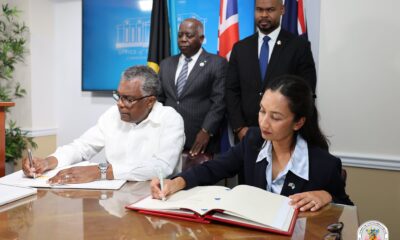
Nearly 1,500 UK Parliamentarians to Weigh In on Bahamas–Turks and Caicos Maritime Boundary Treaty
-
 Independent writer3 days ago
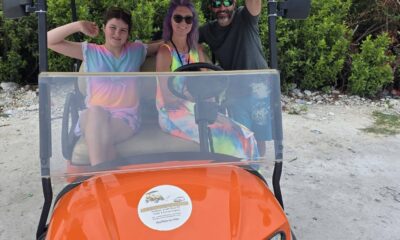
Golf Cart Restrictions: What Happens to Grand Turk’s Tourism Economy?
-
 Education2 days ago
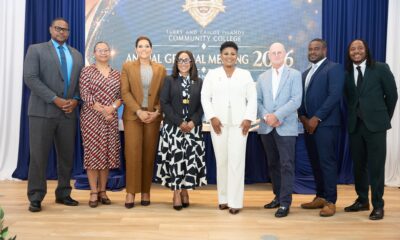
TCICC Foundation Officially Launched at Board of Governors’ Second Annual General Meeting