
News
New United Nations report says that at least 20 countries in Latin America and the Caribbean are highly exposed to climate extremes that impact food security


The document explains that extremes such as droughts, floods and storms have impacts ranging from production to final consumption of food, jeopardizing improvements in hunger and malnutrition in all its forms.
On Monday, January 27, 2025, at 12:00 p.m. Chile / 10:00 a.m. Panama / 10 a.m. Washington, the new Regional Overview of Food Security and Nutrition in Latin America and the Caribbean will be launched. This report is jointly carried out by the Food and Agriculture Organization of the United Nations (FAO), the International Fund for Agricultural Development (IFAD), the Pan American Health Organization (PAHO), the World Food Program (WFP) and the United Nations Children’s Fund (UNICEF).
The report provides a detailed overview of hunger, food insecurity, and malnutrition indicators in each of the countries of Latin America and the Caribbean and explains why the prevalence of food insecurity fell below the world average, for the first time in 10 years.
The 2024 edition of the Overview also focuses on building resilience to climate variability and extremes for food security and nutrition. The report seeks to support countries in developing public policies to strengthen the resilience of agri-food systems, allowing the achievement of Sustainable Development Goal 2 Zero Hunger.
The report concludes that 20 countries in the region have high exposure to extremes, while 14 have been defined as vulnerable. When analyzing the affected countries (those that present a combination of both categories), an increase in hunger of 1.5 percentage points is observed, which represents a challenge for the decrease in the prevalence of hunger and food insecurity in the region in the last two years to be a trend to accelerate the fulfillment of the SDG2 target.
The report will be presented at a press conference in which authorities and specialists from the co-publishing agencies of the FSN Overview 2024 will participate.
WHAT
Launch of the Food Security and Nutrition Regional Overview in Latin America and the Caribbean 2024: building resilience to climate variability and extremes for food security and nutrition.
WHEN
January 27, 2025, at 12:00 p.m Chile time (UTC-3) / 10:00 a.m in Panama-Washington (UTC-5).
WHO
- Mario Lubetkin, Assistant Director General and Regional Representative of the Food and Agriculture Organisation of the United Nations (FAO) for Latin America and the Caribbean.
- Rossana Polastri, Regional Director for the Latin America and the Caribbean Division of the International Fund for Agricultural Development (IFAD)
- Dr. Jarbas Barbosa, Director of the Panamerican Health Organization (PAHO), Regional Office for the Americas of the World Health Organisation (WHO).
- María Dolores Castro, Regional Director of the World Food Programme (WFP) Regional Bureau for Latin America and the Caribbean.
- Karin Hulshof, Regional Director a.i. for Latin America and the Caribbean of the United Nations Children’s Fund (UNICEF). (to be confirmed)
HOW TO PARTICIPATE
Journalists interested in the press conference can access the meeting on Zoom and send their questions via chat in real-time or in advance via e-mail.








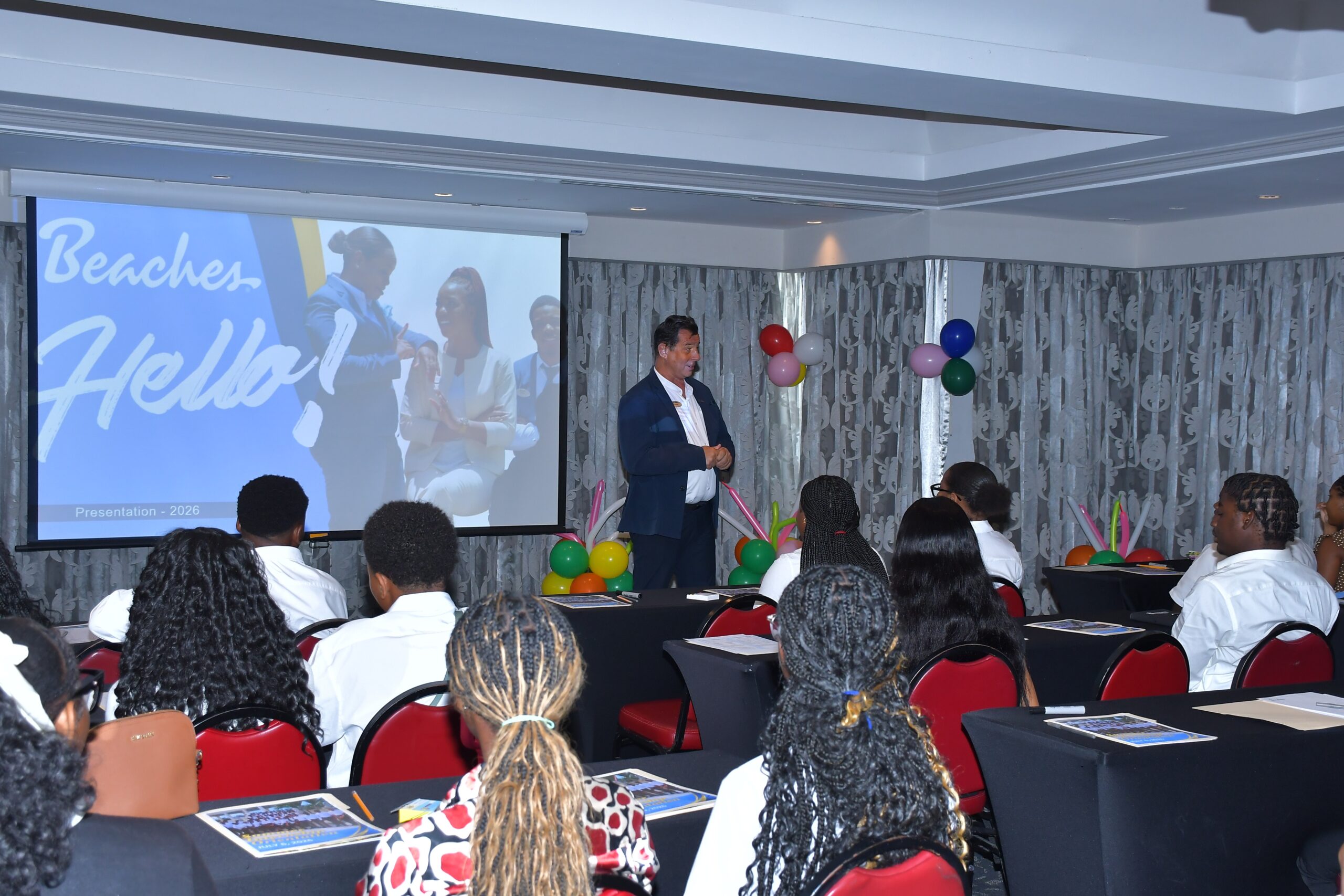
PROVIDENCIALES, Turks & Caicos Islands: — Beaches Turks and Caicos Resort has launched its 2026 Summer Internship Programme with a record-breaking cohort of 111 high school and tertiary-level students, marking the largest intake in recent years.
The six-week programme, which runs from July 6 to August 14, 2026, is designed to give young Turks and Caicos Islanders hands-on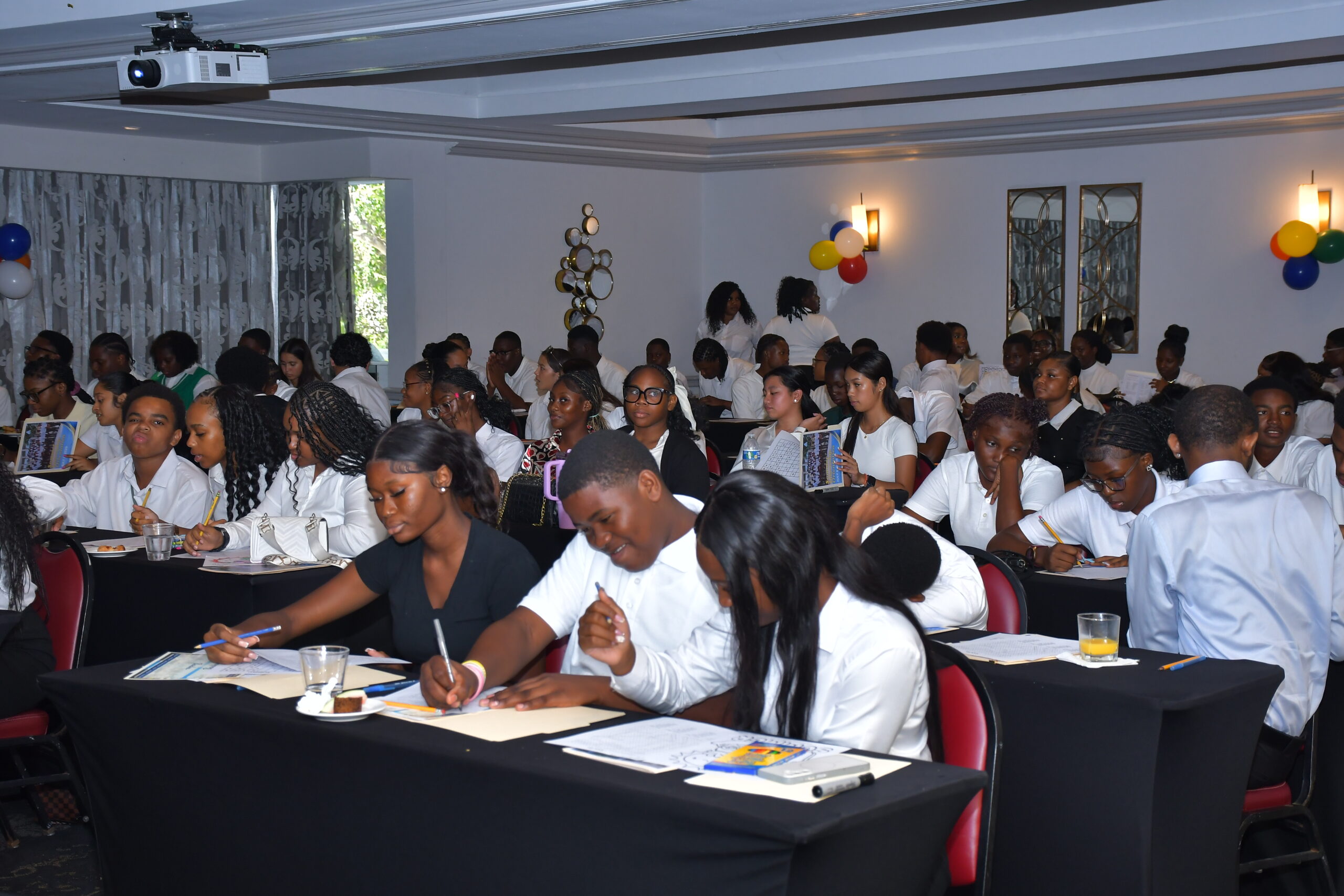 exposure to the hospitality industry across a wide range of departments.
Human Resources Recruitment Specialist Fitzroy Virgo highlighted the programme’s growing significance, “this is the largest cohort we have had in recent times. We currently have 111 participants with a waiting list of almost another 100. We are happy that we have been able to attract some of the brightest and best young minds in the Turks and Caicos Islands as we have interns from Providenciales, North and South Caicos Islands.”
Virgo also noted that the programme goes beyond technical training, incorporating soft skills workshops in financial literacy, customer service, résumé writing and brand and image management.
General Manager Deryk Meany praised the human resources and training teams for the programme’s sustained growth. “The success of this programme has allowed us to grow each year as we continue to build a conducive learning environment for aspiring professionals in the hospitality industry throughout the Turks and Caicos Islands,” Meany said.
He noted that many of this year’s interns were first introduced to Beaches through educational tours facilitated by the Sandals Foundation. “We are excited to provide training in the various areas but more importantly to train them in the soft skills areas that will allow them to be more marketable after they experience this internship programme.”
Among the interns is Maranatha Academy fifth form student Vernae Handfield, who has set her sights on the culinary arts. “My dream is to explore the culinary world and to be a Michelin chef in the future — hence my reason for wanting to start my experience here at the largest resort in the Turks and Caicos Islands,” Handfield shared. “I’m looking forward to learning from all these experts who have many years of experience in the different cuisines.”
For others, the programme offers a bridge between classroom theory and real-world application. Keiser University accounting major Sean Astwood II said the opportunity is perfectly aligned with his academic goals. “I want to be able to put into practice my theoretical knowledge into the field of accounting and eventually auditing. Getting the opportunity here at Beaches Turks and Caicos Resort is the perfect environment for me to start to build my skills. I’m grateful for this experience to be immersed into this dynamic working environment.”
The programme has also fostered a culture of return, with several interns participating for multiple consecutive years — a testament to the quality and lasting impact of the experience. As Beaches Turks and Caicos continues to expand its community engagement through hospitality education, the 2026 cohort stands as a powerful reflection of the resort’s commitment to developing local talent and strengthening the Turks and Caicos Islands’ hospitality workforce for years to come.
Photo Insert: A section of the audience at the Beaches Turks and Caicos 2026 summer internship programme at the Caribbean Village conference room
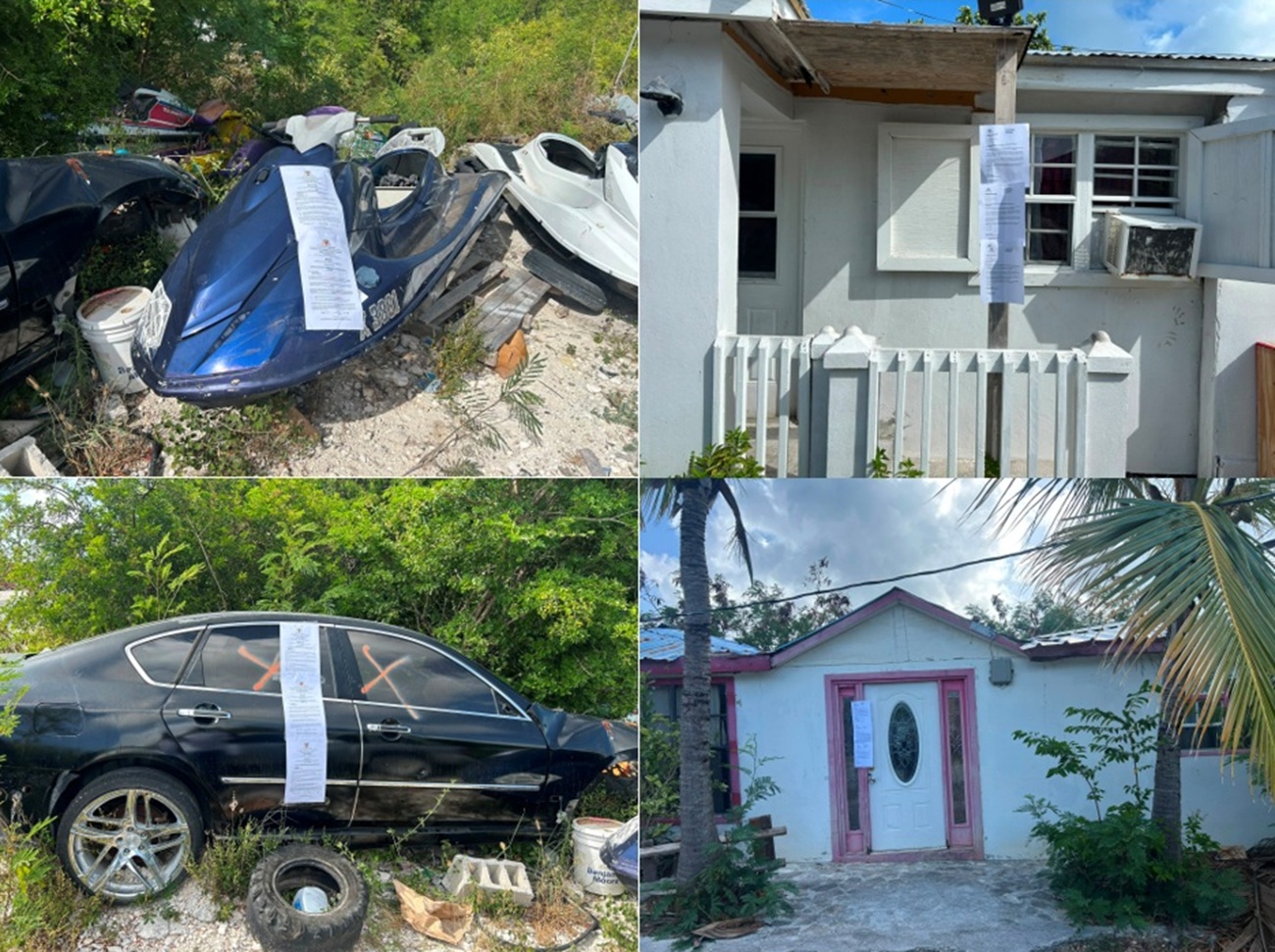
Providenciales, Turks and Caicos Islands, July 9, 2026- The Crown Land Unit, with coordination and support from the Informal Settlements Unit (ISU), conducted a multi-agency enforcement exercise in the Blue Hills area off Tom Lightbourne Road and opposite the dump on Thursday, July 2, 2026, as part of the Government’s ongoing efforts to protect Crown land from illegal occupation and encroachment.
The operation brought together representatives from the Crown Land Unit, the ISU, the Planning Department and the Royal Turks and Caicos Islands Police Force who provided security for the exercise. Following a briefing, inspections were carried out across a number of parcels of Crown land where illegal structures and other unauthorised uses had been identified.
During the exercise, officers served a total of eleven (11) Letters of Illegal Occupation to occupied structures, while six (6) Section 22 Notices of Unauthorised Occupation were issued in accordance with the provisions of the Crown Land Act. In addition to illegally constructed buildings, notices were also issued in relation to the unauthorised placement of vehicles, boats and a jet ski on Crown land. Where occupants were not present, notices were affixed to the relevant structures or locations.
The Government of the Turks and Caicos Islands reminds the public that occupying or otherwise using Crown land without lawful authority is an offence under the Crown Land Act. These inspections and enforcement activities form part of a sustained programme aimed at safeguarding public lands, discouraging unlawful development and ensuring that Crown land is managed in the best interests of the people of the Turks and Caicos Islands.
The Crown Land Unit will continue to work closely with its partner agencies to identify and address instances of illegal occupation across the Islands. Persons occupying Crown land without authorisation are encouraged to comply with all notices issued and to seek guidance from the relevant authorities where necessary.
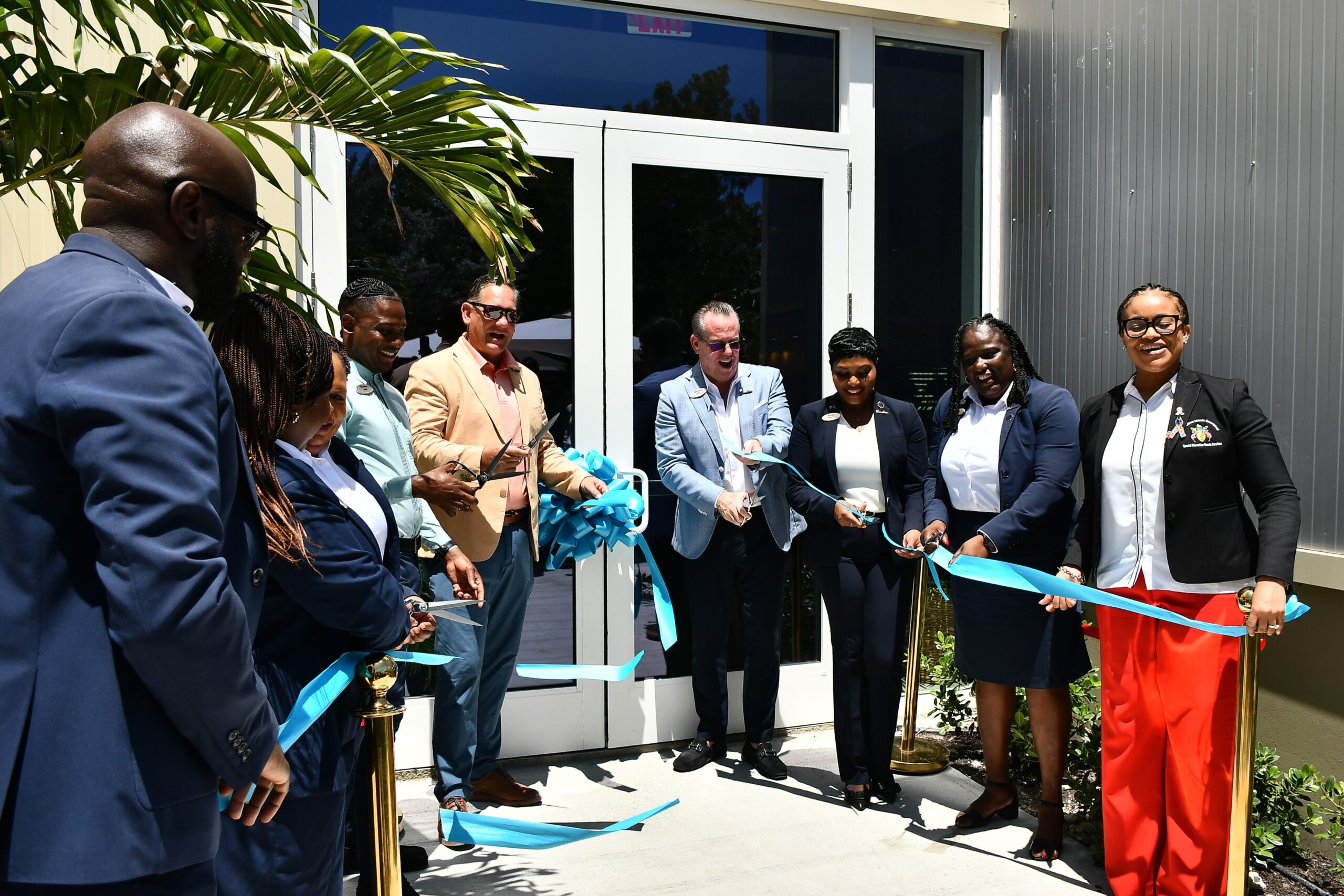
PROVIDENCIALES, Turks & Caicos Islands: — Beaches Turks and Caicos has officially unveiled its newly constructed Team Member Welcome Centre, marking a significant milestone in the resort’s ongoing Beaches 2.0 transformation.
The new facility, introduced as part of phase one of the development, is designed to centralize essential services and amenities for team members while elevating comfort, convenience and overall workplace satisfaction. The space now houses a state-of-the-art cafeteria, a multimedia training room, the human resources department, expanded locker and changing facilities and an automated banking machine- creating a comprehensive, one-stop hub for team members.
Speaking at the opening, General Manager Deryk Meany emphasized the broader vision behind the investment and its alignment with the brand’s evolution.
“This is one more step in Beaches 2.0 being consistent, providing personalized service and taking it to the next level for our team members to be comfortable. I want my team to know that this resort is the most ideal place to work and we are invested in their comfort and wellbeing” Meany stated.
The initiative reflects a growing recognition within the hospitality sector that employee experience is connected to guest satisfaction. Beaches Turks and Caicos has prioritized modern infrastructure and staff focused amenities to strengthen team engagement while reinforcing its reputation as a leading employer in the Turks and Caicos Islands.
Regional Managing Director James McAnally described the Welcome Centre as a space for employees’ well-being and operational excellence.
“This project is a long-term plan that was designed to provide comfort for every team member,” McAnally said. “The new dining space can rival fine dining restaurants on the island. We have provided the best for our team and we want them to enjoy the amenities as we continue to enhance the family atmosphere at Beaches Turks and Caicos.”
The restaurant which is a standout feature of the new facility, offers a modern dining experience with upgraded seating, contemporary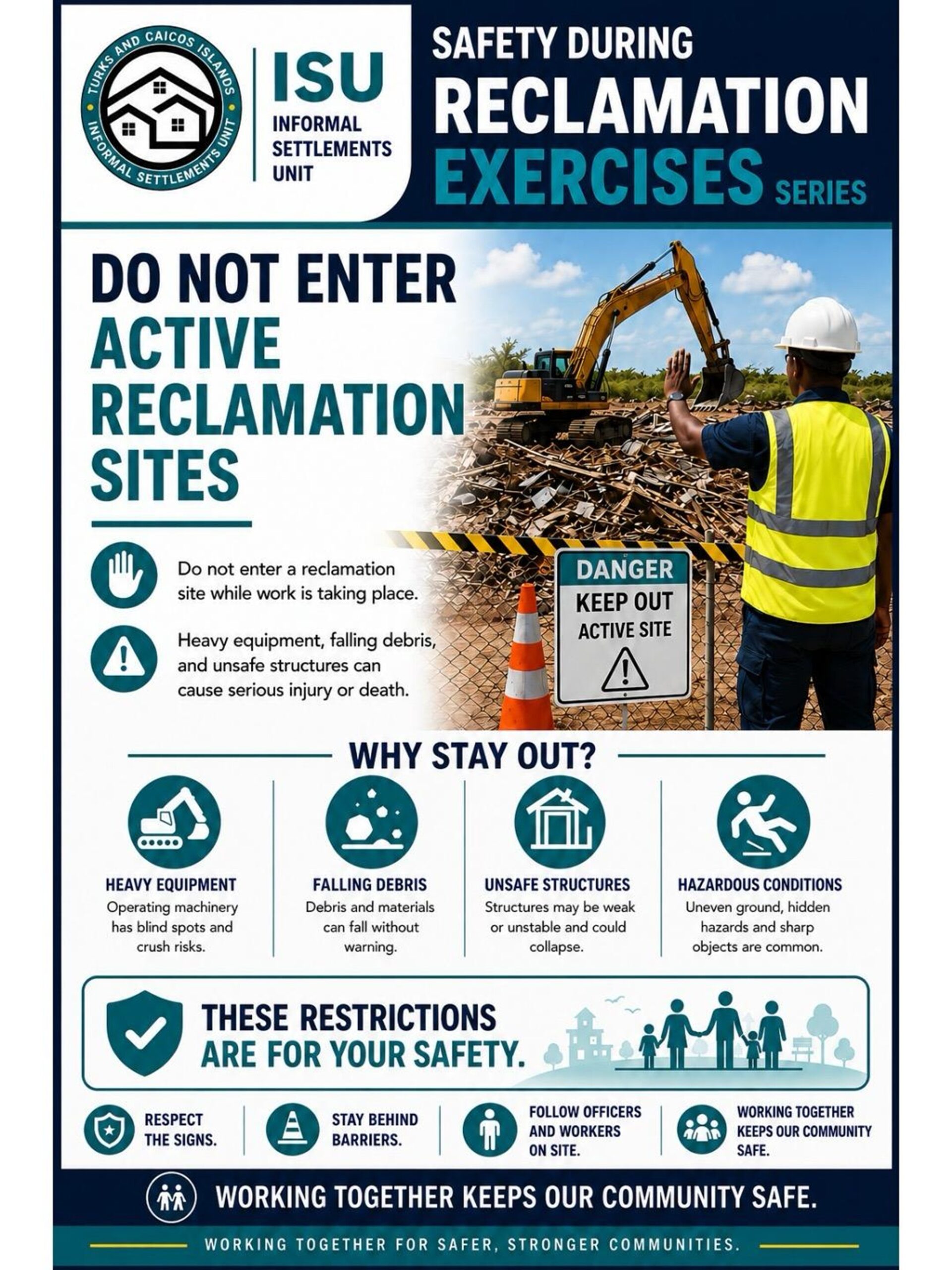 finishes and an enhanced menu selection. Designed with both functionality and aesthetics in mind, the space reflects the resort’s commitment to quality for its team.
In addition to dining, the multimedia training room introduces advanced learning capabilities, supporting ongoing team development through interactive and technology-driven training sessions. The inclusion of human resources within the same complex further streamlines comprehensive space for staff related services, while the expanded locker and changing areas address a conducive working facilities space for the team.
Long-serving team member Carlton Salmon praised the development, noting its impact on morale and daily operations.
“This place is simply amazing,” Salmon shared.
“The style and design are similar to the new Treasure Beach Village. This is Beaches 2.0. Every team member has given positive ratings for not only the food, but the one-stop shop idea.”
The Welcome Centre’s opening signals more than just a physical upgrade. It shows that Beaches Turks and Caicos continues to position itself as a forward-thinking leader in Caribbean hospitality.
As phase one comes to fruition, anticipation is already building for future enhancements under the Beaches 2.0 initiative, which aims to further integrate innovation, community support and elevated service standards across the resort.
PHOTO CAPTION: The official ribbon cutting at the Welcome Centre has (l-r) Curtis Lee, Hotel Manager, Phildreka Campbell, Learning and Development Manager, Patricia Talbot, Restaurant Manager, Javain Campbell, Diamond team member, James McAnally, Regional Managing Director, Deryk Meany, General Manager, Owenta Coleby, Human Resources Manager, Tanya Swann, Executive Assistant Manager Treasure Beach Village, and Dr Anya Malcolm-Gibbs, Director of Special Education Needs Services





-

 Caribbean News1 week ago
Sandals® and Beaches® Resorts Launch Rebranded Loyalty Program, ‘Island Insiders Club’
-
 News1 week ago
Beaches Turks & Caicos resort hosts high school tourism clubs from Providenciales and North Caicos
-

 Caribbean News6 days ago
Returning Haitians Could Be the Answer Haiti Has Been Praying For
-
 News1 week ago
Community Comes Together as ISU Community Engagement Exercise Delivers Essential Services in Kew Town
-
 Health6 days ago
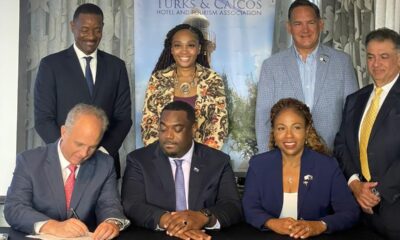
Turks & Caicos Hotel and Tourism Association Secures Landmark Health Insurance Partnership for Tourism Workforce
-

 News6 days ago
COURT DENIES BAIL; MISICK, HANCHELL AND CHAL MISICK TO REMAIN BEHIND BARS DURING APPEAL
-

 News6 days ago
Turks & Caicos Visitors Spend $670 Million in 90 Days as Survey Reveals Top Resorts
-

 Bahamas News4 days ago
Prime Minister Commissions Completed Rooftop Solar Installations at UB