
Bahamas News
23 Days since Bahamians indicted on Narcotics Trafficking through air and sea ports; Prime Minister promises new legislation before Christmas


Deandrea Hamilton
Editor
The Bahamas, December 17, 2024 – Bahamians are demanding a Commission of Inquiry and are not satisfied with the explanations, terminations, resignations and promises which followed a blistering report that “since at least May 2021, drug traffickers have smuggled tons of cocaine through The Bahamas with the support and protection of corrupt Bahamian government officials, including high ranking members of the Royal Bahamas Police Force.”
Two law enforcement officers were on Monday November 25 arrested in Florida. Elvis Curtis, an RBPF Chief Superintendent and Darrin Roker, a Chief Petty Officer in the Royal Bahamas Defence Force (“RBDF”) are among the men who have brought tremendous shame to The Bahamas. 
The fall out has been huge.
Bahamian citizens are using social media and national talk shows to divulge their concern that the US bombshell arrests expose a lack of openness with the prime minister, the foreign affairs minister and the commissioner of police; all of whom admitted to being kept in the dark as the Drug Enforcement Agency conducted their investigation.
In a November 27 sitting of the House of Assembly in The Bahamas, the prime minister said it was a day before that his government administration was made aware of “deeply troubling allegations” which led to an indictment at the US District Court, southern district of New York.
“On at least three occasions and as recently as earlier this year, I raised with senior members of the US enforcement and intelligence agencies my deep concern over what I viewed to be a sharp uptick in the interdiction of cocaine through The Bahamas. At the time, it was clear to me that such an increase could not have occurred without strong intelligence, pointing to who was directly involved, said Philip Davis, Bahamas Prime minister who agreed the allegations tarnish the reputation and undermine efforts to combat trafficking.
“I have requested a meeting with the Charge d’Affaires of the United States Embassy to discuss these findings and reaffirm our government’s commitment to full cooperation in uncovering the truth and dismantling these criminal networks,” Davis, said immediate action was coming to address the breach of trust within the Force. “Additionally, I will meet with the leadership of the Royal Bahamas Police Force and the Royal Bahamas Defence Force to discuss the allegations detailed in the indictment.”
U.S. Attorney Damian Williams said: “Today’s charges should serve as yet another powerful wake-up call to corrupt officials everywhere—we will not rest until you are held accountable for your role in the drug trade that is poisoning this country and our community. I commend the career prosecutors of this Office and our partners at the DEA for their tireless efforts to disrupt drug-fueled corruption wherever it takes hold.”
The U.S. indictment has named 13 men; 11 of whom are from The Bahamas, the other two are said to be Colombians.
The U.S. Attorney’s Office shared this in a press statement on the case: “ELVIS NATHANIEL CURTIS, an RBPF Chief Superintendent, and DARRIN ALEXANDER ROKER, a Chief Petty Officer in the Royal Bahamas Defence Force (“RBDF”), were arrested on Monday in Florida and had their initial appearances yesterday afternoon in the U.S. District Court for the Southern District of Florida. LORIELMO STEELE-POMARE, a/k/a “Steele” and WILLIAM SIMEON, a/k/a “Harvey Smith,” a/k/a “William Jacques,” a/k/a “Romeo Russell,” a/k/a “Dario Rolle,” were arrested overseas on Monday. LUIS FERNANDO OROZCO-TORO was arrested overseas yesterday. The case has been assigned to U.S. District Judge Gregory H. Woods.”
With less than 100 nautical miles separating The Bahamas from the U.S. southern border, the warnings were clear and the injury to what has been a long standing national security partnership is deeply fractured.
The U.S. has been duped, blocked and information leaked, allegedly by Bahamian officials with high level security clearance.
“The DEA has historically coordinated drug enforcement operations with the RBPF through a counternarcotics program called Operation Bahamas, Turks and Caicos, or “OPBAT,” the report explained, “Corrupt RBPF officials have, among other things, denied the DEA access to seized cocaine and evidence, provided information to the DEA that was contradicted by aerial surveillance, and even informed a DEA agent that certain drug trafficking targets were “off limits.”
The U.S. surmises that this was a blatant abuse of power.
“Such corruption includes certain high-ranking members of the RBPF and other Bahamian government officials who work with drug traffickers to receive, protect, and provide safe passage for massive cocaine shipments through the airports and ports of The Bahamas. These corrupt officials support the drug trade into the U.S. at multiple levels.”
The chief superintendent of police allegedly allowed narcotics in through the airports. The chief petty officer of the defence force allegedly held the gates wide at sea ports. For Bahamians, it was altogether despicable and in the weeks following the arrests and formal indictments, there continues to be a demand for more information and for The Bahamas government to launch an investigation which completely lifts the veil on others who were part of the ring.
“For instance, on or about October 18, 2023, CURTIS and SYMONETTE each accepted approximately $10,000 in bribe payments as a down payment for their assistance in what they understood to be an upcoming 600-kilogram cocaine shipment to The Bahamas through the Nassau Airport, for eventual distribution to the U.S. Additionally, in or about September 2024, CURTIS explained that, in exchange for a $2 million bribe, a high-ranking Bahamian politician that CURTIS named would authorize the assistance and involvement of armed RBPF officials to facilitate incoming cocaine shipments. CURTIS and ROKER also discussed abusing their official positions to transport drug proceeds from cocaine sales in the U.S. back to The Bahamas, including with Bahamian government and military aircraft.”
Mr. Clayton Fernander has since resigned as Commissioner of Police. There has been no report on what will become of the Commodore of the Royal Bahamas Defence Force, Raymond E. King.







The Bahamas, August 27, 2026 – The Royal Bahamas Police Force wishes to inform members of the public that several individuals are scheduled to appear before the Magistrate’s Court on Thursday, 27th August 2026, at 12:00 noon.
The individuals and charges are as follows:
An 18-year-old female is scheduled to be arraigned on the following charges:
Three (3) counts of Murder
Three (3) counts of Attempted Murder
Three (3) counts of Possession of a Firearm with Intent to Endanger Life
Three (3) counts of Possession of an Unlicensed Firearm
Two (2) counts of Possession of Ammunition
Armed Robbery
Abetment to Armed Robbery
Stealing
Receiving
The charges stem from three separate shooting incidents and an armed robbery that occurred on Friday, 21st August 2026, and Saturday, 22nd August 2026.
The first shooting occurred in the area of Soldier Road and Baillou Hill Road, resulting in the death of a 51-year-old male.
The second shooting occurred in the area of Joe Farrington Road, resulting in the death of a 52-year-old male.
The third shooting occurred in the area of Gladstone Road, resulting in the death of a 36-year-old male.
The armed robbery occurred at a business establishment in the area of Carmichael Road and Baillou Hill Road.
A 21-year-old male is scheduled to be arraigned on one charge of:
- Murder
The charge stems from a shooting incident that occurred on Tuesday, 21st July 2026, in the area of Samson Street, Nassau Village, which resulted in the death of a 28-year-old male.
A 32-year-old male is scheduled to be arraigned on the following charges:
- Murder
- Attempted Murder
These charges stem from a shooting incident that occurred on Wednesday, 24th December 2025, in the area of Graham Drive, Yellow Elder, which resulted in the death of a 25-year-old male.
RBPF, PACD
Bahamas News
Bahama Brass Band Invitation Sparks Heritage Debate Ahead of TCI Constitutional Holiday
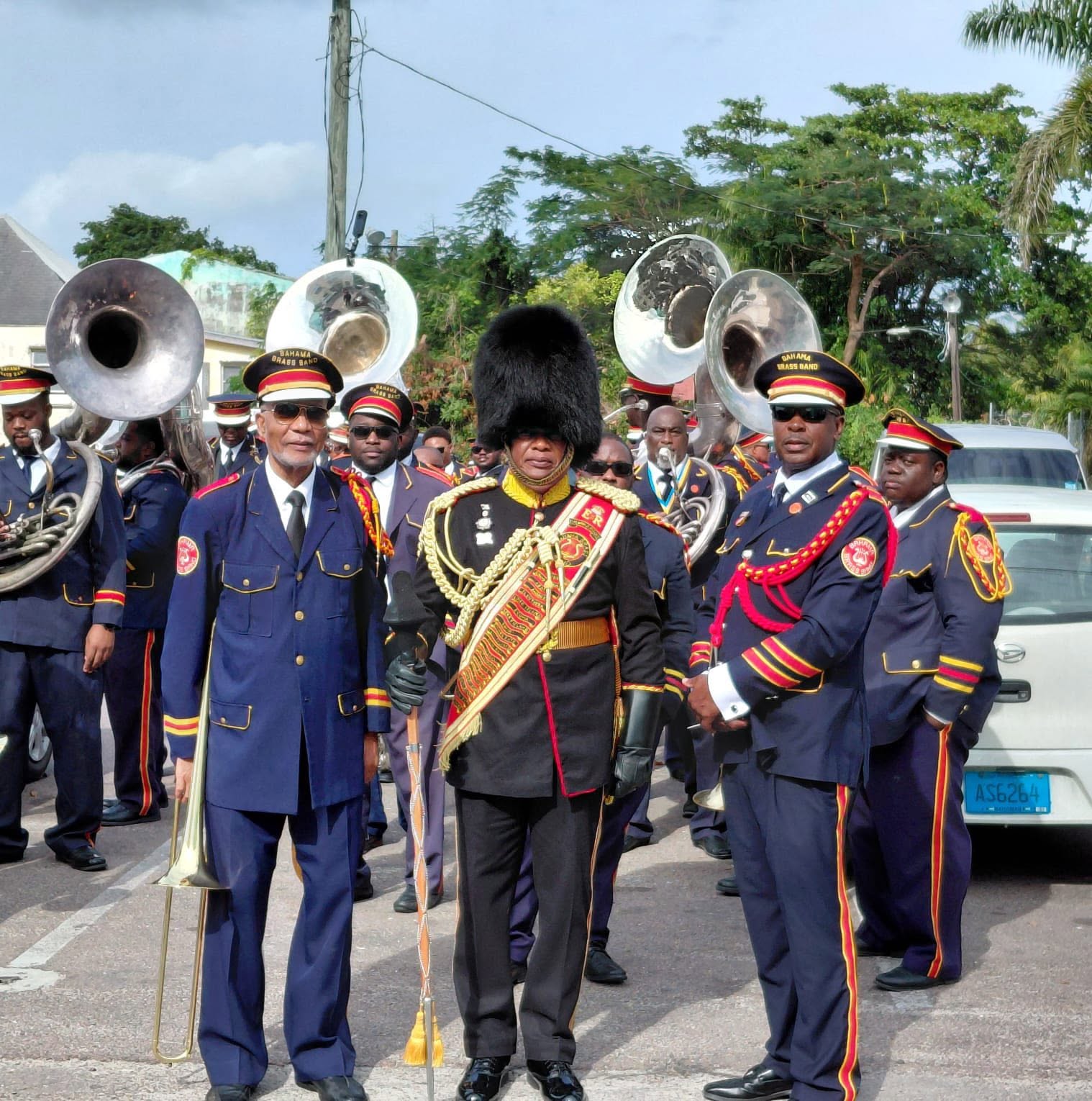
Turks and Caicos, August 20, 2026 – The planned participation of the Bahama Brass Band in the Turks and Caicos Islands’ inaugural Constitutional Holiday celebrations on August 30 has sparked public debate over culture, heritage and the historical contributions of Turks and Caicos Islanders abroad.
Organizers defended the invitation, saying the band’s inclusion is intended to highlight the deep historical ties between the two countries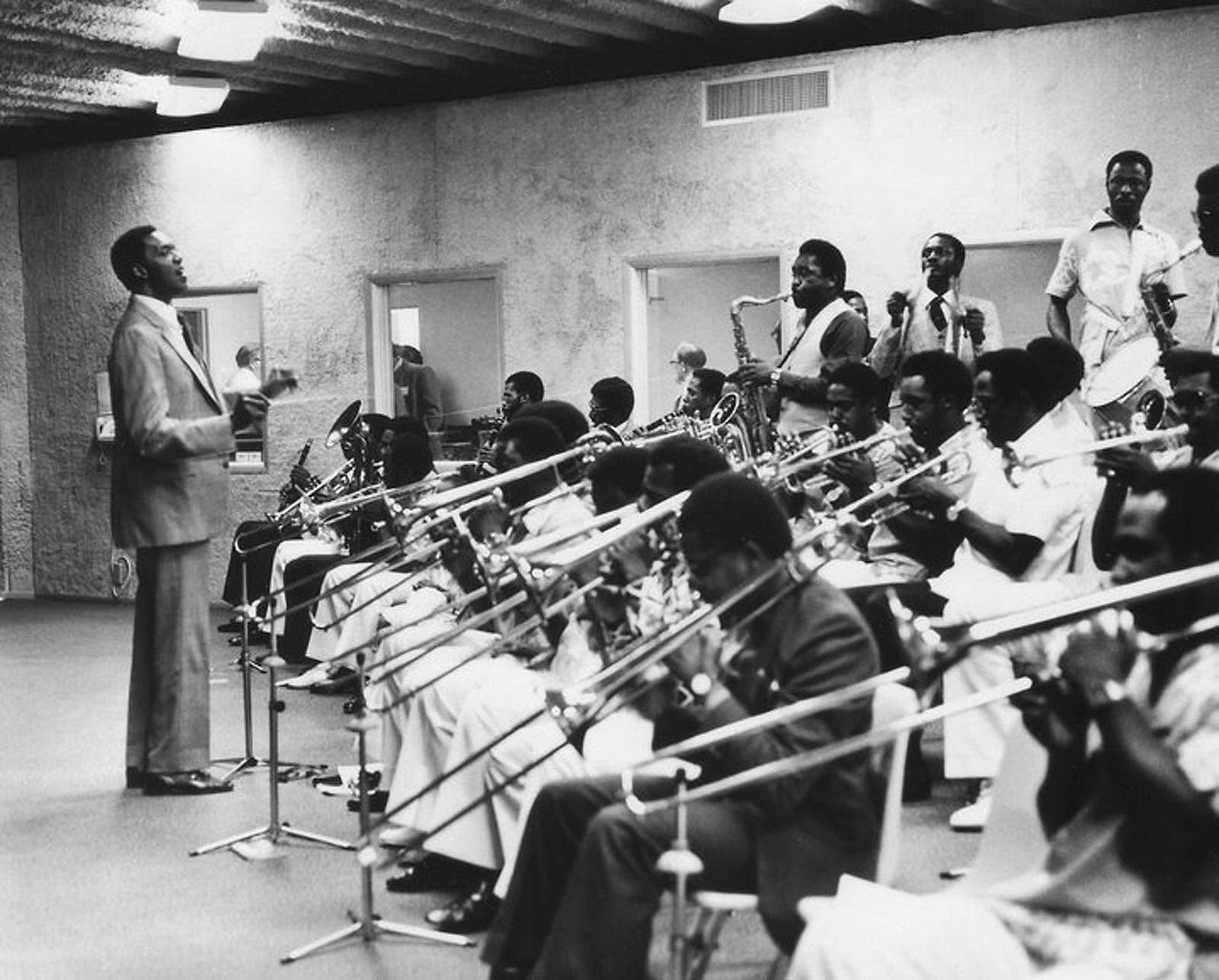 and honor Turks and Caicos men who helped establish and develop the institution in Grand Bahama.
According to the organizers, the Bahama Brass Band began in 1955 in Pine Ridge, Freeport, with Turks and Caicos Islanders, including the late Deacon Reuben Hall Sr. of Middle Caicos and Jenkins Williams and Mervin Hendfield of North Caicos, among those who helped build its foundation. The band eventually grew to more than 50 men.
The organizers also pointed to the participation of Turks and Caicos men in The Bahamas’ Independence celebrations on July 10, 1973, arguing that their contributions became part of Bahamian history while maintaining strong connections to their homeland.
Supporters say bringing the band home represents an opportunity to honor those pioneers, showcase their regional influence and expose younger generations to an important part of Turks and Caicos history.
However, concerns raised publicly described the invitation as potentially disrespectful to local culture and heritage. Organizers acknowledged those concerns, apologizing to anyone who felt overlooked or offended, while maintaining that no disrespect was intended.
The committee said the event should ultimately unite rather than divide, presenting the band’s history as evidence of the reach and resilience of Turks and Caicos heritage.
PHOTO CREDIT: Bahamas Brass Band
NASSAU, Bahamas — Caribbean Bottling Company (CBC), local producers of Dasani products, proudly sponsored the fifth annual, Caribbean Hoopfest.
The tournament brings together Bahamian high school basketball teams and visiting teams from the United States for a competitive showcase at the Kendal G. L. Isaacs Gymnasium. Following its inaugural year at the Kendal G. L. Isaacs gym and last year’s event at Loyola Hall, the tournament returned to the Kendal G. L. Isaacs gym this year.
During the weekend tournament, CBC kept athletes well hydrated with in-kind donations of Dasani Water, Powerade and Minute Maid Juices.
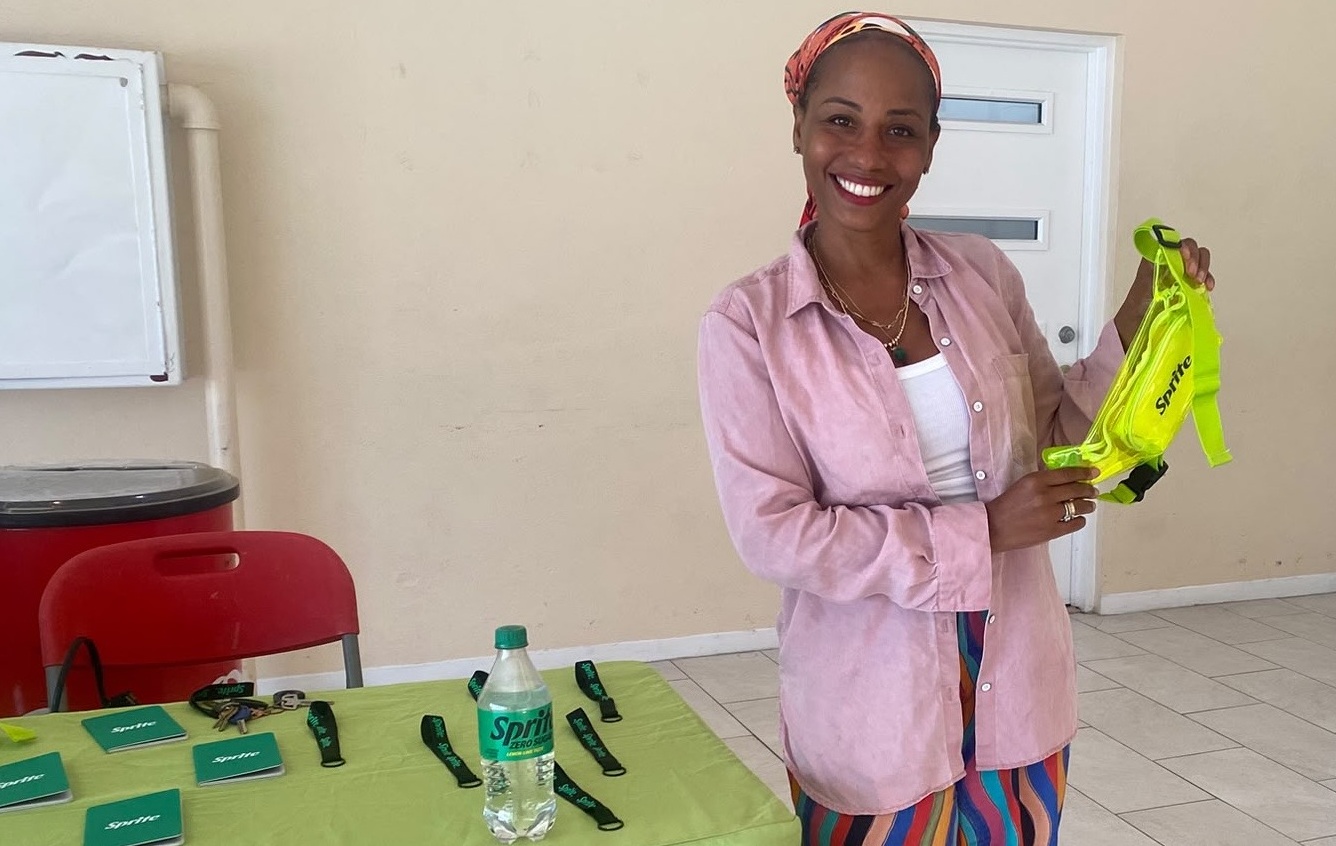
During the tournament’s final day, CBC provided additional support by offering Sprite No Sugar samples and inviting attendees to participate in its Spin the Wheel for a chance to win exciting prizes.
CBC was proud to support this incredible event, which provides young Bahamian athletes with valuable exposure to U.S. basketball scouts and coaches. This opportunity gives them the chance to earn scholarships, continue their education, and pursue their basketball careers in the United States.
Event organizer, Donald Francois shared his appreciation for CBC’s support.
“I want to express our sincere appreciation for Caribbean Bottling Company, who has been a tremendous supporter and an important part of the success of our program. Without CBC’s support, Caribbean Hoop Fest would not be able to function at the level it does today. And without Caribbean Hoop Fest, we would not have been able to provide the opportunities that have helped young Bahamian athletes gain exposure and pursue educational opportunities in the United States,” he expressed.
Since the program’s inception, several Bahamian student-athletes have been selected for scholarship opportunities, highlighting the tournament’s growing impact on the development and advancement of young basketball talent in The Bahamas.
They are: Kelvin McDowells – Guard, Wodson Antoine – Power Forward, Justin Lafleur – Guard and Sean John – Guard.
After another successful edition of the tournament, Francois shared what he hopes he and Caribbean Bottling Company can achieve in the future.
“Our vision is bigger than basketball. We want to use the platform of Caribbean Hoop Fest to educate, develop, and create opportunities for young people and their families throughout the Bahamas. With individuals and organizations committed to our mission, we believe we can continue to grow the program and make an even greater impact,” Francois said.
For more details on community support, events and new products visit Caribbean Bottling Company at www.cbcbahamas.com today.





-

 Education1 week ago
Department of Education Concludes Four-Day TCI National Standards Secondary School Curriculum Implementation Training
-
 Independent writer6 days ago
Fifty Years of Ministerial Government: Honouring Our Past, Embracing Our Present and Preparing for Our Destiny
-
 News1 week ago
UNDER 40 DAYS: COMMITTEE FORMED—BUT WHO IS ON IT?
-
 Health4 days ago
Know the Possible Warning Signs of Prostate Cancer
-

 News1 week ago
Invest TCI Brings Entrepreneurs and Bankers to the Table
-

 News2 days ago
Liberty Business launches in Turks and Caicos Islands
-
 Education3 days ago
TCI Schools Invited to Participate in 2026 National Student Council Election