
News
Turks and Caicos, the delicate balance between development and preservation


#TurksandCaicos, November 11, 2023 – Like myself, some citizens are often skeptical about any major developments and rapid population growth across these islands. It is seen as a danger in commoditising deeply held traditions so closely linked to individuals and our collective identity.
But there is a caveat, many still see it as the primary way to keep these tiny islands alive and to survive.
Tourism is the bread and butter of this tiny British overseas territory, with close to 800 million US dollars annually. This alone corresponds to approximately 75% of the country’s gross domestic product. Although Providenciales is the main hub for visitors via air travel, many are unaware that the sister islands are only a hop, skip and a jump away either by an interconnecting flight or the local ferry boats.
In recent years, visitors are flocking to the historical island of Grand Turk which is the capital of the Turks and Caicos Islands. Although, in terms of development, it may not appear to be.
On this island in particular, over 80 percent of the residents depend to some extent on tourism. Grand Turk has a number of the amenities as most major cities, but still gives you that small town feel.
Like the sister island, Salt Cay, some supplies are limited. There is a fairly large selection of groceries at the supermarkets, however, healthy foods come at a high price. What residents and visitors can depend on is fresh catch of the day, which is regularly available by the local fishermen at reasonable prices.
Those in the tourism business tend to try and earn as much of their income as possible from visitors during the peak tourism season which is between November and April.
Many of the locals are still passionate with keeping the culture alive, and aren’t just motivated by cash for cash own sake, or the US dollar which is the only currency used. Nevertheless, tourism money is most definitely needed to improve infrastructure and quality of life on practically all of these islands.
Apart from the transient visitors and on cruise ship days, the population on Grand Turk is roughly around 3500 residents. Over the years, it has slowly dwindled once major development on the island of Providenciales began to take shape.
The nature of island life especially on Grand Turk and Salt Cay, has satisfactory temperamental transportation, and with a bit of pre-planning, a trip to any one of these islands is plenty rewarding for those looking for a charming, quiet atmosphere, beautiful by nature beaches, and a unique culture.
The nightlife in Grand Turk is pretty quiet and may be a bit different from what some are used too. With some exceptions, there are a few small neighborhood bars where you can mingle with the locals or enjoy a good laugh or play a few games of dominoes.
Grand Turk is the home of one of the oldest lighthouses in the Caribbean. For lighthouse enthusiast, although entrance into the building itself is off limit, one will enjoy the breathtaking scenery and will find it both charming and fascinating.
If you’re like most tourists looking for fancy hotels, five course meals, or seeking a choice of watching a night show, these things are not the norm.
Come if you’re interested in this spectacular island laidback culture, where you are still greeted with big smiles, good morning, or good evening, waving hands, honking horns and most everyone knows you by your last name.
For many reasons, my favorite island still remains Grand Turk. It’s captures the essence of the Turks and Caicos Islands culture, with a shared sense of identity. This is where I graduated high school and made most of my early childhood memories. One of the few islands in the Caribbean where cows, horses, donkeys and friendly dogs still roam wild.
Among the many ecotourism and land activities, one can enjoy things like snorkeling, stingray encounters, fishing, ATV and horseback rides.
If your lucky, during peak season, you may get a glimpse of the humpback whales breaching right from the shoreline or pier, which is a niche market to Grand Turk and Salt Cay.
Most people come just to be in the middle of nature and have that small island feeling. An opportunity to bask in the sunshine, the tranquility, enjoy the secluded beaches and stretches of unspoiled coastlines.
What the islands are experiencing now is an influx of vacationers on their second or third time around. Many who have found lucrative business opportunities and are investing in vacation homes and Air BNB rentals.
When you’re on the island, you take it for granted that life is like that; you don’t see the value in living that hustle and bustle lifestyle elsewhere. If you’re lucky to arrive on cruise ship days to Grand Turk, you can enjoy some entertainment and food for a few hours before returning to the quiet lifestyle.
Many visitors are usually fascinated with the laidback culture, relatively low crime rate and friendly people.
In my opinion, the island itself will benefit more if greater focus is placed on developing our unique culture as one of the main attractions which tourists enjoy. This could also help to support the community’s ability to keep those traditions alive and thriving.
On the other hand, unchecked growth may have negative downstream consequences.
The rapid growth on the island of Providenciales is a good example of that. Grand Turk in particular has less than 5 commercial motels for tourists to stay, while the island of Providenciales is booming in this sector.
What we are beginning to see are more short term rentals and Air B&B-style accommodations. Albeit, I think having at least one major hotel in Grand Turk and a direct flight would be welcomed by many.
Nevertheless, more development could compromise both the community and the environment, swinging the Capital out of its current beautiful by nature precarious equilibrium.
Furthermore, with having limited real estate on this tiny island, finding that balance is crucial for the government. It could help to protect residents from predatory land grab and prevent them from being priced out of their homes.
Perhaps, it would be prudent to invest and capitalize on some of our existing natural resources and historical sites.
In short order, starting with the restoration of our eighteen century light house, the old prison, our Salt house or more vigorously promoting the “magnificant wall”. The Wall as it is referred to, is an amazing 7k feet deep ocean shelf, approximately 1000 feet off Grand Turk shore line, a dream for snorkelers and scuba diving enthusiasts.
To attract repeat visitors, so much more can be done, while limiting the proliferation of brick and mortar buildings. The million dollar question now is how much development do we want? Despite the rustic look, the inconvenience at times, the occasional mosquitoes, the lack of adequate resources in some areas, its still a hidden gem.
For those having duel citizenship and easy access to travel visas, being able to go back and forward to the United States and elsewhere as one desires, it’s priceless! This is truly having the best of both worlds.
Cheers!
Ed Forbes

Bahamas News
Public Hospitals Authority Foundation Donates Dialysis Machines to Princess Margaret Hospital (PMH)
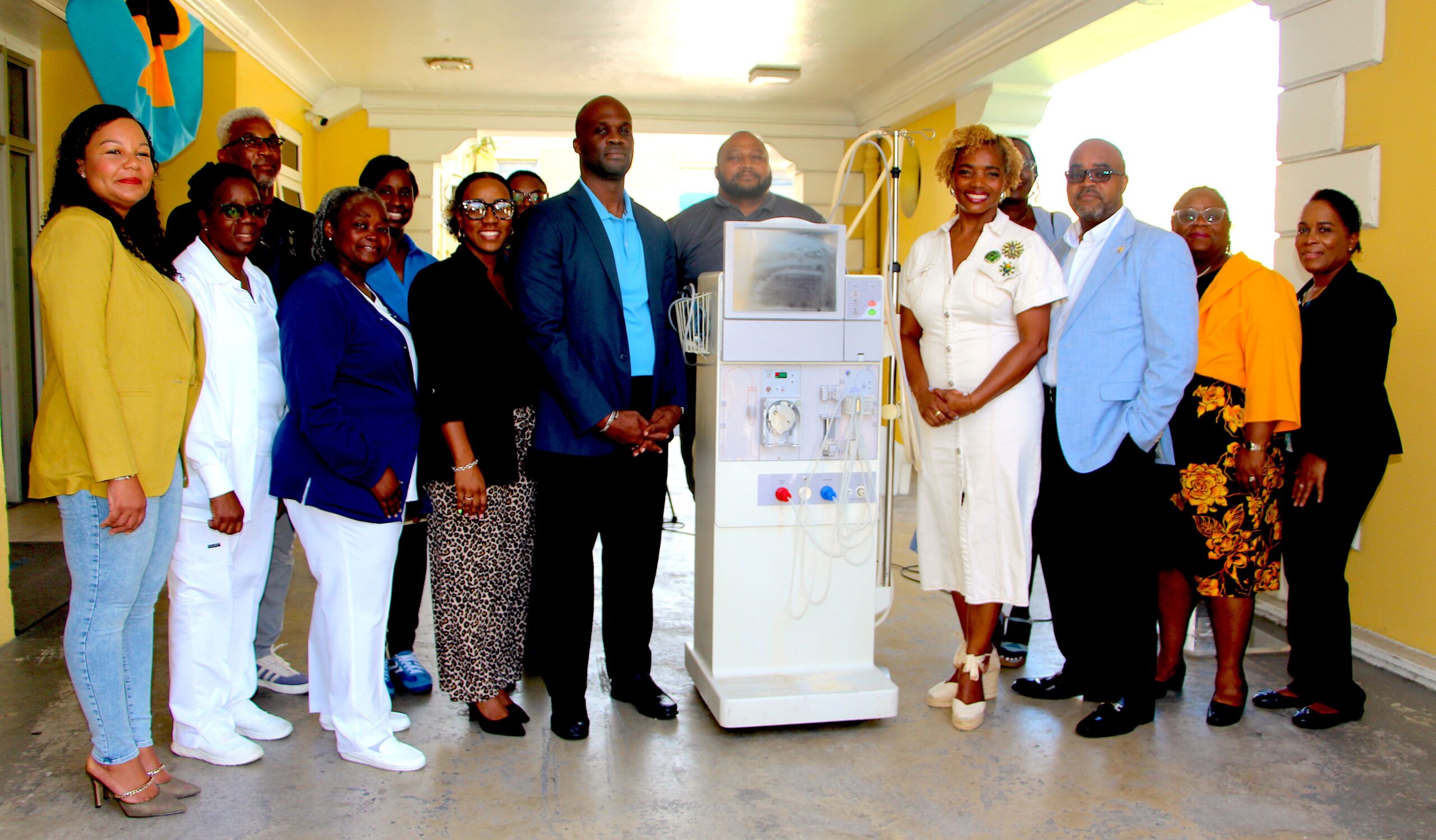
The Bahamas, September 21, 2026 – The Public Hospitals Authority (PHA) Foundation, a philanthropic organization launched in January 2024 to support public hospitals and healthcare clinics, donated eight additional dialysis machines for the PMH Renal Services unit.
Director of Foundations, Corporate and Community Relations for the Public Hospitals Authority and Executive Director of the foundation, Alana Major, said this initiative is a part of the foundation’s “Sun, Sea and Second Chances” campaign. PHA Foundation aims to secure 30 machines for Princess Margaret Hospital.
“As of today, with this donation, we are now up to 15 machines, so we are very excited about that,” Ms. Major said.
Other members of the foundation were present, including PHA Foundation Chairman Mr. Selvin Basden, who said the foundation is committed to doing its part in fulfilling the mandate of the Government of the Bahamas.
“One of the tenets of the Government is to ensure that access to healthcare is a human right. We are committed to ensuring that, at least from our part, we can deliver on that principle,” Mr. Basden said.
The PMH Renal Services Unit dialyzes about 150 to 170 patients annually. The unit provides care for patients who have been diagnosed with end-stage kidney disease and now need renal support. Patients who receive dialysis typically come to the unit three times a week, either on a Monday-Wednesday-Friday schedule or a Tuesday-Thursday-Saturday schedule.
Head of Department for Renal Services, Dr. Thurston Carroll, said she and the unit are excited to receive the donation, as it will replace machines that are not operating optimally.
“We are particularly excited about today’s donation because, although we have 20 stations within the dialysis unit, we have an aging fleet. These new machines and new water-treatment equipment will allow us to replace some of our aging equipment so that we can continue providing services to our patients.”
Foundation representatives noted that one or two organizations are already considering making bulk donations and if it happens, the foundation may be able to secure another 10 machines or another five machines in the very near future.
PMH Deputy Hospital Administrator Angelica Lockhart-Bastian and Hospital Administrator Mr. Tevard Bastian thanked the PHA Foundation for its donation to Princess Margaret Hospital.
Also in attendance were PHA Foundation Deputy Chairman Dr. Erecia Hepburn; Foundation guest Dr. Maria Oriakhi; Chief Biomedical Engineer Mr. Theodore Nottage; Administrative Officer Ms. Appapisa Neely; and Senior Assistant Hospital Administrator Mr. Valdez Bowe.
By Christina Williams
Bahamas Information Services
BIS Photos/Mark Ford
PHOTO CAPTION:
Group Photo, from left:
– Dr. Rhea Thurston Carroll, Director, Renal Services, PMH
– Nurse Kim Harris, Dialysis Nurse, Dialysis Unit, PMH
– Sister Darnell Roker, Nurse Manager, Dialysis Unit, PMH
– Mrs. Angelica Lockhart-Bastian, Deputy Hospital Administrator PMH
– Mr. Tevard Bastian, Hospital Administrator PMH
– Mrs. Alana Major, Director, Foundations, Community and Corporate Relations, PHA
– Mr. Selvin Basden, Chairman, PHA Foundation
– Dr. Erecia Hepburn, PHA Foundation Board
– Ms. Donette Danvers, Executive Assistant, Foundations, Community and Corporate Relations, PHA

Miami, Florida – Director of Aviation and Deputy Director General of Tourism, Dr. Kenneth Romer was presented with The 2025-2026 Infrastructure Leadership MVP Award, during the 10th Annual Caribbean Infrastructure Forum (CARIF) held in Miami September 15-16, 2026.
According to event organizers, New Energy Events, the MVP Leadership Award is the highest individual honor in the industry and is presented to an individual who has demonstrated exceptional, strategic and visionary leadership in advancing infrastructure in the Caribbean. Chosen by an independent jury of regional industry leaders, “The recipient is recognized for their sustained impact, influence across sectors, and dedication to driving meaningful progress in policy, investment, or project delivery”, said Event Organizers.
Romer becomes only the third person from the Region, and the first from The Bahamas to receive the Leadership MVP Award, joining last year’s winner The Honourable Mia Mottley, Prime Minister of Barbados.
Represented among the Conference Speakers and present at the Award Ceremony was Minister of Energy, Utilities and Aviation, The Honourable JoBeth Coleby-Davis, who said that, “This award amplifies The Bahamas Government’s commitment to executing a vision that sets the benchmark for infrastructural investments opportunities across our archipelago while supporting exemplary Bahamian leaders like Dr. Romer, who are steering the Caribbean toward more resilient, investable, and innovative infrastructure”.
“While this award is deemed an individual honor, it is a recognition of the Bahamas’ position as a respected regional leader and more so, a reflection of the incredible talent that resides within our small, but indomitable nation that continues to punch above its weight class as the world marks the manner of our bearing”, said Dr. Romer.
Dr. Romer has been instrumental in driving post-pandemic tourism recovery alongside the transformation of airports across the Family Islands through the Government’s landmark Family Islands Renaissance initiative. Under his leadership as Director of Aviation and Deputy Director General of Tourism, the sector has embraced a strategic, forward-looking approach focused on modernizing over 19 runways and terminals, strengthening safety and resilience, expanding international and regional connectivity, and leveraging public-private partnerships to deliver world-class facilities.
Dr. Romer’s work has helped translate the National Aviation Strategic Plan into tangible infrastructure projects that are creating new opportunities for tourism, investment, entrepreneurship and economic growth across the archipelago.
In 2025, he became the first person from the Caribbean and LATAM Region to be appointed to the Board of the International Association of Airports Executives.
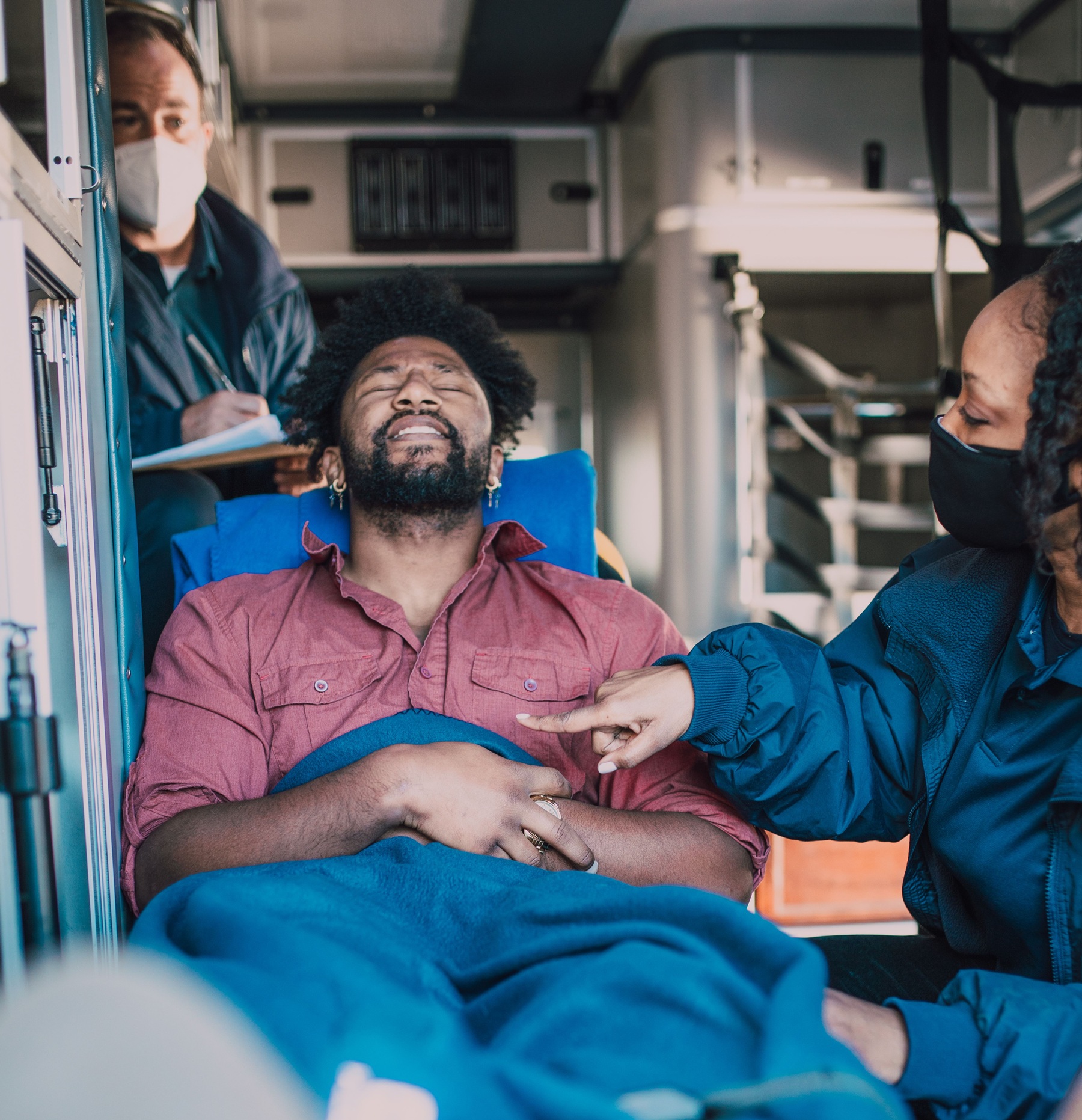
Choose the ER when delaying care could have serious or even life-threatening consequences
When you’re dealing with an unexpected illness or injury, it isn’t always easy to know where to go. Should you head to urgent care? Or is it safer to go straight to the emergency room (ER)?
The answer depends on what’s happening and how severe your symptoms are. But in the moment, it can be especially difficult to keep calm and figure out what’s best.
Emergency medicine physician B. Bryan Graham, DO, explains how understanding the difference can help you get the right care at the right time, especially when every minute matters.
What’s the difference between urgent care and the ER?
Urgent care centers and emergency rooms both provide medical care when you can’t wait for an appointment. But they serve very different purposes.
“Urgent care generally handles illnesses and injuries that need treatment soon but aren’t life-threatening,” Dr. Graham explains. “Emergency departments are equipped to handle serious emergencies where delaying care could have serious consequences.”
Dr. Graham breaks down more specific differences between the two and how to decide where to go for the care you or a loved one needs.
What is urgent care?
Urgent care centers fill the gap between your primary care provider’s office and the emergency room.
“They’re able to treat a wide variety of conditions that need to be seen the same day,” Dr. Graham says. “Many urgent care locations offer walk-in appointments and extended evening or weekend hours.”
Urgent care may be appropriate for:
- Symptoms of common viral illnesses, like cold and flu
- Wounds and cuts (including those that require stitches)
- Ear infections
- Superficial wounds or burns
- Pink eye
- Possible sprains, strains or fractures
- Sinus infections
- Skin rashes
- Sore throats
- Sprains and strains
- Urinary tract infections (UTIs)
Some urgent care centers provide services like X-rays, splinting, stitches and simple lab tests. But availability varies by location, so it can be helpful to learn in advance — before you need care — what services the urgent care closest to you provides.
“These facilities can treat many common illnesses and injuries,” Dr. Graham reiterates, “but they aren’t designed to manage severe or life-threatening emergencies. If your symptoms suddenly worsen or seem serious, the ER is typically the better choice.”
What is the ER?
Emergency rooms (sometimes called emergency departments, or EDs) are open 24 hours a day, seven days a week. They’re equipped to treat serious medical emergencies.
“People who come to the emergency department are typically treated based on the severity of their condition,” Dr. Graham explains. “That means that someone with a life-threatening emergency will be seen before someone with less urgent symptoms.”
You should go to the ER or call 911 if you experience:
- Breathing problems, including severe shortness of breath
- Chest pain or symptoms of a heart attack
- Signs of a stroke, like sudden weakness, facial drooping or difficulty speaking
- Major injuries, such as from a car accident or other trauma
- Mental health crises or psychiatric emergencies
- Poisoning
- Pregnancy-related emergencies, like heavy bleeding or signs of ectopic pregnancy
- Seizures
- Serious head injuries, especially those with loss of consciousness (passing out)
- Signs of a serious infection
- Significant dehydration
- Severe allergic reaction (anaphylaxis)
- Severe bleeding that won’t stop
- Severe burns
- Sudden, severe pain that feels intense or alarming
When needed, emergency departments can provide:
- Advanced testing, like CT scans, ultrasounds and EKGs
- Specialized emergency care, like in geriatrics and pediatrics
- Emergency procedures, including defibrillation and intubation
- Emergency surgery (and stabilization before emergency surgery that takes place in an operating room)
The ER is also the appropriate place for any situation where delaying care could lead to serious complications.
When should you go to urgent care vs. the ER?
When you’re trying to make the call between urgent care and the ER, the biggest question to ask yourself is: Could this condition be life-threatening?
If the answer is yes, go to the ER.
“If you could put the word ‘severe’ before your symptoms — whatever they are — you should likely seek emergency care,” Dr. Graham states.
If the condition is uncomfortable, painful or needs attention soon but doesn’t seem to pose an immediate threat to your health, urgent care may be the right choice.
Dr. Graham offers some specific principles to consider.
Choose urgent care if you:
- Have symptoms that are bothersome but stable

- Need treatment within hours, not minutes
- May need an X-ray, stitches or basic testing
- Can’t get a timely appointment with your primary care provider
- Have a common illness or minor injury that’s unlikely to become life-threatening

Choose the ER if you:
- Have sudden and severe symptoms
- Have chest pain, trouble breathing or stroke symptoms
- Are experiencing uncontrolled bleeding
- Lost consciousness or had a seizure
- Have a serious injury, severe burn or major trauma
- Believe delaying care could put your health or safety at risk
Final thoughts
Facing a medical issue can be scary, especially when you’re dealing with a potential emergency.
If you’re not sure whether a situation is an emergency, it’s generally safest to seek care in the ER, especially when symptoms are:
- Severe
- Quickly getting worse
- Affecting your ability to breathe, think clearly or function normally
But above all, remember: There’s no perfect decision-making formula. Medical symptoms don’t always fit neatly into categories.
“It’s important to listen to your instincts,” Dr. Graham encourages. “Don’t go by lists alone. If something feels seriously wrong, don’t spend precious time trying to diagnose yourself.”





-

 Independent writer1 week ago
Fifty Years of Ministerial Government: Honouring Our Past, Embracing Our Present and Preparing for Our Destiny
-

 Health7 days ago
Know the Possible Warning Signs of Prostate Cancer
-

 Independent writer2 days ago
Letter to The Editor
-

 Education5 days ago
TCI Schools Invited to Participate in 2026 National Student Council Election
-

 News5 days ago
Liberty Business launches in Turks and Caicos Islands
-

 Bahamas News1 day ago
Romer Receives Regional Leadership Award
-

 Bahamas News1 day ago
Public Hospitals Authority Foundation Donates Dialysis Machines to Princess Margaret Hospital (PMH)
-

 Bahamas News1 day ago
Lunch Bag Wins this Back-to-School