
News
Spirit Shutdown Raises New Questions for Grand Turk’s Long-Promised South Florida Link

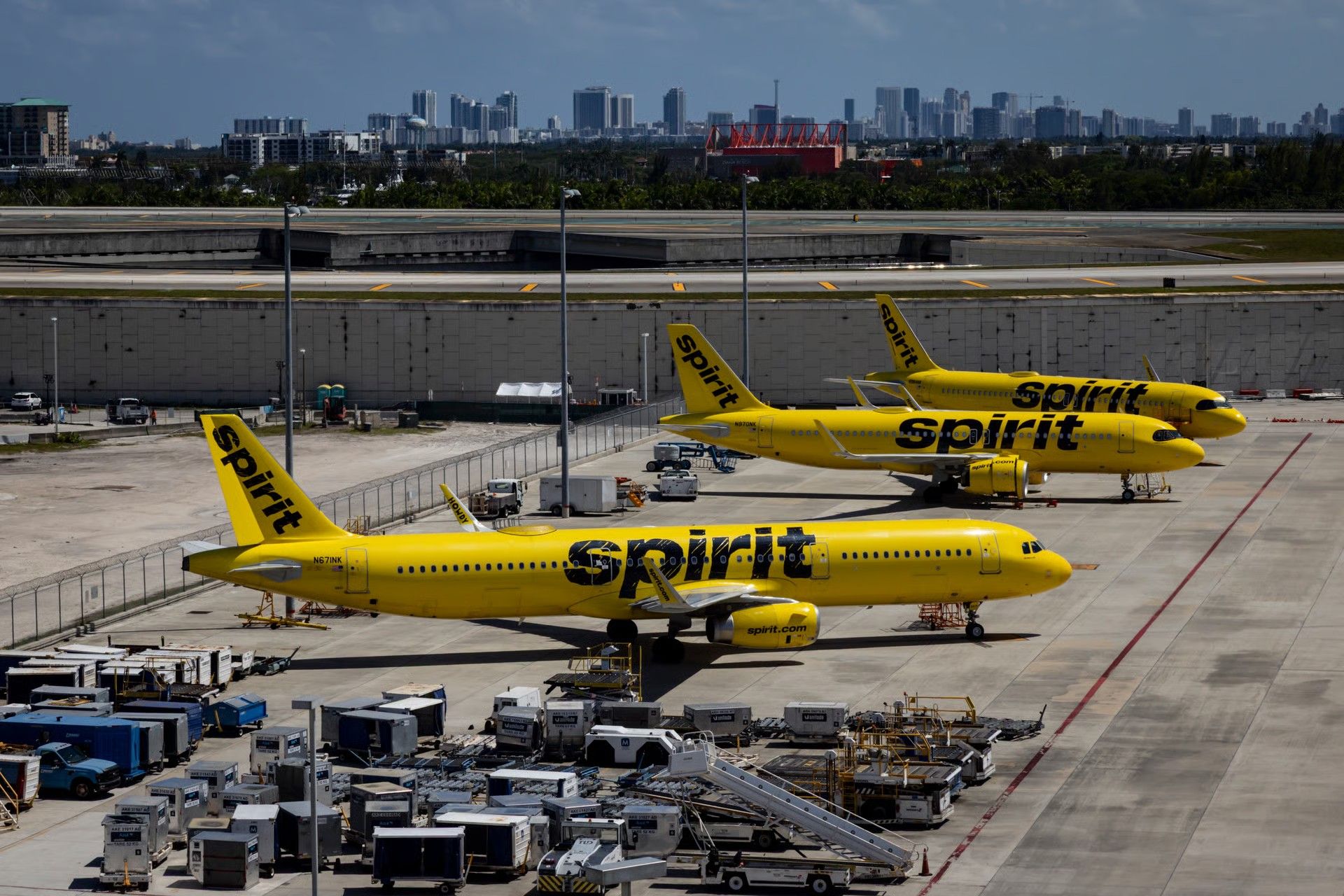
Turks and Caicos, May 2026 – The sudden collapse of Spirit Airlines has added a new layer of uncertainty to Grand Turk’s long-discussed push for direct commercial flights into the South Florida market.
Spirit Airlines announced early Saturday, May 2, that it had begun an “orderly wind-down” of operations, effective immediately, cancelling all flights and warning passengers not to go to the airport. The Dania Beach, Florida-based carrier said rising oil prices, pressure on the business and the failure to secure additional funding left it with no alternative but to shut down.
For the Turks and Caicos Islands, the shutdown lands uncomfortably close to a policy question that has lingered since late 2023: which airlines were being courted to restore direct international airlift into Grand Turk?
In December 2023, Magnetic Media reported that Premier Washington Misick told the House of Assembly that the Government was in negotiations with two South Florida airlines to secure commercial flights for the nation’s capital. The Premier said significant efforts were being made for the “reintroduction of international airlift into Grand Turk,” with a commitment to direct airlift into the South Florida market.
At the time, Government and the Turks and Caicos Islands Airports Authority were attempting to get two airlines to provide biweekly flights, Magnetic Media reported.
No airline was publicly named.
That is where Spirit’s collapse becomes locally significant. Spirit previously operated in the Turks and Caicos market, but its Fort Lauderdale to Providenciales route was never returned to the roster following the break precipitated by the Coronavirus pandemic. Islanders had hoped that Spirit, with its South Florida base, low-cost model and historic connection to the destination, may have been among the airlines Government was exploring for a Grand Turk revival.
There is still no public confirmation that Spirit was one of the two airlines in those talks. But if it was, Grand Turk has now lost one of the most obvious candidates.
Spirit’s own statement said the carrier had reached an agreement with bondholders in March 2026 on a restructuring plan that could have allowed it to continue, but that a sudden and sustained rise in fuel prices ultimately left the company unable to secure the hundreds of millions of dollars in liquidity needed to survive. Chief Executive Officer Dave Davis called the outcome “tremendously disappointing.”
The shutdown stunned the aviation industry and threw thousands of travellers and roughly 17,000 employees into crisis. ABC News reported that Spirit’s final flight landed shortly after midnight Saturday, while the airline had been scheduled to operate 277 flights that day, all of them cancelled.
U.S. Transportation Secretary Sean Duffy said the federal government had activated airline partners to help passengers avoid being stranded, keep route access open and prevent fares from skyrocketing. United, Delta, JetBlue and Southwest agreed to cap ticket prices for affected Spirit customers, while American, Delta, Allegiant and Frontier announced reduced or frozen fares on overlapping routes.
Duffy also said passengers who bought tickets with credit cards should be able to pursue refunds or chargebacks, while other claims may have to move through bankruptcy proceedings. Spirit said credit and debit card purchases made directly with the airline would be refunded automatically.
The shutdown has reignited debate over the blocked JetBlue-Spirit merger. In 2024, the U.S. Justice Department celebrated JetBlue’s decision to abandon its $3.8 billion acquisition of Spirit, arguing the merger would have meant higher fares and fewer choices. Senator Elizabeth Warren had also warned that a JetBlue-Spirit merger would lead to “fewer flights and higher fares,” calling the blocked deal a win for flyers.
Now, critics argue the loss of Spirit may produce the very outcome regulators feared: fewer low-cost seats and rising fares, especially in leisure-heavy markets like Florida and the Caribbean.
That concern is not abstract. Spirit was still advertising low-cost flights from Fort Lauderdale to Kingston and Montego Bay in Jamaica, and to Santo Domingo, Santiago and Punta Cana in the Dominican Republic. Its terminated and active destination lists also show Caribbean reach including The Bahamas, Aruba, Belize, Cayman and Cuba.
For Caribbean travellers, the impact was immediate: cancelled flights, refund uncertainty, frantic rebooking and emotional farewells from staff who learned abruptly that the airline was finished.
For Grand Turk, the impact is less immediate but potentially more strategic.
The capital has been promised stronger air access for years, with Government tying direct airlift to broader plans for hotel development, tourism expansion and improved visitor movement beyond Providenciales. But no confirmed South Florida carrier ever materialized publicly, and now one of the few low-cost airlines suited to that route is gone.
The question for Government and the Airports Authority is simple: who were the two airlines, where do those talks stand, and does Spirit’s shutdown narrow the path for Grand Turk’s long-promised direct flight into South Florida?
Angle by Deandrea Hamilton. Built with ChatGPT (AI). Magnetic Media — CAPTURING LIFE.



News
Building a Stronger Royal Turks and Caicos Islands Police Force through Change and Capacity Building

Turks and Caicos, September 4, 2026 – As the world continues to advance, the nature of policing continues to evolve. Criminals are becoming more sophisticated, technology is changing rapidly, and the expectations placed upon law enforcement agencies have never been greater. If we are to remain effective in protecting our communities, we must be prepared to evolve alongside these changes.
It is against this backdrop that the Royal Turks and Caicos Islands Police Force has embarked on a journey of organizational transformation and modernization. Change is not always comfortable, nor is it easy. It requires us to challenge old ways of thinking, review longstanding practices, and sometimes make difficult decisions in pursuit of a better future.
We recognize that change often brings uncertainty and resistance. However, strong institutions cannot remain static. They must continuously adapt to changing circumstances while remaining true to their core mission and values. Our responsibility as a Police Force is to build structures, systems, policies, and capabilities that will endure long after any individual officer leaves the organization.
This transformation is not simply about responding to today’s challenges. It is about building an institution that is resilient, sustainable, and capable of serving future generations.
Central to this transformation is capacity building.
For too long, discussions about organizational effectiveness in policing have focused primarily on equipment and infrastructure. While these remain critical, true organizational strength comes from knowledge, competence, leadership, and institutional capability. Our objective is not merely to fill positions but to develop professionals who possess the expertise, confidence, and leadership skills necessary to navigate increasingly complex policing environments.
The Royal Turks ans Caicos Islands Police Force have made substantial investments in training, leadership development, specialist expertise, and knowledge transfer across the Force. ACP Dr. Terrance Bent, drawing on more than 30 years of policing experience and professional knowledge, will play a pivotal role in driving this organizational transformation. These investments are intended not only to enhance individual capability and performance, but also to strengthen the institutional resilience and effectiveness of the Force. Every officer who undertakes advanced training becomes a valuable source of expertise, mentorship, and leadership, creating a lasting ripple effect that benefits colleagues, teams, and the wider organization.
In this way, capacity building becomes far more than professional development. It becomes the foundation upon which long-term organizational success is built.
Between October 2025 and August 2026, the RTCIPF delivered 63 training courses and programmes, recording 1,289 participant attendances across a broad range of professional development initiatives.
The Junior Command Programme, our flagship leadership development initiative, continues to strengthen supervisory and leadership capacity and offers certification and accreditation for further learning opportunities. Four(4) cohorts have successfully completed the programme since its reintroduction, with the fifth cohort scheduled to conclude on 11 September 2026. To date, fifteen (15) persons from the RTCIPF and the Turks and Caicos Islands Border Force have completed the programme, while six participants are currently undergoing training. An additional 32 personnel remain engaged in ongoing professional development activities.
These investments in our people are already producing measurable results. We are building stronger leaders, enhancing operational capability, improving investigative capacity, and creating a more professional and adaptable workforce. These improvements are helping us create a police service that is better equipped to meet today’s challenges while preparing for those that lie ahead.
Encouragingly, these efforts are being reflected in our operational outcomes. Over the past year, the Royal Turks and Caicos Islands Police Force has recorded a steady decline in serious reported crime, including significant reductions in violent offences and homicides. Murders have fallen from a record high of 48 in 2024 to 27 in 2025, and to just three(3) recorded murders by the end of August 2026. This represents a reduction of 43.8% in 2025 and 93.8% in 2026 when measured against the 2024 baseline. Collectively, this equates to approximately 66 fewer homicides recorded over the period compared to what would have occurred had the 2024 murder rate continued.
Serious crime has also continued on a downward trajectory, decreasing from 551 offences in 2024 to 502 in 2025, with 210 offences recorded by the end of August 2026. Based on current trends, serious crime is projected to end 2026 at approximately 315 offences, representing a reduction of 42.8% compared with 2024.
These achievements are a testament to the dedication of our officers, the support of our partners and the cooperation of the communities we serve. The results demonstrate the positive impact of sustained investment in our people, targeted enforcement initiatives, intelligence-led policing and strong community partnerships.
While we are encouraged by this progress, it would be disingenuous not to acknowledge the challenges that remain.
Our officers continue to operate under demanding circumstances. There are genuine concerns regarding facilities, technology, equipment, uniform supplies and other resources necessary to support effective policing. These are not mere inconveniences; they are operational realities that can affect our ability to deliver services at the standard both the public and our officers deserve.
We acknowledge these concerns and are committed to addressing them. To support this effort, the Force has engaged Mr. Rohan Richards as Chief Operations Officer. Drawing on his extensive expertise and operational experience, Mr. Richards will provide strategic guidance and oversight to identify areas for improvement, strengthen organizational efficiency, and help drive the changes necessary to enhance the effectiveness, resilience, and capability of the Force.
The acquisition of modern technology, fit-for-purpose workspaces, specialized equipment and adequate operational resources remains essential to achieving our modernization objectives. Budgetary constraints continue to present challenges, and we will continue to advocate strongly for the investments required to equip the Force for the future.
However, while we pursue the resources we need, we cannot allow the absence of resources to define who we are. Our identity is shaped not by the equipment we possess, but by the professionalism, dedication, and resilience of the people who serve.
Every success achieved by this Force has been made possible through the determination, commitment, and sacrifice of the men and women who serve this organization and by extension, the people of the Turks and Caicos Islands.
Too often, the public sees the uniform but not the person behind it. They do not always see the long hours, the missed family occasions, the difficult decisions, or the emotional burden that policing can impose. Yet every day, our officers continue to answer the call of duty with professionalism, courage, and unwavering commitment.
As an organization, we have a responsibility to support our people by investing in their development, recognizing their contributions and creating opportunities for growth. Morale is strengthened when individuals feel valued, respected and empowered to succeed.
That is why our modernization programme places people at its heart. Every course completed, every skill acquired, every leadership opportunity created, and every improvement in working conditions is an investment in the people who make this organization successful.
While building capability and reducing crime remain essential priorities, public trust and police legitimacy are equally important.
The appointment of an Inspector General Alison Woods reinforces our commitment to ensuring that accountability is not merely an aspiration but a reality. It provides an independent mechanism through which allegations of police misconduct can be examined fairly, impartially, and transparently. This oversight role strengthens public confidence while supporting the professionalism and integrity of the overwhelming majority of officers who serve honourably each day.
At the same time, it is important to recognize the dangers that officers continue to face in the execution of their duties. Criminals remain willing to confront law enforcement, particularly during responses to firearms-related incidents.
A recent shooting involving several underage males serves as a stark reminder of this reality. Incidents such as these highlight the complex environment in which officers must operate, balancing accountability and transparency while confronting individuals who are often armed and prepared to engage in serious criminal activity.
For this reason, our focus has increasingly shifted from short-term gains to long-term sustainability. The true measure of success is not whether crime falls during my tenure as Commissioner. Rather, it is whether the systems, structures, and capabilities we are building today are strong enough to sustain that success long after my tenure has ended.
Building institutional resilience also means investing in the next generation of police officers. While developing our existing workforce remains a priority, we continue to focus on attracting talented individuals from within our own communities. Recruitment remains an important part of this effort, and we continue to encourage suitably qualified Turks and Caicos Islanders, Permanent Residency Certificate holders and British Overseas Territories citizens to consider a career in policing.
The future of this organization depends on our ability to identify, develop and retain individuals who are committed to public service, professionalism and integrity. By bringing new talent into the organization while continuing to develop those already serving, we are creating a sustainable foundation for long-term success and ensuring that the progress we achieve today can be maintained well into the future.
My goal is clear: not simply to reduce crime today, but to create the conditions that will keep crime low, communities safe, and public confidence strong for years to come.
Change does not happen overnight. It requires patience, discipline, commitment and collective effort. It requires the support of our officers, our partners, our Government and the communities we serve.
As we prepare for the reopening of schools, the Royal Turks and Caicos Islands Police Force will maintain an increased presence on the nation’s roads to help ensure the safety of students, parents and all road users. Motorists are urged to comply with all traffic laws and exercise patience during peak travel periods. Drivers who create unnecessary congestion or are found in violation of traffic regulations may face enforcement action and prosecution where appropriate.
Together, we are building more than a modern police service. We are strengthening an institution, safeguarding our progress, creating opportunities for our young people, and laying the foundation for a safer and more secure Turks and Caicos Islands for generations to come.
The men and women of the Royal Turks and Caicos Islands Police Force are our greatest asset. They remain the driving force behind every success we achieve today and every success this organization will achieve in the future.
Stronger Together, serving the citizens, residents and visitors of these Beautiful by Nature Turks and Caicos Islands.
News
Starlink Gets 15-Year TCI Licence; Commission Reveals Fees, Future Flow and Digicel Partnerships

Deandrea Hamilton | Editor
PROVIDENCIALES, TURKS AND CAICOS ISLANDS — Starlink has been granted a 15-year telecommunications licence in the Turks and Caicos Islands, with the satellite internet provider required to pay an initial licensing fee of approximately $112,600, followed by annual payments tied to revenues and spectrum use.
The details were provided directly to Magnetic Media by Kenva Williams, Director General of the TCI Telecommunications Commission, following the August 27 formal licensing ceremony.
Williams said Starlink will pay seven per cent of gross annual revenues for its network licence, a $23,600 annual spectrum fee, and a further 1.8 per cent of annual gross revenues as a regulatory fee. The licence carries conditions and runs for the same 15-year period afforded other service providers.
The Telecommunications Fee Structure Regulation was also amended to create a category for satellite services.
For consumers, Williams confirmed that Starlink operates independently of Flow and Digicel, meaning residents do not require either provider to access its regular satellite internet service. He also confirmed that areas shown in blue on Starlink’s availability map indicate that service is available.
However, the relationship changes with Direct to Cellular (D2C) technology.
“For Direct to Cellular services, they will partner with Flow and Digicel,” Williams told Magnetic Media.
The Director General described Starlink as a complement to terrestrial telecommunications, capable of facilitating internet access in locations and circumstances where conventional infrastructure has been difficult or impossible to deploy.
That need helped drive a licensing process Williams said took two years.
Speaking at the ceremony, he explained that the Commission found no Caribbean regulatory framework it could simply replicate and therefore undertook consultation with existing operators, satellite providers, stakeholders and the public.
Williams said a Commission survey found 80 percent of respondents wanted Starlink, but acknowledged concerns from existing operators about the impact of a global satellite provider entering the TCI market.
“We’re going to ensure that policies are in place to keep the terrestrial services alive,” Williams said, stressing that Flow and Digicel maintain critical physical and mobile infrastructure. He also urged government not to abandon plans for a national fibre network, describing it as “a must.”
For Starlink, however, the licence represents more than commercial entry into another market.
Rebecca Hunter, Director of Market Access for Starlink, described August 27 as “day one of our relationship with the Turks and Caicos Islands,” promising that the company intends to become a long-term community partner.
“We look forward to contributing in the proper ways, following all the rules and requirements… and we look forward to giving back to the community,” Hunter said.
She identified resilience, government continuity, maritime services, disaster management, healthcare and education among areas where Starlink believes its technology can contribute.
“However we can contribute, we want to be part of your story,” Hunter told the gathering.
The entry is particularly significant for an archipelago where smaller and sparsely populated islands have historically presented challenges for traditional telecommunications infrastructure.
For the Commission, Starlink therefore adds another layer of connectivity rather than replacing existing networks — expanding consumer choice today while creating future opportunities for satellite-to-mobile connectivity through TCI’s established operators.
Turks and Caicos Islands – Leading telecoms provider Flow TCI has announced enhancements to both its fixed and mobile networks, delivering faster speeds, expanded coverage and greater capacity for customers across the country.
The latest improvements include the activation of a new mobile site in Long Bay, enhanced broadband speeds for residential customers, and independent recognition from Ookla for the performance of the company’s fixed network.
“Together, these developments reflect our continued focus on building the digital infrastructure needed to support the evolving needs of households, businesses and the wider economy,” said Joanne Missick, Country Manager, Flow Turks and Caicos Islands.
“Our continued network enhancements are focused on delivering a better experience for our customers while ensuring that the Turks and Caicos Islands has the digital infrastructure needed to support economic growth, innovation and opportunity.”
The newly activated mobile site in Long Bay delivers improved coverage, increased network capacity and faster mobile connectivity to one of the fastest-growing communities in the Turks and Caicos Islands. Further mobile network expansion is planned through late 2026 and into 2027, strengthening Flow’s ability to meet growing demand and ensuring more communities can benefit from high-quality connectivity.
Flow has also enhanced the experience for its residential broadband customers. Effective August 1, eligible customers received significant upgrades, with internet speeds on selected plans doubled or tripled. Some customers also benefited from a reduction in their monthly bill.
The strength of Flow’s fixed network has also received independent international recognition. Flow Turks and Caicos Islands was awarded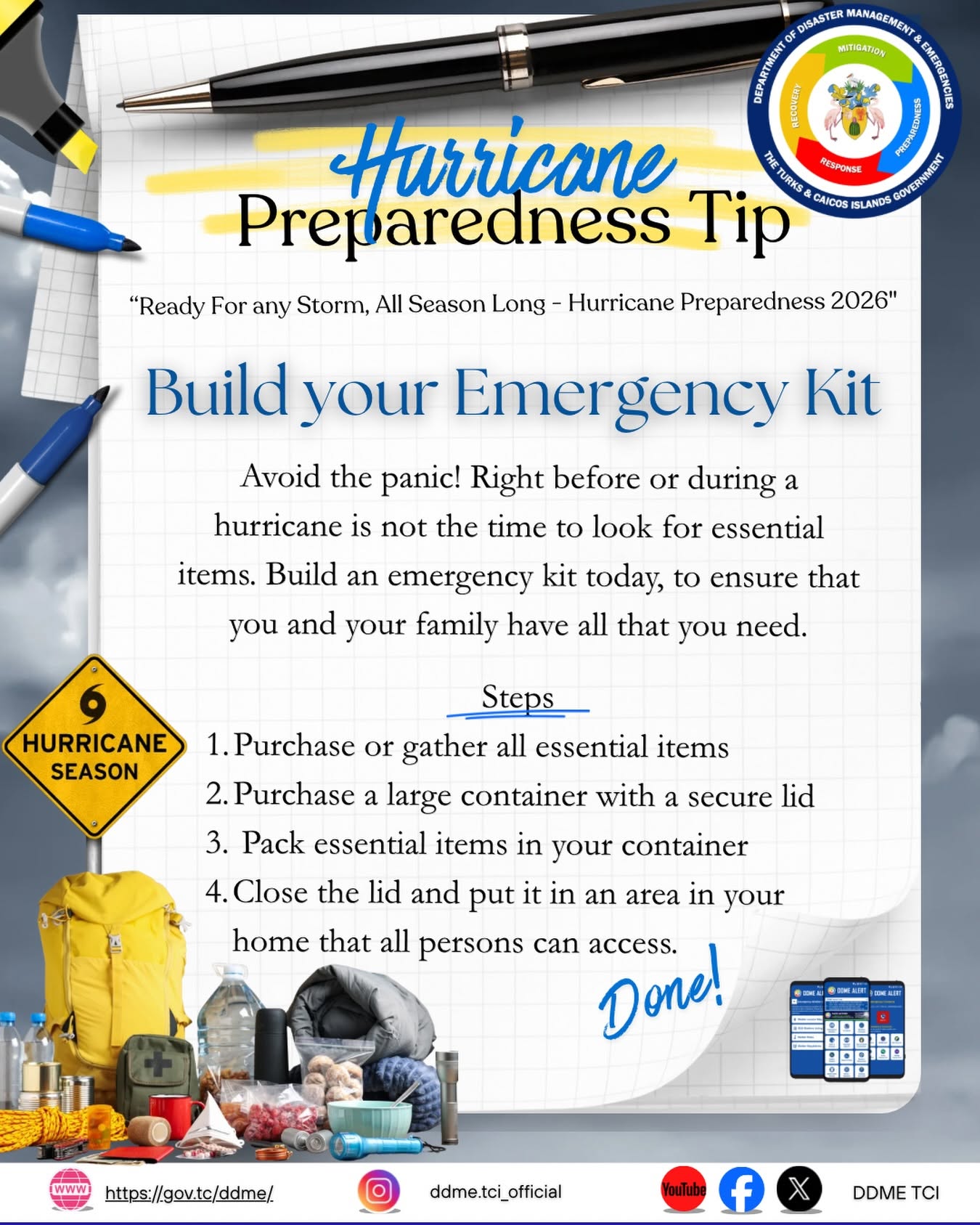 the Ookla Speedtest Award for Fastest Fixed Network in the Turks and Caicos Islands, based on data from Speedtest Intelligence.
The award provides independent validation of Flow’s network performance and gives customers tangible assurance that the network they rely on for work, entertainment, education and everyday life delivers leading speeds.
“Reliable, high-performing connectivity is no longer simply a convenience. It is fundamental infrastructure for modern life and for national development,” added Missick.
“The recognition from Ookla is particularly meaningful because it independently validates the performance of our fixed network. For our customers, it reinforces what these investments and enhancements are designed to deliver: faster, stronger and more dependable connectivity for the things that matter most in their lives and businesses.”
These network developments form the foundation of Flow’s new nationwide campaign, ‘This Is TCI’s Network’, which highlights the company’s long-term commitment to the Turks and Caicos Islands and its role in connecting communities and supporting the country’s continued development.





-

 News4 days ago
Starlink Gets 15-Year TCI Licence; Commission Reveals Fees, Future Flow and Digicel Partnerships
-

 News3 days ago
Building a Stronger Royal Turks and Caicos Islands Police Force through Change and Capacity Building
-
 Independent writer4 days ago
A Second Chance Through Service: Is the TCI Regiment an Untapped Tool for Rehabilitation?
-

 News5 days ago
Government Restates Commitment to TCI’s Telecommunications Evolution
-
 News6 days ago
Tomorrow’s Communities Start with Today’s Young Leaders: Why Youth Engagement Matters
-

 Health1 week ago
Is It Bad To Sleep in a Bra?
-

 News4 days ago
Flow Strengthens Network Leadership in TCI
-

 News4 days ago
GOLDEN MESSAGE: REMEMBER, REPENT, RETURN