
Health
Turks and Caicos Islands Hospital Celebrates 16 Years of Advancing Quality Care and Innovation

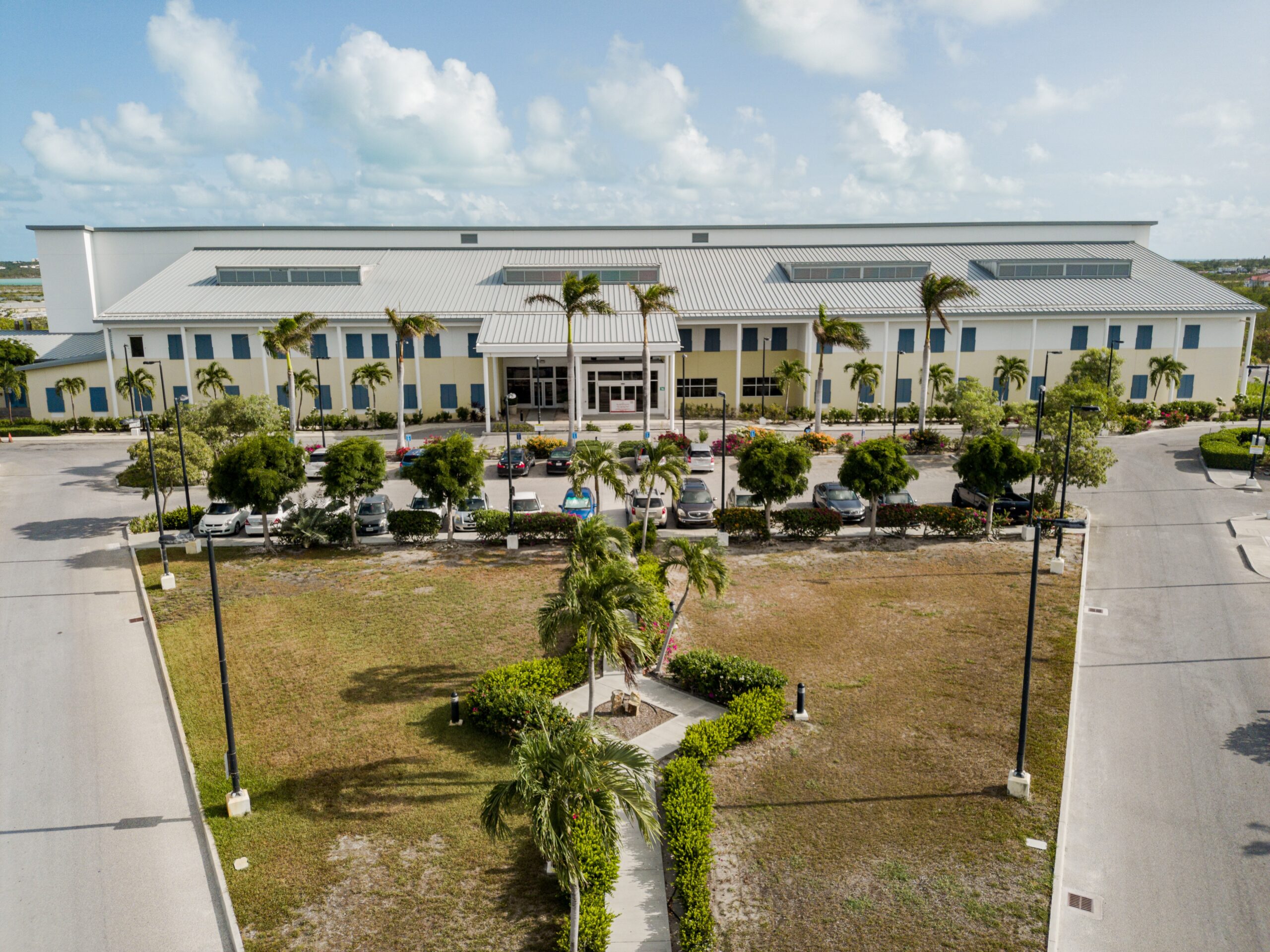
PROVIDENCIALES, Turks and Caicos Islands – April 9, 2026 – Turks and Caicos Islands Hospital (TCIH), operated by InterHealth Canada, proudly marks 16 years of service to the people of the Turks and Caicos Islands, celebrating a legacy of delivering safe, high-quality, and evidence-based care since opening its doors 10th April 2010.
Background: Public-Private Partnership Model
Turks and Caicos Islands Hospital is delivered through a public-private partnership (PPP) between the Government of the Turks and Caicos Islands and InterHealth Canada Limited (ICL). In January 2008, InterHealth Canada entered into an agreement with the Government to design, build, finance and operate the country’s acute secondary healthcare facilities. This partnership was established almost two decades ago aimed to modernize healthcare infrastructure, improve access to services and ensure the delivery of high-quality care aligned with international standards.
Under this model, hospital operations are delivered through two specialized entities operating within the InterHealth Canada framework:
A clinical services company, responsible for the delivery of all medical and clinical care
A facilities management company, responsible for infrastructure, maintenance and non-clinical support services
Both entities operate under InterHealth Canada Limited, have distinct management structures and provide services in accordance with the terms outlined in the Project Agreement with the Government.
The hospital services were officially commissioned on April 10, 2010, with:
20 inpatient beds at Cheshire Hall Medical Centre
10 inpatient beds at Cockburn Town Medical Centre
Importantly, both facilities collectively called the Turks & Caicos Islands Hospital (TCIH) were designed with built-in expansion capacity, including “shelled” spaces that can be retrofitted to increase inpatient bed capacity as demand grows. This forward-looking design on the part of the Turks & Caicos Islands Government aimed to support long-term scalability and enables the health system to respond to the evolving needs of the population.
Since its establishment, TCIH has transformed healthcare delivery across the islands through infrastructure development, international partnerships and a steadfast commitment to clinical excellence. The hospital system, comprising facilities in Providenciales and Grand Turk, introduced a new era of accessible, comprehensive care for residents and visitors alike.
A Legacy of Quality and International Recognition
Since its establishment, TCIH has maintained a strong focus on quality improvement and patient safety. Turks and Caicos Islands Hospital continues to distinguish itself as one of the few internationally accredited hospitals systems in the Caribbean, reflecting a sustained commitment to quality, safety and accountability. TCIH has maintained Accreditation Canada International accreditation at the Diamond level since 2012, the highest level achievable under the program, demonstrating consistent compliance with rigorous global standards in patient safety, governance and clinical care. Accreditation Canada’s Qmentum Global program is an internationally recognized framework used in more than 40 countries to drive continuous quality improvement, strengthen safety culture and ensure evidence-based care delivery across health systems. Within the Caribbean, hospitals achieving full international accreditation remain relatively limited, underscoring the significance of TCIH’s achievement.
As a growing centre for education and workforce development, TCIH has played a pivotal role in building local capacity within the healthcare sector. In 2019, the hospital achieved accreditation through the University of the West Indies accreditation body to support physician internship training, marking a major step toward developing a sustainable, homegrown medical workforce.
The hospital has also delivered a robust institutional training program since inception, supporting several health professionals across the Turks and Caicos Islands. Through collaborations with the Ministry of Education, TCIH has hosted one of their largest cohorts of interns and apprentices, while partnerships with the Turks and Caicos Islands Community College have enabled the introduction of the first clinical nursing rotations on-island.
Advancing Evidence-Based Care: Best Practice Spotlight Organization(r)
Turks and Caicos Islands Hospital has further strengthened its commitment to quality care through its designation as a Best Practice Spotlight Organization(r) (BPSO(r)) by the Registered Nurses’ Association of Ontario in 2025. The BPSO(r) programme is an internationally recognized initiative that supports healthcare organizations in implementing and sustaining evidence-based clinical practices. Through this designation, TCIH has demonstrated its ability to integrate best practice guidelines into everyday care, improving outcomes in key areas such as patient safety, person- and family-centred care, falls prevention and pressure injury prevention. For the community, it means greater confidence that care delivered at TCIH is safe, consistent and aligned with internationally recognized standards, ultimately contributing to better patient experiences and improved health outcomes across the Turks and Caicos Islands.
Advancing Surgical Safety: AORN Go Clear(tm) Award
Turks and Caicos Islands Hospital has also demonstrated leadership in surgical safety through its achievement of the AORN Go Clear(tm) Award in 2020, an international recognition granted by the Association of Perioperative Registered Nurses. The Go Clear(tm) Award recognizes healthcare facilities that have successfully implemented a comprehensive surgical smoke evacuation program, ensuring that operating theatres are effectively “smoke-free.” Surgical smoke-produced during procedures using lasers or electrosurgical devices-can contain harmful chemicals, toxic gases, and biological particles that pose risks to both patients and healthcare professionals. By meeting AORN’s stringent criteria, TCIH demonstrated that it has:
Adopted standardized protocols for smoke evacuation in surgical procedures
Equipped operating rooms with appropriate smoke evacuation technology
Trained clinical teams in safe surgical practices
Embedded a culture of safety within perioperative care
At the time of receiving this recognition in 2020, Turks and Caicos Islands Hospital was recognized as the first hospital in the Caribbean to achieve the AORN Go Clear(tm) Award, marking a significant milestone for patient safety and clinical excellence in the region. For patients, this achievement translates into safer surgical environments, reduced exposure to harmful airborne contaminants, and alignment with international best practices in operating room care. For healthcare professionals, it reflects a workplace that prioritizes occupational health and safety, reducing long-term exposure to surgical smoke and supporting a safer, more sustainable clinical environment.
Investing in the Next Generation of Healthcare Professionals
Turks and Caicos Islands Hospital is committed to building a sustainable healthcare workforce by inspiring and developing the next generation of health professionals. Through its READY Programme, TCIH provides high school students across the Turks and Caicos Islands with early exposure to careers in healthcare. The programme introduces students to a wide range of clinical and non-clinical roles, helping them better understand the pathways into the health sector and equipping them with foundational knowledge and career guidance. Complementing this initiative is the hospital’s Clinical Observership Programme, which offers students currently pursuing tertiary education in health sciences the opportunity to spend their summer months immersed in the hospital environment. Participants gain valuable hands-on exposure by shadowing experienced healthcare professionals, while also benefiting from structured mentorship and professional development support. Together, these programmes reflect TCIH’s commitment to nurturing local talent, strengthening workforce capacity and supporting long-term sustainability within the health system-ensuring that future generations are equipped to meet the evolving healthcare needs of the Turks and Caicos Islands.
The hospital has also contributed to workforce development in the Turks and Caicos Islands. Through partnerships with the Ministry of Education National Internship and Apprentice program and the Turks and Caicos Islands Community College. Further strengthening professional development, TCIH has worked closely with the Health Professionals Authority to introduce nurse clinical examinations locally. In collaboration with international partners, including the Hamilton Education Foundation, Massachusetts General Hospital and Harvard Medical School, TCIH has supported the introduction of Advanced Trauma Life Support (ATLS) training within the islands-enhancing emergency care capacity and preparedness.
Building Life-Saving Skills in the Community
Turks and Caicos Islands Hospital has also played a leading role in strengthening emergency response capacity across the islands through education and training. TCIH is recognized as the first fully accredited training centre in the Turks and Caicos Islands under the American Heart Association, delivering a comprehensive suite of internationally recognized resuscitation programmes. Through this initiative, the hospital provides annual training to more than 300 participants, including healthcare professionals, first responders and members of the wider community. These programmes focus on essential life-saving skills such as cardiopulmonary resuscitation (CPR), first aid, and advanced resuscitation techniques. By expanding access to this training, TCIH is helping to build a more resilient community, equipping individuals with the knowledge and confidence to respond effectively in emergencies and improving outcomes in critical situations. This achievement reflects the hospital’s broader commitment not only to delivering high-quality clinical care, but also to empowering the community with the skills needed to save lives.
Rising Utilization Reflects Growing Demand for Hospital Services
TCIH’s milestone comes at a time of rapid national growth, placing increasing demand on healthcare services. According to the Turks and Caicos Islands Statistics Authority, the population has grown significantly-from 18,491 in 2000 to 50,828 in 2024-while total visitor arrivals reached approximately 1.81 million in 2024, driven largely by continued expansion in the tourism sector. This growth trajectory is expected to continue. The Government’s National Tourism Development Strategy projects an increase in registered accommodation rooms to over 6,000 by 2032, reflecting sustained expansion in the hospitality sector and further growth in visitor and migrant workforce numbers. This demand is further intensified by the rising prevalence of chronic non-communicable diseases, which is contributing to greater complexity in care delivery and placing sustained pressure on both critical care services, outpatient visits and overseas referrals. At the same time, the hospital is closely monitoring an increase in trauma-related cases, adding another layer of demand on emergency and acute care services.
Over the past fourteen years, Turks and Caicos Islands Hospital has experienced a significant increase in patient activity, reflecting both national population growth and rising demand for healthcare services. Between February 2012 and February 2026, total patient encounters across the hospital system increased from 5,841 to 9,050, representing a substantial rise in overall service utilization. This growth has been particularly pronounced in outpatient care, where on-island clinic visits more than doubled, increasing from 2,617 to 6,439 encounters over the same period.
At Cheshire Hall Medical Centre, the impact of this demand is most evident in inpatient services. Bed occupancy levels have risen from an already high 85.34% in February 2012 to 115.71% in February 2026, indicating sustained periods where demand has exceeded available bed capacity.
These trends are creating capacity challenges across several key areas:
Inpatient beds – High occupancy driven by medical complexity and longer lengths of stay
Emergency Department – Increased patient volumes, acuity and trauma presentations
Outpatient Clinics – Growing demand for both on-island and visiting specialist services
Laboratory Services – Expanded testing needs to support chronic disease management and acute care
Diagnostic Imaging – Increased reliance on ultrasound, CT, MRI and other imaging to support timely diagnosis and treatment
These trends underscore the critical need for greater investment in expanding services at TCIH to support reliable, high-quality healthcare services to both residents and the millions of visitors who travel to the islands each year and reduce the need the overseas care.
Recognising the Strength of Our People
At the heart of Turks and Caicos Islands Hospital’s success over the past 16 years is the dedication, professionalism and compassion of our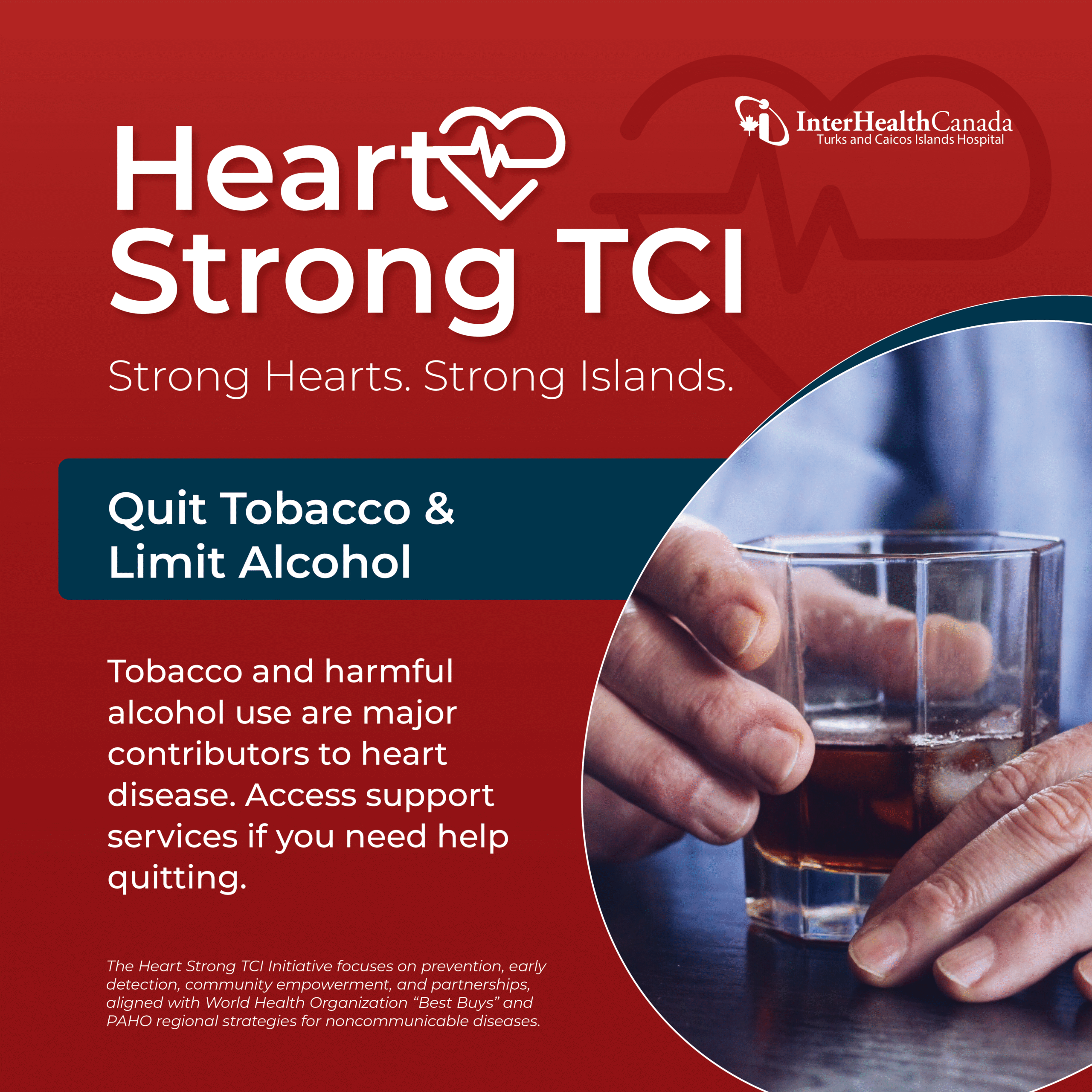 naturally excellent team. TCIH recognizes that the strength of its services lies in its people-highly skilled and committed healthcare professionals and support teams who work every day to deliver safe, high-quality care to the community. Across both Cheshire Hall Medical Centre and Cockburn Town Medical Centre, our team continue to demonstrate resilience, teamwork and an unwavering focus on patient-centred care, even as demand for services continues to grow.
The Board of Directors of InterHealth Canada extends its sincere appreciation to all members of the TCIH team for their outstanding contributions over the years.
“We recognize and deeply value the commitment of our facilities management and clinical services team, whose daily efforts make a meaningful difference in the lives of patients and families across the Turks and Caicos Islands. Their dedication, expertise and compassion are the foundation of the hospital’s success. As we celebrate this milestone, we thank them for their continued service and for the vital role they play in supporting the health and wellbeing of the community.”
Dr. Denise Brathwaite-Tennant, CEO, highlighted the importance of forward planning and partnership: “As we celebrate 16 years of service, we are proud of how far we have come in transforming healthcare in the Turks and Caicos Islands. Our achievements reflect the dedication, expertise and compassion of our entire team, who continue to place patients and families at the centre of everything we do. As demand for healthcare continues to grow, driven by population increases, chronic disease and evolving patient needs, we are seeing sustained pressure across all areas of the hospital, including critical care, outpatient services and emergency care. We are also closely monitoring the rise in trauma cases, which further underscores the need for responsive and resilient systems. In collaboration with our partners, we continue to advocate for the additional resources and investments required to meet this rising demand and to ensure we maintain safe, high-quality care for our community. We remain committed to working collaboratively with our key partners the Ministry of Health and the National Health Insurance Board to strengthen capacity, enhance service delivery and plan strategically for the future, ensuring that the health system continues to meet the needs of the Turks and Caicos Islands.










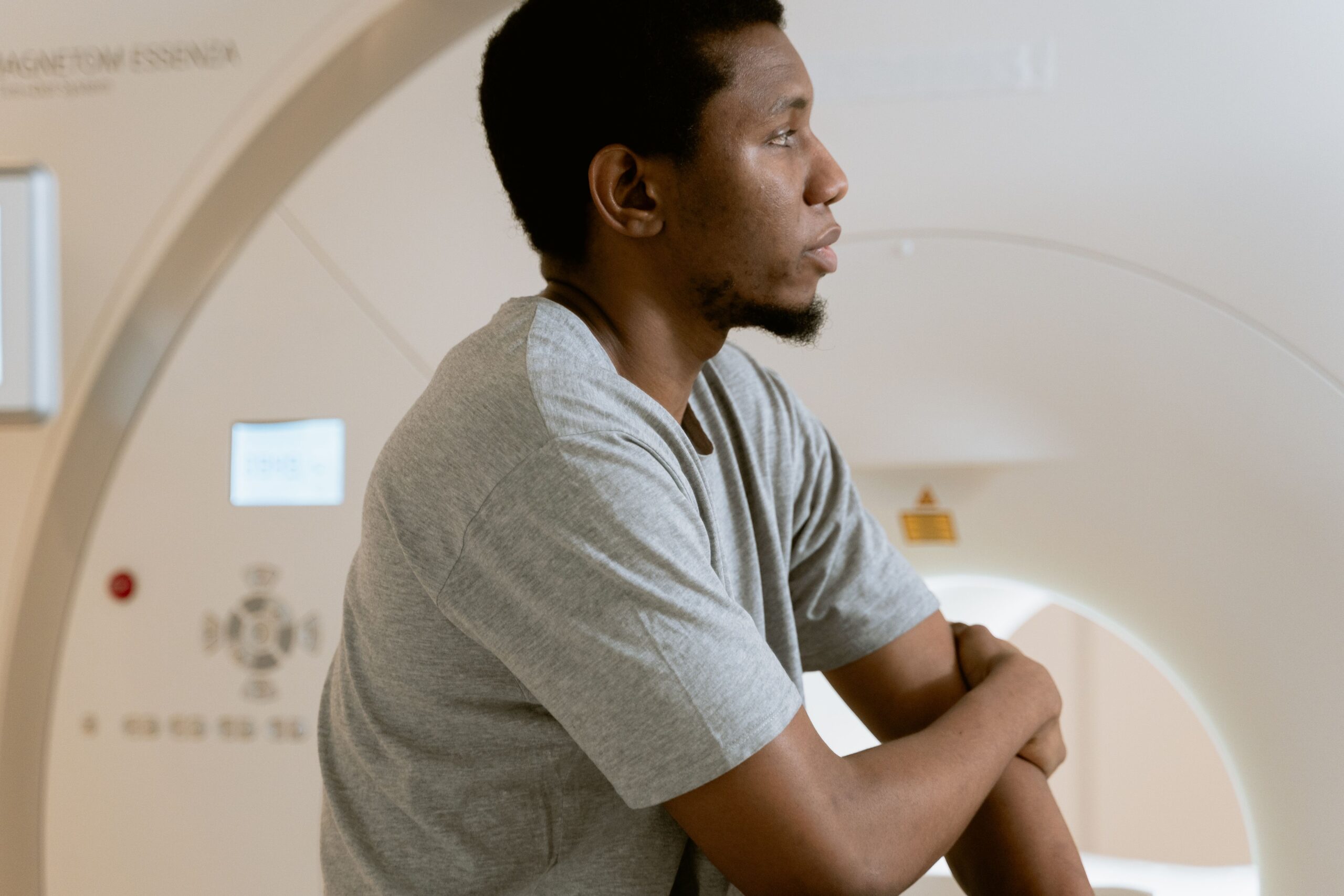
September is Prostate Cancer Awareness Month – which means it is time to watch out for the warning signs. Possible signs include slow urine flow and loss of bladder control — but if this common cancer is caught before it spreads, the prognosis is good.
Your prostate is only about the size of a walnut. But this small gland can cause big problems if left unchecked.
Warning signs of prostate cancer
“Most men with prostate cancer don’t have symptoms at first,” says urologist Christopher Weight, MD. But if you notice certain warning signs, like changes in your pee routine or pain, it’s a good idea to visit a urologist.
Prostate cancer is one of the most common cancers in men. But when it’s found early, it’s also one of the most treatable. Knowing the signs and talking with a healthcare provider about screening could save your life.
So, what should you look out for?
Slow or weak urine flow
Trouble starting to pee — called urinary hesitancy — is common as men get older. You may also notice slow flow or dribbling. Or your flow may stop altogether. The most common cause is benign prostatic hyperplasia. Still, if you experience these symptoms, it’s important to get your prostate checked.
Frequent need to urinate
A frequent and sometimes urgent need to urinate, especially at night, may be a sign of nerve damage or an infection. Or it could indicate that a tumor is putting pressure on your bladder and urethra.
Painful or burning urination
Pain or burning when you pee — called dysuria — is usually linked to a urinary tract infection (UTI). But in some cases, it can signal prostate cancer. This is especially true when it’s paired with other symptoms.
Blood in your urine
Another possible warning sign of prostate cancer is hematuria, or blood in your pee. Though this can be associated with other health issues, including a UTI, it’s worth checking out.
Prostate pain
Unexplained prostate pain — especially when sitting — can be an early sign of trouble. “It might also mean an infection, but only your urologist can say for certain,” Dr. Weight says.
Loss of bladder or bowel control
Bladder or bowel incontinence can happen with age or other medical conditions. But if you’re leaking urine or can’t control bowel movements, talk to a doctor to rule out prostate cancer.
Changes in sexual function
These symptoms can stem from many causes, but they may also signal prostate cancer. Talk to a urologist if you notice:
- Painful ejaculation
- Decreased volume of ejaculation
- Inability to keep an erection
- Blood in your semen (hematospermia)
Sexual health is a vital part of your overall well-being. So, if something feels off, it’s not just OK to speak up — it’s vital.
Later-stage signs
These symptoms often only appear when prostate cancer has spread:
- Ongoing pain in your lower back, hips or chest
- Numbness in your legs or feet
“Of course, there are endless other reasons that your back may hurt or that you have tingling in your toes that are entirely separate from any prostate troubles. But they can also be signs of later stages of prostate cancer,” Dr. Weight clarifies.
Importance of prostate cancer screening
“Since early-stage prostate cancer doesn’t cause symptoms, many men don’t know they have it,” Dr. Weight notes. “That’s why regular screening is so important — it helps catch prostate cancer early, when treatment is most effective.”
A healthcare provider may recommend screening if you’re between the ages of 55 and 69, or earlier if you have a family history or other risk factors.
Screening might feel uncomfortable to think about, but skipping it could mean missing a chance to catch prostate cancer early, when it’s easier to treat.
“A simple blood test, often followed by a physical exam if needed, gives your doctor important information about your prostate health,” Dr Weight says.
Early detection doesn’t just improve treatment options — it can also give you peace of mind.
Lower your risk of prostate cancer
“You can’t do anything about some of the risk factors for prostate cancer, like age or family history,” Dr. Weight recognizes. “But you can make lifestyle choices that support a healthier prostate.”
These small steps may make a difference:
- Get regular prostate screenings.
- Maintain a healthy weight.
- Exercise regularly.
- Eat a nutritious diet.
- Quit smoking.
“When prostate cancer is diagnosed before it spreads to other parts of the body, about 99% of people live at least five years after diagnosis,” he continues. “But the survival rate is much lower if the cancer has spread.”
That’s why it’s so important to stay proactive. Regular screenings, healthy habits and paying attention to changes in your body can make all the difference. Talk to a provider about the right plan for you.
CREDIT: CLEVELAND CLINIC

Head to bed in a bra to reduce breast pain, nipple irritation and stretch marks
When you think about sleeping in a bra, “comfort” probably isn’t the first word that comes to mind — it may not even make the Top 10. But is it bad to sleep with a bra on?
Breast surgical oncologist Margaret Thompson, MD, explains the upsides and downsides of wearing a bra while you snooze.
Should you sleep in a bra?
Several factors may affect your decision to wear a bra to bed, but Dr. Thompson emphasizes that the risk of breast cancer should not be one of them.
“There’s no evidence that wearing a bra while sleeping increases your risk for breast cancer,” she states. “It really comes down to comfort and personal preference.”
But there are also other health issues to consider. Dr. Thompson lays out the pros and cons of sleeping in a bra.
Pros: Why sleeping in a bra might be good for you
Should you wear a bra to bed? There are some benefits, especially if you’re recovering from surgery or breastfeeding.
Lessens breast pain
Having the support of a bra day and night may help relieve breast pain (mastalgia). That’s good news, because up to 70% of women in the United States deal with it at some point in their lives.
Common causes include:
- Hormonal changes, which often occur as part of your menstrual cycle
- Locally advanced breast cancer, including inflammatory breast cancer
- Lactation (producing milk), which may cause your breasts to ache
- Large breasts, which may strain breast ligaments and tissue
- Recent surgery related to your heart or breasts
- Underwires, especially if your bras are too tight
“When somebody reports breast pain, one of the first things we ask is whether they wear an underwire bra,” shares Dr. Thompson. “It can dig into your skin or breast tissue, leaving you sore and tender.”
A soft sleep bra can keep your breasts from shifting and causing discomfort while you snooze.
Protects lactating breasts
If you’re breastfeeding, you know all too well that your mammary glands don’t care if you’re trying to rest. Swollen or full breasts can be painful, especially as you move during sleep or change positions. Wearing a clean and supportive bra while sleeping:
- Holds nursing pads in place
- Keeps nipples dry and free from bacteria
- Reduces nipple chafing
- Supports the structure of your breasts
Make sure your sleep bra is supportive, but not too tight. Wearing a bra that’s too tight while breastfeeding can lower your milk production and possibly lead to clogged milk ducts and mastitis — inflammation of the breast tissue.
Prevents fungal infections
Everyone loves to be warm and cozy in bed. But do you know what else loves a warm environment? Fungus.
“There’s a lot of skin-on-skin contact underneath your breasts, especially if you have larger breasts,” notes Dr. Thompson. “If you’re also covered in blankets and sweating, it becomes a perfect environment for fungal or yeast infections.”
Wearing a bra to bed helps absorb moisture beneath your breasts and reduce friction. A camisole with a built-in shelf bra can also help.
Reduces nipple irritation
Friction is a common reason for nipple pain — ask any avid runner. You may not be running a marathon in your sleep, but your nipples can still get sore from rubbing against:
- Tight shirts, especially if they’re textured or have a graphic design that can be felt inside the shirt
- The fabric of your pajama top or sheets
- A sleep bra that’s too loose
Wearing a sleep bra can limit movement, easing nipple irritation.
Helps with recovery after surgery
It’s important to keep your breasts compressed after certain surgeries involving your chest. Restricting breast movement helps protect stitches and incisions. The added compression can also:
- Decrease fluid collection
- Minimize pain
- Hold gauze and drains in place
“Most cardiac and breast surgeons want you to wear a bra for some time after surgery, even while sleeping,” emphasizes Dr. Thompson. “Always follow their advice.”
Diminishes stretch marks
Stretch marks on breasts are common, especially if your breasts change size during pregnancy. Bras support your skin’s structure, which helps prevent stretch marks.
“There’s no proof that wearing a bra at any time of day will decrease breast sagginess,” Dr. Thompson clarifies. “But it may help decrease stretch marks.”
Cons: Why it’s bad to sleep with a bra on
Looking for a reason to sleep without strapping on a bra? Dr. Thompson points out a few potential disadvantages of sleeping in a bra.
Causes skin irritation and infection
A sleep bra can protect your skin from irritation and infection. But it can also cause those issues if it has an underwire or it’s:
- Dirty
- Too tight
- Too loose
Restricts circulation
“Bras that are too tight or contain underwires may cause you to wake up with some discomfort,” reiterates Dr. Thompson. “They can restrict your circulation while you sleep.”
Nobody wants to wake up to find that their bra left angry red indents in its wake. That’s why selection is key.
Tips for wearing a bra to bed
If you decide to sleep in a bra, choose one that’s comfortable and fits well — not too tight, not too loose. And be sure to replace your bras every six to 12 months, or whenever your breast size changes. Measure yourself or ask the fitter at your lingerie store or undergarments department for help finding the right size.
For the best experience with your sleep bra, Dr. Thompson recommends that you:
- Choose a gentle fabric. Avoid lace or scratchy fabrics that may be rough on your nipples. Choose a natural material like cotton or something silky and soft.
- Consider a shelf bra. Some camisoles and tank tops have a built-in shelf bra that may help you feel supported while sleeping.
- Skip the underwire. Underwire can restrict circulation and cause pain while you sleep.
- Wear a clean bra. Don’t wear a bra you’ve worn all day, and wash your sleep bras regularly — after every two or three wears.
Bottom line? If you choose to sleep in a bra, you want one that’s supportive and comfortable. If it interferes with your sleep, it’s not the right fit.
Health
Turks and Caicos Islands Hospital Celebrates Successful Completion of 2026 Summer READY Programme
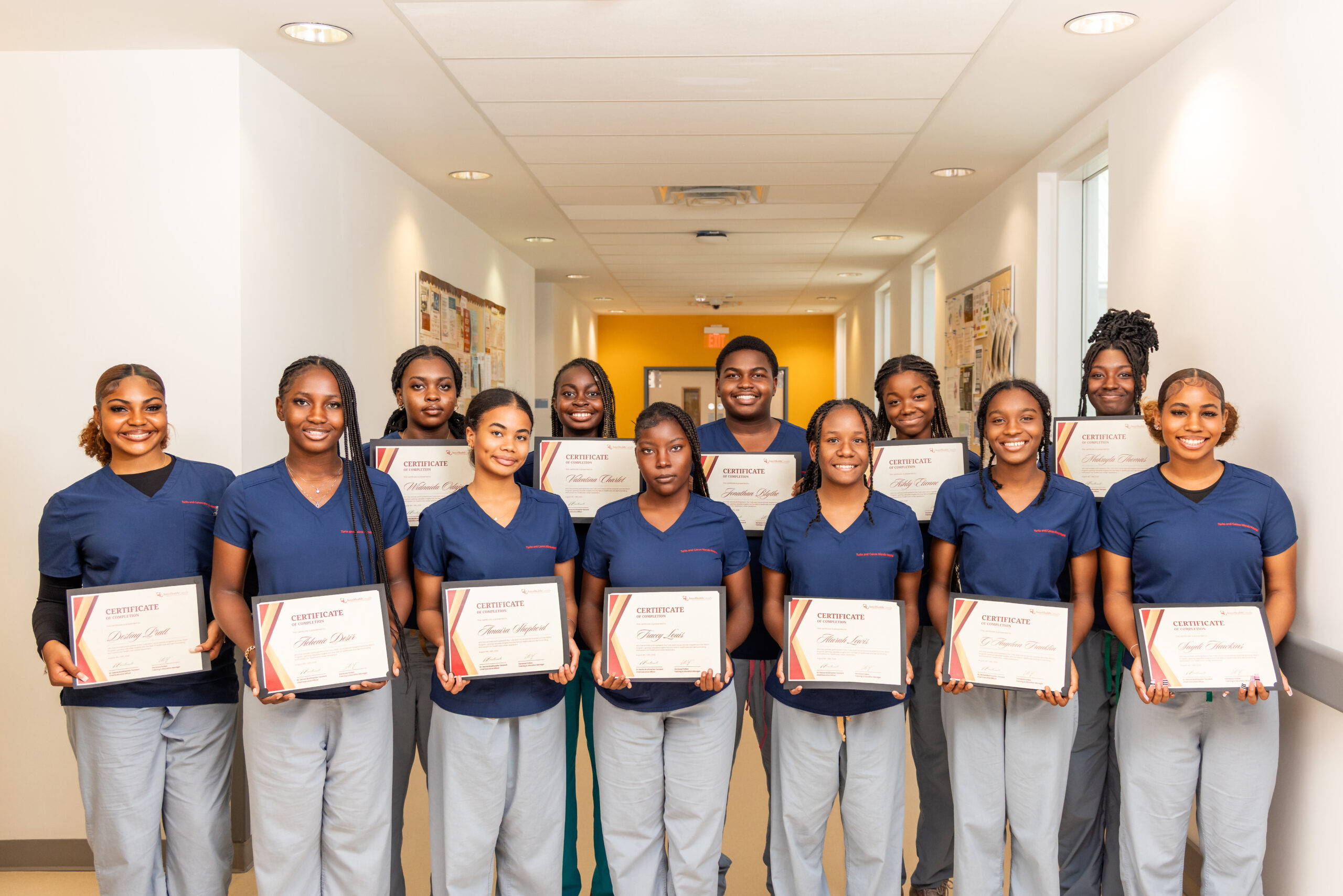
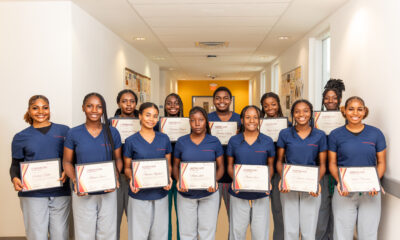
Providenciales, Turks and Caicos Islands – August 18, 2026 – Turks and Caicos Islands Hospital is pleased to announce the successful completion of its Summer READY Programme, a two-week internship initiative designed to provide high school students in Forms 3-5 with hands-on exposure to the healthcare environment and an opportunity to explore careers within the sector.
The programme, organised and hosted by the Training and Education Department, welcomed students into various clinical departments, where they gained first-hand insight into the day-to-day operations of a healthcare facility and learned directly from healthcare professionals.
Throughout the two-week internship, students were exposed to different aspects of patient care and clinical operations while developing important workplace competencies, including communication, teamwork, professionalism, punctuality and responsibility. The experience was designed to complement classroom learning while helping students make more informed decisions about their future education and career pathways.
Vernessa Forbes, Training and Education Manager, said the Summer READY Programme reflects the hospital’s commitment to developing young people and creating meaningful opportunities for them to explore the healthcare profession.
“Summer READY is about giving our young people an opportunity to experience healthcare beyond what they may have seen or learned in the classroom. Over the two weeks, our students were able to interact with healthcare professionals, observe different clinical environments and gain a better understanding of the dedication and teamwork required to care for our patients. We were impressed by their enthusiasm, curiosity and willingness to learn, and we hope this experience has inspired them to consider the many rewarding careers available in healthcare.”
By rotating through and gaining exposure to various clinical departments, students were also able to see that healthcare extends beyond the roles most commonly associated with a hospital. The programme introduced them to the range of skills, disciplines and professionals that work together to deliver safe, compassionate and high-quality patient care.
Dr. Denise Braithwaite-Tennant, Chief Executive Officer, said the hospital has an important role to play in building the human capacity needed to support the future development and sustainability of healthcare in the Turks and Caicos Islands.
“As a hospital, our responsibility extends beyond providing healthcare services today; we also have an important role in helping to develop the people who will deliver and lead healthcare tomorrow. Human capacity building is essential to the long-term sustainability of our health system, and programmes such as Summer READY allow us to introduce young people to healthcare careers early, nurture their interests and help them understand the educational and professional pathways available to them.
By opening our clinical environment to students and providing mentorship and practical exposure, we are helping to build a pipeline of future nurses, physicians, allied health professionals and other healthcare workers. We want our young people to see that there is a place for their talents within the health sector and, importantly, that they can build rewarding careers while contributing to the health and development of the Turks and Caicos Islands. We are proud to play our part in investing in the next generation and strengthening our country’s future healthcare workforce.”
The programme concluded with the presentation of certificates of completion to the students, recognizing their successful participation and commitment throughout the two-week internship.
Turks and Caicos Islands Hospital congratulates all of the students who successfully completed the Summer Ready Programme and extends its appreciation to the clinical teams, supervisors and staff members who provided mentorship, guidance and practical learning opportunities throughout the programme.
Through the Summer READY Programme and its wider education, training, internship and professional development initiatives, Turks and Caicos Islands Hospital remains committed to supporting national human capacity development. By partnering with educational institutions, government agencies and other stakeholders, and by providing mentorship and practical learning opportunities within the healthcare environment, the Hospital aims to strengthen the pipeline of skilled healthcare professionals needed to meet the evolving health needs of the Turks and Caicos Islands.





-

 Education1 week ago
Department of Education Concludes Four-Day TCI National Standards Secondary School Curriculum Implementation Training
-

 Independent writer6 days ago
Fifty Years of Ministerial Government: Honouring Our Past, Embracing Our Present and Preparing for Our Destiny
-

 News1 week ago
UNDER 40 DAYS: COMMITTEE FORMED—BUT WHO IS ON IT?
-
 Health5 days ago
Know the Possible Warning Signs of Prostate Cancer
-

 News1 week ago
Invest TCI Brings Entrepreneurs and Bankers to the Table
-

 News3 days ago
Liberty Business launches in Turks and Caicos Islands
-

 Education3 days ago
TCI Schools Invited to Participate in 2026 National Student Council Election