
Bahamas News
What NOT to Do on Socials with New U.S. Screening Rules; Caribbean citizens not banned


Deandrea Hamilton
Editor
April 17, 2025 – Bahamian and Turks and Caicos travelers and other foreigners heading to the United States are being strongly advised to rethink what they post online, as new U.S. immigration measures take aim at antisemitic content and behavior.
This warning is just that and despite widespread reports, seemingly aimed at fearmongering, the US has informed that there is no ban on Caribbean people travelling to the States.
According to Citizen X, the origin of the concern is linked to credible media houses posting reports on a leaked list of 43 countries under review for “potential travel restrictions.”
Among them: Antigua and Barbuda; Dominica; St Kitts and Nevis and St Lucia.
“Eastern Caribbean States: Antigua & Barbuda, Dominica, St. Kitts & Nevis, and St. Lucia are under a 60-day review period to address U.S. concerns about their citizenship-by-investment programs or potentially face visa restrictions,” explained the report.
But the U.S. State Department said in response to questions, “a review is not a ban.”
As of April 9, 2025, the U.S. Department of Homeland Security (DHS) will now screen social media for signs of antisemitism when evaluating immigration applications—including visas, green cards, and student permits. According to DHS, any content that appears to support or promote antisemitic ideologies or terrorist organizations like Hamas, Hezbollah, or the Houthis may be used to deny entry or immigration benefits.
Here is What You Should Not Do:
- Do not post or share antisemitic content online. This includes memes, hashtags, retweets, or posts—past or present—that can be interpreted as supporting antisemitic rhetoric or violence.
- Do not associate with antisemitic groups or protests. Online or physical association with groups flagged for antisemitism could raise red flags during border screening or immigration reviews.
- Do not assume freedom of speech protects you abroad. While the First Amendment protects speech for U.S. citizens, it does not apply to foreign nationals seeking entry. The U.S. government has made it clear: advocating antisemitic views, even online, can lead to denial of entry or immigration benefits.
- Do not delete your social media without understanding the consequences. Attempts to erase content may be viewed with suspicion. Authorities often use digital footprints in discretionary reviews, so transparency matters.
- Do not ignore this new policy. Whether traveling as a tourist, student, or on business, your online activity is now part of your travel profile.
The U.S. Travel Association informs, this position has impacted travel decisions in the double digits. Canada and Europeans are particularly coy.
The Toronto Star reports: On Tuesday, the Canadian Association of University Teachers issued a travel advisory to its members that “strongly recommends” Canadian academic staff travel to the United States only if necessary.
The CAUT represents 72,000 teachers, librarians, researchers, general staff and other academic professionals at some 125 universities and colleges across the country.
The increased scrutiny is compounded say some news reports by the so called, ‘trade war’
and tariff changes by the Trump Administration.
Yahoo!News: “Travellers from western Europe who stayed at least one night in the US fell by 17 per cent in March from a year ago, according to the International Trade Administration (ITA). US tourism from countries such as Ireland, Norway and Germany fell by more than a fifth in the same period.
U.S. Citizenship and Immigration Services (USCIS) officials say this measure is in line with broader efforts to combat extremism and terrorism. Bahamians planning to travel or study in the U.S. are urged to audit their online presence and avoid engaging in or endorsing any form of hate speech.
In short, stay informed, stay respectful, and stay cautious—both online and offline.


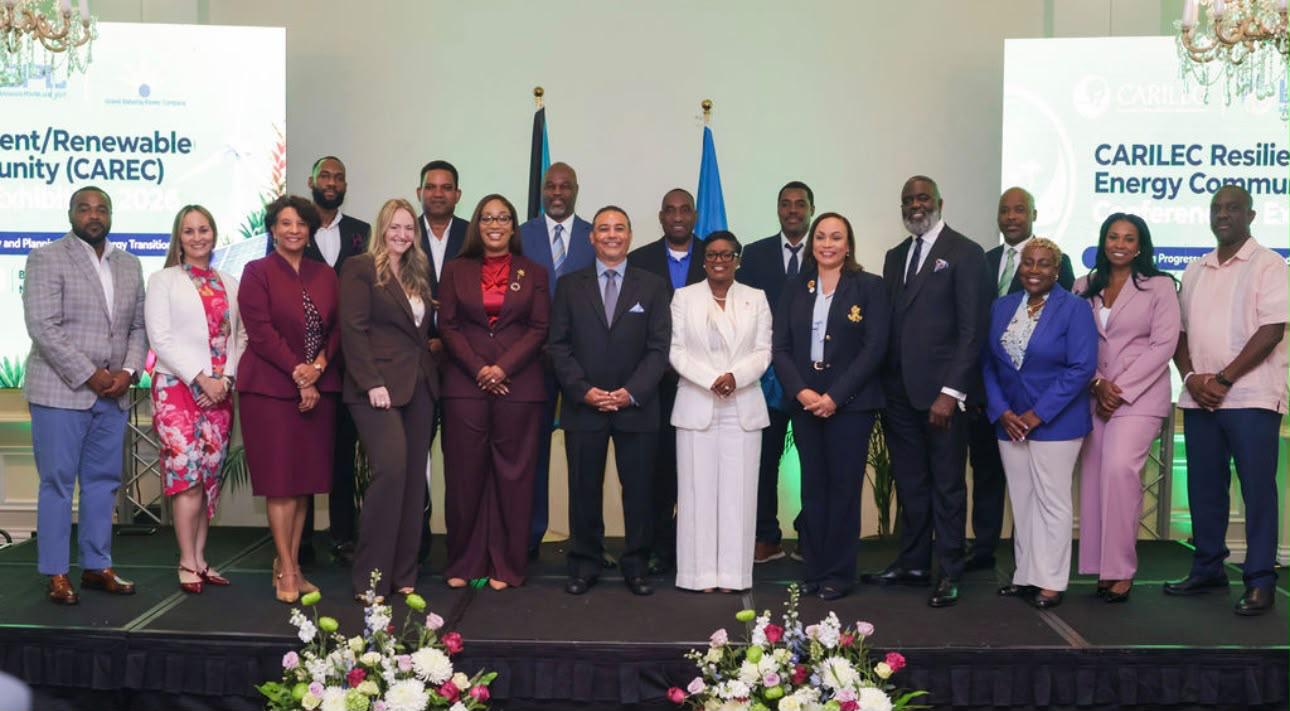
NASSAU, The Bahamas – The Bahamas’ Minister of Energy, Utilities and Aviation, The Honourable JoBeth Coleby-Davis, delivered an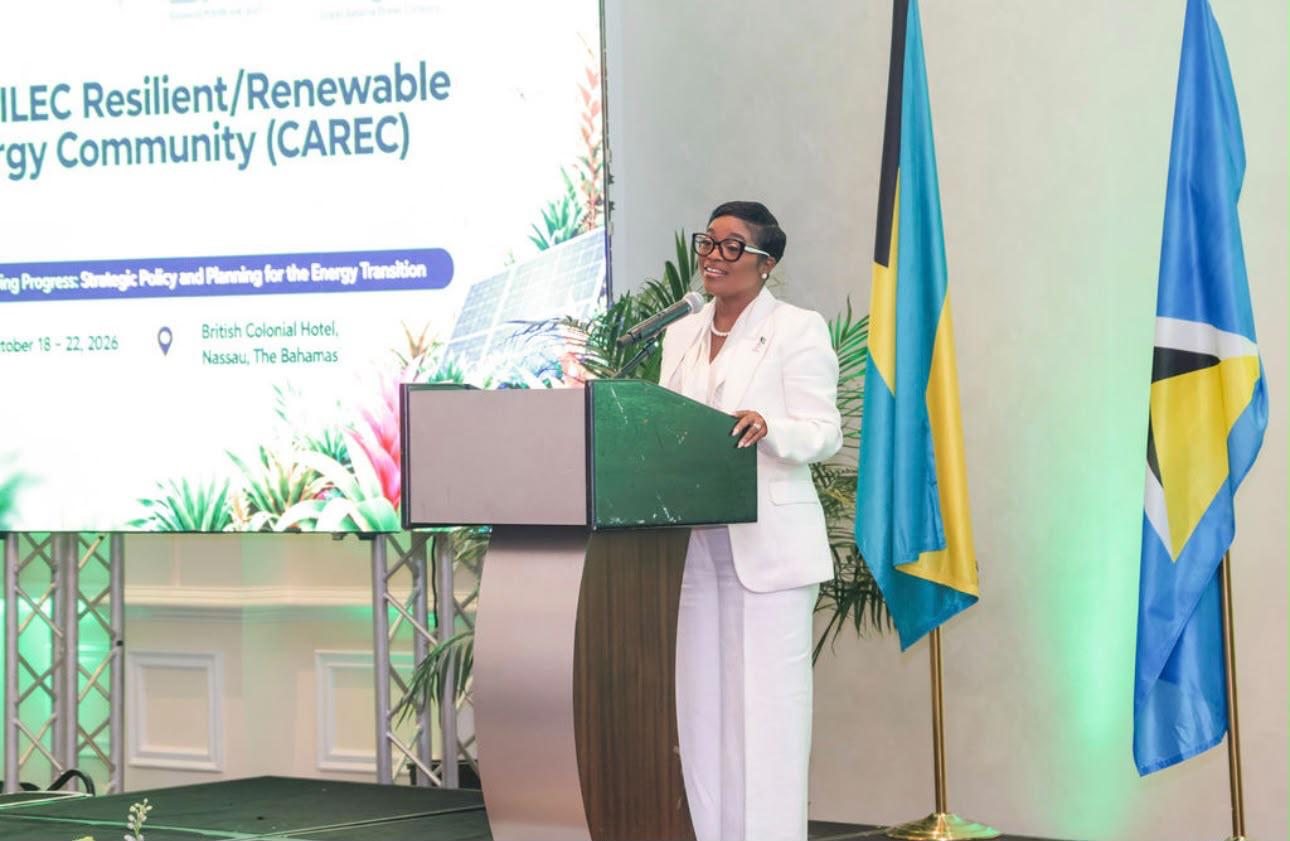 electrifying address during the opening ceremony of the 2026 CARILEC Resilient/Renewable Energy Community (CAREC) Conference and Exhibition, being held October 18–22, 2026, at the British Colonial Hotel in Nassau, The Bahamas.
Under the theme “Empowering Progress: Strategic Policy and Planning for the Energy Transition,” the event draws more than 200 industry leaders, policymakers, regulators, and energy professionals committed to advancing practical strategies for sustainable and reliable Caribbean power systems through renewable energy and emerging technologies.
During her address, titled “The New Energy Era: Transforming Policy into Progress,” Minister Coleby-Davis reminded attendees that The Bahamas’ national motto, “Forward, Upward, Onward, Together,” aptly describes what the region’s energy transition demands.
“Empowering Progress speaks directly to our national motto. Not waiting for progress, but creating the conditions that allow progress to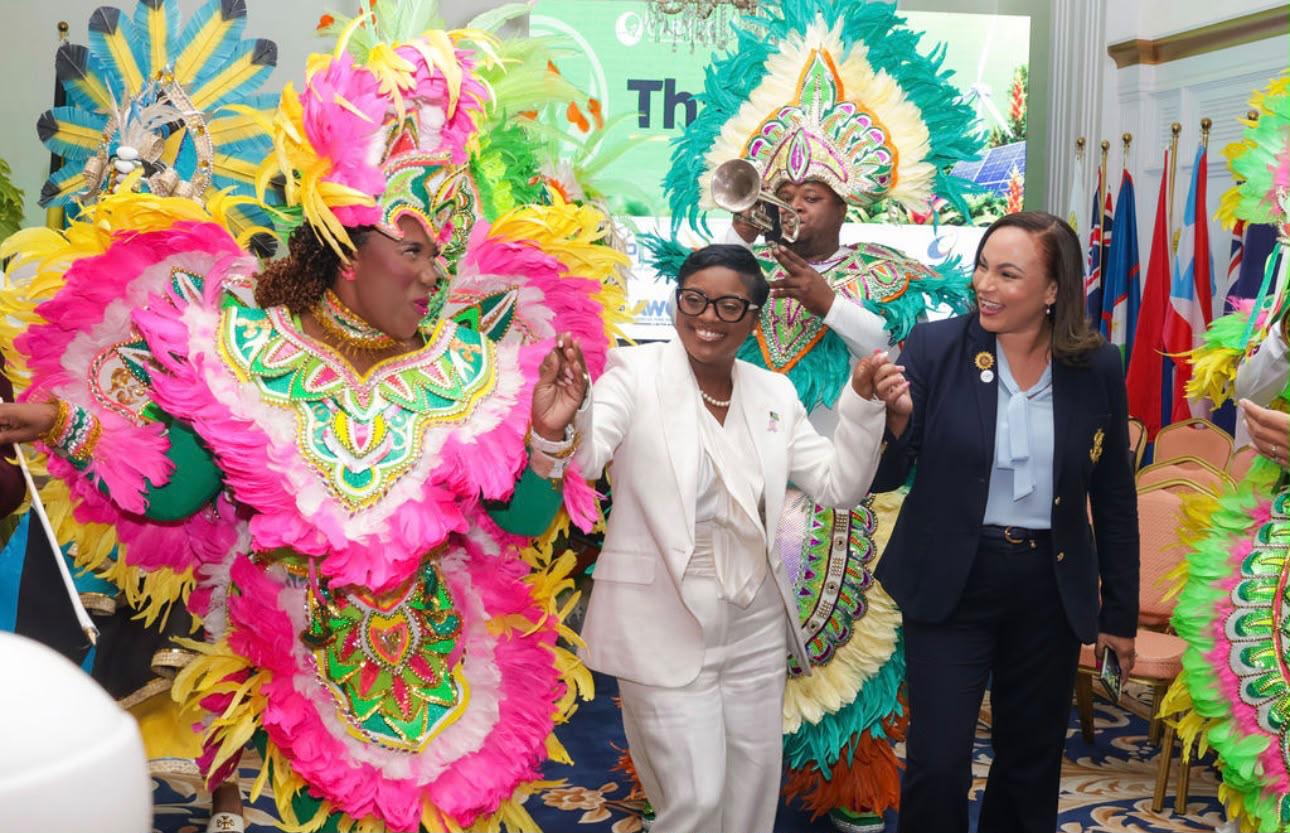 happen. Meaningful progress, however, does not occur by accident. It requires vision, sound policy, strategic planning, strong institutions, and the determination to turn decisions into results,” said Minister Coleby-Davis.
Participants acknowledged that small island developing states share similar pressures, compounded by geographical challenges, small electricity markets, ageing infrastructure, geopolitical influences, and the growing threat of severe weather.
Tasked with ushering in a new energy era across the islands while addressing the challenges posed by The Bahamas’ unique archipelagic composition, Minister Coleby-Davis said, “Every island needs a different answer, but the same logic. As an archipelagic nation, we must provide electricity across many islands, each with its own demand and infrastructure needs. Our strategy, therefore, must be national in direction, but responsive to individual communities.”
Restating her Ministry’s three core messages—that energy is an economic and security priority, technology must be viewed as a tool to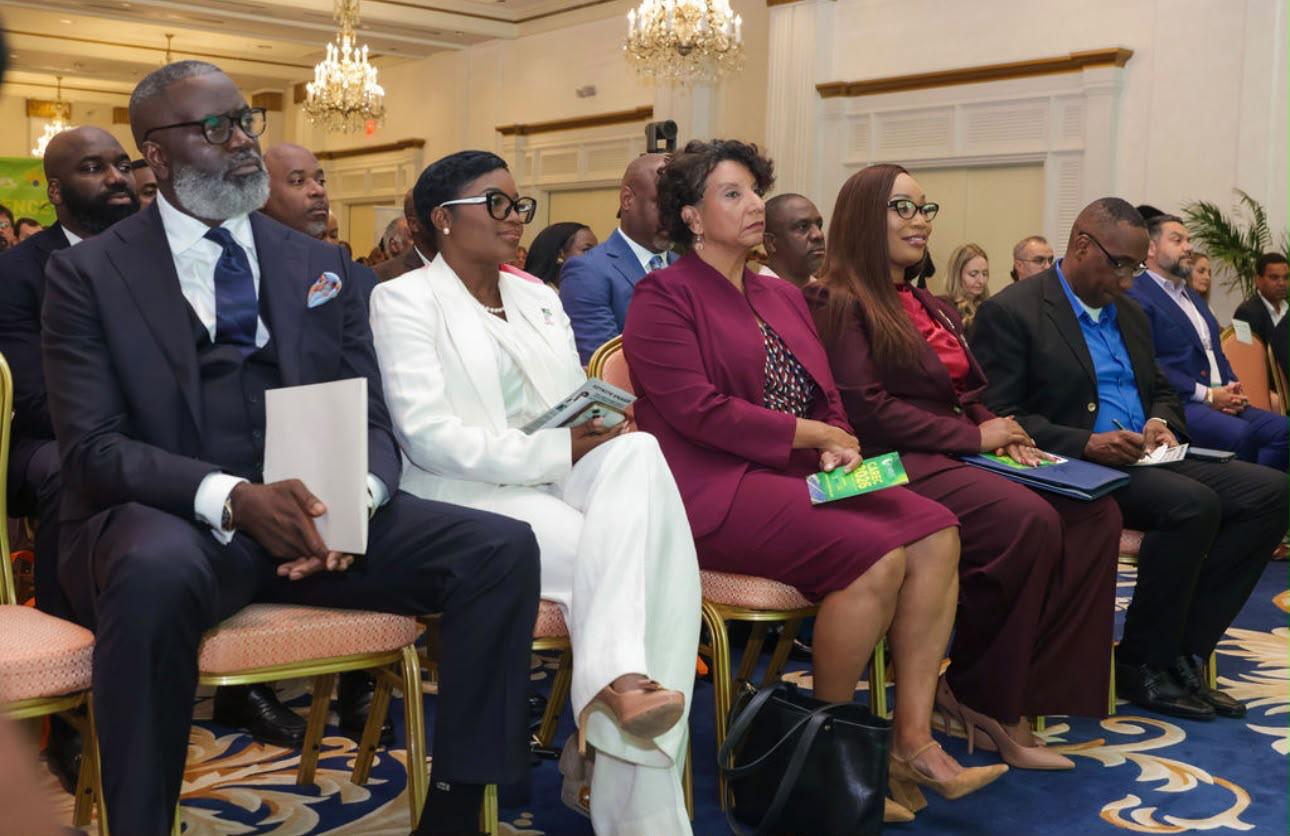 support strong institutional leadership, and natural gas should be considered a bridge, not a destination—Minister Coleby-Davis reiterated that “progress must now be reflected in functioning infrastructure, effective institutions, and better electricity services: from policy commitments to coordinated implementation, and from fragmented investment decisions to long-term planning.”
Organised by CARILEC and co-hosted by Bahamas Power and Light (BPL) and Grand Bahama Power Company (GBPC), the annual Conference and Exhibition brings together the Caribbean energy community to advance practical solutions to the region’s most pressing energy challenges and accelerate progress towards more resilient, reliable, and sustainable power systems.
Bahamas News
Rosewood Exuma: A precedent-setting case for environmental law and future development in The Bahamas
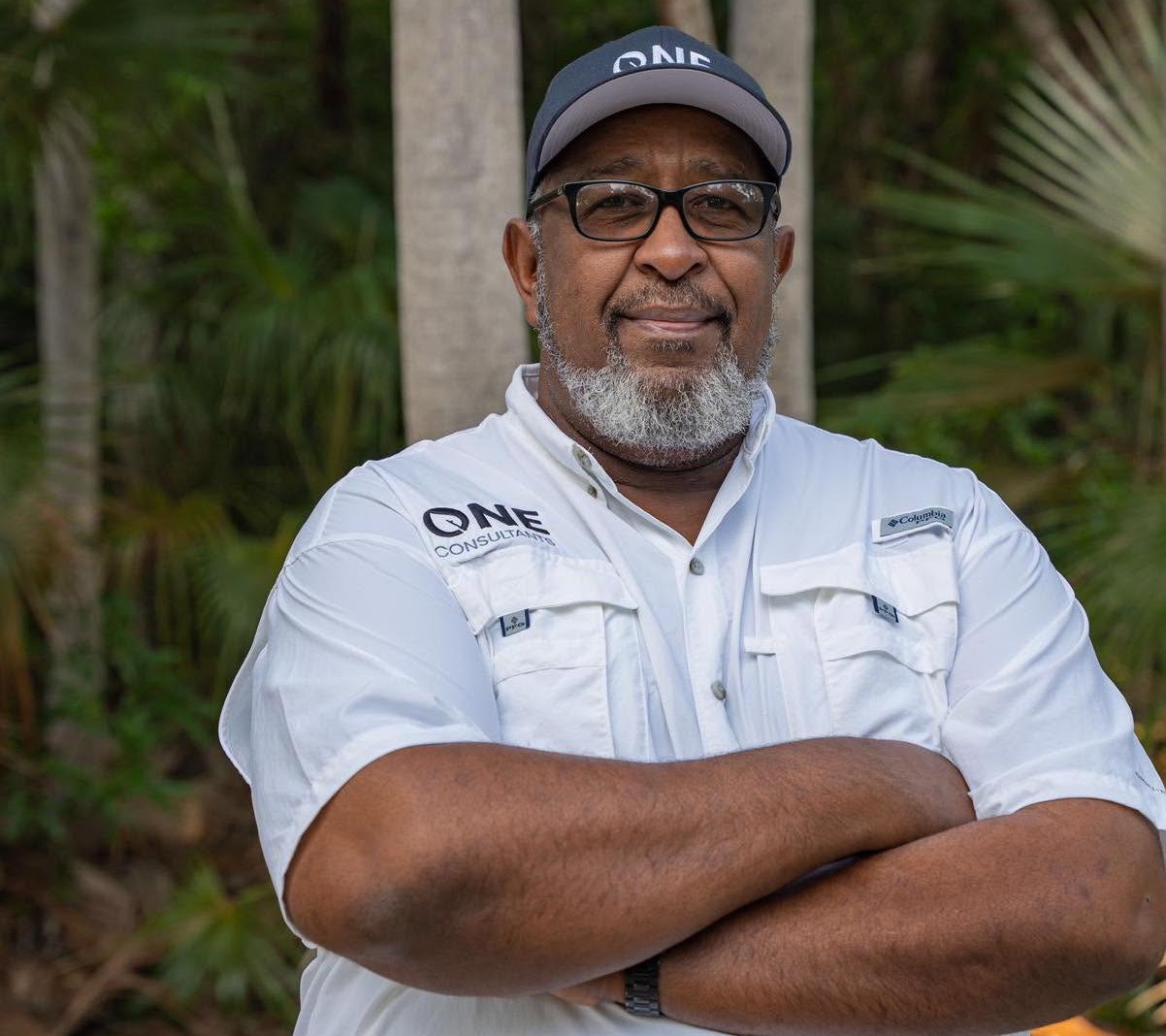
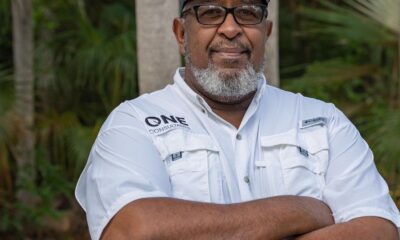
By Eric Carey, ONE Consultants, former Executive Director of the Bahamas National Trust.
We are facing an extraordinarily important moment in judicial history in The Bahamas as we await a decision on the trial of allegations in the Yntegra group’s Rosewood Exuma project.
As former Minister of the Environment, Romauld Ferreira, put it in the Supreme Court last week: “A lot is at stake…a great deal of what will be considered in this case sets the stage for what’s to come for future development in the country.”
In the trial of the judicial review of government approvals given to Yntegra for their Rosewood Exuma resort this week, we’ve heard technical arguments about failure to make key environmental documents like Yntegra’s Environmental Impact Assessment and Environmental Management Plan available to the public, failure of key documents to assess some of the most controversial aspects of the project, an unlawful consultation process, and a failure to conduct further consultation following major changes to the development.
Lawyers for Turtlegrass described how there was a “salami slicing” of the project into chunks as a way to circumvent the approvals process and disguise its full impact from public scrutiny. Only certain portions came before the public and key stakeholders like Turtlegrass and Over Yonder Cay for scrutiny, while some of the most controversial aspects did not. This is particularly problematic given what is at stake – the dredging of a beautiful Exuma bay, the North Bay, to transform it into an industrial shipping channel, complete with an enormous seawall, dock, back-of-house facilities and other industrial infrastructure.
It is unfortunate that it has had to come to this – an expensive judicial review process that calls out the government for falling down on its duties to protect the environment and follow the law – but it is important and the broader implications should not be overlooked. When Justice Leif Farquharson rules on this case, he’ll set a precedent that could echo in The Bahamas for years to come, one that answers the question: are the 2019 environmental laws that Ferreira took to parliament after many years of advocacy by environmentalists toothless tigers that are just for decoration – or are they capable of protecting the environment that we all depend on and the rights of those affected by projects to have a genuine say in them?
What is curious is that at the same time as these points are being raised in court as part of the judicial review, we are seeing personal attacks about Bob Coughlin – the person spearheading this legal action and test of environmental laws – by online trolls. Coughlin, an Exuma resident for almost a decade, has long been established as an environmental advocate and a passionate philanthropist – one who has donated almost $4 million to causes in The Bahamas since 2018, including millions to the organisation I once led, the Bahamas National Trust.
For reasons one can only speculate about, these trolls have been trying to make out all sorts of absurd things: that his legal action in support of environmental protection is a petty dispute born out of fears of competition. That Coughlin no longer even wants to pursue his eco-tourism project, when the reality is that he was forced to put it on hold because of the destructive environmental plans that are in dispute. That he is the only one who has an issue with this Rosewood Exuma resort, when in fact, neighbouring resort, Over Yonder Cay – one of the top rated resorts in the Caribbean – as well as the Save Exuma Alliance – consisting of most of the local islands and businesses in the Exuma area, and thousands of petition signers have expressed their concern with the project – over 9,000 to date. Most ironically, they claim, wrongly, that Coughlin received crown land for personal use, when in fact it is Yntegra who received crown land while having no development track record, when Coughlin instead bought his lease on Sampson Cay from a private owner.
The timing of these claims, in the week of the trial, suggest a patronising and cynical attempt to distract from the gravity of the case being heard, what it represents, and how important this decision is. With their simplistic, jingoistic and factually-dubious references to crown land, white foreigners, and the like – it’s not hard to imagine that those involved are engaged in a ploy to push the buttons of Bahamians who they apparently believe can be too easily distracted into ignoring the real issue here: that the government, has – in the words of those in the Supreme Court this week – “run roughshod” over environmental laws with its approvals for Yntegra’s Rosewood Exuma project and that this is truly a landmark case and the decision will have a long-lasting impact on future development. This is at a time when foreign direct investment (FDI) inflows into the Bahamian economy are forecast to increase by as much as two thirds over the next two years, according to the Inter-American Development Bank (IDB).
So I call on my fellow Bahamians to stay focused. This is not a story about one man – it is a story about the future we want for our country and whether we are willing to sacrifice our ability to demand environmental accountability in all developments moving forward. There is too much at stake to be thrown off the track by trolls.
As Ferreira says of the judicial review that now awaits Justice Leif Farquharson’s judgement: “This is the first set of litigation, serious litigation, that takes a deep dive into the Environmental Planning and Protection Act and the environmental impact assessment regulations…There’s a lot at stake here.”
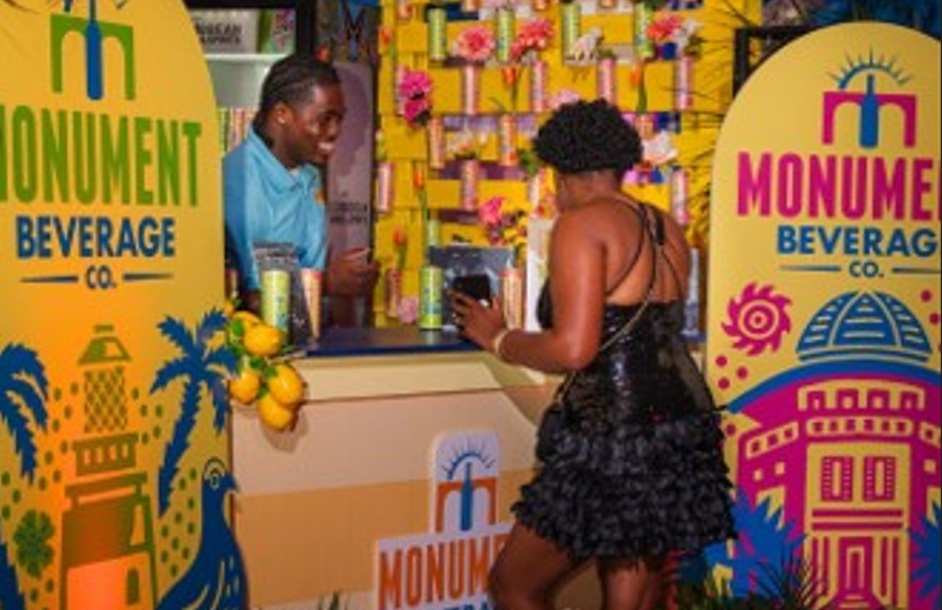
NASSAU, Bahamas — Caribbean Wines & Spirits (CWS), The Bahamas’ leading wine and spirits distributor, proudly supported Paradise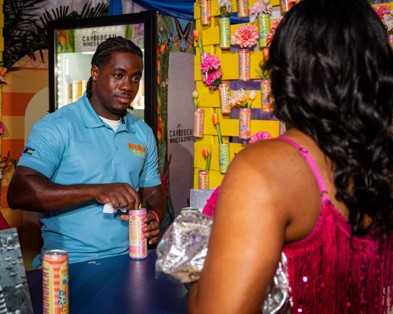 Plates, Hands for Hunger annual fundraiser with a flavorful offering of its newest product, Monument Beverage Co.
Monument, which launched this July and is available across six major islands, made its Paradise Plates debut. Guests enjoyed three bold flavors: Peach Passion, Ginger-Lime and Melon Fizz as they socialized throughout the evening.
Monument brand ambassadors engaged guests with knowledge on the ready-to-drink beverage’s unique taste and look. Many attendees were delighted to learn that Monument is 100% Bahamian-made and owned and enjoyed seeing the various national landmarks on the packaging.
The booth was adorned with vibrant brand colors, striped arches, tropical florals and a photo worthy backdrop featuring Monument cans filled with florals cascading down the wall.
At the end of the event, the entire Monument inventory had finished, making Monument’s Paradise Plates debut a huge success.
For more details on Caribbean Wines & Spirits, new products and specials, visit www.cwsbahamas.com today.





-
 News1 week ago
Beaches Turks & Caicos gives Enid Capron Primary a pre-term facelift
-
 Independent writer7 days ago
Born Here, Raised Here, but Still Unable to Vote: Is this a Conundrum for TCI Electorate?
-
 Bahamas News2 days ago
Rosewood Exuma: A precedent-setting case for environmental law and future development in The Bahamas
-

 Bahamas News6 days ago
Monument Supports Hands for Hunger With Paradise Plates Debut
-

 Bahamas News7 days ago
Schweppes ‘the Art of Mixology’ Dazzles at Paradise Plates with Nemiroff Vodka
-
 Bahamas News23 hours ago
Energy Minister Delivers Electrifying Keynote Opening Address at CAREC 2026