
Bahamas News
Prime Minister Opens the Royal Bahamas Police Force Domestic Violence Unit


By LINDSAY THOMPSON
Bahamas Information Services
NASSAU, The Bahamas –Prime Minister the Hon. Philip Davis, as he officially opened the Royal Bahamas Police Force Domestic Violence Unit, declared that it is part of a broader strategy in the fight against such incidents. He made the statement in his Keynote Address delivered during the Official Opening and Ribbon Cutting of the facility on Infant View Road, in the Chippingham area.
The unit is outfitted with office spaces for administrative and counseling services, living quarters, kitchen, and children’s playroom, among other amenities.
“This unit is part of a broader strategy. It links to legislative reform, to increased support for shelters and safe housing, and to education that helps us prevent violence before it starts,” said the prime minister.
Also participating in the ceremony were: Mrs. Ann Marie Davis, wife of the Prime Minister; the Hon. Wayne Munroe, Minister of National Security; Commissioner of Police, Shanta Knowles; Charge d’Affaires Kimberly Furnish, United States Embassy, Nassau; and Canon Stephen Davies, who performed the Blessing of the Building prior to the Unveiling of the Plaque. Partners in the initiative attended.
The prime minister spoke to the reality of domestic violence in the country. The prime minister pointed out that domestic violence lives in the homes and in communities, and in quiet places where people feel afraid, alone and unsure they would get help.
“Today, we take a step forward—not a fix, not a finish line, but a real step—in saying to the people who are hurting: we’re here, and we’re doing something about it,” assured the prime minister.
In this vein, he noted that the Domestic Violence Unit of the Royal Bahamas Police Force is part of a commitment to respond differently. To do better, and to care more.
“This unit wasn’t created for statistics or for press releases. It was created for that woman who has packed and unpacked her bag a dozen times, trying to find the right moment to leave.
“It was created for the child who flinches at raised voices, because they’ve learned what comes next. It was created for the neighbour who’s heard the yelling through the wall and wondered whether to knock or stay quiet,” he said.
The prime minister however acknowledged that the government is not pretending the unit is the solution to everything.
“But we are saying that this is a country where your safety matters, your voice matters, and your pain will no longer be ignored,” he said. “This unit will be staffed by officers who have received specialist training—training not only in handling sensitive cases, but in how to respond with empathy, urgency, and care.”
He further explained that the officers would work hand-in-hand with social workers, shelters, and other partners such as The Bahamas Crisis Centre, so that survivors don’t have to repeat their stories, or feel like they’re navigating the system alone.
“And they will be held to a high standard—because the trust of survivors is something we must earn, and never take for granted,” the prime minister said.
He noted that the event was not about systems alone but about people.
“I’ve spoken to survivors. I’ve sat with women who’ve told me about the years they spent trying to smile through their pain—who stayed, not because they didn’t want to leave, but because they didn’t know if anyone would help them when they did,” he said. “And I’ve heard from officers—good officers—who said they wanted to help but weren’t always sure what steps to take, or whether the support system was in place for them to act.
“So we’re fixing that. Quietly. Carefully. Deliberately. Because we owe it to the people who trusted us once—and were let down—to make sure that never happens again.”
Speaking directly to those living with abuse, the prime minister assured them that they are not invisible, or alone. And, that there is help with the establishment of the unit facilitated with systems, and a team to make it easier and safer for them to reach out
“To those who say nothing can really change—I understand the skepticism.
But let this Unit be a reminder: people are listening. The culture is shifting. And the institutions are catching up.
“To the officers who will staff this unit: you carry the hopes of many. You will meet people at their most vulnerable. You may be their first encounter with justice, or their last chance at hope. Treat them with care. Serve with pride. And know that you are doing something profoundly important,” the prime minister said.
He recognized his wife, whose advocacy sparked the flame for the unit, and the advocates and organizations “who’ve carried this burden for years—without recognition, without adequate funding, and often without sleep—thank you.”
The prime minister said this is about all, as he urged Bahamians to show up and make it known through words, systems, and culture that abuse has no home here.
“Let us be brave enough to talk about it, wise enough to prevent it, and strong enough to stop it. Because in the end, the mark of a good society is not how it treats the powerful—but how it protects the vulnerable,” the prime minister said.
(BIS Photos/Patrice Johnson)


The Bahamas, August 27, 2026 – The Royal Bahamas Police Force wishes to inform members of the public that several individuals are scheduled to appear before the Magistrate’s Court on Thursday, 27th August 2026, at 12:00 noon.
The individuals and charges are as follows:
An 18-year-old female is scheduled to be arraigned on the following charges:
Three (3) counts of Murder
Three (3) counts of Attempted Murder
Three (3) counts of Possession of a Firearm with Intent to Endanger Life
Three (3) counts of Possession of an Unlicensed Firearm
Two (2) counts of Possession of Ammunition
Armed Robbery
Abetment to Armed Robbery
Stealing
Receiving
The charges stem from three separate shooting incidents and an armed robbery that occurred on Friday, 21st August 2026, and Saturday, 22nd August 2026.
The first shooting occurred in the area of Soldier Road and Baillou Hill Road, resulting in the death of a 51-year-old male.
The second shooting occurred in the area of Joe Farrington Road, resulting in the death of a 52-year-old male.
The third shooting occurred in the area of Gladstone Road, resulting in the death of a 36-year-old male.
The armed robbery occurred at a business establishment in the area of Carmichael Road and Baillou Hill Road.
A 21-year-old male is scheduled to be arraigned on one charge of:
- Murder
The charge stems from a shooting incident that occurred on Tuesday, 21st July 2026, in the area of Samson Street, Nassau Village, which resulted in the death of a 28-year-old male.
A 32-year-old male is scheduled to be arraigned on the following charges:
- Murder
- Attempted Murder
These charges stem from a shooting incident that occurred on Wednesday, 24th December 2025, in the area of Graham Drive, Yellow Elder, which resulted in the death of a 25-year-old male.
RBPF, PACD
Bahamas News
Bahama Brass Band Invitation Sparks Heritage Debate Ahead of TCI Constitutional Holiday
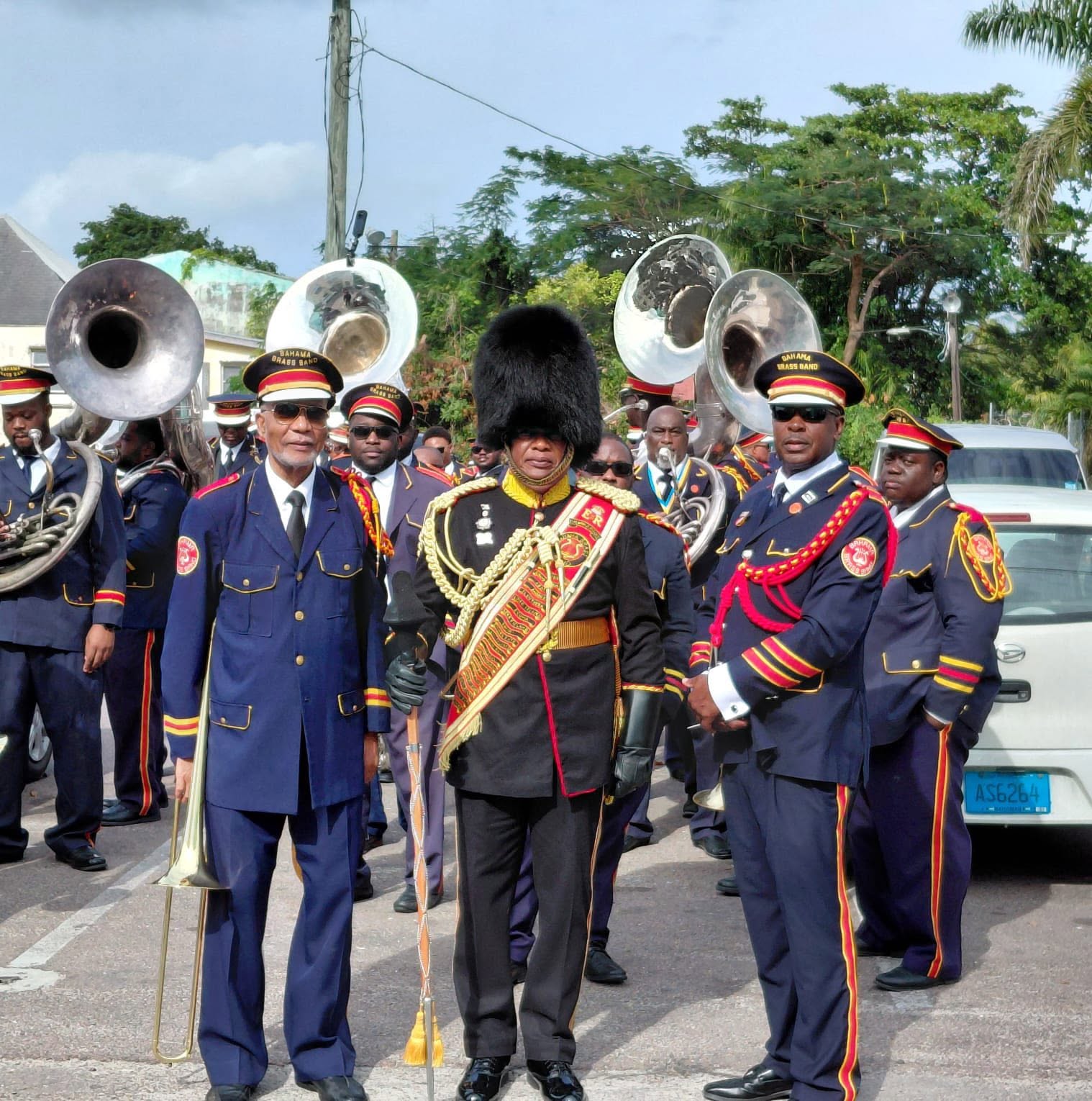
Turks and Caicos, August 20, 2026 – The planned participation of the Bahama Brass Band in the Turks and Caicos Islands’ inaugural Constitutional Holiday celebrations on August 30 has sparked public debate over culture, heritage and the historical contributions of Turks and Caicos Islanders abroad.
Organizers defended the invitation, saying the band’s inclusion is intended to highlight the deep historical ties between the two countries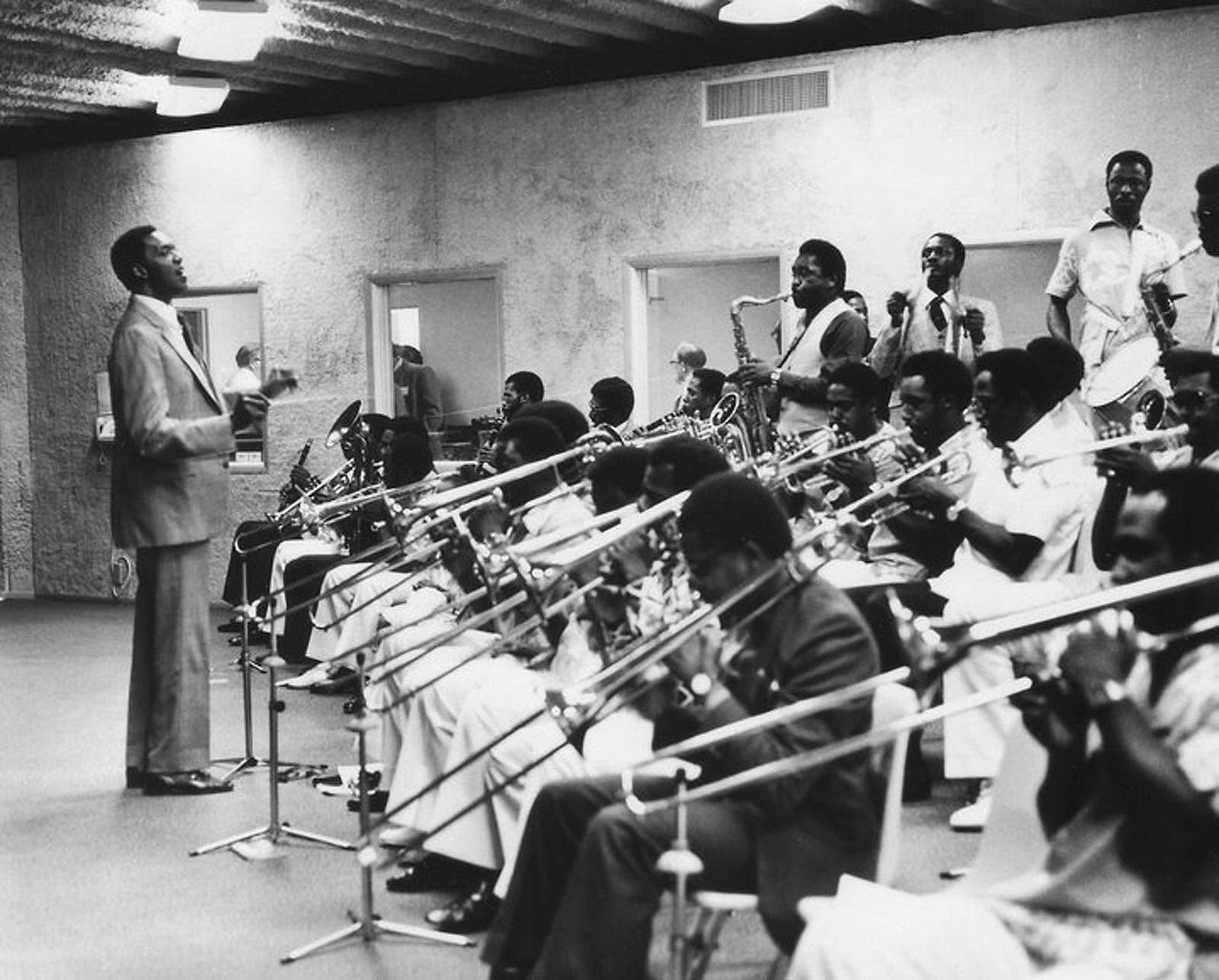 and honor Turks and Caicos men who helped establish and develop the institution in Grand Bahama.
According to the organizers, the Bahama Brass Band began in 1955 in Pine Ridge, Freeport, with Turks and Caicos Islanders, including the late Deacon Reuben Hall Sr. of Middle Caicos and Jenkins Williams and Mervin Hendfield of North Caicos, among those who helped build its foundation. The band eventually grew to more than 50 men.
The organizers also pointed to the participation of Turks and Caicos men in The Bahamas’ Independence celebrations on July 10, 1973, arguing that their contributions became part of Bahamian history while maintaining strong connections to their homeland.
Supporters say bringing the band home represents an opportunity to honor those pioneers, showcase their regional influence and expose younger generations to an important part of Turks and Caicos history.
However, concerns raised publicly described the invitation as potentially disrespectful to local culture and heritage. Organizers acknowledged those concerns, apologizing to anyone who felt overlooked or offended, while maintaining that no disrespect was intended.
The committee said the event should ultimately unite rather than divide, presenting the band’s history as evidence of the reach and resilience of Turks and Caicos heritage.
PHOTO CREDIT: Bahamas Brass Band
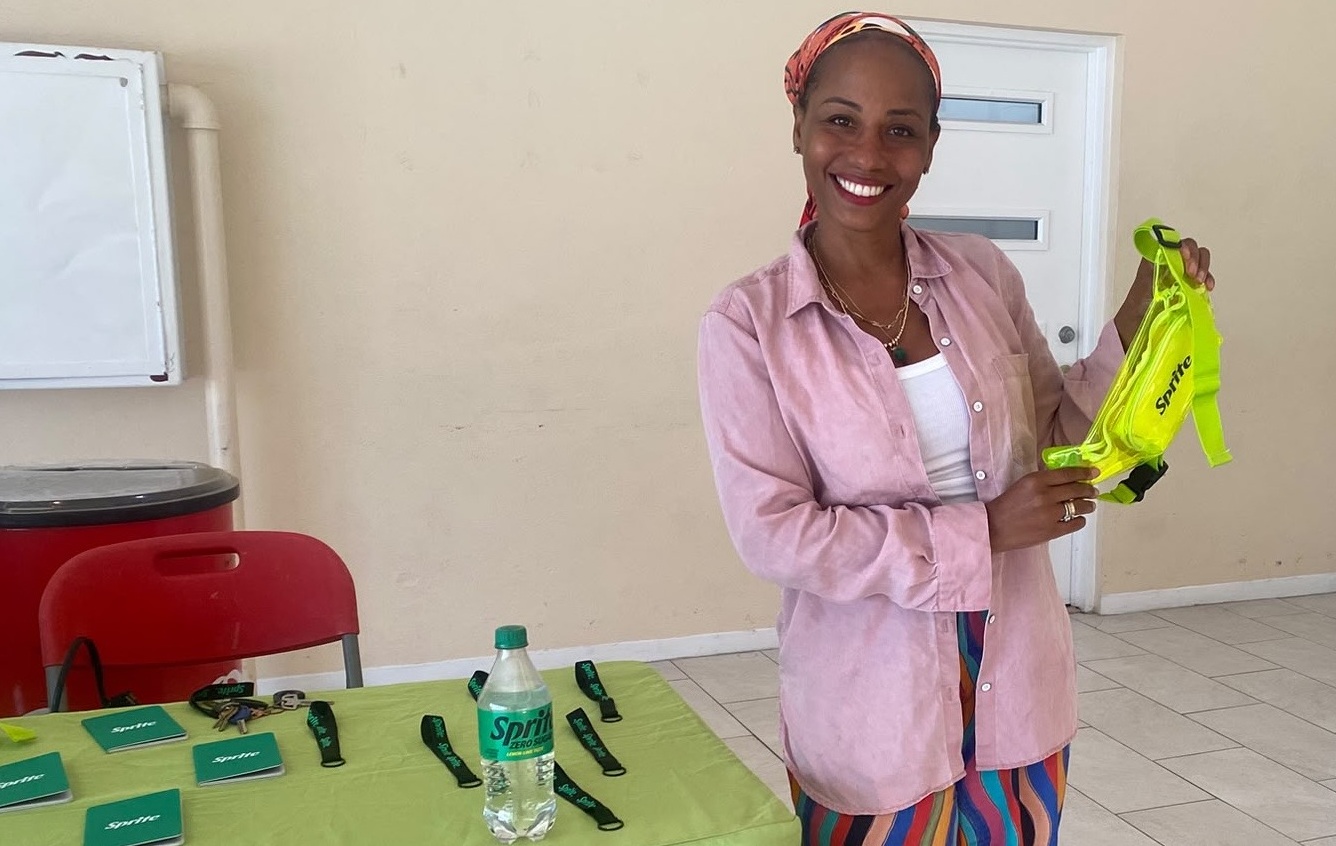
NASSAU, Bahamas — Caribbean Bottling Company (CBC), local producers of Dasani products, proudly sponsored the fifth annual, Caribbean Hoopfest.
The tournament brings together Bahamian high school basketball teams and visiting teams from the United States for a competitive showcase at the Kendal G. L. Isaacs Gymnasium. Following its inaugural year at the Kendal G. L. Isaacs gym and last year’s event at Loyola Hall, the tournament returned to the Kendal G. L. Isaacs gym this year.
During the weekend tournament, CBC kept athletes well hydrated with in-kind donations of Dasani Water, Powerade and Minute Maid Juices.
During the tournament’s final day, CBC provided additional support by offering Sprite No Sugar samples and inviting attendees to participate in its Spin the Wheel for a chance to win exciting prizes.
CBC was proud to support this incredible event, which provides young Bahamian athletes with valuable exposure to U.S. basketball scouts and coaches. This opportunity gives them the chance to earn scholarships, continue their education, and pursue their basketball careers in the United States.
Event organizer, Donald Francois shared his appreciation for CBC’s support.
“I want to express our sincere appreciation for Caribbean Bottling Company, who has been a tremendous supporter and an important part of the success of our program. Without CBC’s support, Caribbean Hoop Fest would not be able to function at the level it does today. And without Caribbean Hoop Fest, we would not have been able to provide the opportunities that have helped young Bahamian athletes gain exposure and pursue educational opportunities in the United States,” he expressed.
Since the program’s inception, several Bahamian student-athletes have been selected for scholarship opportunities, highlighting the tournament’s growing impact on the development and advancement of young basketball talent in The Bahamas.
They are: Kelvin McDowells – Guard, Wodson Antoine – Power Forward, Justin Lafleur – Guard and Sean John – Guard.
After another successful edition of the tournament, Francois shared what he hopes he and Caribbean Bottling Company can achieve in the future.
“Our vision is bigger than basketball. We want to use the platform of Caribbean Hoop Fest to educate, develop, and create opportunities for young people and their families throughout the Bahamas. With individuals and organizations committed to our mission, we believe we can continue to grow the program and make an even greater impact,” Francois said.
For more details on community support, events and new products visit Caribbean Bottling Company at www.cbcbahamas.com today.





-
 News4 days ago
Starlink Gets 15-Year TCI Licence; Commission Reveals Fees, Future Flow and Digicel Partnerships
-

 News3 days ago
Building a Stronger Royal Turks and Caicos Islands Police Force through Change and Capacity Building
-
 Independent writer5 days ago
A Second Chance Through Service: Is the TCI Regiment an Untapped Tool for Rehabilitation?
-
 News6 days ago
Government Restates Commitment to TCI’s Telecommunications Evolution
-
 News6 days ago
Tomorrow’s Communities Start with Today’s Young Leaders: Why Youth Engagement Matters
-

 Health1 week ago
Is It Bad To Sleep in a Bra?
-

 News4 days ago
Flow Strengthens Network Leadership in TCI
-

 News5 days ago
GOLDEN MESSAGE: REMEMBER, REPENT, RETURN