Health
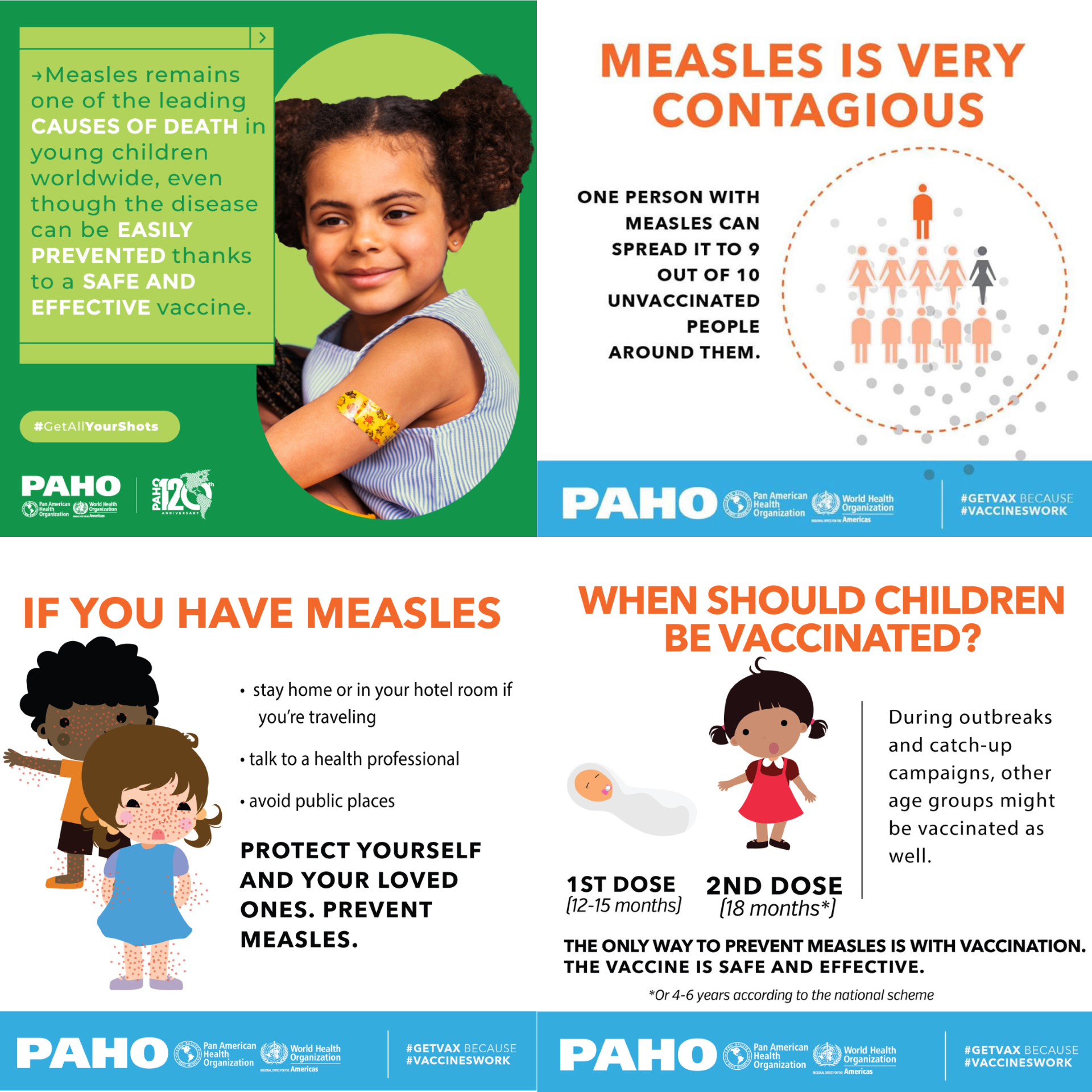
Ministry of Health issues a Measles Alert for the General Public










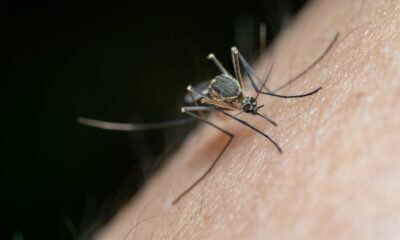



Head to bed in a bra to reduce breast pain, nipple irritation and stretch marks
When you think about sleeping in a bra, “comfort” probably isn’t the first word that comes to mind — it may not even make the Top 10. But is it bad to sleep with a bra on?
Breast surgical oncologist Margaret Thompson, MD, explains the upsides and downsides of wearing a bra while you snooze.
Should you sleep in a bra?
Several factors may affect your decision to wear a bra to bed, but Dr. Thompson emphasizes that the risk of breast cancer should not be one of them.
“There’s no evidence that wearing a bra while sleeping increases your risk for breast cancer,” she states. “It really comes down to comfort and personal preference.”
But there are also other health issues to consider. Dr. Thompson lays out the pros and cons of sleeping in a bra.
Pros: Why sleeping in a bra might be good for you
Should you wear a bra to bed? There are some benefits, especially if you’re recovering from surgery or breastfeeding.
Lessens breast pain
Having the support of a bra day and night may help relieve breast pain (mastalgia). That’s good news, because up to 70% of women in the United States deal with it at some point in their lives.
Common causes include:
- Hormonal changes, which often occur as part of your menstrual cycle
- Locally advanced breast cancer, including inflammatory breast cancer
- Lactation (producing milk), which may cause your breasts to ache
- Large breasts, which may strain breast ligaments and tissue
- Recent surgery related to your heart or breasts
- Underwires, especially if your bras are too tight
“When somebody reports breast pain, one of the first things we ask is whether they wear an underwire bra,” shares Dr. Thompson. “It can dig into your skin or breast tissue, leaving you sore and tender.”
A soft sleep bra can keep your breasts from shifting and causing discomfort while you snooze.
Protects lactating breasts
If you’re breastfeeding, you know all too well that your mammary glands don’t care if you’re trying to rest. Swollen or full breasts can be painful, especially as you move during sleep or change positions. Wearing a clean and supportive bra while sleeping:
- Holds nursing pads in place
- Keeps nipples dry and free from bacteria
- Reduces nipple chafing
- Supports the structure of your breasts
Make sure your sleep bra is supportive, but not too tight. Wearing a bra that’s too tight while breastfeeding can lower your milk production and possibly lead to clogged milk ducts and mastitis — inflammation of the breast tissue.
Prevents fungal infections
Everyone loves to be warm and cozy in bed. But do you know what else loves a warm environment? Fungus.
“There’s a lot of skin-on-skin contact underneath your breasts, especially if you have larger breasts,” notes Dr. Thompson. “If you’re also covered in blankets and sweating, it becomes a perfect environment for fungal or yeast infections.”
Wearing a bra to bed helps absorb moisture beneath your breasts and reduce friction. A camisole with a built-in shelf bra can also help.
Reduces nipple irritation
Friction is a common reason for nipple pain — ask any avid runner. You may not be running a marathon in your sleep, but your nipples can still get sore from rubbing against:
- Tight shirts, especially if they’re textured or have a graphic design that can be felt inside the shirt
- The fabric of your pajama top or sheets
- A sleep bra that’s too loose
Wearing a sleep bra can limit movement, easing nipple irritation.
Helps with recovery after surgery
It’s important to keep your breasts compressed after certain surgeries involving your chest. Restricting breast movement helps protect stitches and incisions. The added compression can also:
- Decrease fluid collection
- Minimize pain
- Hold gauze and drains in place
“Most cardiac and breast surgeons want you to wear a bra for some time after surgery, even while sleeping,” emphasizes Dr. Thompson. “Always follow their advice.”
Diminishes stretch marks
Stretch marks on breasts are common, especially if your breasts change size during pregnancy. Bras support your skin’s structure, which helps prevent stretch marks.
“There’s no proof that wearing a bra at any time of day will decrease breast sagginess,” Dr. Thompson clarifies. “But it may help decrease stretch marks.”
Cons: Why it’s bad to sleep with a bra on
Looking for a reason to sleep without strapping on a bra? Dr. Thompson points out a few potential disadvantages of sleeping in a bra.
Causes skin irritation and infection
A sleep bra can protect your skin from irritation and infection. But it can also cause those issues if it has an underwire or it’s:
- Dirty
- Too tight
- Too loose
Restricts circulation
“Bras that are too tight or contain underwires may cause you to wake up with some discomfort,” reiterates Dr. Thompson. “They can restrict your circulation while you sleep.”
Nobody wants to wake up to find that their bra left angry red indents in its wake. That’s why selection is key.
Tips for wearing a bra to bed
If you decide to sleep in a bra, choose one that’s comfortable and fits well — not too tight, not too loose. And be sure to replace your bras every six to 12 months, or whenever your breast size changes. Measure yourself or ask the fitter at your lingerie store or undergarments department for help finding the right size.
For the best experience with your sleep bra, Dr. Thompson recommends that you:
- Choose a gentle fabric. Avoid lace or scratchy fabrics that may be rough on your nipples. Choose a natural material like cotton or something silky and soft.
- Consider a shelf bra. Some camisoles and tank tops have a built-in shelf bra that may help you feel supported while sleeping.
- Skip the underwire. Underwire can restrict circulation and cause pain while you sleep.
- Wear a clean bra. Don’t wear a bra you’ve worn all day, and wash your sleep bras regularly — after every two or three wears.
Bottom line? If you choose to sleep in a bra, you want one that’s supportive and comfortable. If it interferes with your sleep, it’s not the right fit.
Health
Turks and Caicos Islands Hospital Celebrates Successful Completion of 2026 Summer READY Programme
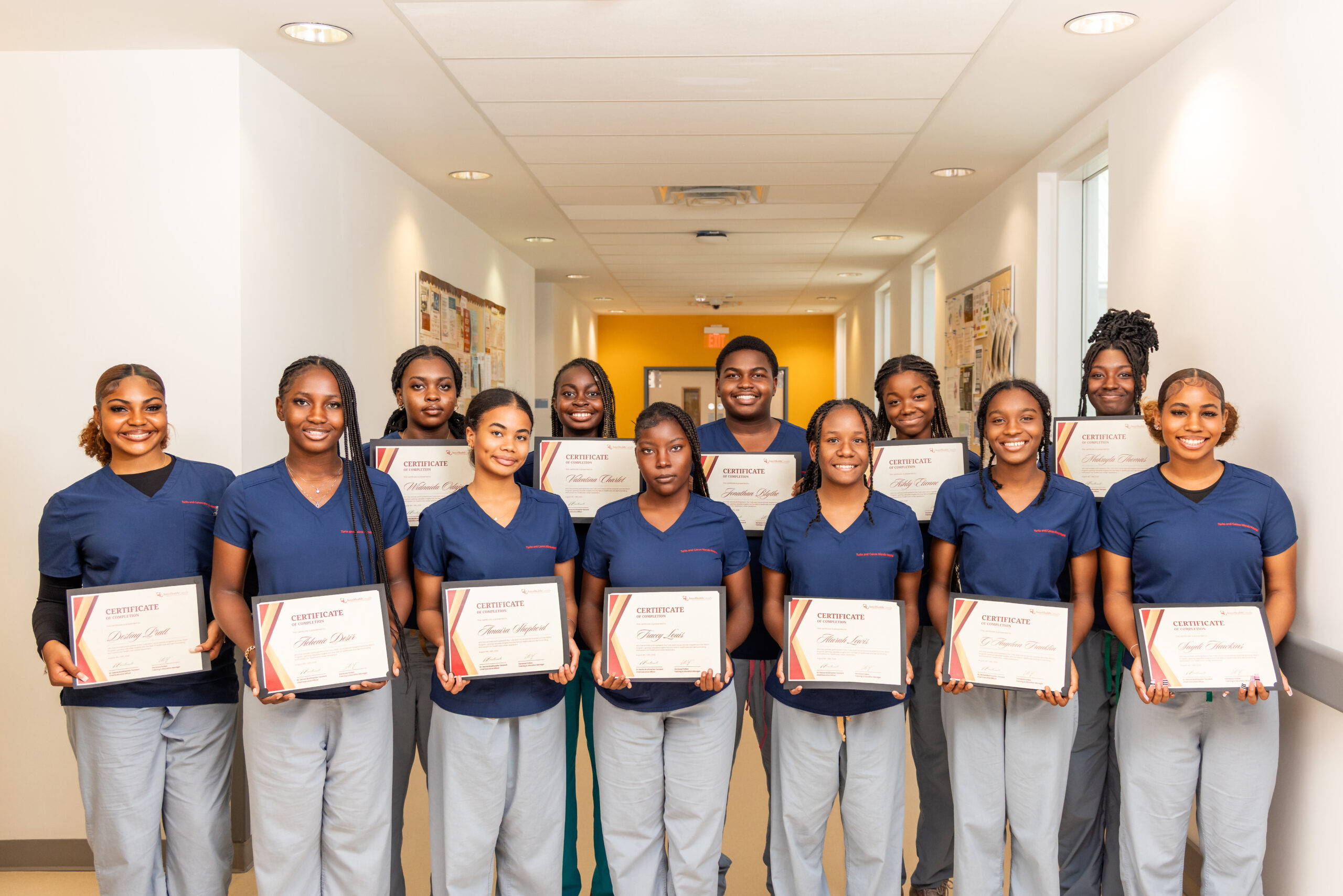
Providenciales, Turks and Caicos Islands – August 18, 2026 – Turks and Caicos Islands Hospital is pleased to announce the successful completion of its Summer READY Programme, a two-week internship initiative designed to provide high school students in Forms 3-5 with hands-on exposure to the healthcare environment and an opportunity to explore careers within the sector.
The programme, organised and hosted by the Training and Education Department, welcomed students into various clinical departments, where they gained first-hand insight into the day-to-day operations of a healthcare facility and learned directly from healthcare professionals.
Throughout the two-week internship, students were exposed to different aspects of patient care and clinical operations while developing important workplace competencies, including communication, teamwork, professionalism, punctuality and responsibility. The experience was designed to complement classroom learning while helping students make more informed decisions about their future education and career pathways.
Vernessa Forbes, Training and Education Manager, said the Summer READY Programme reflects the hospital’s commitment to developing young people and creating meaningful opportunities for them to explore the healthcare profession.
“Summer READY is about giving our young people an opportunity to experience healthcare beyond what they may have seen or learned in the classroom. Over the two weeks, our students were able to interact with healthcare professionals, observe different clinical environments and gain a better understanding of the dedication and teamwork required to care for our patients. We were impressed by their enthusiasm, curiosity and willingness to learn, and we hope this experience has inspired them to consider the many rewarding careers available in healthcare.”
By rotating through and gaining exposure to various clinical departments, students were also able to see that healthcare extends beyond the roles most commonly associated with a hospital. The programme introduced them to the range of skills, disciplines and professionals that work together to deliver safe, compassionate and high-quality patient care.
Dr. Denise Braithwaite-Tennant, Chief Executive Officer, said the hospital has an important role to play in building the human capacity needed to support the future development and sustainability of healthcare in the Turks and Caicos Islands.
“As a hospital, our responsibility extends beyond providing healthcare services today; we also have an important role in helping to develop the people who will deliver and lead healthcare tomorrow. Human capacity building is essential to the long-term sustainability of our health system, and programmes such as Summer READY allow us to introduce young people to healthcare careers early, nurture their interests and help them understand the educational and professional pathways available to them.
By opening our clinical environment to students and providing mentorship and practical exposure, we are helping to build a pipeline of future nurses, physicians, allied health professionals and other healthcare workers. We want our young people to see that there is a place for their talents within the health sector and, importantly, that they can build rewarding careers while contributing to the health and development of the Turks and Caicos Islands. We are proud to play our part in investing in the next generation and strengthening our country’s future healthcare workforce.”
The programme concluded with the presentation of certificates of completion to the students, recognizing their successful participation and commitment throughout the two-week internship.
Turks and Caicos Islands Hospital congratulates all of the students who successfully completed the Summer Ready Programme and extends its appreciation to the clinical teams, supervisors and staff members who provided mentorship, guidance and practical learning opportunities throughout the programme.
Through the Summer READY Programme and its wider education, training, internship and professional development initiatives, Turks and Caicos Islands Hospital remains committed to supporting national human capacity development. By partnering with educational institutions, government agencies and other stakeholders, and by providing mentorship and practical learning opportunities within the healthcare environment, the Hospital aims to strengthen the pipeline of skilled healthcare professionals needed to meet the evolving health needs of the Turks and Caicos Islands.

NASSAU, Bahamas — More Bahamians are accessing HIV and sexually transmitted infection-related healthcare through National Health Insurance, a trend the NHI Authority says should be viewed positively.
NHIA stressed in an August 6 statement that its 2025 figures measure healthcare utilisation, not newly diagnosed infections. They include beneficiaries screened, treated, monitored or receiving follow-up care, including people diagnosed previously.
“Increased utilisation of these services should be viewed as a positive development,” NHIA said.
The Authority pointed to “greater enrolment and use of NHI, improved access to screening and testing, continued treatment and monitoring of existing conditions, and increased willingness to seek medical care.”
The development comes amid a mixed three-year HIV picture. New diagnoses rose from 130 in 2023 to 156 in 2024, before declining to 142 in 2025.
NHIA said increased utilisation demonstrates that more beneficiaries are accessing needed healthcare and actively managing their health, reinforcing the importance of screening, early diagnosis and continued treatment.