
Health
Colombian Medical Team saves North Caicos Boy from rare throat disorder


Deandrea Hamilton
Editor
Turks and Caicos, March 15, 2025 – The disease is Type 1 Achalasia; which blocks the esophagus and makes eating a difficult and painful experience. It is so rare that each year only one case in every one hundred thousand people is detected. It’s likely why a North Caicos family found themselves in a frightening guessing game when the disorder attacked the esophagus of their ten-year-old son; driving him to a scary state of malnutrition as his body rejected just about every meal he tried to eat.
“Post surgery, he has recovered well. He is eating and back to his normal diet. I just want to give thanks to the doctors, and the Almighty for giving them the wisdom to recognise what was the necessary procedure and for taking us through it safely.”
On the other side of this medical dilemma was a team skilled with correcting the problem; they are based in Colombia, at the International Hospital of Colombia. Experience with the surgical procedure among the adult population had already prepared the doctors, which was easily able to transfer that expertise and attention to younger patients.
“Under the leadership of Dr. Juan Javier Acevedo, a specialist in Gastrointestinal Surgery and Digestive Endoscopy, and Dr. Carlos Augusto Cuadros, a specialist in Pediatric Gastroenterology and Nutrition, the medical team conducted a high-resolution esophageal manometry, a test that evaluates pressure and coordination of esophageal movements. The results confirmed the diagnosis of type 1 achalasia, allowing them to determine the most appropriate treatment approach,” explained a statement from the hospital which is part of the pool of medical facilities in the TCI’s Treatment Abroad Program.
The TCI National Health Insurance Board manages the Treatment Abroad Program, TAP.
Tivon Wright was enjoying a typical existence as an outstanding achiever of the Charles Hubert James Primary School in Kew, North Caicos.
The fifth grader, who recently earned second place prize at the FortisTCI primary school Science Quiz, is a gold medal singer in the Music Festival of the Department of Culture and secured first place in the Department of Education’s Math Speed Quiz, was growing well and doing well when classic achalasia hijacked his health.
Today, he is beaming and eating and for everyone who participated in his return to a normal, happy existence, this is a relief and a miracle.
“It was very scary because before that, we did not know what was happening, just that he was not eating and losing weight and everybody was worried.
I want to thank the almighty God and I want to thank the medical personnel here in Turks and Caicos because the diagnosis started here.
Dr. Gomo Laidlow examined him and he realized that there was something wrong. He (Tivon) would eat something, whether liquid or solid, and throw it up. Over time we saw him losing weight, drastically,” said Kwabena Katakayle Wright, Tivon’s father.
The recommendation from the North Caicos Clinic was for Tivon to see a pediatrician in Providenciales. That visit resulted in an x-ray which exposed the issue and gave the doctors in Colombia the information they needed to prepare for their first international patient for type 1 achalasia.
An image sent to the team from the Turks and Caicos revealed the blockage; the doctors knew immediately what needed to happen and activated a life-changing plan.
“There was a blockage in the esophagus, and the pediatrician said there is no pediatric surgeon team in the Turks and Caicos, that we would have to go overseas.
That is when Nurse Mickel of the National Health Insurance Board contacted me and told us that we would be accepted in Colombia.”
The family embarked on the one-day trip to Colombia last November, and the effort to get Tivon back to good health was tireless.
“They were very professional. From the time we arrived, the doctors and the nurses there were working around the clock. I really admire their professionalism and the type of service that we received,” said Mr. Wright.
In a virtual interview with Magnetic Media earlier this week, the joy on the faces of the doctors who performed that life-altering surgery was unmistakable and heartening.
“From the time they saw the image sent to them from the Turks and Caicos, they already had a plan in their minds.”
Mr. Wright confirmed the same, adding that an endoscopy was performed for further evaluation of Tivon’s condition.
“They verified that yes, there was a blockage but the pediatrician and the surgeon wanted to see a little more.”
Tivon was taken to a second facility for that evaluation and then the surgery was scheduled.
“To correct this condition, the specialists performed a peroral endoscopic myotomy (POEM), a minimally invasive procedure. Using an endoscope, we made a controlled incision in the lower esophageal sphincter to reduce pressure and allow food to pass normally,” explained Dr. Acevedo. “This is the first POEM case in an international pediatric patient at HIC.”
The doctors said they are truly excited at the results for Tivon and reiterated that it was their experience that qualified them for the task. We asked them about the possible origin of the condition.
“The specific cause of the disease is unknown, but there is a hypothesis that it is a viral infection and another hypothesis that it is an auto-immune disease that affects the throat and the esophagus. But the actual cause is unknown.”
During the virtual interview, Tivon had an opportunity to also share his gratitude and feelings. The student said that he was happy, that he trusted God the whole time and confirmed that his first meal, following the surgery, was an island favourite, “rice with chicken.”
It was prepared Colombian style and yes, it went down and stayed down to cement that master Wright was well on the road to full recovery.
“He can now eat normally, but it is important to continue with the follow up with the specialist and also with endoscopic images.”
A follow up visit to his doctors in Colombia is planned for this Summer.
Photos courtesy of Wright Family

Health
Chile becomes the first country in the Americas to be verified by WHO for the elimination of leprosy
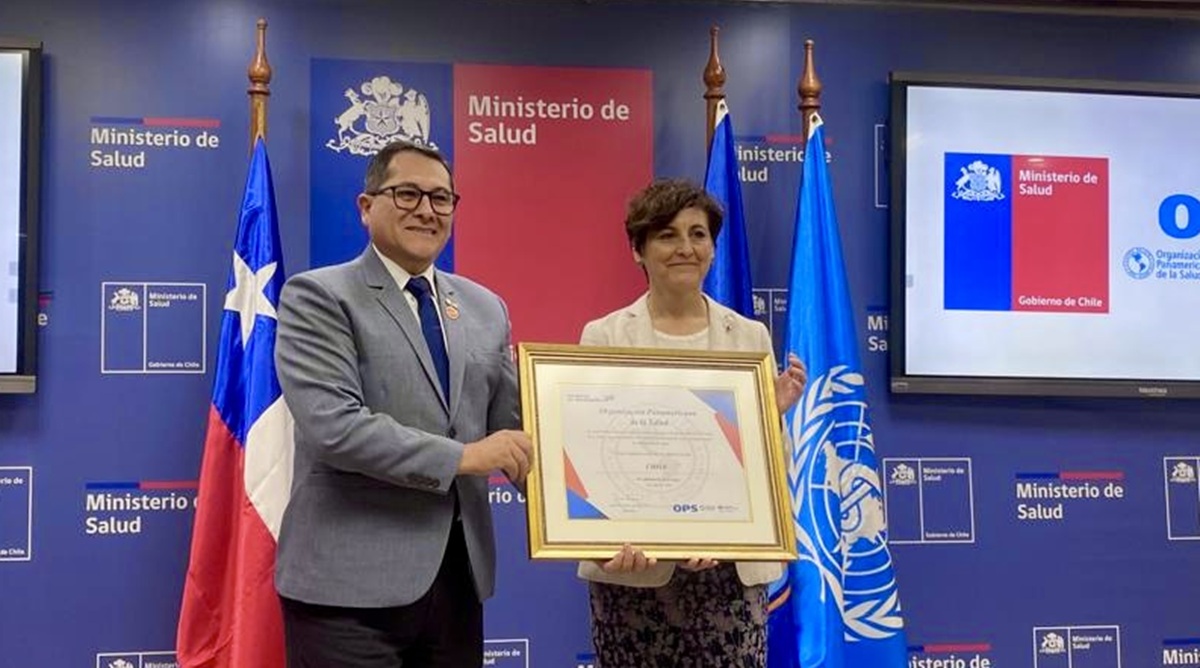
Santiago/Washington, D.C./Geneva, 4 March 2026 (PAHO/WHO) – The World Health Organization (WHO), together with the Pan American Health Organization (PAHO), congratulates Chile for becoming the first country in the Americas—and the second globally—to be officially verified as having eliminated leprosy disease.
Leprosy (Hansen disease) was historically recorded in Chile at the end of the 19th century on Rapa Nui (Easter Island). The disease was limited in mainland Chile, with sporadic introductions, contained through isolation and treatment measures in the Island, where the last secondary cases were managed by the late 1990s.
Since then, Chile has not reported any locally acquired case of leprosy for more than 30 years, with the last locally acquired case detected in 1993. However, the disease was never removed from the country’s public health agenda; it has remained a notifiable condition, monitored through mandatory reporting, integrated surveillance, and continuous clinical readiness across the health system.
“This landmark public health achievement is a powerful testament to what leadership, science, and solidarity can accomplish,” said Dr Tedros Adhanom Ghebreyesus, WHO Director-General. “Chile’s elimination of leprosy sends a clear message to the world: with sustained commitment, inclusive health services, integrated public health strategies, early detection and universal access to care, we can consign ancient diseases to history.”
The verification recognizes more than three decades of sustained public health action, robust surveillance, long-term political commitment, and a health system that has remained vigilant even in the absence of local transmission.
“Chile’s achievement demonstrates that eliminating leprosy is achievable and requires building strong systems that can detect, respond to, and provide comprehensive care for people affected by the disease, including those living with chronic disabilities,” said PAHO Director Dr. Jarbas Barbosa. “Being the first country in the Americas to be confirmed as eliminating leprosy sends a powerful message to the Region—that diseases strongly linked to groups living in vulnerable conditions can be eliminated, contributing to interrupt the vicious circle between disease and poverty.”
At the request of Chile’s Ministry of Health, PAHO and WHO convened an independent expert panel in 2025 to assess whether elimination had been achieved and could be sustained over time. The panel conducted a thorough assessment, reviewing epidemiological data, surveillance mechanisms, case management protocols, and sustainability plans. Its findings confirmed the absence of local transmission and validated Chile’s capacity to detect and respond to future cases occurring among the non-autochthonous population.
“This is very good news and a source of great pride for our country. Chile has received verification of the elimination of leprosy disease, becoming the first country in the Americas and the second globally to achieve this recognition,” said Ximena Aguilera, Chile’s Minister of Health. “This milestone reflects decades of sustained public health efforts, including prevention strategies, early diagnosis, effective treatment, continuous follow-up, and the commitment of health teams across the country. It also reaffirms our responsibility to maintain active surveillance and ensure respectful, stigma-free care for all.”
Sustained training, surveillance and holistic care in a low-incidence setting
Between 2012 and 2023, Chile reported 47 cases nationwide, none of which were locally acquired.
Chile’s integrated model ensures early detection and comprehensive care: primary care centers serve as the entry point for suspected cases, with timely referrals to specialized dermatology services for diagnosis, treatment, and follow-up. Clinicians receive training aligned with WHO’s Towards zero leprosy strategy. The system prioritizes early intervention, disability prevention, and holistic care, including physiotherapy and rehabilitation services, ensuring that anyone affected by leprosy receives continuous support for both acute and long-term health needs to promote full recovery and social inclusion.
A milestone for the Region of the Americas
Chile’s accomplishment paves the way for other nations, illustrating the impact of political will, cross-sector collaboration, and adaptive planning in low-incidence settings.
Since 1995, PAHO, in coordination with WHO, has provided multidrug therapy (MDT) free of charge to countries in the Americas, including Chile. This uninterrupted access to treatment, combined with national supply systems, has been essential to curing patients, preventing disability, and interrupting transmission.
PAHO has also supported Chile in aligning surveillance with international standards, strengthening laboratory capacity, and maintaining clinical expertise in a low-incidence context, where many health professionals may never encounter a case during their careers.
Ensuring access and coverage for everyone
Chile’s elimination of leprosy has been achieved within a broader legal and social framework that protects human rights, promotes inclusion, and prevents discrimination. National legislation guarantees equal access to health care, social protection, and disability services, ensuring that people affected by leprosy receive care without stigma or exclusion.
Chile’s mixed public–private health system, with strong regulatory oversight, further strengthens equitable access, including for migrants and other vulnerable populations.
Sustaining elimination
Aligned with WHO’s Towards zero leprosy strategy and PAHO’s Disease Elimination Initiative, Chile’s experience demonstrates that elimination is not defined solely by the absence of disease, but by a sustained health system capable of detecting, responding to, and providing holistic care whenever a case appears.
Moving into the post-elimination phase, Chile is encouraged to continue reporting to WHO, maintain sensitive surveillance, and ensure that clinical expertise is retained for future sporadic cases as well as any cases acquired outside the country. The verification panel also recommended formally designating a referral centre and leveraging WHO Academy’s online training for health workers and staff, strengthening long-term capacity and preparedness.
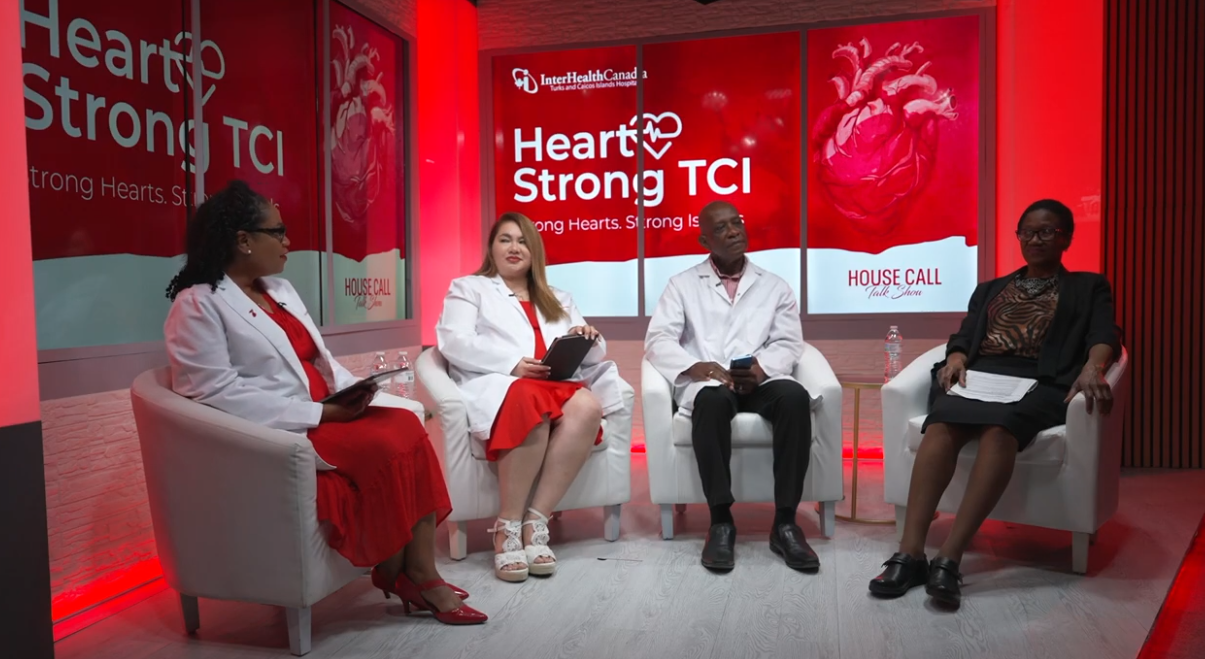
(Providenciales – Monday, March 2, 2026) TCI Hospital proudly announces the successful achievement of its Heart Strong TCI initiative, a comprehensive Heart Month campaign focused on raising awareness and strengthening cardiovascular disease prevention efforts across the Turks and Caicos Islands.
Heart disease remains the leading cause of death in the Turks and Caicos Islands, highlighting the critical need for sustained public education, risk-factor reduction, and early intervention. The Heart Strong TCI initiative was designed to actively engage the community through education, outreach, and physical activity.
Key Activities Included:
Educational Training Sessions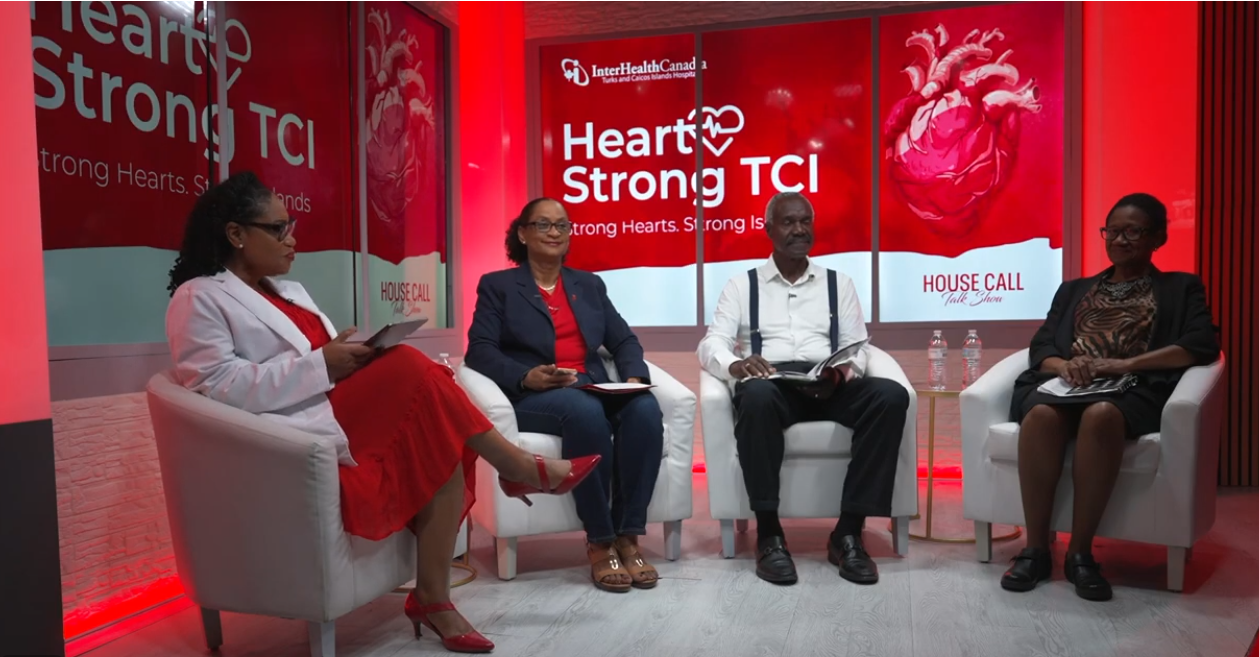
Healthcare professionals conducted structured sessions addressing hypertension, diabetes, cholesterol management, nutrition, exercise, smoking cessation, and the early warning signs of heart disease.
House Call Talk Show Feature
A dedicated Heart Month episode of the hospital’s House Call program provided expert discussion on cardiovascular risk factors and prevention strategies, empowering viewers with practical, evidence-based guidance.
Red Fridays Awareness Campaign
Throughout the month, staff wore red every Friday to increase visibility around heart disease awareness and reinforce the campaign’s message within the community.
Heart Strong 5K Walk/Run
In collaboration with the Rotary Club, TCI Hospital hosted a community-wide 5K walk/run to promote physical activity as a cornerstone of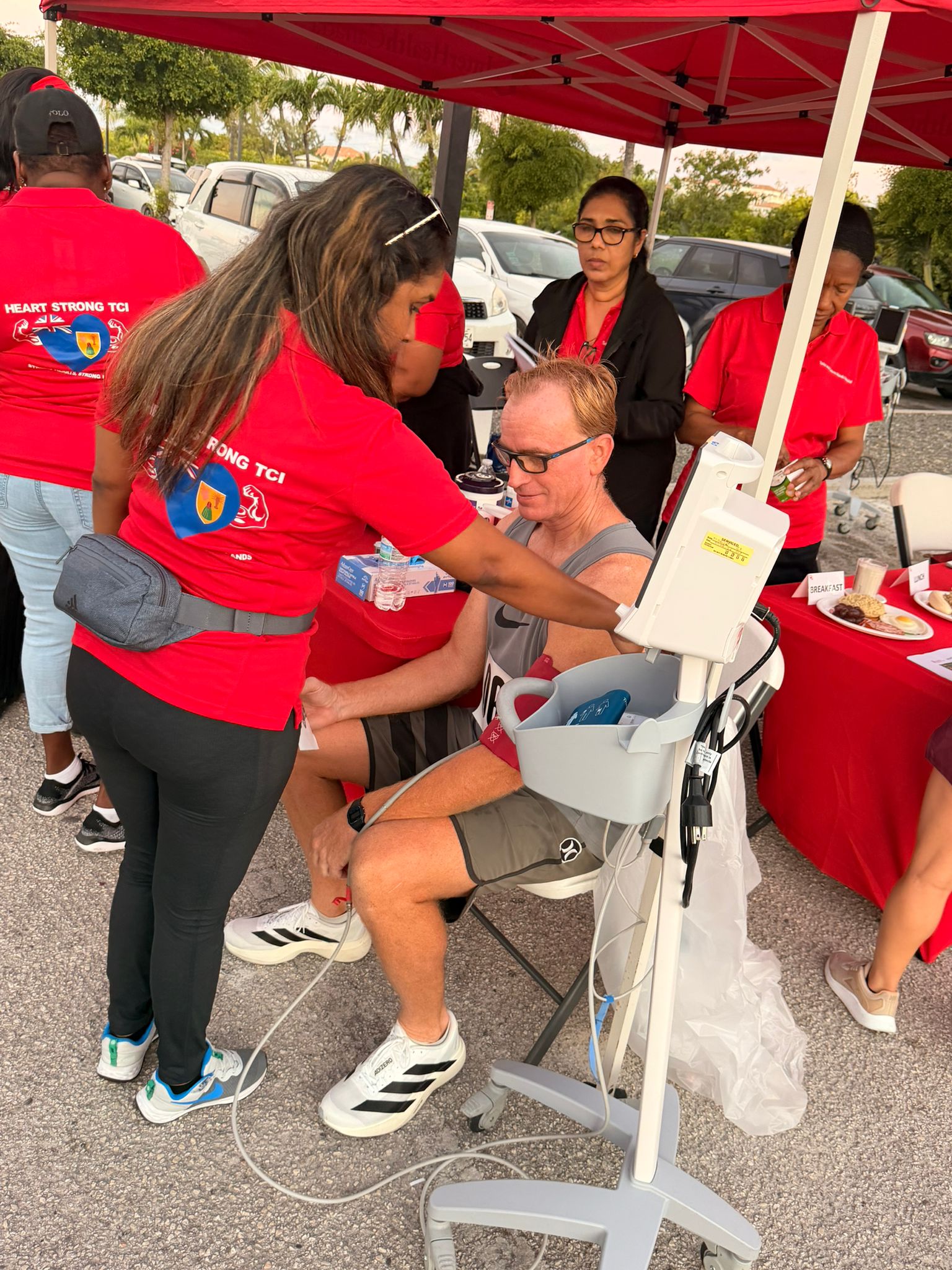 heart health. The walk/run also provided an opportunity for community screening.
Digital Health Education Campaign
To expand its reach, TCI Hospital also shared ongoing heart health education tips and prevention messages across its social media platforms, including Facebook, LinkedIn, and Instagram. These posts provided actionable guidance on diet, exercise, blood pressure control, and lifestyle modification, and encouraging community members to learn CPR.
Heart Strong TCI: A Continuous Commitment
While Heart Month has officially ended, Heart Strong TCI represents an ongoing institutional commitment to cardiovascular disease prevention and awareness. TCI Hospital will continue to prioritize:
- Community-based education initiatives
- Preventative screening and early detection programs
- Lifestyle and wellness promotion
- Strategic partnerships that advance public health outcomes
“Heart Strong TCI is not limited to a single month,” CEO, Dr. Denise Braithwaite-Tennant. “Cardiovascular disease prevention requires sustained effort. We remain committed to promoting healthy hearts across the Turks and Caicos Islands year-round.”
For more information about cardiovascular health services or upcoming screening initiatives, please contact TCI Hospital at 649-941-2800 in Providenciales, 649-941-2900 in Grand Turk or email us at info@interhealthcanada.tc
About TCI Hospital
TCI Hospital is dedicated to delivering high-quality healthcare services to the people of the Turks and Caicos Islands, with a strong emphasis on prevention, education, and community wellness.
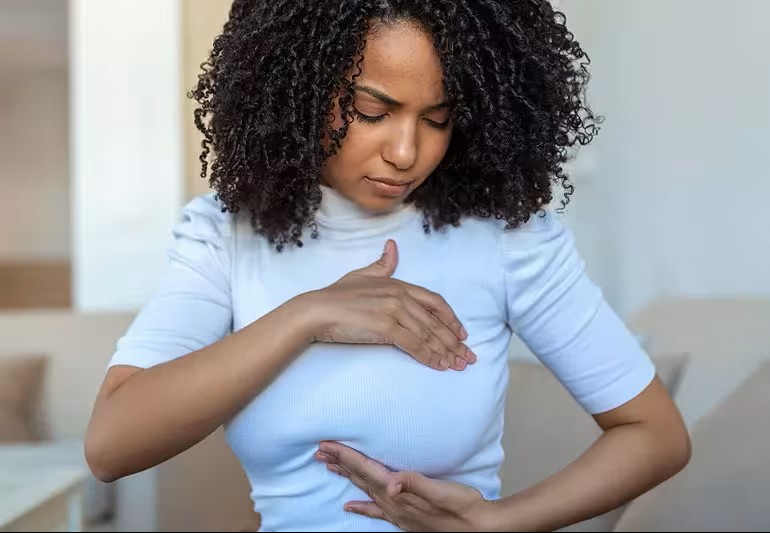
February is National Self- Check Month and family medicine physician at Cleveland Clinic, OH, John Hanicak, MD, highlights why at home self-checks are extremely important when it comes to not just early cancer detection but identifying other illnesses too and offers tips on what to look out for.
“Sometimes I look at them as sort of like your check engine light on the car, just like there would be a red flashing light that tells you that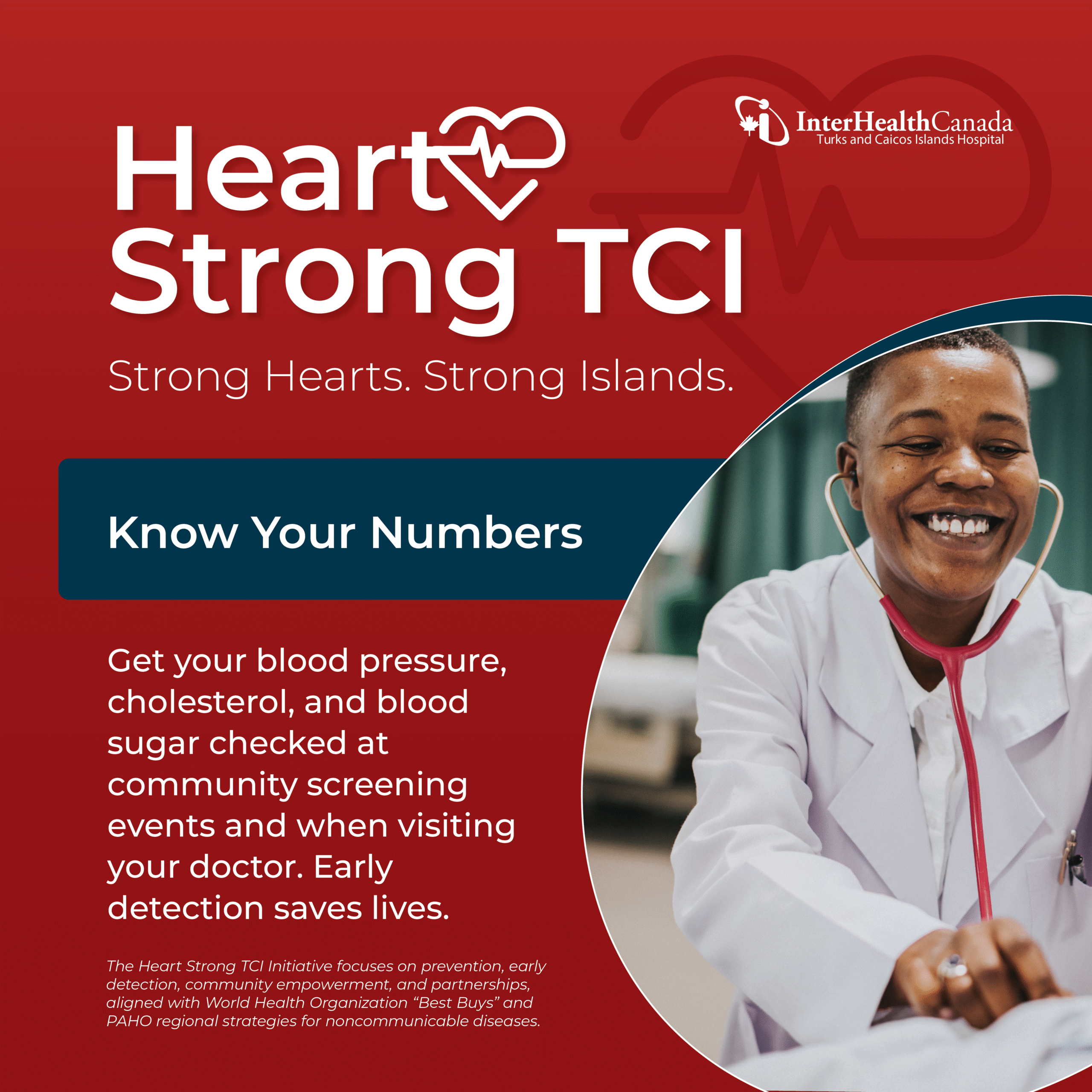 there’s something wrong with a car and prompts you to bring that in and get serviced. Your body does the same thing. It gives you warning signs to look into that symptom a little bit further,” said Hanicak.
Dr. Hanicak said self-checks are going to be a little different for everyone.
However, in general, he recommends looking for anything that may seem abnormal, such as unexplained weight loss, blood in your urine, bumps and bruises that won’t heal, and changes in bowel habits.
For example, if you suddenly start going to the bathroom a lot more than you used to, that could be a sign of something more serious.
He also suggests doing regular skin checks and documenting any moles or spots that start to look different.
“Realize that you are your own person. There’s nobody else in the world exactly like you. You’ve got your own set of ideas, your own family history and your own genetics. Know what is normal for you, and when that changes, that’s the kind of thing that we would be interested in talking about,” said Dr. Hanicak.
Dr. Hanicak notes that self-checks are not meant to replace cancer screenings, as those are just as important to keep up with.
Press Release: Cleveland Clinic





-

 Bahamas News3 days ago
Economic and Financial Experts Assess US-China Relations; Offer Advice for The Bahamas
-

 Caribbean News1 week ago
Jamaica Joins Afreximbank Agreement, Strengthening Africa–Caribbean Partnership
-
 Bahamas News3 days ago
Experts Analyze Economic Landscape; Opportunities and Challenges
-
 Caribbean News3 days ago
Widow’s Testimony Recounts Night Haiti President Was Killed
-

 News3 days ago
Beaches Resorts Announces Grand Opening of Treasure Beach Village at Beaches Turks and Caicos
-

 News3 days ago
North and Middle Caicos Students receive educational material from Sandals Foundation and Beaches Turks and Caicos resort
-

 News3 days ago
Sandals Foundation Reading Road Trip with Canadian Broadcasters Creates Cultural Mix at Enid Capron Primary School
-

 Education3 days ago
Department of Education hosts 3rd Annual Local Studies Competition