
News
TCI Border Force Hosts Border Security Training for Overseas Territories


Turks and Caicos, February 12, 2025 – The Turks and Caicos Islands (TCI) Border Force recently concluded a series of critical training exercises focused on container targeting, search procedures, and firearms awareness. This initiative, a vital investment in regional security, saw TCI Border Force officers joined by colleagues from the Anguilla Customs Department, BVI Customs Department, and Cayman Islands Customs and Border Control.
The training, conducted from 21st to 31st January, was facilitated by a team from Home Office International Operations through the Foreign, Commonwealth & Development Office (FCDO) Border Security Programme and organised via the Integrated Security Funding Overseas Territories Border Security Programme. This collaborative effort underscores the commitment of the UK government and participating agencies to combat transnational crime and the flow of illicit goods within the Overseas Territories.
The curriculum encompassed three courses. The first, Fundamentals of Container Targeting (21st-24th January), focused on enhancing participants’ understanding of current priorities and container targeting capabilities, risk analysis within container traffic, and practical exercises utilising intelligence flows. The second, Search of Containers, saw participants receive specialised training on current threats facing the shipping industry and best practices for container search procedures. Finally, a crucial course on Firearms Awareness provided instruction on various types of firearms and the identification of firearm parts, equipping officers with the knowledge necessary to interdict illegal weapons.
These training exercises represent a significant step forward in strengthening the TCI Border Force’s ability to facilitate trade while protecting the borders of the Turks and Caicos Islands. Enhanced targeting and search capabilities will lead to more effective screening of cargo and potentially shorter processing times for legitimate shipments. Greater security will also be evident as the increased focus on firearms awareness will contribute to a safer environment.
“This training is a crucial investment in the safety and security of the Turks and Caicos Islands,” stated Emilio Seymour; Director General of TCI Border Force. “By working collaboratively with our regional partners and leveraging the expertise of the Home Office, we are significantly improving our ability to detect and deter criminal activity. The enhanced skills acquired by our officers will have a direct and positive impact on our community, protecting our economy and ensuring a safer environment for all.”
The TCI Border Force remains committed to protecting the borders of the Turks and Caicos Islands and ensuring the safety and security of its citizens. This training initiative represents a significant investment in that commitment.



Providenciales, Turks and Caicos Islands – Friday, 2nd October 2026: Invest Turks and Caicos officially opened Caya Hico Collective, the Grand Turk MSME Storefront, on Friday, September 18, 2026, marking a significant milestone in the Agency’s ongoing efforts to support local entrepreneurs, expand access to market opportunities, and strengthen the small business ecosystem.
Caya Hico Collective has been established as a dedicated retail space to showcase and sell locally made products, initially featuring entrepreneurs participating in the MSME Programme. As the initiative develops, there are plans to expand participation to include other small businesses producing locally made goods, including those not directly supported under the Programme. The storefront will provide local businesses with greater exposure and direct access to both residents and the thousands of visitors who arrive in Grand Turk each year creating stronger linkages between local entrepreneurs and the tourism economy. The store currently features fourteen (14) inaugural vendors, representing a diverse selection of local businesses and products from across the Turks and Caicos Islands.
Speaking on the significance of the initiative, Ms. Alexa Cooper, Chief Domestic Investment Officer, said:
“This storefront represents a practical and meaningful step in supporting our MSMEs by providing access to market, one of the most critical components of business growth. It is a space where local talent, creativity and entrepreneurship can be showcased, supported and connected with new customers.”
A Name Chosen by Grand Turk’s Youth
The name Caya Hico Collective was selected through the Grand Turk MSME Storefront Naming Competition, an initiative conducted in partnership with H.J. Robinson High School. Students were invited to propose an original name that reflected Grand Turk’s identity, culture and heritage while also being suitable for a storefront showcasing locally made products.
Following an independent judging process, Mauvarii Selver was selected as the competition winner for the submission Caya Hico Collective.
The name was recognised for its cultural and historical significance, distinctiveness and strong storytelling potential. “Caya Hico” is derived from the Lucayan term meaning “string of islands,” reflecting the archipelagic identity and heritage of the Turks and Caicos Islands. The use of “Collective” further reflects the purpose of the storefront: bringing together products from multiple local entrepreneurs under one shared retail platform. Together, the name Caya Hico Collective connects the Islands’ heritage with the initiative’s vision of bringing local businesses, products and creativity together in one space.
The naming competition provided students with an opportunity to participate directly in a real-world branding exercise and contribute to an initiative that will form part of Grand Turk’s commercial and tourism landscape.
Mauvarii was formally recognised during the opening ceremony, alongside the other students who participated in the naming competition, the inaugural MSME vendors, and key stakeholders whose contributions supported the successful development and opening of the storefront.
Angela Musgrove, Chief Executive Officer of Invest Turks and Caicos, added:
“Caya Hico Collective is more than a retail space. It reflects our continued focus on strengthening linkages between local businesses and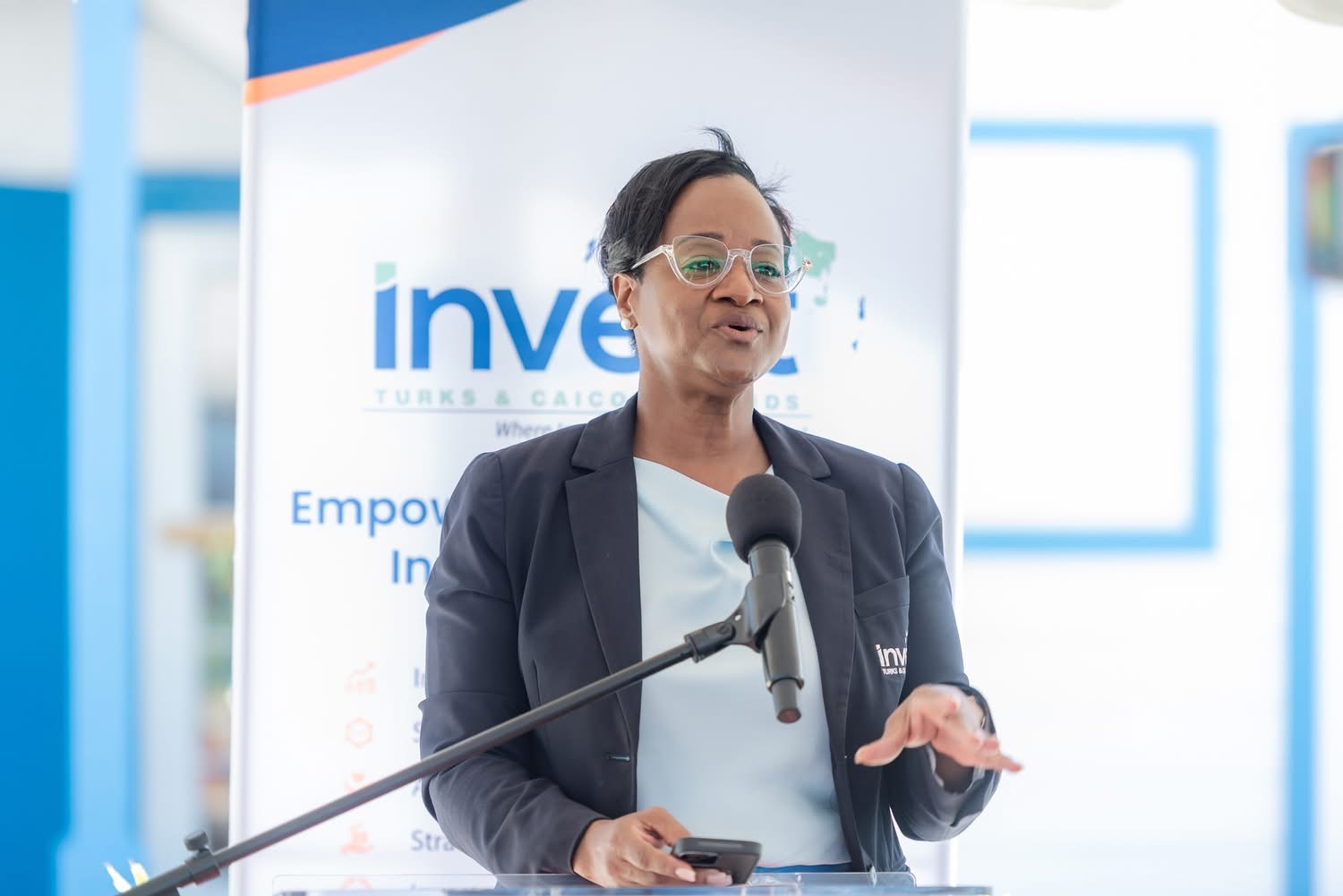 the tourism sector, creating more opportunities for MSMEs to reach visitors, increasing sales and participate more fully in the tourism economy. At the same time, it gives visitors greater access to authentic products that reflect the creativity and culture of the Turks and Caicos Islands.”
Supporting Local Enterprise and Tourism Linkages
Caya Hico Collective is expected to serve as an important platform for local entrepreneurs by increasing the visibility of locally produced goods, creating additional sales opportunities and providing visitors with greater access to authentic products from the Turks and Caicos Islands.
Through the storefront, Invest Turks and Caicos aims to encourage residents and visitors alike to discover, purchase and support locally made products, while creating a stronger connection between entrepreneurship, culture and the visitor experience in Grand Turk. The initiative is intended to increase opportunities for local businesses to benefit from tourism activity by connecting visitors directly with locally made products that showcase the creativity and talent of entrepreneurs across the Turks and Caicos Islands. This forms part of Invest Turks and Caicos’ broader commitment to promoting economic diversification, sustainable business development and stronger linkages between local enterprises and the tourism sector.
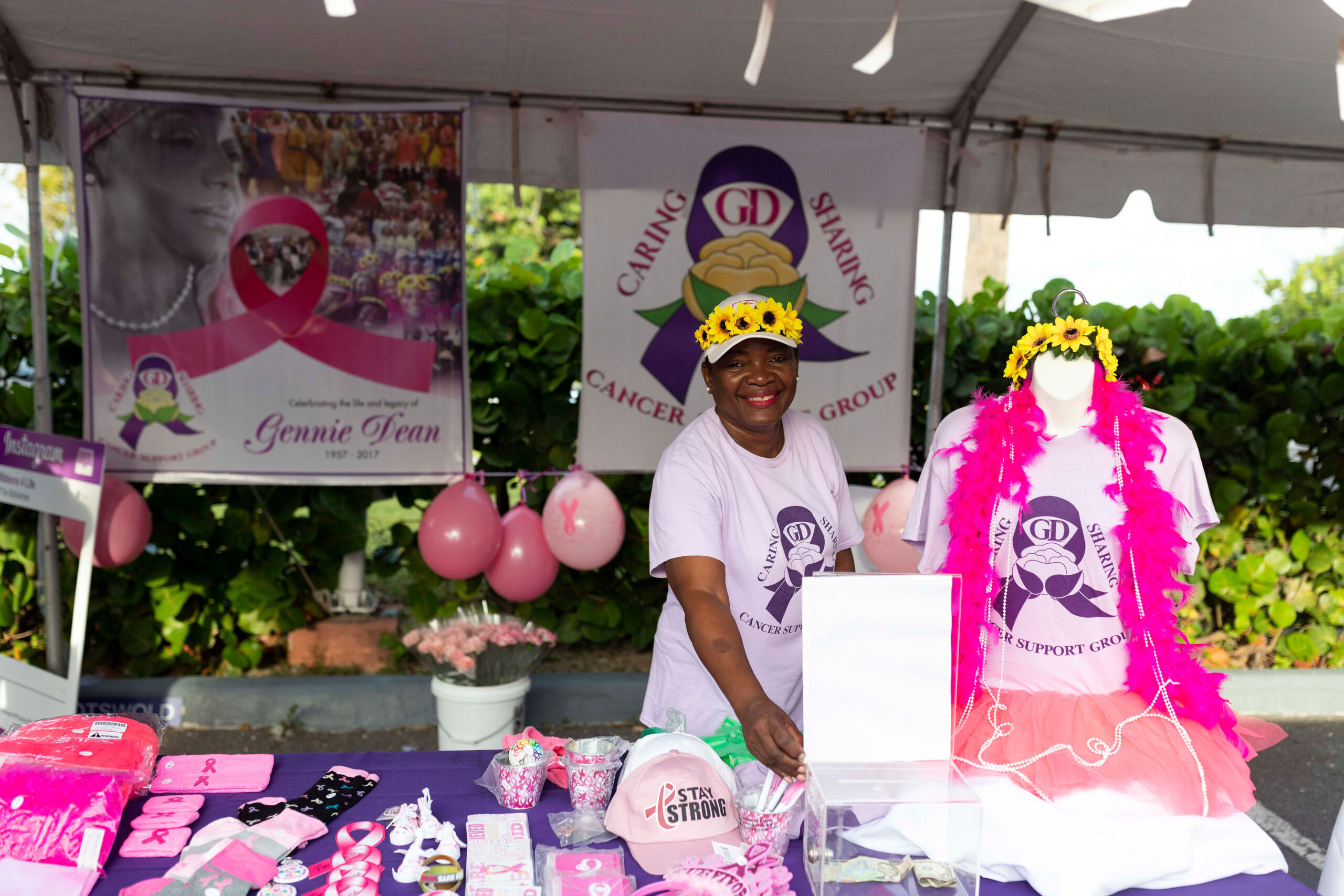
Nassau, Bahamas, 1 October 2026 – Every Saturday this month, communities across The Bahamas will take steps in support of cancer patients and survivors as CIBC Caribbean’s Walk for the Cure returns to New Providence, Abaco, Eleuthera, and Grand Bahama.
CIBC Caribbean Head of Country, Terrance Gibson, said, “Each Saturday in October represents another community coming together,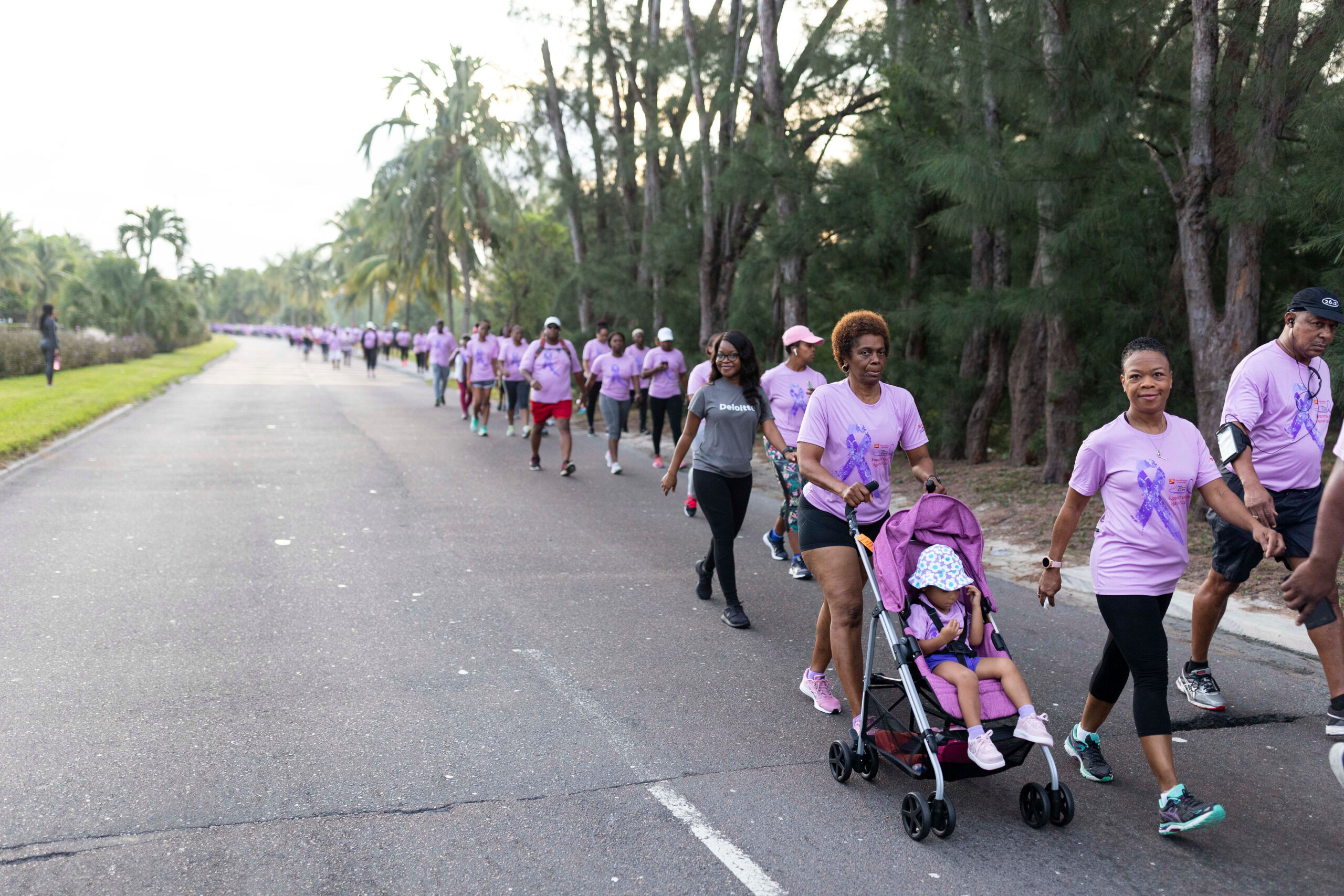 another opportunity to raise awareness and, most importantly, more support for the organizations that are doing this work every day.”
The month of activities begins this Saturday, October 3, in New Providence, with participants gathering at the Goodman’s Bay Corporate Centre for a 6:30am start.
CIBC Caribbean Walk Champion, Antionette Fox, said the series of walks gives communities across the country an opportunity to contribute to a cause that directly supports Bahamian cancer organizations.
“Every Saturday for the month of October, there will be a walk that you can participate in to contribute towards this worthy cause,” Fox said.
In New Providence, the morning will extend beyond the walk itself, with Zumba, wellness activities, informational vendors, and opportunities for participants to connect with organizations working directly with cancer patients and survivors.
Gennie Dean Caring and Sharing Cancer Support Group President Duquesa Dean said participants do not have to complete the full route to be part of the morning.
“Just come out…there is something for everyone, come for the community,” Dean said. “There’s a survivor ceremony, so come and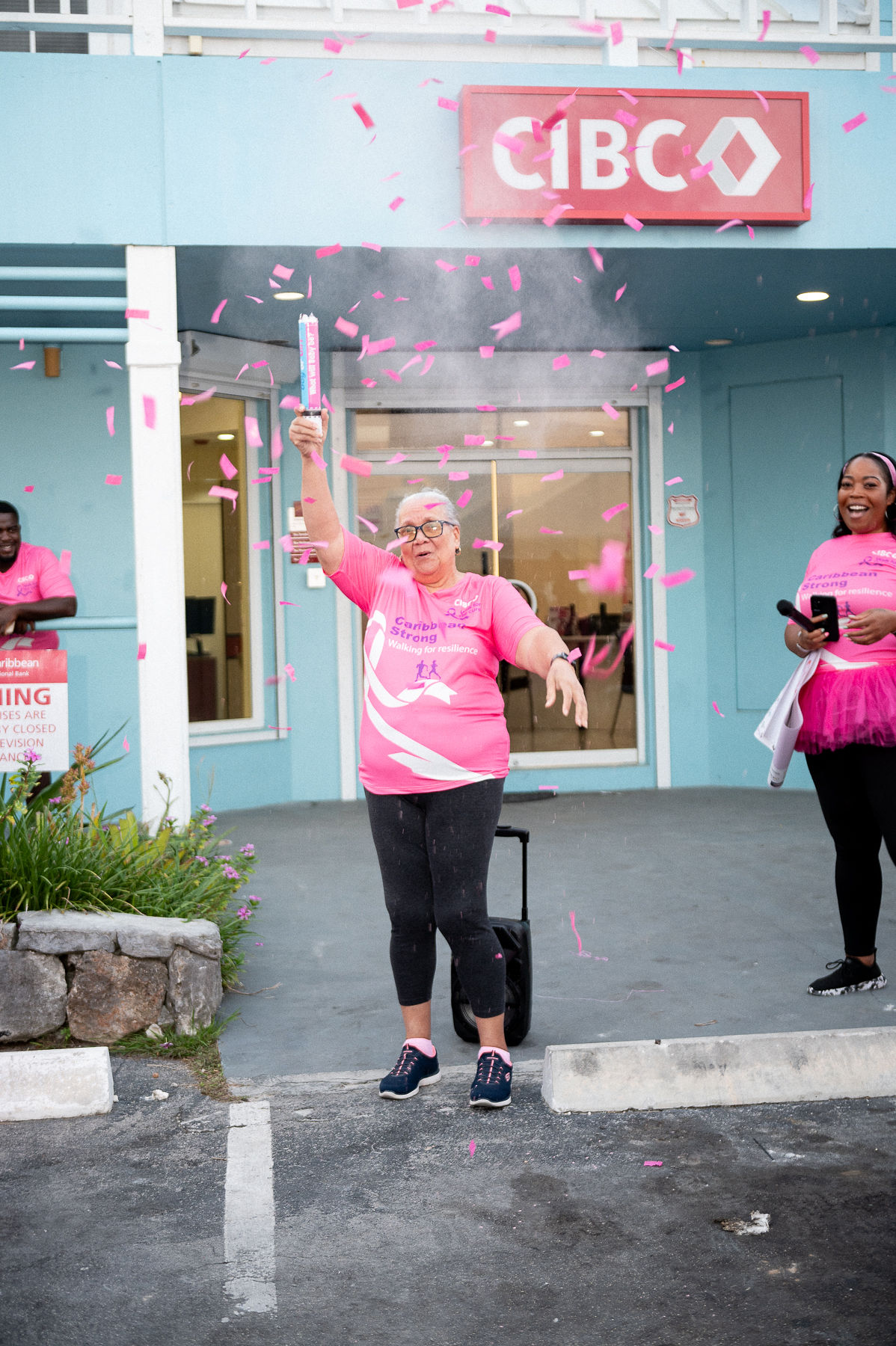 participate and celebrate the people who have gone through cancer and are here as evidence that you could live after a cancer diagnosis.”
The Gennie Dean Caring and Sharing Cancer Support Group is one of eight cancer organizations in The Bahamas that benefit from funds raised through Walk for the Cure. The others are the Sister Sister Breast Cancer Support Groups of New Providence and Grand Bahama, Cancer Society of The Bahamas, the Cancer Societies of Abaco, Eleuthera, and Grand Bahama, and the Cancer Association of Grand Bahama.
Dean explained that CIBC Caribbean covers the cost of staging WFTC, allowing donations raised to support the work of beneficiary organizations.
For her organization, that assistance translates into tangible support for people navigating cancer, including food assistance, financial aid, prosthetic breasts, and mastectomy bras, as well as programs such as Step Into Wellness, which promotes movement and healthy living among cancer patients and survivors.
Corporate partners are also helping to strengthen this year’s effort. Bamboo Shack has joined the initiative as a gold sponsor, with representative Ghandi Pinder sharing that the cause has a personal significance for her.
Pinder recalled shaving her hair in solidarity with her sister after she was diagnosed with an aggressive form of breast cancer and began losing her hair during chemotherapy.
“We see you, we’re here with you, we’re in it with you,” Pinder said of Bamboo Shack’s message to those affected by cancer.
She also encouraged more of Corporate Bahamas to support initiatives that directly impact the communities they serve.
“At Bamboo Shack, we always say a better Bahamas begins with you… Together, we can make a difference,” she said.
Registration for Walk for the Cure is $30 for adults and $15 for children and can be completed at any CIBC Caribbean branch. CIBC Caribbean clients can also donate through online banking.
The New Providence Walk begins promptly at 6:30am on Saturday, October 3, at the Goodman’s Bay Corporate Centre, followed by Walk for the Cure events in other islands each Saturday throughout October. The Grand Bahama WFTC event will be held on October 10 and the Abaco and Eleuthera WFTC events will occur on October 17 and October 24 respectively.
Gibson added, “Some will walk for themselves, some in celebration of a survivor, and others in memory of someone they have lost. Whatever brings you to Walk for the Cure, every person who shows up becomes part of a much bigger expression of support for those affected by cancer.”
Health
TCI Hospital Marks Breast Cancer Awareness Month 2026 with “Know. Check. Act. Support.” Campaign
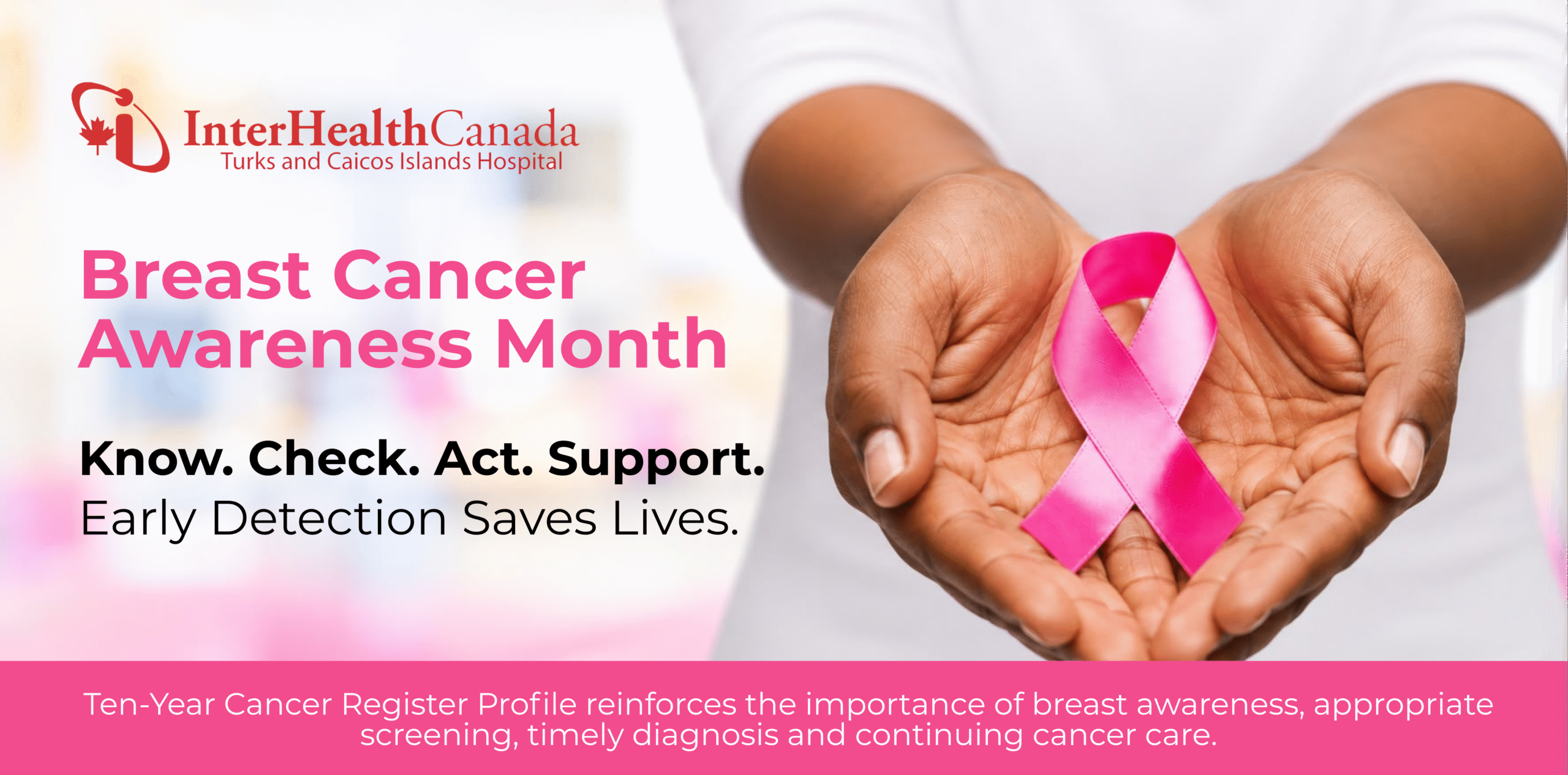
Ten-Year Cancer Register Profile reinforces the importance of breast awareness, appropriate screening, timely diagnosis and continuing cancer care
Providenciales, Turks and Caicos Islands – 1st October 2026 – Turks and Caicos Islands Hospital (TCI Hospital) is marking Breast Cancer Awareness Month 2026 with a month-long public awareness campaign under the theme “Know. Check. Act. Support. – Early Detection Saves Lives.”
This year’s campaign is being informed by TCI Hospital’s Ten-Year Cancer Register Profile, 2016–2025, which demonstrates that breast cancer remains an important and continuing healthcare issue for patients, families and the wider Turks and Caicos Islands community.
Throughout the ten-year period, TCI Hospital continued to record new cases of malignant neoplasms of the breast each year. Annual new registrations fluctuated, reinforcing an important message: breast cancer is not an occasional concern confined to Breast Cancer Awareness Month, it requires sustained awareness, appropriate screening, timely investigation and diagnosis, access to treatment, follow-up and support throughout the year.
What Our Cancer Register Tells Us
The TCI Hospital Cancer Register recorded 21 new breast cancer cases in 2016, the highest annual figure reported during the ten-year profile. In subsequent years, the overall annual new-case count ranged from 8 to 18 cases, with 18 new cases recorded in 2024 and 10 in 2025.
The register also demonstrates the continuing accumulation of breast cancer cases within the hospital’s cancer records. The total registered breast cancer caseload increased from 79 in 2016 to 192 by 2025. More recently, the register increased from 160 cases in 2023 to 181 in 2024 and 192 in 2025. These figures represent the hospital’s registered caseload and should not be interpreted as population incidence, prevalence or the number of people currently living with breast cancer.
Behind every registration is more than a statistic. Each represents a person whose diagnosis has implications for their family and for the healthcare professionals and services involved in cancer investigation, treatment, coordination, follow-up and support.
The ten-year profile therefore reinforces the importance not only of identifying breast cancer, but of ensuring that people affected by the disease are supported throughout their cancer journey.
Know the Signs and Act on Changes
Breast cancer can present in different ways. Changes that should prompt assessment by a healthcare professional may include a new lump or thickening in the breast or underarm; a change in the size, shape or appearance of a breast; dimpling, puckering or other unusual changes to the breast skin; nipple changes or unusual discharge; or another new or persistent breast change.
Finding a change does not necessarily mean that a person has cancer. However, an unexplained or persistent change should not be ignored.
TCI Hospital encourages members of the community to become familiar with what is normal for their breasts and to seek medical advice if they notice something different.
Know Your Risk. Know Your Family History.
Breast cancer risk is influenced by several factors. Understanding personal and family medical history can help individuals have more informed conversations with their healthcare providers about their individual risk.
Having no known family history of breast cancer does not mean that breast health can be ignored. Equally, people with a significant family history or other factors that may increase their risk should discuss this with an appropriate healthcare professional.
The TCI Hospital Cancer Register also records male breast cancer, reminding the community that although breast cancer predominantly affects women, it can also occur in men.
Screening and Early Diagnosis Matter
Breast awareness and screening have different but complementary purposes. Screening is intended to identify possible breast abnormalities in people who may not have symptoms, while a new or concerning breast change requires appropriate clinical assessment.
There is no single screening approach that is appropriate for every individual. TCI Hospital therefore encourages people to discuss their age, personal risk factors, family history and appropriate breast screening with their healthcare provider.
Similarly, people experiencing a concerning breast change should not wait for their next routine screening appointment before seeking medical advice.
The campaign’s message “Early Detection Saves Lives” emphasizes the importance of timely action. It does not mean that every breast change is cancer. Rather, seeking medical attention allows appropriate investigation to take place and, where cancer is diagnosed, enables the healthcare team to determine the most appropriate next steps.
From Cancer Registration to Better Cancer Care
TCI Hospital Chief Executive Officer Dr Denise Braithwaite-Tennant said the Cancer Register has an important role beyond recording the number of cancer cases seen by the hospital.
“Our Cancer Register is not simply about counting cases. It helps us understand the cancer burden presenting to our hospital, identify patterns over time and inform how we plan and strengthen cancer services. Behind every number is a patient, a family and a cancer journey. The continued recording of new breast cancer cases reminds us why awareness must lead to action and why our health system must continue to strengthen the pathway from appropriate screening and timely diagnosis through treatment, follow-up and survivorship support.”
“During Breast Cancer Awareness Month, we want our community to understand that fear should not become a reason to delay seeking care. Know what is normal for you, understand your risk, participate in screening that is appropriate for you and seek medical advice when something changes. Just as importantly, we must continue to support those undergoing cancer treatment and those living beyond a cancer diagnosis.”
Know. Check. Act. Support.
Throughout October, TCI Hospital will deliver a programme of activities designed to turn breast cancer awareness into practical action.
Activities will include an educational breast cancer awareness video addressing signs and symptoms, screening, early detection and support; publication of findings from the TCI Hospital Ten-Year Cancer Register Profile, 2016–2025; breast cancer facts and educational messages; a special House Call – Pink Round Table addressing breast cancer risk, symptoms, diagnosis, treatment and survivorship; and Pink Fridays, during which TCI Hospital team members will wear pink to promote awareness, early detection, survivorship and support.
The campaign will also highlight the important role of families, friends, caregivers, healthcare professionals and the wider community. Support can take many forms; from listening and accompanying someone to an appointment to assisting with transportation, meals, childcare or other practical needs during treatment.
TCI Hospital’s Breast Cancer Awareness Month message to the Turks and Caicos Islands community is:
KNOW – Know your body, your family history and your individual risk.
CHECK – Participate in appropriate screening and pay attention to changes.
ACT – Do not ignore a new or concerning breast change. Seek medical advice.
SUPPORT – Stand with patients, survivors, families and others affected by breast cancer.
Know. Check. Act. Support.
Early Detection Saves Lives.





-

 Bahamas News3 days ago
The Bahamas Reaffirms Support for Ukraine at International Conference in Toronto
-

 News1 week ago
Indian Association of Turks and Caicos Islands Empowers Local Students Through Back-to-School Backpack & Supplies Drive
-

 Caribbean News1 week ago
Royal Caribbean Group and Sandals Resorts Announce Landmark Partnership to Accelerate Their Leading Vacation Experiences
-

 Health1 week ago
TCI Hospital Celebrates World Pharmacy Day 2026
-

 News5 days ago
Invest Turks and Caicos Islands Highlights Investment Growth and Workforce Opportunity at 5th Annual General Meeting
-

 Caribbean News1 week ago
Royal Caribbean Signs US$3-Billion Deal for Half of Sandals and Beaches
-

 Health4 days ago
What To Eat and Drink When You Have the Flu
-

 News1 week ago
DDME Conducts Hurricane Preparedness Presentation to Digicel Staff