
Bahamas News
Generous Emergency Response Vehicle Donation to the Police Force from the City of Miramar


From: Bahamas Information Services
February 7, 2025

Hon. Leon Lundy
GRAND BAHAMA, The Bahamas — West Grand Bahama is set to benefit from a significant boost in public safety resources following a generous donation of emergency response vehicles from the City of Miramar, southern Broward County, Florida. On Thursday, February 6, 2025, the Royal Bahamas Police Force received a total of 11 vehicles at a ‘Law Enforcement Vehicle Donation to the Royal Bahamas Police Force Surplus Handover Ceremony’ held at Miramar Town Center Plaza. As part of this donation, the residents of West Grand Bahama will receive two police vehicles and one ambulance, enhancing the community’s emergency response capabilities.
The ceremony was attended by the Minister of State for Disaster Risk Management, the Hon. Leon Lundy, who led the Bahamas delegation; Commissioner of Police Shanta Knowles; Kingsley Smith, Jr., Parliamentary Secretary in the Ministry for Grand Bahama and Member of Parliament for West End and Bimini, along with other distinguished guests.
Minister of State Leon Lundy stated: “Hon. Mayor Messam, Hon. Kingsley Smith, my parliamentary colleague, Commissioner of Police Shanta Knowles, Deputy Commissioner of Police Kirkwood Andrews, Consul General Curt Hollingsworth, Deputy Consul Sheila Cartwright, esteemed City Commissioners, City Manager, distinguished guests, ladies and gentlemen.
“It is with great appreciation that I stand before you today on behalf of the Commonwealth of The Bahamas to formally accept these public safety vehicles from the City of Miramar. This generous contribution is not just a transfer of resources — it is a demonstration of the deep and enduring partnership between our communities.
“Public safety is the backbone of any thriving society. As our Family Islands continue to grow, so does the need for enhanced infrastructure, reliable transportation, and the tools necessary to protect and serve our communities effectively. These vehicles will be put to immediate and purposeful use, strengthening the ability of law enforcement officers to respond swiftly, safeguard our residents, and uphold the peace and security that is vital to our national development.
“We recognize that access to proper infrastructure should not be limited to our capital city or major population centers. Our smaller, less populated Islands deserve the same level of investment and support to ensure that every Bahamian — no matter where they live — can feel safe and protected. This exchange represents not just an upgrade in equipment but an investment in the well-being of our people and the future of our islands.
“On behalf of the Government and people of The Bahamas, I extend my sincere gratitude to Mayor Messam, the City Commissioners, and the people of Miramar for this meaningful gesture. Your commitment to strengthening ties between our nations and supporting public safety in The Bahamas is truly commendable. “We look forward to continued collaboration, deeper friendships, and shared progress as we work together to enhance the lives of our citizens.”
Mr. Kingsley Smith expressed his appreciation for the donation, stating, “The people of West Grand Bahama and Bimini will benefit immensely from this generous gift. The vehicles that will be dispatched to our area will not only enhance our ability to respond to emergencies but also serve as a reminder of the strong bond that exists between our communities and the unwavering support we receive from our friends in Miramar.”
(Photos/Courtesy RBPF, Kingsley Smith, Adrian Thompson)
PHOTO CAPTIONS:
Header: Minister Leon Lundy, centre; Mayor Wayne Messam, centre right; and Consul General Curt Hollingsworth, centre left



NASSAU, Bahamas — What should be a simple five-minute drive is fast becoming an expensive, hour-long ordeal, as rising fuel prices collide with worsening traffic congestion across New Providence.
As of early April 2026, gasoline prices across The Bahamas have climbed sharply, with motorists now paying an estimated $5.50 to over $6.50 per gallon, depending on the station and grade. The increases, seen at major retailers including Esso, Rubis and Shell, reflect a volatile global oil market driven by escalating geopolitical tensions.
The latest spike — in some cases jumping more than 50 cents per gallon within days — is being driven by uncertainty surrounding escalating tensions involving Iran. U.S. President Donald Trump has issued a direct ultimatum, warning that the United States could launch aggressive strikes on Iranian infrastructure, including power plants and key facilities, if demands are not met. While he has also expressed hope for a swift resolution, the threat of rapid escalation is already rattling global oil markets — and The Bahamas, heavily dependent on imported fuel, is feeling the impact almost immediately.
At the pumps, the frustration is real.
Drivers are now paying significantly more just to sit in traffic. Commutes that once took minutes are stretching into hour-long crawls, burning fuel with little movement and compounding the financial strain. For many residents, the issue isn’t just the price per gallon — it’s how quickly that gallon disappears.
Industry players are also bracing for impact. Higher diesel prices are expected to ripple across key sectors, including trucking, construction, and shipping — all of which ultimately feed into the cost of goods and services. In short, this is not just a fuel story; it’s an inflation story in the making.
Despite the surge, the Bahamas Petroleum Retailers Association has moved to calm fears, confirming that there is no fuel shortage. Supply remains stable, but consumers are being urged to adjust behavior — from maintaining proper tyre pressure to considering carpooling — small measures that could stretch every dollar a bit further.
Retailers, however, are not offering much comfort on price relief. While fluctuations are expected, insiders say the days of sudden price drops are unlikely in the immediate term. The “shock” increases may level off, but a meaningful decline hinges on global stability — something that currently feels out of reach.
For Bahamians, the reality is tightening: higher fuel costs, longer commutes, and a growing sense that relief isn’t coming anytime soon.
Angle by Deandrea Hamilton. Built with ChatGPT (AI). Magnetic Media — CAPTURING LIFE.
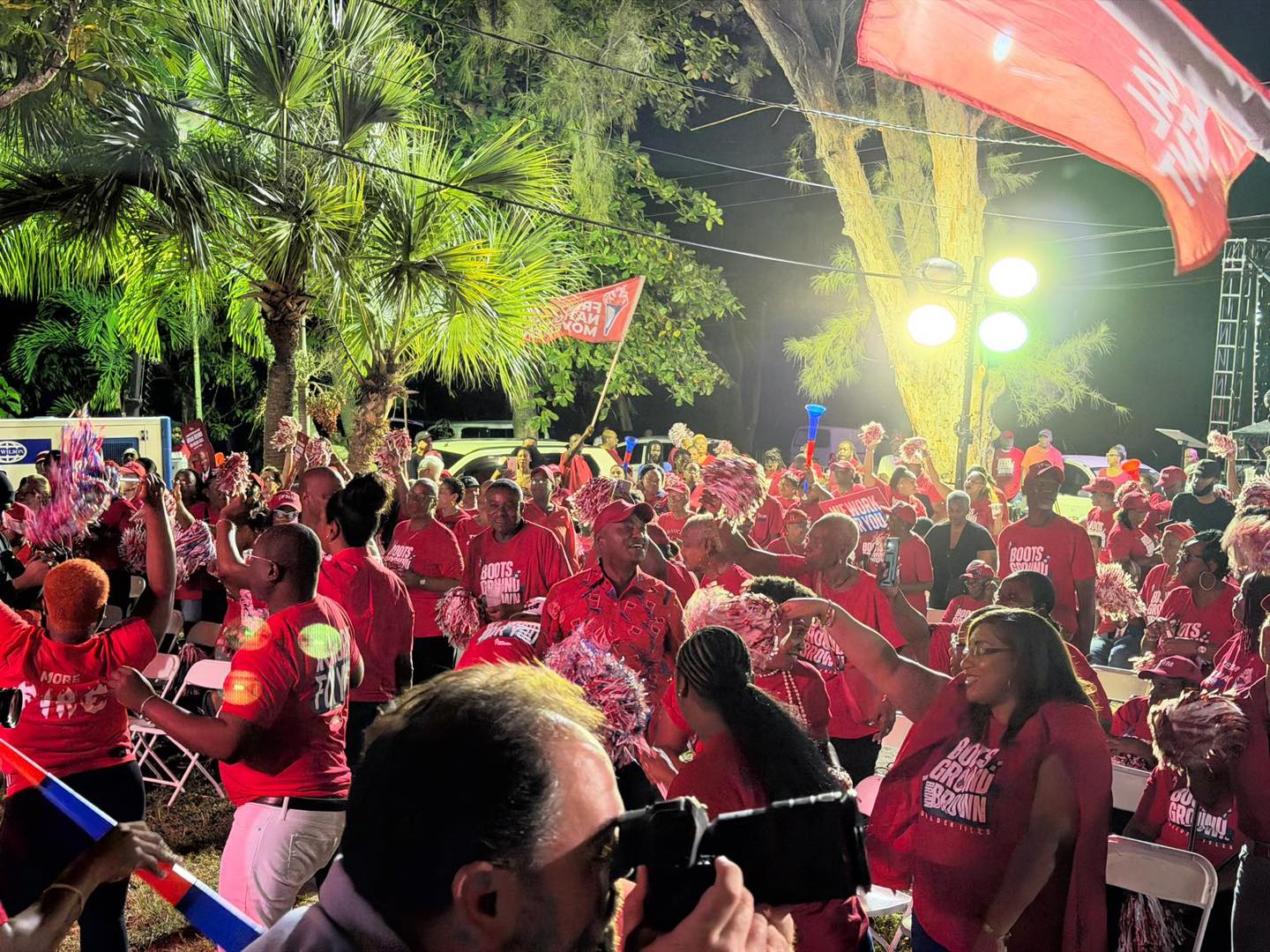
NASSAU, Bahamas — The Free National Movement has rolled out details of its proposed $200 monthly Working Parent Child Support Initiative, but the announcement has already ignited political debate and prompted clarification from the party.
Leader Michael Pintard said the initiative would provide $200 per month to qualifying caregivers during the first two years of a child’s life, as part of a broader push to ease the cost of living for Bahamian families.
The party estimates the programme would cost between $12 million and $14 million annually, with funding to come from reducing what it describes as excessive government spending — particularly consultancy contracts.
However, the proposal quickly drew scrutiny.
The governing Progressive Liberal Party has challenged the feasibility of the plan, questioning how the payments would be sustained without increasing the deficit or introducing new taxes. The response forced the FNM to further outline its funding strategy, emphasizing that a 21 percent reduction in consultancy spending could fully finance the initiative.
The exchange has highlighted a familiar election-season tension — bold proposals versus practical execution.
Beyond the child support plan, Pintard outlined a wide-ranging policy agenda, including:
- Removing VAT on select essential goods
- Constructing 5,000 affordable homes within five years
- Cutting the country’s food import bill by half
- Strengthening enforcement against illegal immigration
- Reforming the nation’s healthcare system

Pintard also took aim at the current administration, accusing it of mismanaging public funds and awarding more than $400 million in contracts without competitive bidding — claims which have further fueled political back-and-forth.
“The best way to pay for high-quality public services in the long run is to have a strong, efficient economy,” Pintard said, arguing that government spending must be redirected toward ordinary Bahamians.
While supporters have welcomed the proposals as timely relief for struggling families, critics remain cautious, pointing to unanswered questions around implementation, eligibility, and long-term sustainability.
With election momentum building, the debate surrounding the FNM’s plan underscores a broader reality — Bahamians are being presented with big promises, but increasingly demanding clear answers on how those promises will be delivered.
Angle by Deandrea Hamilton. Built with ChatGPT (AI). Magnetic Media — CAPTURING LIFE.
Bahamas News
COI UNVEILS FIRST 100 DAYS PLAN, PROMISING SWEEPING CHANGE AND BREAK FROM MAINSTREAM POLITICS

NASSAU, Bahamas — The Coalition of Independents has rolled out its First 100 Days Plan, positioning it as a roadmap for rapid national transformation and a clear break from what it describes as the failures of the country’s two dominant political parties.
Leader Lincoln Bain introduced the plan during a recent public presentation, outlining a series of early actions his party says would be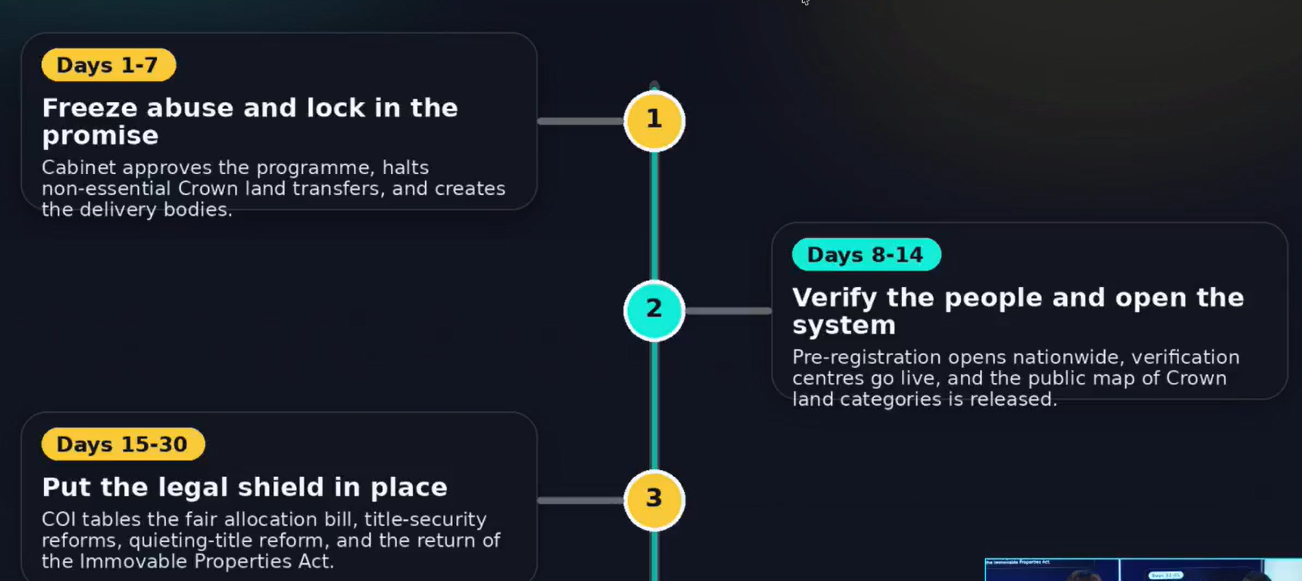 implemented immediately upon taking office.
At the heart of the proposal is a push to redistribute access to Crown land, a signature policy of the Coalition, which argues that Bahamians should have greater direct benefit from national resources. The plan also prioritizes the full implementation of Freedom of Information legislation, with Bain framing transparency as a cornerstone of restoring trust in government.
Additional focus areas include proposed reforms to the healthcare system, including improved compensation for nurses and medical professionals, and broader governance changes aimed at increasing accountability and reducing political control over national decision-making.
The Coalition has branded the plan as a historic first, describing itself as the only political group to present a structured 100-day agenda ahead of a general election.
But beyond the policy points, the messaging was unmistakable.
Bain and his team continue to urge Bahamians to move away from the traditional two-party system, arguing that both the Progressive Liberal Party and the Free National Movement have failed to deliver meaningful change despite decades of governance.
“The system is not working for the people,” has been a consistent refrain from the Coalition, which is campaigning on the idea of resetting how the country is governed.
While supporters view the 100-day plan as a bold and necessary shift, questions remain about the level of detail provided, particularly around costing, timelines, and how proposed changes would be executed within the existing structure of government.
Still, the rollout signals that the Coalition of Independents is seeking to position itself not just as an alternative voice, but as a ready governing option — one promising immediate action and systemic reform.
With election momentum building, the emergence of a defined 100-day agenda adds a new dimension to the political landscape, as Bahamians weigh competing visions for the country’s future.
Angle by Deandrea Hamilton. Built with ChatGPT (AI). Magnetic Media — CAPTURING LIFE.





-

 News1 week ago
Password to Paradise Radio Remotes at Beaches Turks & Caicos continue to highlight the TCI as the preferred Caribbean destination
-

 Bahamas News1 week ago
Bahamasair Backs Surge as Bahamians Flood South Florida for V.J. Edgecombe Showdown
-
 News1 week ago
50 Years of Ministerial Government: Cabinet Moves to Mark Milestone Rooted in 1976 Constitution
-
 News1 week ago
Fuel Costs Rise Again as Pelican Energy Warns of Global Pressures
-
 News1 week ago
Government Moves to Amend Destination Management Fee Law
-

 News1 week ago
Flow TCI Empowers Local Communities with ‘Project EmpowerHER’
-

 Bahamas News1 week ago
Mother’s Pride Headlines Bahamian Takeover at Sixers-Heat Clash in Miami
-
 News1 week ago
Millions Unspent, Projects Stalled as Astwood Questions Government Efficiency