
Bahamas News
Over a Quarter-Million Mangroves Planted: A Holiday Gift for The Bahamas’ Coastal Ecosystems

PIMS and Bahamas Mangrove Alliance Achieve Historic Restoration Milestone
Dec 18 2024 – NASSAU | In a holiday season marked by giving back, a monumental environmental achievement has taken root in The Bahamas. The Perry Institute for Marine Science (PIMS), a co-founding member of The Bahamas Mangrove Alliance (BMA), has planted over 157,000 mangroves across the country this year, a critical step toward restoring coastal ecosystems ravaged by Hurricane Dorian.
In a parallel milestone, Bonefish & Tarpon Trust (BTT)—also a BMA co-founder—celebrated its 100,000th mangrove planted this month.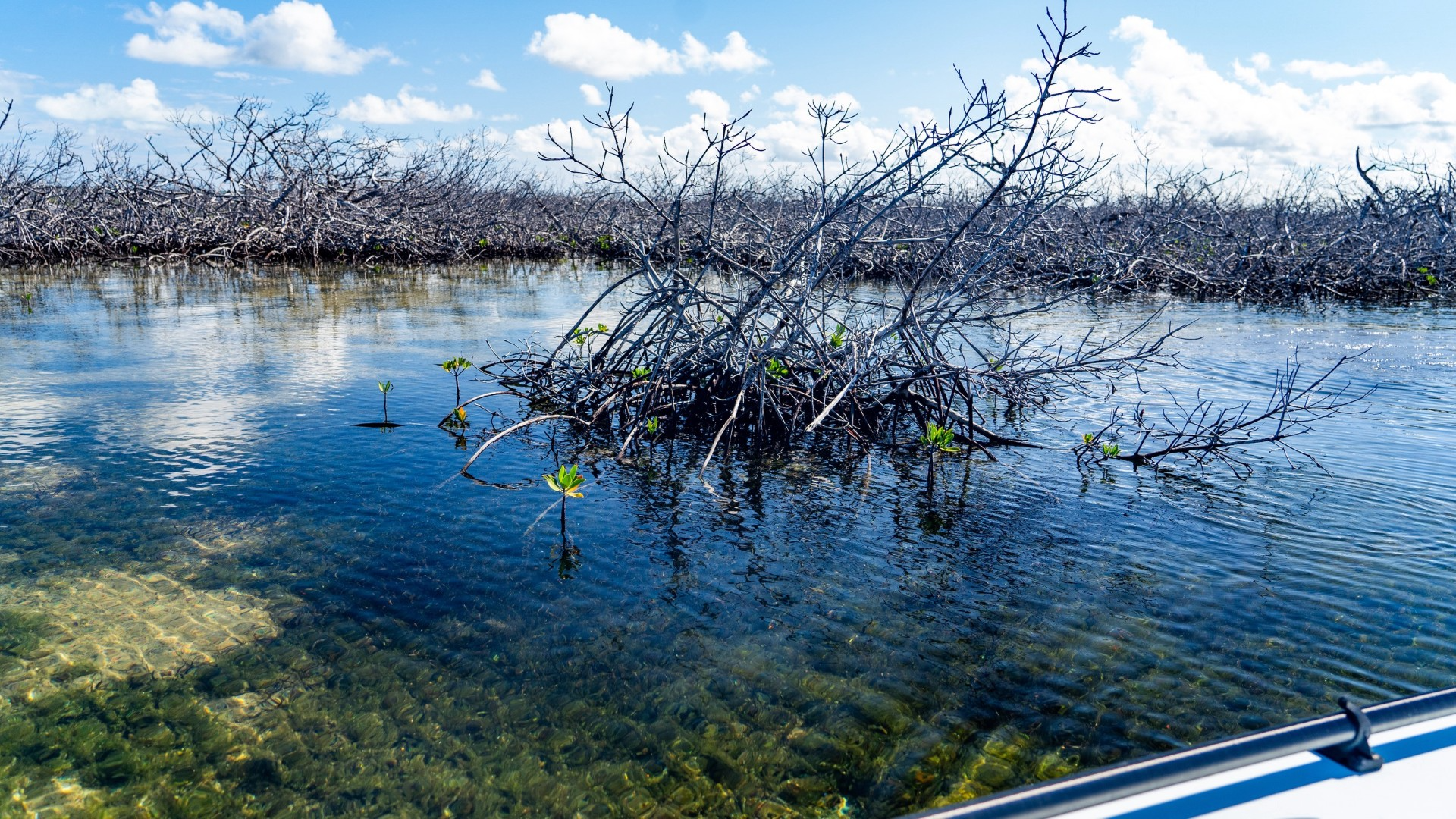 Together, these milestones push the BMA’s total past a quarter-million mangroves, a powerful testament to science, community collaboration, and the urgent need to protect The Bahamas’ natural defenses. As the year draws to a close, this collective effort offers a lasting gift: stronger shorelines, healthier fisheries, and renewed hope for the future.
A Landscape Scarred but Not Defeated
More than five years ago, Hurricane Dorian unleashed its Category 5 fury on the islands of Abaco and Grand Bahama. The storm didn’t just decimate communities; it obliterated a significant portion of the region’s mangrove forests—the lifeblood of the archipelago’s coastal ecosystem.
Committed to addressing this devastation, PIMS launched extensive research and action plans to guide restoration efforts across The Bahamas. According to PIMS’ Mangrove Report Card for The Bahamas—the first of its kind released for the country last year—approximately 40% of mangrove habitats were damaged or destroyed. Mangroves, with their intricate root systems, not only provide a habitat for a myriad of marine species but also act as natural barriers against storm surges and erosion.
“The destruction was unimaginable,” recalls Denise Mizell, PIMS’ Abaco Program Manager, whose rich background—honed through teaching marine science in Haiti and New Providence, and later leading coastal expeditions in Florida—informs her multi-faceted approach to ecosystem restoration in The Bahamas. “Entire mangrove habitats were wiped out overnight. We knew we had to act fast—not just for the environment, but for our whole community.”
“I experienced Hurricane Dorian first-hand in 2019… at the age of thirteen, to see everything stripped away was shocking,” said Journey Higgs, a PIMS volunteer and one of this year’s Bahamas Environmental Steward Scholars (BESS) program. “I have been fortunate to be a part of the restoration efforts of the Perry Institute for Marine Science through the collection and dispersal of mangrove propagules. Not only have I observed the process of collection and the immense amount of propagules dispersed, as we have reached our 100,000th, but I have seen, over time, the effort and dedication of so many people that have come together and share a desire to restore our ecosystems that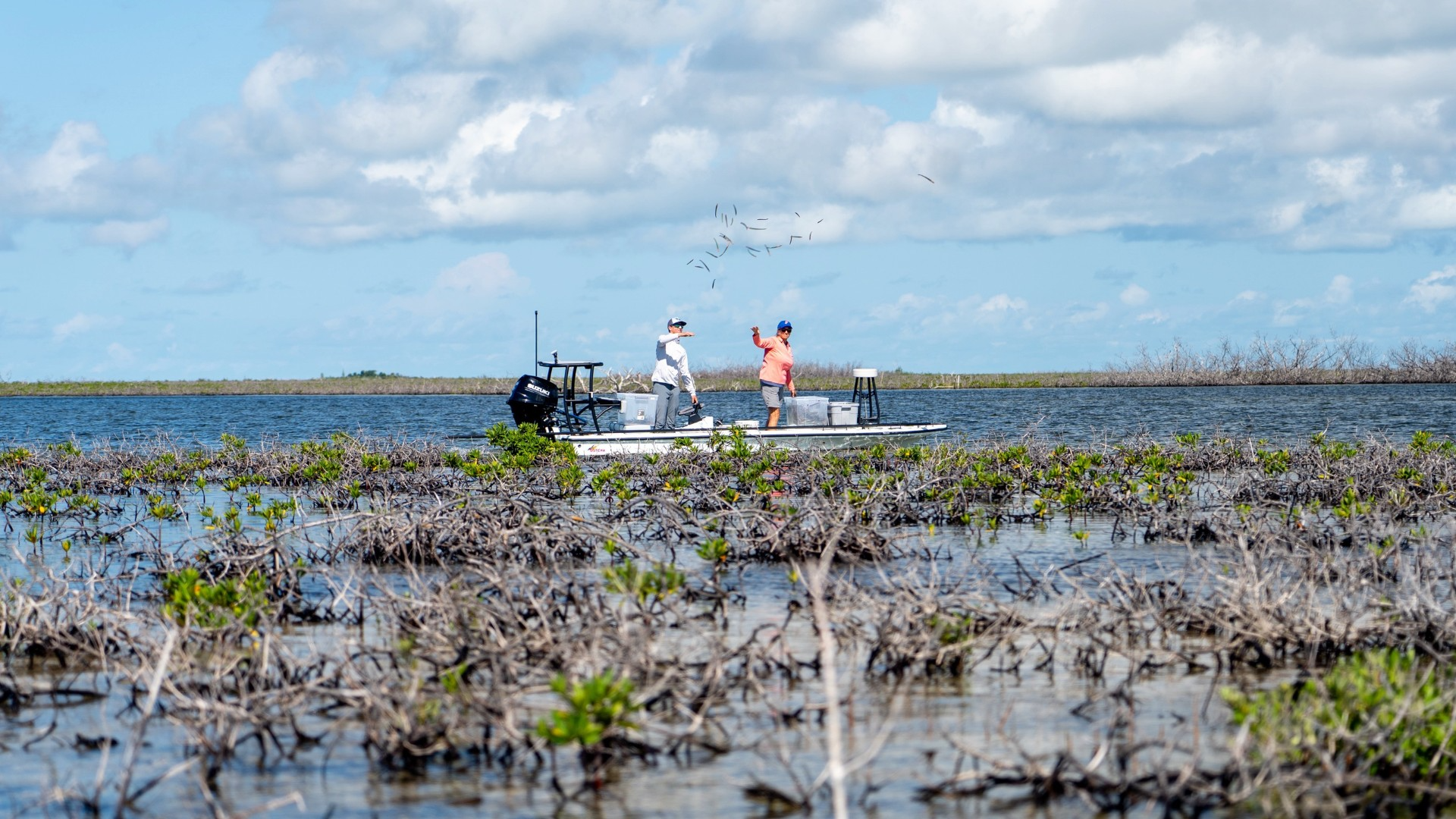 we depend upon for our future.”
The Herculean Task of Restoration
The road to planting a quarter-million mangroves has been nothing short of extraordinary. For PIMS—a global leader in ocean conservation dedicated to protecting and restoring marine life for the people and planet—this milestone was the result of tireless effort and collaboration. Teams traversed the islands of Andros, Eleuthera, and New Providence, gathering tens of thousands of mangrove propagules—the essential seeds of future forests—to heal ecosystems scarred by Hurricane Dorian.
Local bonefishing guides, whose livelihoods rely on thriving mangrove ecosystems, brought invaluable knowledge, ensuring each planting effort hit its mark.
“Guides like Danny Sawyer and Justin Sands were a huge help,” said Mizell. “They know these waters like the back of their hand, so they showed us the best spots to plant, thinking about things like how the tides move and what the seabeds look like.”
Coordinating the collection of propagules in New Providence and managing deliveries from all islands to Abaco was Danielle Cartwright, PIMS’ Education Coordinator. “Getting every single propagule to where it needed to be was a real challenge,” she explains. “But seeing those seedlings planted into the mud and knowing the difference they’ll make—it made every early morning worth it.”
Volunteers braved sweltering heat and challenging terrain, often wading through knee-deep mud and tidal zones, to plant the seedlings. The collective effort not only met but exceeded expectations, igniting a movement that extends beyond mere numbers.
Mangroves: The Lifeline of Bonefish and Bahamian Fisheries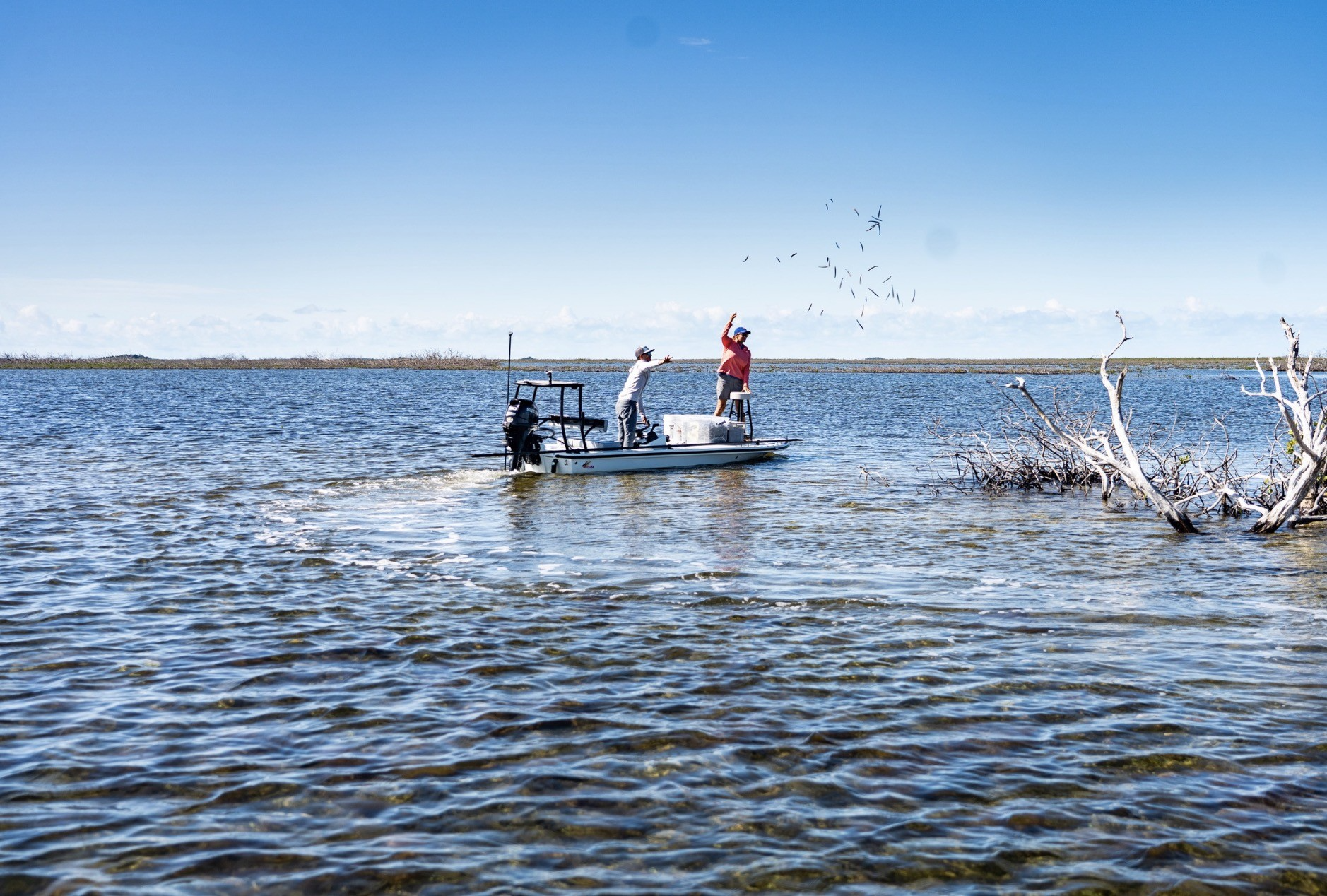
This ambitious project is more than a numbers game. It embodies PIMS’ broader vision of “thriving seas and empowered communities” across The Bahamas and beyond. The newly planted mangroves are already showing signs of life, attracting fish, crustaceans, and bird species back to the area.
Mangroves are more than just trees; they’re keystones of coastal ecosystems. Beneath their dense canopies, mangrove soils and roots act as living carbon vaults, with a single hectare capable of locking away an estimated 1,025 metric tons of carbon—nearly four times that of tropical rainforests. In human terms, that’s enough to neutralize a year’s worth of CO₂ emissions for 228 people, underscoring their immense value in the fight against climate change.
Mangroves also act as natural barriers against storm surges and erosion, reducing wave energy and thereby protecting coastal communities.
“Mangroves are basically the nurseries of the ocean,” says Mizell. “By restoring them, we’re hoping all sorts of sea life will return. It’s not just about planting trees; it’s about reviving the whole ecosystem and restoring a way of life and livelihoods.”
The restoration of mangroves does more than heal ecosystems—it revitalizes the local economy by rejuvenating fisheries and boosting ecotourism, particularly bonefishing, a significant industry in The Bahamas.
“That’s where all the juvenile bonefish, snapper, barracuda, sharks live after their eggs hatch,” said Danny Sawyer, a local Abaco bonefishing guide. “Years ago, we’d go over the Marls, and bonefish would spawn there—lay their eggs up in the shallows for protection. Mangroves help during hurricanes too; they protect the land and sea. They take CO₂ out of the atmosphere. And they help our livelihood—if you’ve got good mangroves, you’ve got good fish. That means more business and more clients coming for excellent fishing opportunities.”
Kai Survance, one of the younger Abaconian bonefishing guides, adds: “For me, healthy mangrove ecosystems means a healthy all-around fishery. They are the starting point for most of the marine life in The Bahamas. Without them, a majority of fish and other sea life wouldn’t have a nursery to grow up in. And for the mature creatures, it keeps them happy because they have places to find food and shelter. Without the mangroves, we wouldn’t have anywhere near the fishery we have today.”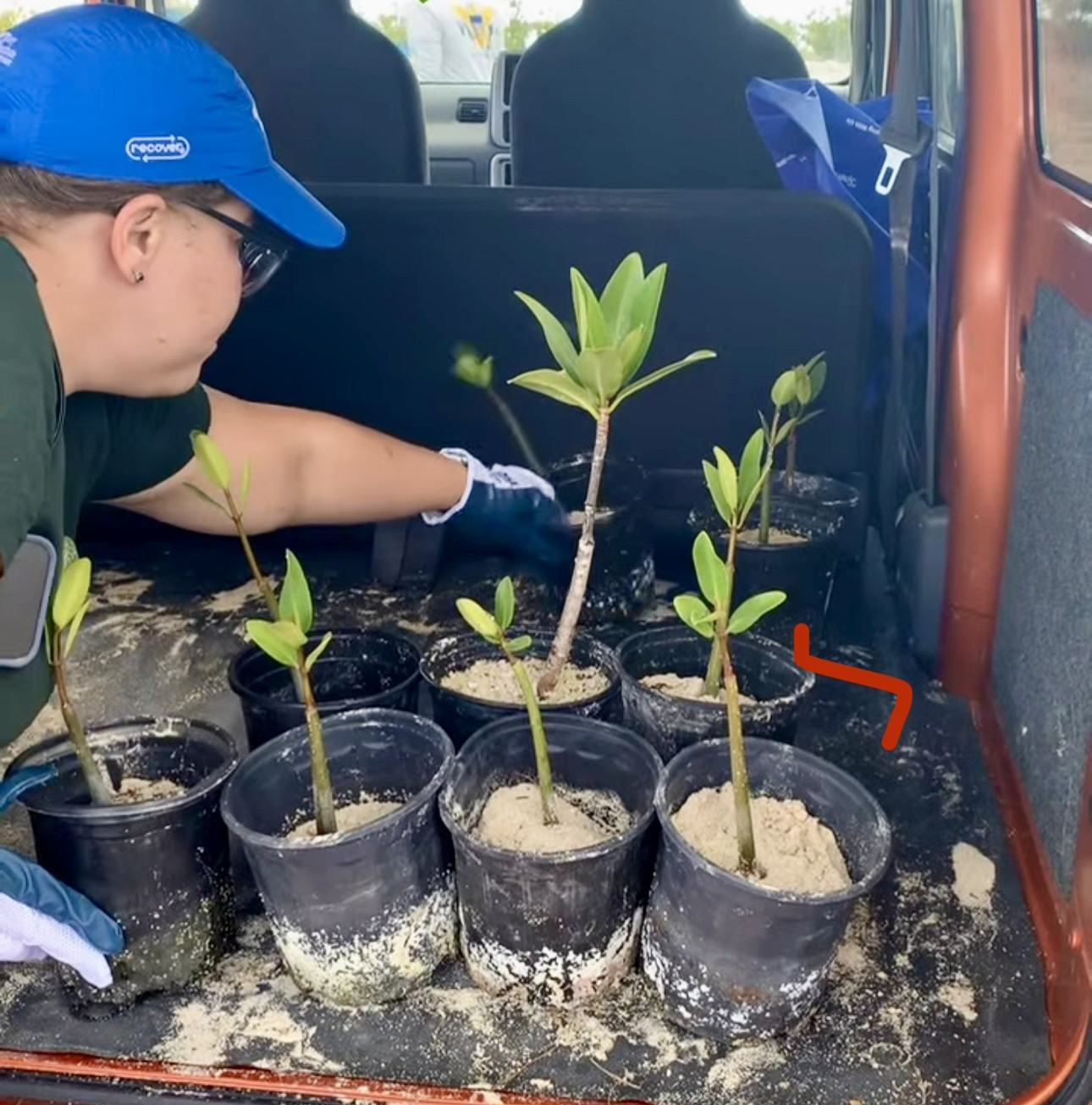
PIMS mangrove specialist Thejon Edgecombe, daughter of PIMS volunteer and Captain Willis Levarity at Baker’s Bay, shares this passion. “Planting 100,000 mangrove propagules was so important to me. It gave me a sense of personal achievement and a burning desire to keep contributing positively in marine science.” Her father’s local knowledge has been crucial in helping PIMS in their mangrove restoration efforts.
PIMS Strengthens Community Roots
At the heart of this restoration effort is a powerful collaboration between scientists and the community. As part of PIMS’ community conservation and education initiatives, local schools have integrated mangrove ecology into their lessons, and community groups have organized planting events.
“Honestly, the best part has been watching everyone come together,” Mizell reflects. “It really shows that conservation isn’t just about science—it’s about people.”
Looking Ahead: A Million Mangroves
Buoyed by these achievements, PIMS and its partners in The Bahamas Mangrove Alliance —including Bonefish & Tarpon Trust—have set their sights higher. With PIMS surpassing 157,000 mangroves, BTT reaching the 100,000 mark, and other partners contributing to a collective total over a quarter-million, the alliance is now determined to plant one million mangroves across the archipelago.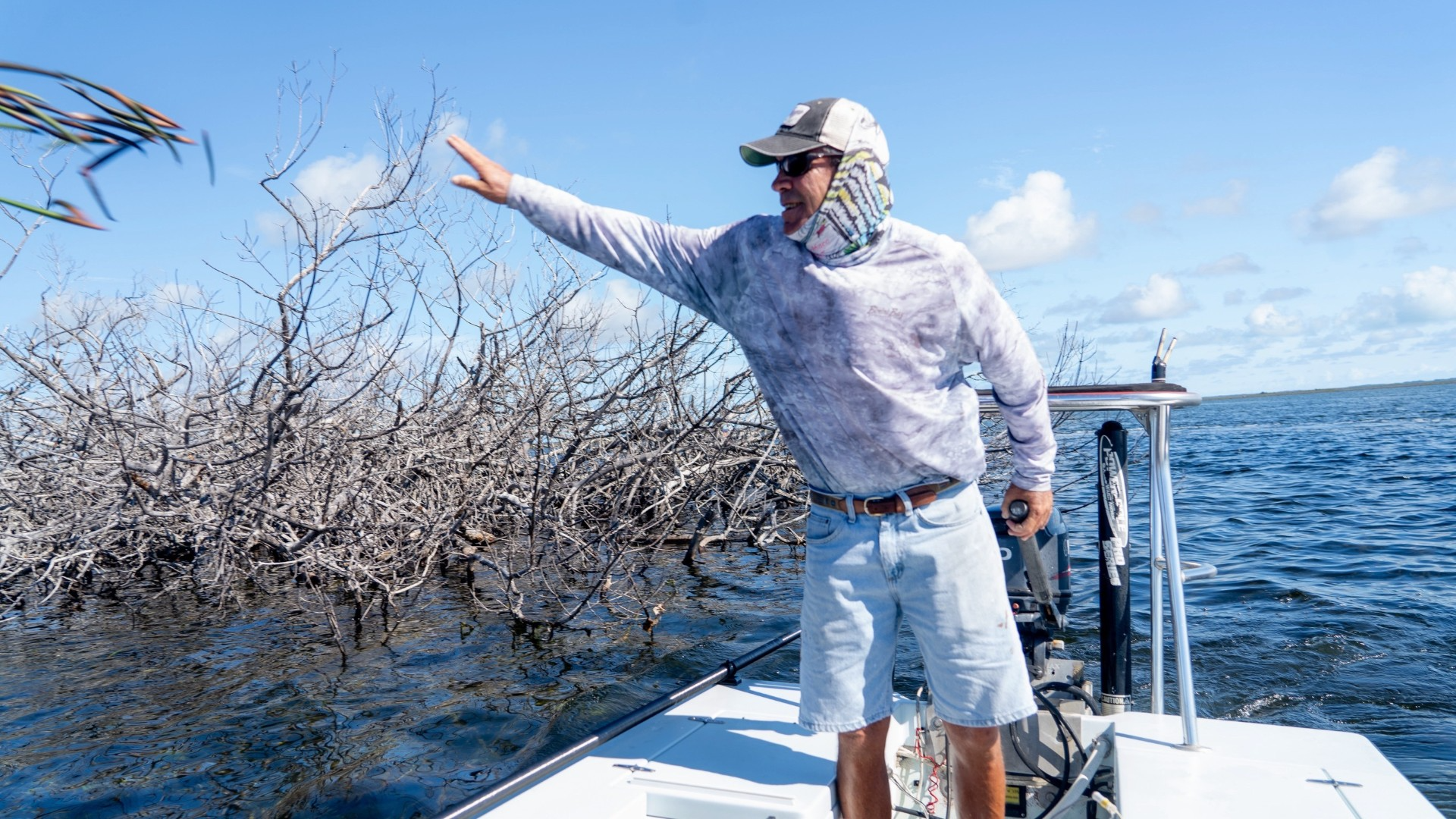
The BMA is a pioneering coalition co-founded by PIMS, BTT, and Waterkeepers Bahamas. It’s dedicated to the restoration and preservation of mangrove ecosystems throughout the islands. By pooling resources and expertise, The BMA implements large-scale planting initiatives, educational programs, and research projects to safeguard these vital habitats for future generations
“It’s about science and community coming together,” said Mizell with a determined smile. “Climate change and losing habitats are huge challenges, but we can make a big difference. Every mangrove we plant gets us one step closer to a stronger future for The Bahamas.”
Mizell, PIMS’ Abaco Program Manager whose office is set up at Friends of the Environment (FOE)—a fellow Bahamas Mangrove Alliance (BMA) partner—is grateful for their support as well as The Bahamas National Trust’s unwavering commitment to the cause.
“They’ve been amazing at getting local volunteers involved, sharing resources, and bringing the community together,” Mizell explains. “Partnerships like this are what make big restoration projects possible.
“Friends of the Environment is absolutely thrilled to celebrate this incredible milestone in mangrove restoration with our partners! Healthy mangrove habitats benefit every Bahamian, and we’re so proud to be part of the amazing partnership of organizations and communities making this happen,” added Olivia Patterson-Maura, Executive Director of FOE.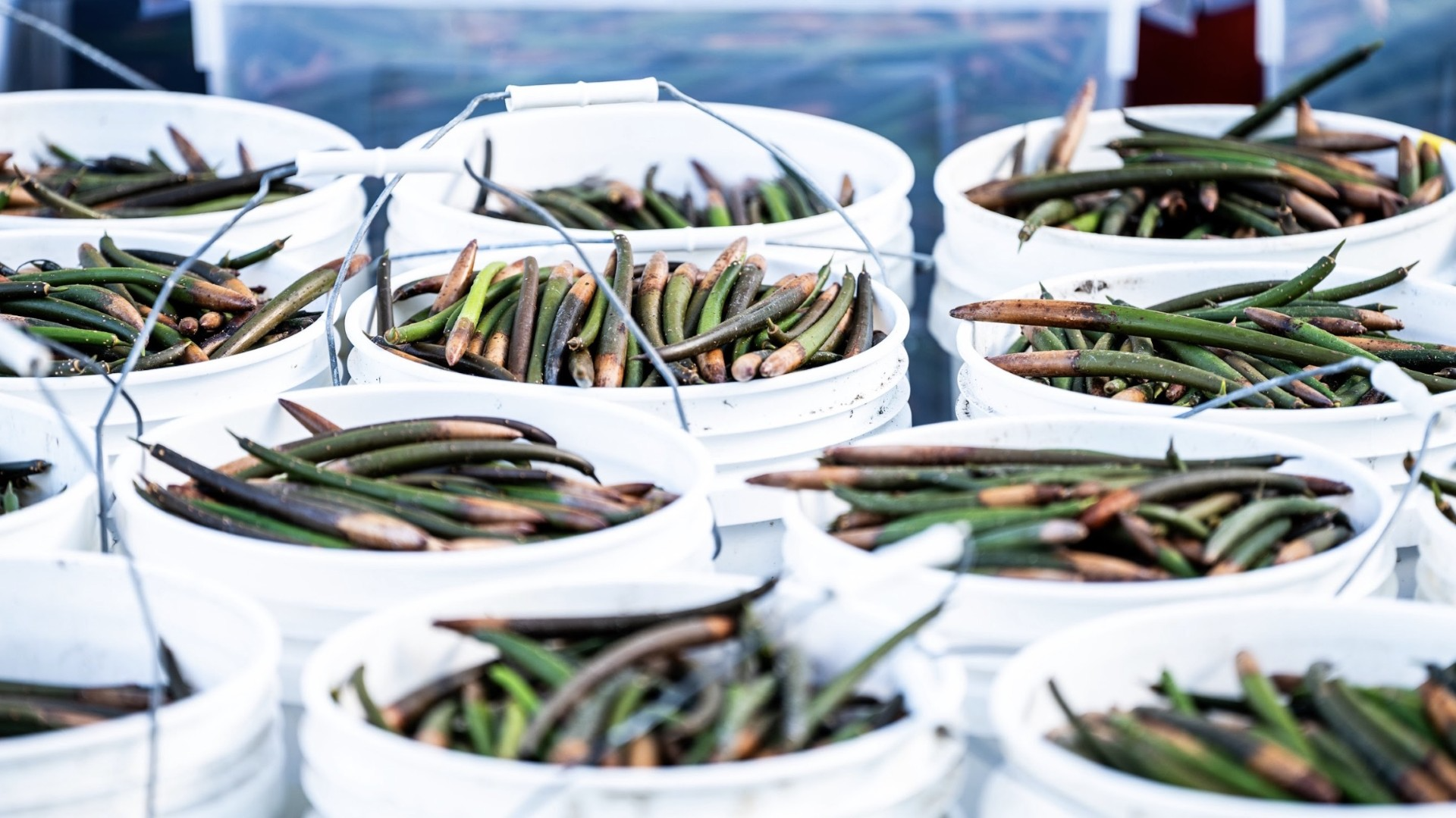
“The Perry Institute’s dedication to mangrove restoration and research has been truly inspiring, and we can’t thank them enough for all their hard work.”
A Beacon of Hope
As the sun sets over the Marls, casting long shadows of the young mangroves, there’s a palpable sense of hope. The once-devastated landscape is stirring back to life, and with it, the promise of a sustainable future.
In a world grappling with environmental crises, this achievement exemplifies PIMS’ mission: to protect and restore ocean life for the people and the planet. For Mizell, “It’s about restoring balance—not just in nature, but in our relationship with it.”
HEADER PHOTO CAPTION:
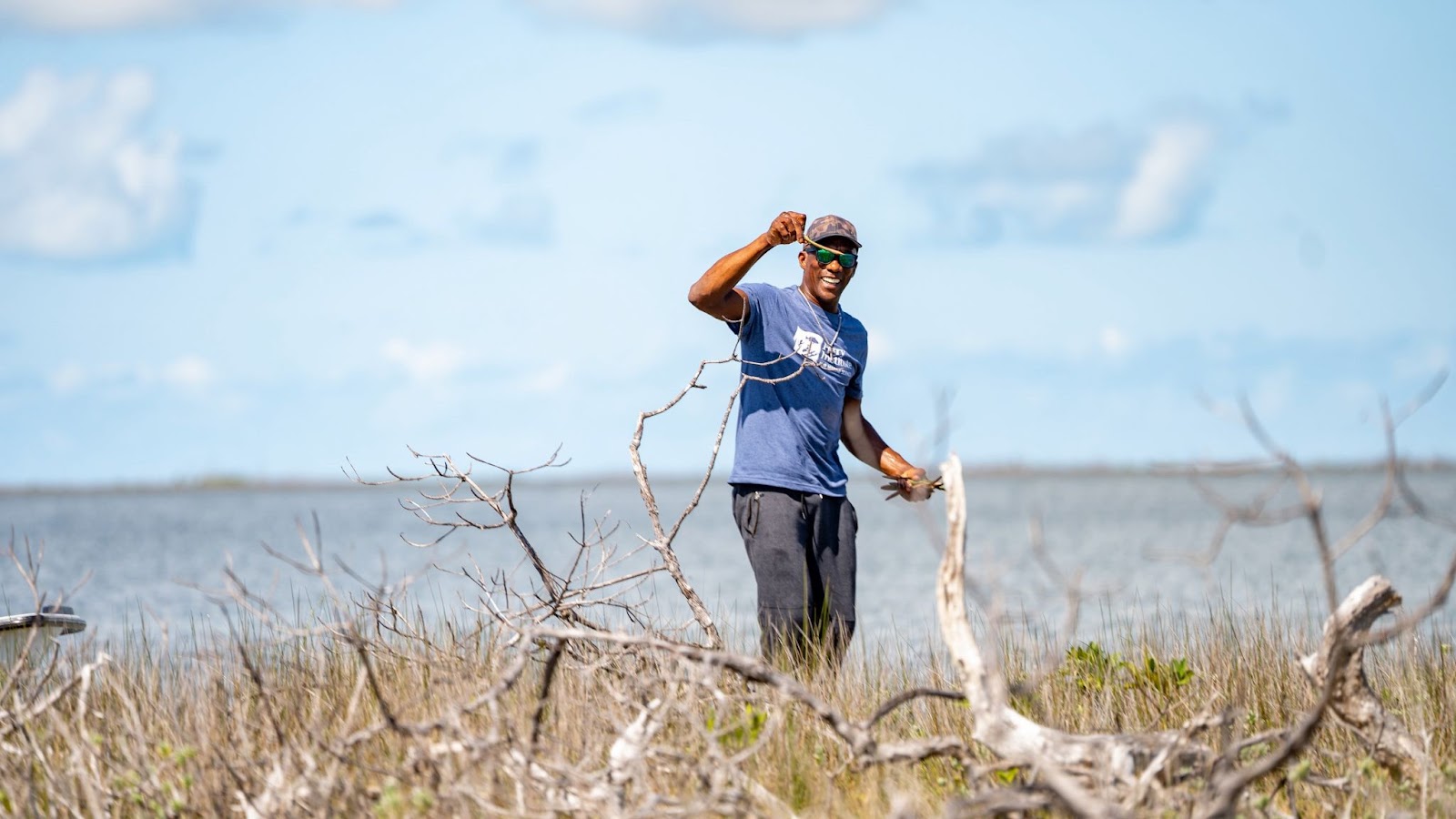
As the afternoon sun bathes the Marls of Abaco in golden light, Bahamian boat captain Willis Levarity–locally known as “Captain to the Stars”–stands ankle-deep in soft, warm mud. A broad smile spreads across his face as he holds up a mangrove propagule, before carefully planting it into the earth. Around him, countless other seedlings sway gently in the breeze—their delicate beginnings a stark contrast to the resilience they promise. This isn’t just a landscape on the verge of rebirth; it’s a gift of hope for the holiday season, a testament to human determination and nature’s indomitable spirit in the face of climate adversity.
Photo credited to the Perry Institute for Marine Science


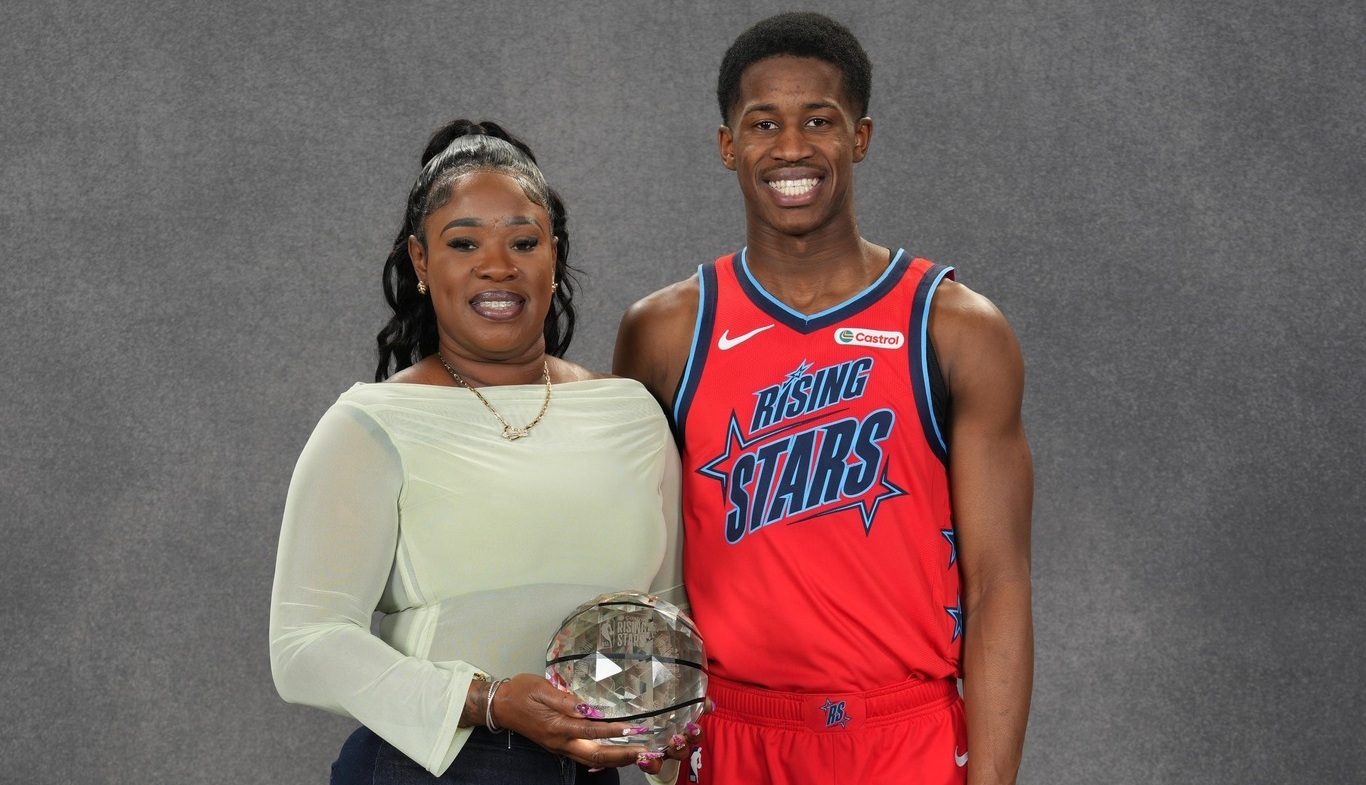
The Bahamas, March 30, 2026 – The voice of a proud mother captured the spirit of a nation Monday night, as Bendra Rolle shared heartfelt reflections on the overwhelming Bahamian support for her son, VJ Edgecombe, during the Philadelphia 76ers matchup against the Miami Heat in Miami.
“The patriotic support and scenery at my son, VJ Edgecombe’s NBA game… was overwhelming,” Rolle said in a statement issued following the game. “The arena in Miami was lit. Bimini and the Bahamas showed up and showed out.”
Her words come amid what has already been widely described as a remarkable showing of national pride, with Bahamians traveling in large numbers to South Florida to witness the young guard’s continued rise. For Rolle, however, the moment extended far beyond basketball.
“Beyond VJ’s basketball talents, I’m so moved by his magnetic personality and personal journey to inspire and excite an entire nation—our beloved Bahamas,” she said. “I thank God for VJ’s humility and for his hunger for greatness. He never forgets how far God has brought us.”
While the Sixers did not secure the win on the night, Edgecombe delivered a solid individual performance, finishing with 13 points and five assists. He made an early impact on the game, showing confidence and poise before foul trouble disrupted his rhythm, but still managed to leave his mark in meaningful minutes.
The game itself evolved into a cultural showcase, with Bahamian flags waving throughout the arena and chants ringing out in support of Edgecombe. Much of that presence was bolstered by a coordinated travel push from Bahamasair, which helped facilitate fan travel and added to the electric atmosphere in Miami.
Rolle said the emotional weight of the moment was deeply felt by her family, as they witnessed firsthand the unity and pride of the Bahamian people.
“Thanks and love for the tears and overwhelming joy on Monday, Bahamas,” she expressed. “The Bahamian flags were love, loud, and proud. On my own behalf, VJ, and the entire family, I am ever grateful for the indescribable experience.”
Her closing words underscored what many have described as the true victory of the night—not the final score, but the powerful display of national pride and support surrounding one of The Bahamas’ rising stars.

PHOTO BY SIXERS NATION
Bahamian pride is already on full display in South Florida, with fans arriving in strong numbers ahead of tonight’s highly anticipated NBA matchup featuring VJ Edgecombe and the Philadelphia 76ers.
Helping to power that movement was Bahamasair, which rolled out a strategic promotion to facilitate travel, turning the game into a full-scale national showing.
And the celebration started early.
A “Bahamas Invades Florida” pre-party over the weekend set the tone, with Bahamian fans, DJs and supporters converging in Fort Lauderdale to build momentum ahead of the game. The event, marketed as a major cultural gathering, has spilled into Miami, where a strong Bahamian presence is expected inside the arena tonight.
This is no ordinary road game.
The Sixers enter the matchup healthy and are favoured to win, adding to the anticipation surrounding what many expect to be a standout performance by the Biminite guard.
Edgecombe, the third overall pick in the 2025 NBA Draft, has been electric in his rookie season — delivering high-scoring performances and quickly establishing himself as one of the league’s most exciting young talents.
But beyond the stats, it’s the moment that matters.
With South Florida just a short flight away, Bahamians have seized the opportunity to show up in force — flags, energy and all — transforming the game into something far bigger than basketball.
A national turnout.
A rising star.
And a night where the Bahamas is expected to be felt — from tip-off to final buzzer.
Angle by Deandrea Hamilton. Built with ChatGPT (AI). Magnetic Media — CAPTURING LIFE.
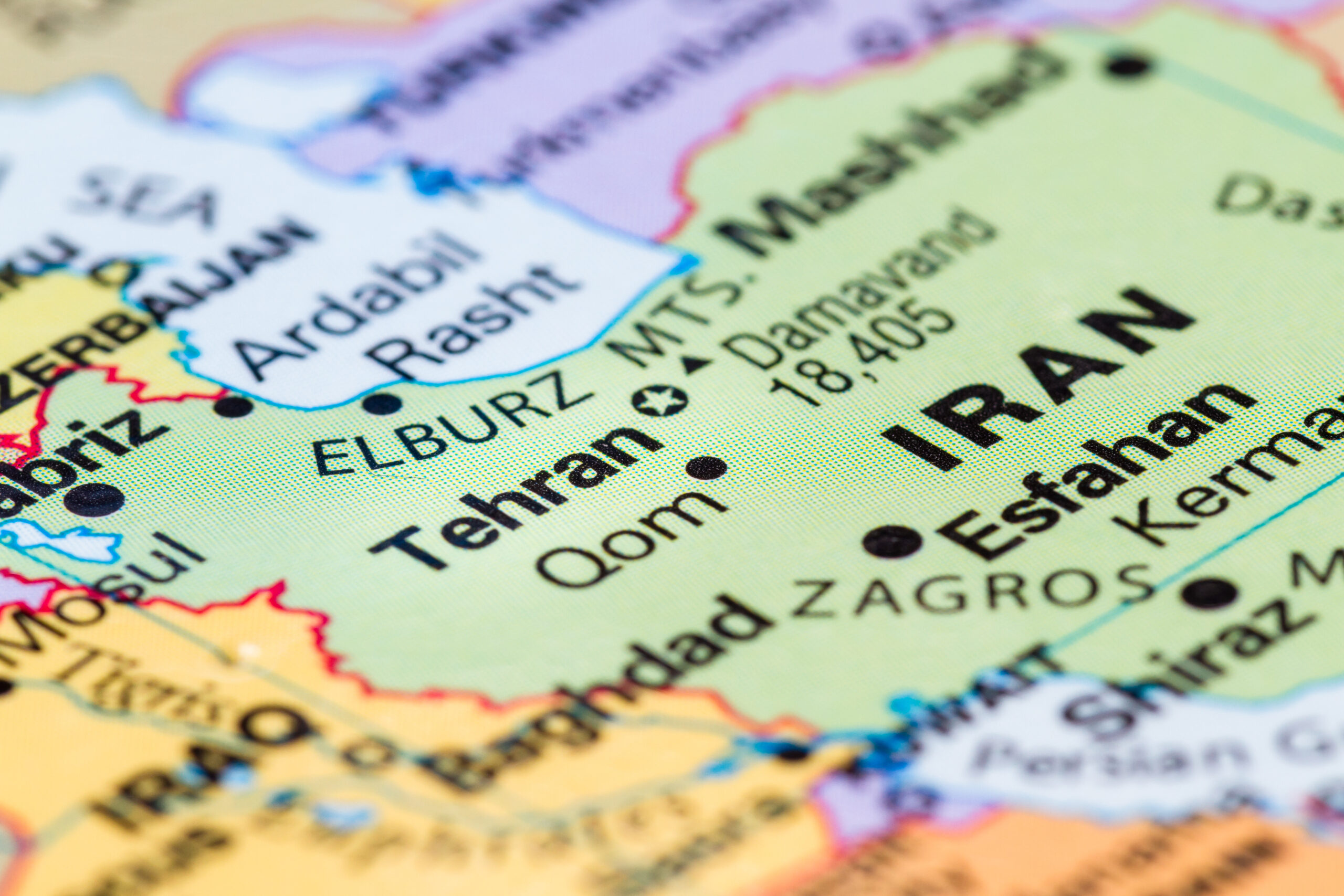
The Bahamas, March 18, 2026 – Twenty days into the latest Middle East escalation, the United Nations is warning the conflict is spreading beyond its original battlefield, as the death toll rises and governments around the world issue urgent travel advisories — including The Bahamas.
In a March 17 statement, the UN Secretary-General’s office said the war must stop and called for all Security Council resolutions to be respected, noting with concern that countries in the Gulf continue to be targeted, raising fears of a wider regional confrontation.
The current round of fighting began February 28 with strikes involving the United States, Israel and Iranian-linked forces, followed by missile and drone attacks across Iraq, Lebanon and parts of the Gulf.
International monitors report more than 1,300 people killed in Iran alone, with additional casualties reported in Lebanon, Israel and Gulf states. U.S. officials confirm at least 13 American service members have died since the escalation began, while reports indicate additional senior Iranian military leaders were killed in recent strikes.
Despite the growing violence, several NATO countries including the United Kingdom, France and Germany have not joined offensive operations, instead calling for diplomacy to prevent the conflict from widening.
The Bahamas Ministry of Foreign Affairs has also issued a travel advisory, warning Bahamian nationals to avoid travel to Israel, Palestine, Iran and Lebanon and to reconsider travel across much of the Gulf region due to the risk of sudden escalation, flight disruptions and security threats.
Officials say Bahamians already in the region should remain vigilant and be prepared for rapidly changing conditions.
Angle by Deandrea Hamilton. Built with ChatGPT (AI). Magnetic Media — CAPTURING LIFE.





-

 News4 days ago
Password to Paradise Radio Remotes at Beaches Turks & Caicos continue to highlight the TCI as the preferred Caribbean destination
-
 News5 days ago
Beaches Turks & Caicos adds four new PADI Dive Instructors to the cadre of professionals in the watersports department
-
 Health1 week ago
Turks and Caicos Islands Hospital Celebrates Patient Safety Awareness Month: “Team Up for Patient Safety”
-
 News5 days ago
Beaches Turks & Caicos shares fine dining experiences to high school students in Providenciales
-

 Bahamas News3 days ago
Bahamasair Backs Surge as Bahamians Flood South Florida for V.J. Edgecombe Showdown
-

 News1 week ago
Flow TCI supports ‘Stars of Tomorrow’ at Inter-Primary Track and Field Championships
-
 News1 week ago
The Turks and Caicos Islands Featured in Top Canadian Publications
-
 News1 week ago
ISU Community Caravan Delivers Essential Services to Granny Hill North