
Caribbean News
CARPHA Hosts Regional IATA Infectious Substances Transport “Train-the-Trainer” Workshop with the Pandemic Fund’s Support


Port of Spain, Trinidad and Tobago – The Caribbean Public Health Agency (CARPHA) concluded its Train-the-Trainer Workshop on the Safe Transportation of Infectious Substances today. The workshop, conducted by the International Air Transport Association (IATA), was supported by the Pandemic Fund grant, with CARPHA serving as the Executing Agency and the Inter-American Development Bank (IDB) as the Implementing Entity.
Fourteen (14) CARPHA Member States (CMS) participated in this initiative, which aimed to strengthen regional capacity to meet international safety standards for shipping infectious substances. The training provided participants with essential theoretical knowledge, interactive discussions, and practical exercises to achieve IATA certification as trainers. These certified trainers will now be well-positioned to serve as national trainers and advisors in biosafety and safe transport protocols, ensuring safer practices across the region.
Dr. Lisa Indar, Ad. Interim Executive Director of CARPHA, highlighted the significance of the initiative: “As a region, we must ensure that the transportation of infectious substances meets international safety standards to protect our public health systems and communities. This workshop builds on CARPHA’s commitment to developing a robust network of certified trainers who can implement and sustain best practices in their home countries. We are grateful for the training supported by the Pandemic Fund project, enabling us to take key steps in pandemic preparedness and response.”
The program not only addressed gaps in Certified Infectious Substance Transport Training within CMS, but also established mechanisms for monitoring and evaluating the trainers’ impact in their respective countries. Participants are expected to conduct infectious substances transport training within the first quarter of 2025, ensuring the rapid application of their certification.
Speaking at the opening ceremony, Dr. Horace Cox, Acting Director of Surveillance, Disease Prevention and Control at CARPHA, remarked: “The effectiveness of our public health response hinges on having a cadre of professionals who can translate this critical knowledge into action at the country level. This program empowers Member States to strengthen their capacity to handle infectious substances safely and securely, which is a cornerstone in bolstering regional health systems and pandemic preparedness and response.”
To ensure the sustainability of the training program, CARPHA is also establishing mechanisms for ongoing feedback and continuous improvement, ensuring that the program remains dynamic and responsive to the needs of the Member States and trainees. These efforts promise to enable better tracking of training activities and contribute to the long-term sustainability of the training program. This initiative is part of CARPHA’s broader mission to enhance laboratory capabilities, improve surveillance systems, and ensure public health security across the Caribbean. By creating a robust network of self-sufficient trainers in its Member States, CARPHA aims to strengthen the capacity for safely shipping infectious substances and enhance regional public health resilience.
About the Pandemic Fund Project:
The Caribbean Public Health Agency (CARPHA), the sole regional public health agency, is the Executing Agency for the Pandemic Fund (PF) Project: RG-T4387, with the Inter-American Development Bank (IDB) as the Implementing Entity. The goal of this Project, which spans from 2024 to 2026, is to Reduce the Public Health Impact of Pandemics in the Caribbean through Prevention, Preparedness, and Response (PPR). The objective is to support the reduction of the public health impact of pandemics in the Caribbean by building pandemic PPR surveillance and early warning systems, laboratory systems and workforce capacity, regionally at CARPHA and at country levels. This will reduce the transboundary spread of infectious diseases and improve regional and global health security. CARPHA is the beneficiary of the PF project and CARPHA Member States are the participants.
The PF was approved at the highest level by the Council for Human and Social Development, as well as by CARPHA’s Executive Board and other stakeholders, including Chief Medical Officers. This is a regional 3-year project (2024-2026). The public signing of Technical Cooperation Agreement to implement the project was on December 14, 2023.


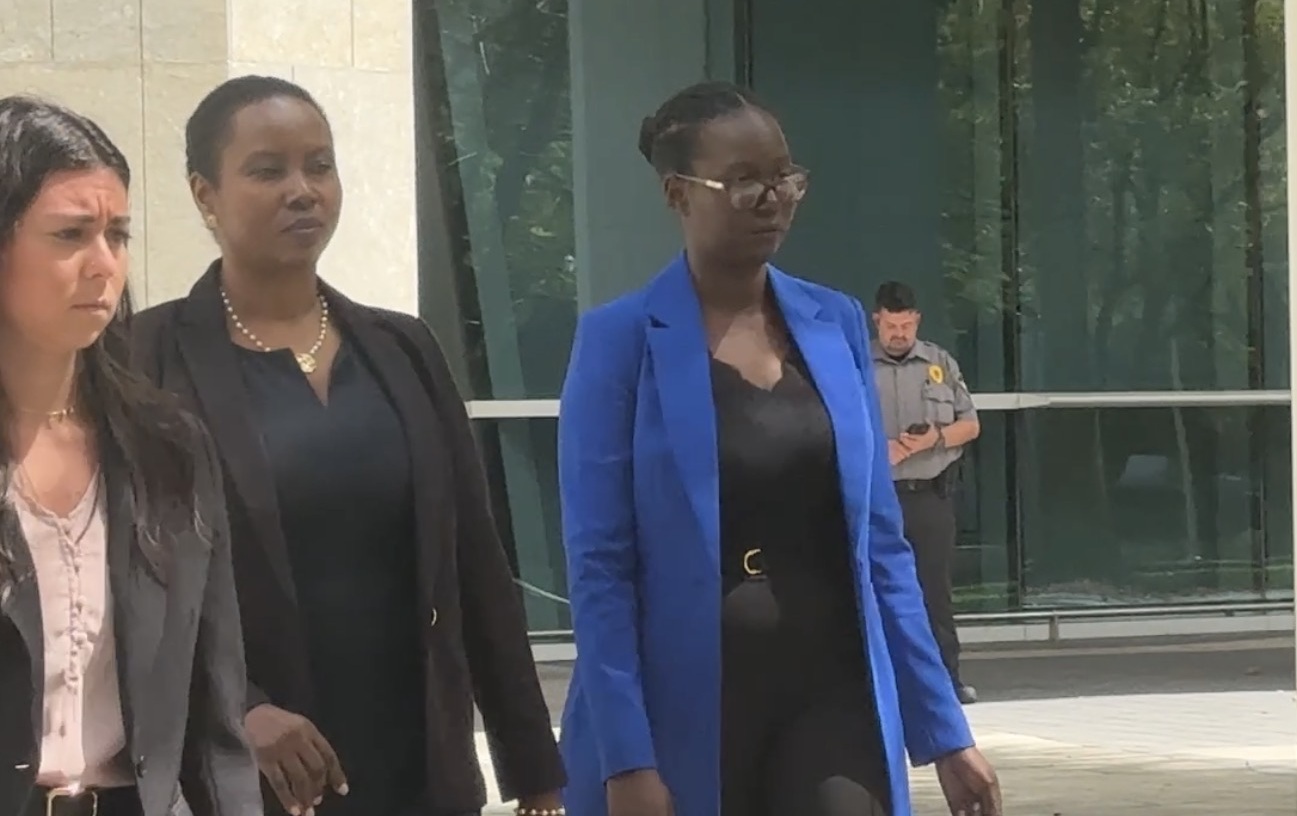
MIAMI, Florida — Emotional testimony from Martine Moïse, the widow of assassinated Haitian President Jovenel Moïse, has given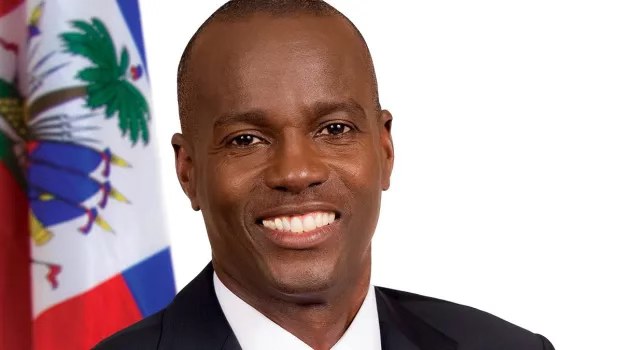 jurors in a U.S. federal courtroom a chilling account of the night gunmen stormed the presidential residence and killed the country’s leader.
Martine Moïse took the stand this week in Miami as part of the ongoing trial of several men accused of helping plan and finance the July 7, 2021 assassination, a crime that plunged Haiti into political crisis and remains only partially solved.
She told the court that armed men forced their way into the president’s private home in the hills above Port-au-Prince during the early morning hours, firing multiple shots at her husband while she lay beside him. She testified that she was also wounded in the attack and survived by pretending to be dead until the gunmen left the room.
According to prosecutors, the plot involved a group of foreign mercenaries, including former Colombian soldiers, along with Haitian and Haitian-American suspects. Investigators say some of the men believed the mission was to detain the president, but the operation turned into an assassination.
The Miami trial is focusing on the alleged role of South Florida businessmen and others accused of organizing or financing the plan, part of a wider international investigation that has stretched across several countries.
More than four years after the killing, the question of who ultimately ordered the assassination remains unanswered, with suspects still in custody in both Haiti and the United States as the case continues to unfold.
Angle by Deandrea Hamilton. Built with ChatGPT (AI). Magnetic Media — CAPTURING LIFE.

CARIBBEAN — Jamaica has become the 13th CARICOM member state to accede to the African Export-Import Bank Establishment Agreement, further strengthening economic ties between Africa and the Caribbean.
The development was confirmed during the 50th CARICOM Heads of Government Meeting, where an Afreximbank delegation led by George Elombi and Kanayo Awani met with Jamaica’s Prime Minister Andrew Holness to advance cooperation.
Prime Minister Holness thanked the bank for its support following Jamaica’s recent hurricane, noting that Afreximbank financing helped restore critical infrastructure including water, electricity, sewage systems and roads, while also assisting reconstruction efforts aimed at building stronger resilience to future disasters.
The meeting also focused on broader development opportunities tied to Jamaica’s membership in the agreement. Discussions included rebuilding and modernising infrastructure such as railways, hospitals and other public facilities, while strengthening regional transportation and trade networks to improve the movement of people and goods across the Caribbean.
Afreximbank has been expanding its presence in the Caribbean as part of its strategy to connect Africa with the region often referred to as “Global Africa.” The bank has already committed billions of dollars in financing and trade support to Caribbean economies in recent years, including funding for infrastructure, trade facilitation and private sector investment.
By joining the agreement, Jamaica gains expanded access to Afreximbank’s financial instruments, technical support and trade networks designed to promote commerce between Africa and CARICOM states.
Regional leaders say the growing partnership could unlock new opportunities in areas such as trade, logistics, tourism, manufacturing and cultural exchange, strengthening economic cooperation between the two regions with deep historical and diaspora ties.
Angle by Deandrea Hamilton. Built with ChatGPT (AI). Magnetic Media — CAPTURING LIFE.
Caribbean News
Liberty Caribbean Supports Regional Forum on AI, Cyber Resilience and Digital Inclusion

Port of Spain, TRINIDAD & TOBAGO (February 24, 2026) — Liberty Caribbean, the operators of Flow, Liberty Business and BTC, recently served as Gold-Level Partner of the two-day Trinidad and Tobago Internet Governance Forum (TTIGF), themed “The Innovation Paradox – Balancing Progress with Responsibility and Resilience”.
The Digital Divide is of particular interest to Liberty Caribbean and is being addressed through its Charitable Foundation across the region. Low broadband penetration in the Caribbean contributes to diminished opportunities for individuals, communities, and local economies, but with the support of funding partners, this gap can be addressed through a comprehensive programme – JUMP – that focuses on providing access, devices, and digital skills.
“Liberty Caribbean was proud to serve as Gold-Level Partner of the TTIGF because the conversations taking place here shape key digital policies for multiple stakeholders,” said Simone Martin-Sulgan, Vice President and General Manager, Flow Trinidad.
“As technology accelerates at an unprecedented pace, we must ensure that innovation strengthens our societies rather than fragments them. The theme, ‘The Innovation Paradox – Balancing Progress with Responsibility and Resilience,’ speaks directly to the work we do every day: building networks that are not only fast and reliable, but secure, inclusive and future-ready.”
Across the Caribbean, the digital divide remains one of the most pressing barriers to equitable growth. Low broadband penetration limits access to education, entrepreneurship and essential services, and that is why we are deeply committed to closing this gap.
Through the Liberty Caribbean Charitable Foundation and initiatives like the JUMP Programme, the company is expanding access to technology, affordable connectivity and digital skills training so that individuals and communities are empowered to participate fully in the digital economy.
Martin-Sulgan further stated “at Liberty Caribbean, we believe progress and responsibility must move in lock step. By investing in resilient networks, inclusive programmes and trusted partnerships, we are helping to build a Caribbean that is innovative, secure and prepared for the opportunities ahead.”
Topics covered during the Forum, with over 140 participants, included “Securing Critical Infrastructure”, Integrating AI into Digital Transformation”, “The Digital Divide”, The Human Cost of Innovation – Mental Health and Well-being in the Digital Age’, and AI, Cyber Resilience and Regional Innovation”.
Focused on the underlying mandate of the Conference theme thought leaders, innovators, policymakers, technologists, researchers, and community stakeholders were invited to explore how countries can evolve boldly without compromising values or long-term stability.
Photo Caption:
TTIGF – l-r Darren Campo, Regulatory & Compliance Officer; Yolande Agard-Simmons, Senior Manager Communications; and Kevon Swift, Senior Manager Government and Regulatory Affairs of Flow Trinidad in attendance at the Post Event Mixer at Caribbean Telecommunications Union’s Head Office in St Clair, Port of Spain





-

 Bahamas News5 days ago
Economic and Financial Experts Assess US-China Relations; Offer Advice for The Bahamas
-
 Bahamas News5 days ago
Experts Analyze Economic Landscape; Opportunities and Challenges
-
 News5 days ago
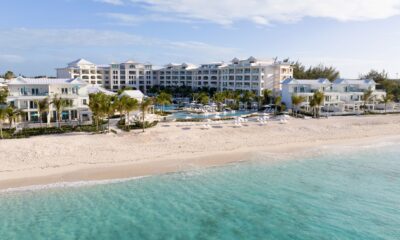
Beaches Resorts Announces Grand Opening of Treasure Beach Village at Beaches Turks and Caicos
-

 Caribbean News5 days ago
Widow’s Testimony Recounts Night Haiti President Was Killed
-

 News5 days ago
North and Middle Caicos Students receive educational material from Sandals Foundation and Beaches Turks and Caicos resort
-

 News5 days ago
Sandals Foundation Reading Road Trip with Canadian Broadcasters Creates Cultural Mix at Enid Capron Primary School
-

 Education5 days ago
Department of Education hosts 3rd Annual Local Studies Competition
-
 News1 week ago
GOVERNMENT REVIEWING TENDER AFTER GRAND TURK–SOUTH CAICOS FLIGHTS STOP