
News
Turks and Caicos Islands Ministry of HOME AFFAIRS in collaboration with the Economic of Latin America (ECLAC) Completed Phase II of Gender Statistics Training on November 13th – 14th 2024


PRESS RELEASE
FROM THE Ministry of Home Affairs, Transportation, Broadcasting,
Energy and Utilities and Telecommunications Commission
Providenciales, Turks and Caicos Islands 20th November 2024 – The Department of Gender Affairs, within the Ministry of Home Affairs, Transportation and The Tele Communication Commission successfully hosted Phase II of the Gender Statistics Training, on November 13th -14th, 2024. This phase saw the completion of the programme’s final three modules, which focused on using gender statistics to design and inform policies, applying international standards, and building capacity in data collection.
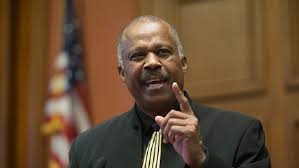
The sessions were facilitated by Statistical expert Mr. Abdullahi Abdulkadri, Coordinator within the Statistics and Social Development Unit of the United Nations Economic Commission for Latin America and the Caribbean (ECLAC).
The session which was held at the Atrium opened with remarks from the Director of Gender Affairs, Mrs. Carolyn Dickenson. She expressed how timely this training was as the country embarked on implementing gender-responsive budgeting across the government. This will ensure the prioritiation of women’s, men’s, girls’, and boys’ rights throughout the entire budgeting cycle as gender-responsive budgeting aims to influence not only the budgeting process but also the policies that underpin it. This however cannot be achieved without understanding how gender statistics impact the decision process.
Ms. Keisha Taylor, our recently appointed Deputy Permanent Secretary for the Ministry of Home Affairs brought remarks on behalf of the Honourable Otis Morris, Minister of Home Affairs which highlighted the significance of the Training.
In the spirit of collaboration and progress, the minister expressed his profound gratitude for the two-day training in gender statistics. He affirms “my ministry’s commitment, and that of our government, is to ensure that the knowledge and expertise resulting from the workshop will foster a greater understanding of the importance of desegregated data, the design and development of policies, programs, and procedures to promote gender equality and equity.” He encourages all stakeholders, to continue to work Together, as we bridge gaps and lay the foundation for the future growth and just economic development of the Turks and Caicos Islands.
The Department of Gender Affairs is grateful to all participants who were actively engaged in the in-depth training to enhance their skills in analysing and applying gender statistics to their respective areas of work. These include the Statistics Authority, Department of Trade, Industry and Fair Competition, Ministry of Education, Department of Social Development, Ministry of Health, and the Safeguarding and Public Protection Unit of the Police.
The Deputy Attorney General Ms. Khalila Astwood, while representing the Attorney General chambers expressed the need to have follow-up training for individual departments based on the current directions of the country at this time.
During the sessions, participants were allowed to present on issues relevant to their organizations, addressing key questions to develop gender-sensitive data collection tools. They designed questionnaires targeting specific groups and outlined statistical analyses to uncover gender disparities and provide evidence-based recommendations for policy change.
Looking ahead, the department of Gender Affairs aims to build on the outcomes of this training by planning a practical workshop on Gender Statistics. This multifaced workshop will further assist in embedding gender-responsive strategies and actions within their operational frameworks. This initiative represents a significant step forward in advancing gender equity in the Turks and Caicos Islands, demonstrating the government’s commitment to using evidence-based approaches to create a more inclusive society.
For more information on the work of the Department of Gender Affairs and resources, please contact the Department of Gender Affairs via telephone at 649-338-2681 (Grand Turk), 649-338-2686 (Providenciales). You can also contact the Department via email at genderaffairs@gov.tc. Continue to look out for its various activities on facebook.com/genderaffairstci or Instagram:@genderaffairstci.








Health system is among only a handful in the U.S. to offer the minimally invasive robotic procedure Cleveland Clinic is among the first hospitals in the country – and the first in Ohio – to perform a robotic nipple-sparing mastectomy procedure, following recent clearance by the U.S. Food and Drug Administration.
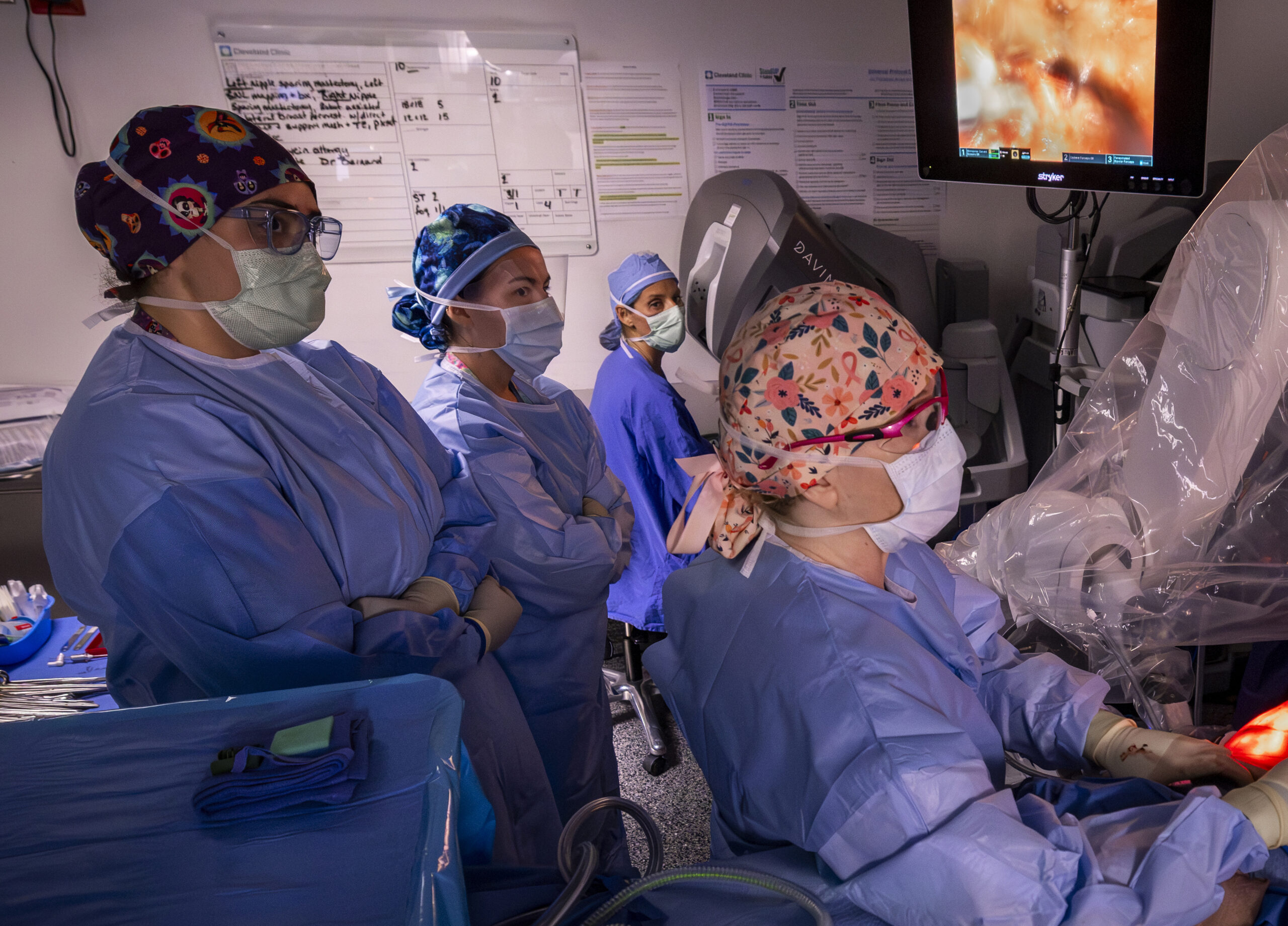
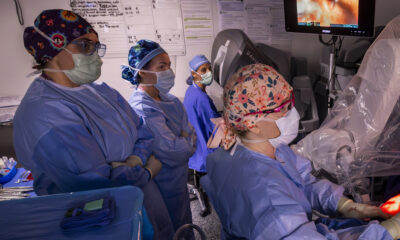
Stephanie Valente, D.O., and a surgical team recently performed the first robotic nipple-sparing mastectomy with immediate breast cancer reconstruction at Cleveland Clinic Fairview Hospital. The procedure offers a new minimally invasive approach to breast cancer surgery and risk-reducing mastectomy for patients at elevated risk.
This milestone places Cleveland Clinic among a select group of centers nationwide offering the advanced technology and brings one of the newest innovations in breast cancer surgery to patients in Northeast Ohio.
“This robotic approach offers greater precision through a much smaller incision, which can mean less visible scarring and faster recovery,” said Dr. Valente, director of the Cleveland Clinic Breast Surgery Fellowship Program and director of the West Region Multidisciplinary Breast Program. “Compared with the traditional procedure, which requires a larger incision, this approach can improve cosmetic outcomes, preserve the skin and nipple, and support a more natural appearance after surgery.”
During the procedure, surgeons use a 3D camera and robotic instruments inserted through a small incision of one inch, typically hidden along the side of the breast rather than across the underside, to remove breast tissue while preserving the nipple, areola and skin. The robotic platform, the da Vinci SP Surgical System, provides enhanced visualization and precision while minimizing disruption to the overlying skin.
Robotic surgery gives the surgeon better visualization of the operative field in what is typically a technically challenging procedure. This enhanced view can improve nerve identification and preservation, reduce blood loss and allow surgeons to perform the same oncologic operation through a one-inch incision rather than the traditional five-inch open incision.
The robotic approach removes the same breast tissue as a conventional mastectomy, while changing how the surgeon accesses the breast. For some patients, breast reconstruction can be performed during the same operation.
This approach is designed to reduce scarring, enhance cosmetic outcomes, preserve the natural skin envelope and nipple, improve sensation and accelerate recovery. For some patients, the less visible incision may also support confidence and body image after surgery. The procedure further expands Cleveland Clinic’s minimally invasive breast surgery options, which include endoscopic nipple-sparing mastectomy.
“As a field, we haven’t had many new options for patients with breast surgery for a decade now, so we are pleased to now have these minimally invasive procedures available for our patients,” said Dr. Valente. “Innovations like this support a more patient-centered experience as they allow us to address both the physical and emotional realities of breast cancer.”

Providenciales, Turks and Caicos Islands – Friday, 2nd October 2026: Invest Turks and Caicos officially opened Caya Hico Collective, the Grand Turk MSME Storefront, on Friday, September 18, 2026, marking a significant milestone in the Agency’s ongoing efforts to support local entrepreneurs, expand access to market opportunities, and strengthen the small business ecosystem.
Caya Hico Collective has been established as a dedicated retail space to showcase and sell locally made products, initially featuring entrepreneurs participating in the MSME Programme. As the initiative develops, there are plans to expand participation to include other small businesses producing locally made goods, including those not directly supported under the Programme. The storefront will provide local businesses with greater exposure and direct access to both residents and the thousands of visitors who arrive in Grand Turk each year creating stronger linkages between local entrepreneurs and the tourism economy. The store currently features fourteen (14) inaugural vendors, representing a diverse selection of local businesses and products from across the Turks and Caicos Islands.
Speaking on the significance of the initiative, Ms. Alexa Cooper, Chief Domestic Investment Officer, said:
“This storefront represents a practical and meaningful step in supporting our MSMEs by providing access to market, one of the most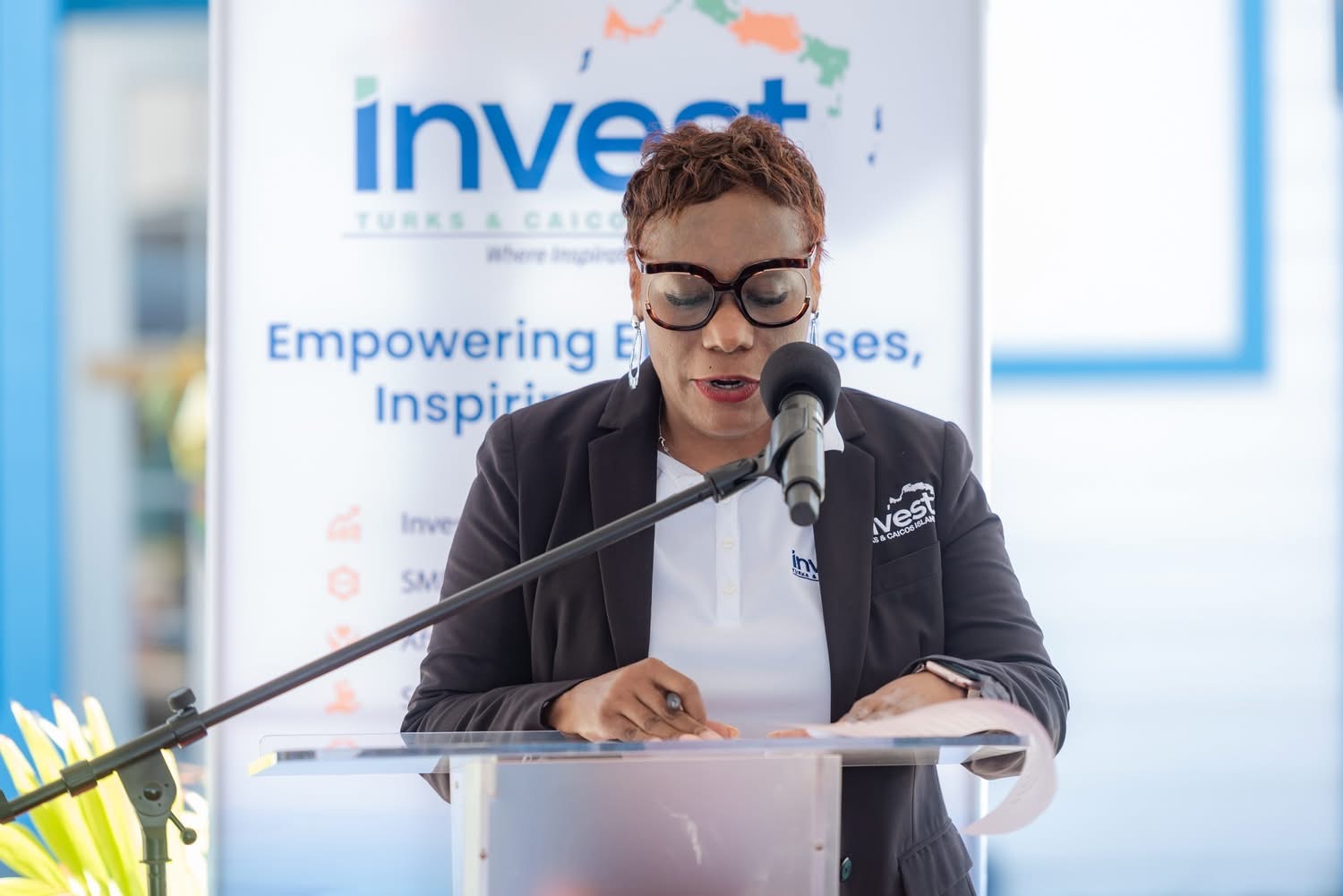 critical components of business growth. It is a space where local talent, creativity and entrepreneurship can be showcased, supported and connected with new customers.”
A Name Chosen by Grand Turk’s Youth
The name Caya Hico Collective was selected through the Grand Turk MSME Storefront Naming Competition, an initiative conducted in partnership with H.J. Robinson High School. Students were invited to propose an original name that reflected Grand Turk’s identity, culture and heritage while also being suitable for a storefront showcasing locally made products.
Following an independent judging process, Mauvarii Selver was selected as the competition winner for the submission Caya Hico Collective.
The name was recognised for its cultural and historical significance, distinctiveness and strong storytelling potential. “Caya Hico” is derived from the Lucayan term meaning “string of islands,” reflecting the archipelagic identity and heritage of the Turks and Caicos Islands. The use of “Collective” further reflects the purpose of the storefront: bringing together products from multiple local entrepreneurs under one shared retail platform. Together, the name Caya Hico Collective connects the Islands’ heritage with the initiative’s vision of bringing local businesses, products and creativity together in one space.
The naming competition provided students with an opportunity to participate directly in a real-world branding exercise and contribute to an initiative that will form part of Grand Turk’s commercial and tourism landscape.
Mauvarii was formally recognised during the opening ceremony, alongside the other students who participated in the naming competition, the inaugural MSME vendors, and key stakeholders whose contributions supported the successful development and opening of the storefront.
Angela Musgrove, Chief Executive Officer of Invest Turks and Caicos, added:
“Caya Hico Collective is more than a retail space. It reflects our continued focus on strengthening linkages between local businesses and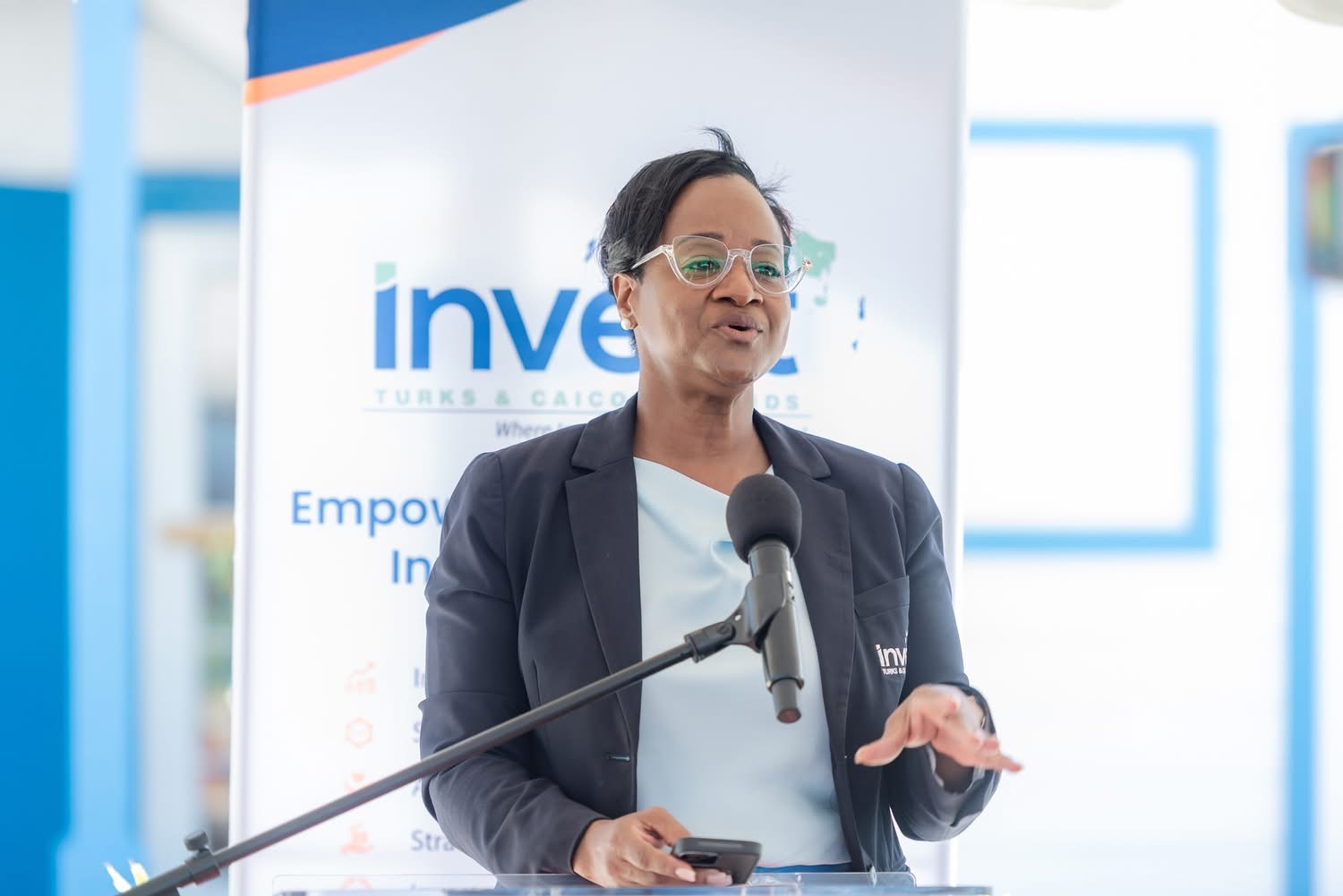 the tourism sector, creating more opportunities for MSMEs to reach visitors, increasing sales and participate more fully in the tourism economy. At the same time, it gives visitors greater access to authentic products that reflect the creativity and culture of the Turks and Caicos Islands.”
Supporting Local Enterprise and Tourism Linkages
Caya Hico Collective is expected to serve as an important platform for local entrepreneurs by increasing the visibility of locally produced goods, creating additional sales opportunities and providing visitors with greater access to authentic products from the Turks and Caicos Islands.
Through the storefront, Invest Turks and Caicos aims to encourage residents and visitors alike to discover, purchase and support locally made products, while creating a stronger connection between entrepreneurship, culture and the visitor experience in Grand Turk. The initiative is intended to increase opportunities for local businesses to benefit from tourism activity by connecting visitors directly with locally made products that showcase the creativity and talent of entrepreneurs across the Turks and Caicos Islands. This forms part of Invest Turks and Caicos’ broader commitment to promoting economic diversification, sustainable business development and stronger linkages between local enterprises and the tourism sector.
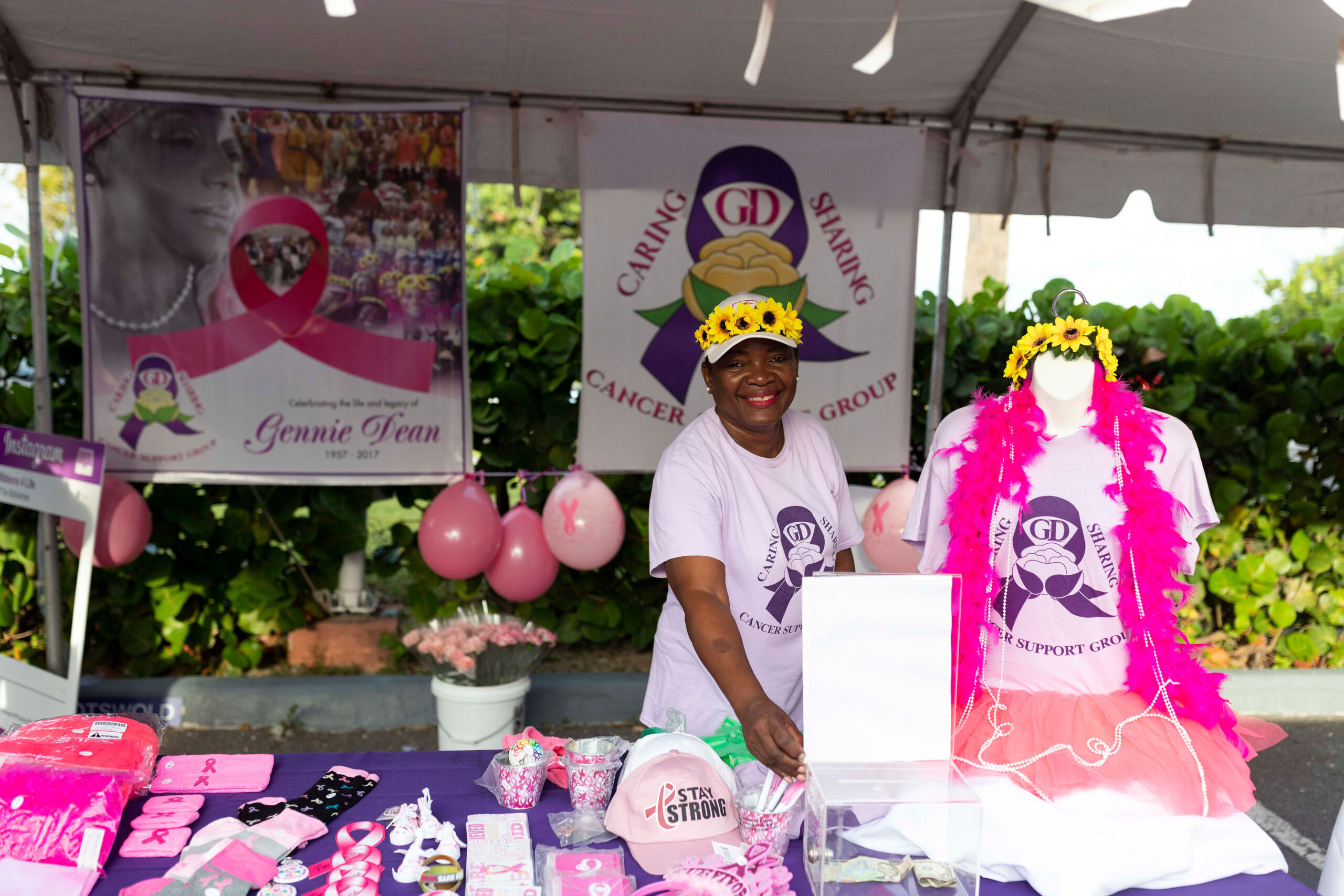
Nassau, Bahamas, 1 October 2026 – Every Saturday this month, communities across The Bahamas will take steps in support of cancer patients and survivors as CIBC Caribbean’s Walk for the Cure returns to New Providence, Abaco, Eleuthera, and Grand Bahama.
CIBC Caribbean Head of Country, Terrance Gibson, said, “Each Saturday in October represents another community coming together,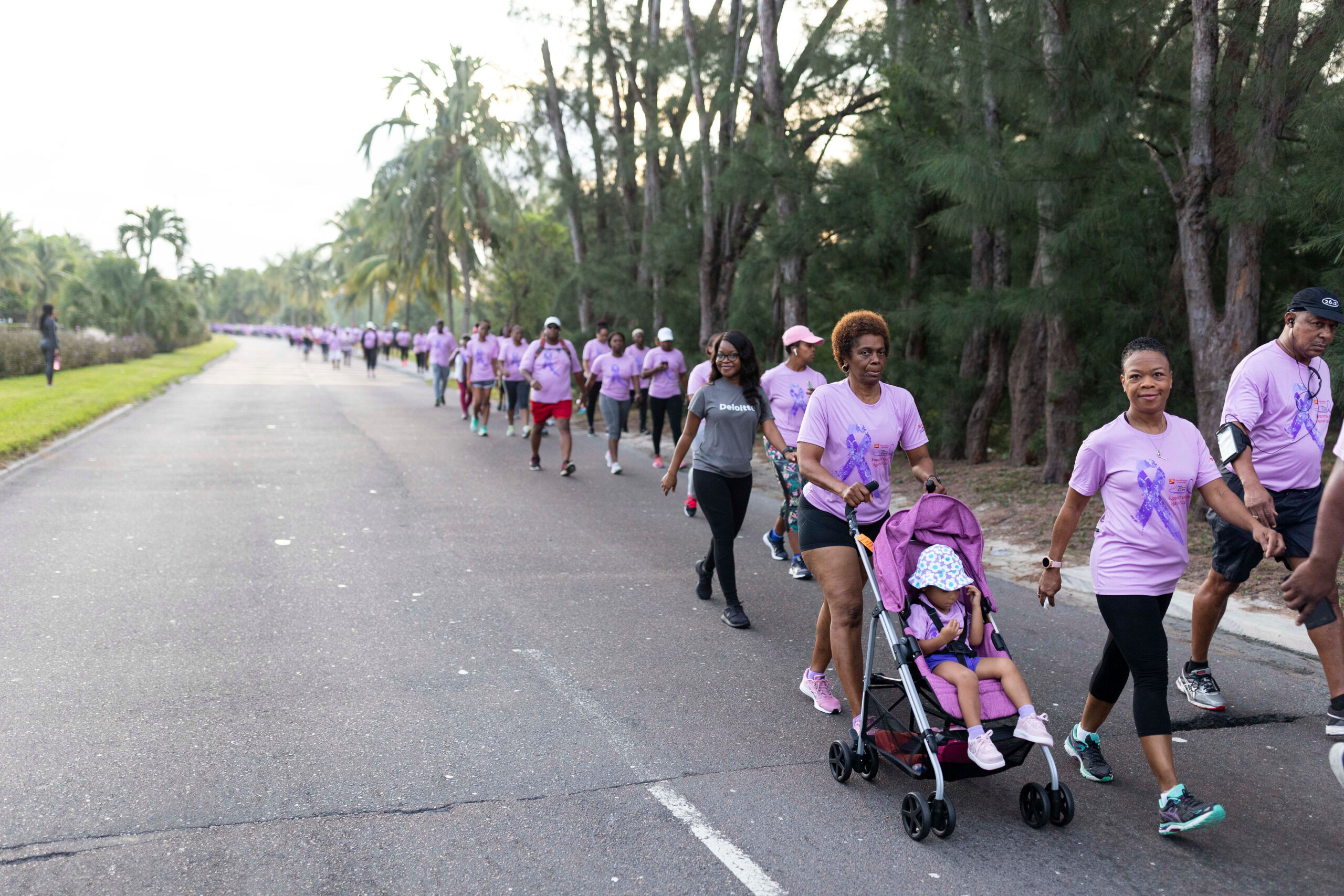 another opportunity to raise awareness and, most importantly, more support for the organizations that are doing this work every day.”
The month of activities begins this Saturday, October 3, in New Providence, with participants gathering at the Goodman’s Bay Corporate Centre for a 6:30am start.
CIBC Caribbean Walk Champion, Antionette Fox, said the series of walks gives communities across the country an opportunity to contribute to a cause that directly supports Bahamian cancer organizations.
“Every Saturday for the month of October, there will be a walk that you can participate in to contribute towards this worthy cause,” Fox said.
In New Providence, the morning will extend beyond the walk itself, with Zumba, wellness activities, informational vendors, and opportunities for participants to connect with organizations working directly with cancer patients and survivors.
Gennie Dean Caring and Sharing Cancer Support Group President Duquesa Dean said participants do not have to complete the full route to be part of the morning.
“Just come out…there is something for everyone, come for the community,” Dean said. “There’s a survivor ceremony, so come and participate and celebrate the people who have gone through cancer and are here as evidence that you could live after a cancer diagnosis.”
The Gennie Dean Caring and Sharing Cancer Support Group is one of eight cancer organizations in The Bahamas that benefit from funds raised through Walk for the Cure. The others are the Sister Sister Breast Cancer Support Groups of New Providence and Grand Bahama, Cancer Society of The Bahamas, the Cancer Societies of Abaco, Eleuthera, and Grand Bahama, and the Cancer Association of Grand Bahama.
Dean explained that CIBC Caribbean covers the cost of staging WFTC, allowing donations raised to support the work of beneficiary organizations.
For her organization, that assistance translates into tangible support for people navigating cancer, including food assistance, financial aid, prosthetic breasts, and mastectomy bras, as well as programs such as Step Into Wellness, which promotes movement and healthy living among cancer patients and survivors.
Corporate partners are also helping to strengthen this year’s effort. Bamboo Shack has joined the initiative as a gold sponsor, with representative Ghandi Pinder sharing that the cause has a personal significance for her.
Pinder recalled shaving her hair in solidarity with her sister after she was diagnosed with an aggressive form of breast cancer and began losing her hair during chemotherapy.
“We see you, we’re here with you, we’re in it with you,” Pinder said of Bamboo Shack’s message to those affected by cancer.
She also encouraged more of Corporate Bahamas to support initiatives that directly impact the communities they serve.
“At Bamboo Shack, we always say a better Bahamas begins with you… Together, we can make a difference,” she said.
Registration for Walk for the Cure is $30 for adults and $15 for children and can be completed at any CIBC Caribbean branch. CIBC Caribbean clients can also donate through online banking.
The New Providence Walk begins promptly at 6:30am on Saturday, October 3, at the Goodman’s Bay Corporate Centre, followed by Walk for the Cure events in other islands each Saturday throughout October. The Grand Bahama WFTC event will be held on October 10 and the Abaco and Eleuthera WFTC events will occur on October 17 and October 24 respectively.
Gibson added, “Some will walk for themselves, some in celebration of a survivor, and others in memory of someone they have lost. Whatever brings you to Walk for the Cure, every person who shows up becomes part of a much bigger expression of support for those affected by cancer.”





-
 Bahamas News1 week ago
The Bahamas Reaffirms Support for Ukraine at International Conference in Toronto
-

 Bahamas News1 week ago
Walk for the Cure Every Saturday This October
-

 News1 week ago
Invest Turks and Caicos Officially Opened Caya Hico Collective, Grand Turk MSME Storefront
-

 Health1 week ago
TCI Hospital Marks Breast Cancer Awareness Month 2026 with “Know. Check. Act. Support.” Campaign
-
 Health5 days ago
Cleveland Clinic First in Ohio to Perform Robotic Nipple-Sparing Mastectomy