
Caribbean News
Carnival Corporation Showcases Innovation, Sustainability and Destination Partnerships at the 30th Annual FCCA Cruise Conference


SINT MAARTEN – Oct. 31, 2024 – Carnival Corporation & plc, the world’s largest leisure travel company, participated in the 30th Annual Florida-Caribbean Cruise Association (FCCA) Cruise Conference & Trade Show held in St. Maarten last week. The company highlighted its dedication to enhancing guest experiences, fostering sustainable tourism and strengthening collaborations with Caribbean destinations.
Executives from Carnival Corporation’s global cruise brands, including Carnival Cruise Line, Princess Cruises, Holland America Line, Seabourn Cruise Line and AIDA Cruises, contributed to panel discussions that addressed critical issues for the future of the cruise industry. These discussions focused on improving guest experiences and destination offerings while supporting local economies and communities.
- John Padgett, President of Princess Cruises, shared insights during the Presidential Panel on leveraging advanced technology like Princess’ MedallionClass platform to deliver personalized guest experiences. Emphasizing the need to minimize guest hassle and maximize destination immersion, Padgett noted that innovations such as MedallionClass enable seamless guest interactions and help support an enhanced travel experience.
- Marie McKenzie, Senior Vice President of Government & Destination Affairs at Carnival Corporation, spoke during the Total Guest Experience Workshop. She emphasized Carnival’s longstanding commitment to working with Caribbean governments and other stakeholders to improve port facilities and destination amenities. McKenzie also stressed the importance of creating human interest stories that showcase the cruise industry’s benefits to local communities.
Participants at the Creation of a Successful Tour Product workshop included (L-R) Lee Kaylee of Virgin Voyages; Sandra Neffgen of AIDA Cruises; Priscilla Molina of Carnival Cruise Line; Hein Erasmus of Disney Cruise Line; Melissa De la Cruz of Royal Caribbean International; Melanie Casjens of Holland America Line and Seabourn Cruise Line; and Kelly Hubbard of Windstar Cruises.
- Melanie Carsjens, Director of Shore Excursion Operations & Product Development at Holland America Line and Seabourn Cruise Line, underscored the power of social media as an essential tool for promoting unique destination experiences. She encouraged local partners to use visuals to showcase authentic aspects of their destinations, which play a significant role in attracting new generations of travelers.
- Priscilla Molina, Director of Product Development, Shore Excursions at Carnival Cruise Line, outlined Carnival’s three guiding principles for tour partnerships: innovation, safety and collaborative problem-solving. She spoke to Carnival’s commitment to providing high-quality, unique shore excursions that reflect local culture and meet guest preferences for immersive experiences.
- Sandra Neffgen, Director of Shore Excursions at AIDA Cruises, advocated for proactive destination engagement and flexibility, emphasizing that adaptability is key in the face of weather or logistical challenges. Neffgen urged local partners to be prepared with alternative tour options to ensure a seamless guest experience despite weather or logistical difficulties arising.
The FCCA conference offered a unique blend of meetings, workshops and social events, providing attendees with opportunities to develop relationships, promote products and learn from approximately 100 executives from FCCA Member Lines. These executives determine ship calls, onboard offerings and how to invest in destinations and infrastructure.
The event provided an ideal platform for Carnival Corporation leaders to explore the future of cruising, highlighting their commitment to sustainable and innovative tourism that benefits local economies. Through open dialogue with governments and other tourism stakeholders, Carnival Corporation continues to lead industry efforts in building partnerships that advance the success of cruise lines and destinations alike in the Caribbean and beyond.
For more information about Carnival Corporation’s commitment to Caribbean tourism development, visit carnivalcorp.com.









MIAMI, Florida — Emotional testimony from Martine Moïse, the widow of assassinated Haitian President Jovenel Moïse, has given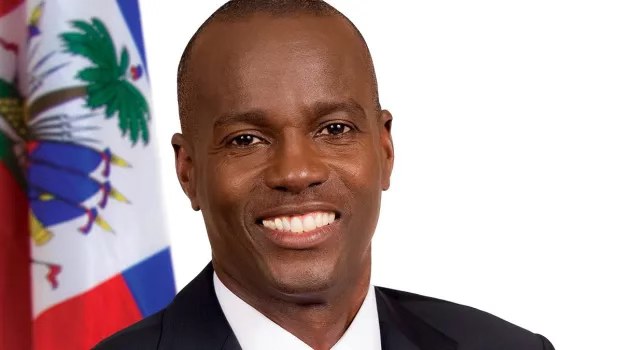 jurors in a U.S. federal courtroom a chilling account of the night gunmen stormed the presidential residence and killed the country’s leader.
Martine Moïse took the stand this week in Miami as part of the ongoing trial of several men accused of helping plan and finance the July 7, 2021 assassination, a crime that plunged Haiti into political crisis and remains only partially solved.
She told the court that armed men forced their way into the president’s private home in the hills above Port-au-Prince during the early morning hours, firing multiple shots at her husband while she lay beside him. She testified that she was also wounded in the attack and survived by pretending to be dead until the gunmen left the room.
According to prosecutors, the plot involved a group of foreign mercenaries, including former Colombian soldiers, along with Haitian and Haitian-American suspects. Investigators say some of the men believed the mission was to detain the president, but the operation turned into an assassination.
The Miami trial is focusing on the alleged role of South Florida businessmen and others accused of organizing or financing the plan, part of a wider international investigation that has stretched across several countries.
More than four years after the killing, the question of who ultimately ordered the assassination remains unanswered, with suspects still in custody in both Haiti and the United States as the case continues to unfold.
Angle by Deandrea Hamilton. Built with ChatGPT (AI). Magnetic Media — CAPTURING LIFE.

CARIBBEAN — Jamaica has become the 13th CARICOM member state to accede to the African Export-Import Bank Establishment Agreement, further strengthening economic ties between Africa and the Caribbean.
The development was confirmed during the 50th CARICOM Heads of Government Meeting, where an Afreximbank delegation led by George Elombi and Kanayo Awani met with Jamaica’s Prime Minister Andrew Holness to advance cooperation.
Prime Minister Holness thanked the bank for its support following Jamaica’s recent hurricane, noting that Afreximbank financing helped restore critical infrastructure including water, electricity, sewage systems and roads, while also assisting reconstruction efforts aimed at building stronger resilience to future disasters.
The meeting also focused on broader development opportunities tied to Jamaica’s membership in the agreement. Discussions included rebuilding and modernising infrastructure such as railways, hospitals and other public facilities, while strengthening regional transportation and trade networks to improve the movement of people and goods across the Caribbean.
Afreximbank has been expanding its presence in the Caribbean as part of its strategy to connect Africa with the region often referred to as “Global Africa.” The bank has already committed billions of dollars in financing and trade support to Caribbean economies in recent years, including funding for infrastructure, trade facilitation and private sector investment.
By joining the agreement, Jamaica gains expanded access to Afreximbank’s financial instruments, technical support and trade networks designed to promote commerce between Africa and CARICOM states.
Regional leaders say the growing partnership could unlock new opportunities in areas such as trade, logistics, tourism, manufacturing and cultural exchange, strengthening economic cooperation between the two regions with deep historical and diaspora ties.
Angle by Deandrea Hamilton. Built with ChatGPT (AI). Magnetic Media — CAPTURING LIFE.
Caribbean News
Liberty Caribbean Supports Regional Forum on AI, Cyber Resilience and Digital Inclusion

Port of Spain, TRINIDAD & TOBAGO (February 24, 2026) — Liberty Caribbean, the operators of Flow, Liberty Business and BTC, recently served as Gold-Level Partner of the two-day Trinidad and Tobago Internet Governance Forum (TTIGF), themed “The Innovation Paradox – Balancing Progress with Responsibility and Resilience”.
The Digital Divide is of particular interest to Liberty Caribbean and is being addressed through its Charitable Foundation across the region. Low broadband penetration in the Caribbean contributes to diminished opportunities for individuals, communities, and local economies, but with the support of funding partners, this gap can be addressed through a comprehensive programme – JUMP – that focuses on providing access, devices, and digital skills.
“Liberty Caribbean was proud to serve as Gold-Level Partner of the TTIGF because the conversations taking place here shape key digital policies for multiple stakeholders,” said Simone Martin-Sulgan, Vice President and General Manager, Flow Trinidad.
“As technology accelerates at an unprecedented pace, we must ensure that innovation strengthens our societies rather than fragments them. The theme, ‘The Innovation Paradox – Balancing Progress with Responsibility and Resilience,’ speaks directly to the work we do every day: building networks that are not only fast and reliable, but secure, inclusive and future-ready.”
Across the Caribbean, the digital divide remains one of the most pressing barriers to equitable growth. Low broadband penetration limits access to education, entrepreneurship and essential services, and that is why we are deeply committed to closing this gap.
Through the Liberty Caribbean Charitable Foundation and initiatives like the JUMP Programme, the company is expanding access to technology, affordable connectivity and digital skills training so that individuals and communities are empowered to participate fully in the digital economy.
Martin-Sulgan further stated “at Liberty Caribbean, we believe progress and responsibility must move in lock step. By investing in resilient networks, inclusive programmes and trusted partnerships, we are helping to build a Caribbean that is innovative, secure and prepared for the opportunities ahead.”
Topics covered during the Forum, with over 140 participants, included “Securing Critical Infrastructure”, Integrating AI into Digital Transformation”, “The Digital Divide”, The Human Cost of Innovation – Mental Health and Well-being in the Digital Age’, and AI, Cyber Resilience and Regional Innovation”.
Focused on the underlying mandate of the Conference theme thought leaders, innovators, policymakers, technologists, researchers, and community stakeholders were invited to explore how countries can evolve boldly without compromising values or long-term stability.
Photo Caption:
TTIGF – l-r Darren Campo, Regulatory & Compliance Officer; Yolande Agard-Simmons, Senior Manager Communications; and Kevon Swift, Senior Manager Government and Regulatory Affairs of Flow Trinidad in attendance at the Post Event Mixer at Caribbean Telecommunications Union’s Head Office in St Clair, Port of Spain





-

 Bahamas News2 days ago
Economic and Financial Experts Assess US-China Relations; Offer Advice for The Bahamas
-

 Caribbean News1 week ago
Jamaica Joins Afreximbank Agreement, Strengthening Africa–Caribbean Partnership
-
 Bahamas News2 days ago
Experts Analyze Economic Landscape; Opportunities and Challenges
-

 Caribbean News2 days ago
Widow’s Testimony Recounts Night Haiti President Was Killed
-
 News2 days ago
Beaches Resorts Announces Grand Opening of Treasure Beach Village at Beaches Turks and Caicos
-

 News2 days ago
North and Middle Caicos Students receive educational material from Sandals Foundation and Beaches Turks and Caicos resort
-

 Education2 days ago
Department of Education hosts 3rd Annual Local Studies Competition
-

 News2 days ago
Sandals Foundation Reading Road Trip with Canadian Broadcasters Creates Cultural Mix at Enid Capron Primary School