
News
“Our Sense of Security is at Risk: Is It Time for TCI to Rethink Gun Ownership?”

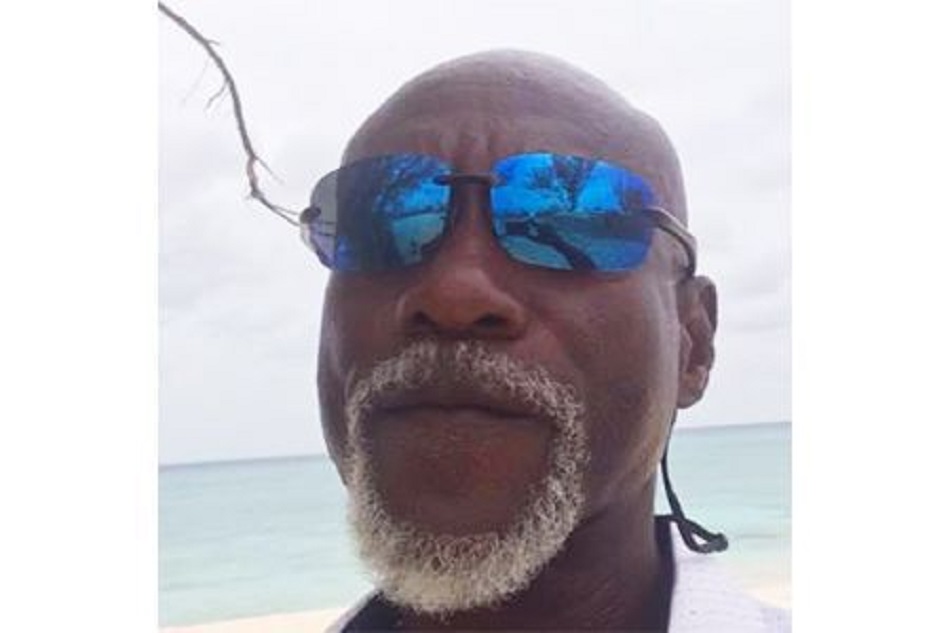
Turks and Caicos, September 5, 2024 – In the Turks and Caicos Islands, we find ourselves at a crossroads where the increasing wave of gun-related violence is shattering the sense of security that once defined our communities.
The question we must confront is whether law-abiding citizens should have the right to arm themselves in the face of these threats, or whether that decision would bring more harm than good.
It’s not about promoting a culture of guns in our beautiful by nature islands, but about acknowledging a harsh reality: crime is not just a problem in “other” parts of the community.
The violence we’re witnessing is no longer confined to distant headlines; it has reached our doorsteps, mentally and physically affecting us all, regardless of where we live.
The psychological impact of knowing that a crime has occurred close to home can be devastating, and the fear that the perpetrators remain at large only heightens this sense of insecurity.
Currently, only a very small fraction of our population is legally allowed to own firearms, leaving the rest of us vulnerable, sitting ducks in the face of potential attacks.
But does this mean that more people should be armed? Owning a gun, while providing a sense of security, also carries significant risks. The potential for tragic accidents or misuse is real, and the decision to own a firearm should be made with great caution. It’s a responsibility that should not be taken lightly.
Nevertheless, there is a compelling argument that criminals are deterred by the possibility of encountering an armed homeowner. Studies suggest that 74% of criminals avoid homes when they believe the residents may be armed. Yet, the mere presence of guns in a home introduces new risks, especially if they are not stored securely or used responsibly.
The debate over firearm ownership is not a simple one. It requires us to weigh the need for personal protection against the potential dangers that come with increased access to guns.
In the Turks and Caicos Islands, even less-lethal means of self-defense, such as Tasers and pepper spray, are currently restricted, leaving citizens with few options to protect themselves.
If we do move toward allowing more citizens to own firearms, it should come with strict regulations. Mandatory training, mental health evaluations, and regular recertification should be non-negotiable. This will ensure that only those who are fully capable of handling such responsibility are granted this right.
There are other alternatives that should not be overlooked.
Focusing on strengthening social controls—through community engagement, education, and economic support. Most importantly, providing real solutions to protect our wide open borders might offer an even more sustainable solution.
Ultimately, the question of whether expanding legal gun ownership is the right path for our islands is complex and fraught with challenges.
What is clear, however, is that the current situation—where violent crime is rising and citizens feel increasingly unsafe—is untenable. We must carefully evaluate our security needs and consider all options to protect our community before the situation deteriorates further.
Every country must assess its own circumstances and decide what’s in the best interest of its people. For us, that means having an honest conversation about the role of firearms or other deterrent devices in our society, and whether they are a necessary tool for our defense.
This should include taking a closer look at the arrest and conviction rate of the offenders to better determine whether or not this is prudent step or a danger toward more violence.
When it’s all said and done, the stakes are high, and the decisions we make now will shape the future of safety in the Turks and Caicos Islands.
Ed Forbes
Concerned Citizen



PHOTO BY SIXERS NATION
Bahamian pride is already on full display in South Florida, with fans arriving in strong numbers ahead of tonight’s highly anticipated NBA matchup featuring VJ Edgecombe and the Philadelphia 76ers.
Helping to power that movement was Bahamasair, which rolled out a strategic promotion to facilitate travel, turning the game into a full-scale national showing.
And the celebration started early.
A “Bahamas Invades Florida” pre-party over the weekend set the tone, with Bahamian fans, DJs and supporters converging in Fort Lauderdale to build momentum ahead of the game. The event, marketed as a major cultural gathering, has spilled into Miami, where a strong Bahamian presence is expected inside the arena tonight.
This is no ordinary road game.
The Sixers enter the matchup healthy and are favoured to win, adding to the anticipation surrounding what many expect to be a standout performance by the Biminite guard.
Edgecombe, the third overall pick in the 2025 NBA Draft, has been electric in his rookie season — delivering high-scoring performances and quickly establishing himself as one of the league’s most exciting young talents.
But beyond the stats, it’s the moment that matters.
With South Florida just a short flight away, Bahamians have seized the opportunity to show up in force — flags, energy and all — transforming the game into something far bigger than basketball.
A national turnout.
A rising star.
And a night where the Bahamas is expected to be felt — from tip-off to final buzzer.
Angle by Deandrea Hamilton. Built with ChatGPT (AI). Magnetic Media — CAPTURING LIFE.
News
Password to Paradise Radio Remotes at Beaches Turks & Caicos continue to highlight the TCI as the preferred Caribbean destination
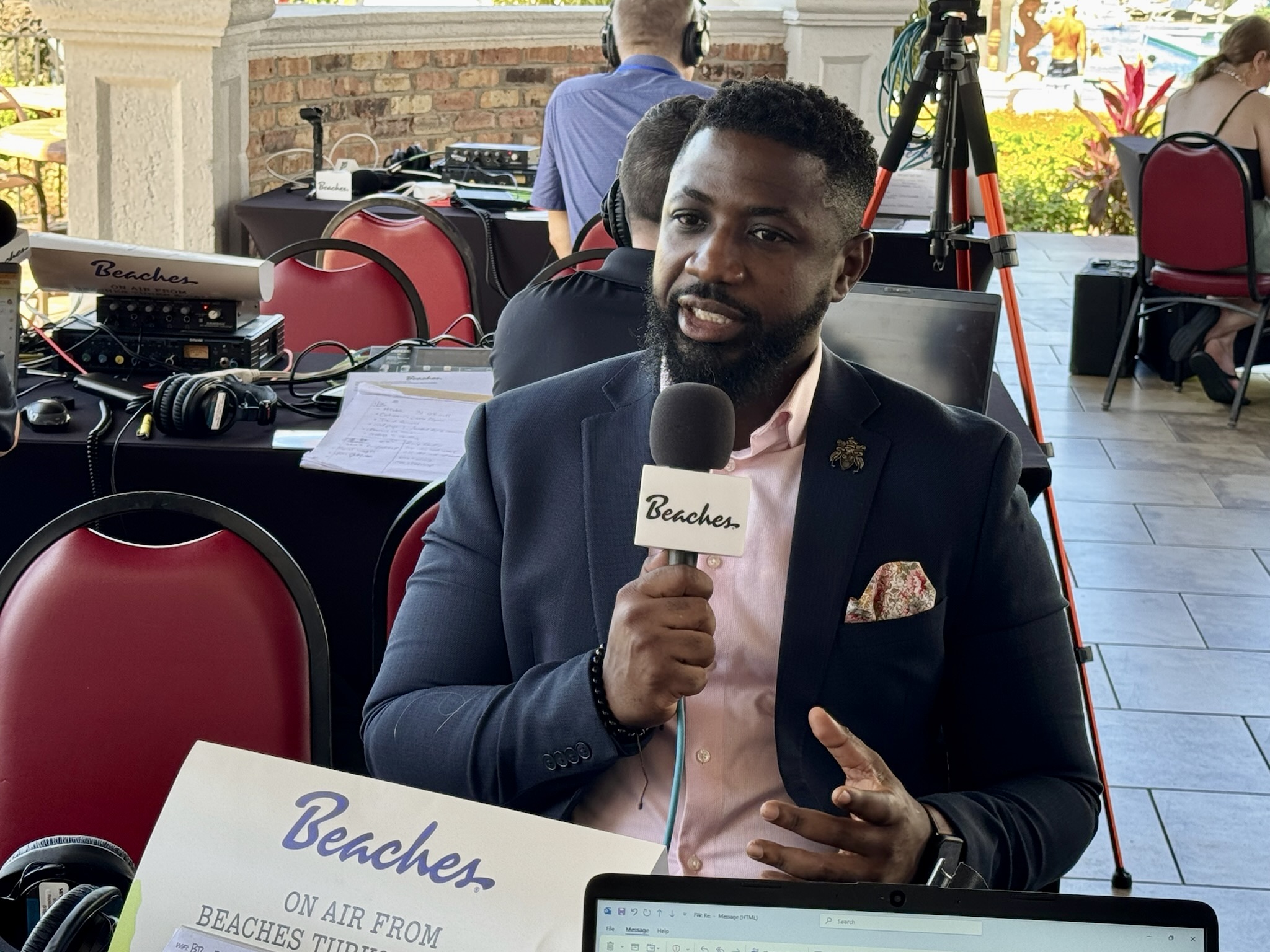
PROVIDENCIALES, Turks & Caicos Islands: — For two consecutive weeks, popular on‑air personalities set up remote studios on the sands of Grace Bay, turning Beaches Turks & Caicos into a live broadcast hub for North American listeners. Morning shows and drive‑time programmes all streamed directly from the resort, with hosts sharing first‑hand impressions of the islands’ beaches, culinary scene, and signature warm hospitality.
The broadcasts formed part of the “Password to Paradise” promotion, a multi‑station campaign that invited listeners to tune in for special on‑air codes for the chance to win all‑inclusive vacations to Beaches Turks and Caicos resort. Stations in major markets across the U.S. and Canada used the resort as their backdrop while encouraging audiences to “trade the cold for Turks and Caicos,” painting vivid pictures of turquoise waters and white‑sand shores with every break.
The “Password to Paradise” mission, already a proven radio promotion format in Canada and the U.S., took on new resonance when paired with live reports from the resort itself. Contest teasers, winner announcements, and social media reels featuring guests arriving in Turks and Caicos amplified the islands’ profile well beyond traditional print or digital advertising.
Tourism officials have welcomed the radio initiative as a timely boost to an already buoyant sector. Minister of Tourism, Agriculture, Fisheries and Environment, Hon. Zhavargo Jolly, emphasized the importance of partnerships that not only grow arrivals but also ensure that Turks and Caicos Islanders remain the primary beneficiaries of tourism’s success.
In commenting on the recent wave of live broadcasts and contests, Minister Jolly noted, “these visiting broadcasters have showcased the islands to millions of listeners across North America and underscored the “value added” to an economy that continues to expand on the strength of tourism.” He continued, “ sustained, experience‑driven campaigns like “Password to Paradise” align with the government’s broader strategy of attracting high‑value visitors while protecting the country’s natural assets and cultural heritage.”
The Turks and Caicos tourism product is widely described as a cornerstone of the national economy, as this sector continues to grow from strength to strength it will increase the number job creation for islanders.
Additionally, tourism leaders point to the long‑tail impact of being featured repeatedly across multiple radio brands, social channels and contest sites. Each on‑air mention, online clip and contest entry serves as an invitation to discover Turks and Caicos, reinforcing the islands’ reputation as a premier Caribbean destination at a time when global competition for tourists is intense.
For Beaches Turks and Caicos, the broadcasts were another opportunity to highlight its position as one of the region’s leading family‑friendly all‑inclusive resorts. DJs and hosts shared experiences from the resort’s multiple villages, expansive pools, waterpark attractions, and dining venues, giving listeners an authentic taste of the “Luxury Included” vacation concept from a guest’s point of view.
General Manager, Deryk Meany highlighted the resort’s partnership with the radio stations as he complemented a wider pattern of media collaborations that Turks and Caicos has pursued in recent years, from television features in major U.S. markets to digital campaigns showcasing the archipelago’s diverse islands. With the success of the latest “Password to Paradise” mission, industry insiders say the stage is set for more creative broadcast partnerships that leverage the power of storytelling to keep Turks and Caicos Islands firmly on the map.
News
Beaches Turks & Caicos adds four new PADI Dive Instructors to the cadre of professionals in the watersports department
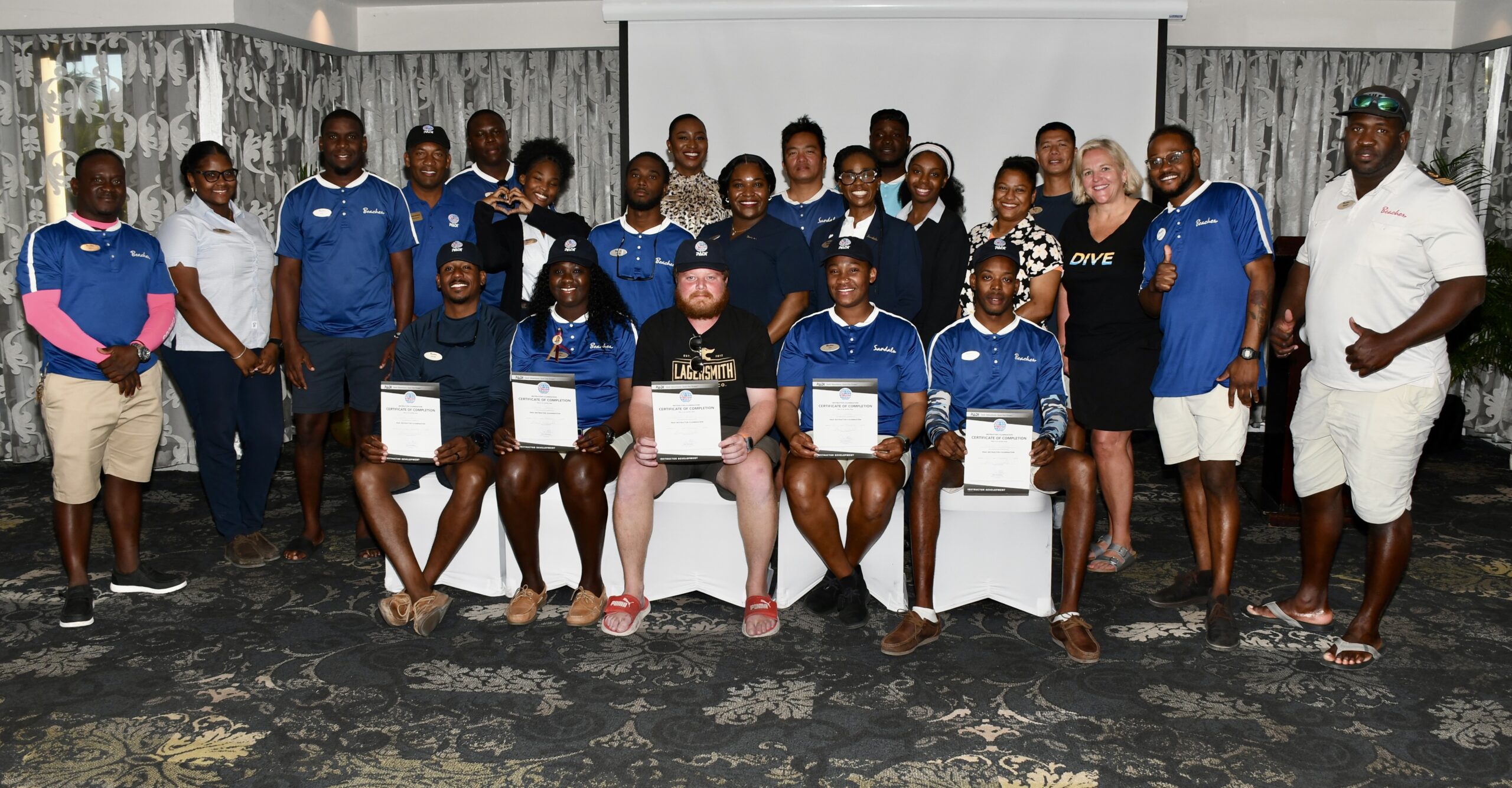
PROVIDENCIALES, Turks & Caicos Islands: — Beaches Turks & Caicos, a PADI-certified dive resort in Providenciales, continues to invest in its watersports team by training and certifying four team members to become qualified dive instructors to its operation. The resort operates one of the most comprehensive resort diving programmes in the region, offering on-site PADI courses and daily dives for guests of varying experience levels.
These latest certifications were conducted under the supervision of PADI Course Director and Dive Shop Manager Leonard Suckrajh, who is among an elite group of PADI professionals in the Caribbean. His role as course director allows the resort to deliver instructor-level training on property, further elevating the standard of safety, education and guest experience at the resort’s dive centre.
Suckrajh expressed his satisfaction with the commitment and professionalism demonstrated by the four new instructors, Almina Browne, Cicely Clarke, Andrew Dunkley and Boat Captain Tryston Sang throughout their training and assessment. “I am extremely proud of them,” he said. “They have invested significant time and effort in developing their technical competence and instructional skills and their achievement reflects a deep commitment to delivering safe, high-quality dive experiences for our guests.”
He noted that their performance reflects a strong culture of excellence within the watersports department and aligns with the resort’s long-standing emphasis on safety and training. “At Beaches Turks and Caicos, our objective is not only to train divers, but to develop highly responsible professionals who understand that every dive is grounded in safety, teamwork and respect for the marine environment,” he added. Suckrajh, whose own progression to course director spans more than two decades in watersports and diving within the Sandals and Beaches brands, said the new instructors represent “the next generation of leaders within our dive operation.”
General Manager, Deryk Meany, commended the level of collaboration required to guide four new instructors through the rigorous PADI process. “Attaining PADI instructor status is a demanding accomplishment that cannot be realized in isolation,” Meany said. “It requires the coordinated support of the dive shop, the wider watersports team, and the broader resort operation to ensure candidates have the necessary resources, time and mentorship to succeed.”
He emphasized that strengthening the cadre of certified instructors supports the resort’s commitment to excellence in guest service. “Each additional instructor enhances our capacity to offer guests a greater range of options, a higher degree of personal attention and consistently high safety standards,” Meany continued. “This milestone reinforces our position as a leading provider of family-friendly diving experiences in the Caribbean.”
Beaches Turks and Caicos is recognized for providing a wide spectrum of PADI courses on site, from Discover Scuba Diving and Open Water certification to advanced and specialty programmes. Previous training initiatives at the resort have resulted in many team members achieving PADI instructor status, significantly increasing both certification capacity and in-water safety oversight.





-

 News1 week ago
CARICOM – A Regional Club With Benefits; Turks & Caicos Wants In
-

 News1 day ago
Password to Paradise Radio Remotes at Beaches Turks & Caicos continue to highlight the TCI as the preferred Caribbean destination
-

 Health1 week ago
Turks and Caicos Islands Hospital Celebrates Patient Safety Awareness Month: “Team Up for Patient Safety”
-

 News2 days ago
Beaches Turks & Caicos adds four new PADI Dive Instructors to the cadre of professionals in the watersports department
-
 Health1 week ago
Turks and Caicos Islands Medical Association (TCIMA) Elects New Executive
-
 News2 days ago
Beaches Turks & Caicos shares fine dining experiences to high school students in Providenciales
-

 News6 days ago
Flow TCI supports ‘Stars of Tomorrow’ at Inter-Primary Track and Field Championships
-

 News6 days ago
ISU Community Caravan Delivers Essential Services to Granny Hill North