
Independent writer
Does the Turks and Caicos Islands Have the Mental Toughness to Go Independent?


Ed Forbes
Turks and Caicos, June 20, 2025 – When the winds of uncertainty blow, will the Turks and Caicos Islands (TCI) stand firm, or will we retreat into passivity? As we explore the question of independence, we must confront not just the external hurdles—but our internal fortitude.
True independence is not a ceremonial act. It is a national awakening. It requires leadership with vision, citizens with courage, and a culture that values collective responsibility over comfort.
As Barbadian Prime Minister Mia Mottley once declared, “True leadership is never about comfort. It is about calling, it is about timing, and it is about service.”
Leadership, however, cannot exist in a vacuum. The question is not whether someone will lead—but whether we, the people, are prepared to follow, support, and sacrifice alongside them.
It is easy to speak of sovereignty, but sovereignty without self-determination is merely symbolic. For independence to have meaning, we must first cultivate a society that takes responsibility for charting its own course. That process begins with honest reflection.
The reality is that the United Kingdom, through its appointed governors, serves its own strategic interests, not ours. They are not inherently malevolent, but they are not accountable to the people of TCI. That should not be a controversial observation, but a catalyst for rethinking our future.
Paradoxically, we are among the most educated populations in the Caribbean, yet our civic engagement particularly in politics, remains shallow. Why is that? Is it fear? Apathy? Or have we grown too comfortable in the margins, preferring silence to confrontation? Over the next five years, TCI will undergo a political reckoning. The 2029 election will not simply be a contest between the PNP and PDM. It will be shaped by tone, by national identity, and by a growing divide between rhetoric and results.
We must prepare the next generation not only to vote, but to lead. We need young people to believe that politics is not dirty, but necessary and that public service can still be honorable.
The foundation of any stable society is its ability to care for the most vulnerable. Yet poverty, both visible and hidden, persists in TCI.
It is a major contributor to both violent and white-collar crime. If we are to build a nation worthy of independence, we must address inequality head-on, investing in the sectors that sustain life like; agriculture, fishing, housing, trade schools and public infrastructure.
We must also reform how we engage foreign investors. Do we need more resorts and villas or smarter partnerships that empower our people and preserve our environment?
Key reforms include modernizing public services, establishing a digital identity system, fixing our immigration crisis, and ensuring everyone has a legal address for emergency services. These steps aren’t just administrative, they’re essential for sovereignty. It’s the only way to address our acute demographic challenges.
Premier Hon. Washington Misick has an opportunity to redefine his legacy. With renewed leadership and the political runway to make bold changes, the question is no longer about capacity, but will.
In the words of Goethe: “Property lost, something lost. Honour lost, much lost. Courage lost, everything lost.” We must not wait for leaders to demonstrate courage; they must be inspired by our collective will.
The path to independence is not paved with slogans, it is walked by a people determined to stand tall.
We must begin to chart our own course and create benchmarks. If not, I’m afraid the premises on which we have based our governance, policies and security on, will continue to be challenged, eroded or simply gone.
The million-dollar question is, do we have the mental toughness to do it? The answer lies not in our leaders, but in ourselves.





Turks and Caicos, October 31, 2026 – Once again, I feel compelled to put pen to paper on this matter. You don’t expect to slam your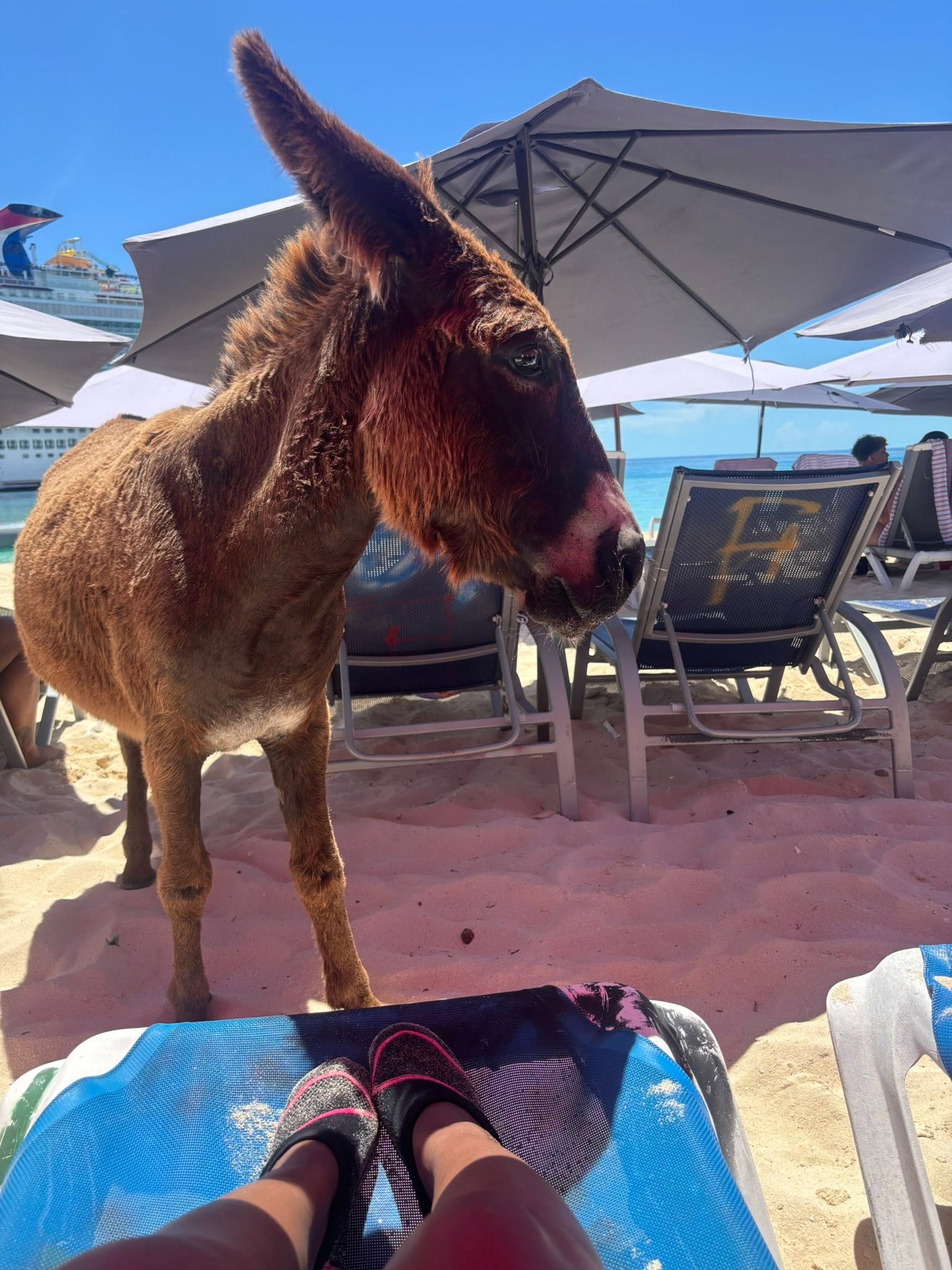 brakes in paradise. But in Grand Turk, it’s becoming routine.
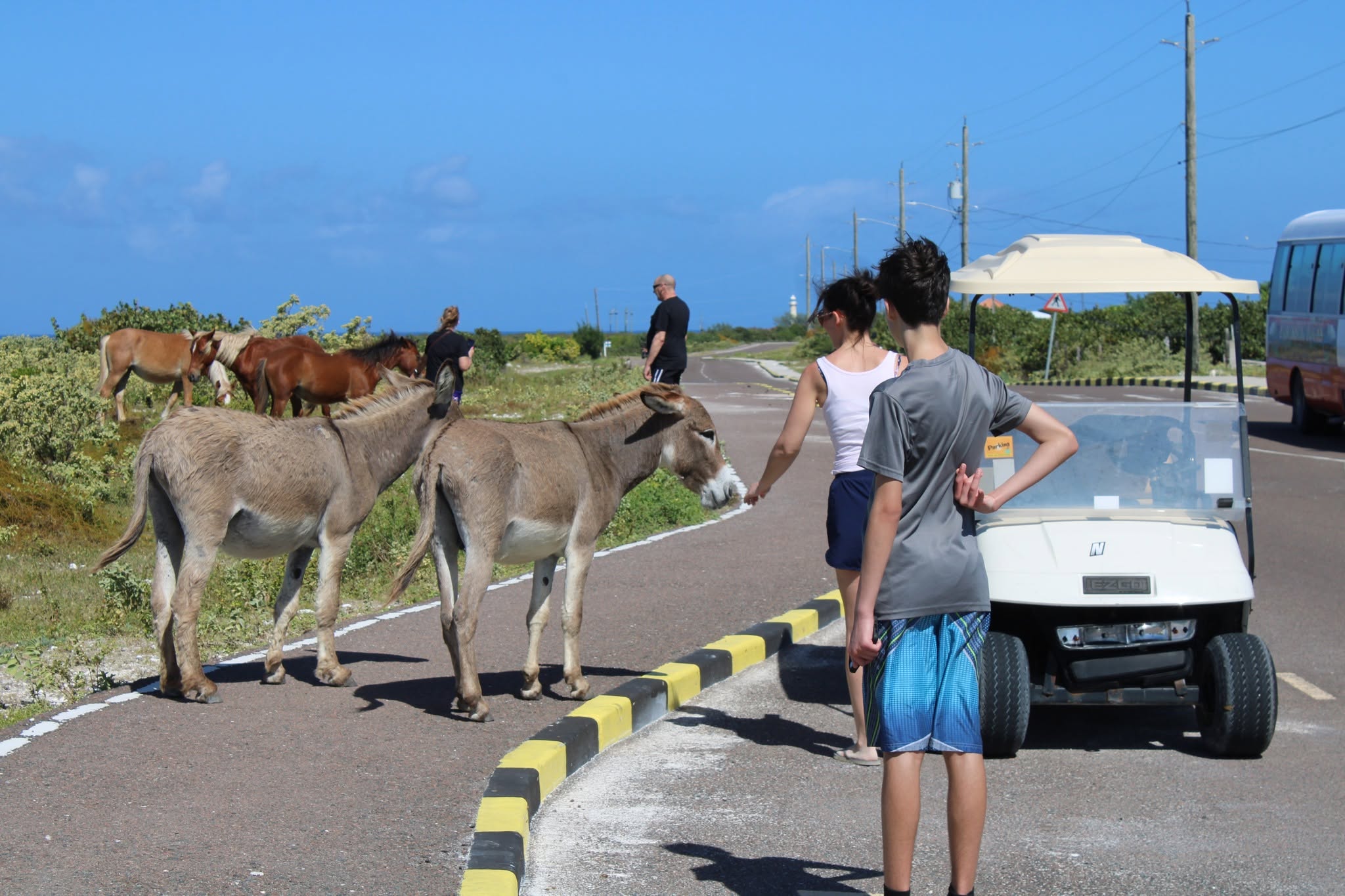
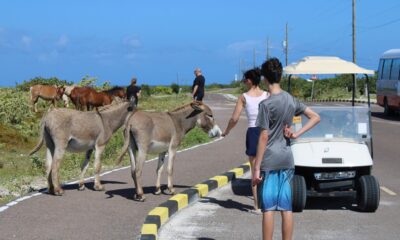
Donkeys roam along roadsides, darting into traffic, while packs of dogs linger around neighborhoods. Tourists and residents alike face dangerous encounters with animals that, while symbolic of Grand Turk’s identity, now pose very real threats to public safety and themselves.
I’ve had near misses myself, and I’m not alone. This is no longer simply an island charm issue; it’s an unfolding dilemma that demands attention.
Grand Turk has a long history of romanticizing its animals. Donkeys, once essential to the island’s salt trade in the 1800s, are now part of its distinctive character. Yet neither they nor the growing population of free-roaming dogs are being adequately managed.
Estimates place the donkey population at around 500 on an island measuring just 10.5 square miles, with approximately 4,000–5,000 residents and tourist numbers that can double on cruise ship days. Add dogs that are quasi-owned—fed occasionally out of pity or when they wander onto someone’s property, but rarely properly cared for or contained—and the scale of the problem becomes clearer.
Feeding a dog occasionally is not the same as taking responsibility for it. The same applies to owners who fail to provide adequate fencing, allowing their dogs to roam freely through neighborhoods and onto public roads. Responsible ownership requires more than occasional feeding; it means ensuring an animal’s welfare while protecting the wider community.
Tourists may marvel at roadside donkeys or follow a friendly dog to the beach. But they don’t necessarily witness the accidents, injuries, property damage, and scattered garbage. Nor do they see how open grazing areas are disappearing beneath roads, homes, and new developments.
So, whose space is it now? Are the animals invading ours, or are we gradually taking theirs, leaving less vegetation for them to feed on?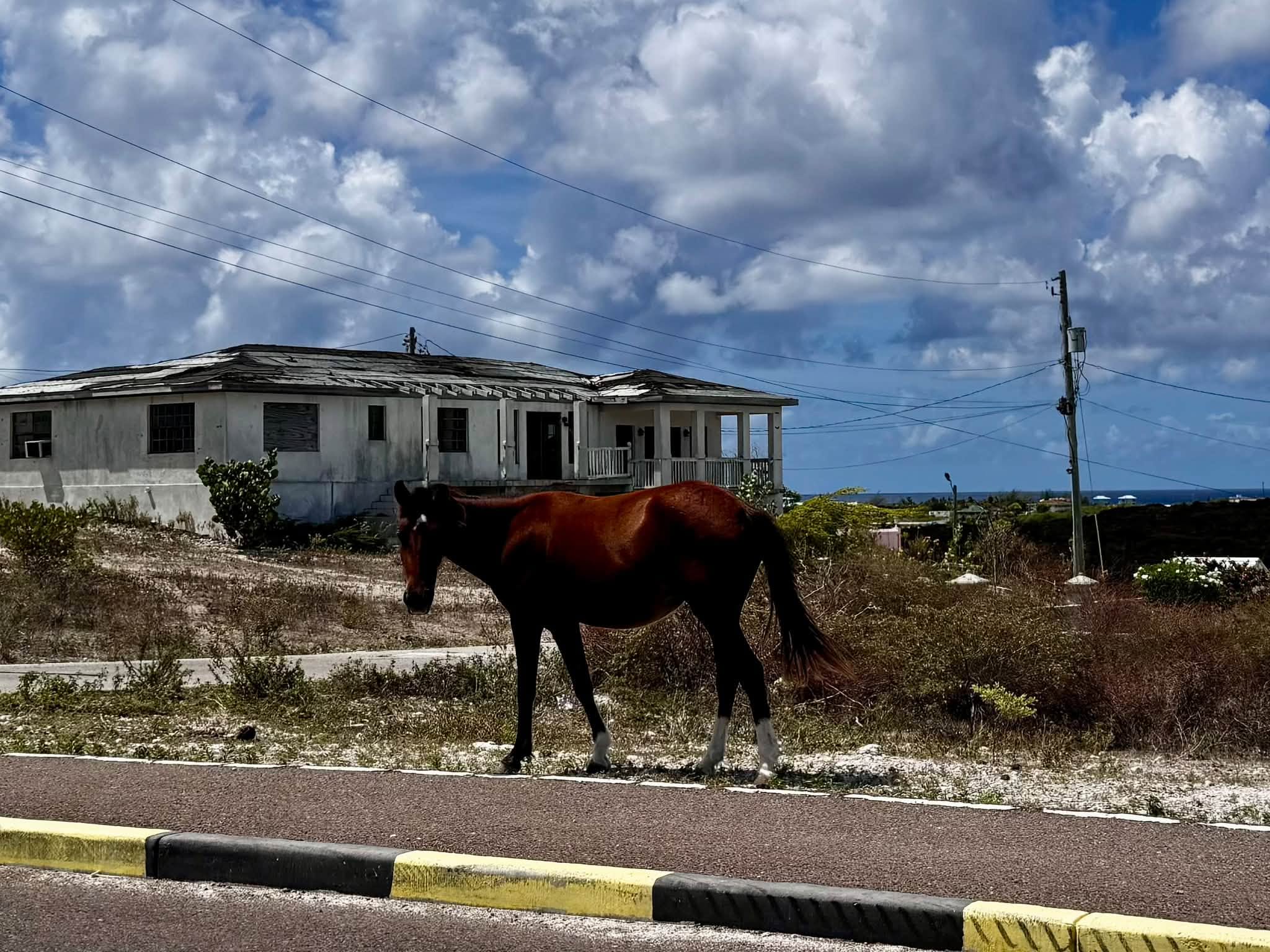
This is not simply a debate about animals. It is about responsibility, planning, and public safety.
Grand Turk’s Department of Agriculture faces a challenging predicament. The Turks & Caicos Society for the Prevention of Cruelty to Animals (TCSPCA) does what it can, but without adequate funding and government support, its capacity remains limited. Volunteers continue to step forward, yet goodwill alone cannot resolve a problem of this magnitude.
There are several suggestions from avid Hooves & Paws TCI volunteers: Establish satellite watering holes away from high-traffic areas, properly maintain existing ones, or explore the creation of a donkey sanctuary etc.
We have recently welcomed the long-awaited arrival of a full-time veterinarian, but that alone is not enough. Support vehicles, appropriate facilities, and equipment for the safe and humane capture and treatment of animals are also essential.
There is another uncomfortable question that deserves an answer: Is the Department investing in the training and resources needed for the humane euthanasia of severely injured animals when recovery is no longer possible, rather than leaving police officers to resort to shooting them?
There may be emergencies in which officers must act immediately to protect human life. However, emergency responses should not replace a properly funded animal management programme. Severely injured animals deserve a humane, professional response, with veterinary guidance wherever circumstances permit.
We have also heard concerning reports of animal mutilation. Such reports warrant serious attention and, where appropriate, proper investigation. Animal welfare must be part of this conversation, not an afterthought.
If Grand Turk wants to preserve its Beautiful by Nature identity, it needs more than slogans. It needs enforcement, practical solutions, and a willingness to acknowledge that some animals are suffering while others pose genuine dangers to residents and visitors.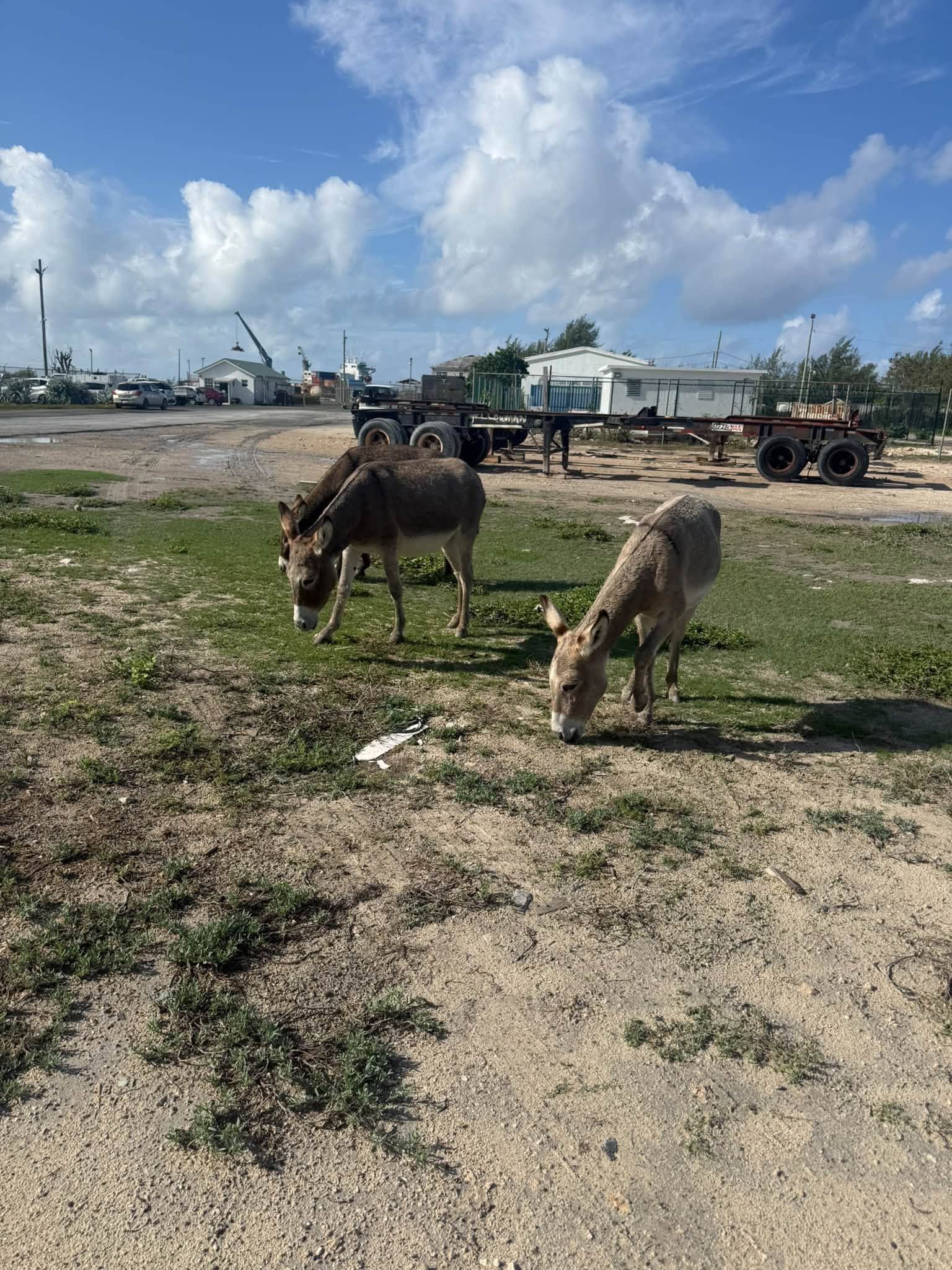
No one wants to strip the island of its character. Donkeys, dogs, horses, cows, and even the occasional roaming of goats or roosters contribute to the experience that makes Grand Turk memorable. But when charm becomes a hazard and beauty collides with danger, it is time to stop romanticizing the situation and start organizing around solutions.
There is no single, perfect answer. But continuing to do too little only increases the risk of more accidents, more suffering, and further damage to the environment we claim to cherish.
The wild can still be free, and humans and animals can coexist. But that balance requires responsible ownership, humane treatment, effective enforcement, adequate resources, and government leadership.
This administration must work alongside local volunteers, expatriate residents, animal welfare organizations, and the private sector to develop sustainable strategies before neglect leads to irreversible consequences.
Grand Turk’s animals are part of our heritage. Protecting that heritage means protecting the animals, the people who share this island with them, and the visitors who come here expecting paradise.
Ed Forbes
Bahamas News
Rosewood Exuma: A precedent-setting case for environmental law and future development in The Bahamas
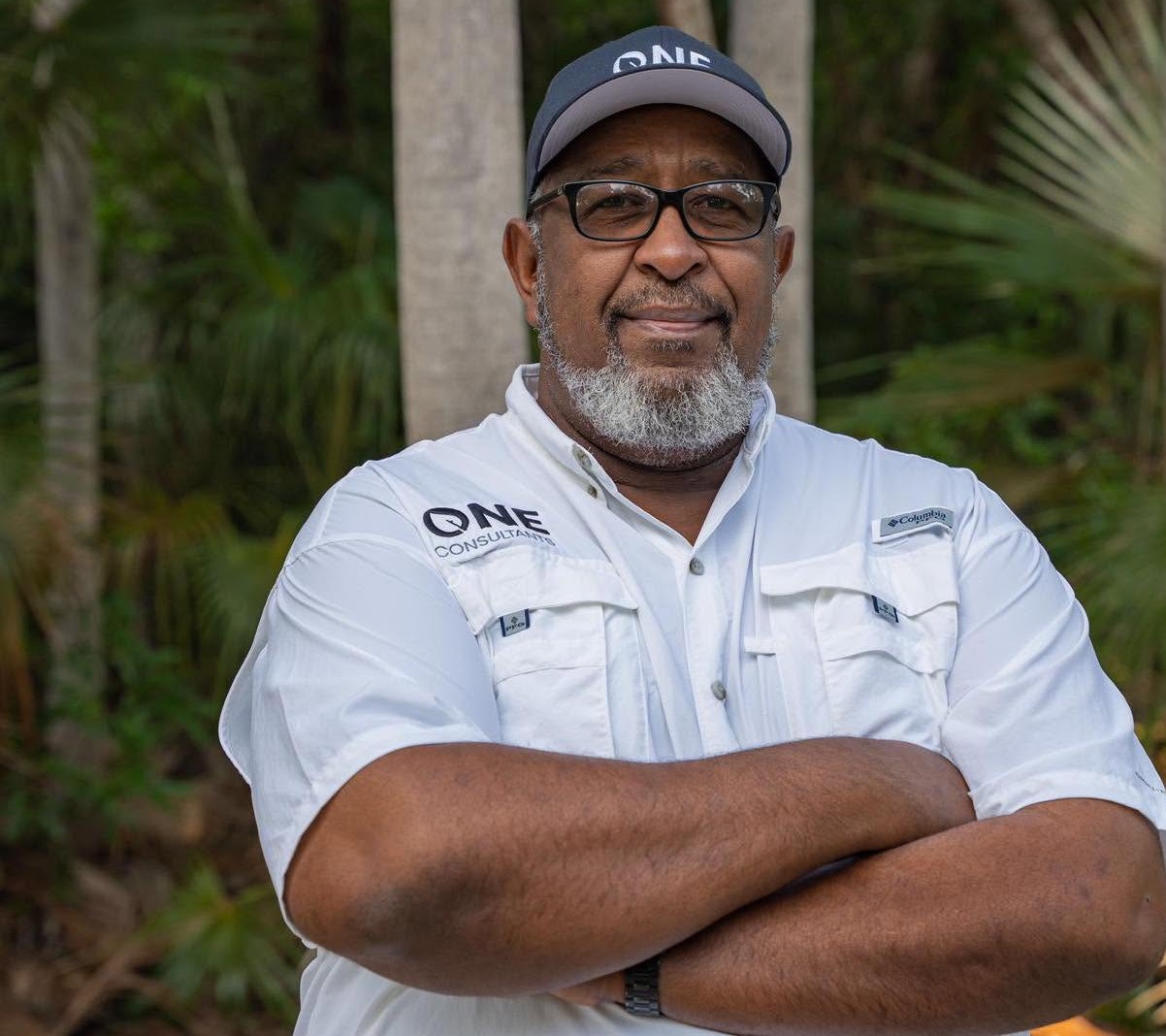
By Eric Carey, ONE Consultants, former Executive Director of the Bahamas National Trust.
We are facing an extraordinarily important moment in judicial history in The Bahamas as we await a decision on the trial of allegations in the Yntegra group’s Rosewood Exuma project.
As former Minister of the Environment, Romauld Ferreira, put it in the Supreme Court last week: “A lot is at stake…a great deal of what will be considered in this case sets the stage for what’s to come for future development in the country.”
In the trial of the judicial review of government approvals given to Yntegra for their Rosewood Exuma resort this week, we’ve heard technical arguments about failure to make key environmental documents like Yntegra’s Environmental Impact Assessment and Environmental Management Plan available to the public, failure of key documents to assess some of the most controversial aspects of the project, an unlawful consultation process, and a failure to conduct further consultation following major changes to the development.
Lawyers for Turtlegrass described how there was a “salami slicing” of the project into chunks as a way to circumvent the approvals process and disguise its full impact from public scrutiny. Only certain portions came before the public and key stakeholders like Turtlegrass and Over Yonder Cay for scrutiny, while some of the most controversial aspects did not. This is particularly problematic given what is at stake – the dredging of a beautiful Exuma bay, the North Bay, to transform it into an industrial shipping channel, complete with an enormous seawall, dock, back-of-house facilities and other industrial infrastructure.
It is unfortunate that it has had to come to this – an expensive judicial review process that calls out the government for falling down on its duties to protect the environment and follow the law – but it is important and the broader implications should not be overlooked. When Justice Leif Farquharson rules on this case, he’ll set a precedent that could echo in The Bahamas for years to come, one that answers the question: are the 2019 environmental laws that Ferreira took to parliament after many years of advocacy by environmentalists toothless tigers that are just for decoration – or are they capable of protecting the environment that we all depend on and the rights of those affected by projects to have a genuine say in them?
What is curious is that at the same time as these points are being raised in court as part of the judicial review, we are seeing personal attacks about Bob Coughlin – the person spearheading this legal action and test of environmental laws – by online trolls. Coughlin, an Exuma resident for almost a decade, has long been established as an environmental advocate and a passionate philanthropist – one who has donated almost $4 million to causes in The Bahamas since 2018, including millions to the organisation I once led, the Bahamas National Trust.
For reasons one can only speculate about, these trolls have been trying to make out all sorts of absurd things: that his legal action in support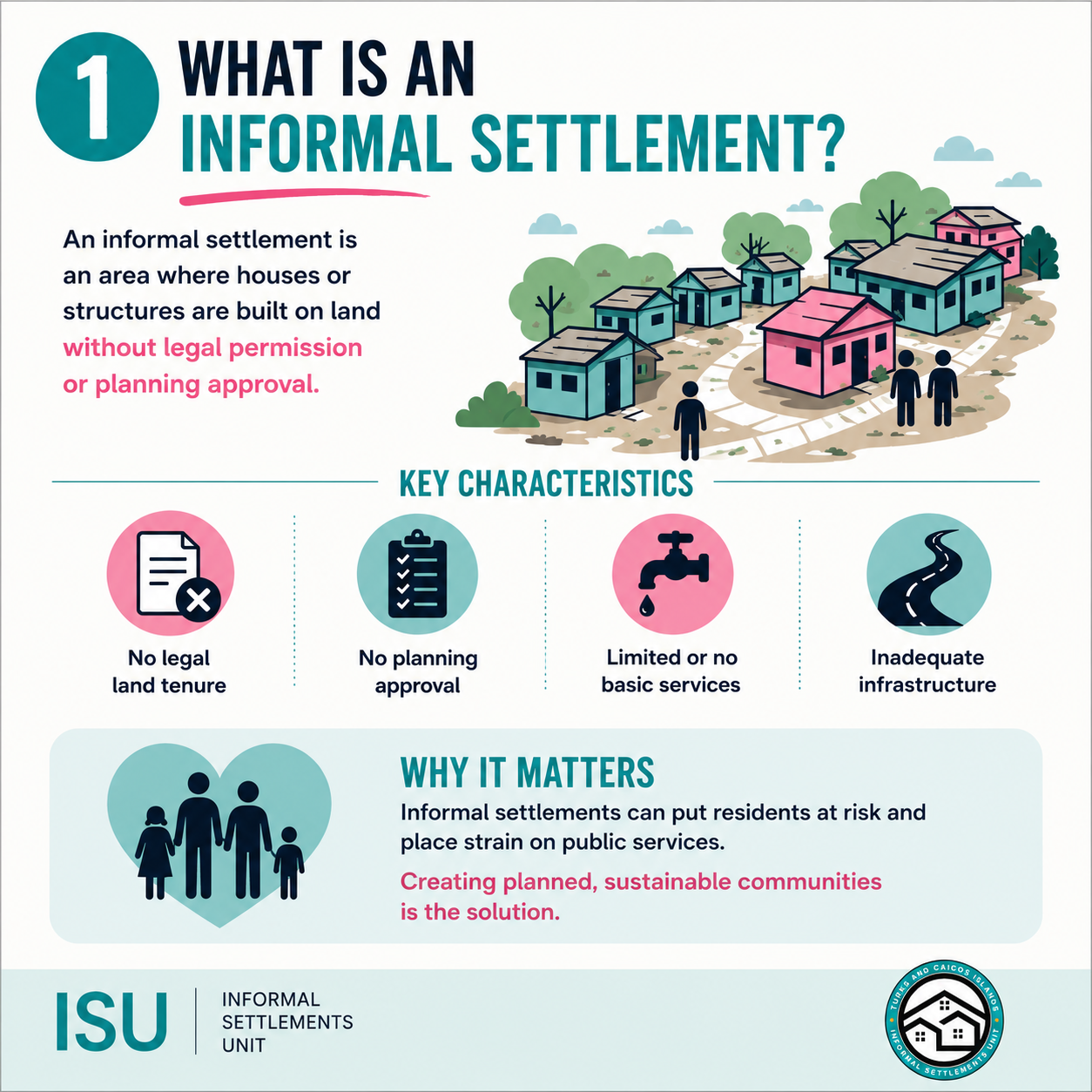 of environmental protection is a petty dispute born out of fears of competition. That Coughlin no longer even wants to pursue his eco-tourism project, when the reality is that he was forced to put it on hold because of the destructive environmental plans that are in dispute. That he is the only one who has an issue with this Rosewood Exuma resort, when in fact, neighbouring resort, Over Yonder Cay – one of the top rated resorts in the Caribbean – as well as the Save Exuma Alliance – consisting of most of the local islands and businesses in the Exuma area, and thousands of petition signers have expressed their concern with the project – over 9,000 to date. Most ironically, they claim, wrongly, that Coughlin received crown land for personal use, when in fact it is Yntegra who received crown land while having no development track record, when Coughlin instead bought his lease on Sampson Cay from a private owner.
The timing of these claims, in the week of the trial, suggest a patronising and cynical attempt to distract from the gravity of the case being heard, what it represents, and how important this decision is. With their simplistic, jingoistic and factually-dubious references to crown land, white foreigners, and the like – it’s not hard to imagine that those involved are engaged in a ploy to push the buttons of Bahamians who they apparently believe can be too easily distracted into ignoring the real issue here: that the government, has – in the words of those in the Supreme Court this week – “run roughshod” over environmental laws with its approvals for Yntegra’s Rosewood Exuma project and that this is truly a landmark case and the decision will have a long-lasting impact on future development. This is at a time when foreign direct investment (FDI) inflows into the Bahamian economy are forecast to increase by as much as two thirds over the next two years, according to the Inter-American Development Bank (IDB).
So I call on my fellow Bahamians to stay focused. This is not a story about one man – it is a story about the future we want for our country and whether we are willing to sacrifice our ability to demand environmental accountability in all developments moving forward. There is too much at stake to be thrown off the track by trolls.
As Ferreira says of the judicial review that now awaits Justice Leif Farquharson’s judgement: “This is the first set of litigation, serious litigation, that takes a deep dive into the Environmental Planning and Protection Act and the environmental impact assessment regulations…There’s a lot at stake here.”
Independent writer
Born Here, Raised Here, but Still Unable to Vote: Is this a Conundrum for TCI Electorate?
By Ed Forbes
The Turks and Caicos Islands faces a growing demographic and democratic question that can no longer be ignored: What happens to young people born and raised here who reach adulthood without qualifying for Turks and Caicos Islander Status, and what does this mean for our country’s future?
This is not simply an immigration issue. It concerns population growth, national identity, political representation and the future relationship between the people who call these Islands home and the system that determines who can participate in our democracy.
Consider a young person born in TCI, educated in our schools, raised in our communities and now working, paying taxes and contributing to the economy. At 18, that person may hold British Overseas Territories Citizenship (BOTC) but still lack Islander Status and, consequently, the eligibility required to register as an elector.
Section 55 of the Turks and Caicos Islands Constitution Order 2011 establishes the qualifications for voter registration, including the requirement to be a Turks and Caicos Islander. Being born here, growing up here or holding BOTC citizenship does not automatically satisfy that requirement.
Of course, birth in the Islands does not automatically confer Islander Status. The law provides different routes based on parental status, nationality, residence and other qualifying circumstances. We must respect those laws while asking whether they adequately address the realities of a population that has changed considerably over the past two decades.
The numbers make this discussion increasingly urgent.
According to Government population estimates, the TCI population grew from approximately 33,500 in 2011 to 47,674 in 2022. The Government’s 2025 projection placed it at approximately 52,299. That represents projected growth of roughly 56 per cent between 2011 and 2025.
Published demographic information has also suggested that fewer than one in four residents holds Islander Status. A separate comparison of the 2022 population estimate and the 2023 registered-elector list placed registered electors at approximately 19 per cent of the population.
These figures measure different things and come from different years. They should not be confused with the percentage of eligible voters who actually cast ballots. Nevertheless, they raise an important question: How will our electorate evolve as the population continues to grow?
We should not assume that every non-Islander resident is eligible for status, or that everyone without status was born here. Equally, we cannot ignore young people who may have spent their entire lives in these Islands yet remain outside the electorate because they cannot satisfy the existing requirements.
This situation did not begin yesterday. Children born here 15 or 20 years ago are now adults. Some may qualify under existing provisions but need assistance navigating the application process. Others may have no available route under current legislation. We need reliable figures to understand the scale of each group.
With the next general election roughly two and a half years away, the time to act is now.
The Government should not wait until an election is approaching to discover how many people may qualify to register, how many remain excluded and whether legislative changes are needed. Islander Status applications and potential legislative reforms can involve lengthy processes. Any necessary changes require legal examination, consultation and sufficient time for implementation.
I propose that the Government work with the Islander Status Commission, immigration authorities and the Elections Department to conduct a comprehensive review of TCI-born adults who do not hold Islander Status. The review should establish how many qualify under existing provisions, how many have been refused or cannot apply, and the specific legal barriers involved.
Where a lawful pathway already exists, the Government should make it clear and accessible. Where genuine gaps remain, it should consult the public on whether a defined pathway should be established for qualifying individuals born, educated and lawfully raised here, with appropriate safeguards.
This is not a call to grant status indiscriminately or disregard immigration controls. It is a call to examine the consequences of our existing framework and determine whether it serves the long-term interests of the Turks and Caicos Islands.
Let’s face it, a growing migrant population, an ageing Islander community and successive generations of young people whose electoral eligibility may be restricted present questions that deserve serious, evidence-based consideration.
We cannot change the past, but we can decide whether to confront this issue today or leave it for another generation. I strongly believe, voting eligibility is more than a right; it is a pathway to inclusion and a stake in our country’s future.
The question is no longer whether this deserves public discussion. It is whether we are prepared to begin in time to make informed decisions before the next election and beyond.
The clock is ticking. Let us establish the facts, examine the law and find a fair, lawful and sustainable way forward.





-

 Bahamas News3 days ago
Federal Investigation into Florida Turnpike Tragedy that Killed Three Children of Bahamian Mother
-
 News4 days ago
Joyful Collaboration between 2 Regional Foundations Uplifts Tourism Professionals in Turks & Caicos
-
 News1 week ago
Multi-Agency Enforcement Exercise Targets Illegal Occupation of Crown Land in Five Cays
-
 Independent writer1 day ago
Wild, Free, and Out of Control: Grand Turk’s Animal Debacle Is No Island Secret