
News
Is this Economy Working for You?


Sean R. Astwood
Turks and Caicos, September 5, 2024 – In recent years, the widening gap between economic prosperity and the struggles of the average person has become impossible to ignore. While corporations report record profits and government boast about surplus after surplus, many families find themselves grappling with the harsh realities of everyday life. Rising costs of living, stagnant wages that do not keep up with inflation, and an ever-increasing burden of debt have created an environment where prosperity in the Turks and Caicos Islands (TCI) feels like a distant memory.
The financial strain on everyday people is getting worse. Each month, thousands of households face the daunting task of balancing their finances. Rent and mortgage payments consume a significant portion of their income, leaving little room for essentials like groceries, healthcare, and education. A recent small random survey of average working TCIs revealed that nearly 60% would struggle to cover an unexpected $300 expense. This statistic highlights a deeper issue: the fragility of financial security for the average person.
Inflation continues to erode buying power, making it harder to afford basic necessities. Gas prices fluctuate unpredictably, and grocery bills have surged, forcing families to make tough choices about what to buy and what to go without. The burden of loans from banks and other financial companies with insanely high interest rates, along with continuous medical expenses, weighs heavily on TCI families, many of whom feel trapped in a cycle of financial instability that is causing widespread stress. I also spoke with a cross section of persons near retirement age, private and public sector workers, who have expressed that they are not able to retire. Higher interest rates have significantly increased their monthly mortgage payments, while their salaries remain stagnant. The fear of losing home ownership post-retirement is real.
As these pressures mount, feelings of hopelessness are spreading across. Many people feel overwhelmed by their financial situations. This despair is not just economic; it affects communities. Reports of mental health struggles are on the rise, although they are often underreported social interactions and community ties, leading to a general sense of disillusionment with our political system, and causing some to buy into the false narrative that all politicians and political parties are the same.
People are questioning whether their voices matter in a system that seems to prioritize the interests of big business over the welfare of its people. Cries for help are met with silence from the government, promises made during the last elections campaign have been quickly forgotten, leaving many feeling that their efforts are futile. The notion that hard work leads to success has become increasingly elusive, and the promise of upward mobility feels like a cruel joke.
However, in this bleak landscape, there is a flicker of hope on the horizon. As we approach the next elections, the opportunity for change is near. A new government, one that prioritizes the needs of the man on the streets over big business, could bring a renewed sense of optimism.
As a candidate, I am focused on implementing policies that address wage stagnation, affordable housing, crime and border security, healthcare and immigration reform, the full implementation of e-government and true prosperity for all TCIs. These well-thought-out policies and programs resonate deeply with a populace weary of empty promises. It is time to think big and act boldly for our people and our country. The possibility of a government that truly represents the interests of its people will soon be realized.
By voting for candidates who prioritize economic reform and social equity, you can reclaim your dreams and begin to rebuild your lives. Your power as a voter cannot be underestimated; it has the potential to reshape our economy into one that works for everyone, not just the privileged few. That is why my plan to designate certain sectors of the economy for TCIs only is so important. Under my plan, specific sectors of the economy will be exclusively owned and operated by Turks and Caicos Islanders. This means that all shares, business licenses, company assets, bank accounts, and profits will be 100% TCI-owned.
Under this plan, expatriates would be limited to acting solely as financiers, offering loans to TCI-owned companies without holding any ownership stakes. This approach will address the challenge of access to capital for TCIs, which has been one of the biggest hurdles to locals starting, operating, and expanding their businesses. It will promote greater local business ownership and growth. My plan will also be the final solution to “fronting,” which has historically undermined the efforts of successive governments.
As we stand at this crossroads, let us harness our frustrations and channel them into a movement for change. Together, we can create a future where financial security is not a luxury but a right for all. It is time to turn the tide and reclaim the narrative of hope for the average man and woman in our society.
The journey may be long, but with determination and unity, a brighter economic future is within reach.
It’s time for TCIs!


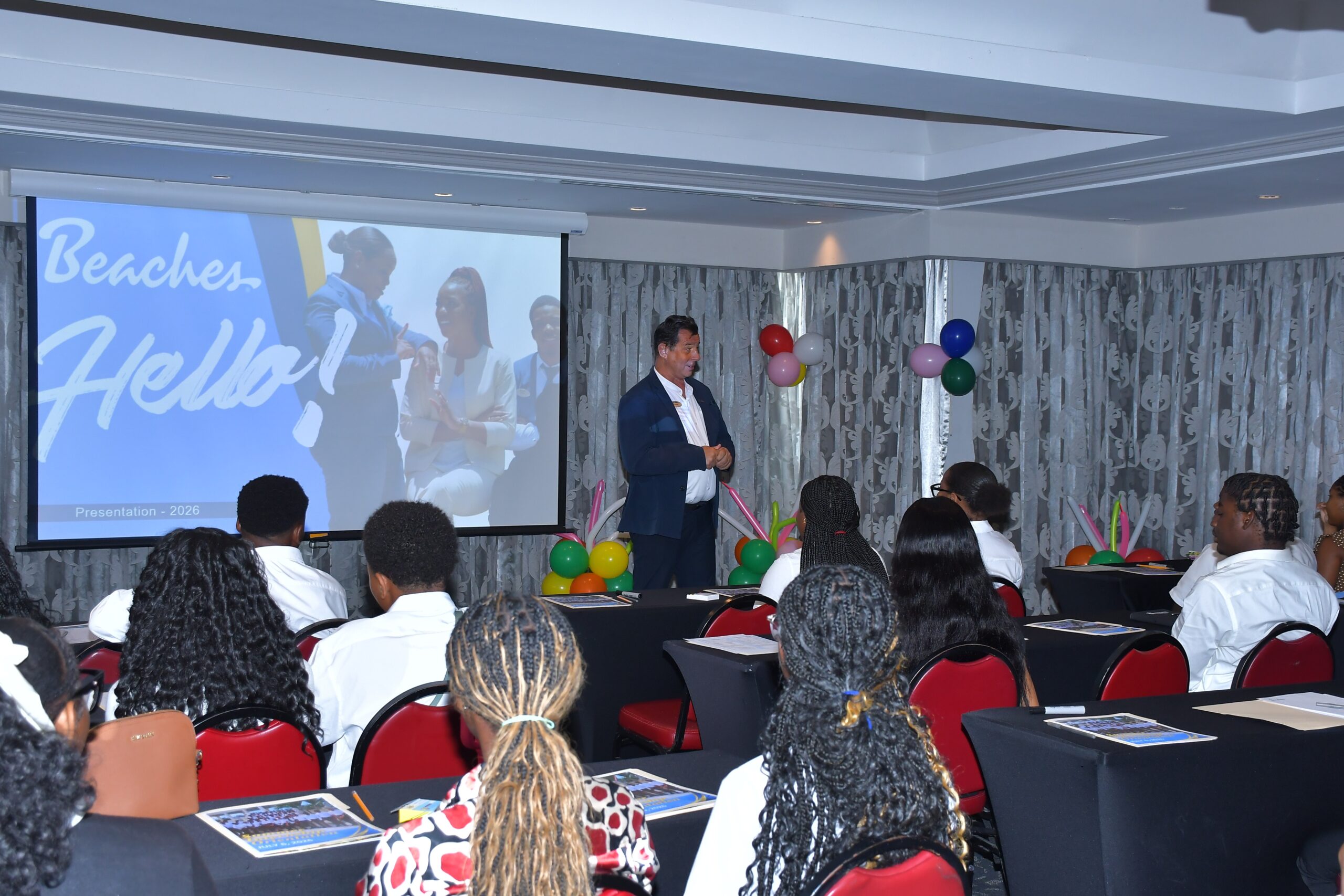
PROVIDENCIALES, Turks & Caicos Islands: — Beaches Turks and Caicos Resort has launched its 2026 Summer Internship Programme with a record-breaking cohort of 111 high school and tertiary-level students, marking the largest intake in recent years.
The six-week programme, which runs from July 6 to August 14, 2026, is designed to give young Turks and Caicos Islanders hands-on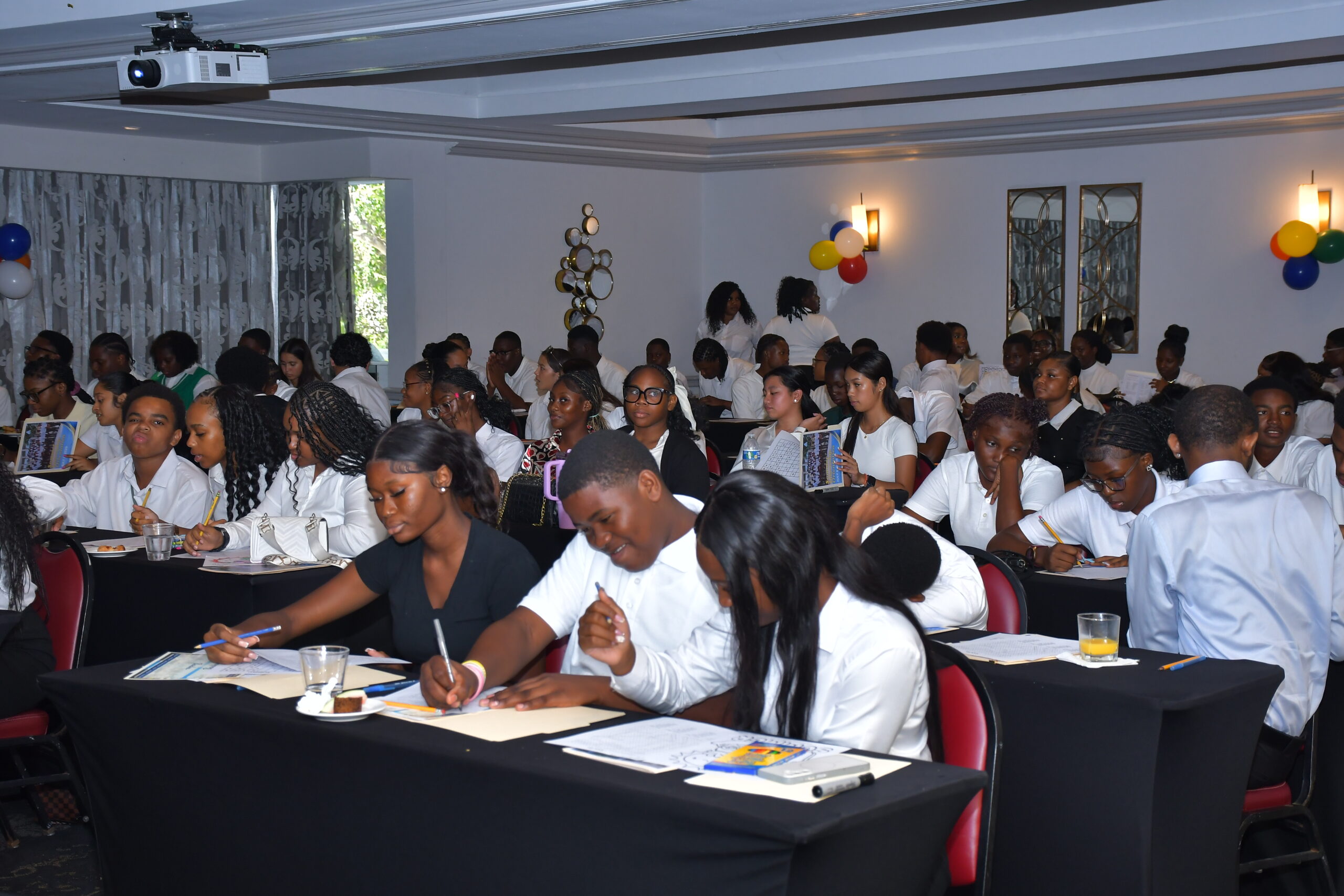 exposure to the hospitality industry across a wide range of departments.
Human Resources Recruitment Specialist Fitzroy Virgo highlighted the programme’s growing significance, “this is the largest cohort we have had in recent times. We currently have 111 participants with a waiting list of almost another 100. We are happy that we have been able to attract some of the brightest and best young minds in the Turks and Caicos Islands as we have interns from Providenciales, North and South Caicos Islands.”
Virgo also noted that the programme goes beyond technical training, incorporating soft skills workshops in financial literacy, customer service, résumé writing and brand and image management.
General Manager Deryk Meany praised the human resources and training teams for the programme’s sustained growth. “The success of this programme has allowed us to grow each year as we continue to build a conducive learning environment for aspiring professionals in the hospitality industry throughout the Turks and Caicos Islands,” Meany said.
He noted that many of this year’s interns were first introduced to Beaches through educational tours facilitated by the Sandals Foundation. “We are excited to provide training in the various areas but more importantly to train them in the soft skills areas that will allow them to be more marketable after they experience this internship programme.”
Among the interns is Maranatha Academy fifth form student Vernae Handfield, who has set her sights on the culinary arts. “My dream is to explore the culinary world and to be a Michelin chef in the future — hence my reason for wanting to start my experience here at the largest resort in the Turks and Caicos Islands,” Handfield shared. “I’m looking forward to learning from all these experts who have many years of experience in the different cuisines.”
For others, the programme offers a bridge between classroom theory and real-world application. Keiser University accounting major Sean Astwood II said the opportunity is perfectly aligned with his academic goals. “I want to be able to put into practice my theoretical knowledge into the field of accounting and eventually auditing. Getting the opportunity here at Beaches Turks and Caicos Resort is the perfect environment for me to start to build my skills. I’m grateful for this experience to be immersed into this dynamic working environment.”
The programme has also fostered a culture of return, with several interns participating for multiple consecutive years — a testament to the quality and lasting impact of the experience. As Beaches Turks and Caicos continues to expand its community engagement through hospitality education, the 2026 cohort stands as a powerful reflection of the resort’s commitment to developing local talent and strengthening the Turks and Caicos Islands’ hospitality workforce for years to come.
Photo Insert: A section of the audience at the Beaches Turks and Caicos 2026 summer internship programme at the Caribbean Village conference room
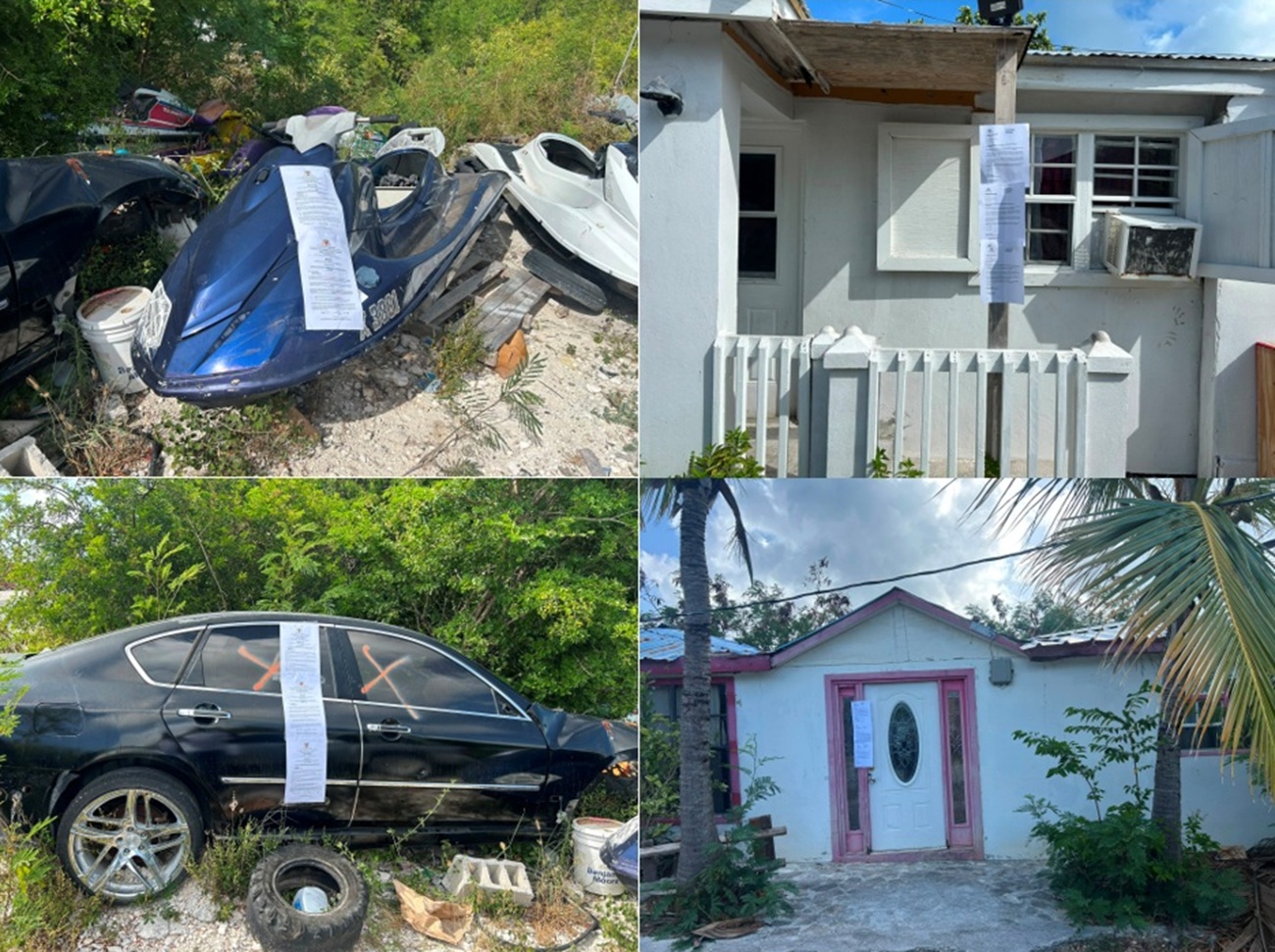
Providenciales, Turks and Caicos Islands, July 9, 2026- The Crown Land Unit, with coordination and support from the Informal Settlements Unit (ISU), conducted a multi-agency enforcement exercise in the Blue Hills area off Tom Lightbourne Road and opposite the dump on Thursday, July 2, 2026, as part of the Government’s ongoing efforts to protect Crown land from illegal occupation and encroachment.
The operation brought together representatives from the Crown Land Unit, the ISU, the Planning Department and the Royal Turks and Caicos Islands Police Force who provided security for the exercise. Following a briefing, inspections were carried out across a number of parcels of Crown land where illegal structures and other unauthorised uses had been identified.
During the exercise, officers served a total of eleven (11) Letters of Illegal Occupation to occupied structures, while six (6) Section 22 Notices of Unauthorised Occupation were issued in accordance with the provisions of the Crown Land Act. In addition to illegally constructed buildings, notices were also issued in relation to the unauthorised placement of vehicles, boats and a jet ski on Crown land. Where occupants were not present, notices were affixed to the relevant structures or locations.
The Government of the Turks and Caicos Islands reminds the public that occupying or otherwise using Crown land without lawful authority is an offence under the Crown Land Act. These inspections and enforcement activities form part of a sustained programme aimed at safeguarding public lands, discouraging unlawful development and ensuring that Crown land is managed in the best interests of the people of the Turks and Caicos Islands.
The Crown Land Unit will continue to work closely with its partner agencies to identify and address instances of illegal occupation across the Islands. Persons occupying Crown land without authorisation are encouraged to comply with all notices issued and to seek guidance from the relevant authorities where necessary.
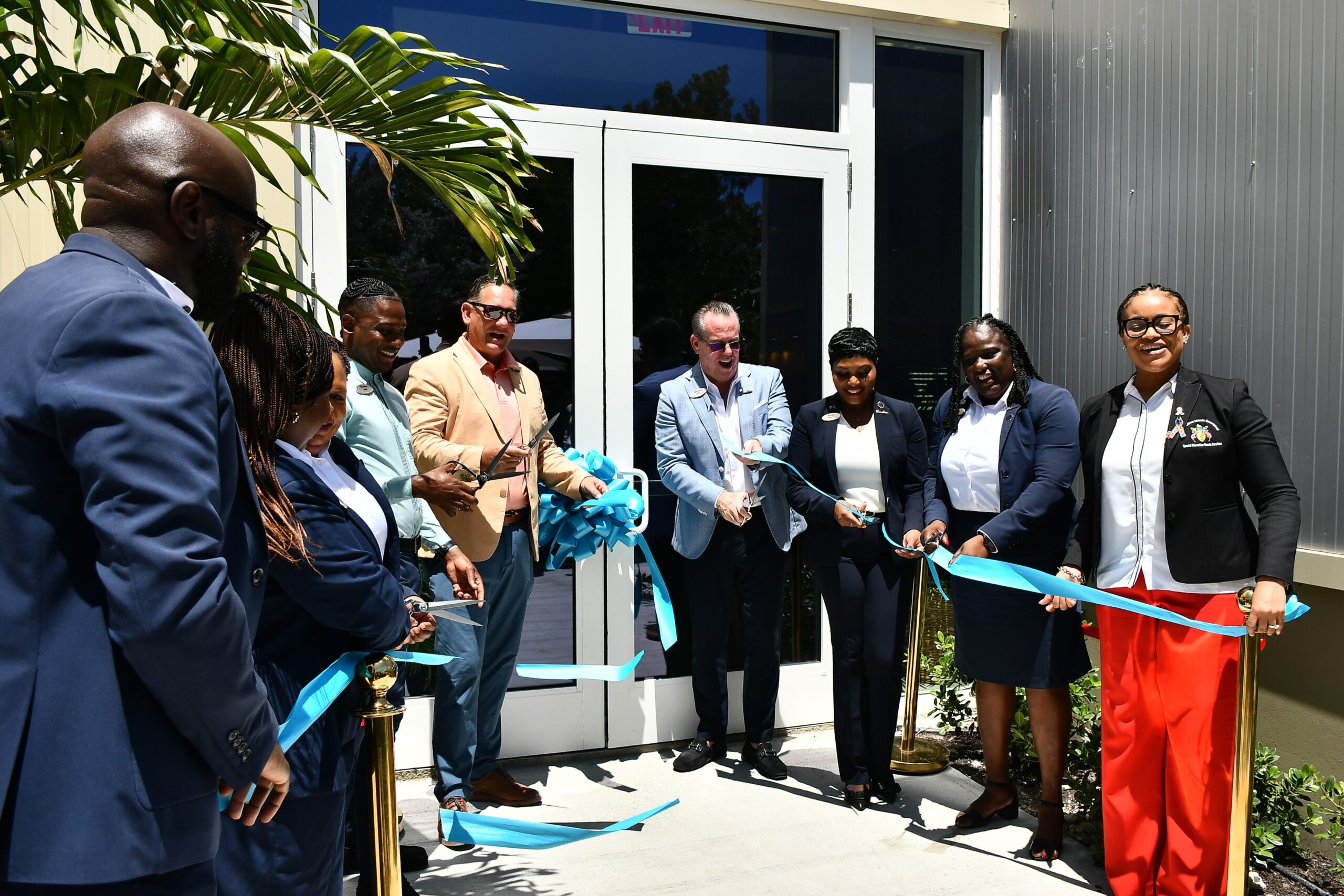
PROVIDENCIALES, Turks & Caicos Islands: — Beaches Turks and Caicos has officially unveiled its newly constructed Team Member Welcome Centre, marking a significant milestone in the resort’s ongoing Beaches 2.0 transformation.
The new facility, introduced as part of phase one of the development, is designed to centralize essential services and amenities for team members while elevating comfort, convenience and overall workplace satisfaction. The space now houses a state-of-the-art cafeteria, a multimedia training room, the human resources department, expanded locker and changing facilities and an automated banking machine- creating a comprehensive, one-stop hub for team members.
Speaking at the opening, General Manager Deryk Meany emphasized the broader vision behind the investment and its alignment with the brand’s evolution.
“This is one more step in Beaches 2.0 being consistent, providing personalized service and taking it to the next level for our team members to be comfortable. I want my team to know that this resort is the most ideal place to work and we are invested in their comfort and wellbeing” Meany stated.
The initiative reflects a growing recognition within the hospitality sector that employee experience is connected to guest satisfaction. Beaches Turks and Caicos has prioritized modern infrastructure and staff focused amenities to strengthen team engagement while reinforcing its reputation as a leading employer in the Turks and Caicos Islands.
Regional Managing Director James McAnally described the Welcome Centre as a space for employees’ well-being and operational excellence.
“This project is a long-term plan that was designed to provide comfort for every team member,” McAnally said. “The new dining space can rival fine dining restaurants on the island. We have provided the best for our team and we want them to enjoy the amenities as we continue to enhance the family atmosphere at Beaches Turks and Caicos.”
The restaurant which is a standout feature of the new facility, offers a modern dining experience with upgraded seating, contemporary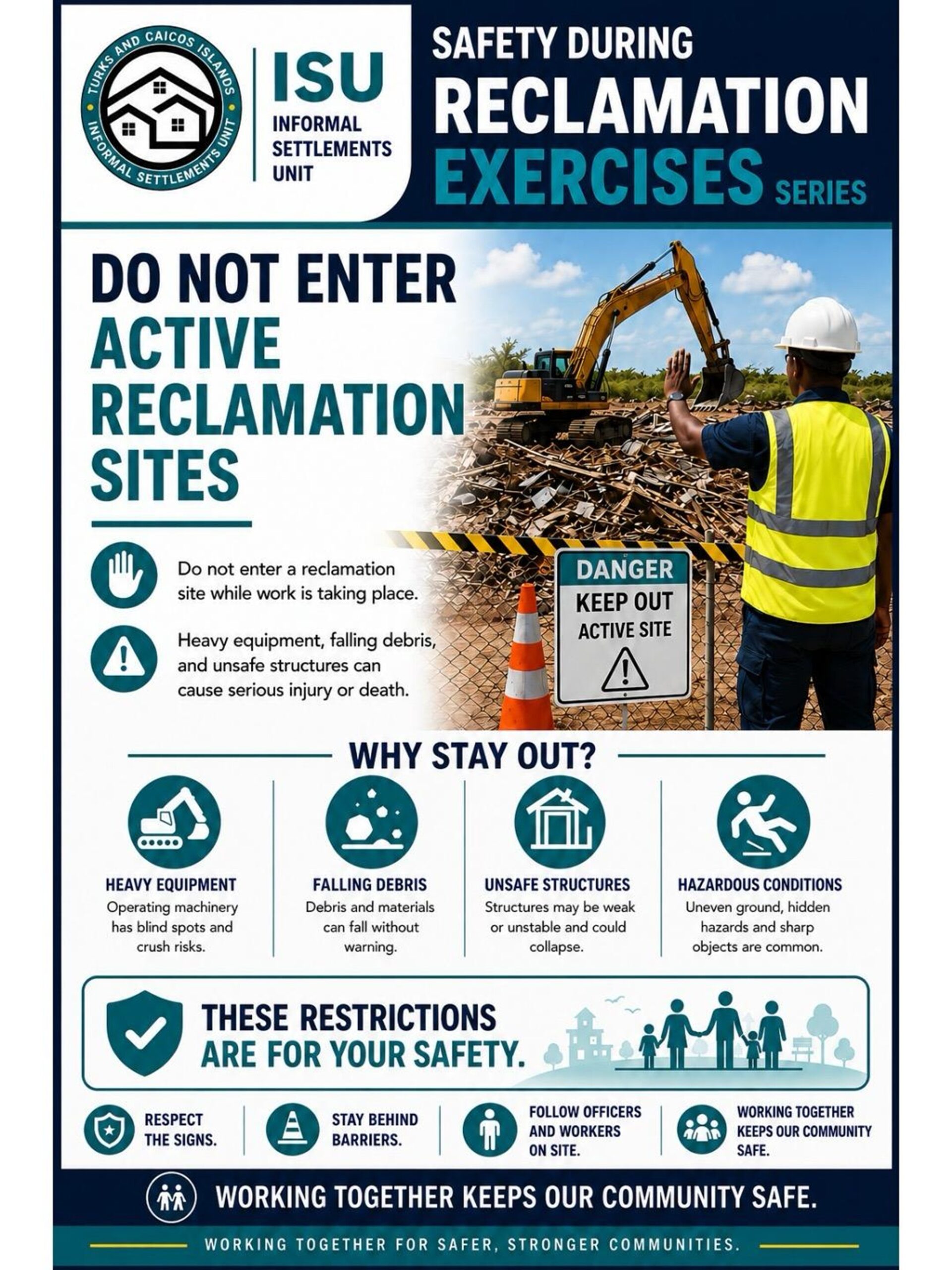 finishes and an enhanced menu selection. Designed with both functionality and aesthetics in mind, the space reflects the resort’s commitment to quality for its team.
In addition to dining, the multimedia training room introduces advanced learning capabilities, supporting ongoing team development through interactive and technology-driven training sessions. The inclusion of human resources within the same complex further streamlines comprehensive space for staff related services, while the expanded locker and changing areas address a conducive working facilities space for the team.
Long-serving team member Carlton Salmon praised the development, noting its impact on morale and daily operations.
“This place is simply amazing,” Salmon shared.
“The style and design are similar to the new Treasure Beach Village. This is Beaches 2.0. Every team member has given positive ratings for not only the food, but the one-stop shop idea.”
The Welcome Centre’s opening signals more than just a physical upgrade. It shows that Beaches Turks and Caicos continues to position itself as a forward-thinking leader in Caribbean hospitality.
As phase one comes to fruition, anticipation is already building for future enhancements under the Beaches 2.0 initiative, which aims to further integrate innovation, community support and elevated service standards across the resort.
PHOTO CAPTION: The official ribbon cutting at the Welcome Centre has (l-r) Curtis Lee, Hotel Manager, Phildreka Campbell, Learning and Development Manager, Patricia Talbot, Restaurant Manager, Javain Campbell, Diamond team member, James McAnally, Regional Managing Director, Deryk Meany, General Manager, Owenta Coleby, Human Resources Manager, Tanya Swann, Executive Assistant Manager Treasure Beach Village, and Dr Anya Malcolm-Gibbs, Director of Special Education Needs Services





-

 Caribbean News1 week ago
Sandals® and Beaches® Resorts Launch Rebranded Loyalty Program, ‘Island Insiders Club’
-
 News1 week ago
Beaches Turks & Caicos resort hosts high school tourism clubs from Providenciales and North Caicos
-
 Caribbean News6 days ago
Returning Haitians Could Be the Answer Haiti Has Been Praying For
-
 News1 week ago
Community Comes Together as ISU Community Engagement Exercise Delivers Essential Services in Kew Town
-
 Health6 days ago
Turks & Caicos Hotel and Tourism Association Secures Landmark Health Insurance Partnership for Tourism Workforce
-
 News6 days ago
COURT DENIES BAIL; MISICK, HANCHELL AND CHAL MISICK TO REMAIN BEHIND BARS DURING APPEAL
-

 News6 days ago
Turks & Caicos Visitors Spend $670 Million in 90 Days as Survey Reveals Top Resorts
-

 Bahamas News4 days ago
Prime Minister Commissions Completed Rooftop Solar Installations at UB