
Bahamas News
Guardians of the Deep: With Training from PIMS, Key Government Staff Become PADI Certified Divers


Dr. Craig Dahlgren
Aug 9, 2024 – NASSAU | In a landmark initiative to protect coral reefs and nurture environmental stewardship, the Perry Institute for Marine Science (PIMS), in collaboration with the Bahamian government is spearheading a program to provide key government officials with scuba training.
The initiative aims to elevate the conservation skills and awareness of young professionals in government regulatory departments. These individuals, integral to ministries dedicated to marine research and conservation, are regarded as key to the country’s environmental future.
Dr. Craig Dahlgren, executive director of PIMS, said: “We see so much potential in these individuals. Armed with the right tools and training, they can lead transformative efforts to protect Bahamian marine environments for future generations. This partnership is an embodiment of that shared vision.”
PIMS has championed ocean health and longevity for over five decades. Its unparallelled experience in preserving coral reefs, coastal habitats like mangrove ecosystems, and critical fisheries, especially in The Bahamas and the Caribbean, positions PIMS as the ideal partner in this collaboration.
So far, the Perry Institute’s dive teams have conducted a PADI Open Water SCUBA certification program for nine government employees. This comprehensive training program, conducted over five days, blends theory with practice.
Herbert Pinder, Assistant Environmental Officer at The Department of Environmental Planning & Protection (DEPP), said: “The experience and thrill that a person has when diving is completely different. It opens our eyes to what the marine environment conditions are currently and how we can conduct developments in an environmentally sound manner.”
Quetta Gibson, DEPP’s Assistant Environmental Officer, said: “The underwater experience is like none I’ve ever encountered. You are able to view the peace and tranquility of the marine world. You are able to participate in underwater activities that impact or potentially impact the environment and provide feedback.”
Akehia Thompson, Assistant Fisheries Superintendent at the Department of Marine Resources (DMR), said: “Taking my first giant stride off the side of the boat, I knew I was right where I belonged. Diving into a whole new world, where theory comes to life, this course has not only been enjoyable but enlightening, and l look forward to utilizing all the skills I’ve gained during this course for the betterment of my unit.”
Putting Those Skills To Use
The timing of this collaboration is significant, as Bahamian reef systems are currently facing unprecedented urgent and serious threats. Recent spikes in ocean temperatures have wreaked havoc on coral reefs in The Bahamas, triggering extensive coral bleaching and threatening to erase the marine beauty integral to the region. Adding to this catastrophe is the onslaught of the Stony Coral Tissue Loss Disease (SCTLD) pandemic. Without drastic action, these twin dangers will have long-lasting repercussions on the Bahamian way of life – which is inextricably connected to the sea.
To help mitigate the effects of SCTLD, a new coral nursery was established in Ma offshore of Lighthouse Point, Eleuthera, thanks to a dynamic collaboration between Disney Cruise Line, PIMS, and the Cape Eleuthera Institute. This nursery is dedicated to cultivating critically endangered staghorn and elkhorn corals, with scientists meticulously selecting the most resilient specimens to withstand coral bleaching. These robust corals are then relocated to struggling reefs in the area. Disney has worked since 2007 to rehabilitate coral reefs in The Bahamas, including donating millions of dollars from the Disney Conservation Fund to important conservation projects.
In June, two DEPP officers visited the coral nursery managed by PIMS at Disney Lookout Cay at Lighthouse Point to place new coral onto fish habitats that Disney installed beside the island destination’s trestle pier. These unique fish habitats use native limestone from the island to conserve local marine environments. PIMS and Disney are proud to share their work with the young professionals at DEPP who are committed to preserving these vital marine habitats. Notably, one of the officers earned her SCUBA certification during this trip.
Research and Regulation for the Blue Economy
Coral reefs in the US contribute a remarkable $3.4 billion to the economy each year. On a global scale, that figure skyrockets to an astounding $2.7 trillion. Bahamian reefs, with a potential value of $135 million per square kilometer, stand not only as ecological wonders but also as significant economic pillars. These reefs play a vital role in serving as natural barriers against severe weather, supporting the seafood industry, and providing a sanctuary for diverse marine life, thus ensuring the livelihood of local communities, creating jobs, and safeguarding coastlines. Undoubtedly, the imperative to protect and sustain them is paramount.

Bradley Watson
Through the collaborative efforts of PIMS, Disney Cruise Line, and local regulatory bodies, The Bahamas is raising awareness on the importance of protecting these reefs and responding to the coral crisis with vigor. As a collaboration between regulators, researchers, and conservationists, this new alliance hopes to steer The Bahamas towards a future where marine conservation isn’t just a goal but an intrinsic part of the nation’s ethos.
This capacity building effort is a cornerstone of PIMS’ strategy to preserve the natural beauty of The Bahamas, made possible through the unwavering support of Disney. Bradley Watson, Conservation Program Manager at Disney, said: “Seeing those nine newly certified SCUBA divers was a dream come true for us at Disney. We believe in the Bahamian Blue Economy and we know that the public sector needs skilled officers to protect the ecosystems that economy is built on. Every time a new student, public servant, or nature lover puts on their gear and takes their first big step off the back of a boat, our marine resources get a little safer and our future gets a little brighter.”
Photo Captions:
Header: Akehia Thompson (DMR), Quetta Gibson (DMR), and Gilles Deal (DEPP) share a moment of camaraderie in their scuba gear, embarking on their training journey with smiles and determination.
2nd insert: Ready for the Deep Blue: Arnold Hamilton, Herbert Pinder, Laurent Beckman-Miller, and Khadejah Thompson from the Department of Environmental Protection and Planning, beaming with anticipation as they embark on their first ocean dive adventure.
3rd insert: Government Officials Inspect a Coral Nursery: Fostering New Life for Endangered Staghorn Coral in The Bahamas
4th insert: Future Guardians of the Deep: Aspiring Divers Mastering the Essentials During Their Safety Stop Training.


The Bahamas, March 30, 2026 – The voice of a proud mother captured the spirit of a nation Monday night, as Bendra Rolle shared heartfelt reflections on the overwhelming Bahamian support for her son, VJ Edgecombe, during the Philadelphia 76ers matchup against the Miami Heat in Miami.
“The patriotic support and scenery at my son, VJ Edgecombe’s NBA game… was overwhelming,” Rolle said in a statement issued following the game. “The arena in Miami was lit. Bimini and the Bahamas showed up and showed out.”
Her words come amid what has already been widely described as a remarkable showing of national pride, with Bahamians traveling in large numbers to South Florida to witness the young guard’s continued rise. For Rolle, however, the moment extended far beyond basketball.
“Beyond VJ’s basketball talents, I’m so moved by his magnetic personality and personal journey to inspire and excite an entire nation—our beloved Bahamas,” she said. “I thank God for VJ’s humility and for his hunger for greatness. He never forgets how far God has brought us.”
While the Sixers did not secure the win on the night, Edgecombe delivered a solid individual performance, finishing with 13 points and five assists. He made an early impact on the game, showing confidence and poise before foul trouble disrupted his rhythm, but still managed to leave his mark in meaningful minutes.
The game itself evolved into a cultural showcase, with Bahamian flags waving throughout the arena and chants ringing out in support of Edgecombe. Much of that presence was bolstered by a coordinated travel push from Bahamasair, which helped facilitate fan travel and added to the electric atmosphere in Miami.
Rolle said the emotional weight of the moment was deeply felt by her family, as they witnessed firsthand the unity and pride of the Bahamian people.
“Thanks and love for the tears and overwhelming joy on Monday, Bahamas,” she expressed. “The Bahamian flags were love, loud, and proud. On my own behalf, VJ, and the entire family, I am ever grateful for the indescribable experience.”
Her closing words underscored what many have described as the true victory of the night—not the final score, but the powerful display of national pride and support surrounding one of The Bahamas’ rising stars.

PHOTO BY SIXERS NATION
Bahamian pride is already on full display in South Florida, with fans arriving in strong numbers ahead of tonight’s highly anticipated NBA matchup featuring VJ Edgecombe and the Philadelphia 76ers.
Helping to power that movement was Bahamasair, which rolled out a strategic promotion to facilitate travel, turning the game into a full-scale national showing.
And the celebration started early.
A “Bahamas Invades Florida” pre-party over the weekend set the tone, with Bahamian fans, DJs and supporters converging in Fort Lauderdale to build momentum ahead of the game. The event, marketed as a major cultural gathering, has spilled into Miami, where a strong Bahamian presence is expected inside the arena tonight.
This is no ordinary road game.
The Sixers enter the matchup healthy and are favoured to win, adding to the anticipation surrounding what many expect to be a standout performance by the Biminite guard.
Edgecombe, the third overall pick in the 2025 NBA Draft, has been electric in his rookie season — delivering high-scoring performances and quickly establishing himself as one of the league’s most exciting young talents.
But beyond the stats, it’s the moment that matters.
With South Florida just a short flight away, Bahamians have seized the opportunity to show up in force — flags, energy and all — transforming the game into something far bigger than basketball.
A national turnout.
A rising star.
And a night where the Bahamas is expected to be felt — from tip-off to final buzzer.
Angle by Deandrea Hamilton. Built with ChatGPT (AI). Magnetic Media — CAPTURING LIFE.
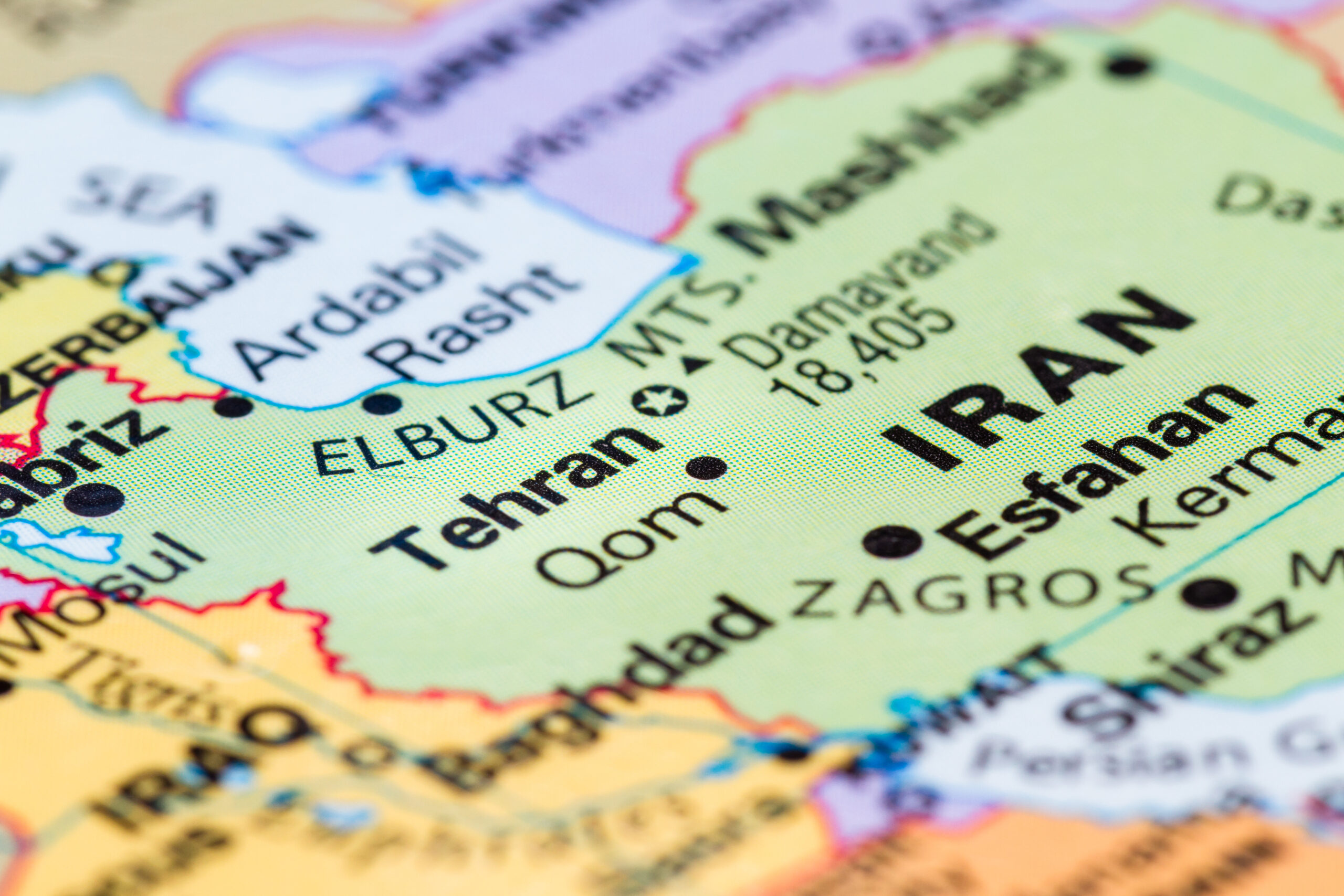
The Bahamas, March 18, 2026 – Twenty days into the latest Middle East escalation, the United Nations is warning the conflict is spreading beyond its original battlefield, as the death toll rises and governments around the world issue urgent travel advisories — including The Bahamas.
In a March 17 statement, the UN Secretary-General’s office said the war must stop and called for all Security Council resolutions to be respected, noting with concern that countries in the Gulf continue to be targeted, raising fears of a wider regional confrontation.
The current round of fighting began February 28 with strikes involving the United States, Israel and Iranian-linked forces, followed by missile and drone attacks across Iraq, Lebanon and parts of the Gulf.
International monitors report more than 1,300 people killed in Iran alone, with additional casualties reported in Lebanon, Israel and Gulf states. U.S. officials confirm at least 13 American service members have died since the escalation began, while reports indicate additional senior Iranian military leaders were killed in recent strikes.
Despite the growing violence, several NATO countries including the United Kingdom, France and Germany have not joined offensive operations, instead calling for diplomacy to prevent the conflict from widening.
The Bahamas Ministry of Foreign Affairs has also issued a travel advisory, warning Bahamian nationals to avoid travel to Israel, Palestine, Iran and Lebanon and to reconsider travel across much of the Gulf region due to the risk of sudden escalation, flight disruptions and security threats.
Officials say Bahamians already in the region should remain vigilant and be prepared for rapidly changing conditions.
Angle by Deandrea Hamilton. Built with ChatGPT (AI). Magnetic Media — CAPTURING LIFE.





-

 News1 week ago
Password to Paradise Radio Remotes at Beaches Turks & Caicos continue to highlight the TCI as the preferred Caribbean destination
-

 News1 week ago
Beaches Turks & Caicos adds four new PADI Dive Instructors to the cadre of professionals in the watersports department
-
 News1 week ago
Beaches Turks & Caicos shares fine dining experiences to high school students in Providenciales
-

 Bahamas News1 week ago
Bahamasair Backs Surge as Bahamians Flood South Florida for V.J. Edgecombe Showdown
-
 News7 days ago
50 Years of Ministerial Government: Cabinet Moves to Mark Milestone Rooted in 1976 Constitution
-

 News7 days ago
Fuel Costs Rise Again as Pelican Energy Warns of Global Pressures
-
 News7 days ago
Government Moves to Amend Destination Management Fee Law
-

 News7 days ago
Flow TCI Empowers Local Communities with ‘Project EmpowerHER’