
Bahamas News
PHA CELEBRATES 25 YEARS OF HEALTHCARE PROGRESS

#TheBahamas, July 2, 2024 – The establishment of the Public Hospitals Authority in 1999, following an act of Parliament one year earlier, represented a revolutionary milestone in the delivery of healthcare for The Bahamas. Today, the Public Hospitals Authority (PHA) looks noticeably different than the Authority of 1999, when we were first established. Our hospital facilities are more modern; with 21st century medical technology accessible to every patient across our network of hospitals and agencies, and a cadre of clinical and allied health staff who are better trained and equipped.
We credit our exponential growth to a management philosophy that balances productivity, efficiency and accountability with prudent growth strategies that have allowed us to remain at the forefront of healthcare not only in The Bahamas, but in the region. As the Public Hospitals Authority in The Bahamas marks its 25th anniversary, it’s a time to reflect on the remarkable journey of progress and development in the healthcare sector over the past quarter-century. Established with a mission to enhance healthcare services and improve public health outcomes, the Authority has overcome numerous challenges and achieved significant milestones in its pursuit of excellence.
Challenges and Milestones
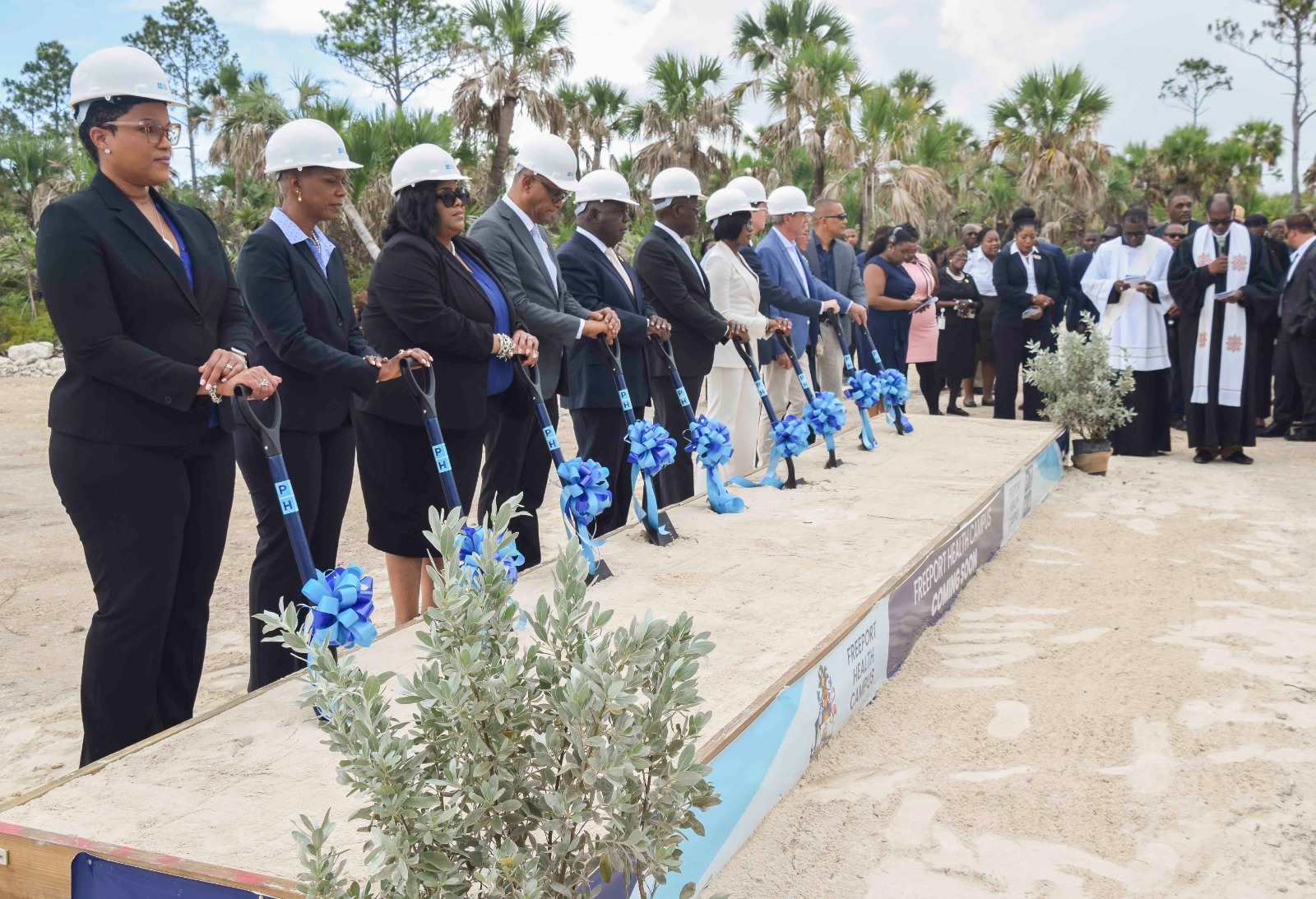
Ground Breaking Ceremony Freeport Health Campus May 2023
In its inaugural year, the Public Hospitals Authority faced a myriad of challenges, including the development and strengthening of clinical services aligned with national health programs, resolving administrative dilemmas, establishing itself as a corporate entity, and enhancing its operational procedures and policies. Identifying key areas of concern such as the shortage of qualified personnel, inadequacies in infrastructure, technology, and equipment, the Authority embarked on a journey of transformation and innovation.
Over the years the PHA has weather significant challenges including the global economic downturn and its impacts beginning in 2008, the historic destruction of hurricane Dorian and most recently the COVID-19 worldwide pandemic, one of the most complex health challenges the world has ever faced. These historic challenges were experienced by our public hospital institutions against a backdrop of longstanding constraints in resources, manpower and mitigating against aging health infrastructure and shortages in equipment.
We have emerged from these crises stronger and more responsive with lessons learned.
Strategic Initiatives
Over the years, strategic initiatives have been implemented to address these challenges and drive progress in healthcare delivery. These initiatives include enhancing planning mechanisms, strengthening information systems, improving management functions, financial systems, allied health skills, patient experience and quality improvement programs and strengthening security measures to ensure a safe and secure environment for patients and staff.
Advancements in Patient Care
Significant advancements have been made in patient care, across all our public hospitals. 25 years of PHA management has seen advances in Health Information Systems to support hospital services and patient care, new outpatient ophthalmology, family medicine, rehabilitation therapy, and Blood Bank services for PMH, extensive upgrades to the Pharmacies, Morgues, Operating Theatres and Emergency Departments at Princess Margaret Hospital and the Rand Memorial Hospital, including the most recent capital project to modernize and expand PMH emergency rooms for paediatric and adult patients and the trauma bay.
Major advances have been made in the expansion of Intensive Care services at PMH and the Rand including the PMH Neo-Natal Intensive Care Unit (NICU) and its step-down Unit, the Special Care Baby Unit providing specialized care for newborns.
The millennium saw the introduction of neurodevelopment services, complemented by services within the NICU which has helped reduce risk factors for neurodevelopmental delays in low-birthweight infants.
The PHA prioritised the introduction of a Patient Relations program in 1997 at the Princess Margaret Hospital. This program has been expanded with a cohort of newly engaged Patient Relations Officers graduating from a specially developed training program in 2022.
In recognition of the longstanding dearth of healthcare professionals within our system, further exacerbated by the pandemic, the Authority maintains a mutually beneficial recruitment arrangement with global health partners, most notably, the Republic of Cuba.
Enhancing Emergency Medical Services
Improvements in emergency medical services have been a priority, with the development of criteria for the registration and licensing of Emergency Medical Technicians. The National Emergency Medical Services has focused on training personnel in advanced cardiac life support and prehospital care to meet international standards.
With the establishment of the PHA Academy in 2022, the training of EMTs to be deployed in New Providence and across the Family Islands has been accelerated. The PHA continues to work with the Ministry of Health & Wellness to ensure the recruitment, training and equipping of EMTs and paramedics to meet the needs of all Bahamians.
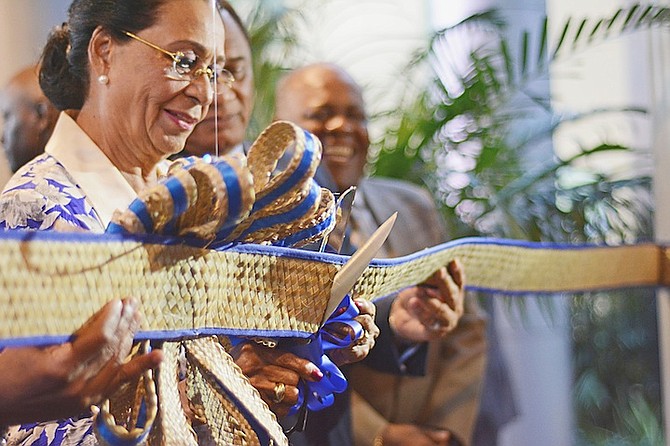
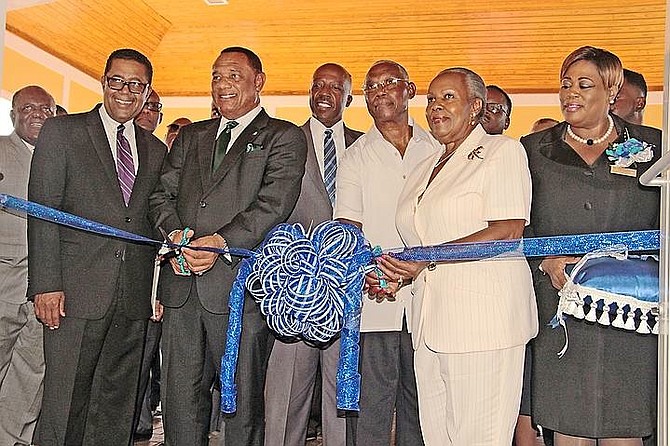
Trib photo Ribbon Cutting of Critical Care Block 2014
Pharmaceutical and Medical/Surgical Supplies
Under the management of the PHA, the Bahamas National Drug Agency made strides in automating pharmacy management systems and updating the drug formulary to include essential medications. The Material Management Directorate also implemented modern information systems to manage the procurement and inventory of essential hospital and clinic supplies for the PHA and Department of Public Health.
In 2016 the PHA consolidated the Bahamas National Drug Agency and the Material Management Directorate into the PHA’s Supplies Management Agency with responsibility for supply chain management of pharmaceuticals and medical/surgical supplies. The agency occupied a fully renovated building at 51 Shirley Street with modern office spaces and warehouse facilities. In 2022, the PHA facilitated the procurement of a larger facility on Nassau Street which serves as the new home of the Supplies Management Agency positioning this essential agency to meet the needs of our public health system for decades to come.
Expanding Mental Health Services
Mental health care has also been a focal point, with the establishment of the Community Counselling and Assessment Centre and increased support for the Crisis Centre, offering a range of services from counselling to advocacy.
In 2013 the PHA took the lead in The Bahamas’ implementation of the innovative global initiative in mental health with the World Health Organisation’s mhGAP (Mental Health Gap Action Program). Eighty-three (83) primary care doctors, nurses, and mental health professionals from the Ministry of Health, the Department of Public Health and Public Hospitals Authority adapted the mhGAP guidelines to The Bahamas health system. Primary care physicians and nurses were then trained to use the adapted guidelines, facilitating increased access to mental health services for patients accessing primary care in community clinics.
The Community Counselling and Assessment Centre was eventually relocated from its Market Street location to a fully refurbished building on Collins Ave improving conditions for both patients and staff.
Infrastructure Development
Infrastructure enhancements at our facilities have been monumental, with a comprehensive infrastructural redevelopment study leading to the Master Site Development Plan(s) for our public hospitals.
Major renovations to critical areas like the Intensive Care Unit, Operating Theatres, Surgical Recovery Room, Morgues and Burns Unit have improved patient care and facility operations significantly at the Princess Margaret Hospital and Rand Memorial Hospital.
Highlights of major capital projects completed include the construction of the Child & Adolescent, Robert Smith Special Education Complex at Sandilands Rehabilitation Centre, which has expanded the institution’s footprint and allowed for the improvement and repurposing of decanted spaces. The refurbishment of Wards at the Geriatric Hospital and Sandilands Hospital as well as at outbuildings utilized as clinical and therapeutic spaces have improved the conditions for clients and staff.
The construction of the Critical Care Block at Princess Margaret Hospital represented at that time the Government’s largest investment in health infrastructure in over half a century. The initiative was born out of the realization that societal conditions and changing demographics required the PHA to respond to the growing need for additional surgical theatres and critical care beds. This state-ofthe-art facility boasts:
- 6 Operating Rooms
- 1 Endoscopy Procedure Room
-18 Pre Op/PACU Beds
-20 Intensive Care Unit Beds
-62 Bed Neonatal Intensive Care Unit (level IIl)
- Central Sterile Supplies Department
- Medical Surgical Supplies Department
- Core Laboratory
- Meditation Area and Healing Garden
In Grand Bahama, extensive restoration works were undertaken at the Rand Memorial Hospital following Hurricane Dorian which devastated health infrastructure on the island. Working with local and international partners community clinics and the Rand Memorial Hospital underwent extensive capital projects culminating in the recommissioning of the hospital on 23rd April 2021 with the following new spaces:
- Complete renovation of the Front Entry Space, Pharmacy Operations, and the Lula Knowles Pediatrics Ward
- Construction of a New Corridor to access the Medical/Surgical Ward and Healing Garden Space, along with the restoration of other main arteries of the hospital
Ribbon Cutting at SRC Child & Adolescent Robert Smith Complex
- Restoration of the existing Operating Theatres
- Construction of a new 40’ Container size modular Operating Theatre Pre-Op & Procedure Room incorporated into the footprint of The Rand hospital to meet the current service needs, while awaiting the construction of a new replacement facility
- Restoration of Inpatient ICU, Medical and Surgical Bed Spaces in the Medical/Surgical and Critical Care blocks
- Construction of new, fully commissioned, 2,800 sq. ft. Infectious Disease Unit with seven (7) isolation spaces in response to the existing COVID-19 Pandemic
- Completion of an upgraded Commercial Kitchen/Cafeteria Facility with a dining area
- Demolition of the Administration and Obstetrics & Maternity Wings
Freeport Health Campus
More recently, the Ministry of Health & Wellness in collaboration with the Public Hospitals Authority held a Groundbreaking Ceremony on 16th May, 2023 for the new Freeport Health Campus in Grand Bahama. The $210 million Health Campus that will be constructed in three phases at the site off East Sunrise Highway near the Lucayan roundabout. The first phase is planned as a dedicated primary, outpatient, and urgent care centre.
The second phase will be an in-patient surgery and acute care facility providing quality care for patients with severe or urgent conditions or injuries, or patients recovering from surgery, and the final phase of the project will be the construction of medical/surgical clinical and support areas.
Future Directions
Looking ahead, the Public Hospitals Authority remains committed to advancing healthcare services in The Bahamas. With plans for new public hospital facilities in New Providence, ongoing infrastructural upgrades at existing facilities, and a continued focus on quality improvement and patient-centred care, the Authority is poised to build on its successes and further elevate the standard of healthcare delivery in the nation. Corporate and individual citizens wishing to partner with us on this journey to improve healthcare with The Bahamas are invited to connect with our newly established PHA Foundation to learn more or get involved.
As the Public Hospitals Authority celebrates its 25th anniversary, it stands as a beacon of progress and innovation in the healthcare landscape of The Bahamas, embodying a legacy of excellence and dedication to serving the public health needs of the community.

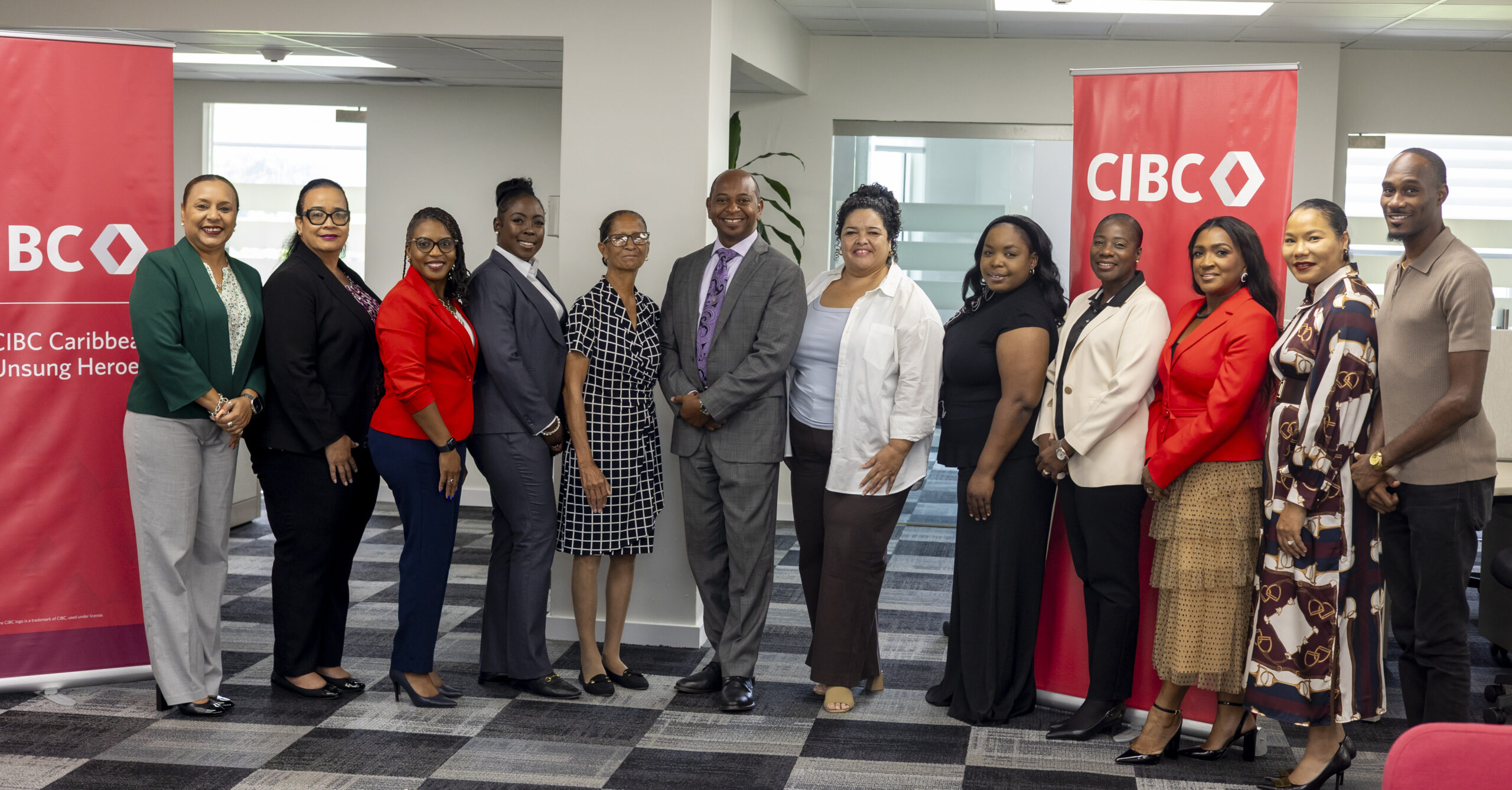
Nassau, Bahamas, 22 September 2026 – Six Bahamians whose service is making a difference in communities across the country were recently celebrated by CIBC Caribbean as the bank brought together its top 2026 Unsung Heroes finalists for a special recognition event.
The 2026 finalists were Kristin Butler-Beneby, Dinola Williamson, Amanda Knowles, Tamara Clarke, Ruth Fawkes, and Jaquay Adderley.
During the event, CIBC Caribbean also announced Dinola Williamson as the first runner-up in this year’s program. Williamson is an educator and community activist who has spent more than two decades in education and leads the Family Better Together Kabbalistic Kids Club. Her community work has reached children in Englerston, Fox Hill, Acklins, Crooked Island, and Grand Bahama through mentorship and activities designed to support their holistic development.
CIBC Caribbean Head of Country Terrance Gibson said the gathering was intentionally focused on celebrating the collective impact of the finalists.
“Unsung Heroes is about recognizing the people who may not always receive the spotlight, but whose commitment is felt every day in the lives of the people and communities they serve,” he said.
“While Kristin emerged as our 2026 Unsung Hero, and Dinola as our runner-up, each nominee represents the spirit of this program. They saw needs in their communities and made the decision to act, to serve, and to keep showing up. CIBC Caribbean is proud to recognize them and to help bring greater attention to the work they are doing.”
The recognition event also brought together members of the judging panel who reviewed this year’s nominations and selected the program’s honorees. The panel comprised Olympic gold medalist Tonique Williams, Bahamas Red Cross President Edison Sumner, Guardian Lifestyles Editor Shavaughn Moss, and Organization for Responsible Governance Executive Director Matt Aubry.
During the event, each finalist spoke about the community work that led to their nomination. The judges were also recognized for lending their time and expertise to the selection process.
Gibson added, “Recognition is important, but we also hope that sharing these stories encourages others to look around their own communities, see where they can make a difference, and act.
“Our Unsung Heroes remind us that meaningful change often begins with an individual who simply decides to help.”
Bahamas News
Public Hospitals Authority Foundation Donates Dialysis Machines to Princess Margaret Hospital (PMH)
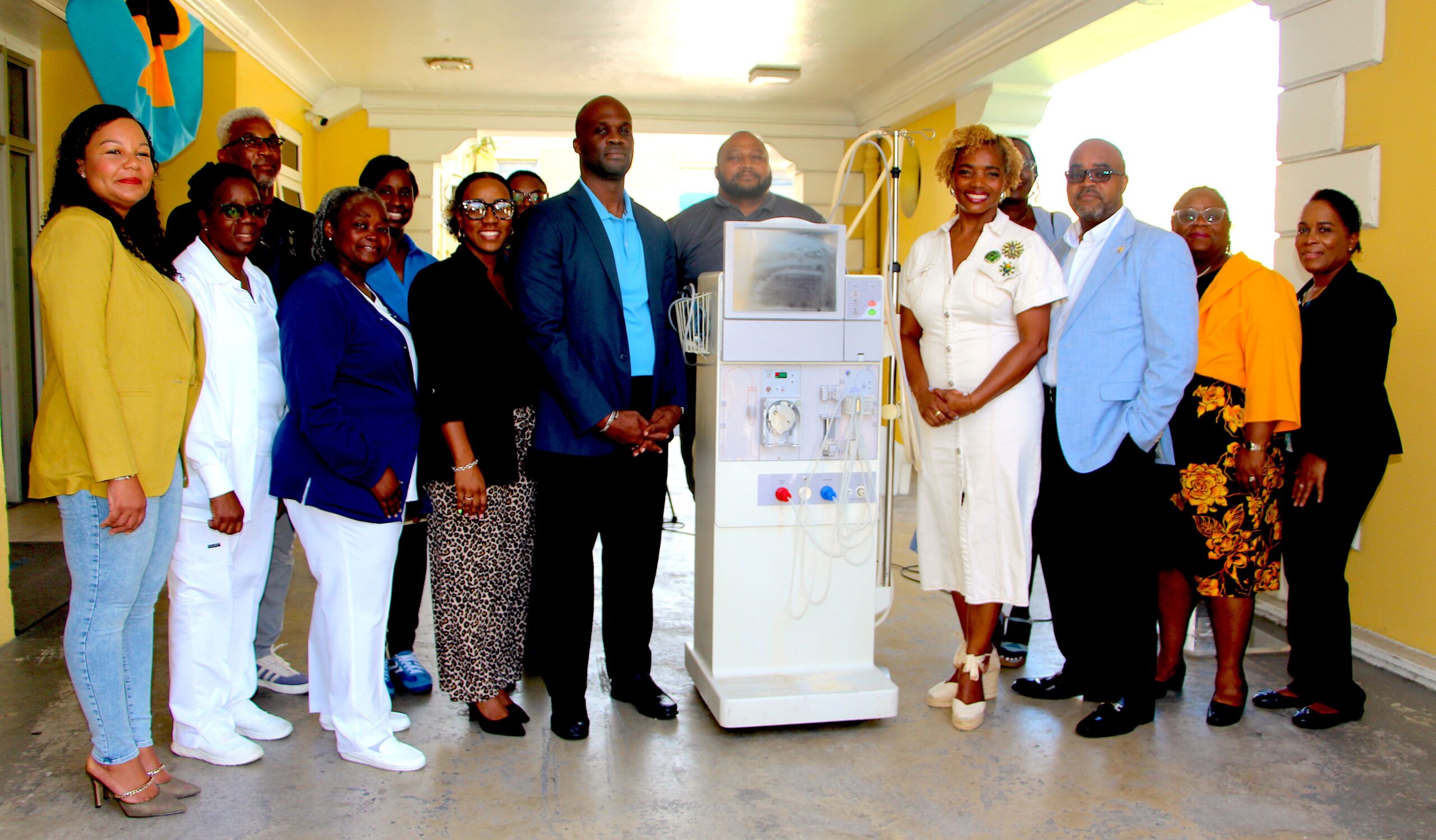
The Bahamas, September 21, 2026 – The Public Hospitals Authority (PHA) Foundation, a philanthropic organization launched in January 2024 to support public hospitals and healthcare clinics, donated eight additional dialysis machines for the PMH Renal Services unit.
Director of Foundations, Corporate and Community Relations for the Public Hospitals Authority and Executive Director of the foundation, Alana Major, said this initiative is a part of the foundation’s “Sun, Sea and Second Chances” campaign. PHA Foundation aims to secure 30 machines for Princess Margaret Hospital.
“As of today, with this donation, we are now up to 15 machines, so we are very excited about that,” Ms. Major said.
Other members of the foundation were present, including PHA Foundation Chairman Mr. Selvin Basden, who said the foundation is committed to doing its part in fulfilling the mandate of the Government of the Bahamas.
“One of the tenets of the Government is to ensure that access to healthcare is a human right. We are committed to ensuring that, at least from our part, we can deliver on that principle,” Mr. Basden said.
The PMH Renal Services Unit dialyzes about 150 to 170 patients annually. The unit provides care for patients who have been diagnosed with end-stage kidney disease and now need renal support. Patients who receive dialysis typically come to the unit three times a week, either on a Monday-Wednesday-Friday schedule or a Tuesday-Thursday-Saturday schedule.
Head of Department for Renal Services, Dr. Thurston Carroll, said she and the unit are excited to receive the donation, as it will replace machines that are not operating optimally.
“We are particularly excited about today’s donation because, although we have 20 stations within the dialysis unit, we have an aging fleet. These new machines and new water-treatment equipment will allow us to replace some of our aging equipment so that we can continue providing services to our patients.”
Foundation representatives noted that one or two organizations are already considering making bulk donations and if it happens, the foundation may be able to secure another 10 machines or another five machines in the very near future.
PMH Deputy Hospital Administrator Angelica Lockhart-Bastian and Hospital Administrator Mr. Tevard Bastian thanked the PHA Foundation for its donation to Princess Margaret Hospital.
Also in attendance were PHA Foundation Deputy Chairman Dr. Erecia Hepburn; Foundation guest Dr. Maria Oriakhi; Chief Biomedical Engineer Mr. Theodore Nottage; Administrative Officer Ms. Appapisa Neely; and Senior Assistant Hospital Administrator Mr. Valdez Bowe.
By Christina Williams
Bahamas Information Services
BIS Photos/Mark Ford
PHOTO CAPTION:
Group Photo, from left:
– Dr. Rhea Thurston Carroll, Director, Renal Services, PMH
– Nurse Kim Harris, Dialysis Nurse, Dialysis Unit, PMH
– Sister Darnell Roker, Nurse Manager, Dialysis Unit, PMH
– Mrs. Angelica Lockhart-Bastian, Deputy Hospital Administrator PMH
– Mr. Tevard Bastian, Hospital Administrator PMH
– Mrs. Alana Major, Director, Foundations, Community and Corporate Relations, PHA
– Mr. Selvin Basden, Chairman, PHA Foundation
– Dr. Erecia Hepburn, PHA Foundation Board
– Ms. Donette Danvers, Executive Assistant, Foundations, Community and Corporate Relations, PHA

Miami, Florida – Director of Aviation and Deputy Director General of Tourism, Dr. Kenneth Romer was presented with The 2025-2026 Infrastructure Leadership MVP Award, during the 10th Annual Caribbean Infrastructure Forum (CARIF) held in Miami September 15-16, 2026.
According to event organizers, New Energy Events, the MVP Leadership Award is the highest individual honor in the industry and is presented to an individual who has demonstrated exceptional, strategic and visionary leadership in advancing infrastructure in the Caribbean. Chosen by an independent jury of regional industry leaders, “The recipient is recognized for their sustained impact, influence across sectors, and dedication to driving meaningful progress in policy, investment, or project delivery”, said Event Organizers.
Romer becomes only the third person from the Region, and the first from The Bahamas to receive the Leadership MVP Award, joining last year’s winner The Honourable Mia Mottley, Prime Minister of Barbados.
Represented among the Conference Speakers and present at the Award Ceremony was Minister of Energy, Utilities and Aviation, The Honourable JoBeth Coleby-Davis, who said that, “This award amplifies The Bahamas Government’s commitment to executing a vision that sets the benchmark for infrastructural investments opportunities across our archipelago while supporting exemplary Bahamian leaders like Dr. Romer, who are steering the Caribbean toward more resilient, investable, and innovative infrastructure”.
“While this award is deemed an individual honor, it is a recognition of the Bahamas’ position as a respected regional leader and more so, a reflection of the incredible talent that resides within our small, but indomitable nation that continues to punch above its weight class as the world marks the manner of our bearing”, said Dr. Romer.
Dr. Romer has been instrumental in driving post-pandemic tourism recovery alongside the transformation of airports across the Family Islands through the Government’s landmark Family Islands Renaissance initiative. Under his leadership as Director of Aviation and Deputy Director General of Tourism, the sector has embraced a strategic, forward-looking approach focused on modernizing over 19 runways and terminals, strengthening safety and resilience, expanding international and regional connectivity, and leveraging public-private partnerships to deliver world-class facilities.
Dr. Romer’s work has helped translate the National Aviation Strategic Plan into tangible infrastructure projects that are creating new opportunities for tourism, investment, entrepreneurship and economic growth across the archipelago.
In 2025, he became the first person from the Caribbean and LATAM Region to be appointed to the Board of the International Association of Airports Executives.





-

 News4 days ago
Indian Association of Turks and Caicos Islands Empowers Local Students Through Back-to-School Backpack & Supplies Drive
-

 Independent writer7 days ago
Letter to The Editor
-
 Bahamas News5 days ago
CIBC Caribbean Celebrates 2026 Unsung Heroes Finalists
-

 Caribbean News3 days ago
Royal Caribbean Group and Sandals Resorts Announce Landmark Partnership to Accelerate Their Leading Vacation Experiences
-
 Health4 days ago
TCI Hospital Celebrates World Pharmacy Day 2026
-

 Education1 week ago
TCI Schools Invited to Participate in 2026 National Student Council Election
-

 Caribbean News4 days ago
Royal Caribbean Signs US$3-Billion Deal for Half of Sandals and Beaches
-

 Bahamas News6 days ago
Romer Receives Regional Leadership Award