
TCI News
What’s Coming for TCI Airports, a report by Minister Musgrove




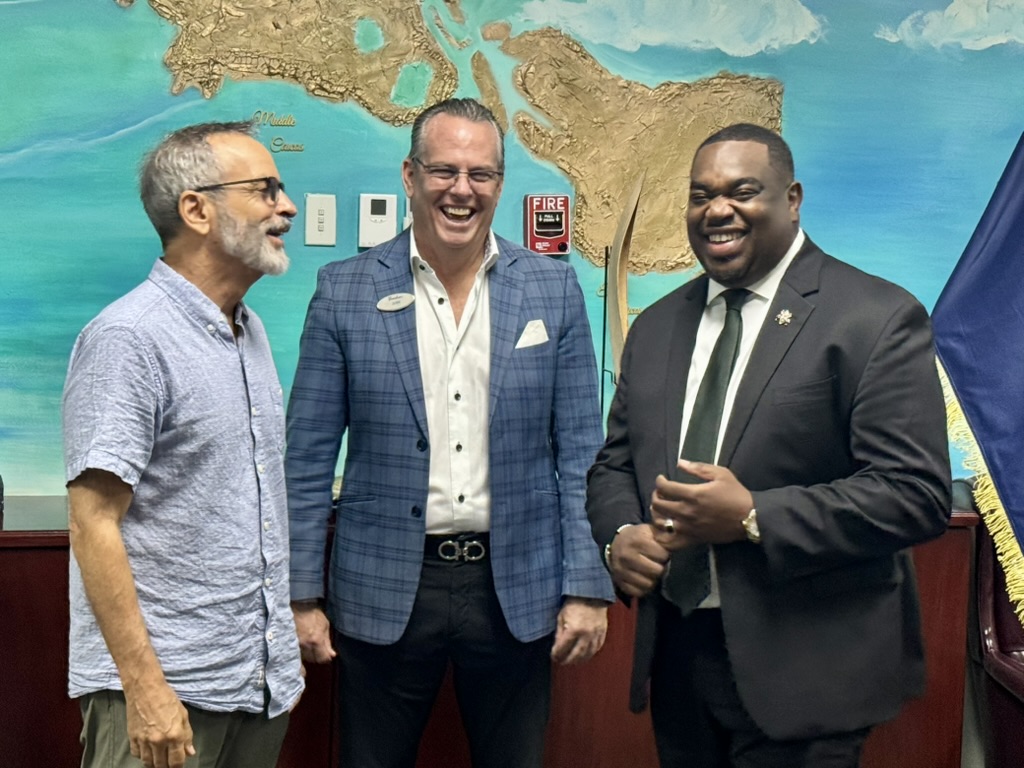
Turks and Caicos Islands, September 29, 2026 – Beaches Turks and Caicos, the Sandals Foundation, and Great Shape Inc.’s iCare programme have completed a record-breaking one-week humanitarian eye care mission in Providenciales, delivering free optical services to more than 4,800 individuals. The 2026 venture brought together 52 volunteer eye care professionals from the United and Canada who provided comprehensive screenings, advanced laser treatments, and thousands of pairs of glasses to residents across the Turks and Caicos Islands.
The mission’s services covered multiple areas of eye health as medical volunteers conducted over 1,000 health screenings paired with educational sessions on eye care and the risks associated with prolonged screen use. Among the most significant clinical achievements were 122 Selective Laser Trabeculoplasty (SLT) procedures, a treatment for open-angle glaucoma, and 13 panretinal photocoagulation (PRP) procedures, an outpatient laser therapy used to halt the growth of abnormal, fragile blood vessels on the retina that can cause bleeding and vision loss.
In addition to clinical interventions, the team distributed over 150 pre-made prescription glasses, more than 2,500 sunglasses, and over 1,400 reading glasses during the mission week. A further 700 custom prescription glasses are being completed and will be delivered to patients in the coming weeks. In addition to adults, students from 16 government and non-government schools throughout Providenciales also received vision testing and care.
Kyle Knowles, Minister of Health and Human Services for the Turks and Caicos Islands, praised the collaboration as “timely” and highlighted the unmatched visual support provided to the community. “We are grateful for this continued collaboration with the TCI government and the Sandals Foundation,” Knowles said. “We have seen where these eye care professionals come here and share their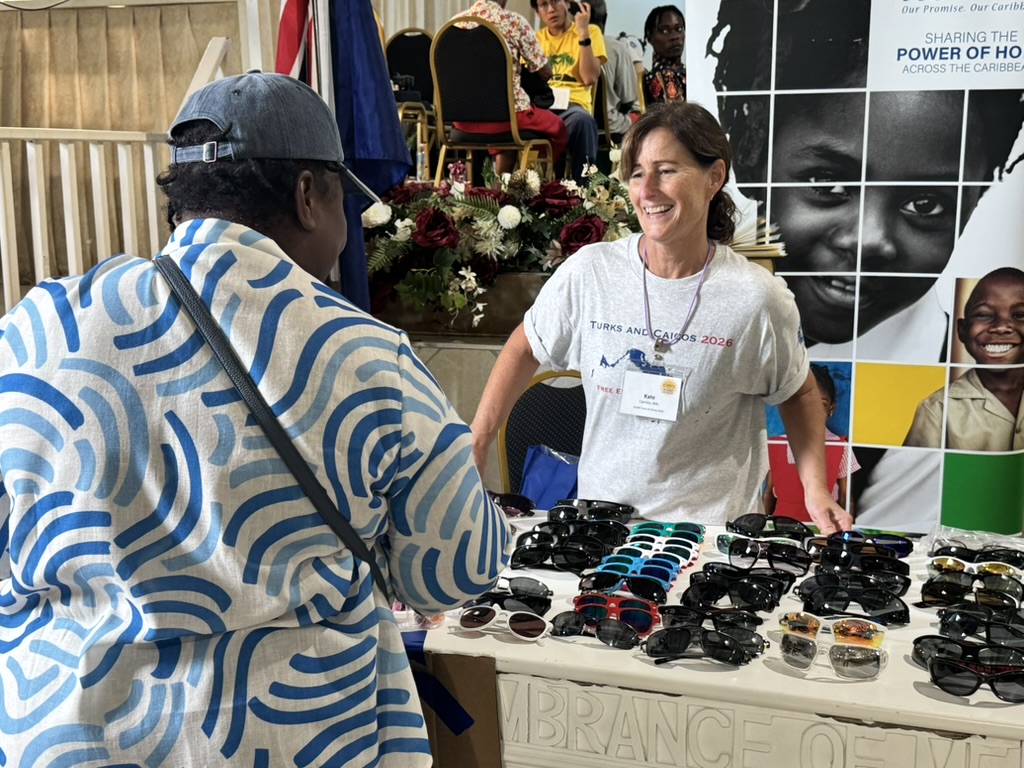 expertise with our schools and our communities, free of charge. This is what teamwork looks like here in the Turks and Caicos Islands.”
Deryk Meany, General Manager of Beaches Turks and Caicos, noted the historic scale of the mission. “We have witnessed a record number of optical services being offered this year which augurs well for the people and children of the Turks and Caicos Islands,” Meany said. “The support that the Sandals Foundation and Great Shape Inc.! has received from the government of the TCI is phenomenal. As an organization, we are conscious of the support that is needed and the opportunities that we have to share in this mission.”
Rachel Taylor, Minister of Education, Youth, Sports and Culture emphasized the value of early screening for students in an era of increasing digital device use. “To be able to provide early screening for our students is priceless,” Taylor said. “With the consistent use of gadgets by our children, the health screening and education is timely for us within the education ministry. We are grateful for this support from the Sandals Foundation and the Great Shape team. If there are challenges identified by the team, parents will be able to provide the necessary care for the children.”
For Nadienne Crossman, vice principal of the BEST Institute, the competence and warmth of the volunteer team was a highlight. “The services provided by these professionals was unmatched,” Crossman noted. “The team who visited our school allowed every student to feel comfortable while they were being tested. As teachers, when we got to the community site, we were treated with respect by everyone. To be able to see multiple specialists free of charge was outstanding. Sandals Foundation and the Great Shape team provided a safe space for us to care for our eyes.”
Steven Stern, Founder of iCare, credited the enthusiasm of volunteers and the seamless support from local partners. “The team for this project was enthusiastic with every client that we saw,” Stern said. “They were creative in using technology to assist with translation while they also learned so much about the TCI culture. The support from the Sandals Foundation and the government of the TCI was simply magical. We are looking forward to returning already.”
The Sandals Foundation coordinates logistics and covers costs for transportation, food, and beverages for the iCare clinic and its teams, while Beaches Resorts provides accommodation free of charge. The close of the 2026 mission stands as a testament to the power of cross-sector collaboration — uniting government, hospitality, and nonprofit expertise to safeguard vision and opportunity for an entire community.
News
Invest Turks and Caicos Islands Highlights Investment Growth and Workforce Opportunity at 5th Annual General Meeting

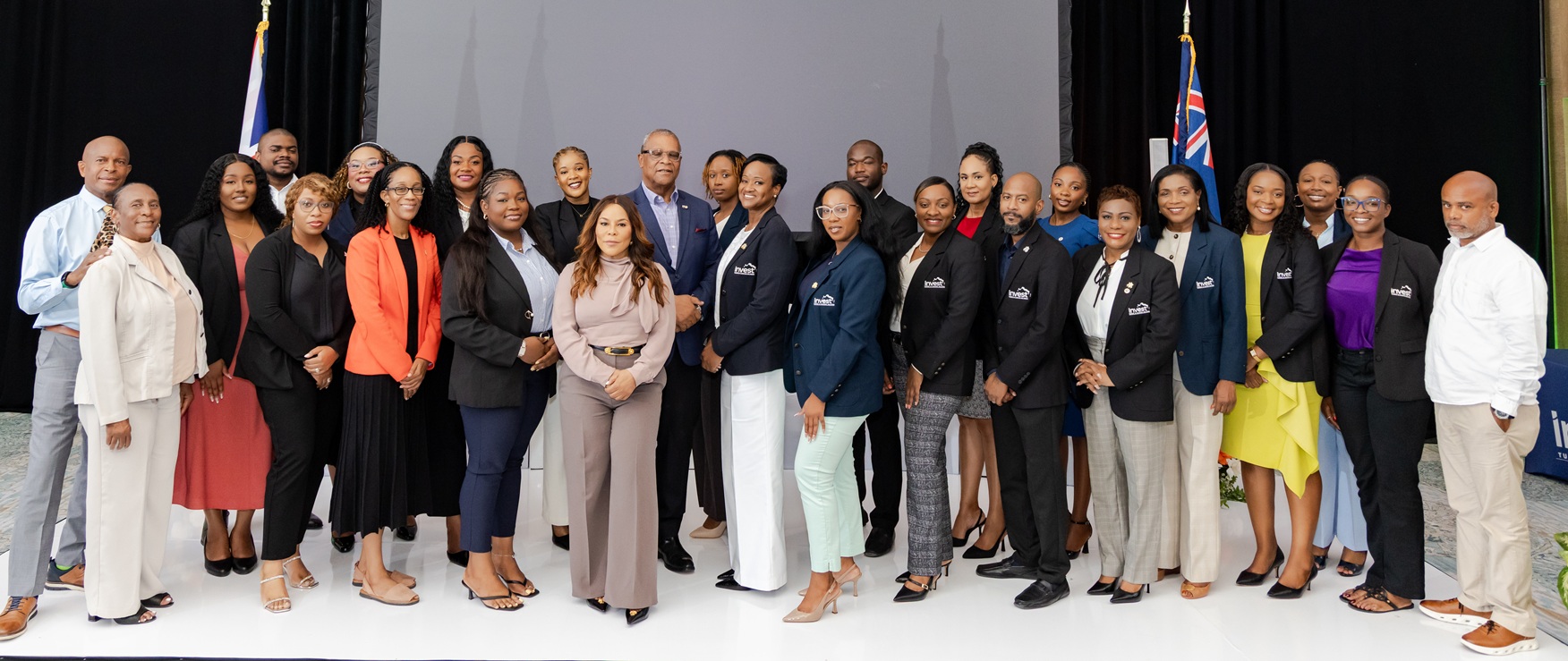
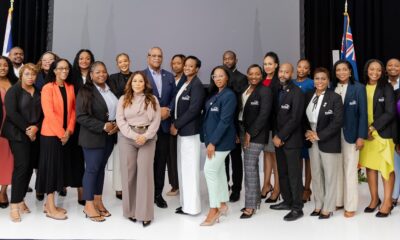
Providenciales, Turks and Caicos Islands – Monday, 28th September 2026:Invest Turks and Caicos Islands (Invest TCI) hosted its 5th Annual General Meeting (AGM) on Tuesday, September 15, 2026, at The Ritz-Carlton, Turks and Caicos, under the theme “Investment and Opportunity: Building a Stronger Workforce.”
The event brought together government officials, investors, developers, industry leaders, small business owners and key stakeholders for an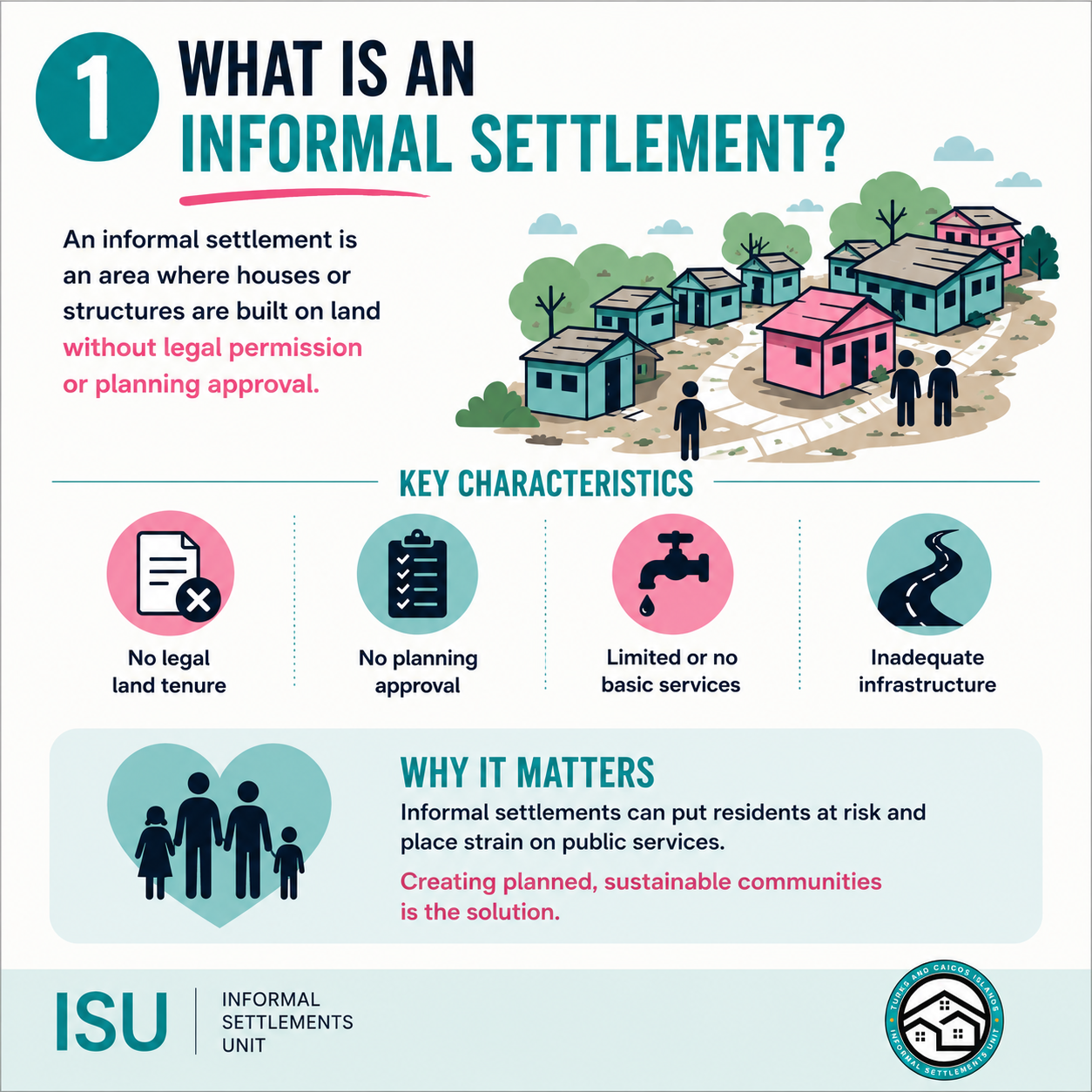 evening of reflection on the Agency’s performance and the continued growth of the Turks and Caicos Islands. The meeting was called to order by Invest TCI Chairperson Ms. Cindy Ewing, who greeted the guests, outlined the purpose of the AGM, including the Agency’s statutory mandate and commitment to public accountability.
Building on the evening’s focus, Premier and Minister of Finance, Trade and Investment, Hon. Charles Washington Misick, reflected on the strength of the tourism industry, continued development and the transformation experienced by the Islands over the past five decades. He emphasized that economic progress cannot be measured solely by the number of buildings constructed or the amount of capital reaching the country’s shores, but by whether the people of the Turks and Caicos Islands are advancing alongside that growth.
The Premier also called for greater attention to the social cost of economic expansion and the extent to which the benefits of growth are shared. As Invest TCI continues to play a central role in facilitating development, he stressed the importance of responsible corporate citizenship and of ensuring that those benefiting from the economy contribute meaningfully to the society in which they operate.
Following the Premier’s remarks, Her Excellency Governor Dileeni Daniel-Selvaratnam highlighted the opportunity to convert strong investor confidence into lasting economic capability, productivity and prosperity. She underscored the importance of viewing investment as a catalyst for innovation, skills development, enterprise and institutional strength, while building the domestic capacity required to support continued growth.
Bringing the discussion back to Invest TCI’s role in advancing that objective, Chairperson Ms. Ewing presented the Board’s report, reflecting on governance, Board oversight, key achievements and the strategic direction of the Agency, while underscoring the responsibility that accompanies a growing investment environment.
“The true value of investment is not only what is built on our shores, but also what is built within our people,” Ms. Ewing said. She further emphasized the Board’s responsibility to understand the investment landscape, question it and, where necessary, improve upon it.
The focus then shifted from strategic oversight to the Agency’s performance, as Chief Executive Officer Mrs. Angela Musgrove presented on the performance of the organization for the 2025/26 financial year. She highlighted an active investment pipeline of 53 projects valued at approximately $6.335 billion and reported that the Agency received 140 applications to its Micro Small and Medium Enterprise programme, the highest number of applications in the programme’s history. Importantly, she emphasized that the Agency’s focus extends beyond the size of the investment pipeline to the impact these investments are expected to generate across the economy, including employment, construction activity, business opportunities, linkages with local enterprises and broader economic participation.
Further demonstrating the breadth of activity across the Agency’s portfolio, Mrs. Musgrove reported progress under the Heritage Turks and Caicos Islander Investment Policy, with two Development Agreements executed and five projects currently progressing through the Heritage pipeline. She highlighted the Agency’s focus on moving these projects forward and converting investment activity into tangible outcomes, including construction and employment opportunities. This impact-focused approach reflects the Agency’s emphasis on not only attracting and facilitating investment, but on tracking how investment translates into measurable benefits for the Turks and Caicos Islands and its people.
Providing a financial and operational overview, Mrs. Musgrove emphasized that performance should not be assessed only by budget utilization, but by what the Agency delivers through its resources, including investments advanced, businesses supported and opportunities created across the Islands. This , she noted, reinforces the Agency’s focus on accountability, results and measurable economic impact.
A central feature of the evening was the special panel discussion, “Beyond Employment: Turning Investment into Opportunity for Our People.” Moderated by Damian Wilson, Deputy Director of Radio Turks and Caicos, the panel brought together James McAnally, Regional Managing Director, Sandals Resorts International; Hon. Jamell Robinson, Deputy Premier and Minister of Immigration and Border Services; Claudia Been Munnings, Director of Organizational Learning and Development, Pelican Energy; Melanie Smith, Founder and Owner, Talent Recruitment Group; and Dr. Candice Williams, President, TCI Community College.
The discussion explored five interconnected priorities: workforce quality, meaningful local participation, skills and workforce readiness, career progression, and stronger partnership and planning. Panelists considered how education and training can be better aligned with industry demand and higher-value, specialized and future-focused roles, while creating clearer pathways for advancement and leadership. The discussion also reinforced the importance of collaboration among government, investors, employers and training institutions in preparing the workforce for the next decade of development.
Other highlights of the evening included an investment and economic development video and a prize giveaway, with prizes including a spa experience for two at South Bank and four day or night passes sponsored by Beaches Turks and Caicos. Invest TCI also recognized staff members who reached five and ten years of service, acknowledging their dedication and contribution to the Agency’s continued growth and development.
The 5th AGM reinforced Invest TCI’s continued focus on attracting and facilitating investment while ensuring that economic growth creates meaningful opportunities for the people and businesses of the Turks and Caicos Islands. With a significant investment pipeline, record demand for MSME support and continued progress under the Heritage Policy, the Agency remains focused on advancing projects, supporting enterprise and strengthening the connection between investment, workforce development and long-term economic opportunity.
The evening concluded with closing remarks and appreciation to attendees, speakers, panelists, partners and the organizing team for their contribution to a successful AGM.
For more information on upcoming events and Invest TCI initiatives, follow Invest TCI on social media @InvestTCI.
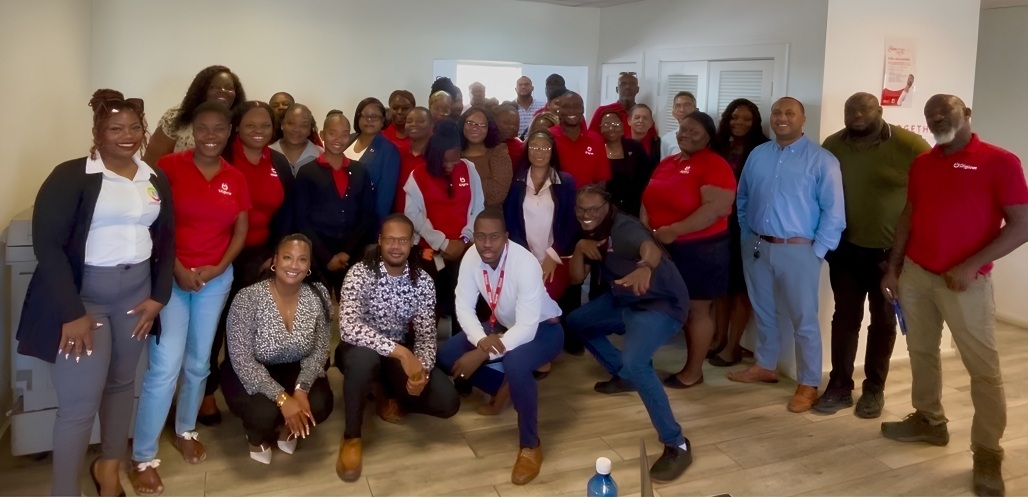
Providenciales, Turks and Caicos Islands— Thursday, 24 September 2026: The Department of Disaster Management and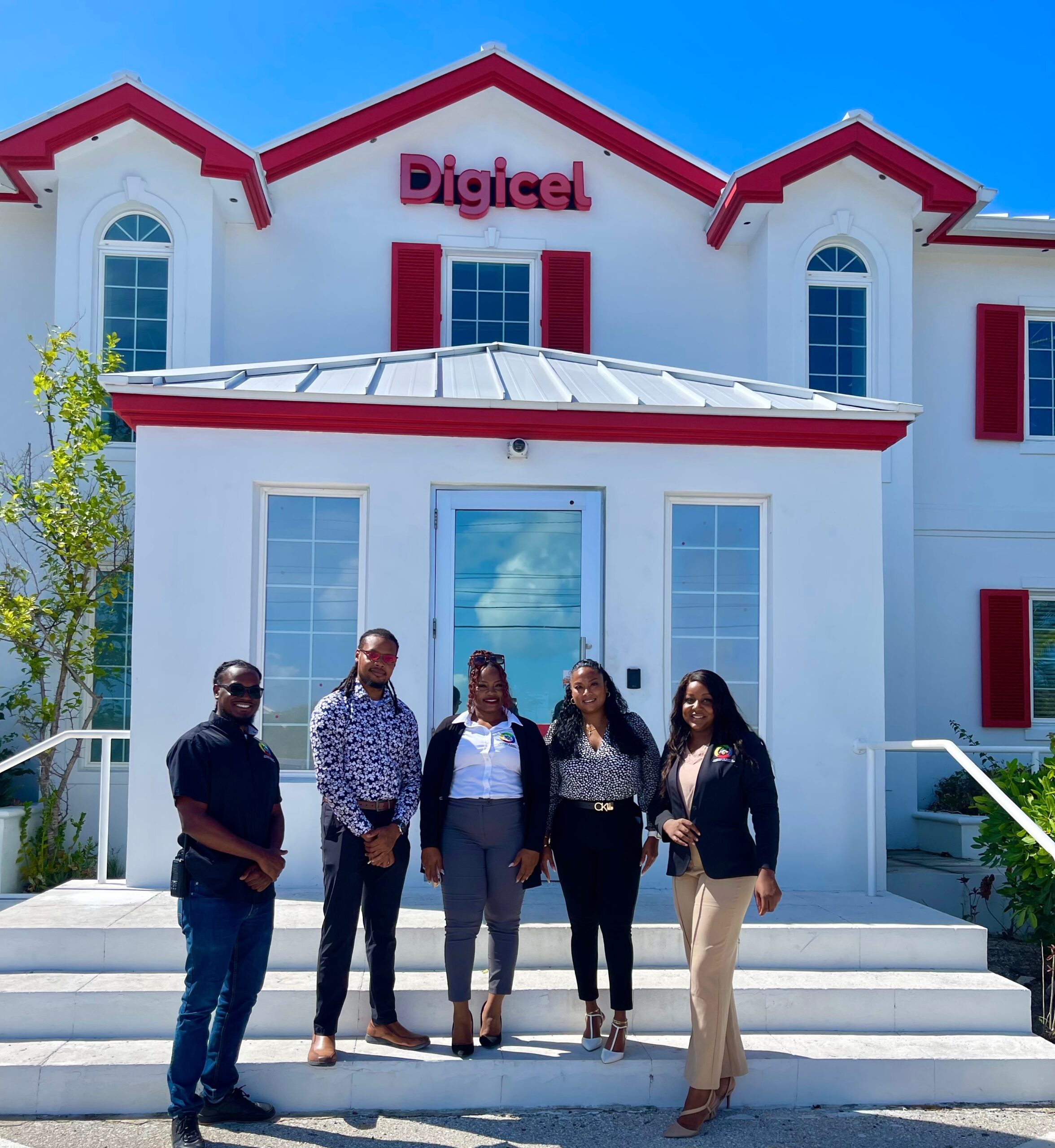 Emergencies (DDME) was invited by Digicel to deliver a hurricane preparedness presentation to members of their staff.
The engaging 90-minute presentation formed part of DDME’s ongoing public education and awareness efforts aimed at strengthening preparedness across the Turks and Caicos Islands. During the session, Digicel employees were provided with important information on the potential impacts of hurricanes and other emergencies, as well as the actions that individuals and organisations can take to reduce risks and protect lives, property and essential operations.
The presentation emphasised that preparedness is a shared responsibility and should begin well before a storm or other emergency threatens the country. Staff were encouraged to understand the risks associated with hurricanes, remain informed through official sources and develop personal and workplace preparedness plans.
DDME recognises the important role that businesses play in national disaster preparedness and resilience. Corporate organisations are encouraged to establish and regularly review emergency plans that clearly outline responsibilities, communication procedures, evacuation arrangements, business continuity measures and recovery actions.
“Preparedness is most effective when it is planned and practised before an emergency occurs,” Jason Hills, DDME Director. “Organisations that invest in preparedness today are better positioned to protect their people, maintain essential services and support the wider community during times of crisis.”
Corporate organisations, schools and government departments interested in DDME’s assistance with hurricane preparedness training, emergency drills support or assistance with developing a business contingency plan are encouraged to contact the Department of Disaster Management and Emergencies via email at ddme.tci@gmail.com.





-
 News1 week ago
Indian Association of Turks and Caicos Islands Empowers Local Students Through Back-to-School Backpack & Supplies Drive
-
 Bahamas News21 hours ago
The Bahamas Reaffirms Support for Ukraine at International Conference in Toronto
-
 Caribbean News7 days ago
Royal Caribbean Group and Sandals Resorts Announce Landmark Partnership to Accelerate Their Leading Vacation Experiences
-
 Bahamas News1 week ago
CIBC Caribbean Celebrates 2026 Unsung Heroes Finalists
-
 Health1 week ago
TCI Hospital Celebrates World Pharmacy Day 2026
-
 Caribbean News1 week ago
Royal Caribbean Signs US$3-Billion Deal for Half of Sandals and Beaches
-
 Bahamas News1 week ago
Romer Receives Regional Leadership Award
-
 News3 days ago
Invest Turks and Caicos Islands Highlights Investment Growth and Workforce Opportunity at 5th Annual General Meeting