
Health
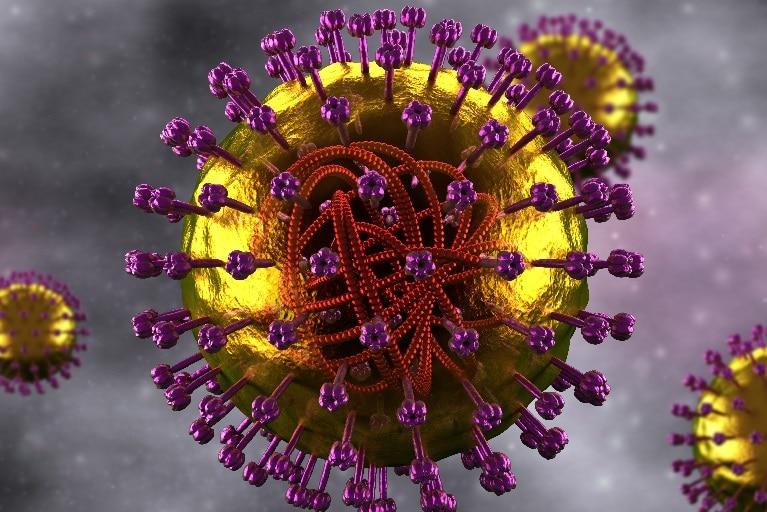
Ministry of Health Issues a Measles Alert for the General Public










Health
Turks and Caicos Islands Hospital Celebrates Patient Safety Awareness Month: “Team Up for Patient Safety”

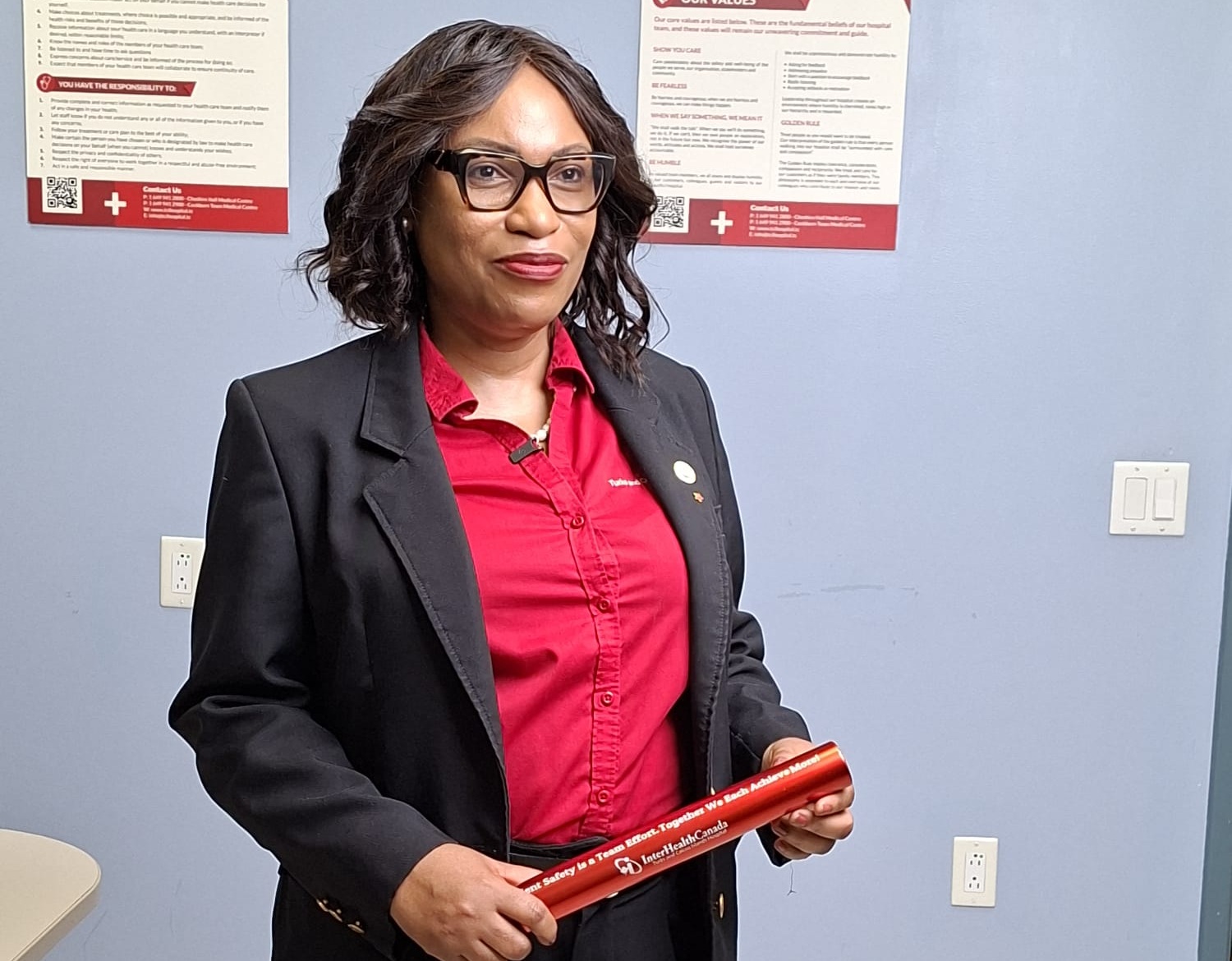
Turks and Caicos Islands – March 23, 2026 – In recognition of Patient Safety Awareness Week, observed March 8–14, 2026, the Turks and Caicos Islands Hospital, operated by InterHealth Canada Ltd., proudly joined healthcare partners worldwide in advancing this year’s theme, “Team Up for Patient Safety.” The 2026 campaign emphasized the critical role of teamwork and reinforced the importance of collaboration among patients, families, care teams, and leadership in creating safer healthcare environments.
While globally observed as a week-long initiative, the Turks and Caicos Islands Hospital extended its activities throughout the entire month of March, underscoring that patient safety requires sustained commitment, continuous learning, and shared accountability.
A Month of Learning, Engagement, and Collaboration
Throughout March, the hospital hosted a series of Continuing Professional Education (CPE) sessions aimed at strengthening competencies and reinforcing a culture of safety across all levels of care. These included:
- Patient Safety – Your Role, empowering individuals to recognize and act on their impact on safety outcomes
- Effective Communication Strategies, focusing on delivering safe care through structured, reliable communication
- TeamSTEPPS – Reinforcement and Expansion, strengthening the use of evidence based teamwork tools to enhance care delivery
Grand Rounds sessions further supported clinical excellence and knowledge translation, featuring:
- Rescue Ready 2025: Translating AHA PALS Updates into Practice
- Colorectal Cancer Screening: A Roadmap for Caribbean Countries
- Beyond the Algorithm: Applying the latest American heart Association BLS & ACLS Guidance in Emergency Practice
To promote engagement and learning in an interactive format, a Patient Safety Trivia Event was also hosted. The event featured five dynamic rounds covering patient safety principles, general knowledge, and a TCI knowledge lightning round, with prizes awarded to the top five participants. In addition, we welcomed Grade 4 students to our Hospital Teddy Bear Clinic, which served as an innovative extension of our patient safety efforts. This initiative allowed children to role-play as caregivers by bringing their teddy bears for “treatment,” helping them understand basic healthcare processes such as first aid, hand hygiene, communication, and safe care practices. By introducing these concepts early, the clinic not only reduces fear associated with healthcare settings but also promotes awareness of patient safety behaviours in a simple, memorable way.
Reaffirming a Shared Commitment
A defining moment of the month was the symbolic passing of the Patient Safety Baton, reinforcing the collective responsibility for safe care:
“Patient safety is not one person’s responsibility. It is a commitment we share across teams, departments, organizations, and nations; and it is upheld in partnership with every patient and family we serve.”
Advancing the 2026 Patient Safety Objectives
Aligned with the global theme, the hospital’s initiatives focused on four strategic priorities:
- Promote Collaboration: Encouraging active participation from all members of the care team, including patients and families
- Enhance Communication: Strengthening open dialogue to improve understanding of care plans and safety protocols
- Recognize Achievements: Celebrating progress while identifying opportunities for continuous improvement
- Engage Communities: Inspiring broader discussions on patient safety, equity, and quality in healthcare delivery
Acknowledgements
The Board of Directors and Executive Leadership of the Turks and Caicos Islands Hospital extend sincere appreciation to all who participated in the month’s activities and contributed to the success and sustainability of this important initiative.
Special thanks are extended to our dedicated healthcare teams for their unwavering commitment to delivering safe, high-quality care; our video and production team for effectively amplifying key messages; our valued healthcare partners for their collaboration and support; and the leadership of the Turks and Caicos Islands, including Her Excellency the Governor, Dileeni Daniel-Selvaratnam, the Honourable Premier, Charles Washington Misick and the Honourable Minister of Health, Kyle Knowles for their continued guidance and commitment to advancing patient safety nationally.
Building a Culture That Lasts
“Patient safety is not a solo effort, it is a collective commitment that defines the integrity of our healthcare system,” said Isha Honoré, Quality, Risk, Patient Safety and Management Lead at the Turks and Caicos Islands Hospital. “Our responsibility is to design and sustain environments where teams are supported, patients are heard, and risks are proactively managed. Through sustained engagement beyond this month, we are advancing a culture of high reliability, where safety is consistently delivered, measured, and continuously improved.”
Dr. Denise Braithwaite-Tennant, Chief Executive Officer of the Turks and Caicos Islands Hospital, reaffirmed the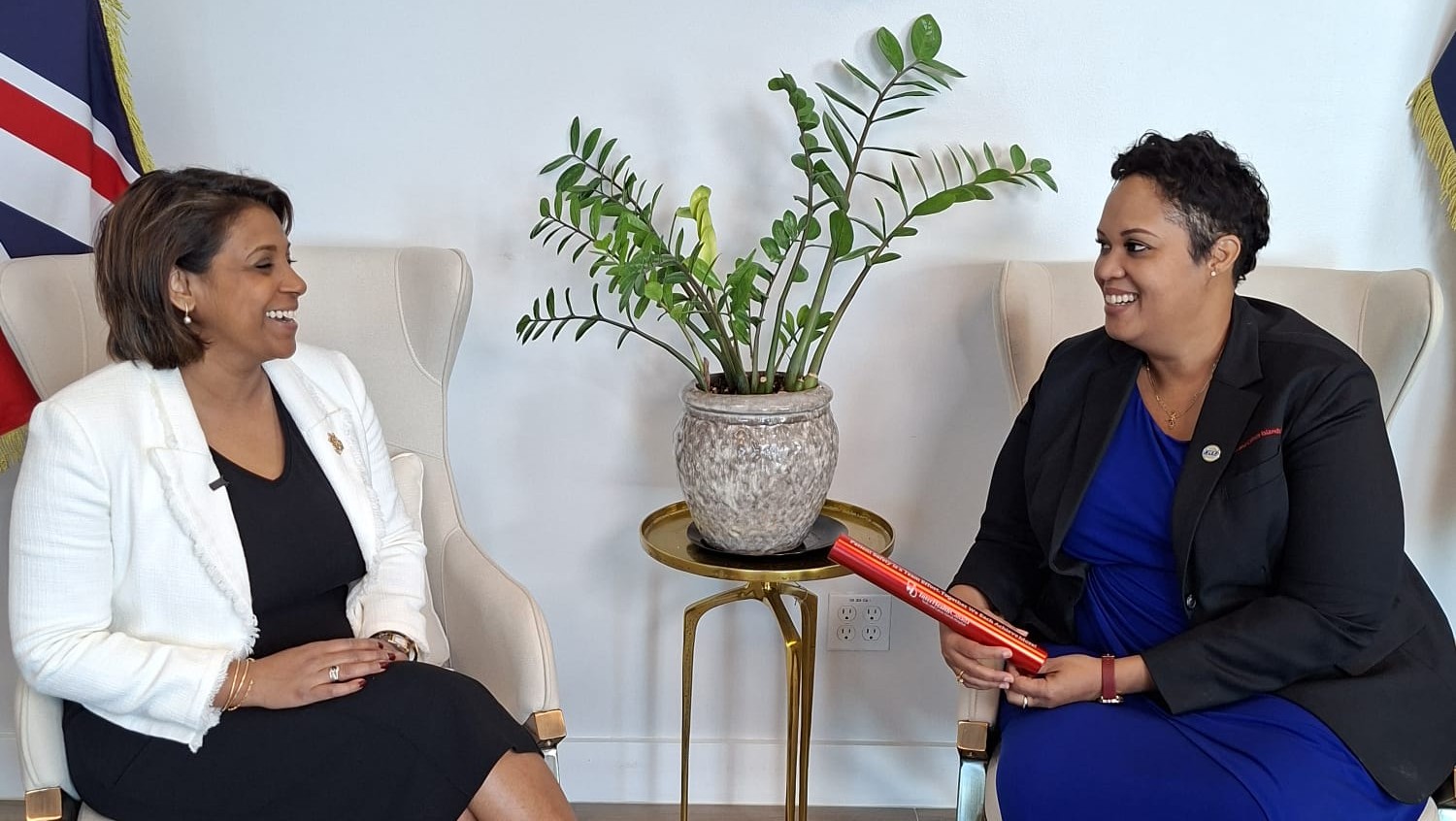 organization’s commitment, noting that patient safety remains central to the hospital’s mission and strategic direction. “Patient safety is at the heart of everything we do. This year’s theme, ‘Team Up for Patient Safety,’ reinforces a simple but powerful truth, safe care is achieved when we work together. At the Turks and Caicos Islands Hospital, we are committed to fostering a culture where collaboration, communication, and accountability guide every interaction. I am proud of our teams for their dedication throughout this month and beyond, as we continue to strengthen systems, empower our staff and patients, and deliver care that is consistently safe, reliable, and of high quality.”
The Turks and Caicos Islands Hospital remains dedicated to fostering a culture where safety is prioritized, communication is strengthened, and every voice, staff, patient, and family, is valued.
Healthcare professionals, community partners, patients, and families are encouraged to continue supporting patient safety by speaking up, staying informed, and working collaboratively to improve care outcomes.
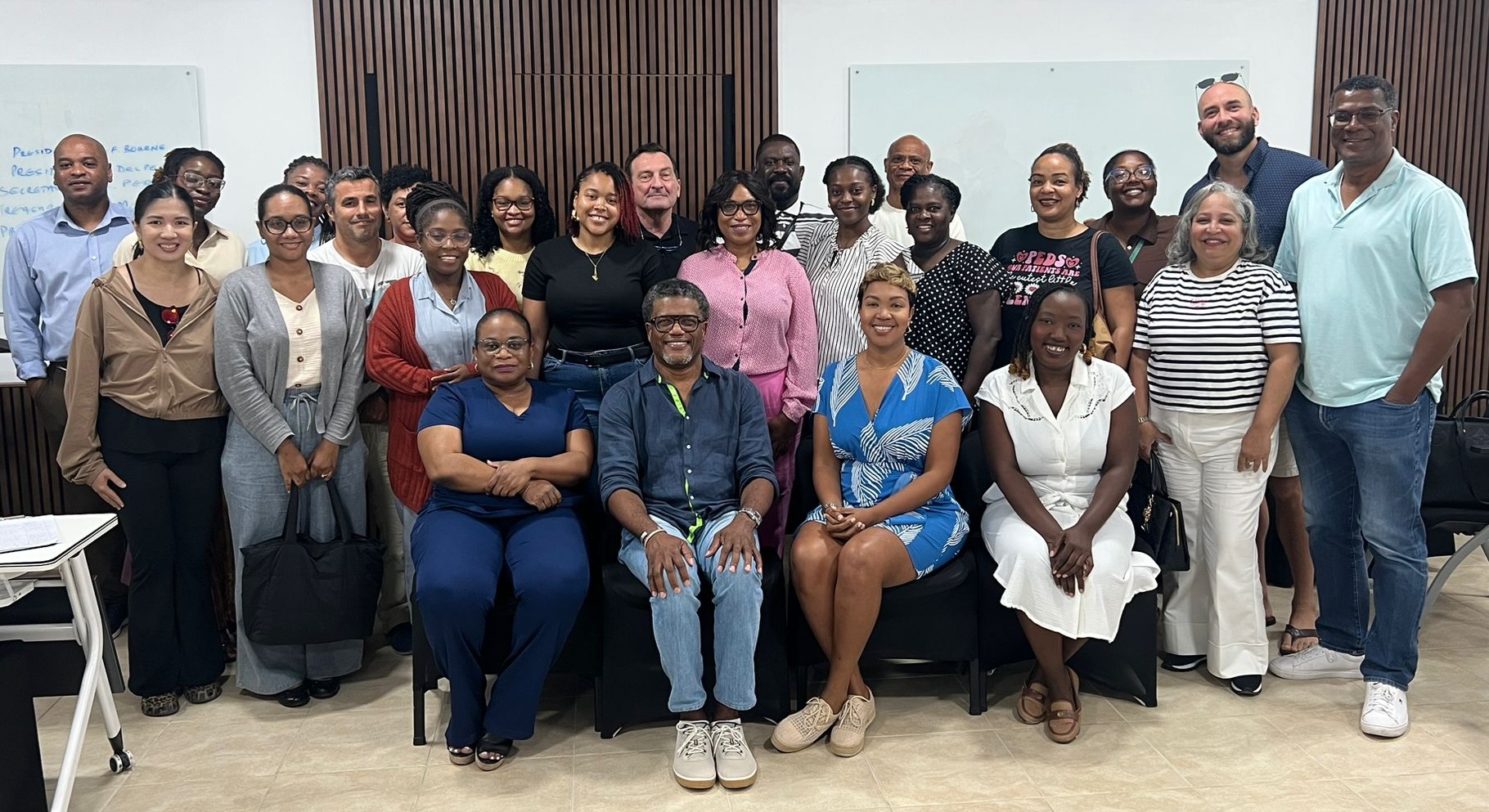
Turks and Caicos, March 23, 2026 – The Turks and Caicos Islands Medical Association (TCIMA) held its 2026 General Meeting and Elections on Saturday March 21st 2026 at the Hamilton Education Foundation Conference Center in Grace Bay, Providenciales.
Outgoing Acting President Dr. Jameiko Harvey, welcomed physician and dental attendees present both in person and virtually from across the Turks and Caicos Islands to the gathering. Following introductions of the outgoing executives: Dr. Dawn Perry-Ewing(Secretary), Dr. Marcella Malcolm (Treasurer), Dr. Denise Braithwaite Tennant (Public Relations and Training Officer); Dr. Darren Hall (Immediate Past President) was invited to address the gathering and spoke of the significant role the organization played in the development of healthcare in the Turks and Caicos Islands over the years. In his delivery, Dr. Hall recognized the contributions of Dr. Ken Peterson, TCIMA’s first President and founding member, who held the office for several years. Hon. Dr. Rufus Ewing, also a founding member of the Association, addressed the group, sharing the history of the organization and issued the charge for members to actively participate in the organization to the betterment, not only of its membership, but also to the greater good of the community.
The Turks And Caicos Islands Medical Association (TCIMA), is registered as a Non-Profit Organization company under the Turks and Caicos Islands Companies Ordinance with membership consisting of Physicians and Dentists permanently resident and registered in the Turks and Caicos Islands. Included amongst the objects of the Association are:
- The promotion of the health sciences and the better health of individuals and the communities in which they live.
- The promotion of the interests of the medical profession and especially to secure the conditions which will make it possible for them to render to their society the best professional services possible.
- To obtain for the medical profession the opportunity to participate actively at all levels in the formulation of national medical health policies in The Turks and Caicos Islands.
Following the election, the members of the Association welcomed the new executive team consisting of: Dr. Francois Bourne as President, Dr. Susan Delpeche as Vice President, Dr. Dawn Perry-Ewing as Secretary, Dr. Marcela Malcolm as Treasurer, Dr. Karlansia Mills as Public Relations Officer and Dr. Joanna Bowden as Education Officer, who will serve in these positions for a period of two years.
Incoming President Dr. Francois Bourne addressed the gathering outlining plans to engage with the membership across all islands, establish transparent processes and urged members to build an organization that they are proud of and that represents them. Medical practitioners ordinarily resident in The Turks and Caicos Islands and registered and licensed under the Turks and Caicos Islands Health Professions Ordinance 2016 are eligible to become a Member of the Association. Applications are accepted via the Association’s website – https://www.tcimedicalassociation.org/membership

March 19, 2026 – March is Colorectal Cancer Awareness Month, a time dedicated to highlighting the importance of prevention and early detection of one of the most common cancers affecting both men and women, according to the CDC.
March is Colorectal Cancer Awareness Month and according to the CDC, colorectal cancer is the third most common cancer for both men and women.
The good news is there are ways to help prevent it, like improving your gut health.
“A healthy gut and a diverse microbiome help decrease inflammation, and chronic inflammation we know can lead to increased risk of cancer, specifically colorectal cancer,” explained Julia Zumpano, RD, registered dietitian at Cleveland Clinic.
Zumpano said we can help improve our gut health by improving our diet.
She recommends eating foods that are high in fiber, such as whole grains, fruits, vegetables, legumes, nuts and seeds.
She also suggests adding fermented and probiotic foods into your diet. Some ideas include yogurt, kefir, kimchi and sauerkraut.
Zumpano notes that it can be overwhelming to eat a bunch of new foods at once, which is why it’s best to make a gradual transition.
“I would first begin by reducing processed foods and incorporating more fiber rich foods. And you’ll see your gut symptoms improve. So, if you have any symptoms like constipation or diarrhea, those things should improve. Now if you’re finding that you’re having gastrointestinal symptoms that aren’t going away despite making positive health changes, that’s when you should seek medical attention,” she advised.
Besides keeping a healthy diet, Zumpano said it’s also important to make sure you’re getting enough physical activity as exercise has been shown to help reduce a person’s risk for colorectal cancer.
By focusing on small sustainable lifestyle changes such as eating a fiber-rich diet, supporting gut health and staying physically active, people can take meaningful steps toward lowering the risk of colorectal cancer and improving their overall health.





-

 News4 days ago
GOLD & SILVER – Hall & Guerrier Fly High for Turks and Caicos at CARIFTA 2026
-

 Bahamas News1 week ago
Mother’s Pride Headlines Bahamian Takeover at Sixers-Heat Clash in Miami
-

 Independent writer3 days ago
The Rise of Right-Wing Populism and What It Could Mean for the Turks and Caicos Islands
-

 News4 days ago
CALL 649-338-4008 OR 649-338-2684 IF A CHILD IS AT RISK: TCI Confronts Alarming Reality During Child Abuse Prevention Month
-

 News5 days ago
Beaches Turks & Caicos, FIU train next generation of hospitality leaders in Providenciales
-

 Bahamas News4 days ago
Fuel Pain at The Pump: Global Tensions Drive Prices Up as Bahamians Feel the Squeeze
-

 Bahamas News4 days ago
FNM’S $200 CHILD SUPPORT PLAN SPARKS DEBATE AS PLP QUESTIONS FUNDING AND SCOPE
-

 News4 days ago
COMING SOON: BORROWING TO MODERNISE