
News
Turks & Caicos Hotel and Tourism Association Engages Yvette Marcelin-Seymour as Legal Counsel


Providenciales, Turks & Caicos – The Turks & Caicos Hotel and Tourism Association (TCHTA) is proud to announce a significant enhancement to its advocacy efforts with the appointment of Yvette Marcelin-Seymour, partner at the renowned law firm TWA Marcelin Wolf, as official legal counsel for the association.
With an impressive track record and reputation for providing strategic counsel, Mrs. Marcelin-Seymour brings a wealth of experience in the aspects of policy advocacy and government consultations. These skills, the TCHTA says, will play a crucial role in shaping the association’s approach to key issues affecting the tourism and hospitality sector.
“We are keen to provide the best representation possible for our members and the industry as we advocate for the best outcomes in matters that affect the future of hospitality in Turks and Caicos,” said James McAnally, TCHTA President. “As such, we understand that there are delicate intricacies that must be considered when presenting our position and feedback on legislative matters, and believe it is time to enlist the assistance of a professional like Mrs. Marcelin-Seymour to provide us with proper guidance to navigate those details.”
TWA Marcelin Wolf, known for its commitment to excellence and client-focused approach, has a strong reputation in providing legal services to organizations across various industries and has been a member of the association for many years. The partnership with Mrs. Marcelin-Seymour reflects the TCHTA’s dedication to its policy work and mission to maximize its impact in the areas of legislative and regulatory advocacy.
Mrs. Marcelin-Seymour expressed her enthusiasm about the collaboration, stating, “I am honoured to have been engaged by the TCHTA to provide legal counsel. The hospitality industry plays a pivotal role in our economy, and the TCHTA represents a large group of stakeholders. I look forward to working with the Association to continue its important work for the betterment of the industry and communities it so proudly serves.”
The TCHTA looks forward to leveraging Mrs. Marcelin-Seymour’s expertise effective immediately.

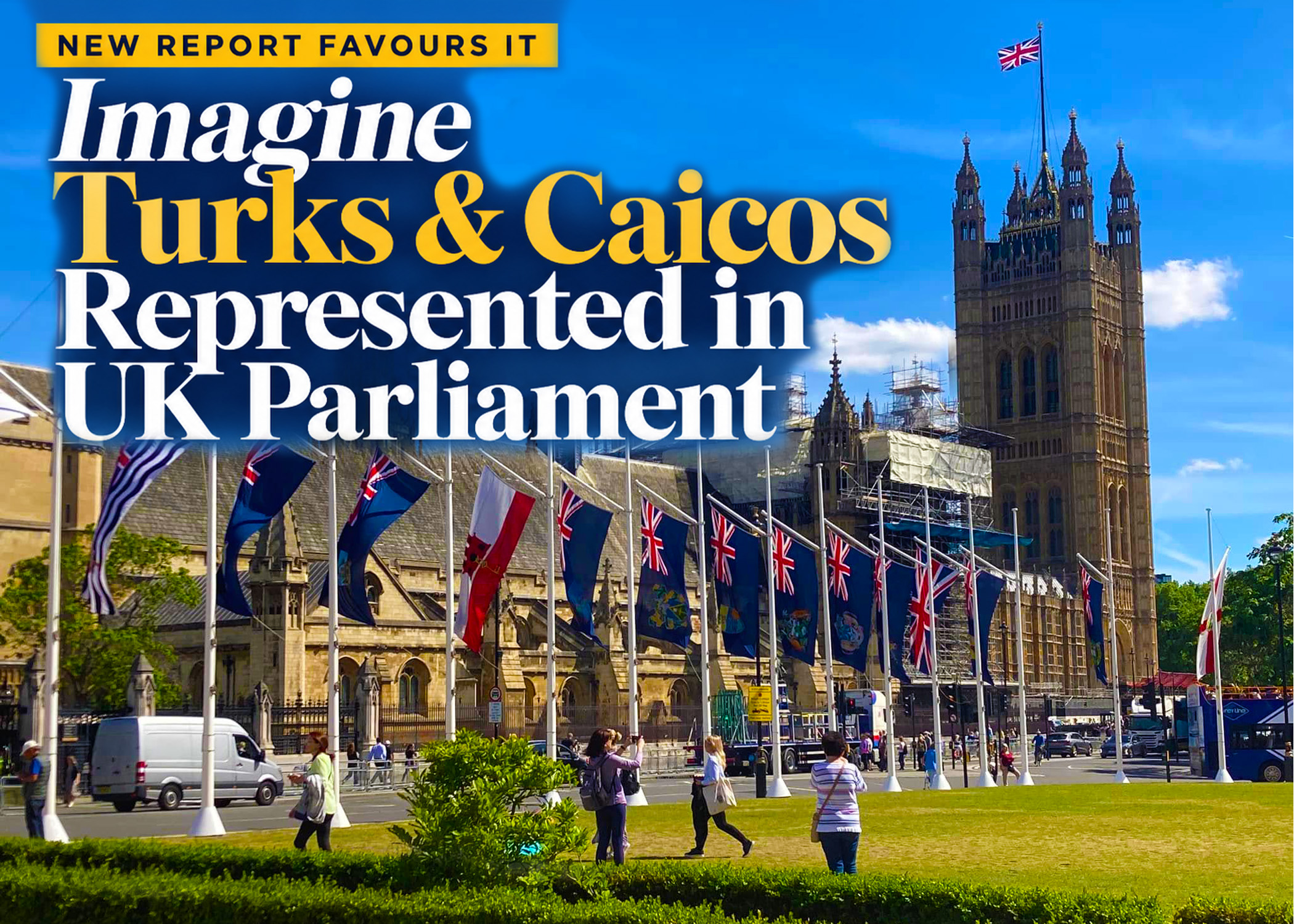
LONDON, ENGLAND — October 22, 2026 — The last time the Turks and Caicos Islands went on the record about having a representative in the UK Parliament, then-Premier Sharlene Cartwright-Robinson said there was no local appetite for it.
She made the statement on December 5, 2018, while giving evidence before the UK House of Commons Foreign Affairs Committee during its inquiry into the future of the British Overseas Territories.
“There is no appetite in Turks and Caicos for it,” she told the committee.
Magnetic Media research reveals that Caribbean British Overseas Territories have never demonstrated unanimous support for direct representation at Westminster. However, in a press release received on Thursday, October 22, 2026, a group called Conservative Friends of the Overseas Territories (CFOT) revealed proposals for all 14 British Overseas Territories to receive dedicated representation in the House of Lords.
The proposal revisits a longstanding constitutional question on which Caribbean territorial leaders have expressed differing views. Some have favoured direct parliamentary representation, while others have preferred existing arrangements for engaging with British parliamentarians.
The latest proposal differs from earlier discussions about elected representatives in the House of Commons. CFOT is advocating dedicated representation in the House of Lords, intended to strengthen the territories’ influence without replacing their elected governments.
The proposal forms part of a wider strategy that CFOT hopes will influence the policies of a future Conservative government.
The Conservative Party, led by Kemi Badenoch since November 2024, is currently the second most popular political party in Britain, according to the latest YouGov opinion poll. It remains in opposition but has shown signs of recovery in public support. The October 18–19 survey placed the Conservatives at 23 per cent, ahead of Reform UK at 22 per cent, while the governing Labour Party led with 27 per cent. Conservative support has risen from 20 per cent earlier this month, although the party’s position varies across different polls. The improvement comes as Badenoch’s party seeks to rebuild its political standing following its defeat in the 2024 general election.
The newly released report, A New Era of Partnership: Sovereignty, Security and Sustainability – Redefining the UK Relationship with the Overseas Territories, was launched earlier this month at the Conservative Party Conference in Birmingham, attended by Shadow Overseas Territories Minister Wendy Morton MP, Conservative parliamentarians and Peers.
A VOICE AT WESTMINSTER
Under the proposal, every British Overseas Territory would have dedicated representation in the House of Lords, providing a consistent parliamentary voice on constitutional rights, security, international relations and economic development.
The report stresses that such representation should strengthen, rather than replace, the democratic authority of territorial governments and their elected legislatures.
It also recommends parliamentary safeguards requiring approval before fundamental changes to a territory’s sovereignty, constitutional status or territorial integrity could take effect.
Another major proposal would establish a Cabinet Committee on the Overseas Territories, chaired by the British Prime Minister.
This would place territorial affairs under direct oversight at the highest level of UK government, with participation from Overseas Territory governments and regular reporting to Parliament.
A NEW RELATIONSHIP WITH BRITAIN
CFOT is also advocating a long-term UK–Overseas Territories strategy, jointly developed with territorial governments, within the first year of a future Conservative administration.
The strategy would be supported by individual agreements setting out priorities, responsibilities and measurable outcomes.
A proposed “no surprises” commitment would ensure territorial governments are consulted early and kept informed about British legislation, international negotiations and decisions that could materially affect their interests.
The report also proposes a permanent UK–Overseas Territories Security and Resilience Partnership, with stronger intelligence-sharing, maritime surveillance and cooperation against organised crime and illegal fishing.
Other priorities include protecting critical infrastructure, improving disaster preparedness and strengthening food, water and energy security.
Economic recommendations include improved access to banking services, greater participation in international markets and support for financial and professional services, artificial intelligence, digital assets, emerging technologies and sustainable tourism.
The report also proposes multi-year environmental conservation funding and reforms to the Darwin Plus programme, giving territorial administrations a more direct role in managing conservation projects.
Greater participation in international diplomacy, improved access to UK education and public-service training, and annual parliamentary reporting are among the additional recommendations.
CFOT: TERRITORIES DESERVE STRONGER PARTNERSHIP
Giles Roca, Chief Executive of CFOT, said the existing relationship between Britain and its Overseas Territories was fragmented and relied on a strategy that had not been updated in 15 years.
“The Overseas Territories deserve a relationship with the United Kingdom that reflects their strategic importance, respects their democratic self-government and gives them a meaningful voice in decisions that affect their future,” Roca stated.
He identified dedicated House of Lords representation and prime ministerial oversight as central elements of the proposed reforms.
CFOT was established in September 2024 as a Conservative-affiliated special interest group. It says its membership includes more than 50 Conservative MPs and Peers.
The organisation argues that the territories should be treated as partners with their own democratic institutions, economic circumstances and constitutional arrangements, rather than having their interests managed through disconnected British government departments.
WHAT HAPPENS NEXT?
The proposals arrive ahead of the next UK–Overseas Territories Joint Ministerial Council meeting in November, when territorial leaders are expected to continue discussions about their relationship with Britain.
Caribbean Overseas Territory leaders have already called for a new UK White Paper to replace the 2012 framework, seeking clearer commitments on consultation, constitutional development and the future of the relationship.
The CFOT recommendations, however, are not UK Government policy and have not been formally adopted by the Conservative Party or Overseas Territory governments.
The report is intended to influence future British policy discussions, including the development of a more structured relationship with the territories.
For the Turks and Caicos Islands, the proposal raises a practical question: whether having a dedicated representative inside the British Parliament would provide greater influence over decisions affecting the territory.
It remains to be established which Overseas Territory governments were consulted in developing the CFOT proposals and whether they would welcome the particular model of House of Lords representation now being recommended.
Find the full report here: https://www.cfot.co.uk/
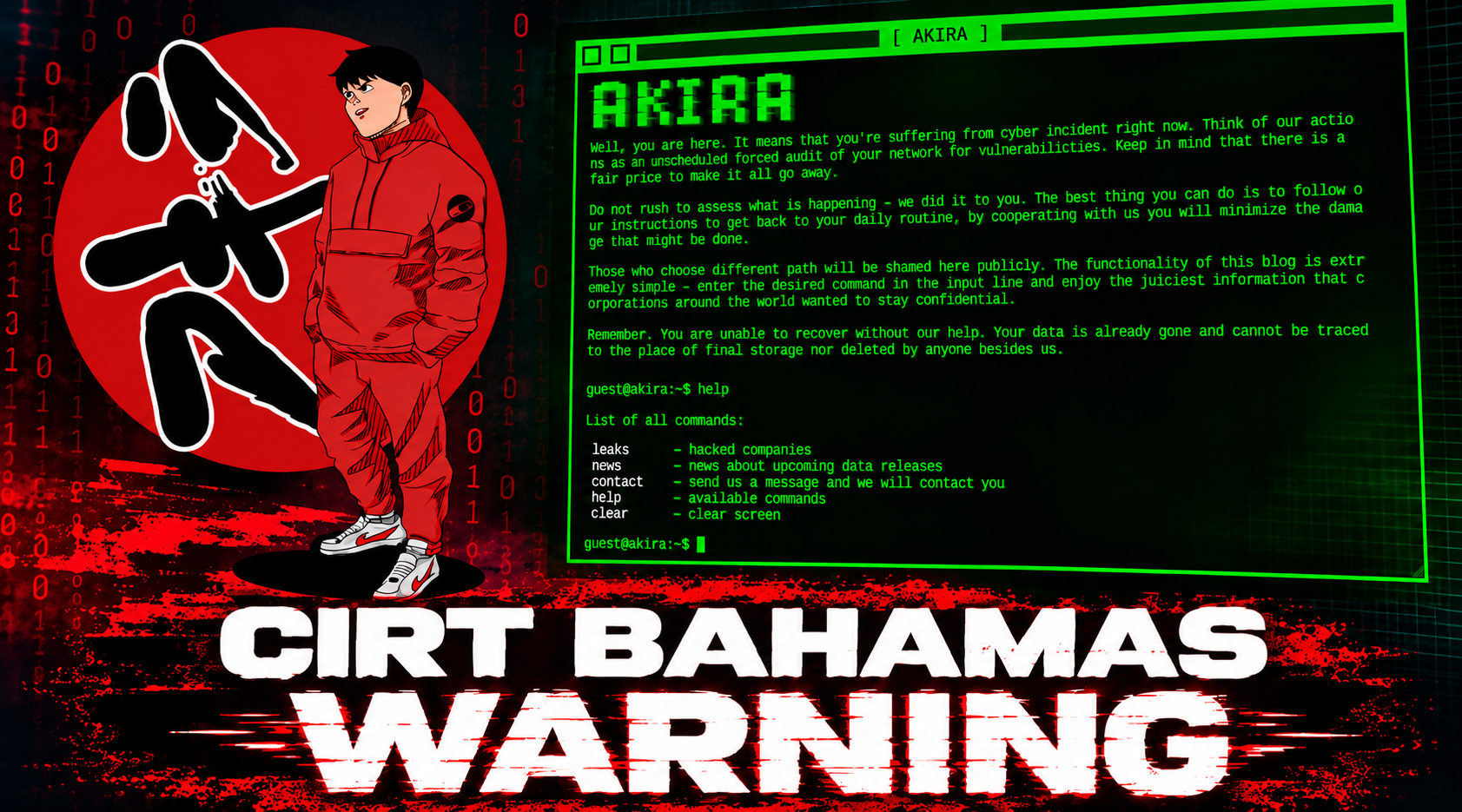
Nassau, The Bahamas, October 22, 2026 — The National Computer Incident Response Team of The Bahamas (CIRT-BS) has issued a cybersecurity advisory warning businesses, government institutions and other organisations about the growing threat posed by Akira ransomware, a cybercriminal operation capable of stealing sensitive information, disrupting networks and demanding ransom payments.
Active since March 2023, Akira operates through a Ransomware-as-a-Service model, with affiliates exploiting weaknesses in computer networks to gain unauthorised access.
Once inside, attackers can steal confidential data, disable recovery systems and encrypt files, preventing organisations from accessing critical information.
Particularly concerning is Akira’s use of double extortion, threatening to publish stolen information unless victims pay. Some attacks involve data theft without encryption.
The October 22 advisory identifies vulnerabilities involving Cisco and SonicWall firewalls, VPN services, Microsoft Remote Desktop Protocol, Veeam backup systems and outdated Windows and Linux operating systems. VMware ESXi and Nutanix AHV environments are also potential targets.
Attackers may exploit unpatched software, stolen login credentials and inadequately secured remote-access applications, including AnyDesk and RustDesk.
Warning signs include unexpected administrator accounts, unusual remote logins, unauthorised software installations, suspicious backup activity, mass file changes and ransom notes.
CIRT-BS recommends immediate security updates, multifactor authentication, restricted remote access, stronger network monitoring and secure backups maintained separately from operational systems.
Organisations should also remove unnecessary internet exposure of remote desktop services, limit administrative privileges and regularly test backup restoration.
The advisory does not identify any confirmed Akira attack against a Bahamian organisation but highlights vulnerabilities that could expose institutions to serious financial and operational disruption.
Cybersecurity incidents can be reported to CIRT-BS at soc@cirt.bs or through its official website.
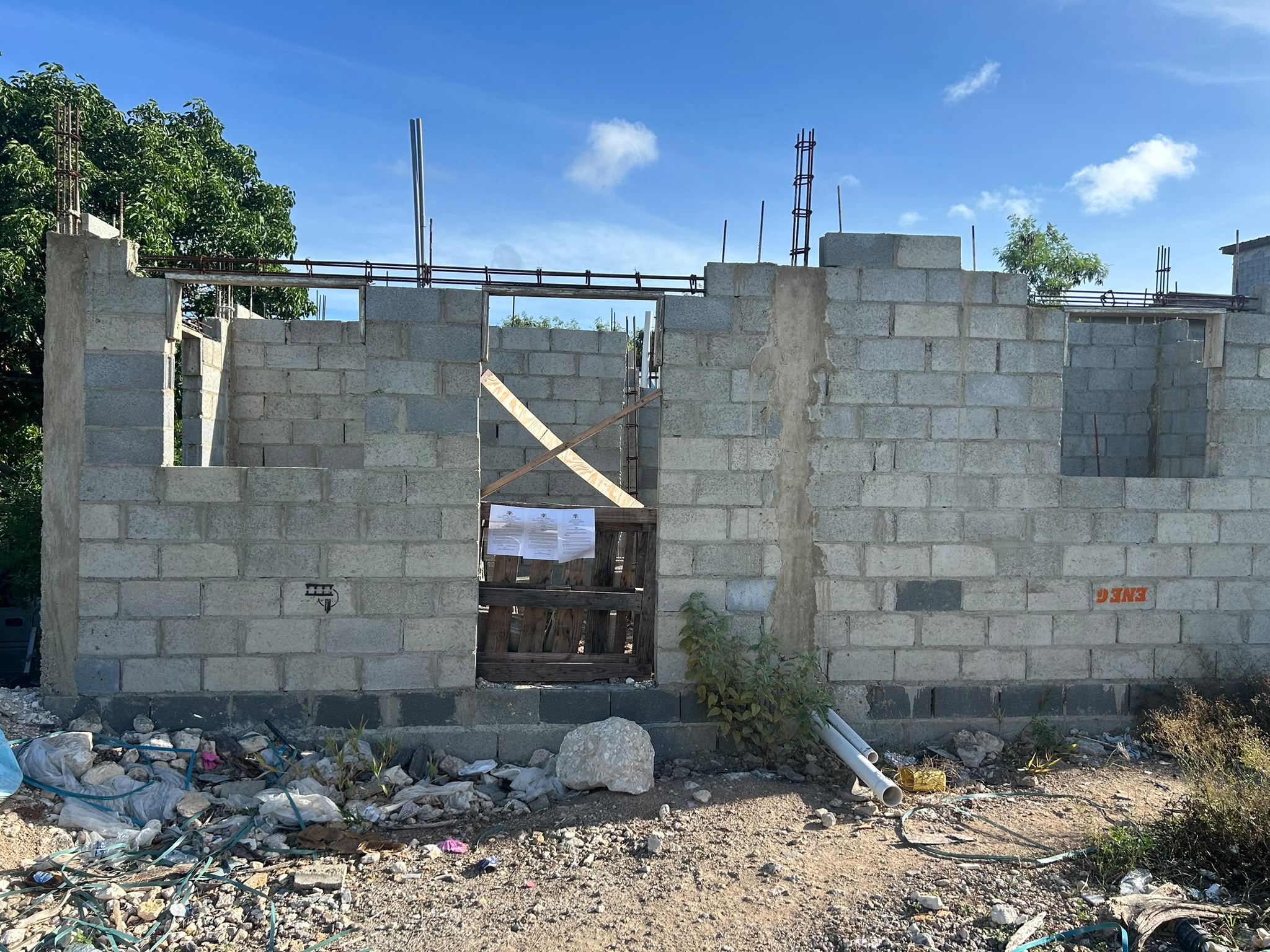
Providenciales, Turks and Caicos Islands – Wednesday, 21st October 2026: The Crown Land Unit, with coordination and support from the Informal Settlements Unit (ISU), conducted a multi-agency enforcement exercise in the Five Cays area of Providenciales on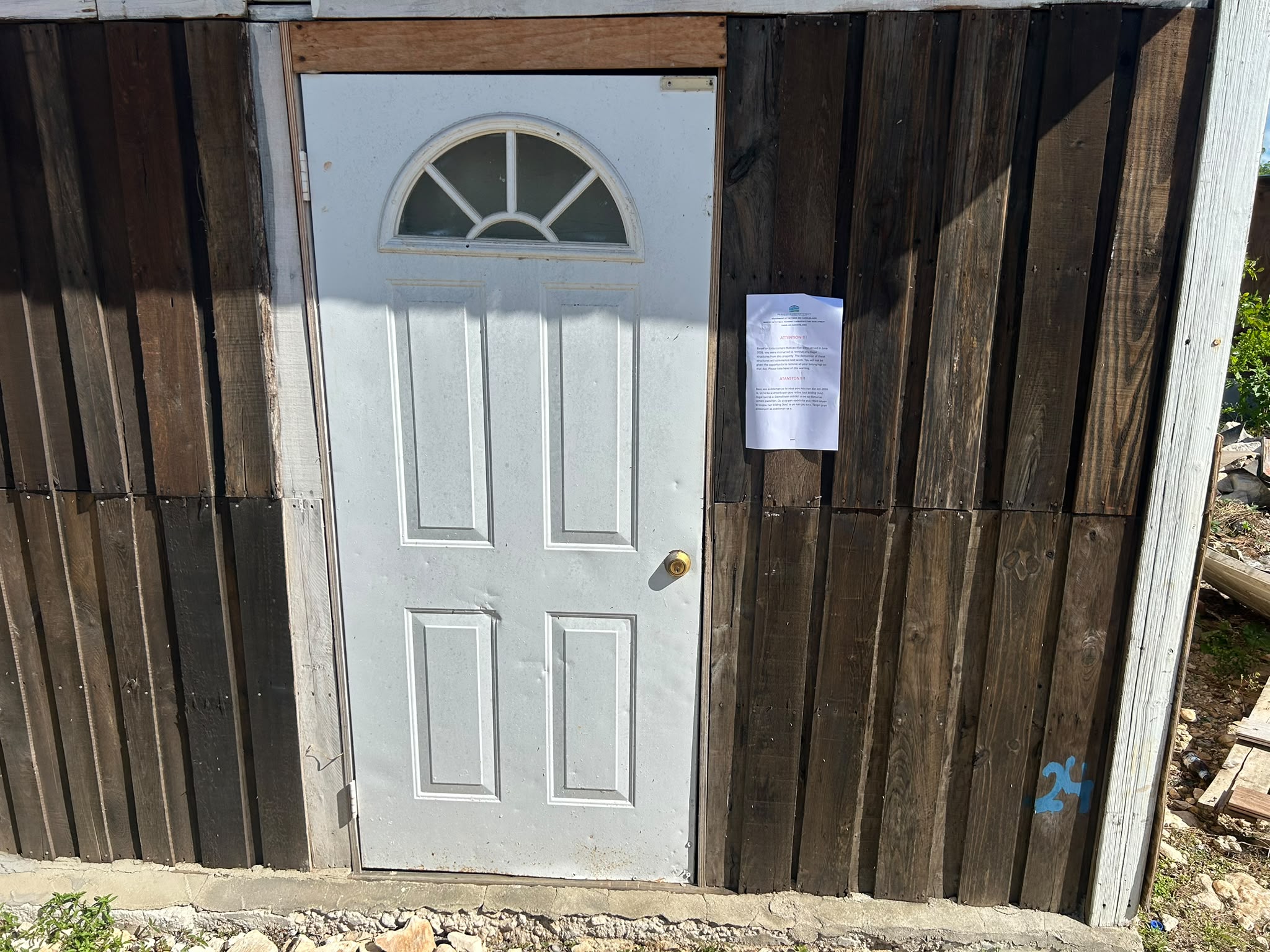 October 8, 2026, as part of the Government’s ongoing efforts to address the illegal occupation and unauthorized use of Crown land.
The exercise brought together representatives from the Crown Land Unit, ISU, TCI Border Force and Royal Turks and Caicos Islands Police Force. Inspections were conducted across several parcels of Crown land in Five Cays, where instances of illegal occupation and unauthorized use had been identified.
During the exercise, a total of seven (7) Section 22 Notices of Unauthorized Occupation were issued in accordance with the provisions of the Crown Land Ordinance. The notices related to the unauthorized placement of shipping containers and derelict vehicles, as well as the construction of an incomplete concrete structure on Crown land. Where occupants or other responsible persons were not present, notices were affixed to the relevant structures or items.
The exercise forms part of the Crown Land Unit’s continuing efforts to prevent squatting and encroachment on Crown land and to ensure that instances of unauthorized occupation are identified and appropriately addressed.
The Government of the Turks and Caicos Islands reminds the public that occupying, developing or otherwise using Crown land without lawful authority is an offence under the Crown Land Ordinance. These inspections and enforcement activities form part of a sustained program aimed at safeguarding public lands, discouraging unlawful development and ensuring that Crown land is managed in the best interests of the people of the Turks and Caicos Islands.
The Crown Land Unit will continue to work closely with the ISU and other partner agencies to identify and address instances of illegal occupation across the Islands. Persons occupying Crown land without authorization are encouraged to comply with all notices issued and to seek guidance from the relevant authorities where necessary.





-

 Bahamas News6 days ago
Rosewood Exuma: A precedent-setting case for environmental law and future development in The Bahamas
-
 News5 days ago
Invest TCI Strengthens Regional Investment Connections at Caribbean Investment Forum 2026 in Barbados
-
 Bahamas News2 days ago
Bahamas Issues Cybersecurity Alert Over Akira Ransomware Threat
-
 Bahamas News5 days ago
Energy Minister Delivers Electrifying Keynote Opening Address at CAREC 2026
-

 Bahamas News1 week ago
Monument Supports Hands for Hunger With Paradise Plates Debut
-

 News3 days ago
Crown Land Unit Leads Multi-Agency Enforcement Exercise in Five Cays
-
 News10 minutes ago
Imagine Turks & Caicos Represented in UK Parliament; New Report Favours It