
News
Ministry of Education, Youth, Sports and Social Services Announces Scholarship Awards for 2023


#TurksandCaicos, August 5, 2023 – Grand Turk, Turks and Caicos Islands, 28 July 2023 – The Ministry of Education, Youth, Sports and Social Services is pleased to announce the outcome of the scholarship applications received as of the deadline on May 31st, 2023. A total of 144 applications were received from ambitious individuals seeking to pursue further education internationally, showcasing the nation’s dedication to academic excellence and personal growth.
The Ministry advertised the availability of 65 awards for this financial and academic year, however additional awards were able to be issued. The Education Advisory Board convened in July to diligently review all complete applications received. Each application underwent a meticulous evaluation process to ensure a fair and transparent selection of candidates. Award allocation by study area was based on the advertised number of awards for each area, issuing awards to the maximum number of eligible applicants in each area and reallocating where there were insufficient applicants. Following the Advisory Board’s comprehensive recommendations, the Ministry undertook a thorough review and presented the final decisions to the Cabinet.
We are delighted to share that out of the 144 applicants, 77 outstanding scholars have been selected to receive the prestigious scholarships. These bright minds demonstrated exceptional academic achievements, strong leadership potential, and a passion for contributing to the advancement of their fields and communities.
The Ministry of Education, Youth, Sports and Social Services congratulates the 77 scholarship scholars and wishes them success in their academic pursuits abroad.
Minister of Education, Honorable Rachel Taylor, expressed her appreciation for the dedication shown by all applicants and the commitment of the Education Advisory Board in selecting the most deserving candidates. She stated, “I want to extend my heartfelt gratitude to every individual who submitted an application. Your drive for excellence and pursuit of knowledge are truly inspiring. Each applicant showcased remarkable qualities, making the decision-making process incredibly tough for our Education Advisory Board and subsequently the Ministry.” She further emphasized, “We understand the aspirations and dreams of every applicant, and we genuinely wish we could have provided scholarships to all deserving candidates. To those who were not awarded scholarships this time, I encourage you to persevere in your pursuit of knowledge and seize other opportunities that may come your way. Our commitment to education remains steadfast, and we will continue to explore ways to support and nurture talent within our nation.”
The Government is committed to support our students to ensure their successful completion of their studies. Students are reminded of the Bond release requirement under the National Education Financial Assistance Policy, and that the Ministry is taking a very proactive approach in strengthening the implementation of the bond agreement and providing support to ensure their return home to make a valuable contribution to the further development of our country.
Decision letters will be issued to all applicants who provided complete applications by Thursday 3rd August, 2023.

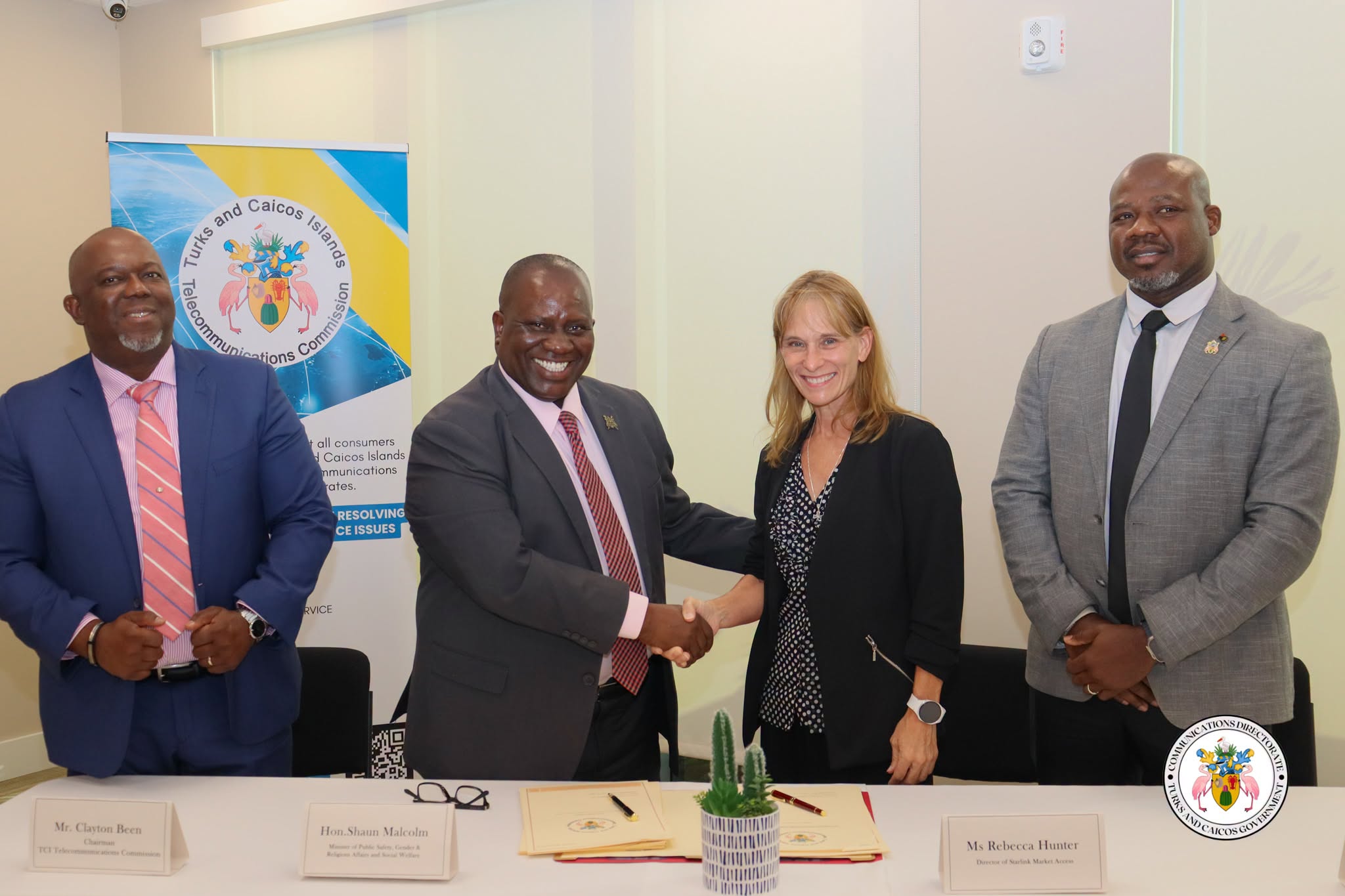
Deandrea Hamilton | Editor
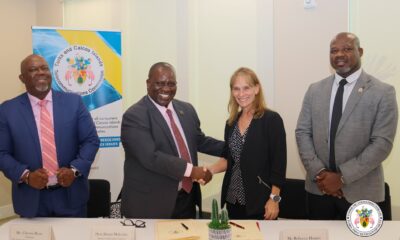
PROVIDENCIALES, TURKS AND CAICOS ISLANDS — The Turks and Caicos Islands Government is embracing satellite technology while reaffirming that neither Flow and Digicel nor plans for national fibre-optic infrastructure will be abandoned as the country enters a new era of telecommunications.
The position was underscored during the August 27 licensing of Starlink Caribbean LLC, completing a process that Kenva Williams, Director General of the TCI Telecommunications Commission, said took two years.
Minister responsible for Telecommunications Shaun Malcolm stressed that Starlink is intended to complement the telecommunications infrastructure already built across the islands, with Government remaining committed to supporting existing providers as technology evolves.
That commitment was echoed emphatically by Williams, who acknowledged concerns among the country’s established telecommunications companies about the arrival of the global satellite provider.
“The stakeholders are concerned, of course — Flow and Digicel — but I would say, as a regulator, you’re not going to fail, not on our watch. We’re going to ensure that policies are in place to keep the terrestrial services alive,” Williams said.
He explained that the established providers remain essential because of the infrastructure and mobile networks they operate.
“They are the ones who have infrastructure. They are the ones who provide the mobile services. We have to implement policies to ensure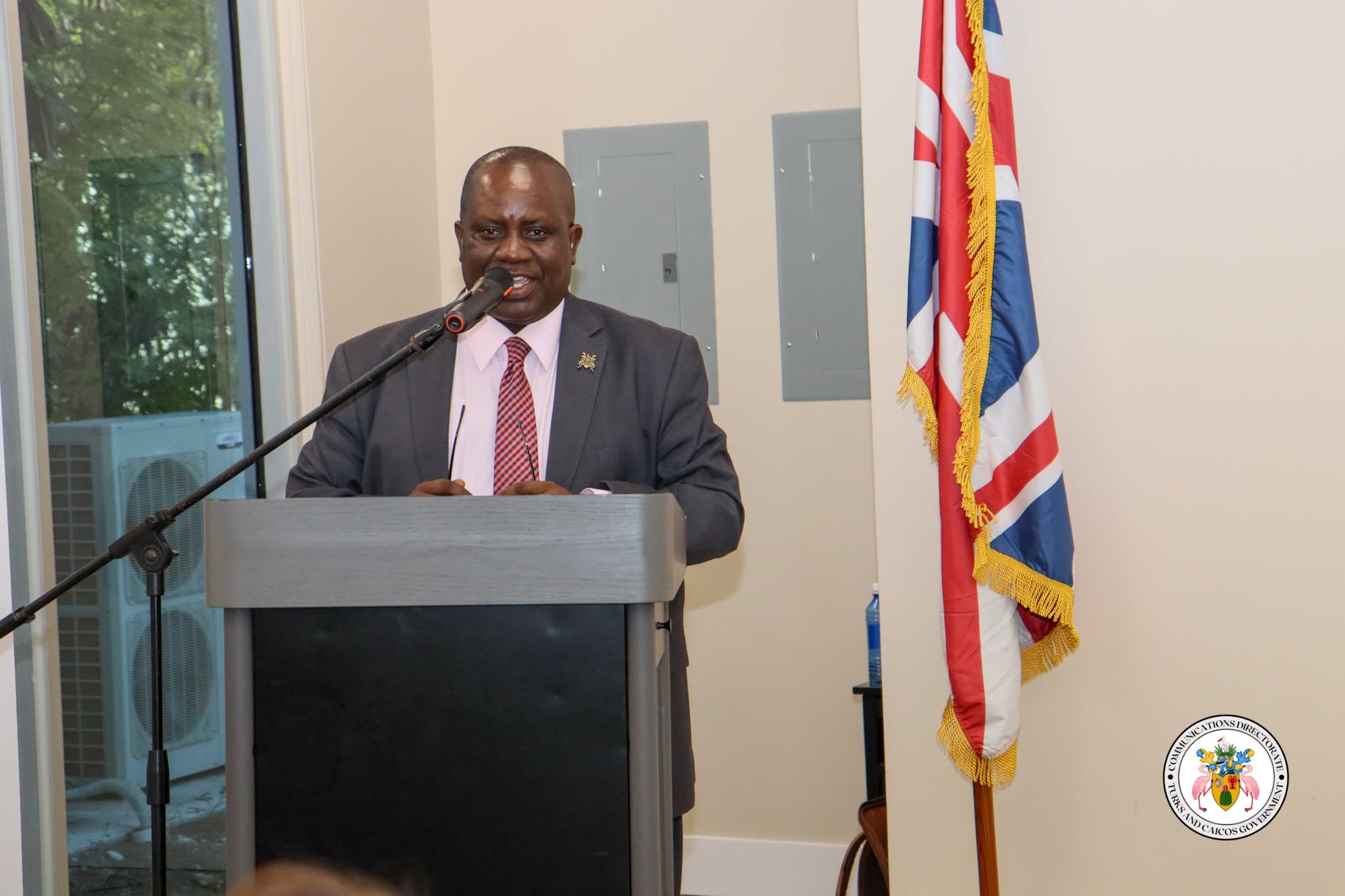 that they are well and alive while Starlink is here.”
Starlink’s entry was also strongly supported by consumers. Williams revealed that during consultation, 80 per cent of respondents indicated they wanted the satellite internet service.
The Commission nevertheless spent two years establishing an appropriate regulatory framework, consulting existing operators and stakeholders and addressing licensing, spectrum and competitive concerns before approving Starlink.
Government is also maintaining its longer-term ambition of a national fibre network, despite the considerable expense involved. Williams used the licensing ceremony to publicly urge Government to continue pursuing the project.
“Please do not lose the dream of the national fibre. That is needed. It is a must,” he said, with Malcolm reaffirming Government’s commitment to the development.
The approach positions satellite, terrestrial and fibre technologies as complementary pieces of TCI’s future telecommunications network rather than competitors from which only one can survive.
Starlink offers an immediate advantage for the country’s geography, particularly sparsely populated islands where laying extensive terrestrial infrastructure can be difficult and expensive. TCI now joins more than 20 Caribbean countries and territories where Starlink is available, expanding broadband options for homes and businesses.
The service also provides another layer of communications resilience during hurricanes and other emergencies when conventional infrastructure may be damaged or inaccessible.
Starlink will operate independently from Flow and Digicel for its regular satellite internet service, although future Direct to Cellular services will involve partnerships with the two mobile providers, according to Williams.
One significant difference will remain between the new entrant and TCI’s established telecommunications companies: Starlink will not maintain a physical office in the Turks and Caicos Islands. Williams confirmed that its operations and customer interactions will instead be conducted online.
Ask a young person what they would change about their community and the answer can be surprisingly revealing. They notice the places that feel safe and those that do not. They know where they can gather play or socialise, and where opportunities are lacking. They see the consequences of decisions made by adults, even when they may not yet understand the policies and systems behind them.
That perspective matters. The communities being planned and developed today are the places in which today’s children and teenagers will eventually build careers, raise families and make decisions of their own. Giving them an early understanding of how communities develop, why rules governing land and development exist, and how individual choices affect the wider society helps prepare them to participate thoughtfully in that future.
There is also value in giving young people a voice in the present. Youth engagement creates opportunities for them to ask questions, challenge assumptions and consider problems from perspectives that may differ from those of policymakers and professionals. Just as importantly, it encourages a sense of ownership. A young person who understands why responsible development matters is better placed to appreciate the connection between the choices made today and the kind of community they will inherit tomorrow.
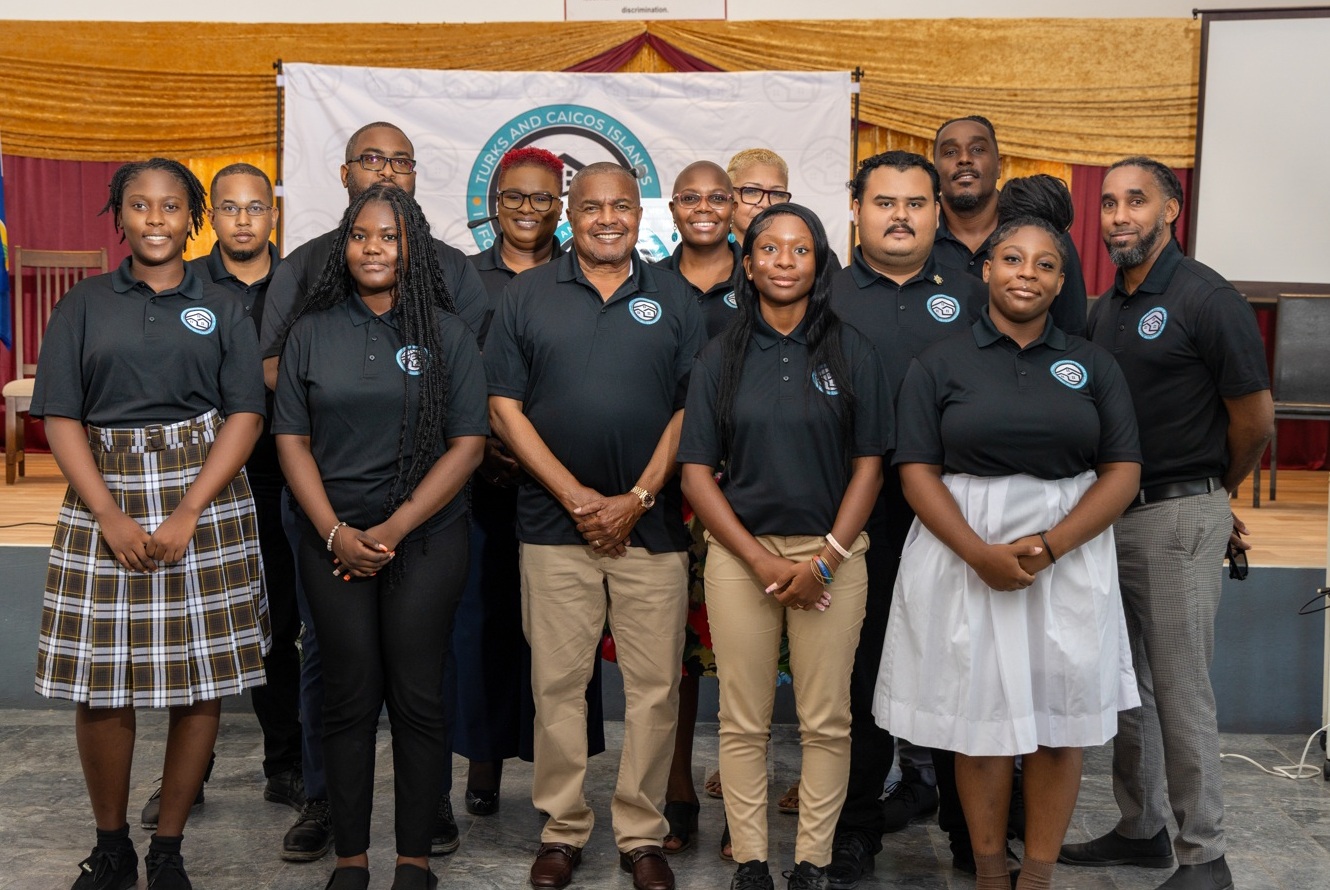
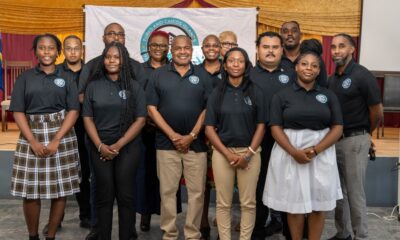
This thinking is at the heart of the Informal Settlements Unit’s Youth Outreach Programme. Through engagement with young people across the Turks and Caicos Islands, the programme introduces students to issues surrounding informal settlements, sustainable development and community responsibility in ways designed to encourage curiosity and participation. It also provides opportunities for young people to bring their own ideas and creativity to the conversation.
The next instalment of the Youth Outreach Programme will continue that work during the coming school year, with school visits and exciting competitions aimed at engaging students across different age groups and giving them opportunities to learn, participate and express their ideas. The ISU will be collaborating with the Ministry of Education on the National Primary Schools Spelling Bee as well as a National Secondary Schools Debate Competition, both in May of 2027.
The return on this sort of investment may not be immediate. Attitudes towards community, responsibility and citizenship develop over time, shaped by what young people see, what they are taught and the opportunities they are given to participate. If we want tomorrow’s communities to be thoughtfully planned, responsibly developed and cared for by the people who live in them, there is good reason to begin that conversation with the generation that will inherit them.

Head to bed in a bra to reduce breast pain, nipple irritation and stretch marks
When you think about sleeping in a bra, “comfort” probably isn’t the first word that comes to mind — it may not even make the Top 10. But is it bad to sleep with a bra on?
Breast surgical oncologist Margaret Thompson, MD, explains the upsides and downsides of wearing a bra while you snooze.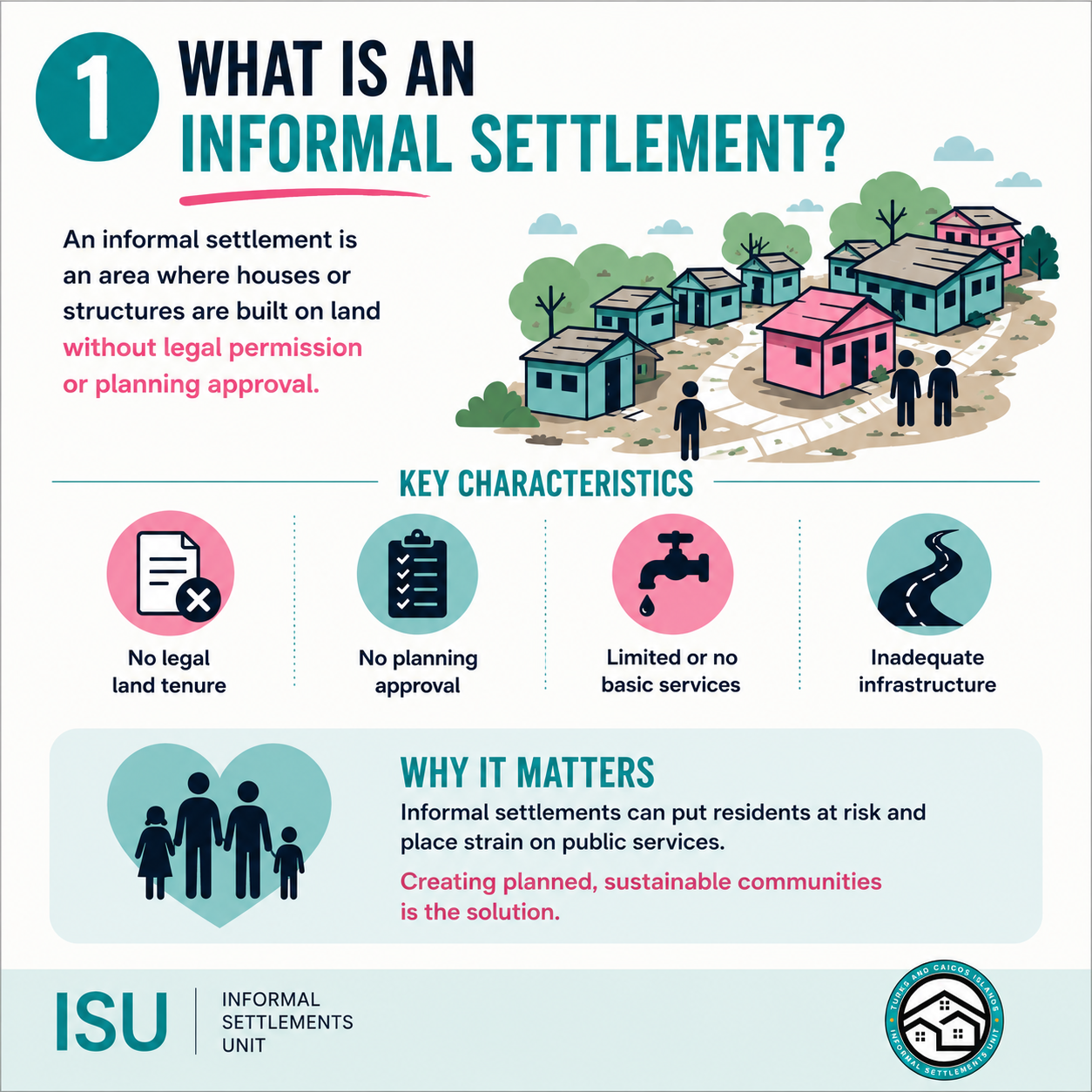
Should you sleep in a bra?
Several factors may affect your decision to wear a bra to bed, but Dr. Thompson emphasizes that the risk of breast cancer should not be one of them.
“There’s no evidence that wearing a bra while sleeping increases your risk for breast cancer,” she states. “It really comes down to comfort and personal preference.”
But there are also other health issues to consider. Dr. Thompson lays out the pros and cons of sleeping in a bra.
Pros: Why sleeping in a bra might be good for you
Should you wear a bra to bed? There are some benefits, especially if you’re recovering from surgery or breastfeeding.
Lessens breast pain
Having the support of a bra day and night may help relieve breast pain (mastalgia). That’s good news, because up to 70% of women in the United States deal with it at some point in their lives.
Common causes include:
- Hormonal changes, which often occur as part of your menstrual cycle
- Locally advanced breast cancer, including inflammatory breast cancer
- Lactation (producing milk), which may cause your breasts to ache
- Large breasts, which may strain breast ligaments and tissue
- Recent surgery related to your heart or breasts
- Underwires, especially if your bras are too tight
“When somebody reports breast pain, one of the first things we ask is whether they wear an underwire bra,” shares Dr. Thompson. “It can dig into your skin or breast tissue, leaving you sore and tender.”
A soft sleep bra can keep your breasts from shifting and causing discomfort while you snooze.
Protects lactating breasts
If you’re breastfeeding, you know all too well that your mammary glands don’t care if you’re trying to rest. Swollen or full breasts can be painful, especially as you move during sleep or change positions. Wearing a clean and supportive bra while sleeping:
- Holds nursing pads in place
- Keeps nipples dry and free from bacteria
- Reduces nipple chafing
- Supports the structure of your breasts
Make sure your sleep bra is supportive, but not too tight. Wearing a bra that’s too tight while breastfeeding can lower your milk production and possibly lead to clogged milk ducts and mastitis — inflammation of the breast tissue.
Prevents fungal infections
Everyone loves to be warm and cozy in bed. But do you know what else loves a warm environment? Fungus.
“There’s a lot of skin-on-skin contact underneath your breasts, especially if you have larger breasts,” notes Dr. Thompson. “If you’re also covered in blankets and sweating, it becomes a perfect environment for fungal or yeast infections.”
Wearing a bra to bed helps absorb moisture beneath your breasts and reduce friction. A camisole with a built-in shelf bra can also help.
Reduces nipple irritation
Friction is a common reason for nipple pain — ask any avid runner. You may not be running a marathon in your sleep, but your nipples can still get sore from rubbing against:
- Tight shirts, especially if they’re textured or have a graphic design that can be felt inside the shirt
- The fabric of your pajama top or sheets
- A sleep bra that’s too loose
Wearing a sleep bra can limit movement, easing nipple irritation.
Helps with recovery after surgery
It’s important to keep your breasts compressed after certain surgeries involving your chest. Restricting breast movement helps protect stitches and incisions. The added compression can also:
- Decrease fluid collection
- Minimize pain
- Hold gauze and drains in place
“Most cardiac and breast surgeons want you to wear a bra for some time after surgery, even while sleeping,” emphasizes Dr. Thompson. “Always follow their advice.”
Diminishes stretch marks
Stretch marks on breasts are common, especially if your breasts change size during pregnancy. Bras support your skin’s structure, which helps prevent stretch marks.
“There’s no proof that wearing a bra at any time of day will decrease breast sagginess,” Dr. Thompson clarifies. “But it may help decrease stretch marks.”
Cons: Why it’s bad to sleep with a bra on
Looking for a reason to sleep without strapping on a bra? Dr. Thompson points out a few potential disadvantages of sleeping in a bra.
Causes skin irritation and infection
A sleep bra can protect your skin from irritation and infection. But it can also cause those issues if it has an underwire or it’s:
- Dirty
- Too tight
- Too loose
Restricts circulation
“Bras that are too tight or contain underwires may cause you to wake up with some discomfort,” reiterates Dr. Thompson. “They can restrict your circulation while you sleep.”
Nobody wants to wake up to find that their bra left angry red indents in its wake. That’s why selection is key.
Tips for wearing a bra to bed
If you decide to sleep in a bra, choose one that’s comfortable and fits well — not too tight, not too loose. And be sure to replace your bras every six to 12 months, or whenever your breast size changes. Measure yourself or ask the fitter at your lingerie store or undergarments department for help finding the right size.
For the best experience with your sleep bra, Dr. Thompson recommends that you:
- Choose a gentle fabric. Avoid lace or scratchy fabrics that may be rough on your nipples. Choose a natural material like cotton or something silky and soft.
- Consider a shelf bra. Some camisoles and tank tops have a built-in shelf bra that may help you feel supported while sleeping.
- Skip the underwire. Underwire can restrict circulation and cause pain while you sleep.
- Wear a clean bra. Don’t wear a bra you’ve worn all day, and wash your sleep bras regularly — after every two or three wears.
Bottom line? If you choose to sleep in a bra, you want one that’s supportive and comfortable. If it interferes with your sleep, it’s not the right fit.





-

 News1 week ago
Saunders Tells Caribbean Media: Be Seen, Be Heard – But What About TCI
-

 Bahamas News6 days ago
Royal Bahamas Police Force – ARRAIGNMENT NOTICE
-

 Health3 days ago
Is It Bad To Sleep in a Bra?
-
 News13 hours ago
Government Restates Commitment to TCI’s Telecommunications Evolution
-
 News22 hours ago
Tomorrow’s Communities Start with Today’s Young Leaders: Why Youth Engagement Matters