
News
Sustainability of tourism in TCI, do we have the zeal to preserve it?

#TurksandCaicos, May 2, 2023 – In a true sense of the word, sustainable tourism is one that takes full account of its current and future economic, social and environmental impacts, addressing the needs of visitors, the industry, the environment and host.
As a country, we have come a long way and can proudly boast that we are the envy of the Caribbean in terms of desirability but, is it sustainable?
Prior to the pandemic, there were public concerns that tourism in the Turks and Caicos was growing faster than our ability to cope. With a significant decline in this area during the COVID-19 pandemic, it gave leaders a moment to pause and reflect on how dependant we are on the tourism dollars, and to question whether or not we are truly a good host.
Without a coordinated response, we risk being unable to fully capture the true potential of tourism and protect the long-term sustainability of this vibrant but fragile industry.
As we press forward and look beyond the post-pandemic era, we should be asking ourselves, what can we do differently to save our most valuable product which is ecotourism?
It’s crucial that everyone take the depletion of our natural resources seriously and do everything within our power to protect and sustain our natural environment.
Turks and Caicos is now at a crossroad where the Bahamas and Jamaica once were, in terms of growth and development. Where we go from here will determine the long term future of our country. So how do we continue to thrive and nurture what we have?
If our government is truly serious about saving our ecotourism industry, it must start with saving our coral reefs, our pristine beaches and wet lands. In today’s fractured and fragmented world and tourism being so delicate, these are the areas that must be protected at all cost.
Red flags are being raised all over, particularly in areas such as, damaged and depletion of our coral reefs, crumbling infrastructure etc. In all honesty, we must ask ourselves are these areas getting our full and undivided attention that is needed?
Department of Environmental and Costal Resources(DECR) and Maritime departments, will need to be given an attenuated role with managing national parks and more autonomy to operate.
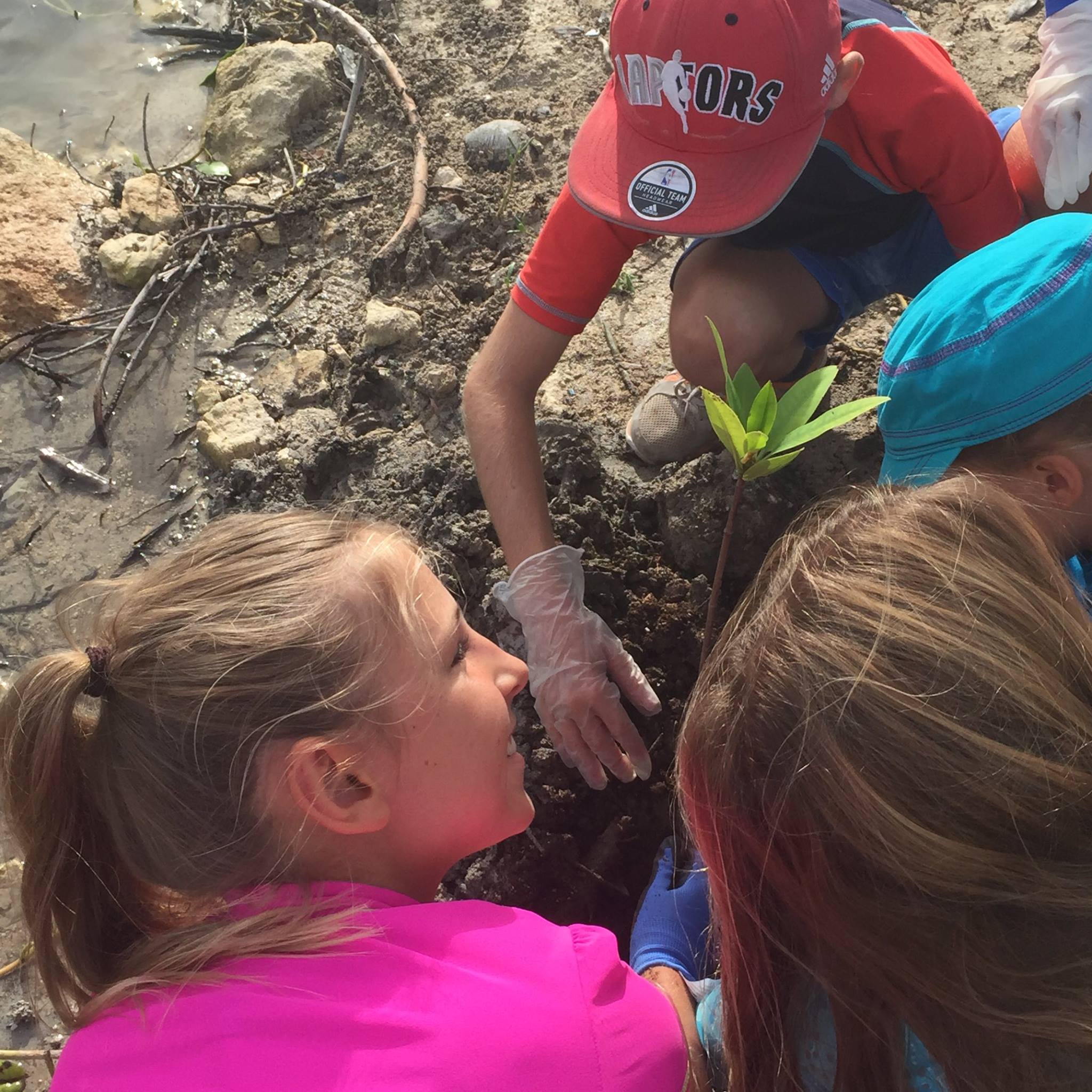
Our coral reefs and mangroves are a critical part of our natural environment, providing some of the best ecotourism services in the Caribbean if not in the world.
With our low lying landscape, It also helps to mitigate the effects of flooding by slowing the speed and distribution of storm water, and reducing beach erosion. Therefore, we should be doing everything within our means to protect them.
Access to the needed resources for enforcement in these particular areas has long been a challenge. Basic needs such as, channel markers, proper reef moorings that boat operators are paying for, a Maritime vessel, are all areas of dire need particularly in Grand Turk.
It should all begin and end with forging a strong partnership, collaboration and trust between the public and private sectors.
What is of paramount importance is, bridging that gap and aligning the aforementioned departments with local Water Sports organizations and the Turks and Caicos Reef project.
I believe the end goal could very well be achieved merely through training and education of tour operators, both on land and at sea.
With close oversight and support, these private organizations could play a vital role in helping to protect and preserve a sustainable ecotourism in our country. It also makes a powerful argument for greater self-sufficiency.
What we have seen over the years is, the departments might have had the best intentions or strategies to help save our environment, but in my opinion, lacked the resources and limited grit to execute on the initiatives.
Case in point: On any given day when the cruise ships are in, we have anywhere from 3500 to 4000 passengers embarking on our shores in Grand Turk.
An overwhelming majority of these sunbathers remain right on our pristine beaches.
The country on a whole has been somewhat actively complicit with providing available public restroom facilities, direct beach access for emergency vehicles and at the end of the day, the beaches are left littered with garbage, with no assigned government workers to assist with clean up.
It’s also pretty evident across these islands, with the surmountable garbage collection during earth day and coastal cleanup day.
Is this what one would call protecting our most valued tourism product? Nevertheless, it’s never to late we just have to remain hopeful. With cruising and tourism now resuming at full speed, it’s our opportunity to get it right this time.
With tourism being the primary economic engine of growth for our country, we are in an acute position and cannot continue to ignore these critical areas, or play politics while ignoring the need for a total facelift of the nation’s capital and other sister islands of concerns.
We must have a national conversation on saving our reefs with a unified effort, and we must move fast and decisively. Failure to address these critical improvements would only exacerbate issues and in the long term put the country in a more vulnerable position.
We can no longer be shortsighted when it comes to the future of our country. With that being said, more focus should be on yield per visitor and return rate rather than just the sheer number of visitors to our Islands.
If there’s one lesson that can be derived from the recent pandemic, is the importance of protecting what we have control over.
Many residents are still cynical about the change in strategy with the tourist board transitioning to a destination management organization(DMO). Whilst this may expand our horizon, it is still our story, our passion and we must build upon the successes, stay the course and not just ride the waves.
Therefore, in order to protect and sustain what we have left to call our own, ecological restoration will have to become front and center. This should also include revitalization and exposure of our dormant and forgotten culture.
I’m of the opinion, the islands will benefit tremendously by getting more dollars from less people and attracting the right investors. Any development or revitalization plan going forward must include the aforementioned, as the common future of our country depends on it.
Ed Forbes,
Concerned Citizen of Grand Turk

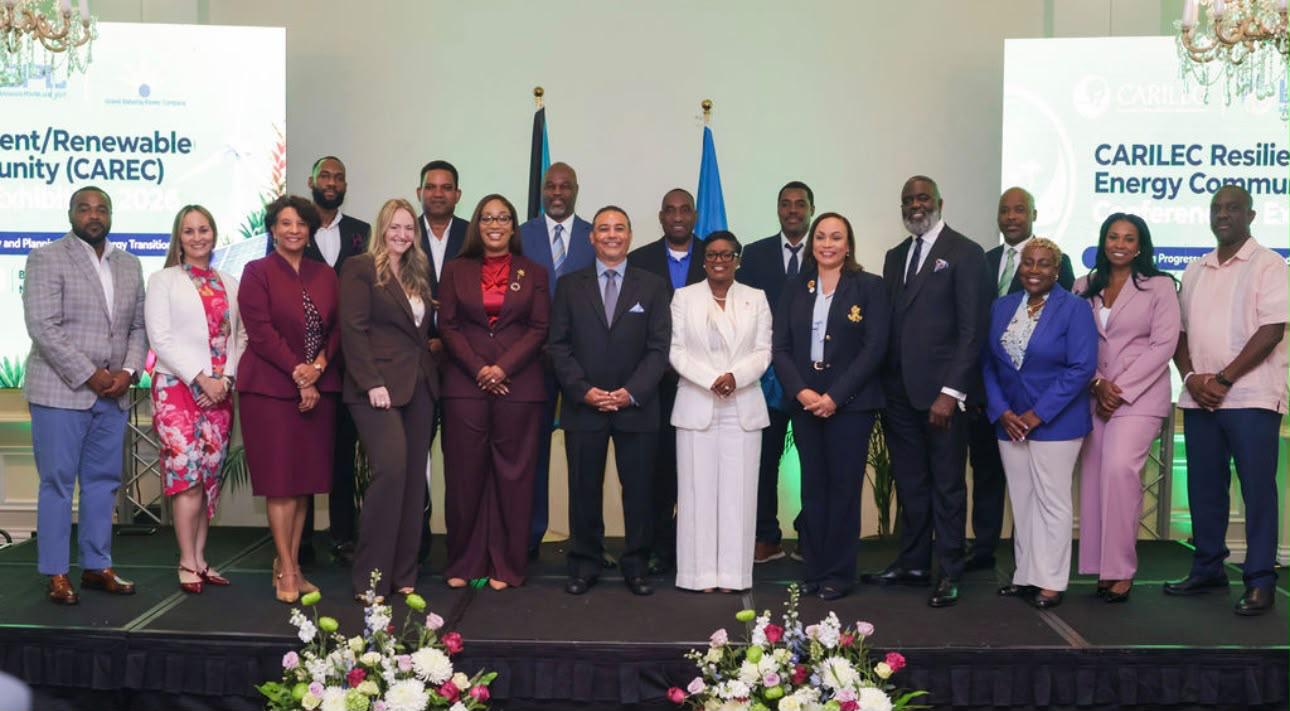
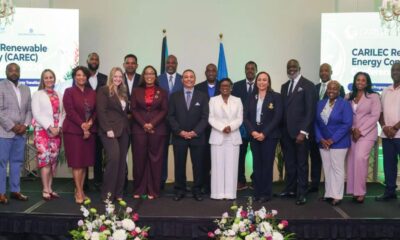
NASSAU, The Bahamas – The Bahamas’ Minister of Energy, Utilities and Aviation, The Honourable JoBeth Coleby-Davis, delivered an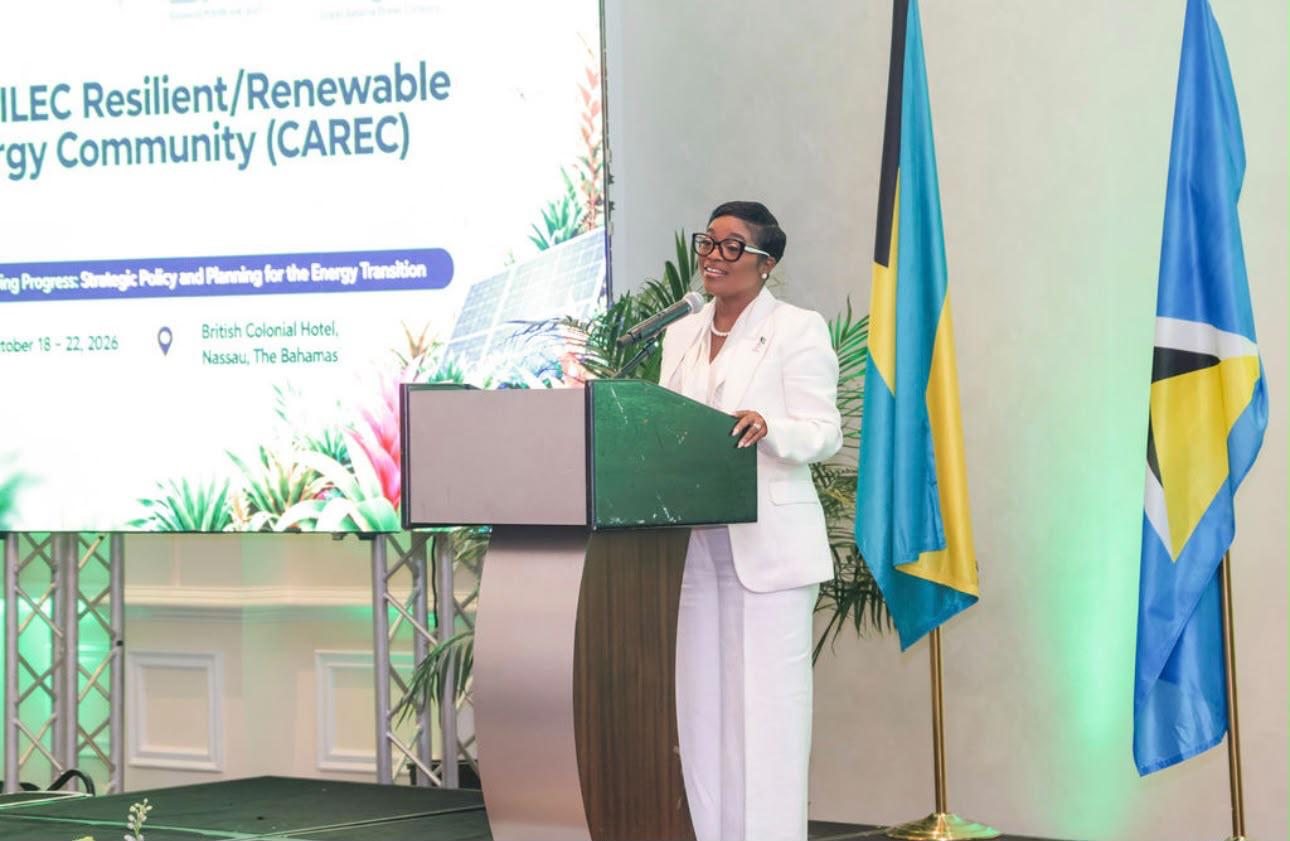 electrifying address during the opening ceremony of the 2026 CARILEC Resilient/Renewable Energy Community (CAREC) Conference and Exhibition, being held October 18–22, 2026, at the British Colonial Hotel in Nassau, The Bahamas.
Under the theme “Empowering Progress: Strategic Policy and Planning for the Energy Transition,” the event draws more than 200 industry leaders, policymakers, regulators, and energy professionals committed to advancing practical strategies for sustainable and reliable Caribbean power systems through renewable energy and emerging technologies.
During her address, titled “The New Energy Era: Transforming Policy into Progress,” Minister Coleby-Davis reminded attendees that The Bahamas’ national motto, “Forward, Upward, Onward, Together,” aptly describes what the region’s energy transition demands.
“Empowering Progress speaks directly to our national motto. Not waiting for progress, but creating the conditions that allow progress to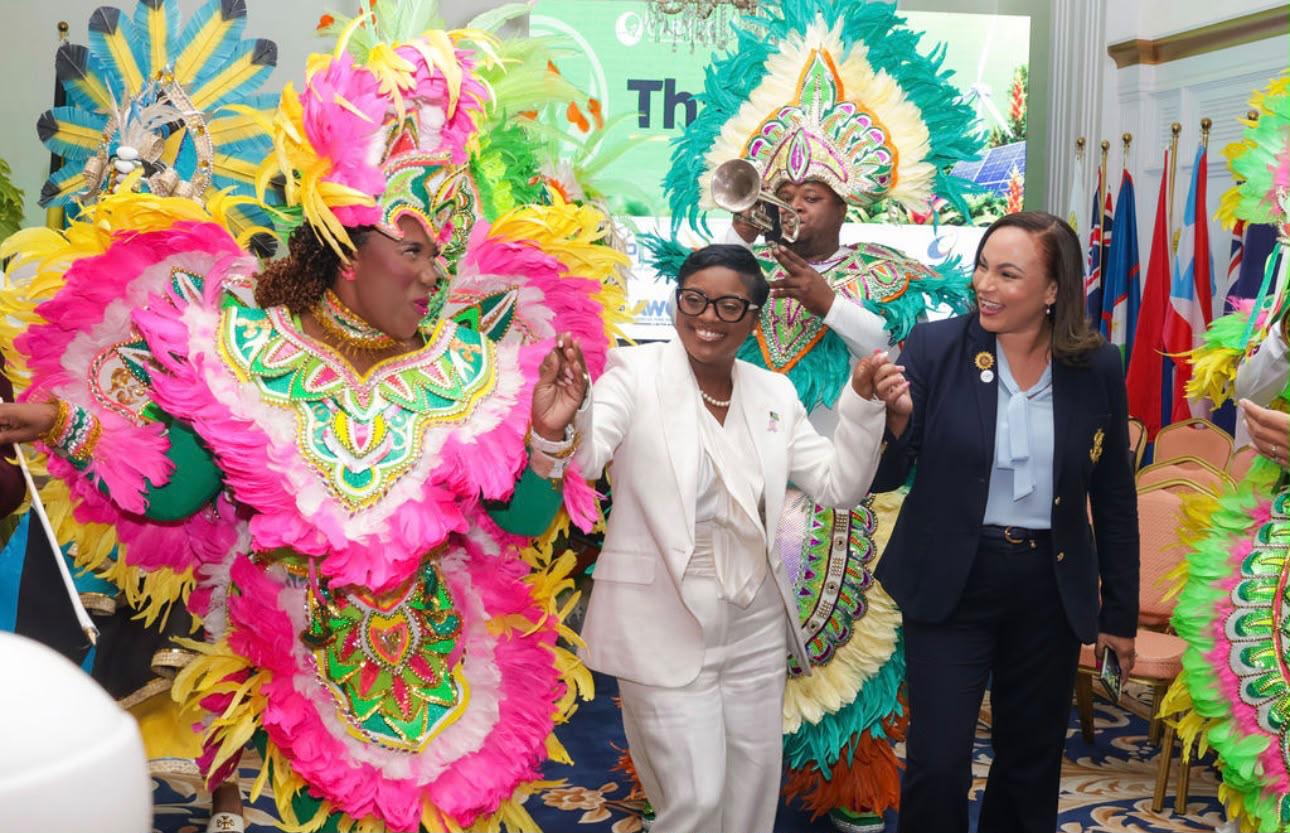 happen. Meaningful progress, however, does not occur by accident. It requires vision, sound policy, strategic planning, strong institutions, and the determination to turn decisions into results,” said Minister Coleby-Davis.
Participants acknowledged that small island developing states share similar pressures, compounded by geographical challenges, small electricity markets, ageing infrastructure, geopolitical influences, and the growing threat of severe weather.
Tasked with ushering in a new energy era across the islands while addressing the challenges posed by The Bahamas’ unique archipelagic composition, Minister Coleby-Davis said, “Every island needs a different answer, but the same logic. As an archipelagic nation, we must provide electricity across many islands, each with its own demand and infrastructure needs. Our strategy, therefore, must be national in direction, but responsive to individual communities.”
Restating her Ministry’s three core messages—that energy is an economic and security priority, technology must be viewed as a tool to support strong institutional leadership, and natural gas should be considered a bridge, not a destination—Minister Coleby-Davis reiterated that “progress must now be reflected in functioning infrastructure, effective institutions, and better electricity services: from policy commitments to coordinated implementation, and from fragmented investment decisions to long-term planning.”
Organised by CARILEC and co-hosted by Bahamas Power and Light (BPL) and Grand Bahama Power Company (GBPC), the annual Conference and Exhibition brings together the Caribbean energy community to advance practical solutions to the region’s most pressing energy challenges and accelerate progress towards more resilient, reliable, and sustainable power systems.
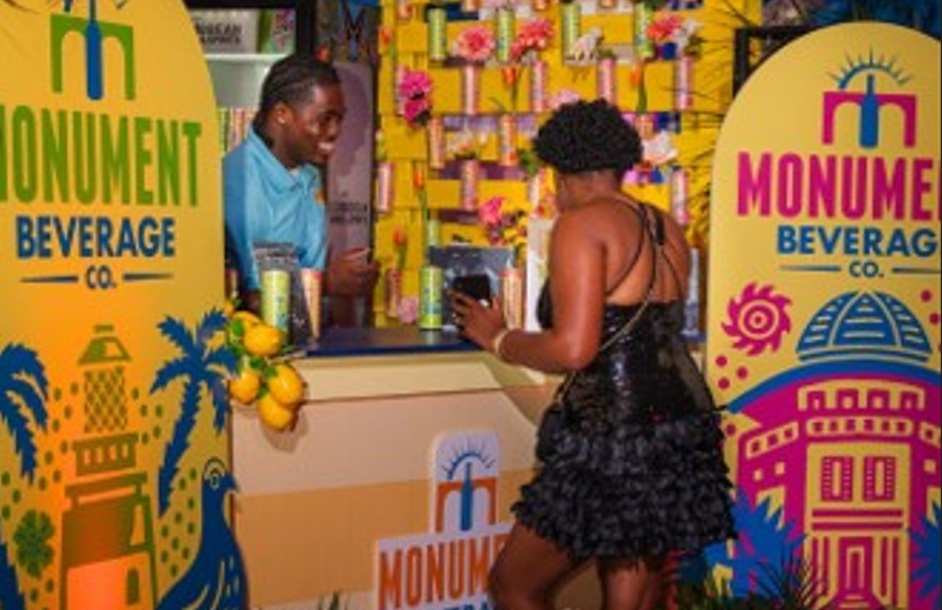
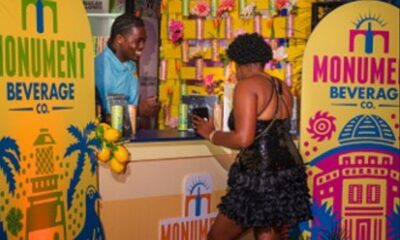
NASSAU, Bahamas — Caribbean Wines & Spirits (CWS), The Bahamas’ leading wine and spirits distributor, proudly supported Paradise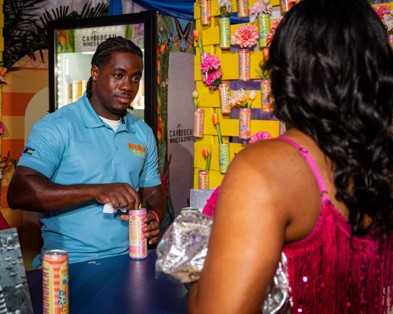 Plates, Hands for Hunger annual fundraiser with a flavorful offering of its newest product, Monument Beverage Co.
Monument, which launched this July and is available across six major islands, made its Paradise Plates debut. Guests enjoyed three bold flavors: Peach Passion, Ginger-Lime and Melon Fizz as they socialized throughout the evening.
Monument brand ambassadors engaged guests with knowledge on the ready-to-drink beverage’s unique taste and look. Many attendees were delighted to learn that Monument is 100% Bahamian-made and owned and enjoyed seeing the various national landmarks on the packaging.
The booth was adorned with vibrant brand colors, striped arches, tropical florals and a photo worthy backdrop featuring Monument cans filled with florals cascading down the wall.
At the end of the event, the entire Monument inventory had finished, making Monument’s Paradise Plates debut a huge success.
For more details on Caribbean Wines & Spirits, new products and specials, visit www.cwsbahamas.com today.
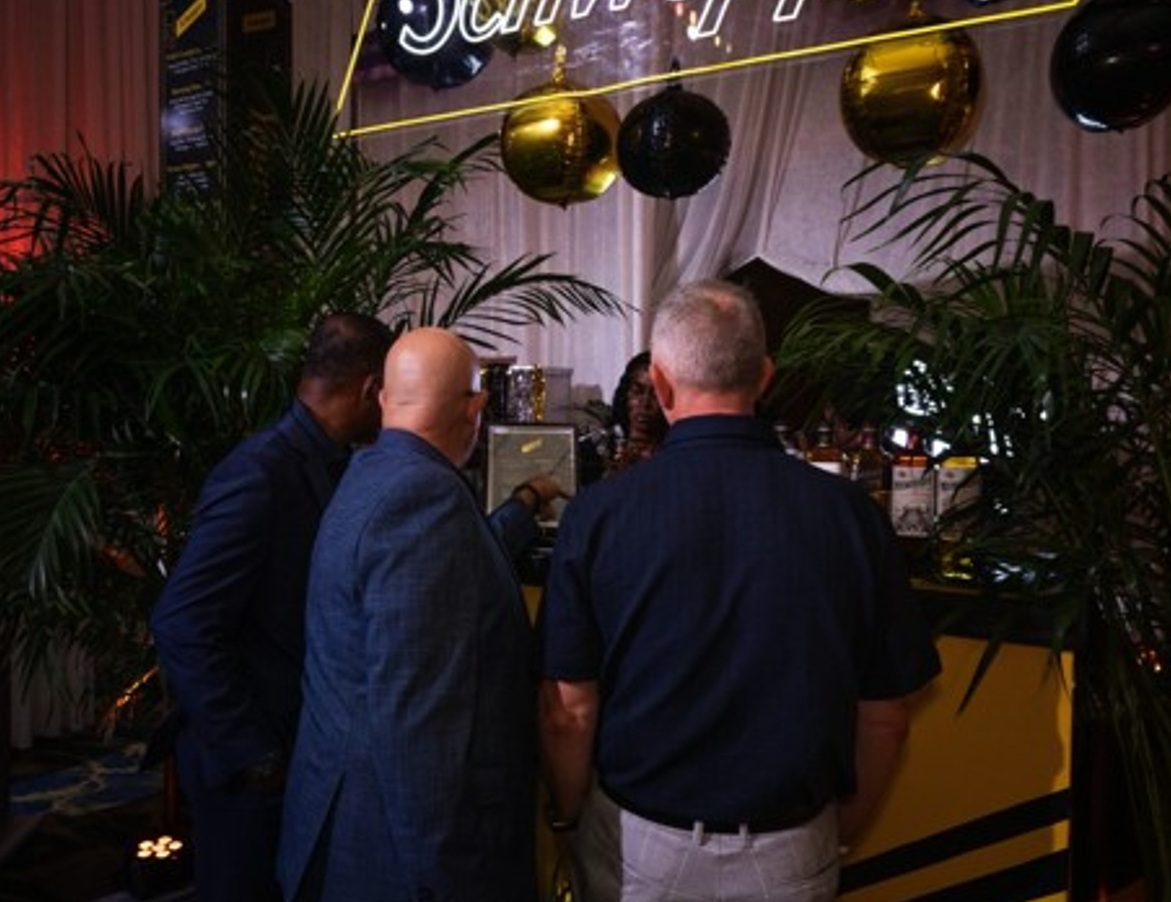
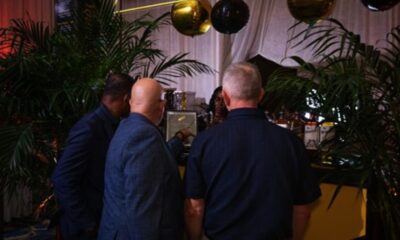
NASSAU, Bahamas — Schweppes, in collaboration with Nemiroff Vodka dazzled guests with handcrafted cocktails during Paradise Plates, Hands for Hunger’s annual fundraiser held at Atlantis’ Imperial Ballroom.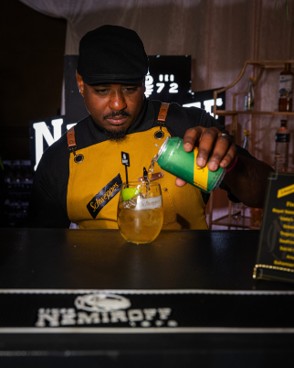
The evenings’ theme, 70’s: Paradise Disco, inspired bold and delicious sips from Schweppes and Nemiroff. The beautiful disco themed Schweppes booth, adorned with LED signs, lush greenery and hanging black and gold metallic orbs shined throughout the room.
Schweppes’ brand representatives and mixologists dressed in chic 70’s speakeasy attire engaged attendees throughout the night. Guests enjoyed receiving knowledge of each product and experiencing the vibrant energy of brand representatives.
Nemiroff Vodka, which is locally distributed by Caribbean Wines and Spirits (CWS), The Bahamas’ premier wines and spirits distributor; offered a unique variety of vodkas which made the perfect blend with Schweppes. Guests enjoyed, Nemiroff’s Honey Pepper, De Luxe, Burning Pear, Wild Cranberry, and Bold Orange vodkas throughout the night.
Fan favorite cocktails of the night were: the Wild Cranberry Tonic and the Bold Orange Fizz.
Following a positive response at Paradise Plates, CWS is offering Nemiroff and Schweppes specials at local liquor stores for the entire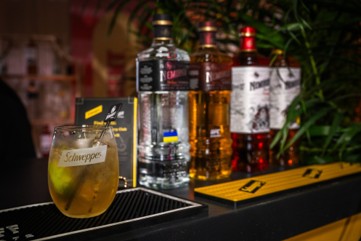 month. With the purchase of any 1-liter Nemiroff vodka, enjoy a complimentary three-pack of Schweppes mixers, to recreate the magic of Schweppes and Nemiroff.
Cara Douglas-Adderley, Senior Marketing Director for Caribbean Bottling (CBC), local producers and distributors of Coca-Cola and Dasani products and CWS shared the inspiration behind the Schweppes and Nemiroff promotion.
“We are thrilled to have paired Schweppes and Nemiroff for Paradise Plates this year, creating a premium cocktail experience for guests. After receiving such positive feedback, we wanted to extend that experience to consumers at home. Throughout October, consumers can visit their favorite watering hole, buy any 1-liter Nemiroff bottle and receive a free three-pack of Schweppes.”
Caribbean Bottling Company is proud to offer Schweppes, Coca-Cola’s premier mixer in collaboration with Caribbean Wines & Spirits and Nemiroff Vodka at Paradise Plates in support of Hands for Hunger’s mission.
For more information on CBC’s philanthropic work, new products and specials, visits www.cbcbahamas.com today.





-
 News1 week ago
Beaches Turks & Caicos gives Enid Capron Primary a pre-term facelift
-

 Independent writer1 week ago
Born Here, Raised Here, but Still Unable to Vote: Is this a Conundrum for TCI Electorate?
-
 Bahamas News2 days ago
Rosewood Exuma: A precedent-setting case for environmental law and future development in The Bahamas
-
 Bahamas News6 days ago
Monument Supports Hands for Hunger With Paradise Plates Debut
-
 Bahamas News7 days ago
Schweppes ‘the Art of Mixology’ Dazzles at Paradise Plates with Nemiroff Vodka
-
 Bahamas News1 day ago
Energy Minister Delivers Electrifying Keynote Opening Address at CAREC 2026