
Government
Grand Turk Prison in Breach of Human Rights Standards, investigation finds

Dana Malcolm
Staff Writer
TurksandCaicos, March 14, 2023 – Despite significant upgrades, because of continued overcrowding, poor sanitation, and regular sewage issues, His Majesty’s Prison in Grand Turk is still not fit for human habitation, and is in breach of International Human Rights standards, says the TCI Human Rights Commission following recent investigations carried out in the facility.
The Commission conducted an unannounced review of the Prison on February 23, after receiving ‘information of alarming conditions’. They say what they found was unacceptable.
“The visit revealed that the facility is currently overcrowded with a total of 131 inmates, which included persons on remand,” said Sabrina Green, Head of the Commission. Some of the prisoners had been on remand for significant lengths of time impeding their access to justice, and the facilities themselves were found wanting.
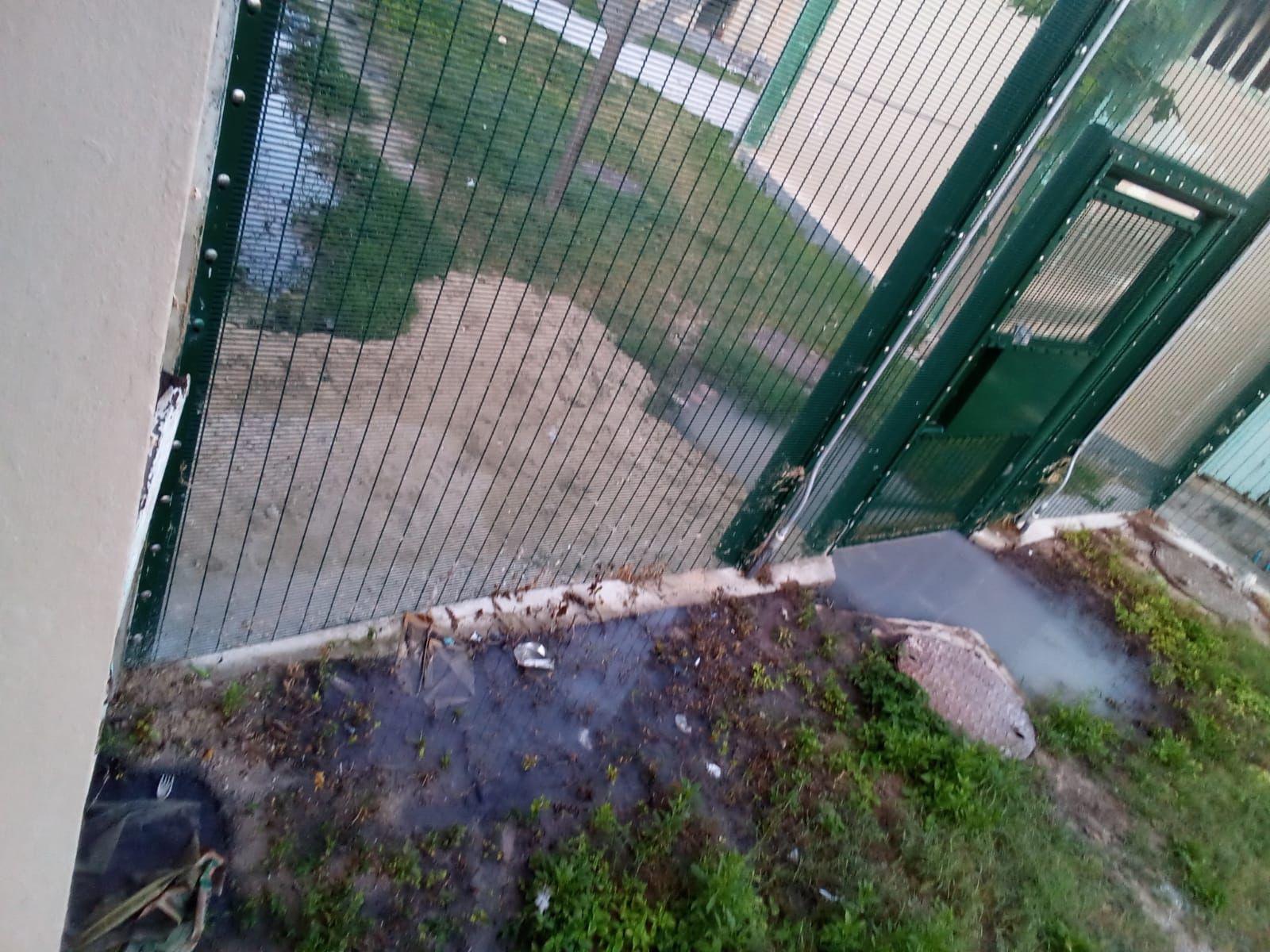
“One of the major issues and concerns identified by the Commission was the back-up of sewage at the facility. The sewage network at the HMP is dated, and seems to be in disrepair. The system is not suited to the capacity of individuals housed there. Pipe blockages occur frequently, when foreign objects are flushed down the toilets, by the inmates, often as a form of protest. The current issue appears to have been caused by a rock being lodged in the pipes, causing the back-up in one of the septic tanks which resulted in an overflow,” Green explained
The issue was picked up on February 14th by Magnetic Media, when videos of the gray sludge, and overflowing bathrooms where inmates had to contend, were shared by inmates and their relatives. It took more than a week before concrete answers were provided for the public by the Ministry of Home Affairs, led by Minister Otis Morris. On February 21st, the Ministry admitted there were issues with sewage and said they were being dealt with. The visit by the Human Rights Commission was two days later.
Along with the sewage issue that the Commission reported to have found:
- Most of the showers are in disrepair except for the White Wing, and currently on one wing, every toilet on the left-hand side fails to flush.
- The new and improved Yellow Wing lies empty, despite its working facilities. Inmates cannot be housed in it because it is missing special doors, which can only be sourced from the UK.
- One of the ‘Women’s Wing’ door locks, also available only in the UK, still remains broken after being reported
 by the Commission several years ago.

Prisoners, as pointed out by Green, have a right to an adequate standard of living and prison officers must ensure that proper health standards are met, under the Universal Declaration of Human Rights (Article 25). Despite this, the prison has repeatedly been found to have an inhumane standard of living for people on remand and inmates.
At this time, it is also a concern to the Commission that those incarcerated are getting no outdoor time; managers of the facility have admitted this, the statement says.
“Several of the previous Superintendents in charge of the facility have stated that the only solution is to build a new facility fit for the purpose of incarceration and rehabilitation. The problems with sewage at the facility are one of the many reasons the facility is not fit for human habitation.”
Magnetic Media interviewed Minister Morris regarding the report; he explained that while he had been out of the country, everything was, by now, ‘back to normal’. He also explained that, the Cabinet plans to visit the facility on March 8th, which is today – to see the beleaguered prison for themselves.
While challenges are evident and vexing, the Commission reports that there have been significant upgrades, namely:
- The facility stank of sewage. The authorities carried out extensive work on the sewage system in recent years, and now, problems with the sewage are dealt with quickly, even though they still occur.
- Previous reviews noted that the water provided to the inmates was discoloured. This was believed to be from rusty cisterns; now, it is of better quality.
- In the past, inmates were forced to use buckets in their cells to go to the toilet.
- The facility has improved, and Internal fencing and CCTV cameras have made it a much safer place.
Green admitted that Senior leadership and staff at the prison consistently make efforts to improve the environment. Also, funding for the facility has been acquired but there is a lot of work left to do, and that requires a greater sense of urgency.
“The Commission has been making regular visits to the facility for over a decade, and has witnessed many improvements. However, these improvements are noted as the best that the authorities can do, with the resources provided by the government, which tends to be temporary solutions to existing problems,” she explained.
There are efforts for rehabilitation at the prison, which the Commission also acknowledges. For example, she said, “The farm is an excellent tool for the rehabilitation of offenders, and the classroom at the facility houses have computers connected to the internet that allow several inmates to take online courses, providing genuine qualifications. These improvements, although commendable, are not enough to comply with International Human Rights standards,” Green maintained.
“There remain many problems with the facility, and each one dehumanises the inmates that little bit more, and acts as a barrier to effective rehabilitation.”
Using Norway, which has a recidivism rate of 20 percent, Commissioner Green has encouraged the authorities to focus on the prisoners’ wellbeing to make their efforts at rehabilitation effective.





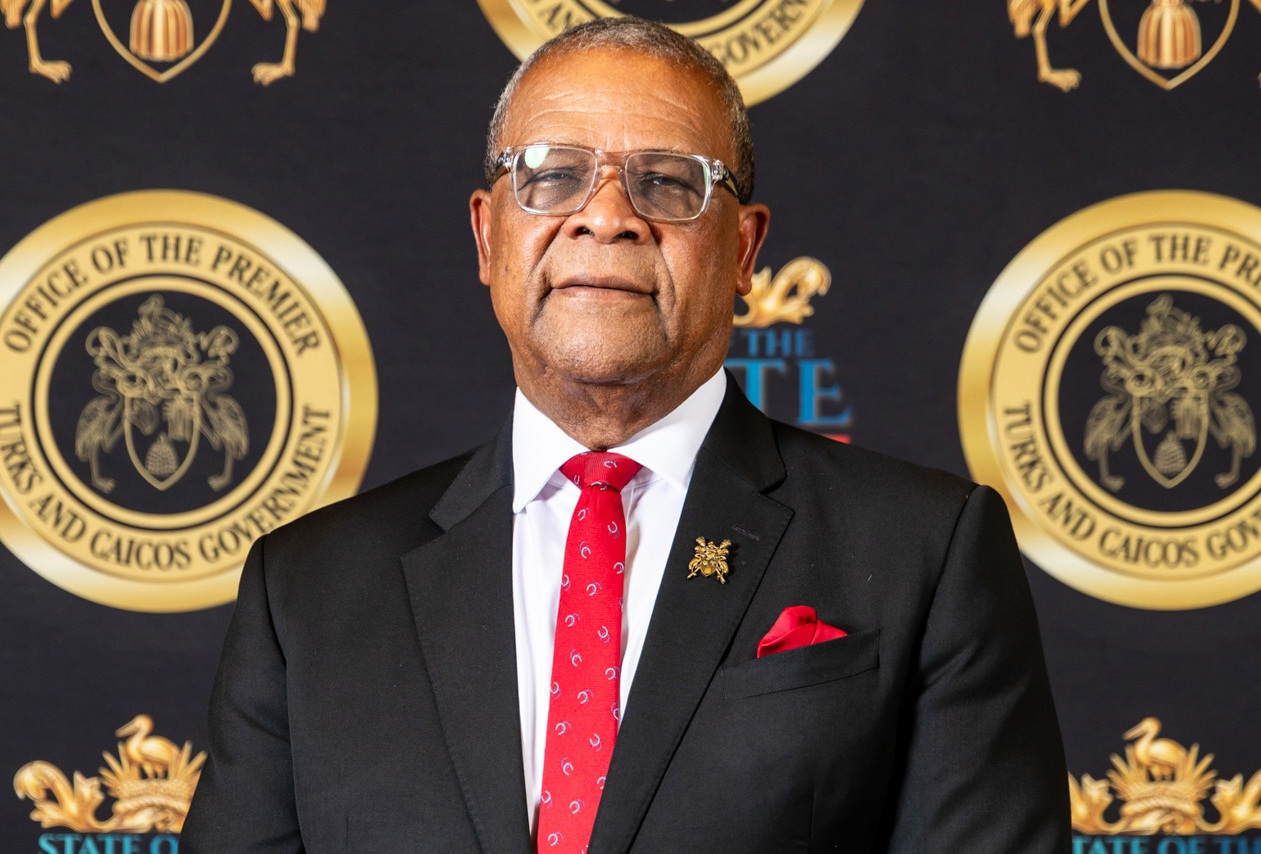
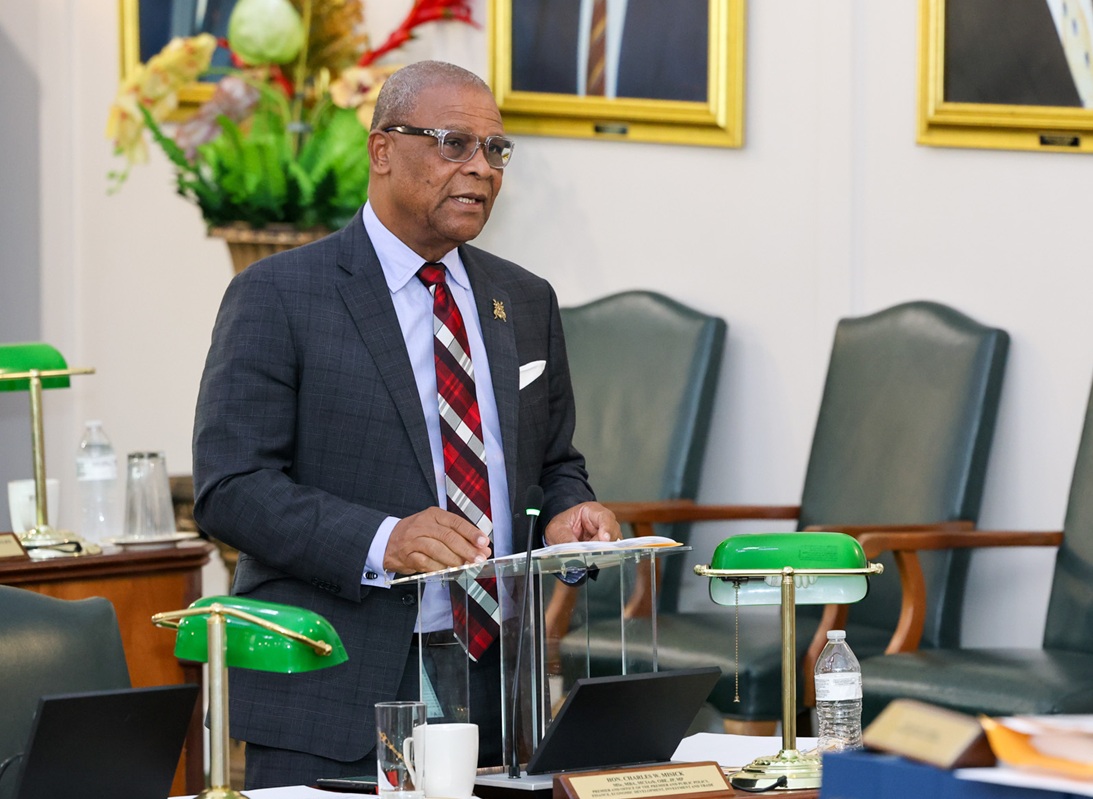
Turks and Caicos, March 18, 2026 – Despite securing significant constitutional reforms within the past year — including new powers that allow for a national referendum — Premier Charles Washington Misick made no mention of independence or any vote on the country’s political future during his 2026 State of the State Address, signalling what appears to be a continued strategy of building institutional strength before raising the question with the electorate.
The absence of any reference to a referendum stood out, particularly after the Turks and Caicos Islands successfully negotiated constitutional changes with the United Kingdom that expanded the authority of elected leaders and modernised the structure of Government.
Those reforms, which took effect last year, increased the size of Parliament, allowed for more Cabinet ministers, extended the life of a government from four to five years, and strengthened the role of elected officials in domestic affairs. The amendments also included provisions allowing for a referendum to be held on matters of national importance, a change widely viewed as giving the territory greater flexibility in determining its future political direction.
In his address, the Premier spoke of the reforms as moving the country toward “fuller self-government,” noting that the changes deliver a fully elected Parliament, widen delegated responsibility in external affairs and give elected leadership clearer authority and accountability to the people.
However, while the speech emphasised sovereignty, national security and stronger local institutions, it stopped short of any suggestion that the Government intends to call a referendum on independence or any other change in constitutional status.
Instead, the tone of the address suggested a focus on strengthening systems at home before considering further political steps.
The Premier outlined plans to expand the Police Force, strengthen the Border Force, increase the role of the Turks and Caicos Islands Regiment, modernise government through digital transformation, and improve immigration control through biometric border technology — all measures he said are necessary to secure the country’s future.
He also pointed to economic stability, infrastructure development and expanded investment as priorities, repeatedly framing the Government’s approach as one of building a stronger and more secure nation before taking on larger challenges.
The 2024 constitutional amendments, agreed between the Turks and Caicos Islands Government and the United Kingdom, formally expanded the number of elected members in the House of Assembly, increased the number of Ministers who may serve in Cabinet, extended the Parliamentary term to five years, strengthened Cabinet authority in domestic matters, and introduced provisions allowing for a referendum to be held on issues of national importance. The changes also widened delegated responsibility to local leaders in key areas of governance, marking one of the most significant steps toward greater self-government in recent decades.
The constitutional reforms achieved last year were seen by many observers as laying the groundwork for greater autonomy, and potentially future debate on independence, but the latest State of the State suggests the Government is moving cautiously.
For now, the message from the Premier appears clear: before any question of political status is put to the people, the country must first strengthen its institutions, its economy and its capacity to govern itself.
Angle by Deandrea Hamilton. Built with ChatGPT (AI). Magnetic Media — CAPTURING LIFE.
Government
$6M Digital Transformation Drive to expand E-Government, National ID and Biometric Borders
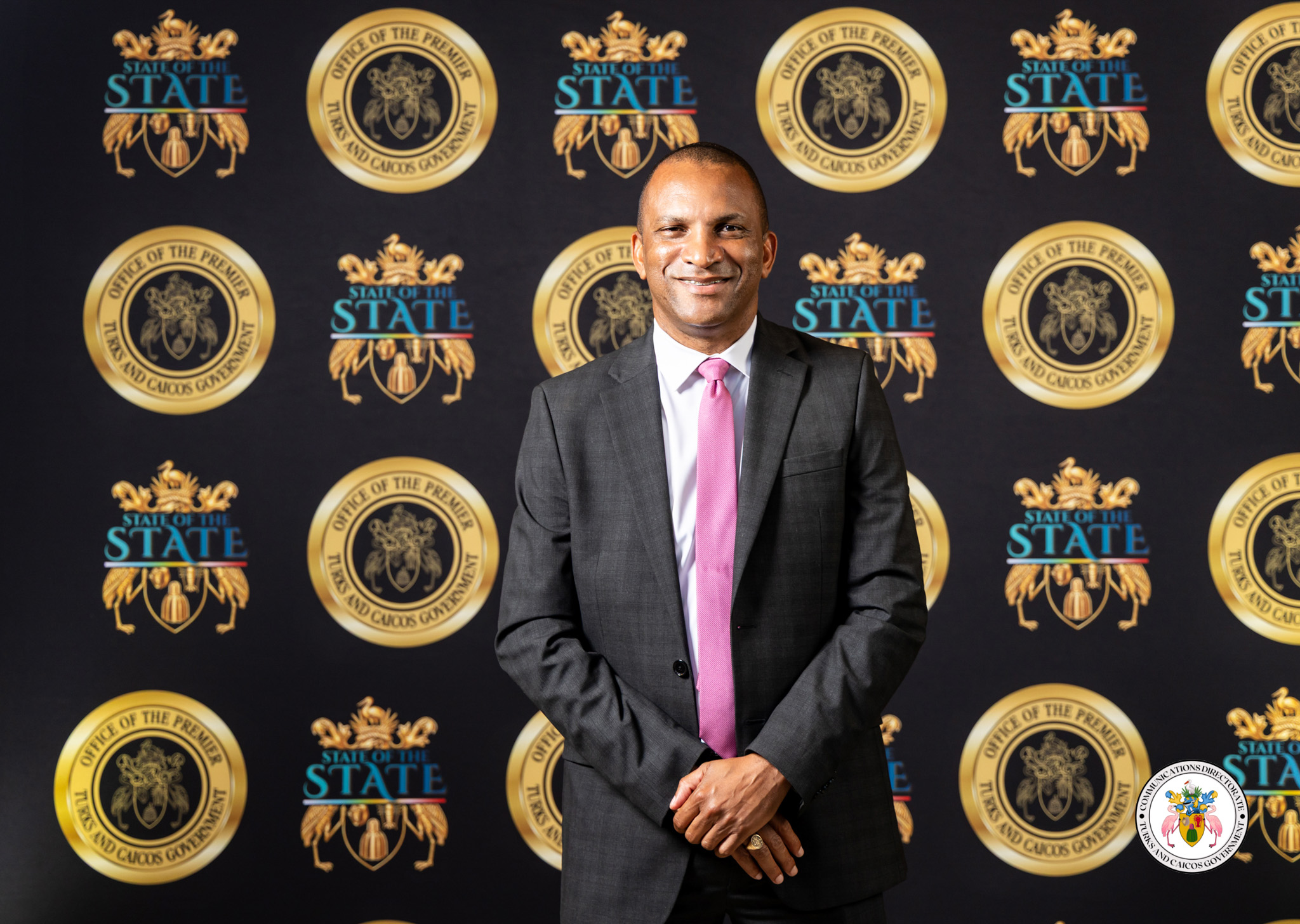
Turks and Caicos – A $6 million digital transformation programme launched after the 2024 government cyber breach is now driving a major push toward e-government in the Turks and Caicos Islands, with new systems planned for online payments, national digital identification and biometric border controls.
In his 2026 State of the State Address, Premier Charles Washington Misick said weaknesses exposed by the cyber-attack made it clear that government technology systems must be modernised to improve security, efficiency and public service delivery.
The Premier said the three-year digital agenda includes stronger network security, a redesigned government data system, new identity management tools and the creation of a National Security Operations Centre to monitor threats.
He told the country that modernising government services through digital transformation and e-governance is no longer optional but necessary for transparency, accountability and national progress.
One of the centrepieces of the plan is the National Digital ID Programme, which the Government says will modernise civil registration, establish a national population register and make it easier for residents to access public services while strengthening national security and election integrity.
The Premier also pointed to early success with the new E-Pay system, reporting that more than $1 million in government payments had already been made online within days of its launch in February, reducing long lines, paperwork and processing delays while improving transparency in public transactions.
Digital transformation is also extending to the country’s borders.
The Government confirmed that a multi-million-dollar Digital Borders Programme will introduce biometric screening and automated E-Gate technology at ports of entry, allowing citizens and low-risk travellers to move more quickly through immigration while giving authorities real-time access to identity and status information.
The move aligns with wider security standards being implemented across British Overseas Territories, where upgraded border technology is being introduced to strengthen immigration control and improve passenger processing.
Officials say the changes are part of a broader effort to create a more modern, secure and efficient public service, with additional digital systems planned across government departments over the next several years.
Angle by Deandrea Hamilton. Built with ChatGPT (AI). Magnetic Media — CAPTURING LIFE.





-

 News7 days ago
GOLD & SILVER – Hall & Guerrier Fly High for Turks and Caicos at CARIFTA 2026
-

 News7 days ago
CALL 649-338-4008 OR 649-338-2684 IF A CHILD IS AT RISK: TCI Confronts Alarming Reality During Child Abuse Prevention Month
-

 Independent writer6 days ago
The Rise of Right-Wing Populism and What It Could Mean for the Turks and Caicos Islands
-

 News1 week ago
Beaches Turks & Caicos, FIU train next generation of hospitality leaders in Providenciales
-

 Bahamas News1 week ago
FNM’S $200 CHILD SUPPORT PLAN SPARKS DEBATE AS PLP QUESTIONS FUNDING AND SCOPE
-

 Bahamas News7 days ago
Fuel Pain at The Pump: Global Tensions Drive Prices Up as Bahamians Feel the Squeeze
-

 News1 week ago
Birthright Citizenship Unchanged as U.S. Supreme Court Weighs Case, Majority of Americans Oppose Ending Policy
-

 News7 days ago
DECLARATIONS DUE: INTEGRITY COMMISSION CALLS PUBLIC OFFICIALS TO ACCOUNT