
Bahamas News
Governor and Premier make official visit to the Commonwealth of the Bahamas


#TurksandCaicos, January 25, 2023 – On 4th to 8th December 2022, a delegation led by His Excellency the Governor, Nigel Dakin and the Premier, Honorable Charles W. Missick made an official visit to the Commonwealth of the Bahamas. The delegation also included officials from the National Security Secretariat, Police, TCI Regiment and the Office of the Premier.
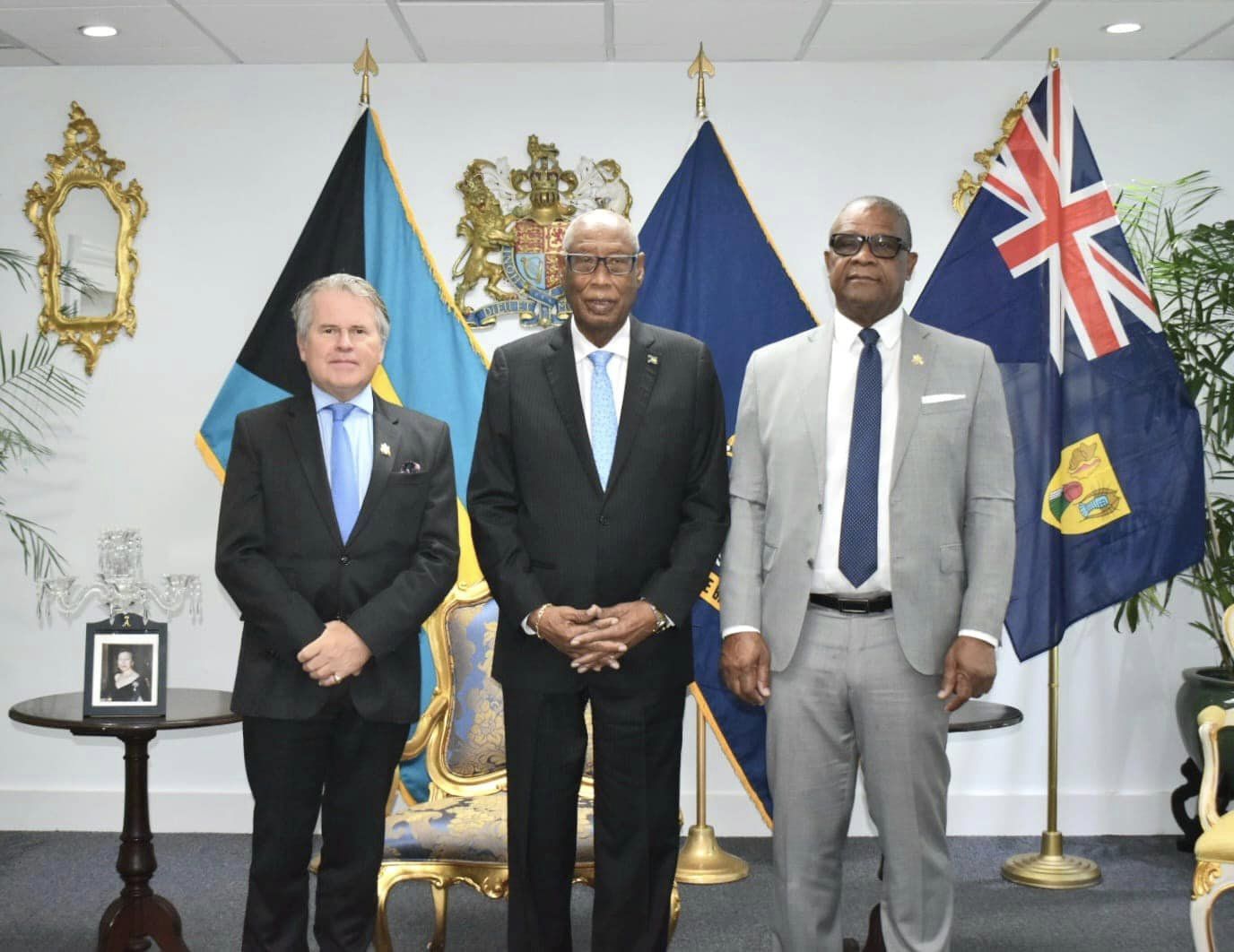
(From Left to Right: Governor HE Nigel Dakin, Governor General of the Commonwealth of the Bahamas Sir Cornelius A. Smith and Premier Hon. C. Washington Misick)
Day one of the three-day visit included meetings with: the Prime Minister, Dr. the Hon. Phillip Davis; the Ministry of Foreign Affairs and the Public Service, Hon. Frederick Mitchell; the Ministry of National Security, Hon. Wayne Monroe; the Royal Bahamas Defence Force, Commodore Raymond King and the British High Commission.
The agenda for the second day involved a courtesy call with H.E. Governor General, Sir Cornelius Smith, followed by detailed meetings with the Royal Bahamas Defence Force, led by its Commander, Dr Raymond King and the Royal Bahamas Police Force led by Deputy Commissioner of Police, Leamond Deleveaux. This included a tour of the Defence Force base at Coral Harbour. The second day ended with a meeting with the Leader of the Opposition, Hon. Michael Pintard.
On the third day, the TCI delegation was hosted by the United States Embassy led by Mrs. Usha Pitts, Charge d’ Affaires, and the United States Coast Guard led by Captain Benjamin Golightly. That evening a reception was held by the Charge d’ Affaires and, on the previous evening, a formal Dinner by the Governor General.
The focus of the visit was threefold – to say thank you to the Government of the Bahamas for their support over the last year – particularly the deployment of twenty-four Bahamian Police Officers to TCI and the operationalizing of the Bahamas/TCI Ship-Rider Agreement. TCI also noted and welcomed the decentralization of the Royal Bahamas Defence Force which brought naval assets closer to the TCI borders and opportunities to further fuse and co-ordinate our collective surveillance assets, including TCI being invited to provide Liaison Officers in the Bahamas Defense Force Command Centre to better fuse maritime intelligence.
Secondly, to brief on and discuss matters of shared National Security interests and threats. Thematic areas of mutual interest included: Operation Bahamas and Turks and Caicos (OPBAT) including the next OPBAT conference, scheduled for March 2023; maritime security (future ratification of jurisdictional boundaries between the TCI and Bahamas); expansion of coastal radar networks; decentralization of Defence Force naval assets; expanding the Bahamas/TCI Ship-Rider program; and sharing of resources, information and intelligence which will be aided by TCI’s new legal intercept provisions.
Additionally, through discussions with Bahamian colleagues, it was evident that TCI and the Bahamas face similar threats individually and collectively in the region including trans-national gangs, smuggling of people, illicit drugs and weapons and the continued destabilization of Haiti – which if left unchecked – could lead to a mass migration event that could have significant implications for the Lucayan Island chain (TCI and Bahamas).
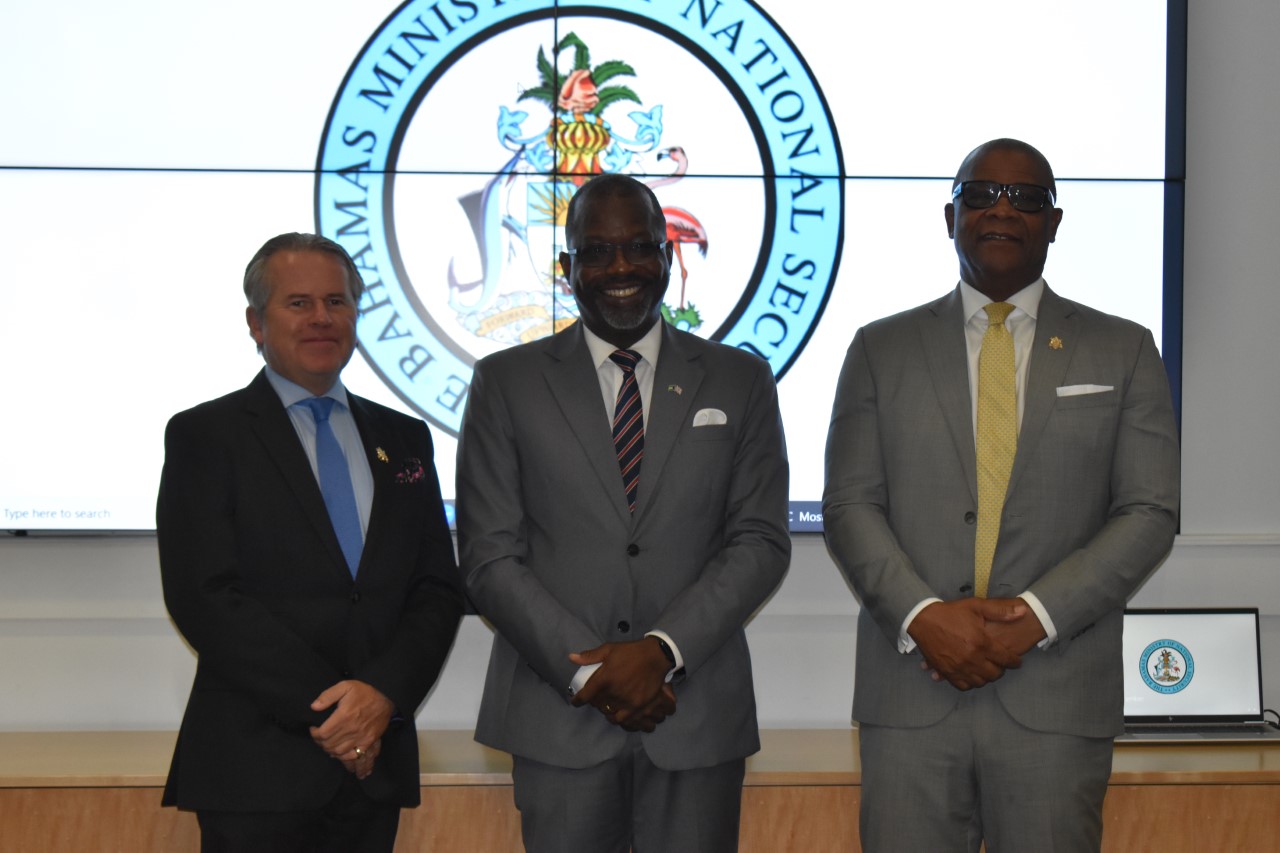
(From Left to Right: HE Governor Nigel Dakin, Bahamas National Security Minister Hon. Wayne Munroe and Premier Hon. C. Washington Misick)
Thirdly, the delegation from TCI sought to explore areas to deepen and strengthen TCI’s friendship with the Bahamas – now and in the future. TCI advised of its intention to seek full membership of CARICOM – for which a letter of entrustment that allows for this negotiation has been provided by the United Kingdom. Deliberations consisted of a request to extend the Bahamian Police contingent in TCI – since agreed – and strengthening the: National Security-to-National Security, Police-to-Police and Military–to-Military relationships including information sharing, improved collaboration and training.
Moreover, the unanimous resolve is to establish and strengthen a relationship between our national security functions on all matters of national security. In this first instance, both countries will seek to learn from each other on two key common challenges: informal settlements and causes of crime.
Furthermore, the TCI offered the Royal Bahamas Defence Force an opportunity to host and deploy their naval assets in Grand Turk, to jointly task the aerial surveillance aircraft that is being procured by the United Kingdom, for TCI, and to share – in real time, TCI’s coastal radar network with the Maritime Operations Center in the Bahamas. This mutually beneficial arrangement will expand the Bahamian southern border of protection while allowing for increased coverage of TCI’s waters.
Also, the Premier, in communicating his intention to open an official TCIG office in Nassau in February 2023 had this to say:
“As part of the Turks and Caicos development goals it is important to leverage the broad contribution that our kin and kind offer to the homeland. While we are reaching out to our global diaspora family it is generally believed that the largest proportion of Turks and Caicos Islanders live through-out the Bahamas: for that reason it is only fitting that we start by establishing an office there. The office will not have consular status but will with deference to the Governor’s office liaise with the British High Commission in Nassau where and when required to do so.

(Turks and Caicos Islands Government Delegation with the leadership of the Royal Bahamas Defense Force)
Additionally, the Bahamas is our closest neighbour. The people of our countries share similar cultures, close family ties and perform important roles in each other countries. We also enjoy a high level of informal co-operation in many fields including security, medicine law and politics. Additionally, we share leadership of several church and civic organisations. The Bahamas has been a friend to the Turks and Caicos Islands. It is only fitting that we formally recognise our friendship and a commitment to work closely together in our mutual interest. An office in the Nassau will help us to do just that. We also welcome the expressed intention of the Bahamas to establish a consular office in the Turks and Caicos Islands.
H.E Nigel Dakin said:
“The Bahamas could not have made us feel more welcome or valued. The regional and trans-national threats we face are too large for TCI to face alone. Indeed, because criminals and smugglers so easily cross borders, they are too large for the Bahamas, or even the US, to face alone. We are stronger together – and our individual security needs to be increasingly thought of in terms of our collective security.
We have worked diligently over recent years to strengthen OPBAT. We can feel the difference at sea, and the Bahamas support to our Policing effort has helped demonstrate that very clearly to our population on land.
But there is so much more we can do together – particularly in the area of intelligence sharing, where TCI is developing, and will develop further strength, that our allies can draw on. While the threat won’t diminish, I’m confident our collective response will only now accelerate, and we can disrupt and arrest those that believe they can operate between and against our jurisdictions. I look forward to the OPBAT Conference in March to continue this engagement and I’m grateful that the Bahama’s have chosen to continue their Tactical Firearms Officer Support to us as we enter 2023”.
Header: (From Left to right: Premier Hon. C. Washington Misick, HE Governor Nigel Dakin, Prime Minister Hon. Philip Brave Davis and Deputy Prime Minister Hon. E. Chester Cooper)


The Bahamas, March 30, 2026 – The voice of a proud mother captured the spirit of a nation Monday night, as Bendra Rolle shared heartfelt reflections on the overwhelming Bahamian support for her son, VJ Edgecombe, during the Philadelphia 76ers matchup against the Miami Heat in Miami.
“The patriotic support and scenery at my son, VJ Edgecombe’s NBA game… was overwhelming,” Rolle said in a statement issued following the game. “The arena in Miami was lit. Bimini and the Bahamas showed up and showed out.”
Her words come amid what has already been widely described as a remarkable showing of national pride, with Bahamians traveling in large numbers to South Florida to witness the young guard’s continued rise. For Rolle, however, the moment extended far beyond basketball.
“Beyond VJ’s basketball talents, I’m so moved by his magnetic personality and personal journey to inspire and excite an entire nation—our beloved Bahamas,” she said. “I thank God for VJ’s humility and for his hunger for greatness. He never forgets how far God has brought us.”
While the Sixers did not secure the win on the night, Edgecombe delivered a solid individual performance, finishing with 13 points and five assists. He made an early impact on the game, showing confidence and poise before foul trouble disrupted his rhythm, but still managed to leave his mark in meaningful minutes.
The game itself evolved into a cultural showcase, with Bahamian flags waving throughout the arena and chants ringing out in support of Edgecombe. Much of that presence was bolstered by a coordinated travel push from Bahamasair, which helped facilitate fan travel and added to the electric atmosphere in Miami.
Rolle said the emotional weight of the moment was deeply felt by her family, as they witnessed firsthand the unity and pride of the Bahamian people.
“Thanks and love for the tears and overwhelming joy on Monday, Bahamas,” she expressed. “The Bahamian flags were love, loud, and proud. On my own behalf, VJ, and the entire family, I am ever grateful for the indescribable experience.”
Her closing words underscored what many have described as the true victory of the night—not the final score, but the powerful display of national pride and support surrounding one of The Bahamas’ rising stars.

PHOTO BY SIXERS NATION
Bahamian pride is already on full display in South Florida, with fans arriving in strong numbers ahead of tonight’s highly anticipated NBA matchup featuring VJ Edgecombe and the Philadelphia 76ers.
Helping to power that movement was Bahamasair, which rolled out a strategic promotion to facilitate travel, turning the game into a full-scale national showing.
And the celebration started early.
A “Bahamas Invades Florida” pre-party over the weekend set the tone, with Bahamian fans, DJs and supporters converging in Fort Lauderdale to build momentum ahead of the game. The event, marketed as a major cultural gathering, has spilled into Miami, where a strong Bahamian presence is expected inside the arena tonight.
This is no ordinary road game.
The Sixers enter the matchup healthy and are favoured to win, adding to the anticipation surrounding what many expect to be a standout performance by the Biminite guard.
Edgecombe, the third overall pick in the 2025 NBA Draft, has been electric in his rookie season — delivering high-scoring performances and quickly establishing himself as one of the league’s most exciting young talents.
But beyond the stats, it’s the moment that matters.
With South Florida just a short flight away, Bahamians have seized the opportunity to show up in force — flags, energy and all — transforming the game into something far bigger than basketball.
A national turnout.
A rising star.
And a night where the Bahamas is expected to be felt — from tip-off to final buzzer.
Angle by Deandrea Hamilton. Built with ChatGPT (AI). Magnetic Media — CAPTURING LIFE.
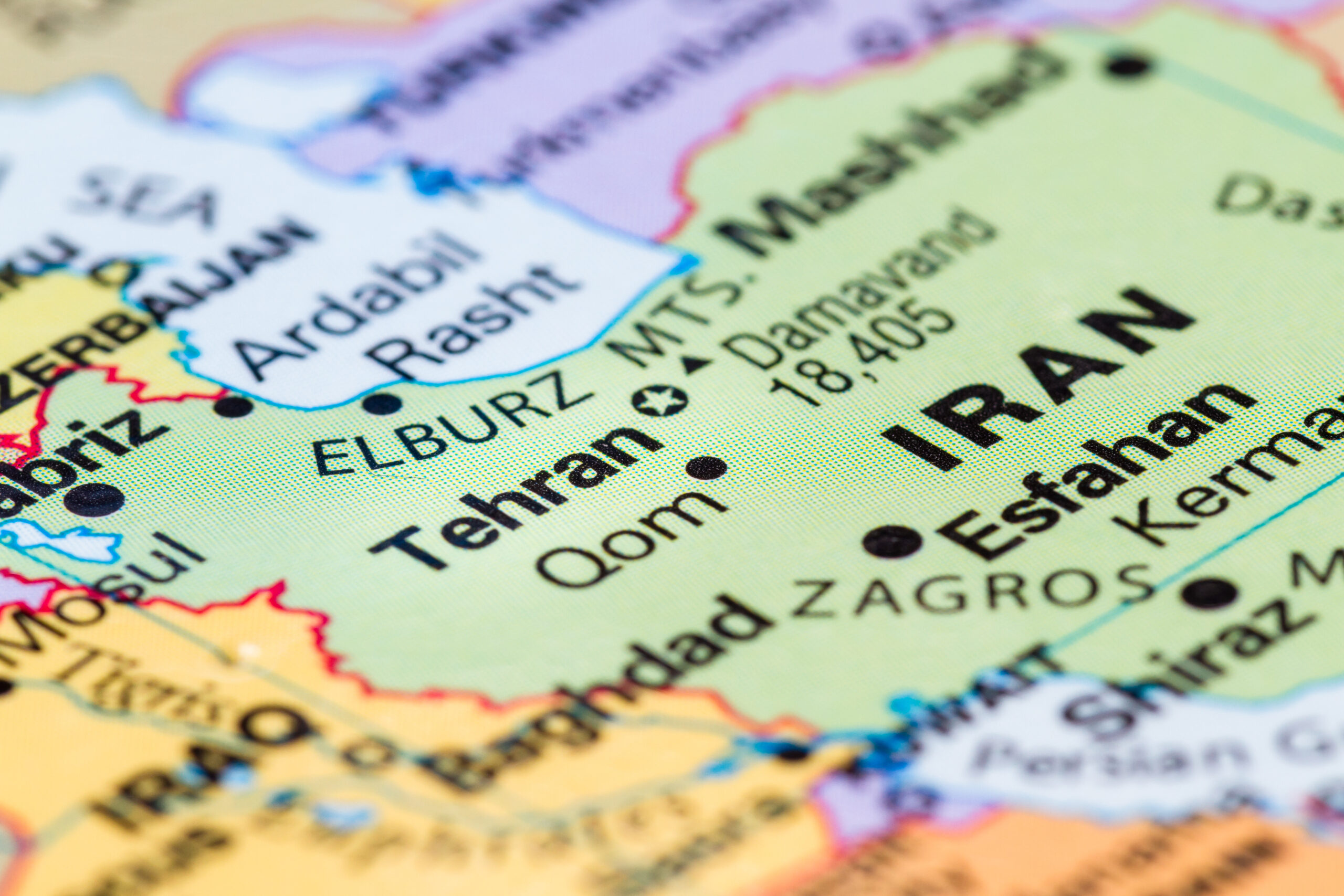
The Bahamas, March 18, 2026 – Twenty days into the latest Middle East escalation, the United Nations is warning the conflict is spreading beyond its original battlefield, as the death toll rises and governments around the world issue urgent travel advisories — including The Bahamas.
In a March 17 statement, the UN Secretary-General’s office said the war must stop and called for all Security Council resolutions to be respected, noting with concern that countries in the Gulf continue to be targeted, raising fears of a wider regional confrontation.
The current round of fighting began February 28 with strikes involving the United States, Israel and Iranian-linked forces, followed by missile and drone attacks across Iraq, Lebanon and parts of the Gulf.
International monitors report more than 1,300 people killed in Iran alone, with additional casualties reported in Lebanon, Israel and Gulf states. U.S. officials confirm at least 13 American service members have died since the escalation began, while reports indicate additional senior Iranian military leaders were killed in recent strikes.
Despite the growing violence, several NATO countries including the United Kingdom, France and Germany have not joined offensive operations, instead calling for diplomacy to prevent the conflict from widening.
The Bahamas Ministry of Foreign Affairs has also issued a travel advisory, warning Bahamian nationals to avoid travel to Israel, Palestine, Iran and Lebanon and to reconsider travel across much of the Gulf region due to the risk of sudden escalation, flight disruptions and security threats.
Officials say Bahamians already in the region should remain vigilant and be prepared for rapidly changing conditions.
Angle by Deandrea Hamilton. Built with ChatGPT (AI). Magnetic Media — CAPTURING LIFE.





-

 News3 days ago
Password to Paradise Radio Remotes at Beaches Turks & Caicos continue to highlight the TCI as the preferred Caribbean destination
-

 News4 days ago
Beaches Turks & Caicos adds four new PADI Dive Instructors to the cadre of professionals in the watersports department
-

 Health1 week ago
Turks and Caicos Islands Hospital Celebrates Patient Safety Awareness Month: “Team Up for Patient Safety”
-
 News4 days ago
Beaches Turks & Caicos shares fine dining experiences to high school students in Providenciales
-
 Health1 week ago
Turks and Caicos Islands Medical Association (TCIMA) Elects New Executive
-

 Bahamas News3 days ago
Bahamasair Backs Surge as Bahamians Flood South Florida for V.J. Edgecombe Showdown
-

 News1 week ago
Flow TCI supports ‘Stars of Tomorrow’ at Inter-Primary Track and Field Championships
-

 News1 week ago
The Turks and Caicos Islands Featured in Top Canadian Publications