
Caribbean News
Brighter Futures Center Grand Opening

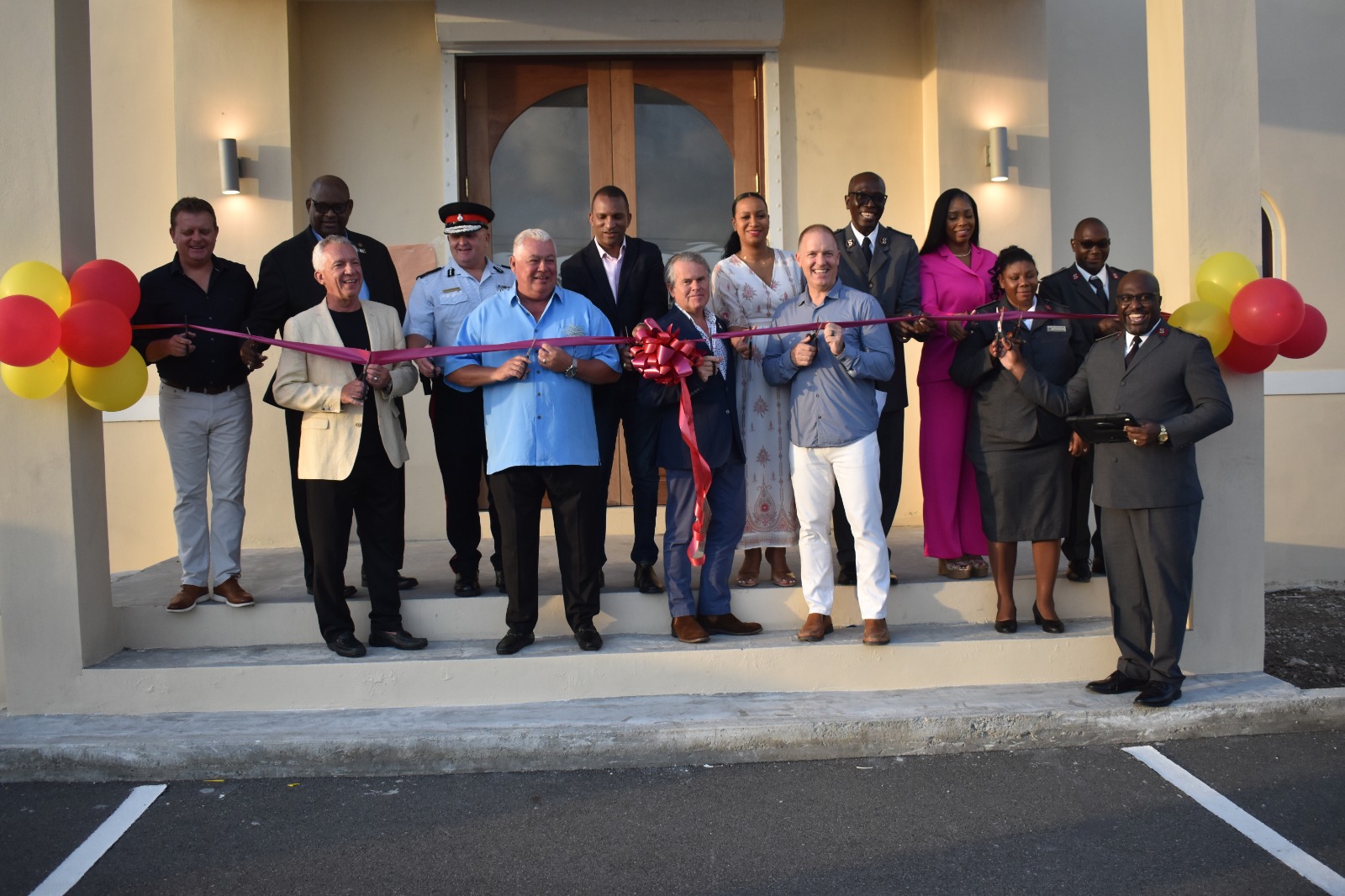
#TurksandCaicos, January 24, 2023 – The Salvation Army Brighter Futures Community Center held its grand opening Saturday, January 24th. The event brought together supporters, dignitaries, and the general public in a celebration of a brand-new facility dedicated to the development of youth in the Turks and Caicos Islands.
“Tonight, we celebrate over ten years of fundraising, planning, and construction”, Salvation Army TCI Advisory Board Chairperson stated, “this facility will provide the children of our nation hope”. Foss explained that he knew they could not raise the $2.6 million needed to purchase the land and construct the building by holding traditional fundraisers. “We did not want to impact our regular fundraising which supports several programs such as the hot lunch program for at-risk students, textbook and school uniform initiatives, food insecurity assistance, the seniors’ transportation program in Middle Caicos, or any of the other good work that occurs regularly in our islands. We focused on private donations, and even then, we were careful not to disrupt the funding of other local non-profits also doing great work”.
Foss explained that it took several years to get their first large donation. A donation that gave them the confidence and hopes that they could eventually reach their goal, “the first major step toward the reality of what we were trying to do came when the Salvation Army Bahamas and the Salvation Army International organizations donated the funds to purchase the land, which we did immediately. Before the land was purchased, I would go to people and ask them if they would donate to the facility and they would say, ‘where will it be built’? and I would have to say that I did not know yet. People are generous by nature and they want to help good causes, but they also want to know that they are donating to something that is going to happen”.
Once the land was purchased and the site of the center was known, he states that things started to change when he approached possible donors, “now that we had a site, I could give my pitch with confidence and four years into the effort we received a $50 000 donation from Canadians Dale and Wendy Papke of Ports of Call. That donation gave me hope. While we managed several $5000 and $10 000 donations, we still had a long way to go until I met the David and Julie Brown family, also from Canada. The Brown family loves the Turks and Caicos Islands and makes it their home many months of the year. They also care about young people and want to provide as many opportunities as possible. They were game changers with a total commitment of $750 000 toward the project.”
In his address to the crowd on Saturday night, Foss explained that it was not just money that was needed to get the project built, but expertise and assistance. “Not only did the Brown Family offer critical financial support, but the entire family also including their son Kyle helped me produce a marketing plan and materials. When you have like-minded caring people helping you do the heavy lifting, it becomes easier to move forward. We found an amazing contractor in Phillip ‘Skintight’ Handfield to build the facility at cost. Another huge step forward occurred when Mark and Anna Parrish offered their support. Mark, owner of the quantity surveying firm Concept Plus agreed to project manage the construction process as a volunteer. Anna donated all the stone and ceramic tiles along with most of the windows for the building”.
The volunteer Advisory Board Chair said momentum was on their side and they began building the facility before they had all the funding needed in place. He stated, “we had momentum, and we didn’t want to lose it by waiting for all the money and we were confident once people could see the construction occurring, they would lend their support. We started the build just before the pandemic and were cruising along with donations continuing to come forward. However, during the pandemic, the cost of construction materials began to rise dramatically and suddenly we were going to be short approximately $200 000 to cover the increases. I made an appeal to the members of the Turks and Caicos Hotel and Tourism Association (TCHTA) and within forty-eight hours we had raised the extra funds to complete the facility. It was an incredible show of caring corporate citizenship”.
The building consists of the Salvation Army church, a large multi-purpose event center, an early childhood education classroom, and a commercial community kitchen to be used to supply hot lunches to at-risk students in government schools, counseling rooms, and the Salvation Army TCI administration offices. Eventually, the facility will include a community garden and will become a certified hurricane shelter for the general public.
Foss said he and his wife Leslie, a volunteer responsible for all Salvation Army TCI fundraising events, are humbled by the opportunity to be involved and excited to see the building completed and in use. Most importantly, Todd Foss let it be known that the theme of the building is Hope and that it will be home to other non-profits offering hope to the youth of Turks and Caicos, “since 2007 the Salvation Army TCI has done amazing work in our country, all without a permanent facility. Not having a facility made things challenging. We want other youth-based non-profit organizations to call the Brighter Futures Community Center home so they can expand their work. We are excited to offer the use of the facility to Jr. Achievement TCI, the TCHTA Little Chefs program, the TCHTA Hospitality Program, The TCI Youth Parliament, the Police Youth Band, and others. In addition, we look forward to joint partnerships with amazing organizations such as the Ed Garland Youth Center”.
As the facility began to rise, so did violent crime among the Island’s young population, making the Brighter Futures Community Center more important than ever. Foss suggested that “too often I see people suggesting that troubled youth is a government problem to solve, or it is the parent’s fault, or I hear a lot of what is the Governor doing or why are the police not arresting all the bad people. The truth is that at-risk youth is a complex issue with no easy solution, but whatever the solution it is up to all of us to be a part of it. The Salvation Army TCI Brighter Futures Community Center’s purpose is to bring Hope to the youth of our country and Hope is the best tool to guide young people down a path towards a positive life”.
Sponsored by the Salvation Army Bahamas and the generous donations of Mr. Frank Crothers, the Salvation Army began work in Turks and Caicos in 2007. In 2011, it became the 131st country to receive official country status within the organization. Formed in 1865, the International Salvation Army operates in 133 countries and is the second-largest non-profit organization in the world. It is an integral part of the Christian Church with objectives to advance the Christian religion while providing important humanitarian work in education, relief of poverty, and other charitable efforts benefiting society and the community of mankind as a whole.

Caribbean News
Pres Ali declares three days of national mourning following MV Barima tragedy July 21, 2026
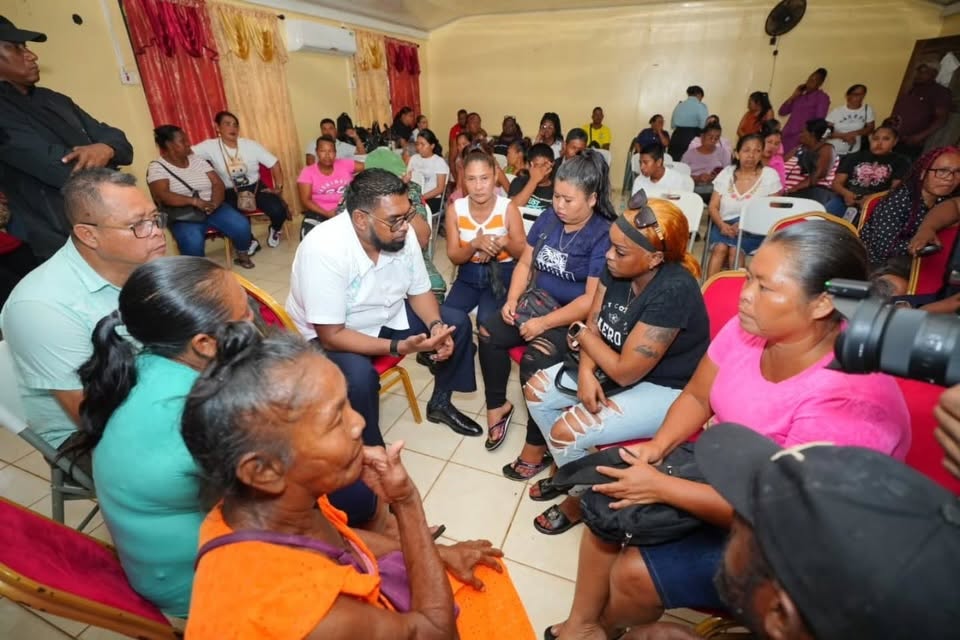
His Excellency Dr Mohamed Irfaan Ali has declared three days of national mourning following the tragic loss of lives in the M.V. Barima incident, as the nation continues to grieve alongside the families and communities affected.
The period of national mourning will be observed from Wednesday, July 22, through Friday, July 24, 2026, in honour of the victims of the tragedy. During this time, the National Flag will be flown at half-mast on all Government buildings and other appropriate locations across the country.
As part of the observances, Wednesday, July 22, has been designated a National Day of Prayer. A National Day of Prayer and Remembrance will be held at the Kingston Seawall in Georgetown, bringing together citizens in solidarity to honour the lives lost and offer support to grieving families.
The programme of remembrance will continue with a Night of Reflection and Prayer in Port Kaituma on Thursday, July 23, followed by another observance in Mabaruma on Friday, July 24.
The government is also encouraging religious organisations, civic groups and citizens throughout Guyana to organise candlelight vigils and moments of prayer during the three days as the nation collectively reflects on the tragedy and pays tribute to the victims. The declaration of national mourning underscores the government’s commitment to standing with the bereaved families and affected communities as Guyana mourns one of the country’s most heartbreaking maritime tragedies.
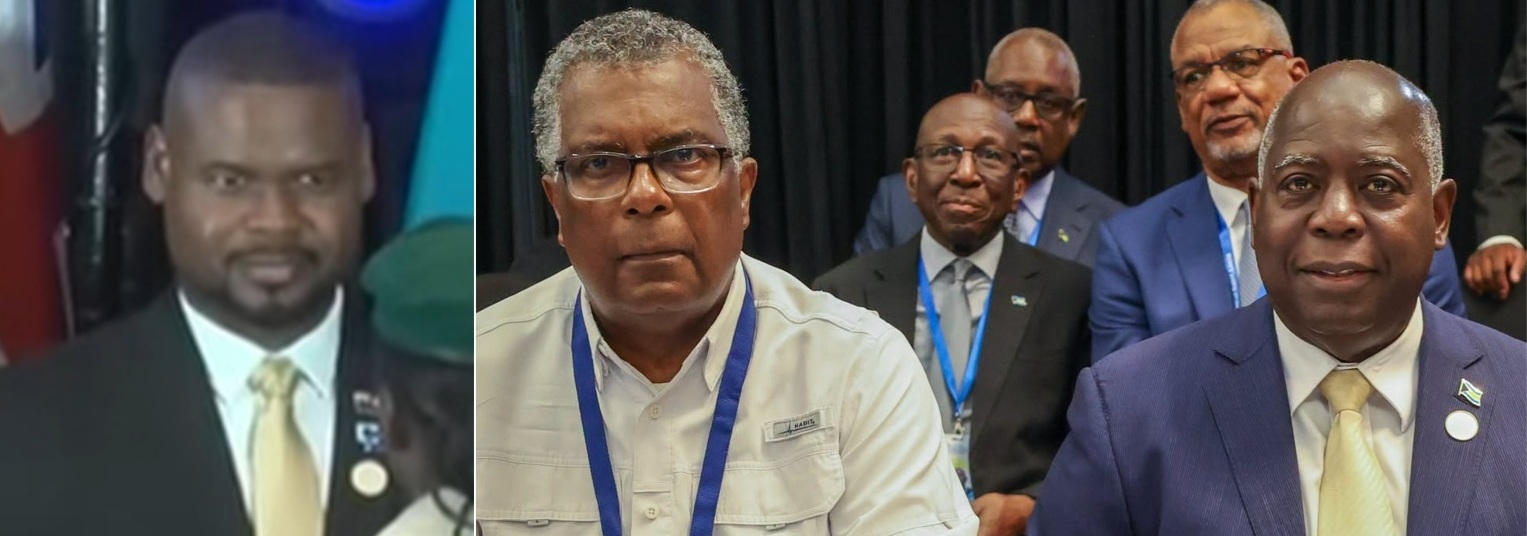
By Deandrea Hamilton
Cheaper shipping. Lower energy costs. Better access to healthcare. Stronger consumer protections.
Those are among the measures CARICOM Heads of Government believe could finally begin reducing the stubbornly high cost of living for millions of people across the Caribbean.
Meeting in Saint Lucia, regional leaders agreed that making life more affordable must become one of the Community’s highest priorities. Their emerging strategy includes reducing freight costs through a regional ferry service, accelerating renewable energy projects to lessen dependence on imported fuel, expanding regional healthcare partnerships, strengthening consumer protection, and encouraging governments to adopt successful cost-of-living measures already being implemented across the Caribbean.
“Our discussions over the past four days were guided by one central objective – ensuring that CARICOM delivers results that people can see and feel in their everyday lives,” CARICOM Chairman and Saint Lucia Prime Minister Philip J. Pierre said.
Few places may welcome that relief more than The Bahamas and the Turks and Caicos Islands.
Although inflation has moderated in both countries from the sharp increases experienced following the pandemic, the cost of living remains stubbornly high. Families continue to complain about grocery bills that stretch household budgets, rising housing costs, expensive electricity, healthcare expenses and fuel prices that remain among the highest in the region.
Governments have responded.
In The Bahamas, successive reductions in Value Added Tax on selected goods and other targeted tax measures have sought to ease pressure on consumers. In the Turks and Caicos Islands, the Government this weekend opens applications for its $500 Cost of Living Relief Programme, acknowledging that many households continue to struggle despite the country’s economic success.
Yet affordability remains elusive.
The contradiction is difficult to ignore.
The Turks and Caicos Islands continues to post one of the region’s strongest tourism-driven economies, with robust investment, record visitor spending and sustained construction activity. The Bahamas has also strengthened its economic position, earning improved sovereign credit ratings as tourism, government revenues and fiscal performance continue to recover.
Yet those encouraging economic indicators have not translated into noticeably lower household expenses.
The reason is largely structural.
Both The Bahamas and the Turks and Caicos Islands produce relatively little of what they consume. Food, fuel, medicines, vehicles, building materials and countless household essentials are imported. Both countries also record significant trade deficits, illustrating their dependence on overseas suppliers. Every increase in global shipping costs, fuel prices or supply chain disruptions is eventually reflected in supermarket prices, utility bills and the cost of everyday living.
That is why CARICOM’s agenda matters.
If regional leaders succeed in lowering freight costs through an inter-island ferry network, expanding renewable energy, improving regional cargo movement, strengthening consumer protections and making healthcare more accessible through cooperation, the benefits could extend far beyond government balance sheets.
For Bahamians and Turks and Caicos Islanders, success will not be measured by another tourism record or another credit rating upgrade. It will be measured at the supermarket checkout, on the monthly electricity bill, at the gas pump and in the simple ability to afford a better quality of life.
Caribbean News
From Pathways to Investment: Tackling the US $6 Billion Food Challenge for the Caribbean
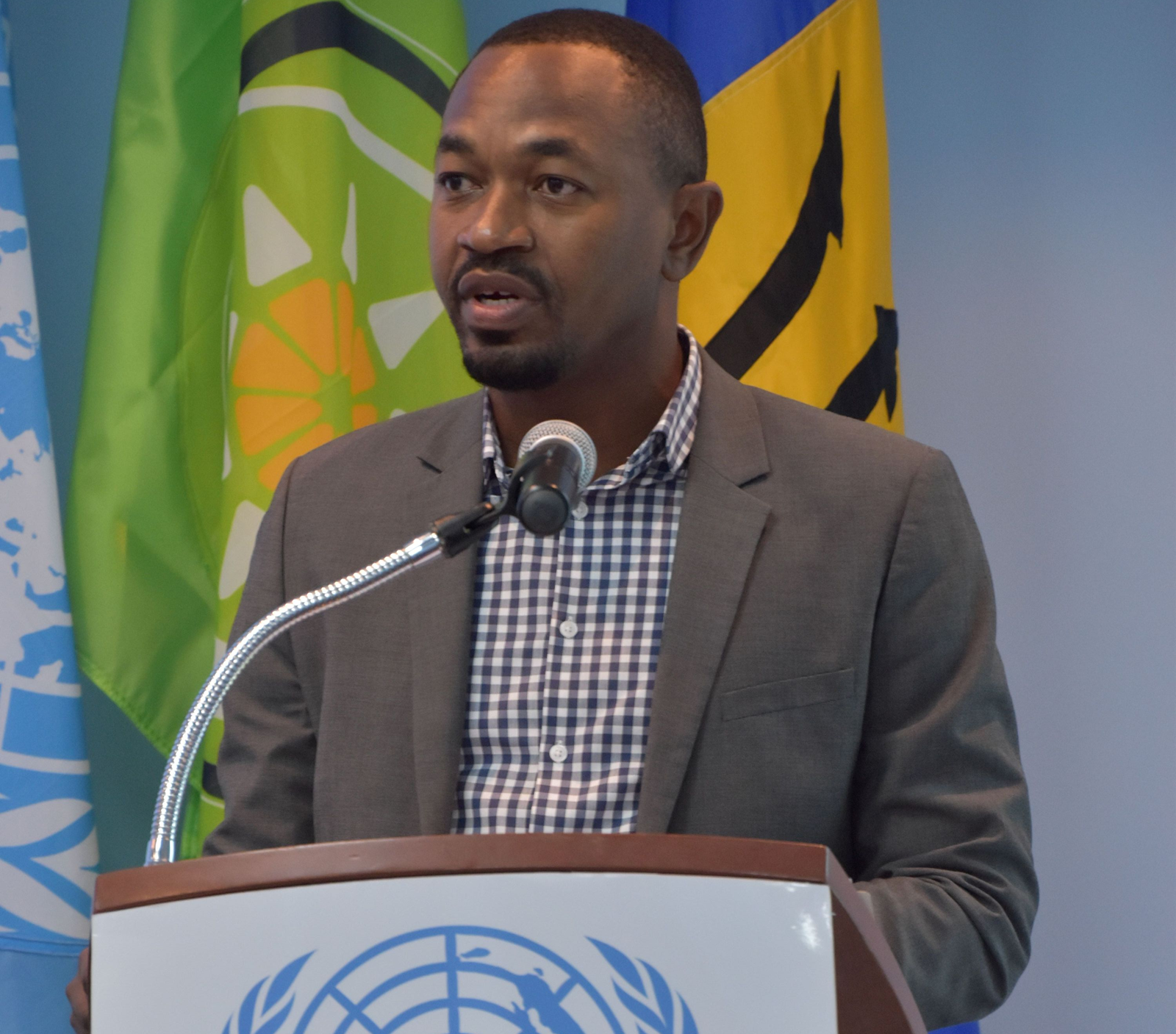
By Kenroy Roach
The Caribbean’s food systems challenge is fast evolving into a broader development challenge.
Despite decades of policy attention and investment, the region remains one of the most food import-dependent in the world, spending over US$6 billion annually. At the same time, countries continue to grapple with food insecurity, high rates of diet-related non-communicable diseases, climate vulnerability, and exposure to external shocks that can disrupt supply chains and drive up food prices almost overnight.
For Small Island Developing States (SIDS), food security has shifted from an agriculture focus alone, it’s about economic resilience, health, climate resilience and sustainable growth.
Recognizing this reality, Caribbean governments have elevated food systems transformation as a regional priority through the CARICOM 25 x 25 Plus Five Agenda, which seeks to reduce food import dependence while strengthening domestic production, regional trade, and resilience. Across Barbados and the Eastern Caribbean, governments have also developed National Food Systems Pathways that identify the investments, partnerships, and policy reforms needed to transform food systems and accelerate progress toward the Sustainable Development Goals (SDGs).
Yet one challenge has remained persistent: financing.
In the face of high levels of public debt and limited fiscal space, while public investment remains critical, Caribbean governments simply cannot shoulder the financing burden alone. Transforming food systems at scale requires mobilizing far greater private capital, alongside development finance and public resources.
This was the rationale behind the recent convened in Barbados.
The Forum brought together governments, investors, international financial institutions, private sector leaders, regional organizations, and the United Nations around a simple proposition: food systems should be viewed not only as a development priority, but also as an investable asset class.
A distinguishing feature of the innovative gathering was its focus on attracting private investment—particularly private equity, impact investment, and blended finance solutions capable of supporting businesses and infrastructure across food value chains. By helping enterprises access growth capital and connecting investors with scalable opportunities, the initiative sought to unlock financing that complements public investment rather than adding to already constrained public balance sheets.
A key outcome was the launch of a regional Deal Book comprising approximately US$320 million in investment opportunities across seven countries, spanning agriculture, fisheries, agro-processing, logistics, and strategic food systems infrastructure. The Deal Book created a practical bridge between capital seeking opportunities and opportunities seeking capital, while enabling direct engagement between governments, enterprises, and investors.
The results were encouraging.
Across four sector-focused deal rooms, participants explored investment-ready and near-investment-ready opportunities and discussed blended finance private equity, risk-sharing, and partnerships to advance projects toward implementation.
The Forum highlighted a shift in perspective: food systems are now seen as strategic drivers of economic diversification, resilience, competitiveness, and growth. Investments across production, processing, logistics, and distribution can strengthen regional supply chains, create new businesses, generate jobs, and reduce vulnerability to external shocks.
For the United Nations, this experience reinforced an important lesson.
Transforming food systems requires more than the technical expertise of individual agencies. It requires integrated solutions that connect agriculture, nutrition, health, climate resilience, trade, private sector development, and financing.
This is where the Resident Coordinator System plays a critical role.
Across Barbados and the Eastern Caribbean, the Resident Coordinator Office has united UN system capabilities around a common food systems agenda. Working with FAO, WFP, the UN Food Systems Coordination Hub, and other partners, the RCO has helped align policy support, technical expertise, partnerships, and financing with nationally identified priorities.
The Forum demonstrated this integrated approach by convening governments, investors, development finance institutions, private sector actors, and UN agencies around a common objective. It showcased the UN’s comparative advantage as a trusted broker capable of connecting development priorities with investment opportunities.
The Forum’s success will be measured not by dialogue generated, but by investments mobilized, businesses expanded, and progress made toward resilient, competitive Caribbean food systems across the Caribbean.
Its most important outcome may therefore be what comes next.
The work starts now.
Kenroy Roach is Head of the UN Resident Coordinator Office for Barbados and the Eastern Caribbean





-

 Independent writer1 week ago
Fifty Years of Ministerial Government: Honouring Our Past, Embracing Our Present and Preparing for Our Destiny
-
 Health7 days ago
Know the Possible Warning Signs of Prostate Cancer
-

 Independent writer2 days ago
Letter to The Editor
-

 Education5 days ago
TCI Schools Invited to Participate in 2026 National Student Council Election
-

 News5 days ago
Liberty Business launches in Turks and Caicos Islands
-
 Bahamas News1 day ago
Romer Receives Regional Leadership Award
-
 Bahamas News1 day ago
Public Hospitals Authority Foundation Donates Dialysis Machines to Princess Margaret Hospital (PMH)
-

 Bahamas News1 day ago
Lunch Bag Wins this Back-to-School