Health
Dangerous Pine Sol from RECALL purchased in Grand Turk





(Providenciales – Monday, March 2, 2026) TCI Hospital proudly announces the successful achievement of its Heart Strong TCI initiative, a comprehensive Heart Month campaign focused on raising awareness and strengthening cardiovascular disease prevention efforts across the Turks and Caicos Islands.
Heart disease remains the leading cause of death in the Turks and Caicos Islands, highlighting the critical need for sustained public education, risk-factor reduction, and early intervention. The Heart Strong TCI initiative was designed to actively engage the community through education, outreach, and physical activity.
Key Activities Included:
Educational Training Sessions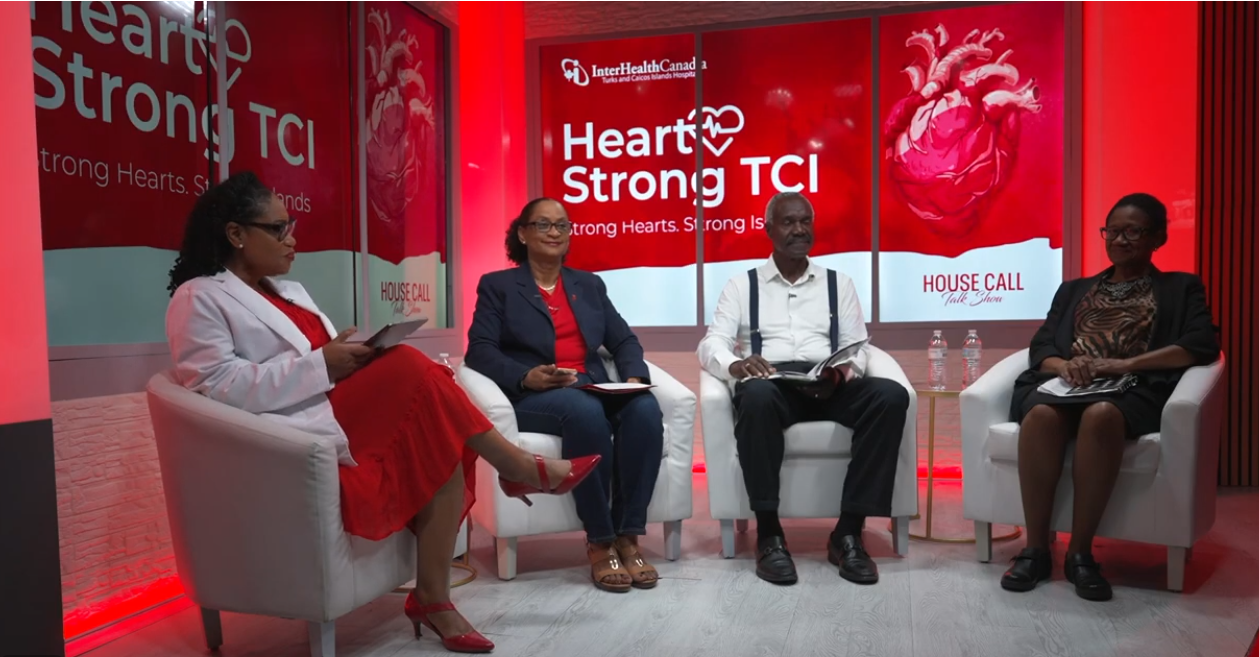
Healthcare professionals conducted structured sessions addressing hypertension, diabetes, cholesterol management, nutrition, exercise, smoking cessation, and the early warning signs of heart disease.
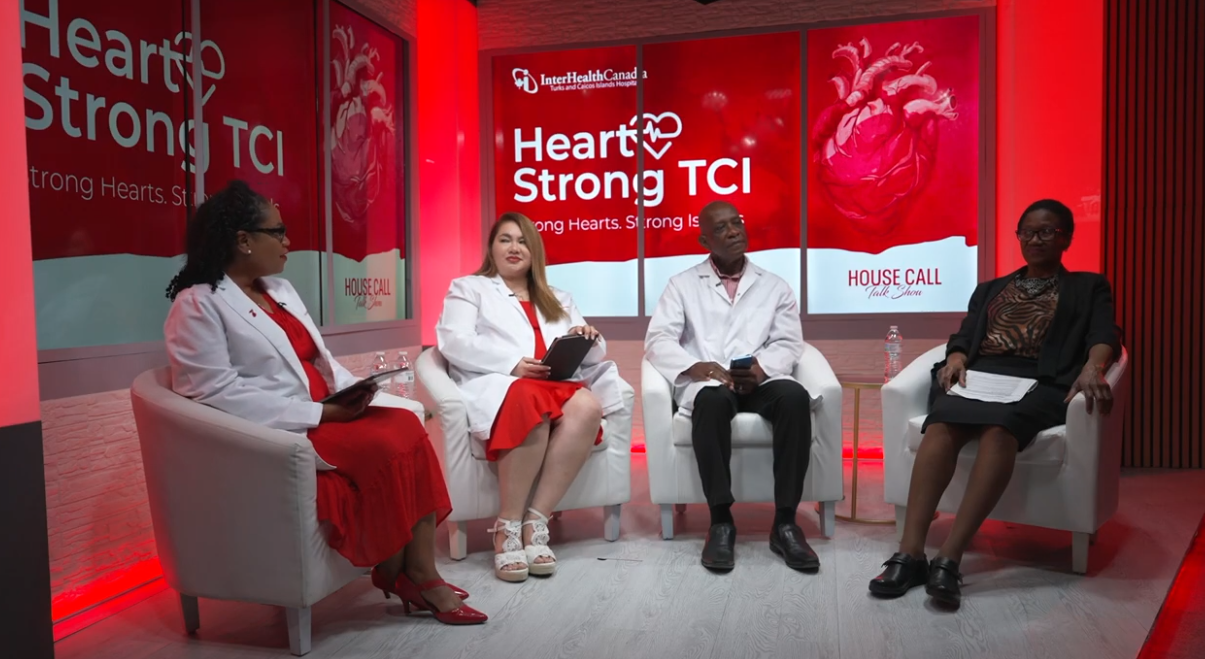
House Call Talk Show Feature
A dedicated Heart Month episode of the hospital’s House Call program provided expert discussion on cardiovascular risk factors and prevention strategies, empowering viewers with practical, evidence-based guidance.
Red Fridays Awareness Campaign
Throughout the month, staff wore red every Friday to increase visibility around heart disease awareness and reinforce the campaign’s message within the community.
Heart Strong 5K Walk/Run
In collaboration with the Rotary Club, TCI Hospital hosted a community-wide 5K walk/run to promote physical activity as a cornerstone of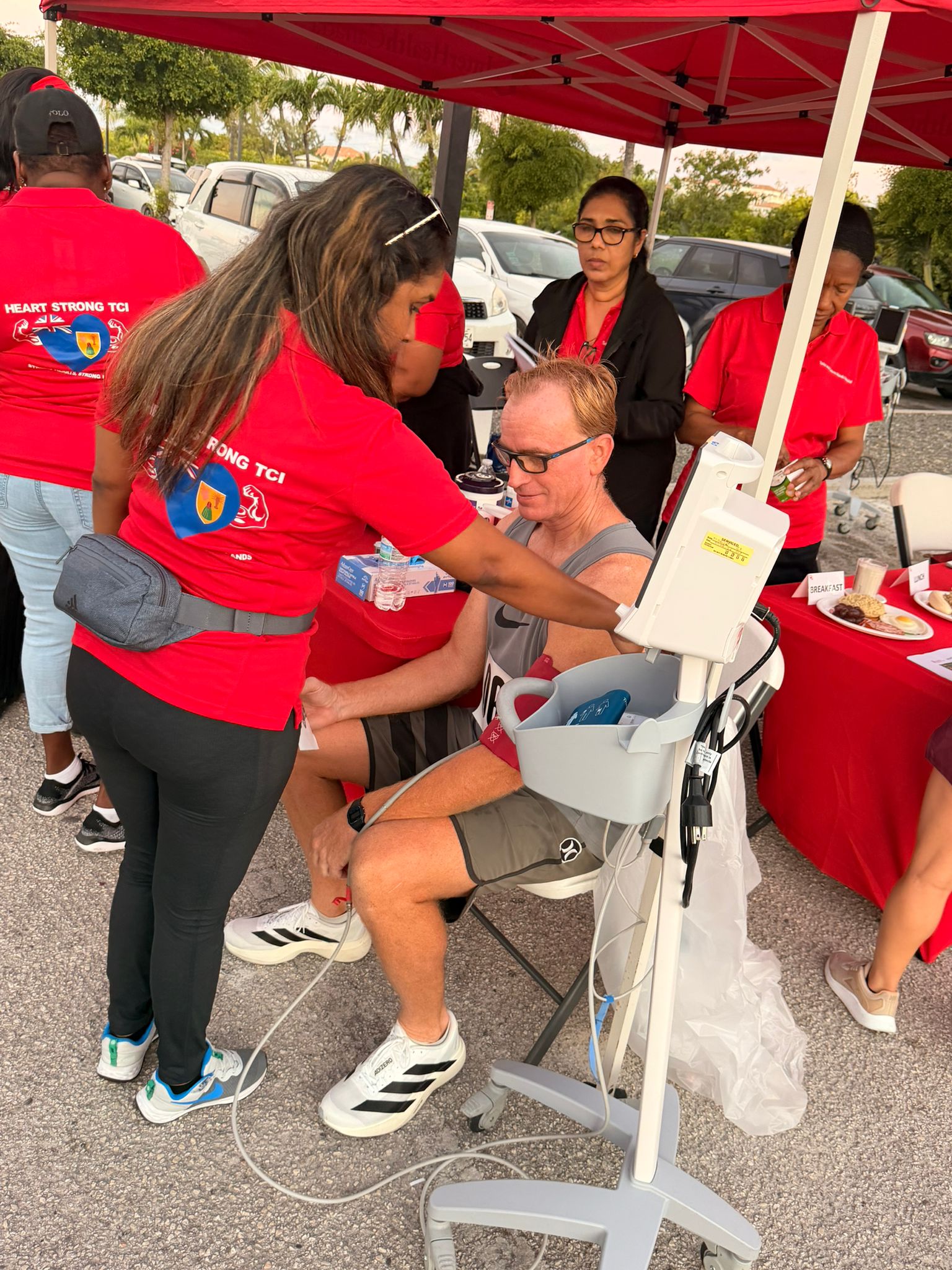 heart health. The walk/run also provided an opportunity for community screening.
Digital Health Education Campaign
To expand its reach, TCI Hospital also shared ongoing heart health education tips and prevention messages across its social media platforms, including Facebook, LinkedIn, and Instagram. These posts provided actionable guidance on diet, exercise, blood pressure control, and lifestyle modification, and encouraging community members to learn CPR.
Heart Strong TCI: A Continuous Commitment
While Heart Month has officially ended, Heart Strong TCI represents an ongoing institutional commitment to cardiovascular disease prevention and awareness. TCI Hospital will continue to prioritize:
- Community-based education initiatives
- Preventative screening and early detection programs
- Lifestyle and wellness promotion
- Strategic partnerships that advance public health outcomes
“Heart Strong TCI is not limited to a single month,” CEO, Dr. Denise Braithwaite-Tennant. “Cardiovascular disease prevention requires sustained effort. We remain committed to promoting healthy hearts across the Turks and Caicos Islands year-round.”
For more information about cardiovascular health services or upcoming screening initiatives, please contact TCI Hospital at 649-941-2800 in Providenciales, 649-941-2900 in Grand Turk or email us at info@interhealthcanada.tc
About TCI Hospital
TCI Hospital is dedicated to delivering high-quality healthcare services to the people of the Turks and Caicos Islands, with a strong emphasis on prevention, education, and community wellness.

February is National Self- Check Month and family medicine physician at Cleveland Clinic, OH, John Hanicak, MD, highlights why at home self-checks are extremely important when it comes to not just early cancer detection but identifying other illnesses too and offers tips on what to look out for.
“Sometimes I look at them as sort of like your check engine light on the car, just like there would be a red flashing light that tells you that there’s something wrong with a car and prompts you to bring that in and get serviced. Your body does the same thing. It gives you warning signs to look into that symptom a little bit further,” said Hanicak.
Dr. Hanicak said self-checks are going to be a little different for everyone.
However, in general, he recommends looking for anything that may seem abnormal, such as unexplained weight loss, blood in your urine, bumps and bruises that won’t heal, and changes in bowel habits.
For example, if you suddenly start going to the bathroom a lot more than you used to, that could be a sign of something more serious.
He also suggests doing regular skin checks and documenting any moles or spots that start to look different.
“Realize that you are your own person. There’s nobody else in the world exactly like you. You’ve got your own set of ideas, your own family history and your own genetics. Know what is normal for you, and when that changes, that’s the kind of thing that we would be interested in talking about,” said Dr. Hanicak.
Dr. Hanicak notes that self-checks are not meant to replace cancer screenings, as those are just as important to keep up with.
Press Release: Cleveland Clinic
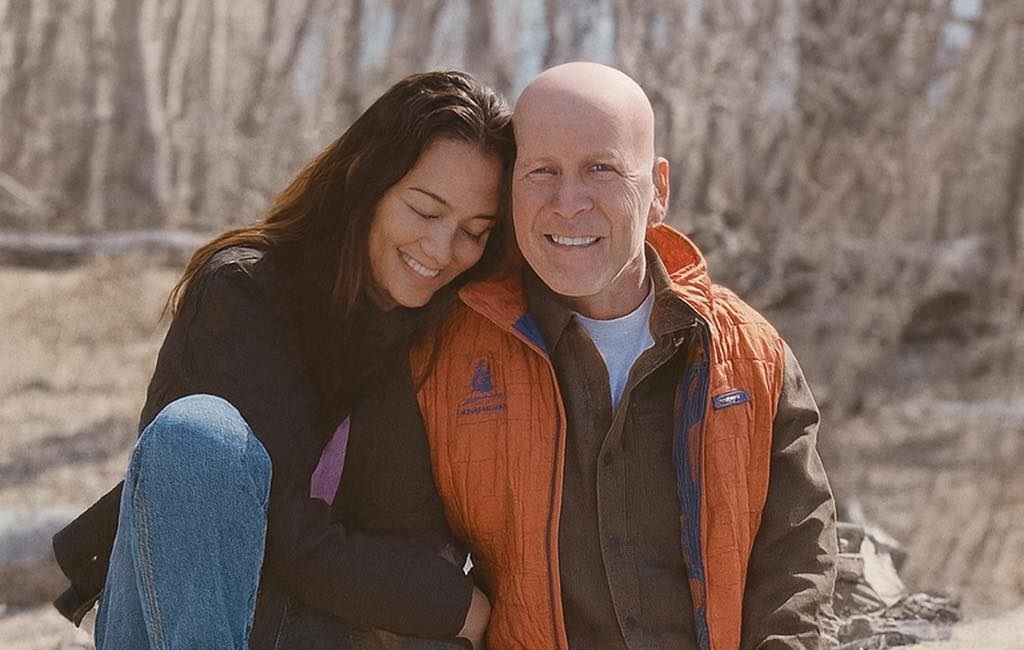
December 4, 2025 – Hollywood legend Bruce Willis – arguably the most famous former home owner in Turks and Caicos Islands – is facing the most difficult role of his life and turning it into one last act of service.
Willis, 70, retired from acting in 2022 after his family revealed he had been diagnosed with aphasia. The following year, specialists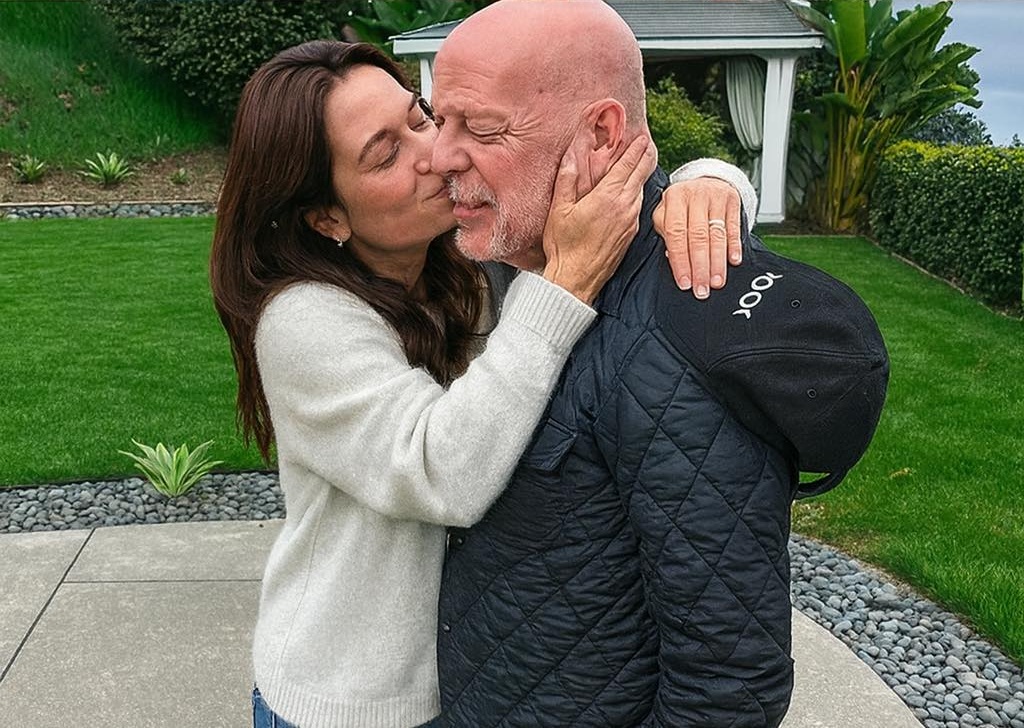 confirmed he is living with frontotemporal dementia (FTD), a degenerative brain disease that attacks language, behaviour and personality.
In recent interviews and appearances, his wife Emma Heming Willis has said Bruce is “surrounded by love and care” and that the family is learning to find joy in new ways, even as the disease progresses.
Now, Heming Willis has gone further. In her 2025 memoir The Unexpected Journey, she writes that the family has decided Bruce’s brain will be donated to science after his death to advance research into FTD. That decision has been highlighted in recent coverage by futurist and science outlets, which describe it as a carefully considered step after months of watching a still-physically-strong man steadily lose speech, reading and independence.
Neurologists have long stressed how rare donated brain tissue is for FTD, and how essential it is to understanding which proteins, mutations and mechanisms are actually driving the disease. The Willis family’s choice means the brain that powered some of cinema’s most iconic characters could one day help researchers diagnose the condition earlier and design better treatments – even if it cannot help Bruce himself.
For Turks and Caicos, the story lands close to home. For nearly two decades Willis owned “The Residence” on exclusive Parrot Cay – a 7.3-acre, Asian-inspired beachfront compound with a five-bedroom main house, two guest villas and a yoga pavilion. He and Emma listed the estate in March 2019 for US$33 million; it sold a few months later for about US$27 million, one of the biggest residential deals in TCI history.
So, while Bruce Willis no longer has a physical address in Turks and Caicos, his connection to these islands remains part of his global story – a story now shifting from blockbuster fame to medical legacy, as his family turns private heartbreak into a public contribution that could change what we know about dementia.
Developed by Deandrea Hamilton • with ChatGPT (AI) • edited by Magnetic Media.