
News
“I am asking for weapons” – the plea of a President’s wife


By Dana Malcolm
Staff Writer
#Ukraine, July 25, 2022 – Olena Zelenska appeared in front of US politicians last Wednesday in an effort to secure more weapons for her people as their war with Russia drags on. The wife of Ukrainian president Volodimir Zelensky, Olena was acting in her official capacity as first lady when she appeared before U.S. Congress.
Through a translator she expressed heartbreak.
“I want to address you not as a First Lady but as a daughter and a mother, no matter what position and titles we reach in life we always remain part of our family— this is the great truth of life, our family represents everything to us and we do everything to preserve it. We cry when we cannot save it.”
Zelenska brought pictures with her, not of the devastation but of the people, Ukrainians she had met on the ground who had lost everything because of the war. One of them was a girl named Lisa describing her as a ‘cheerful playful little rascal’.
“Lisa was only four years old,” she said, “she is no longer with us.
“On July 14th Lisa was killed by a Russian missile attack in the centre of Ukraine. Lisa‘s mother was in serious condition and for several days nobody dared to tell her Lisa had died.”
There were tens of pictures all with similar horrific stories from across Ukraine. And thousands went unmentioned.
“These are Russia’s hunger games, they will never broadcast this. That’s why I’m showing it to you.”
Zelenska stressed that normally the wives of presidents were involved in humanitarian efforts, peacekeeping and education but expressed that she could not do that when her people were dying.
“I appeal to you on behalf of those who were killed, who lost arms and legs, who cry for their families to come back from the front. I am asking you now for something that I would never want to ask. I am asking for weapons.”
She explained that those weapons would not be used to wreak havoc on others but to protect their home ‘and the right to wake up in that home.”
The First Lady lobbied for air protection to stop the missiles Russia uses to bombard the country saying America had the answer to a normal life for Ukraine.
“This is what my husband and I are asking for not as a presidential couple but as a parent and children of their parents.”









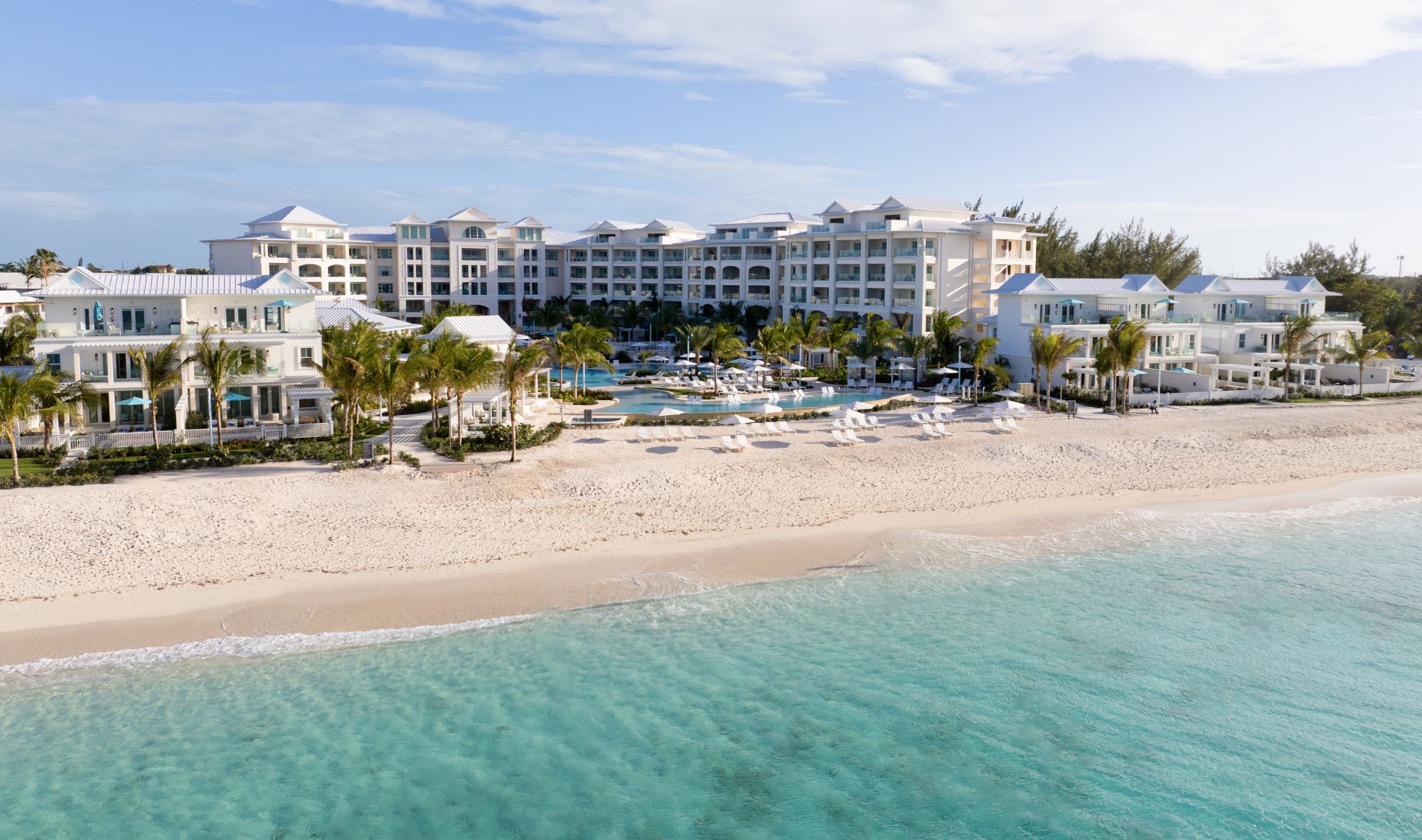
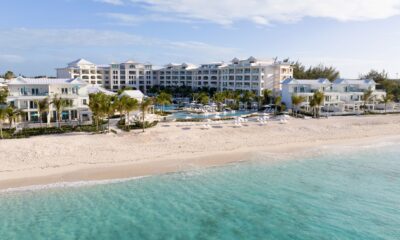
Montego Bay, Jamaica March 12, 2026 – Beaches Resorts has unveiled a bold new chapter in Caribbean family travel with the grand opening of Treasure Beach Village at Beaches Turks and Caicos, a US $150 million expansion that redefines oceanfront luxury on the western edge of the resort’s property.
The award-winning resort brand commemorated the milestone with an elegant and celebratory ribbon cutting ceremony on February 28,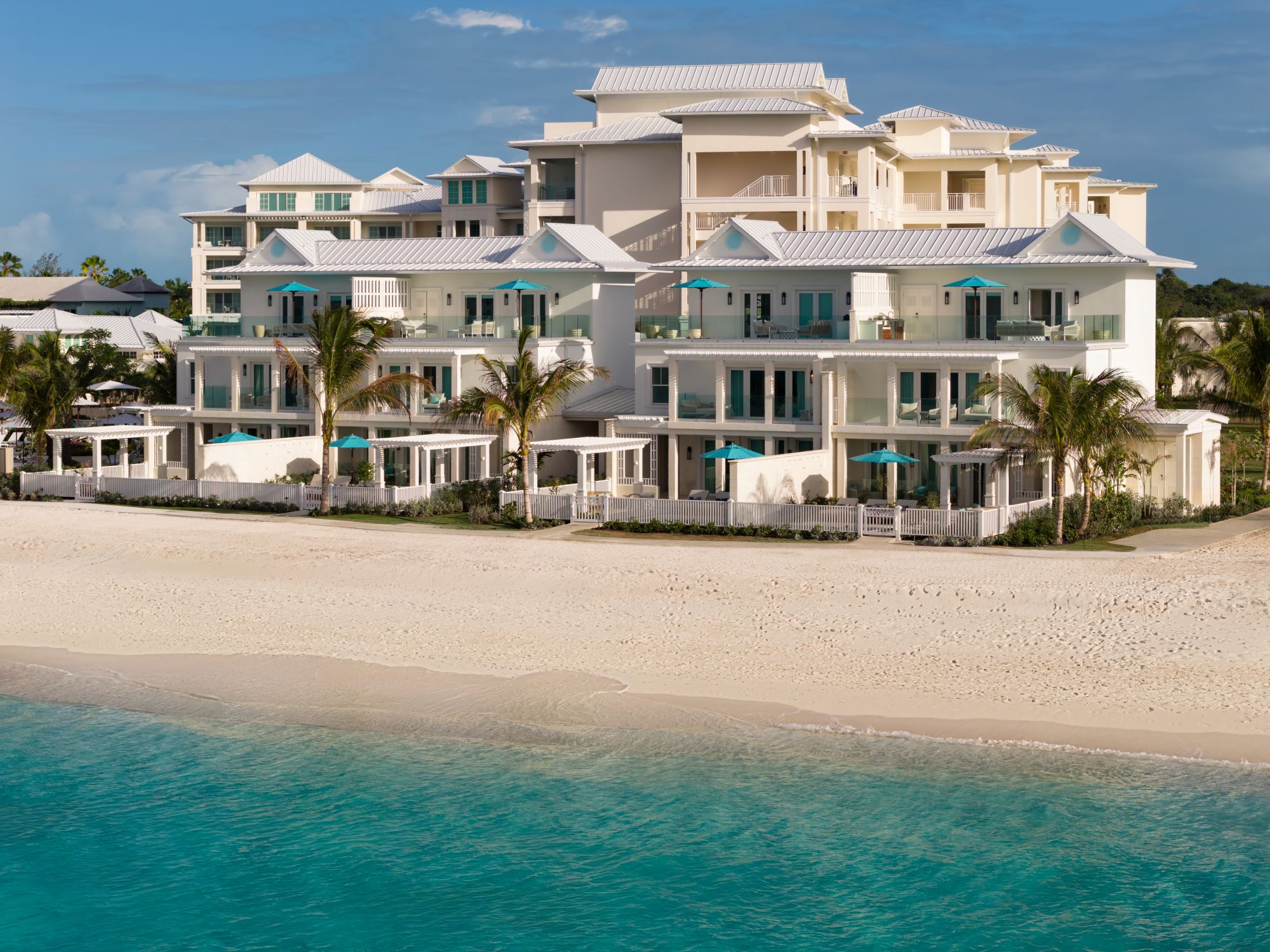 staged in the picturesque lobby of the new development overlooking the 15,000-square-foot lagoon-style pool and the turquoise waters of Grace Bay Beach.
Conceived as a landmark moment for both the brand and the destination, the ceremony gathered Turks and Caicos government officials, Sandals and Beaches Resorts executives and team members, regional business leaders, local suppliers, artisans, artists and members of the media in a powerful show of partnership.
The programme was vibrantly led by master of ceremonies Gary Sadler, executive vice president of sales and industry relations at Unique Vacations, and opened with remarks from James McAnally, regional managing director, Northern Caribbean and Curacao for Sandals and Beaches Resorts, and the Hon. Zhavargo Jolly, minister of tourism, agriculture, fisheries and the environment. Reflections followed from Executive Chairman Adam Stewart, before the ceremony culminated with a keynote address from the Hon. Charles Washington Misick, premier of the Turks and Caicos Islands, who joined other government officials and resort leaders for the official ribbon cutting that formally declared Treasure Beach Village open.
The event also featured a special performance by the Louise Garland Thomas High School Steel Pan Band and students of the Enid Capron Primary School Cultural Group, celebrating the culture and creativity of the islands. Guests then enjoyed a curated dining experience inside the Village’s newest restaurants, offering a first taste of the elevated culinary concepts now available to families from around the world.
Executive Chairman Adam Stewart in his delivery, underscored the legacy and deep-rooted connection between the brand and the destination.
“Turks and Caicos is an absolute gift to the world,” said Stewart. “Its beauty, its people and its ability to perform on the world stage make it extraordinary. My grandfather always told me it was one of the most beautiful places on earth. My father came to see it for himself and 30 years later Beaches Turks and Caicos stands as the most successful family resort in this hemisphere.”
Stewart added, “what began as a small hotel has grown from 150 rooms to nearly 900 keys and more than 1,000 rooms because of the vision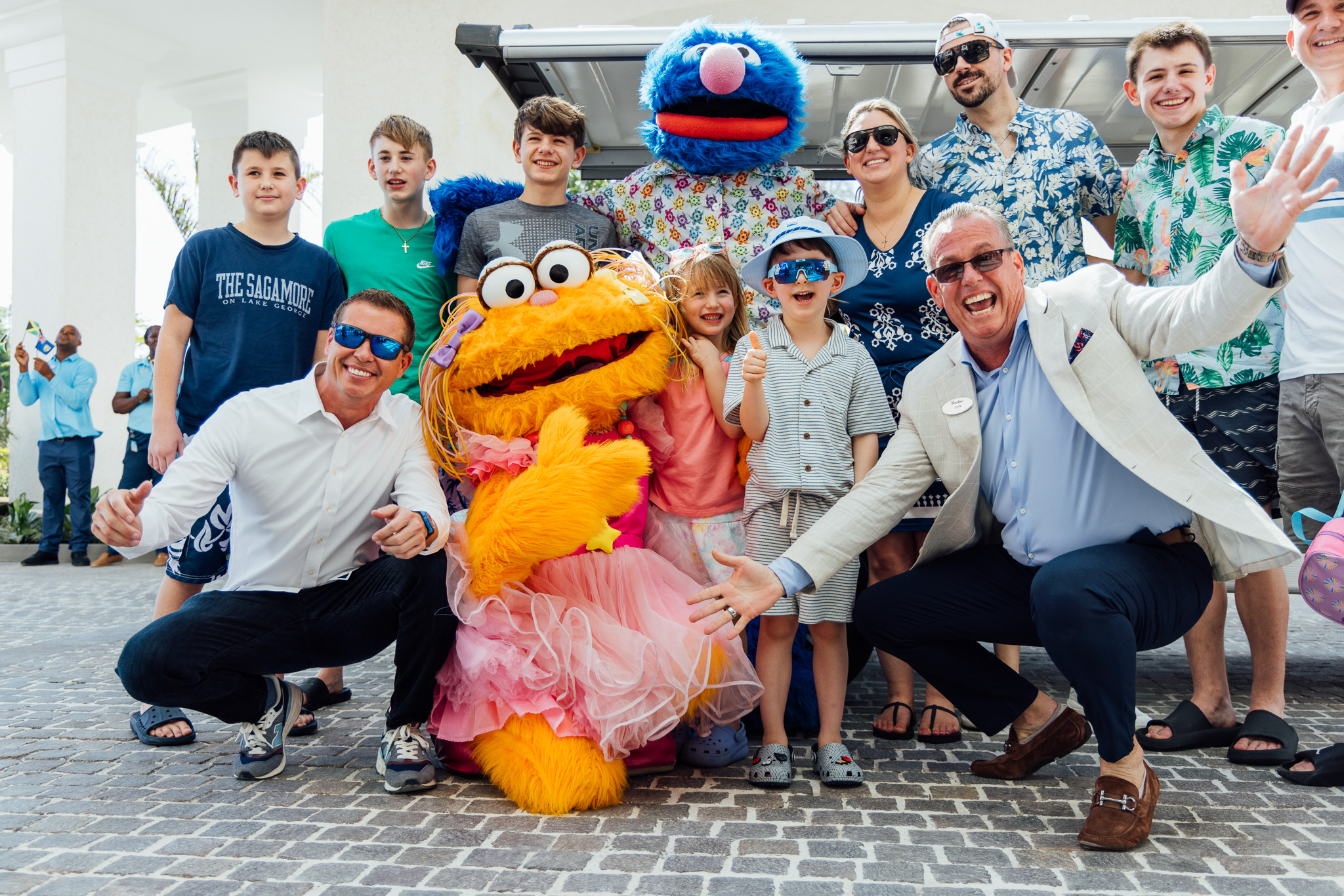 of our founder and his unwavering belief in Caribbean people. Today we are a team of 20,000 and 97 percent are Caribbean nationals. The Sandals story is a story of belief in what we can achieve together.”
In his keynote address, Premier Charles Washington Misick highlighted the national significance of the investment.
“Today we celebrate the opening of Treasure Beach and something even greater,” said Premier Misick. “This moment reflects a partnership between Sandals and the Turks and Caicos Islands that has been built over decades and strengthened by trust. Treasure Beach Village signals confidence in our country, in our stability and in our tourism product and it sets a new standard of quality and value.”
Integral to the celebration were several of the local artists whose commissioned works now define the character of Treasure Beach Village. From the earliest stages of design, the creative vision for the village centred on capturing the true treasures of the Turks and Caicos Islands through art and storytelling.
Among the standout installations is “Roses of Provo” by Stanford Hanfield, a breathtaking composition of more than 800 hand-cut conch shells transformed into a dramatic showpiece that honours the conch on the national flag and the enduring spirit of the islands. Murals by Ashley Aarons that celebrate local flora and fauna while paying homage to the founder’s love of the Caribbean. Through the lens of Rich McGhie, striking imagery of turtles, beaches and everyday island life captures the people who are the true treasures of Treasure Beach Village. Contributing artists Lucie Winton-Stubbs, Hezron Henry, Ancy Dorisca, Ayshe Stephen and Victoria Silvera further infuse the spaces with Caribbean soul, texture and authenticity.
Several of these artists were present for the ribbon cutting and were acknowledged for their exceptional contributions.
Following this, the award-winning resort welcomed its first guests to Treasure Beach Village on March 1, greeted by Executive Chairman Adam Stewart, Sandals executives, vibrant team members waving the Turks and Caicos and Jamaican flags, singing, dancing and inviting families to an experience brimming with island inspiration and exciting ‘Beaches Firsts’.
Suites Designed for Togetherness
The new oceanfront village featuring 101 multi-bedroom suites, unveils expansive new room categories, blending generous living spaces with the all-inclusive service synonymous with Beaches. Among the standouts are the oceanfront CrystalSky 4-Bedroom Reserve Villas, perched on the sand and unfolding across more than 2,600 square feet over three stories. Accommodating up to 10 guests and designed for elevated family living, the villas include a private pool and a rooftop deck with a telescope. Spanning more than 2,800 square feet over two stories, the Chairman’s Penthouse Suite hosts up to 10 guests in three bedrooms, anchored by a dramatic staircase that connects its expansive living spaces.
Oceanview Two-Story Suites feature two-bedroom and three-bedroom layouts with open designs, modern bunk beds, inviting dining nooks and al fresco living rooms designed to capture the sea breeze. A collection of thoughtfully designed Oceanview and Penthouse Concierge Suites welcome up to six guests with two bedrooms, expansive baths and bunk beds. A Caribbean palette of turquoise, coral and neutrals reflects the surrounding sea and sand, accented by artful touches inspired by life beneath the surface.
Dining That Brings Everyone to the Table
At Treasure Beach Village, six new dining concepts invite families to slow down and linger, including the arrival of Butch’s Island Chop House at a Beaches resort – the beloved Sandals Resorts steakhouse. A tribute to the brand’s late founder, Gordon “Butch” Stewart, the restaurant brings generations together over prime dry age steaks, fresh seafood and an elevated beverage experience for adults, including a mini-martini menu.
A first of its kind for the brand, Pinta Food Hall introduces global flavours across four distinct culinary stations, from smoky tacos and Asian stir-fries to an open-air Italian window and an à la carte grill – plus Beaches’ first-ever live churro station. Featuring Jamaica’s iconic Blue Mountain coffee, BRÜ Coffee Bar serves artisanal coffee by day and transitions into a craft cocktail spot by night.
Designed for Families, Shaped by the Sea
Sweeping views of Grace Bay’s turquoise waters set the tone for unhurried days ahead. Inside the lobby, coastal details take shape in an intricate sea-garden ceiling and a striking conch installation by local artisan Stanford Handfield, while a soft sand-and-sea palette creates an atmosphere that feels instantly welcoming.
At the heart of the village, a 15,000-square-foot lagoon-style pool sets the scene complete with three whirlpools. A waterslide and splash zone cater to younger guests, while a swim-up bar offers a gathering place for all ages. Nearby, Calypso Cones adds a playful poolside moment with refreshing snow cones under the Caribbean sun.
Treasure Beach Village also debuts Beaches’ first Starfish Cinema, an all-day, 32-seat theatre designed for daytime sitcoms and family movie nights, popcorn and refreshments included.
Treasure Beach Village is fully integrated into the Beaches Turks and Caicos experience, where all guests enjoy access to a total of 28 additional dining options, the 45,000-square-foot Pirates Island Water Park, unlimited land and water sports, daily entertainment for every generation, and complimentary Kids Camps led by trained childcare experts.
“As the next chapter in the Beaches Turks and Caicos story, Treasure Beach Village builds on everything families already love about this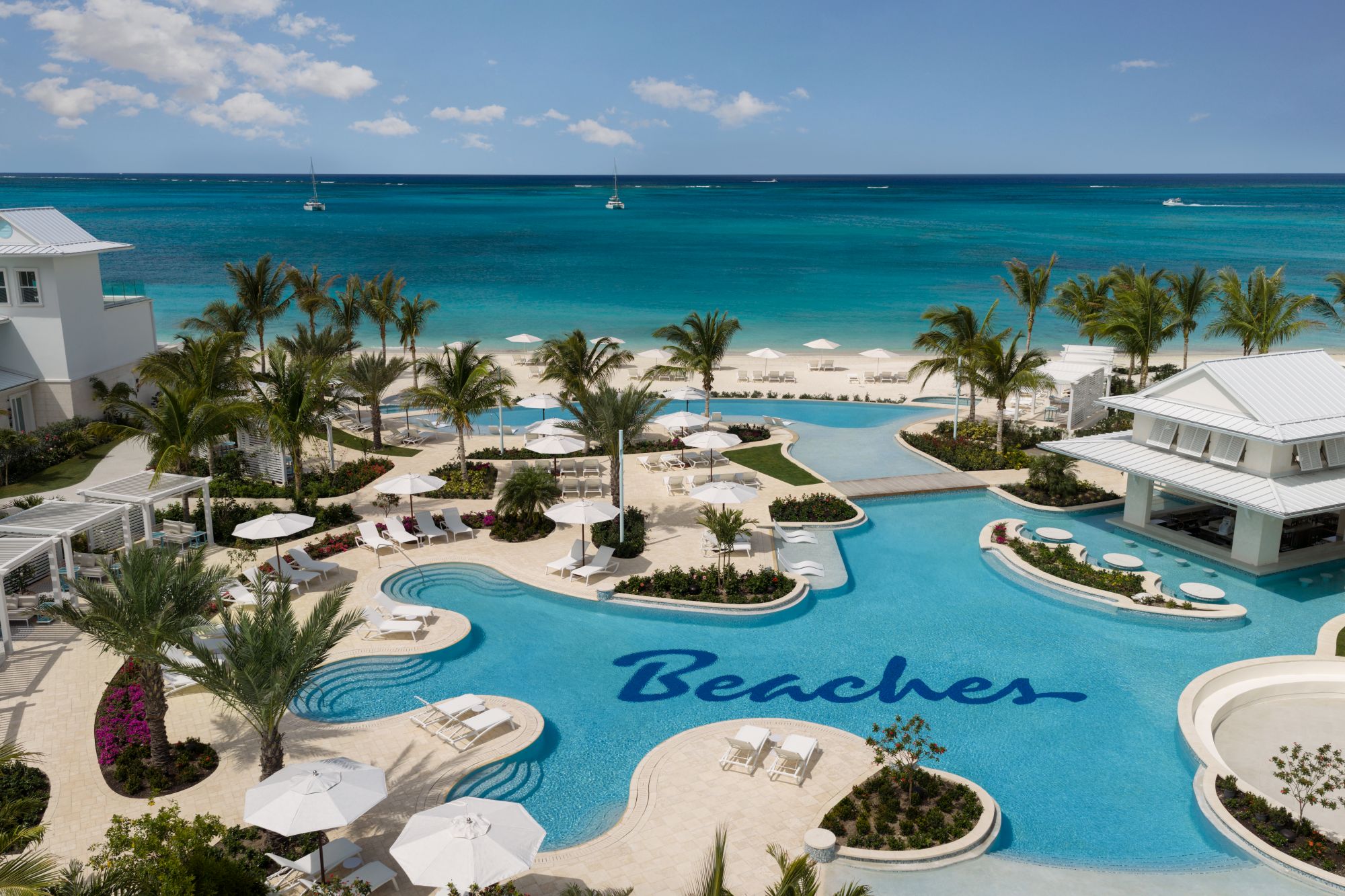 resort, adding incredibly spacious accommodations and freshly introduced experiences shaped by the way families travel today,” said Adam Stewart, executive chairman of Sandals and Beaches Resorts. “It is incredibly moving to meet guests who first visited Beaches as children and are now returning with little ones of their own. More than ever, families are coming together across generations, slowing down and truly valuing time with one another, and this new addition opens up even more possibilities for those shared moments.”
Bigger, Better, Beaches 2.0
The opening of Treasure Beach Village marks the beginning of Beaches’ next chapter. With nearly US $1 billion invested to double the brand’s footprint over the next several years, Beaches continues to expand across the Caribbean, introducing more space, more flexibility and more opportunities for families to reconnect in Exuma, The Bahamas; Jamaica; Barbados and Saint Vincent and the Grenadines.
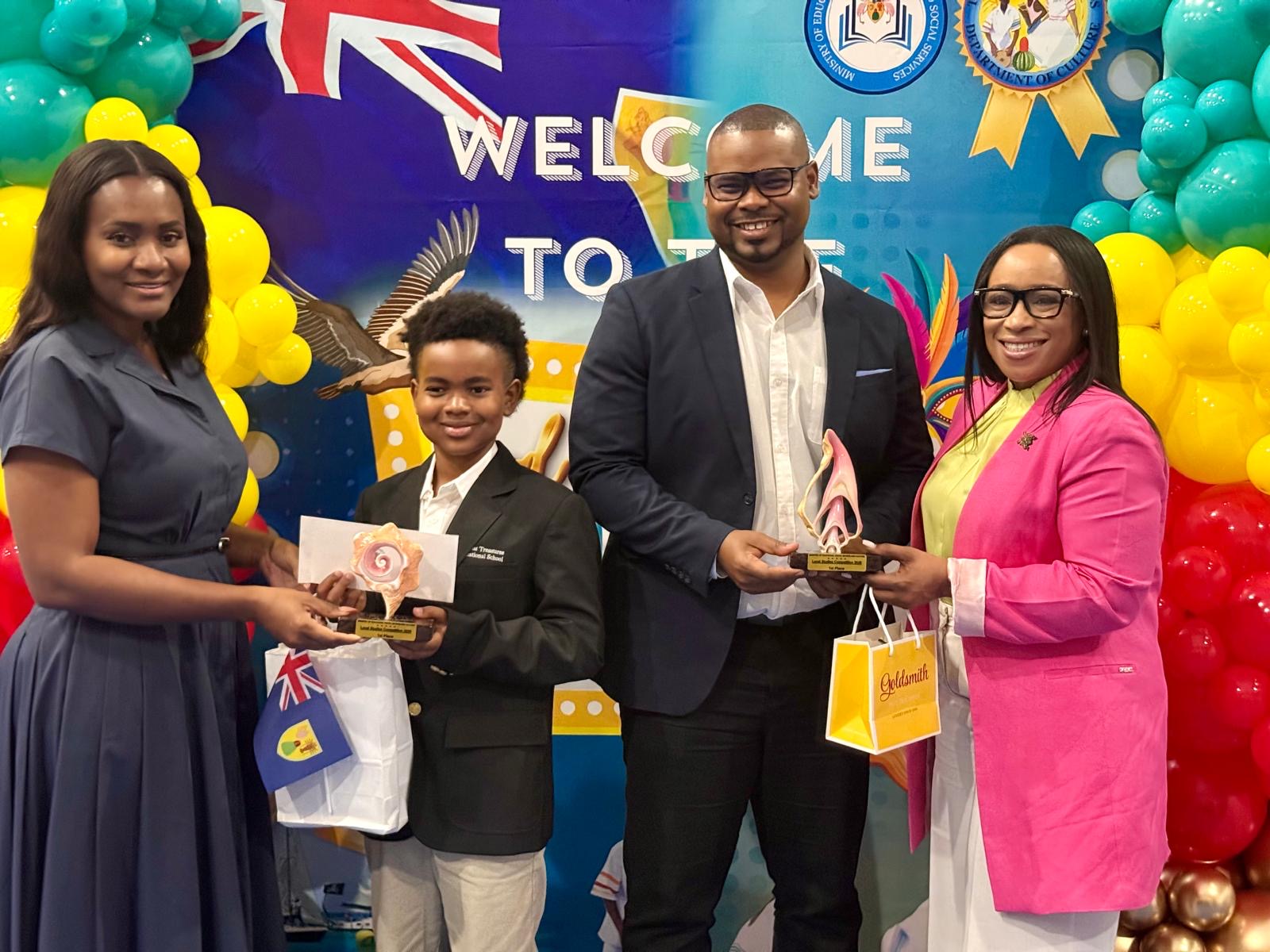
Providenciales, Turks and Caicos Islands: The Department of Education in collaboration with the Department of Culture successfully hosted the 3rd Annual Local Studies Jeopardy-Style Competition, an initiative designed to promote persons’ understanding of the history, culture, and contemporary affairs of the Turks and Caicos Islands. The event took place on March 2, 2026, at the Gustavus Lightbourne Sports Complex, bringing together students, parents, educators, and community stakeholders in a celebration of national heritage and civic awareness.
This year’s competition was organized under the theme “Where Parents Lead, Children Succeed,” emphasizing the critical role of parental engagement in education. In alignment with this theme, each competing team consisted of one student and one parent, thereby fostering intergenerational collaboration and reinforcing the importance of family participation in the learning process. The inclusion of parents not only enhanced the spirit of the competition but also underscored the broader educational philosophy that student achievement is strengthened when families and schools work in partnership.
The event commenced with opening greetings delivered by the Minister of Education, Youth, Sports and Culture, Hon. Rachel Taylor. In her remarks, Minister Taylor highlighted the significance of the competition as a platform for showcasing national identity and collective heritage. She noted that the addition of parents as active participants represented a meaningful and progressive development in the students’ wholistic structure, further strengthening the relationship between home, school, and community. According to the Minister, initiatives such as the Local Studies Competition play a vital role in ensuring that younger generations develop a strong appreciation for the cultural and historical foundations of the Turks and Caicos Islands.
The opening ceremony also featured several cultural performances that helped create an atmosphere reflective of the nation’s traditions. The Enid Capron Primary School Band performed a selection of cultural music, setting an engaging and celebratory tone for the proceedings. Additionally, students from Clement Howell High School delivered renditions of the National Anthem and the National Song, reinforcing the patriotic spirit of the occasion. The audience was formally welcomed by Director of Culture, Odessa Forbes, who expressed appreciation for the participation of schools, parents, and community members in supporting cultural education. The competition itself was skilfully moderated by Quiz Master Huntley Forbes Jr., who guided participants through the various rounds of questions.
A total of fifteen schools participated in the competition, demonstrating strong representation from across the islands. Participating institutions included: Thelma Lightbourne Primary School, Eliza Simons Primary School, Ianthe Pratt Primary School, International School, Precious Treasures Primary School, Oseta Jolly Primary School, Marjorie Basden High School, Ona Glinton Primary School, Provo Primary and Middle School, Clement Howell High School, Richmond Hill Preparatory School, Charles Hubert James Primary School, Shining Stars Preparatory School, Raymond Gardiner High School, and Enid Capron Primary School.
Throughout the competition, teams demonstrated impressive knowledge of various aspects of Turks and Caicos Islands heritage, including historical milestones, national festivals, traditional cuisine, geography, and contemporary current affairs. The high level of engagement and enthusiasm among participants reflected both the effectiveness of local studies instruction within schools and the commitment of families to supporting students’ academic development.
Following several rounds of intense and closely contested gameplay, Precious Treasures Primary School emerged as the first-place winner. International School secured second place, while Charles Hubert James Primary School earned third place. All teams displayed commendable effort, preparation, and pride in representing their schools and their knowledge of national heritage.
The Department of Education and the Department of Culture extend their sincere gratitude to all participating schools, students, parents, teachers, judges, coaches and volunteers whose contributions made the event a success. Appreciation is also expressed to the organizers, engineer, scorekeepers, timekeepers, performers, and supporters who helped create a meaningful and memorable celebration of the Turks and Caicos Islands’ history and culture. Through initiatives such as the Local Studies Jeopardy-Style Competition, the Departments reaffirm their commitment to fostering cultural awareness, national pride, and lifelong learning.
News
North and Middle Caicos Students receive educational material from Sandals Foundation and Beaches Turks and Caicos resort
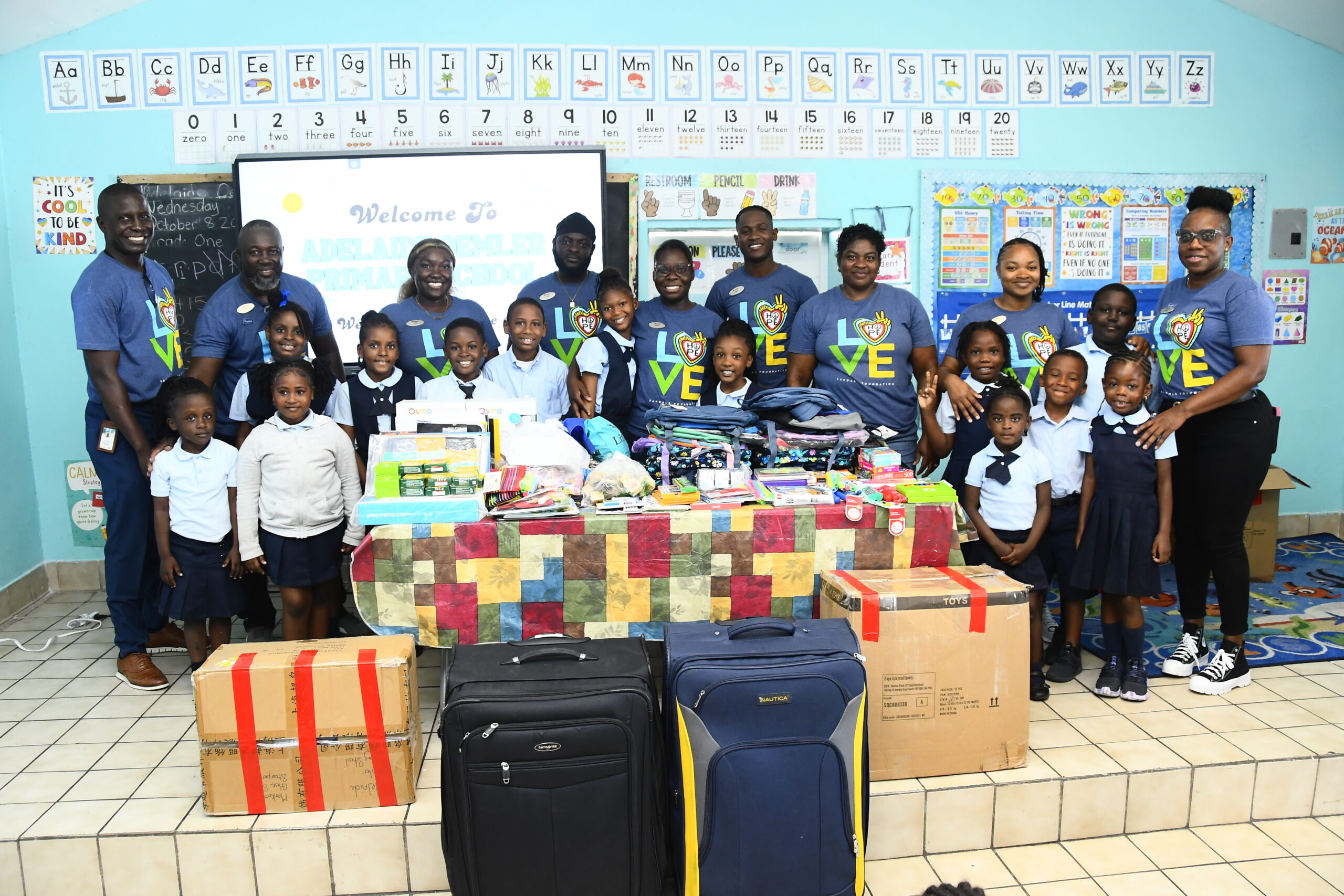
Turks and Caicos Islands – Beaches Turks and Caicos resort, through the Sandals Foundation, recently expanded its education outreach to North and Middle Caicos, providing new learning materials to every primary school student on the twin islands, as well as a number of students from Raymond Gardiner High School. The initiative was aimed at strengthening classroom instruction, reducing the burden on families, and ensuring that children in the family islands have access to the same quality of resources as their peers on Providenciales.
Public Relations Manager Orville Morgan share, “this donation ensured that students at government primary schools in North and Middle Caicos received age-appropriate educational materials, including workbooks, back packs, pencils, erasers, crayons, sharpeners, stationery, and complementary learning aids to support learning.”
The effort covered schools such as Raymond Gardiner High, Adelaide Oemler Primary, Charles Hubert James Primary, Lighthouse Christian Academy, and Doris Robinson Primary in Middle Caicos.
In addition to primary students, a number of students from Raymond Gardiner High School also benefitted, receiving materials that teachers shared will help reinforce literacy, numeracy and exam preparation in the upper grades.
Principal Janet Walkin noted, “while classroom teachers often create their own resources, having these materials and sufficient basic supplies can make a measurable difference in student performance and classroom engagement.”
Veteran principal of Charles Hubert James Primary Carmencita Morley, welcomed the donation and emphasized its importance for both teachers and students. She explained that the new materials would help improve the quality of teaching and learning at the school by allowing educators to better differentiate instruction and provide more hands-on activities across grades.
“With these additional resources, our teachers have more tools to reach students at different levels and learning styles,” she shared, “our schools in North Caicos often face constraints in accessing up-to-date educational aids.” The principal added that for many families, especially those with multiple children, back-to-school expenses can be significant, so receiving core supplies helps reduce financial pressure while ensuring that every child comes to class prepared to learn.
Principal Abigail Delancy of Adelaide Oemler echoed this sentiment, pointing out that “consistent access to simple items such as exercise books, pencils and reading materials can reduce classroom disruptions and give teachers more time to focus on instruction. They also highlighted that the donation aligns with national efforts by the Ministry of Education to raise standards in literacy and numeracy across the Turks and Caicos Islands.”
The latest distribution is part of the Sandals Foundation’s broader, long-term investment in education across the Caribbean, including the Turks and Caicos Islands. Regionally, the foundation supports scholarships, school infrastructure and technology upgrades, teacher training, and the provision of learning resources.
General Manager, Deryk Meany added, “the resort sees its role as going beyond hospitality, with a focus on supporting the communities where our team members and their families live. Education remains one of the three central pillars of the Sandals Foundation—alongside community and environment—and pledged to continue working with local schools and the Ministry of Education to identify needs and deliver targeted support.”
For Adelaide Oemler Primary’s leadership, the focus now is on integrating the new materials into daily teaching plans and monitoring how they contribute to student progress over the coming terms. The principal stressed that with continued collaboration among schools, the private sector and charitable organizations, North and Middle Caicos students can access the resources they need to thrive academically and build a strong foundation for their future.





-

 Bahamas News8 hours ago
Economic and Financial Experts Assess US-China Relations; Offer Advice for The Bahamas
-

 Caribbean News5 days ago
Jamaica Joins Afreximbank Agreement, Strengthening Africa–Caribbean Partnership
-

 Caribbean News9 hours ago
Widow’s Testimony Recounts Night Haiti President Was Killed
-
 Bahamas News1 week ago
Dredging Is Not Just About Size — It Is About What Is Being Destroyed, Warns Save Exuma Alliance Regarding Yntegra’s Proposed Rosewood Resort
-

 News1 week ago
Police Commissioner Honoured with Distinguished Civic Service Award at TCHTA Star Awards
-

 Education1 week ago
Message from Hon. Rachel M. Taylor, Minister of Education, Youth, Sports & Culture
-
 News7 hours ago
Beaches Resorts Announces Grand Opening of Treasure Beach Village at Beaches Turks and Caicos
-

 News1 week ago
Flow TCI powers Inter-High Track and Field Championships