
Health
What Are the Actual Warning Signs of a Brain Tumor?

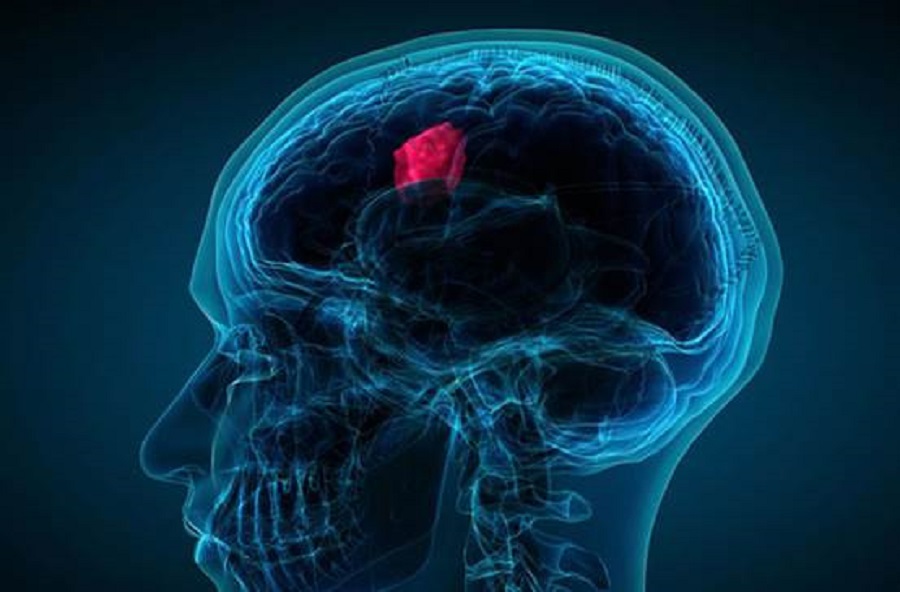
June 22, 2022 – So what are the chances of you developing a cancerous brain tumor over your lifetime? Well, the odds of developing a cancerous brain tumor are less than 1%. Usually, symptoms like a headache or confusion are just your body’s way of telling you to hydrate or sleep more.
But rarely, these symptoms can signal a bigger problem.
Unfortunately, the warning signs of a brain tumor can be as diverse as the brain’s endless list of responsibilities. “There is no specific sign for a brain tumor,” says Gene Barnett, MD, a neurosurgeon at Cleveland Clinic. “A brain tumor can present with many different signs and symptoms, depending on where it is located.”
Signs to watch out for
With more than 120 types of brain tumors, symptoms run the gamut from none at all to major red flags. Ultimately, how your body sounds the alarm depends on:
- Where the tumor forms.
- What part of your body the affected area of your brain controls.
- How big the tumor is.
But to know when a symptom really spells trouble, you need to know your own body. Changes in your health can be just as telling as the symptom itself.
If you experience one or several of these signs, Dr. Barnett recommends seeing a medical professional:
1. Seizures: A tumor can make your brain’s neurons fire wildly, leading to seizures.
2. Changes in your mental status: Perhaps you’ve had confusion, one too many “senior moments” or more trouble than usual figuring out a restaurant bill. Your mental abilities are personal to you — and so are any changes to them.
3. Personality or behavioral changes: “Frontal lobe tumors, in particular, can cause happy, bubbly people to develop a flat affect or cause some normally quiet people to become more talkative,” explains Dr. Barnett. “They can also cause a loss of inhibition.”
4. Clumsiness: Brain stem tumors may lead to a loss of balance or clumsy movements.
5. Visual problems: A tumor in your brain area that controls eyesight may affect your vision. Blurred, double or even loss of vision can be signs of a brain tumor.
6. Limb weakness: Losing strength or weakness in an arm or leg may be a brain tumor symptom.
7. Headaches: “But most headaches are not the result of a brain tumor,” Dr. Barnett assures. “Brain tumor headaches tend to persist for more than a few days, are associated with nausea or vomiting or occur early in the morning.”
Signs of brain metastases
Here’s a surprising fact: The most common brain tumors don’t actually start in your brain. Brain metastases, or metastatic brain tumors, spread to your brain from other parts of your body — most often from your lungs, breasts, skin, kidneys or colon.
“A person with a known history of these cancers who develops any of these neurological symptoms should be evaluated,” Dr. Barnett says.
Where to go if you need brain tumor treatment
If you’re diagnosed with a brain tumor, Dr. Barnett says you’ll get the best care at a brain tumor center of excellence.
“These centers specialize in multidisciplinary treatment for brain tumors,” he explains. “You have neurosurgeons who treat patients with brain tumors every day of the week. You also have radiation oncologists and neuro-oncologists or medical oncologists who primarily treat patients with brain tumors.”
These centers usually offer opportunities to participate in clinical trials, too. So if a tumor has limited treatment options, a brain tumor center can give you access to promising new drugs or immunotherapies that may effectively treat it.
For more information, visit Cleveland Clinic Health Essentials blog at https://health.clevelandclinic.org/

“Empowering Pharmacists for Healthier Futures”
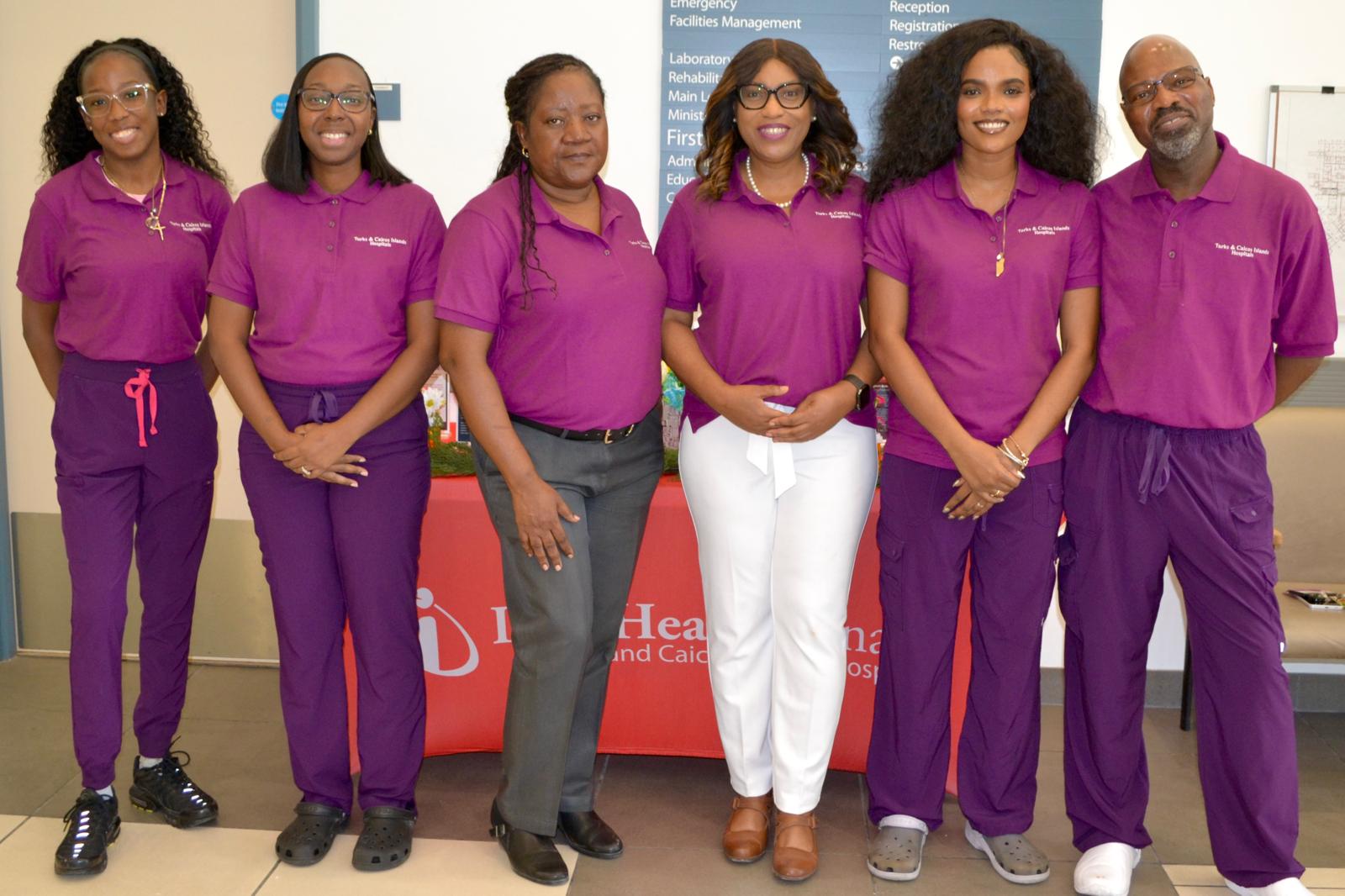
Providenciales, Turks and Caicos Islands — September 23, 2026; TCI Hospital joined healthcare organisations around the world in celebrating World Pharmacy Day from September 21-25, 2026, recognising the vital contribution pharmacists and pharmacy technicians make to patient safety, quality care and stronger healthcare systems.
Under the theme “Empowering Pharmacists for Healthier Futures,” this year’s observance highlighted the importance of enabling pharmacy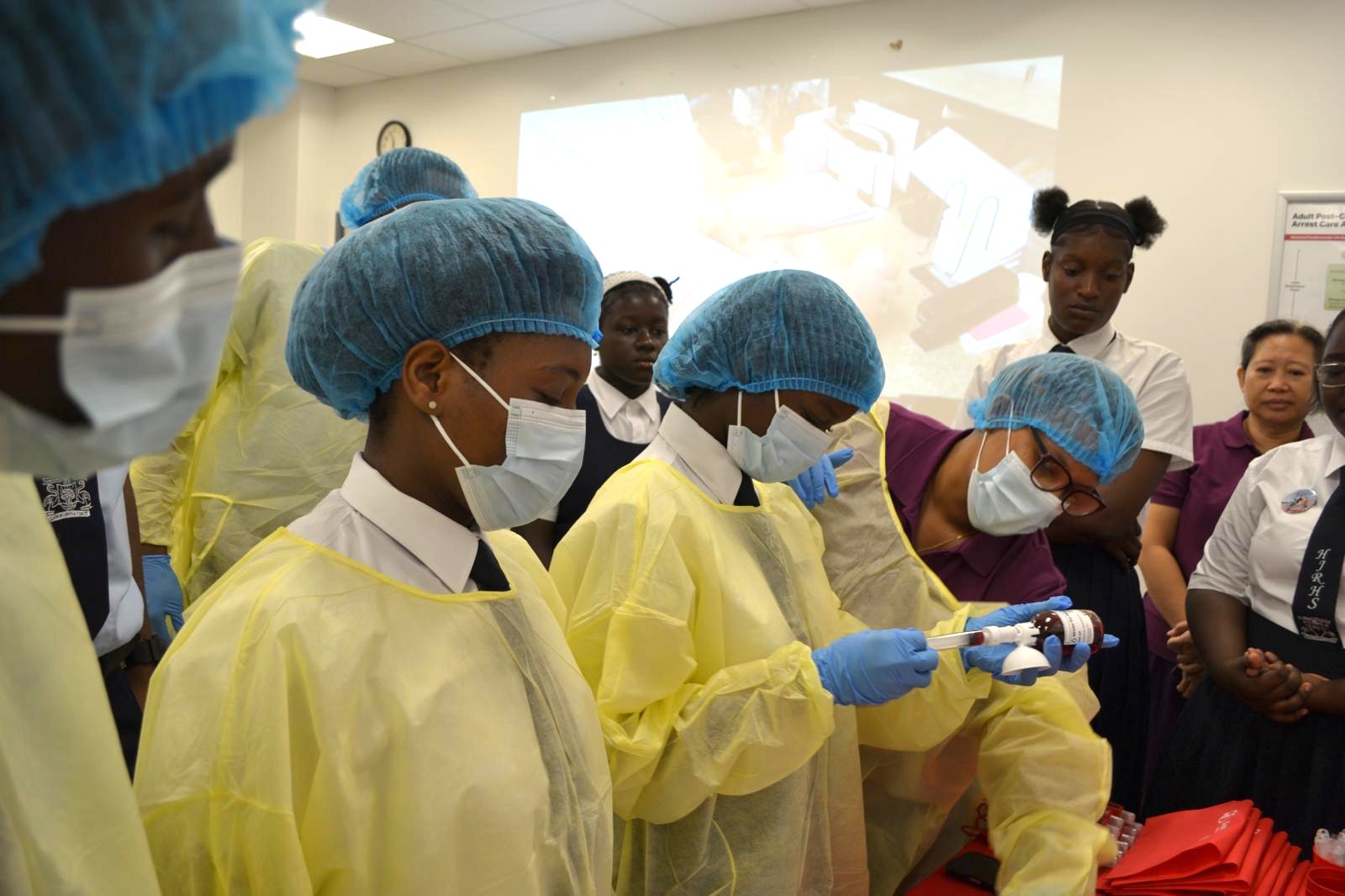 professionals to use their knowledge, skills and expertise to their fullest potential in improving health outcomes and supporting patients throughout their healthcare journey.
As part of World Pharmacy Week, September 19–25, TCI Hospital celebrated its Pharmacists and Pharmacy Technicians while engaging patients, students and the wider community in activities focused on medication safety, pharmacy careers and the expanding role of pharmacy professionals in healthcare.
More Than Preparing Medications
Pharmacists and pharmacy technicians are integral members of the multidisciplinary healthcare team at TCI Hospital. While pharmacy is often associated with dispensing and preparing medicines, the work of pharmacy professionals extends far beyond the pharmacy counter.
The hospital’s pharmacy team works collaboratively with physicians, nurses and other healthcare professionals to support the safe and appropriate use of medications throughout the patient journey. Their work includes medication preparation and management, medication reconciliation and review, patient education, and processes designed to identify and reduce medication-related risks.
Their specialised knowledge is particularly important in clinical areas such as the Neonatal Unit, Oncology and Dialysis services, where medication management requires precision, careful calculation, specialised preparation and close attention to individual patient needs.
For TCI Hospital, World Pharmacy Day therefore provides an opportunity not only to celebrate pharmacy professionals, but also to increase public understanding of their important contribution to safe, effective and patient-centred care.
Inspiring the Next Generation
An important part of TCI Hospital’s 2026 observance was engaging young people and introducing them to the diverse opportunities available within the pharmacy profession.
Students from Maranatha Academy in Providenciales and HJ Robinson High School in Grand Turk, participated in an exposition designed to provide insight into the work of pharmacists and pharmacy technicians and their contribution to patient care and medication safety.
Students explored how medications moved through the healthcare system, the safeguards used to help prevent medication errors, and the importance of medication reconciliation in identifying and resolving potential medication-related concerns.
The sessions also featured practical demonstrations of selected tools and processes used by pharmacy professionals, giving students an opportunity to experience aspects of the profession beyond the traditional image of dispensing medicines.
Through this engagement, TCI Hospital hoped to encourage more young people in the Turks and Caicos Islands to consider careers in pharmacy and the wider healthcare sector.
Taking Pharmacy Education into The Community
TCI Hospital extended the conversation beyond the hospital through a special TCI Hospital House Call Talk Show episode featuring pharmacy professionals and a patient.
The programme explored the role of pharmacists from both the healthcare professional and patient perspectives, including how pharmacy professionals contributed to safe medication use and how patients could become active partners in their own medication safety.
The discussion encouraged patients to know the medications they were taking, provide healthcare professionals with accurate and up-to-date information about their medicines, follow medication instructions carefully, and ask questions whenever they were uncertain about their treatment.
The programme also highlighted pharmacy as a rewarding healthcare career and encouraged young people to explore educational and professional opportunities in the field.
Medication Safety is a Shared Responsibility
World Pharmacy Day also provides an important reminder that medication safety is a shared responsibility involving healthcare organisations, healthcare professionals, patients and families.
Patients can contribute to safer care by maintaining an accurate list of their medications, including prescription and non-prescription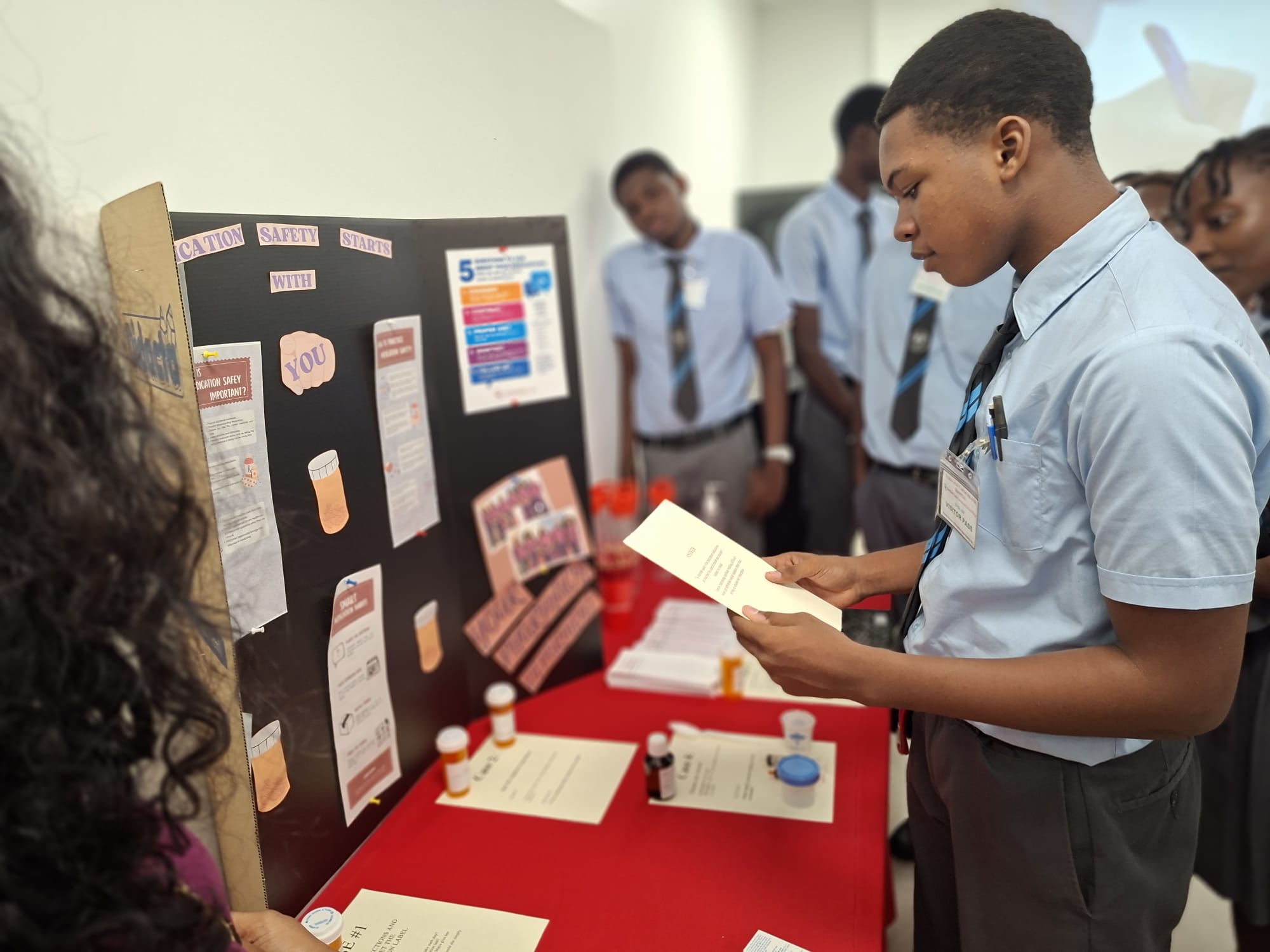 medicines; informing healthcare professionals about medications they are taking; following instructions for safe medication use; and asking questions when they do not understand why or how a medicine should be taken.
Healthcare organisations and professionals, in turn, have a responsibility to maintain systems that support safe medication practices and enable pharmacists and pharmacy technicians to contribute their expertise across the continuum of care.
TCI Hospital remains committed to strengthening medication safety, supporting its pharmacy workforce, educating patients and promoting effective collaboration across the multidisciplinary healthcare team.
Celebrating the People Behind Safe Medication Use
Chief Executive Officer of TCI Hospital, Dr Denise Braithwaite-Tennant, said World Pharmacy Day is an important opportunity to recognise the expertise and dedication of the hospital’s pharmacy professionals.
| “Our pharmacists and pharmacy technicians are essential members of the multidisciplinary team and make an invaluable contribution to safe, high-quality patient care every day. Their role extends far beyond preparing and dispensing medications. They bring specialised knowledge, precision and clinical expertise to medication management and work alongside our healthcare teams to reduce risks and support the best possible outcomes for our patients.
This year’s theme also reminds us that empowering pharmacists means creating opportunities for them to contribute their expertise across the patient journey. We are proud of our pharmacy team and sincerely thank them for their professionalism, dedication and commitment to helping build healthier futures for the people of the Turks and Caicos Islands.” Dr Denise Braithwaite-Tennant |
Chief of Allied Services, Eleanor Hall, highlighted the importance of recognising pharmacy as an integral clinical service and supporting the continued professional development of the pharmacy workforce.
| “Pharmacy is an essential component of safe and effective healthcare delivery. Our pharmacy professionals work collaboratively across disciplines and services, bringing expertise that supports clinical decision-making, medication safety and patient education. Their contribution is especially important as healthcare becomes increasingly complex and patients require more individualised approaches to medication management.
Empowering our pharmacy workforce also means investing in professional development, encouraging innovation and ensuring that pharmacists and pharmacy technicians have opportunities to contribute their knowledge throughout the healthcare system. I am extremely pleased that this year’s activities also extend into our schools and community, helping people better understand the profession while inspiring the next generation of healthcare professionals.” Eleanor Hall |
Pharmacy Manager Kennita Myers said the theme reflects both the responsibility carried by pharmacy professionals and the opportunities available to further strengthen their contribution to patient care.
| “Every medication we prepare, review or manage represents a patient who is depending on us to get it right. Whether we are supporting neonatal care, oncology, dialysis or other hospital services, accuracy, vigilance and patient safety remain at the centre of everything we do.
Our pharmacists and pharmacy technicians are also educators and advocates for safe medication use. We want our patients to understand their medicines and feel confident asking questions about their treatment. We are equally passionate about introducing young people to pharmacy and showing them the many ways, they can build meaningful careers while contributing to the health of their community. World Pharmacists Day gives us an opportunity to celebrate our profession, share our knowledge and inspire the next generation.” Kennita Myers |
Thank You to Our Pharmacy Professionals
Turks and Caicos Islands Hospital extends its sincere appreciation to its pharmacists and pharmacy technicians for their professionalism, expertise and commitment to patient safety.
Whether preparing specialised medications, supporting clinical teams, educating patients, reviewing medication therapy or strengthening medication-safety processes, pharmacy professionals play an important role at every stage of the patient journey.
Their work embodies the message of World Pharmacy Day 2026: “Empowering Pharmacists for Healthier Futures.”
To all of our Pharmacists and Pharmacy Technicians, thank you for helping to keep our patients safe, supporting our healthcare teams and contributing every day to healthier futures for the people of the Turks and Caicos Islands.
Bahamas News
Public Hospitals Authority Foundation Donates Dialysis Machines to Princess Margaret Hospital (PMH)
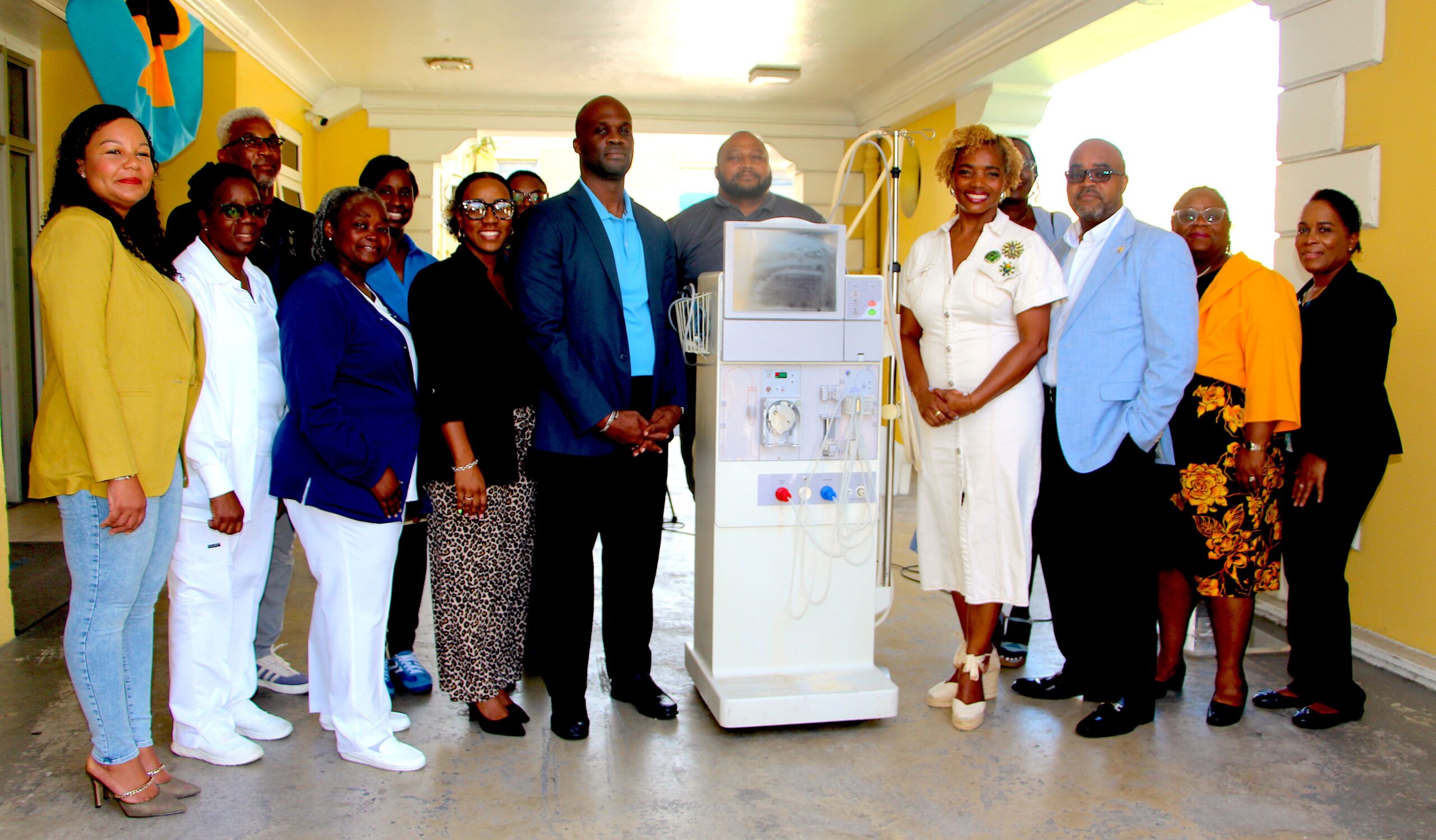
The Bahamas, September 21, 2026 – The Public Hospitals Authority (PHA) Foundation, a philanthropic organization launched in January 2024 to support public hospitals and healthcare clinics, donated eight additional dialysis machines for the PMH Renal Services unit.
Director of Foundations, Corporate and Community Relations for the Public Hospitals Authority and Executive Director of the foundation, Alana Major, said this initiative is a part of the foundation’s “Sun, Sea and Second Chances” campaign. PHA Foundation aims to secure 30 machines for Princess Margaret Hospital.
“As of today, with this donation, we are now up to 15 machines, so we are very excited about that,” Ms. Major said.
Other members of the foundation were present, including PHA Foundation Chairman Mr. Selvin Basden, who said the foundation is committed to doing its part in fulfilling the mandate of the Government of the Bahamas.
“One of the tenets of the Government is to ensure that access to healthcare is a human right. We are committed to ensuring that, at least from our part, we can deliver on that principle,” Mr. Basden said.
The PMH Renal Services Unit dialyzes about 150 to 170 patients annually. The unit provides care for patients who have been diagnosed with end-stage kidney disease and now need renal support. Patients who receive dialysis typically come to the unit three times a week, either on a Monday-Wednesday-Friday schedule or a Tuesday-Thursday-Saturday schedule.
Head of Department for Renal Services, Dr. Thurston Carroll, said she and the unit are excited to receive the donation, as it will replace machines that are not operating optimally.
“We are particularly excited about today’s donation because, although we have 20 stations within the dialysis unit, we have an aging fleet. These new machines and new water-treatment equipment will allow us to replace some of our aging equipment so that we can continue providing services to our patients.”
Foundation representatives noted that one or two organizations are already considering making bulk donations and if it happens, the foundation may be able to secure another 10 machines or another five machines in the very near future.
PMH Deputy Hospital Administrator Angelica Lockhart-Bastian and Hospital Administrator Mr. Tevard Bastian thanked the PHA Foundation for its donation to Princess Margaret Hospital.
Also in attendance were PHA Foundation Deputy Chairman Dr. Erecia Hepburn; Foundation guest Dr. Maria Oriakhi; Chief Biomedical Engineer Mr. Theodore Nottage; Administrative Officer Ms. Appapisa Neely; and Senior Assistant Hospital Administrator Mr. Valdez Bowe.
By Christina Williams
Bahamas Information Services
BIS Photos/Mark Ford
PHOTO CAPTION:
Group Photo, from left:
– Dr. Rhea Thurston Carroll, Director, Renal Services, PMH
– Nurse Kim Harris, Dialysis Nurse, Dialysis Unit, PMH
– Sister Darnell Roker, Nurse Manager, Dialysis Unit, PMH
– Mrs. Angelica Lockhart-Bastian, Deputy Hospital Administrator PMH
– Mr. Tevard Bastian, Hospital Administrator PMH
– Mrs. Alana Major, Director, Foundations, Community and Corporate Relations, PHA
– Mr. Selvin Basden, Chairman, PHA Foundation
– Dr. Erecia Hepburn, PHA Foundation Board
– Ms. Donette Danvers, Executive Assistant, Foundations, Community and Corporate Relations, PHA
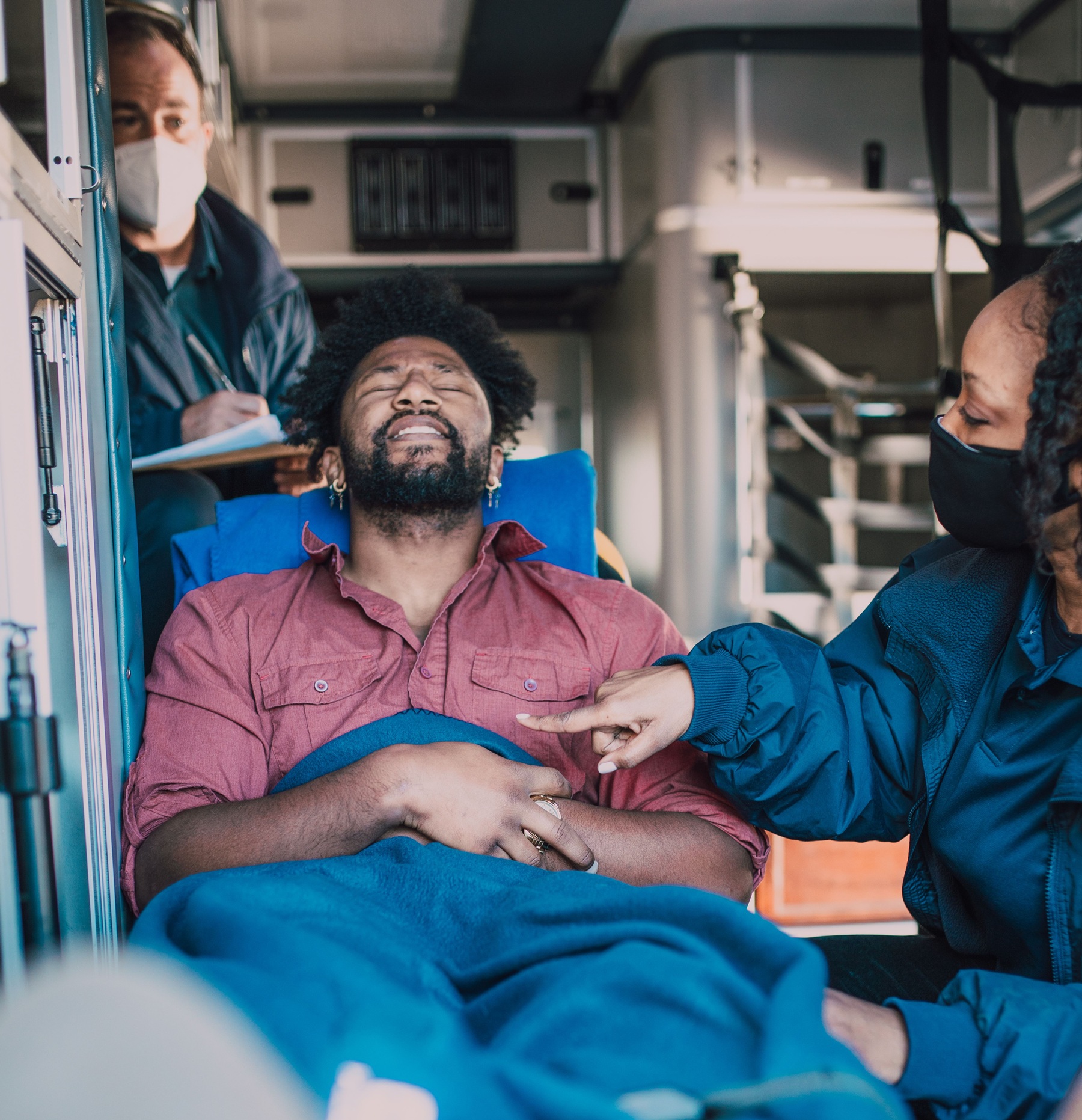
Choose the ER when delaying care could have serious or even life-threatening consequences
When you’re dealing with an unexpected illness or injury, it isn’t always easy to know where to go. Should you head to urgent care? Or is it safer to go straight to the emergency room (ER)?
The answer depends on what’s happening and how severe your symptoms are. But in the moment, it can be especially difficult to keep calm and figure out what’s best.
Emergency medicine physician B. Bryan Graham, DO, explains how understanding the difference can help you get the right care at the right time, especially when every minute matters.
What’s the difference between urgent care and the ER?
Urgent care centers and emergency rooms both provide medical care when you can’t wait for an appointment. But they serve very different purposes.
“Urgent care generally handles illnesses and injuries that need treatment soon but aren’t life-threatening,” Dr. Graham explains. “Emergency departments are equipped to handle serious emergencies where delaying care could have serious consequences.”
Dr. Graham breaks down more specific differences between the two and how to decide where to go for the care you or a loved one needs.
What is urgent care?
Urgent care centers fill the gap between your primary care provider’s office and the emergency room.
“They’re able to treat a wide variety of conditions that need to be seen the same day,” Dr. Graham says. “Many urgent care locations offer walk-in appointments and extended evening or weekend hours.”
Urgent care may be appropriate for:
- Symptoms of common viral illnesses, like cold and flu
- Wounds and cuts (including those that require stitches)
- Ear infections
- Superficial wounds or burns
- Pink eye
- Possible sprains, strains or fractures
- Sinus infections
- Skin rashes
- Sore throats
- Sprains and strains
- Urinary tract infections (UTIs)
Some urgent care centers provide services like X-rays, splinting, stitches and simple lab tests. But availability varies by location, so it can be helpful to learn in advance — before you need care — what services the urgent care closest to you provides.
“These facilities can treat many common illnesses and injuries,” Dr. Graham reiterates, “but they aren’t designed to manage severe or life-threatening emergencies. If your symptoms suddenly worsen or seem serious, the ER is typically the better choice.”
What is the ER?
Emergency rooms (sometimes called emergency departments, or EDs) are open 24 hours a day, seven days a week. They’re equipped to treat serious medical emergencies.
“People who come to the emergency department are typically treated based on the severity of their condition,” Dr. Graham explains. “That means that someone with a life-threatening emergency will be seen before someone with less urgent symptoms.”
You should go to the ER or call 911 if you experience:
- Breathing problems, including severe shortness of breath
- Chest pain or symptoms of a heart attack
- Signs of a stroke, like sudden weakness, facial drooping or difficulty speaking
- Major injuries, such as from a car accident or other trauma
- Mental health crises or psychiatric emergencies
- Poisoning
- Pregnancy-related emergencies, like heavy bleeding or signs of ectopic pregnancy
- Seizures
- Serious head injuries, especially those with loss of consciousness (passing out)
- Signs of a serious infection
- Significant dehydration
- Severe allergic reaction (anaphylaxis)
- Severe bleeding that won’t stop
- Severe burns
- Sudden, severe pain that feels intense or alarming
When needed, emergency departments can provide:
- Advanced testing, like CT scans, ultrasounds and EKGs
- Specialized emergency care, like in geriatrics and pediatrics
- Emergency procedures, including defibrillation and intubation
- Emergency surgery (and stabilization before emergency surgery that takes place in an operating room)
The ER is also the appropriate place for any situation where delaying care could lead to serious complications.
When should you go to urgent care vs. the ER?
When you’re trying to make the call between urgent care and the ER, the biggest question to ask yourself is: Could this condition be life-threatening?
If the answer is yes, go to the ER.
“If you could put the word ‘severe’ before your symptoms — whatever they are — you should likely seek emergency care,” Dr. Graham states.
If the condition is uncomfortable, painful or needs attention soon but doesn’t seem to pose an immediate threat to your health, urgent care may be the right choice.
Dr. Graham offers some specific principles to consider.
Choose urgent care if you:
- Have symptoms that are bothersome but stable
- Need treatment within hours, not minutes
- May need an X-ray, stitches or basic testing
- Can’t get a timely appointment with your primary care provider
- Have a common illness or minor injury that’s unlikely to become life-threatening
Choose the ER if you:
- Have sudden and severe symptoms
- Have chest pain, trouble breathing or stroke symptoms
- Are experiencing uncontrolled bleeding
- Lost consciousness or had a seizure
- Have a serious injury, severe burn or major trauma
- Believe delaying care could put your health or safety at risk
Final thoughts
Facing a medical issue can be scary, especially when you’re dealing with a potential emergency.
If you’re not sure whether a situation is an emergency, it’s generally safest to seek care in the ER, especially when symptoms are:
- Severe
- Quickly getting worse
- Affecting your ability to breathe, think clearly or function normally
But above all, remember: There’s no perfect decision-making formula. Medical symptoms don’t always fit neatly into categories.
“It’s important to listen to your instincts,” Dr. Graham encourages. “Don’t go by lists alone. If something feels seriously wrong, don’t spend precious time trying to diagnose yourself.”





-

 News3 days ago
Indian Association of Turks and Caicos Islands Empowers Local Students Through Back-to-School Backpack & Supplies Drive
-

 Independent writer6 days ago
Letter to The Editor
-

 Bahamas News4 days ago
CIBC Caribbean Celebrates 2026 Unsung Heroes Finalists
-

 Caribbean News2 days ago
Royal Caribbean Group and Sandals Resorts Announce Landmark Partnership to Accelerate Their Leading Vacation Experiences
-

 Health3 days ago
TCI Hospital Celebrates World Pharmacy Day 2026
-

 Education1 week ago
TCI Schools Invited to Participate in 2026 National Student Council Election
-

 Caribbean News3 days ago
Royal Caribbean Signs US$3-Billion Deal for Half of Sandals and Beaches
-

 Bahamas News5 days ago
Romer Receives Regional Leadership Award