
Health
What Are the Actual Warning Signs of a Brain Tumor?

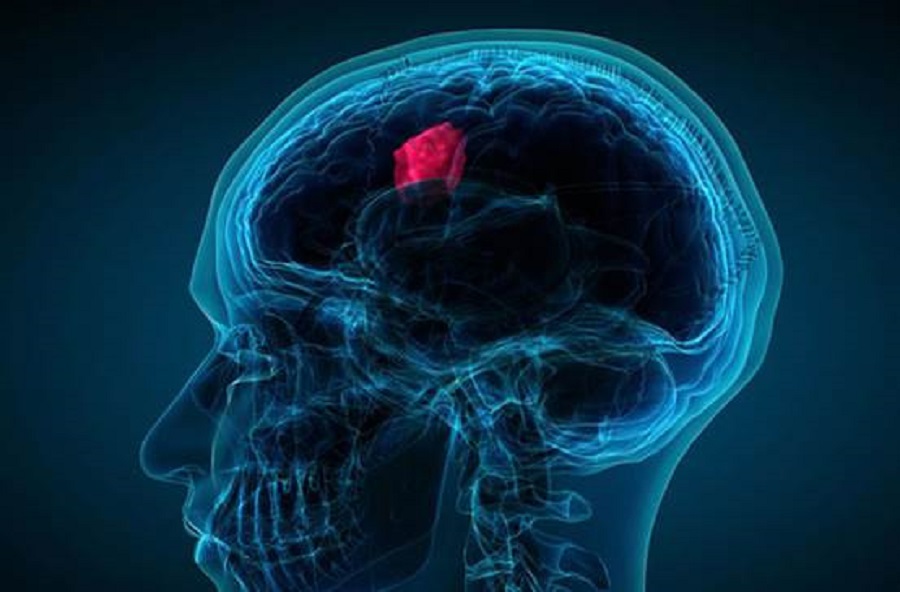
June 22, 2022 – So what are the chances of you developing a cancerous brain tumor over your lifetime? Well, the odds of developing a cancerous brain tumor are less than 1%. Usually, symptoms like a headache or confusion are just your body’s way of telling you to hydrate or sleep more.
But rarely, these symptoms can signal a bigger problem.
Unfortunately, the warning signs of a brain tumor can be as diverse as the brain’s endless list of responsibilities. “There is no specific sign for a brain tumor,” says Gene Barnett, MD, a neurosurgeon at Cleveland Clinic. “A brain tumor can present with many different signs and symptoms, depending on where it is located.”
Signs to watch out for
With more than 120 types of brain tumors, symptoms run the gamut from none at all to major red flags. Ultimately, how your body sounds the alarm depends on:
- Where the tumor forms.
- What part of your body the affected area of your brain controls.
- How big the tumor is.
But to know when a symptom really spells trouble, you need to know your own body. Changes in your health can be just as telling as the symptom itself.
If you experience one or several of these signs, Dr. Barnett recommends seeing a medical professional:
1. Seizures: A tumor can make your brain’s neurons fire wildly, leading to seizures.
2. Changes in your mental status: Perhaps you’ve had confusion, one too many “senior moments” or more trouble than usual figuring out a restaurant bill. Your mental abilities are personal to you — and so are any changes to them.
3. Personality or behavioral changes: “Frontal lobe tumors, in particular, can cause happy, bubbly people to develop a flat affect or cause some normally quiet people to become more talkative,” explains Dr. Barnett. “They can also cause a loss of inhibition.”
4. Clumsiness: Brain stem tumors may lead to a loss of balance or clumsy movements.
5. Visual problems: A tumor in your brain area that controls eyesight may affect your vision. Blurred, double or even loss of vision can be signs of a brain tumor.
6. Limb weakness: Losing strength or weakness in an arm or leg may be a brain tumor symptom.
7. Headaches: “But most headaches are not the result of a brain tumor,” Dr. Barnett assures. “Brain tumor headaches tend to persist for more than a few days, are associated with nausea or vomiting or occur early in the morning.”
Signs of brain metastases
Here’s a surprising fact: The most common brain tumors don’t actually start in your brain. Brain metastases, or metastatic brain tumors, spread to your brain from other parts of your body — most often from your lungs, breasts, skin, kidneys or colon.
“A person with a known history of these cancers who develops any of these neurological symptoms should be evaluated,” Dr. Barnett says.
Where to go if you need brain tumor treatment
If you’re diagnosed with a brain tumor, Dr. Barnett says you’ll get the best care at a brain tumor center of excellence.
“These centers specialize in multidisciplinary treatment for brain tumors,” he explains. “You have neurosurgeons who treat patients with brain tumors every day of the week. You also have radiation oncologists and neuro-oncologists or medical oncologists who primarily treat patients with brain tumors.”
These centers usually offer opportunities to participate in clinical trials, too. So if a tumor has limited treatment options, a brain tumor center can give you access to promising new drugs or immunotherapies that may effectively treat it.
For more information, visit Cleveland Clinic Health Essentials blog at https://health.clevelandclinic.org/

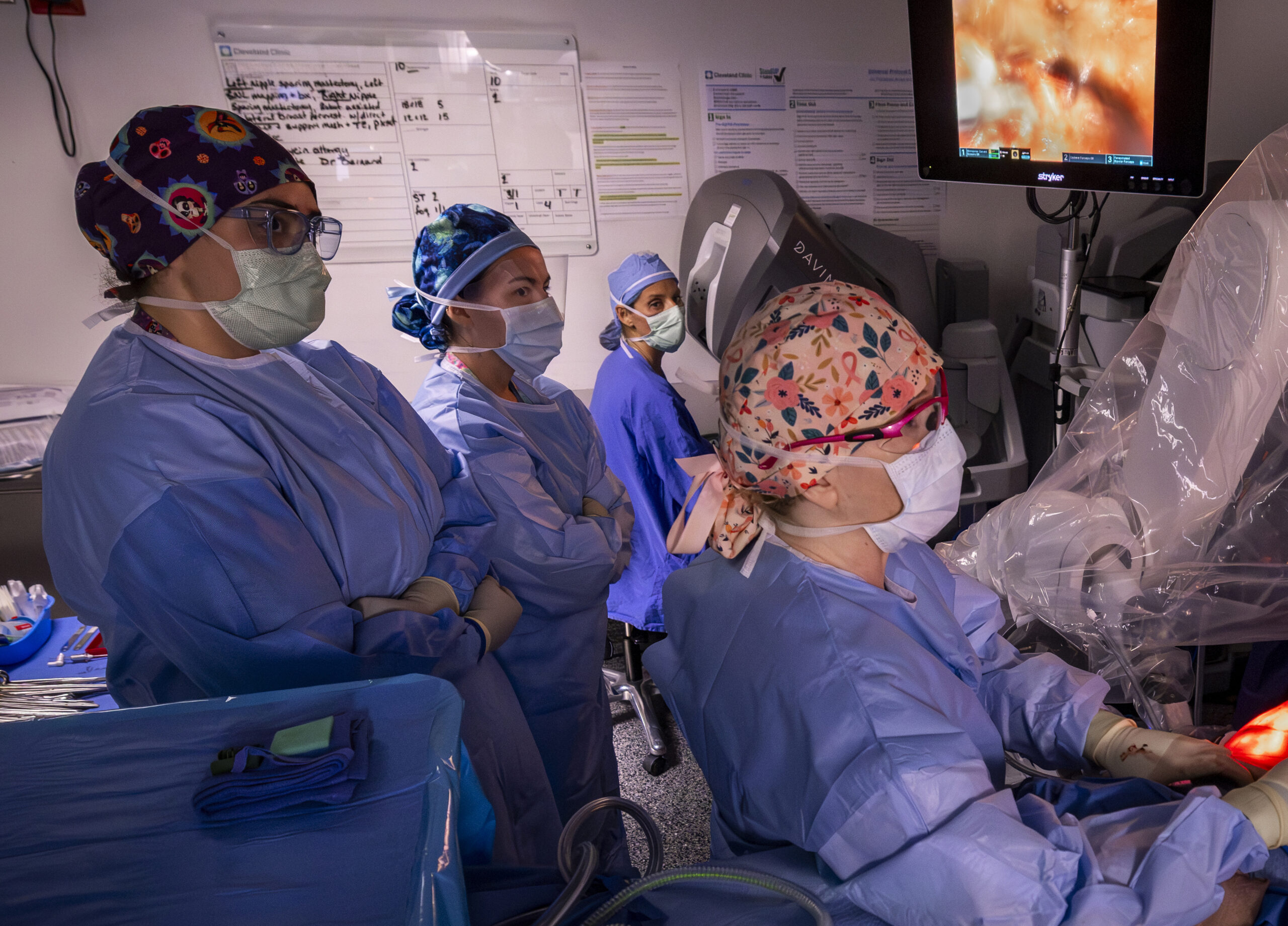
Health system is among only a handful in the U.S. to offer the minimally invasive robotic procedure Cleveland Clinic is among the first hospitals in the country – and the first in Ohio – to perform a robotic nipple-sparing mastectomy procedure, following recent clearance by the U.S. Food and Drug Administration.
Stephanie Valente, D.O., and a surgical team recently performed the first robotic nipple-sparing mastectomy with immediate breast cancer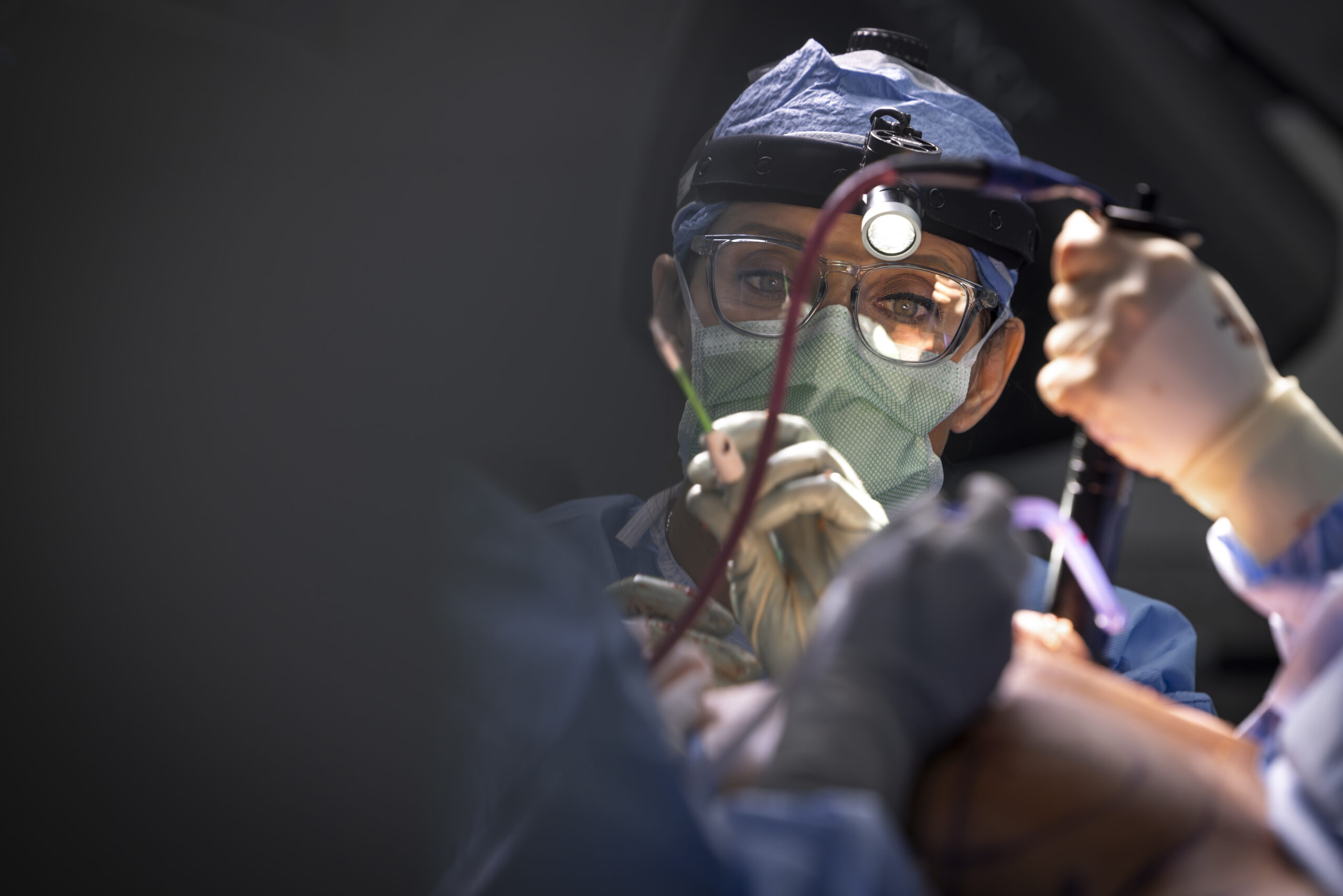 reconstruction at Cleveland Clinic Fairview Hospital. The procedure offers a new minimally invasive approach to breast cancer surgery and risk-reducing mastectomy for patients at elevated risk.
This milestone places Cleveland Clinic among a select group of centers nationwide offering the advanced technology and brings one of the newest innovations in breast cancer surgery to patients in Northeast Ohio.
“This robotic approach offers greater precision through a much smaller incision, which can mean less visible scarring and faster recovery,” said Dr. Valente, director of the Cleveland Clinic Breast Surgery Fellowship Program and director of the West Region Multidisciplinary Breast Program. “Compared with the traditional procedure, which requires a larger incision, this approach can improve cosmetic outcomes, preserve the skin and nipple, and support a more natural appearance after surgery.”
During the procedure, surgeons use a 3D camera and robotic instruments inserted through a small incision of one inch, typically hidden along the side of the breast rather than across the underside, to remove breast tissue while preserving the nipple, areola and skin. The robotic platform, the da Vinci SP Surgical System, provides enhanced visualization and precision while minimizing disruption to the overlying skin.
Robotic surgery gives the surgeon better visualization of the operative field in what is typically a technically challenging procedure. This enhanced view can improve nerve identification and preservation, reduce blood loss and allow surgeons to perform the same oncologic operation through a one-inch incision rather than the traditional five-inch open incision.
The robotic approach removes the same breast tissue as a conventional mastectomy, while changing how the surgeon accesses the breast. For some patients, breast reconstruction can be performed during the same operation.
This approach is designed to reduce scarring, enhance cosmetic outcomes, preserve the natural skin envelope and nipple, improve sensation and accelerate recovery. For some patients, the less visible incision may also support confidence and body image after surgery. The procedure further expands Cleveland Clinic’s minimally invasive breast surgery options, which include endoscopic nipple-sparing mastectomy.
“As a field, we haven’t had many new options for patients with breast surgery for a decade now, so we are pleased to now have these minimally invasive procedures available for our patients,” said Dr. Valente. “Innovations like this support a more patient-centered experience as they allow us to address both the physical and emotional realities of breast cancer.”

Nassau, Bahamas, 1 October 2026 – Every Saturday this month, communities across The Bahamas will take steps in support of cancer patients and survivors as CIBC Caribbean’s Walk for the Cure returns to New Providence, Abaco, Eleuthera, and Grand Bahama.
CIBC Caribbean Head of Country, Terrance Gibson, said, “Each Saturday in October represents another community coming together,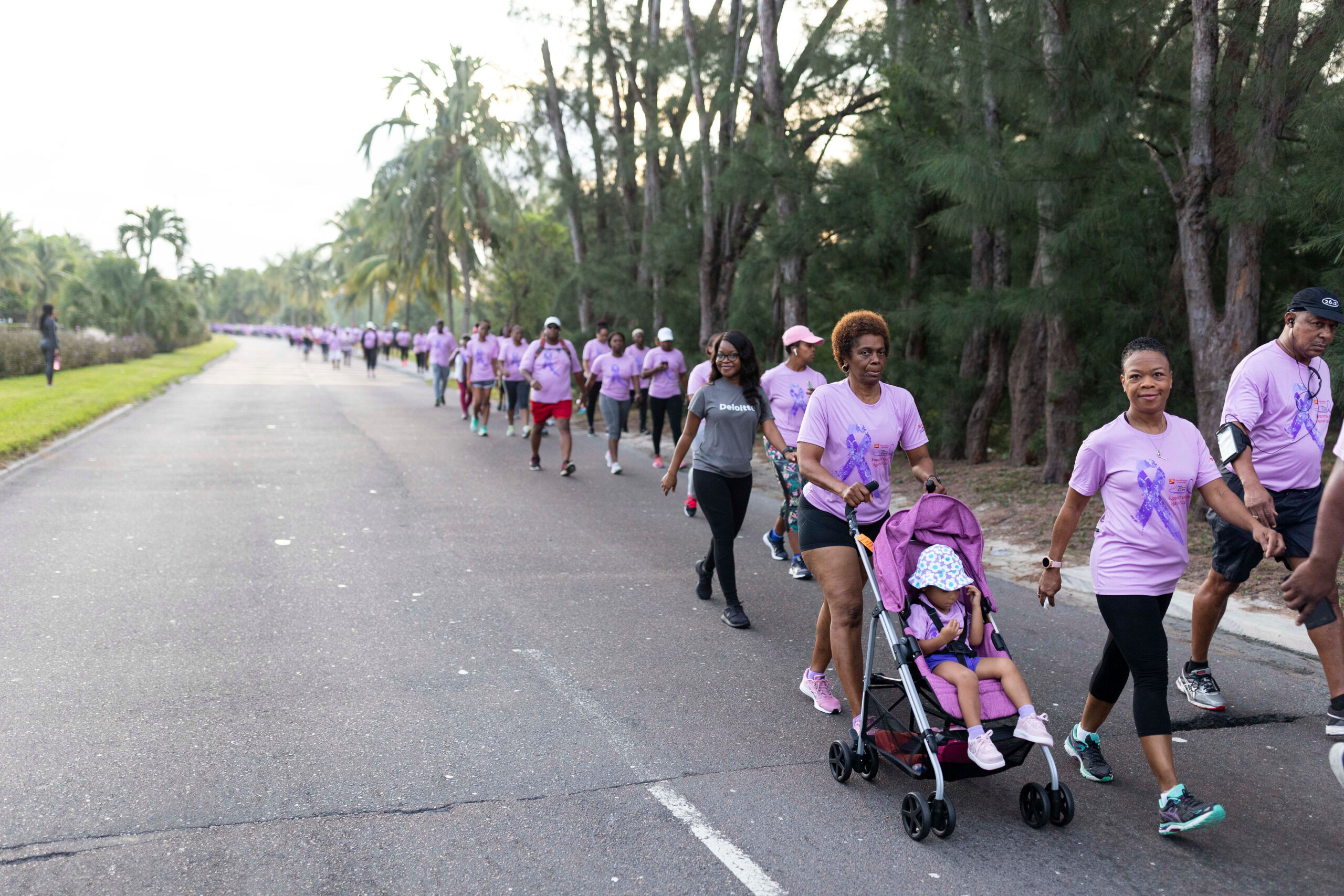 another opportunity to raise awareness and, most importantly, more support for the organizations that are doing this work every day.”
The month of activities begins this Saturday, October 3, in New Providence, with participants gathering at the Goodman’s Bay Corporate Centre for a 6:30am start.
CIBC Caribbean Walk Champion, Antionette Fox, said the series of walks gives communities across the country an opportunity to contribute to a cause that directly supports Bahamian cancer organizations.
“Every Saturday for the month of October, there will be a walk that you can participate in to contribute towards this worthy cause,” Fox said.
In New Providence, the morning will extend beyond the walk itself, with Zumba, wellness activities, informational vendors, and opportunities for participants to connect with organizations working directly with cancer patients and survivors.
Gennie Dean Caring and Sharing Cancer Support Group President Duquesa Dean said participants do not have to complete the full route to be part of the morning.
“Just come out…there is something for everyone, come for the community,” Dean said. “There’s a survivor ceremony, so come and participate and celebrate the people who have gone through cancer and are here as evidence that you could live after a cancer diagnosis.”
The Gennie Dean Caring and Sharing Cancer Support Group is one of eight cancer organizations in The Bahamas that benefit from funds raised through Walk for the Cure. The others are the Sister Sister Breast Cancer Support Groups of New Providence and Grand Bahama, Cancer Society of The Bahamas, the Cancer Societies of Abaco, Eleuthera, and Grand Bahama, and the Cancer Association of Grand Bahama.
Dean explained that CIBC Caribbean covers the cost of staging WFTC, allowing donations raised to support the work of beneficiary organizations.
For her organization, that assistance translates into tangible support for people navigating cancer, including food assistance, financial aid, prosthetic breasts, and mastectomy bras, as well as programs such as Step Into Wellness, which promotes movement and healthy living among cancer patients and survivors.
Corporate partners are also helping to strengthen this year’s effort. Bamboo Shack has joined the initiative as a gold sponsor, with representative Ghandi Pinder sharing that the cause has a personal significance for her.
Pinder recalled shaving her hair in solidarity with her sister after she was diagnosed with an aggressive form of breast cancer and began losing her hair during chemotherapy.
“We see you, we’re here with you, we’re in it with you,” Pinder said of Bamboo Shack’s message to those affected by cancer.
She also encouraged more of Corporate Bahamas to support initiatives that directly impact the communities they serve.
“At Bamboo Shack, we always say a better Bahamas begins with you… Together, we can make a difference,” she said.
Registration for Walk for the Cure is $30 for adults and $15 for children and can be completed at any CIBC Caribbean branch. CIBC Caribbean clients can also donate through online banking.
The New Providence Walk begins promptly at 6:30am on Saturday, October 3, at the Goodman’s Bay Corporate Centre, followed by Walk for the Cure events in other islands each Saturday throughout October. The Grand Bahama WFTC event will be held on October 10 and the Abaco and Eleuthera WFTC events will occur on October 17 and October 24 respectively.
Gibson added, “Some will walk for themselves, some in celebration of a survivor, and others in memory of someone they have lost. Whatever brings you to Walk for the Cure, every person who shows up becomes part of a much bigger expression of support for those affected by cancer.”
Health
TCI Hospital Marks Breast Cancer Awareness Month 2026 with “Know. Check. Act. Support.” Campaign
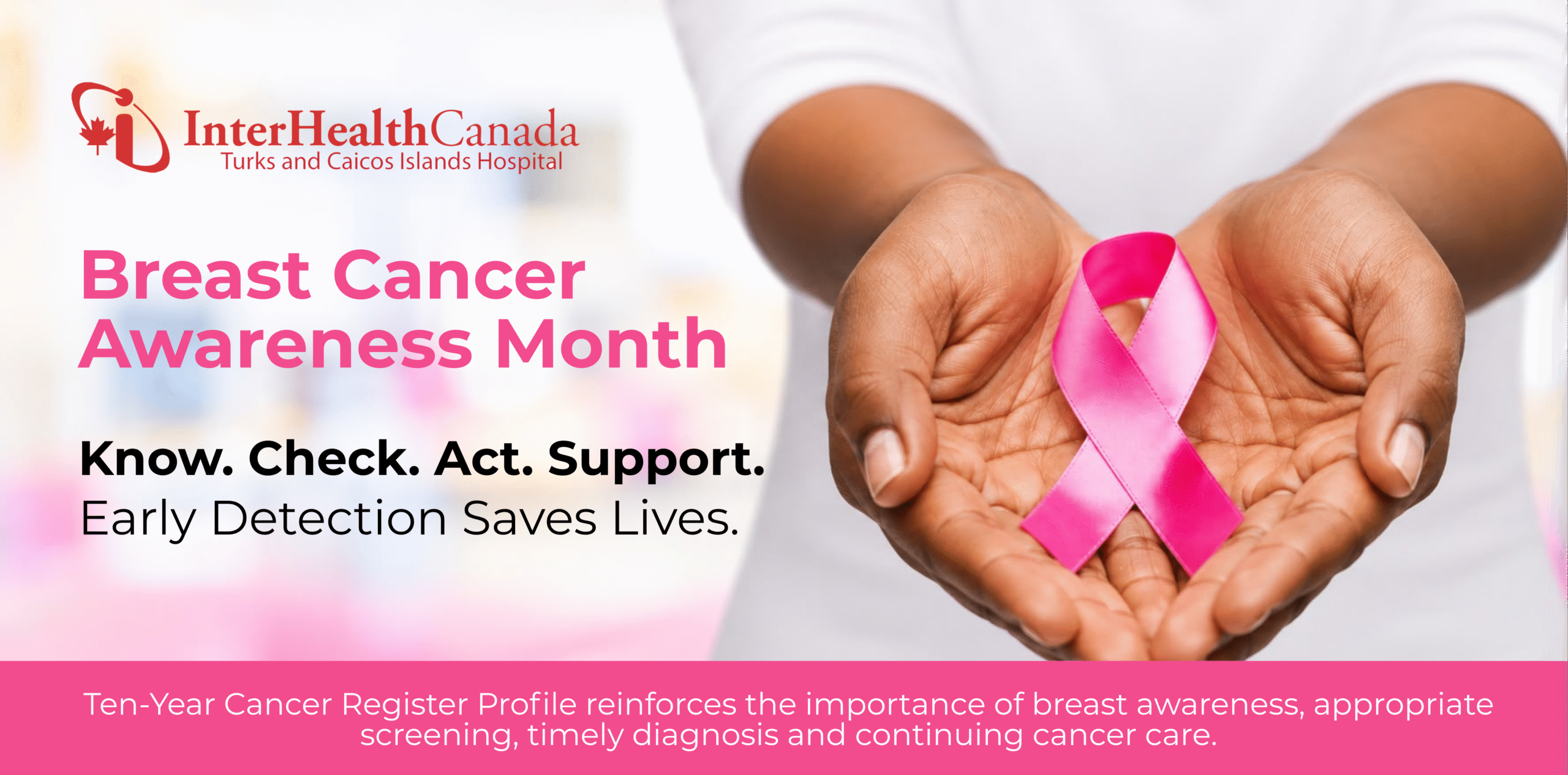
Ten-Year Cancer Register Profile reinforces the importance of breast awareness, appropriate screening, timely diagnosis and continuing cancer care
Providenciales, Turks and Caicos Islands – 1st October 2026 – Turks and Caicos Islands Hospital (TCI Hospital) is marking Breast Cancer Awareness Month 2026 with a month-long public awareness campaign under the theme “Know. Check. Act. Support. – Early Detection Saves Lives.”
This year’s campaign is being informed by TCI Hospital’s Ten-Year Cancer Register Profile, 2016–2025, which demonstrates that breast cancer remains an important and continuing healthcare issue for patients, families and the wider Turks and Caicos Islands community.
Throughout the ten-year period, TCI Hospital continued to record new cases of malignant neoplasms of the breast each year. Annual new registrations fluctuated, reinforcing an important message: breast cancer is not an occasional concern confined to Breast Cancer Awareness Month, it requires sustained awareness, appropriate screening, timely investigation and diagnosis, access to treatment, follow-up and support throughout the year.
What Our Cancer Register Tells Us
The TCI Hospital Cancer Register recorded 21 new breast cancer cases in 2016, the highest annual figure reported during the ten-year profile. In subsequent years, the overall annual new-case count ranged from 8 to 18 cases, with 18 new cases recorded in 2024 and 10 in 2025.
The register also demonstrates the continuing accumulation of breast cancer cases within the hospital’s cancer records. The total registered breast cancer caseload increased from 79 in 2016 to 192 by 2025. More recently, the register increased from 160 cases in 2023 to 181 in 2024 and 192 in 2025. These figures represent the hospital’s registered caseload and should not be interpreted as population incidence, prevalence or the number of people currently living with breast cancer.
Behind every registration is more than a statistic. Each represents a person whose diagnosis has implications for their family and for the healthcare professionals and services involved in cancer investigation, treatment, coordination, follow-up and support.
The ten-year profile therefore reinforces the importance not only of identifying breast cancer, but of ensuring that people affected by the disease are supported throughout their cancer journey.
Know the Signs and Act on Changes
Breast cancer can present in different ways. Changes that should prompt assessment by a healthcare professional may include a new lump or thickening in the breast or underarm; a change in the size, shape or appearance of a breast; dimpling, puckering or other unusual changes to the breast skin; nipple changes or unusual discharge; or another new or persistent breast change.
Finding a change does not necessarily mean that a person has cancer. However, an unexplained or persistent change should not be ignored.
TCI Hospital encourages members of the community to become familiar with what is normal for their breasts and to seek medical advice if they notice something different.
Know Your Risk. Know Your Family History.
Breast cancer risk is influenced by several factors. Understanding personal and family medical history can help individuals have more informed conversations with their healthcare providers about their individual risk.
Having no known family history of breast cancer does not mean that breast health can be ignored. Equally, people with a significant family history or other factors that may increase their risk should discuss this with an appropriate healthcare professional.
The TCI Hospital Cancer Register also records male breast cancer, reminding the community that although breast cancer predominantly affects women, it can also occur in men.
Screening and Early Diagnosis Matter
Breast awareness and screening have different but complementary purposes. Screening is intended to identify possible breast abnormalities in people who may not have symptoms, while a new or concerning breast change requires appropriate clinical assessment.
There is no single screening approach that is appropriate for every individual. TCI Hospital therefore encourages people to discuss their age, personal risk factors, family history and appropriate breast screening with their healthcare provider.
Similarly, people experiencing a concerning breast change should not wait for their next routine screening appointment before seeking medical advice.
The campaign’s message “Early Detection Saves Lives” emphasizes the importance of timely action. It does not mean that every breast change is cancer. Rather, seeking medical attention allows appropriate investigation to take place and, where cancer is diagnosed, enables the healthcare team to determine the most appropriate next steps.
From Cancer Registration to Better Cancer Care
TCI Hospital Chief Executive Officer Dr Denise Braithwaite-Tennant said the Cancer Register has an important role beyond recording the number of cancer cases seen by the hospital.
“Our Cancer Register is not simply about counting cases. It helps us understand the cancer burden presenting to our hospital, identify patterns over time and inform how we plan and strengthen cancer services. Behind every number is a patient, a family and a cancer journey. The continued recording of new breast cancer cases reminds us why awareness must lead to action and why our health system must continue to strengthen the pathway from appropriate screening and timely diagnosis through treatment, follow-up and survivorship support.”
“During Breast Cancer Awareness Month, we want our community to understand that fear should not become a reason to delay seeking care. Know what is normal for you, understand your risk, participate in screening that is appropriate for you and seek medical advice when something changes. Just as importantly, we must continue to support those undergoing cancer treatment and those living beyond a cancer diagnosis.”
Know. Check. Act. Support.
Throughout October, TCI Hospital will deliver a programme of activities designed to turn breast cancer awareness into practical action.
Activities will include an educational breast cancer awareness video addressing signs and symptoms, screening, early detection and support; publication of findings from the TCI Hospital Ten-Year Cancer Register Profile, 2016–2025; breast cancer facts and educational messages; a special House Call – Pink Round Table addressing breast cancer risk, symptoms, diagnosis, treatment and survivorship; and Pink Fridays, during which TCI Hospital team members will wear pink to promote awareness, early detection, survivorship and support.
The campaign will also highlight the important role of families, friends, caregivers, healthcare professionals and the wider community. Support can take many forms; from listening and accompanying someone to an appointment to assisting with transportation, meals, childcare or other practical needs during treatment.
TCI Hospital’s Breast Cancer Awareness Month message to the Turks and Caicos Islands community is:
KNOW – Know your body, your family history and your individual risk.
CHECK – Participate in appropriate screening and pay attention to changes.
ACT – Do not ignore a new or concerning breast change. Seek medical advice.
SUPPORT – Stand with patients, survivors, families and others affected by breast cancer.
Know. Check. Act. Support.
Early Detection Saves Lives.





-

 News1 week ago
Beaches Turks & Caicos strengthens year-round commitment with local craft vendors and transport operators
-
 News1 week ago
Beaches Turks & Caicos gives Enid Capron Primary a pre-term facelift
-

 News1 week ago
Stakeholders Strengthen Collaboration on Housing and Informal Settlements at World Habitat Day Roundtable
-

 Independent writer5 days ago
Born Here, Raised Here, but Still Unable to Vote: Is this a Conundrum for TCI Electorate?
-

 Bahamas News3 days ago
Monument Supports Hands for Hunger With Paradise Plates Debut
-

 Education1 week ago
TCICC Earns International Recognition at Ignition Community Conference 2026
-

 Bahamas News4 days ago
Schweppes ‘the Art of Mixology’ Dazzles at Paradise Plates with Nemiroff Vodka
-

 News1 week ago
Something Fantastic is happening – and MSME’s are driving it