
TCI News
Governor promotes health and economic advantage of Covid vaccine coming from UK in January

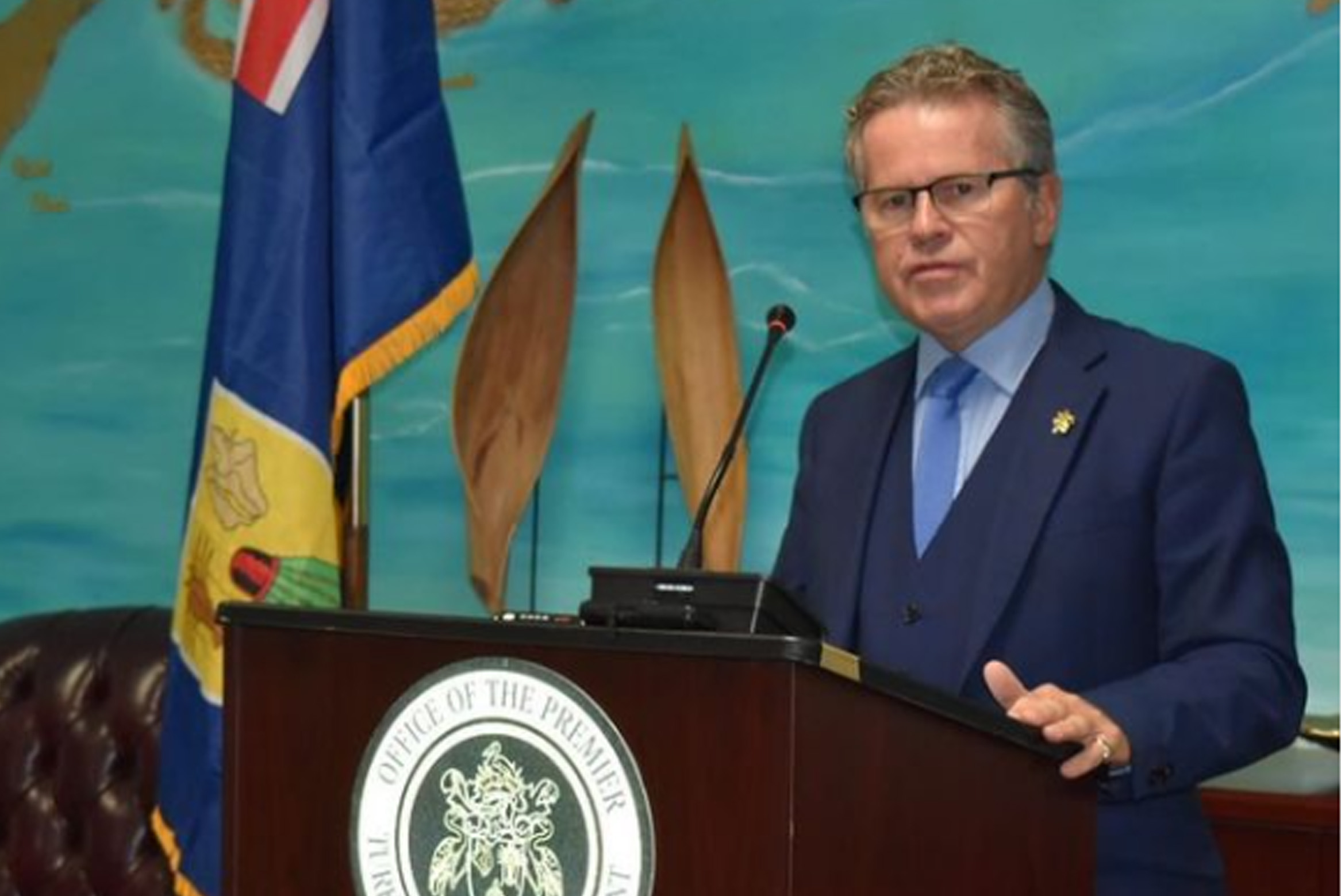
#TurksandCaicosIslands – December 23, 2020 – Turks and Caicos is hoping the batch of free vaccines which will arrive in the territory early in the New Year will run out so quickly that the TCI would be in line for more, enough even doses to inoculate the entire population.
A first batch of Covid-19 vaccines for Turks and Caicos can immunize ten percent of residents and strong support for the voluntary shot could lead to enough vaccines for everyone.
“If we can’t demonstrate there is demand for the vaccine on the island or if we fail to use those vaccines to deliver the best possible effect it will be hard for myself, the premier and others assembled around me today to make the case that more should be set to us. If we get this collectively wrong, we will end up with a very small and I daresay a very privileged group while the majority are not. We want to avoid that outcome,” explained the Governor in a midday press conference held at the Office of the Premier in Providenciales, TCI.

When British Airways touches down at the Providenciales International Airport on January 7, it will have more than sun-seeking passengers on board; there will be precisely 9,750 doses of the Covid-19 Pfizer/BioNTech vaccine on board.
It is one of four such dispatches of the coveted CoVax fanning out to UK Overseas territories in a demonstration of support from mother England.
Governor of the Turks and Caicos Islands, Nigel Dakin on Wednesday on national radio and live social media stream made the announcement.
“In the first delivery, we will receive 9,750 doses. Since each person requires two doses, administered 21 days a part, this is enough to vaccinate 4,875 people around ten percent of our population, if we get this right, more will follow.”
While senior residents, medically vulnerable and health care workers have long been touted as first in line for the vaccine once it was available, the territory’s governor will lead the pack by getting the first jab along with his wife.

“Having discussed with the CMO myself and Mandy will be the first to take it, we feel privileged to be in this position. We go into Christmas as a family therefore looking forward to the first weeks of January when we will be able to protect our health and most importantly we both want to take the first step which benefits every resident of these islands.”
The governor said the goal is to get the Turks and Caicos as quickly as possible to herd immunity and he hopes for a rush of residents who will see the vaccine as the way to protect themselves and their loved ones.
“To do that, all of us have to think not only of ourselves but also of the contribution we’re making or not to the these islands. If we get this right, we will give a huge economic boost to TCI. We’ll steal business from others as we increasingly become known as one of the safest destinations in the world. We are not just securing health, we are generating employment and future prosperity and we can get there long before others.”
In considering the fear mongering which has for months been linked to vaccine and the skepticism which exists in the marketplace, he aimed to quell concerns by labelling the act of taking the CoVax as the smartest approach; he also did some myth busting.

“The vaccine we are receiving is the Pfizer vaccine,” he added, “the vaccine does not inject Covid-19 into you. It instead uses RNA to trick the body into producing viral proteins, which then delivers immunity.”
The RNA, scientists have confirmed, cannot alter one’s DNA.
“We have been chosen because we have direct flights in from the UK. Important because the vaccine has to be transported as minus 70° and there is a belief we are ready and prepared to use the vaccine to good effect. This should be seen as another vote of confidence in TCI. Work has already begun on the complex logistics and we are confident we can roll this out across the islands.”
Bermuda, Cayman Islands and Gibraltar will also receive the vaccine from the UK in January.
“This is an enormously generous offer from the UK and a quite extraordinary opportunity for the TCI. Given this is a voluntary program, it’s a moment for us to individually but also collectively seize or to lose. Our destiny is in our hands, we can never say we were not given the opportunity.”











News
Invest TCI Strengthens Regional Investment Connections at Caribbean Investment Forum 2026 in Barbados

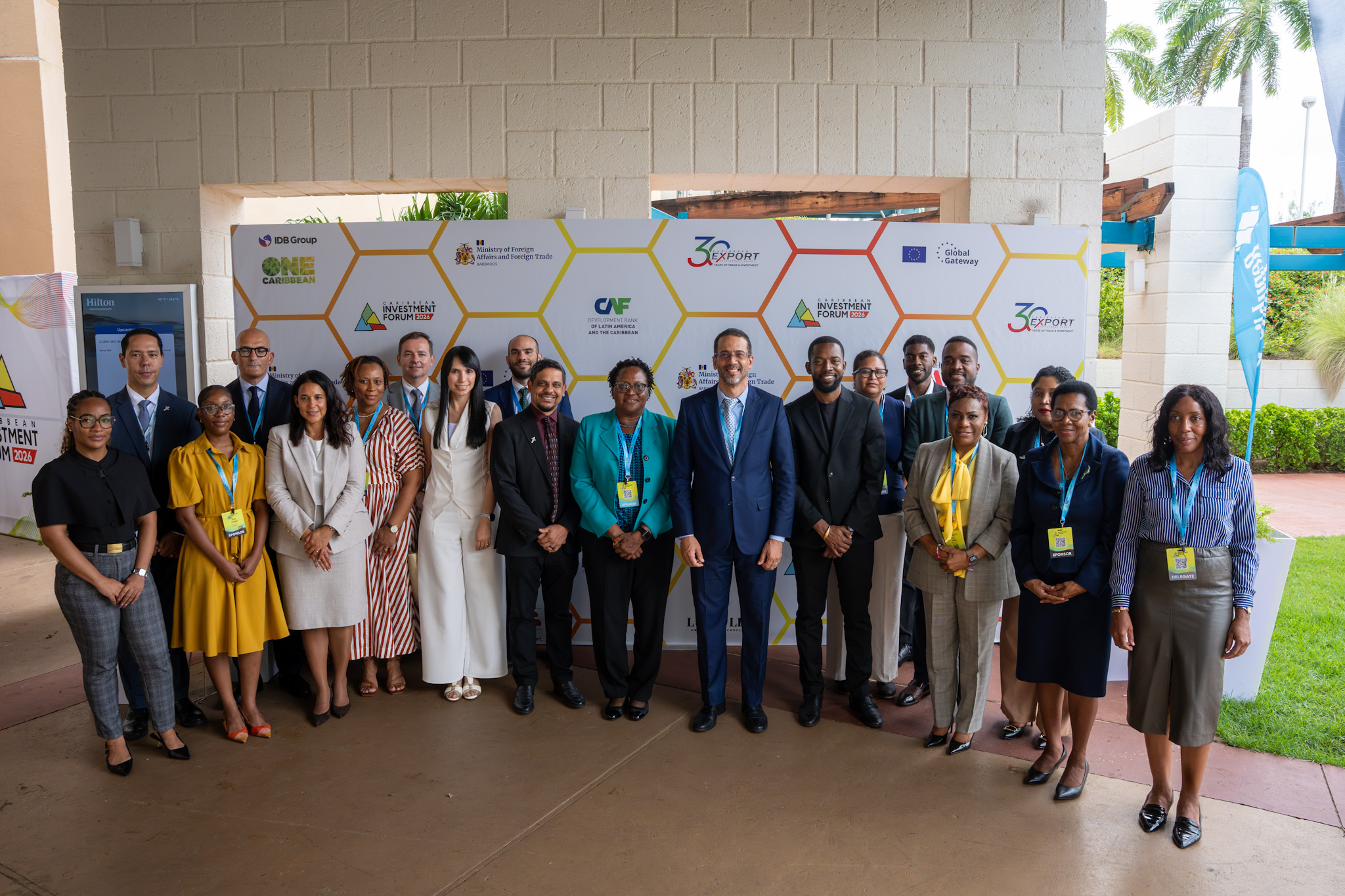
Providenciales, Turks and Caicos Islands – Monday, 19th October 2026: Invest Turks and Caicos Agency (Invest TCI) strengthened its regional presence at the Caribbean Investment Forum (CIF) 2026, held October 5 – 7, 2026, in Bridgetown, Barbados, participating as both a sponsor of the Forum and representative of the Turks and Caicos Islands’ investment landscape.
The Caribbean Investment Forum brought together regional and international investors, government representatives, business leaders,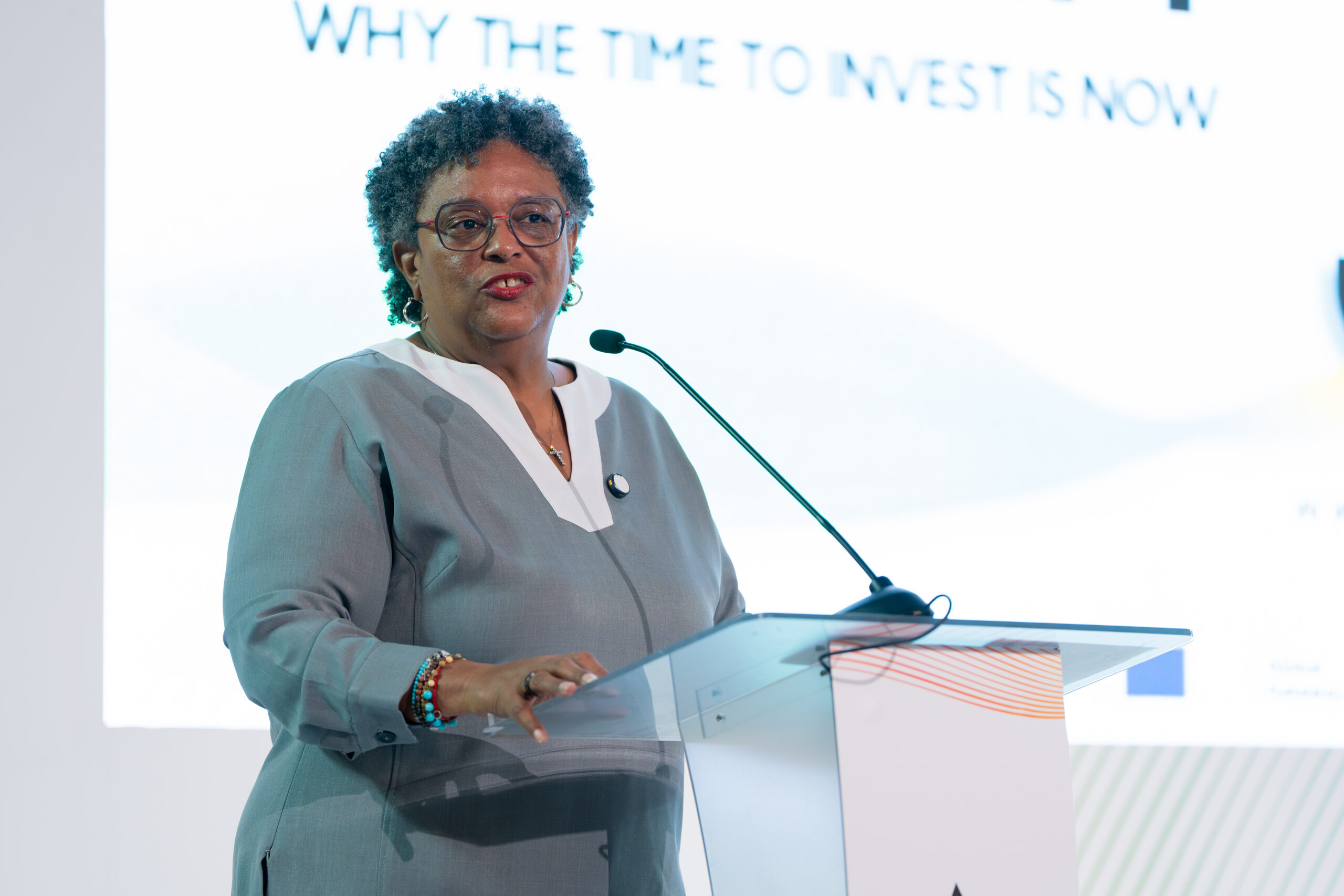 entrepreneurs, investment promotion agencies, and development partners to explore investment opportunities, strengthen partnerships, and advance sustainable economic development throughout the Caribbean.
The Agency’s sponsorship of CIF 2026 formed part of its continued commitment to strengthening the visibility of the Turks and Caicos Islands within the regional investment community and building relationships with investors, development partners, investment promotion agencies, and businesses across the Caribbean.
The opening of the Forum was attended by the Honourable Mia Amor Mottley, Prime Minister of Barbados, who emphasised the importance of scaling regional investment, strengthening economic cooperation, and transforming innovative ideas into commercially viable opportunities. Invest TCI was represented by Ms. Alexa Cooper, Domestic Investment Officer, and Mr. Hezron Henry, Marketing Support Officer. Throughout the Forum, the delegation engaged with stakeholders and promoted the Turks and Caicos Islands as a competitive investment destination while exploring opportunities for greater regional collaboration and knowledge exchange.
Speaking on her experience at the Forum, Ms. Alexa Cooper, Chief Domestic Investment Officer, said:
“CIF 2026 provided another valuable opportunity to engage with donor organisations, investors and Investment Promotion Agencies (IPAs) from across the Caribbean. A highlight for me was the introduction of an exclusive masterclass for fund managers, investors and support organisations, which offered practical insights into unlocking capital, strengthening investment ecosystems and supporting investment-ready businesses. I was equally impressed with the quality of projects pitched, which showcased the region’s innovation and investment potential. It was encouraging to see projects presented with a clearer understanding of investor expectations, reinforcing the importance of not simply developing projects, but ensuring they are well-structured, investment-ready and positioned to attract the right investment partners.”
Accompanying the Invest TCI delegation was Mr. Sean Penn, Chief Executive Officer of Sky Poultry Farm Ltd., the first commercial egg and poultry production facility in the Turks and Caicos Islands. Mr. Penn’s participation provided an opportunity to showcase the development of domestic enterprise within the Turks and Caicos Islands while highlighting the potential of agriculture and food production as part of the country’s broader economic diversification efforts.
Through his participation at CIF 2026, Mr. Penn had the opportunity to engage with regional stakeholders, gain exposure to developments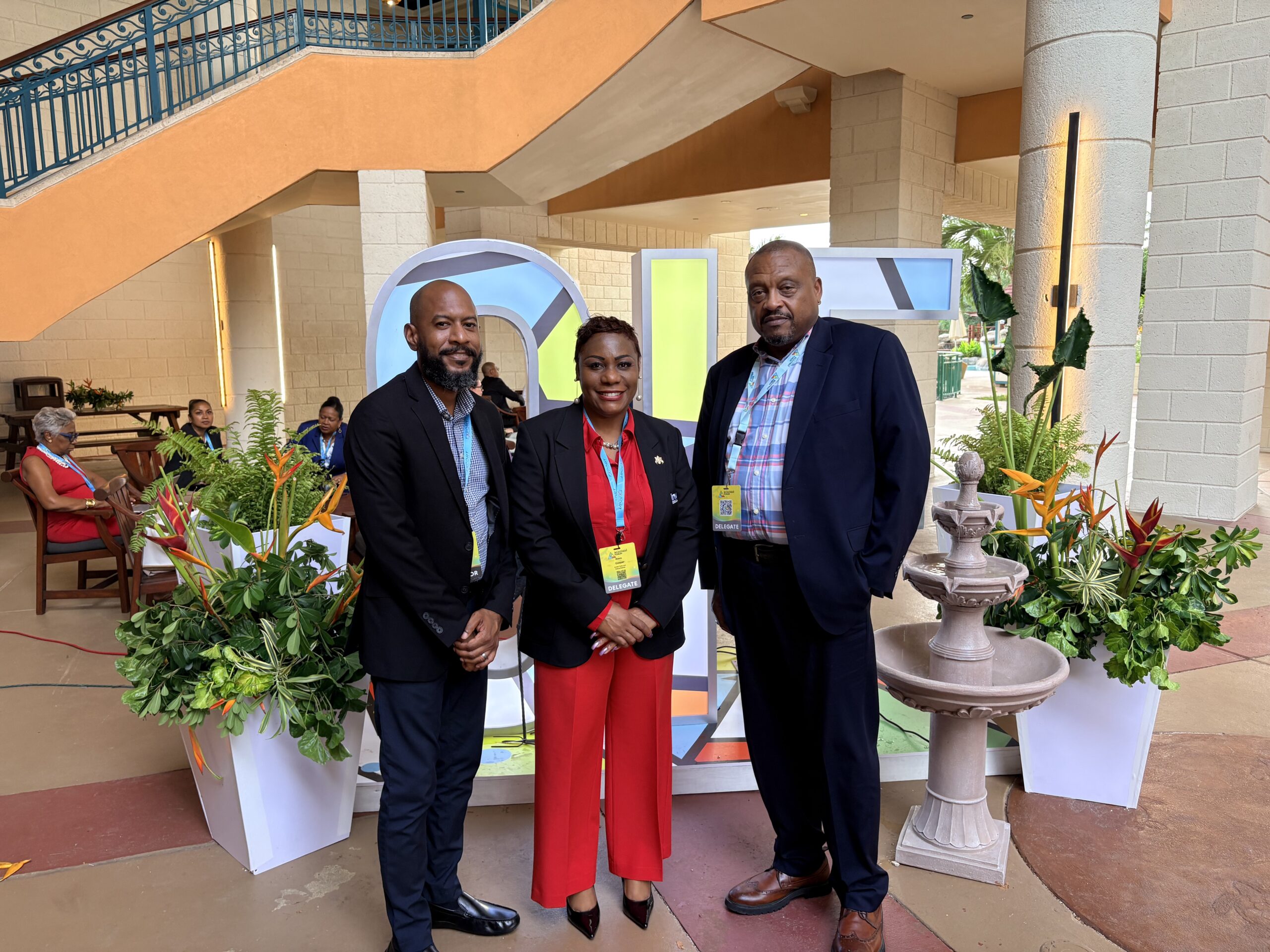 within the Caribbean agricultural sector, and explore potential partnerships and opportunities related to agricultural investment, innovation, and enterprise development.
For Invest TCI, the combination of sponsorship, investment promotion and local business representation provided a multifaceted platform to advance the Agency’s mandate. It allowed Invest TCI not only to promote the Turks and Caicos Islands to prospective investors but also to facilitate greater exposure for a local enterprise operating within an emerging sector of the economy. The Forum also provided opportunities for the Invest TCI delegation to exchange knowledge with regional counterparts, strengthen institutional relationships, and gain insight into investment trends and opportunities affecting Caribbean economies.
As the Caribbean Investment Forum continues to expand its regional reach, Santo Domingo, Dominican Republic, was announced as the destination for the next edition of the Forum, providing another opportunity to bring together investors, policymakers, investment promotion agencies and businesses from across the Caribbean and beyond.
Invest TCI looks forward to the continued growth of the Caribbean Investment Forum and the opportunities it creates to deepen regional partnerships, promote investment, and connect Caribbean businesses with new markets and sources of capital. The Agency remains committed to attracting sustainable investment, supporting domestic enterprise, encouraging economic diversification, and developing partnerships that contribute to the long-term economic development of the Turks and Caicos Islands.
Independent writer
Born Here, Raised Here, but Still Unable to Vote: Is this a Conundrum for TCI Electorate?

By Ed Forbes
The Turks and Caicos Islands faces a growing demographic and democratic question that can no longer be ignored: What happens to young people born and raised here who reach adulthood without qualifying for Turks and Caicos Islander Status, and what does this mean for our country’s future?
This is not simply an immigration issue. It concerns population growth, national identity, political representation and the future relationship between the people who call these Islands home and the system that determines who can participate in our democracy.
Consider a young person born in TCI, educated in our schools, raised in our communities and now working, paying taxes and contributing to the economy. At 18, that person may hold British Overseas Territories Citizenship (BOTC) but still lack Islander Status and, consequently, the eligibility required to register as an elector.
Section 55 of the Turks and Caicos Islands Constitution Order 2011 establishes the qualifications for voter registration, including the requirement to be a Turks and Caicos Islander. Being born here, growing up here or holding BOTC citizenship does not automatically satisfy that requirement.
Of course, birth in the Islands does not automatically confer Islander Status. The law provides different routes based on parental status, nationality, residence and other qualifying circumstances. We must respect those laws while asking whether they adequately address the realities of a population that has changed considerably over the past two decades.
The numbers make this discussion increasingly urgent.
According to Government population estimates, the TCI population grew from approximately 33,500 in 2011 to 47,674 in 2022. The Government’s 2025 projection placed it at approximately 52,299. That represents projected growth of roughly 56 per cent between 2011 and 2025.
Published demographic information has also suggested that fewer than one in four residents holds Islander Status. A separate comparison of the 2022 population estimate and the 2023 registered-elector list placed registered electors at approximately 19 per cent of the population.
These figures measure different things and come from different years. They should not be confused with the percentage of eligible voters who actually cast ballots. Nevertheless, they raise an important question: How will our electorate evolve as the population continues to grow?
We should not assume that every non-Islander resident is eligible for status, or that everyone without status was born here. Equally, we cannot ignore young people who may have spent their entire lives in these Islands yet remain outside the electorate because they cannot satisfy the existing requirements.
This situation did not begin yesterday. Children born here 15 or 20 years ago are now adults. Some may qualify under existing provisions but need assistance navigating the application process. Others may have no available route under current legislation. We need reliable figures to understand the scale of each group.
With the next general election roughly two and a half years away, the time to act is now.
The Government should not wait until an election is approaching to discover how many people may qualify to register, how many remain excluded and whether legislative changes are needed. Islander Status applications and potential legislative reforms can involve lengthy processes. Any necessary changes require legal examination, consultation and sufficient time for implementation.
I propose that the Government work with the Islander Status Commission, immigration authorities and the Elections Department to conduct a comprehensive review of TCI-born adults who do not hold Islander Status. The review should establish how many qualify under existing provisions, how many have been refused or cannot apply, and the specific legal barriers involved.
Where a lawful pathway already exists, the Government should make it clear and accessible. Where genuine gaps remain, it should consult the public on whether a defined pathway should be established for qualifying individuals born, educated and lawfully raised here, with appropriate safeguards.
This is not a call to grant status indiscriminately or disregard immigration controls. It is a call to examine the consequences of our existing framework and determine whether it serves the long-term interests of the Turks and Caicos Islands.
Let’s face it, a growing migrant population, an ageing Islander community and successive generations of young people whose electoral eligibility may be restricted present questions that deserve serious, evidence-based consideration.
We cannot change the past, but we can decide whether to confront this issue today or leave it for another generation. I strongly believe, voting eligibility is more than a right; it is a pathway to inclusion and a stake in our country’s future.
The question is no longer whether this deserves public discussion. It is whether we are prepared to begin in time to make informed decisions before the next election and beyond.
The clock is ticking. Let us establish the facts, examine the law and find a fair, lawful and sustainable way forward.
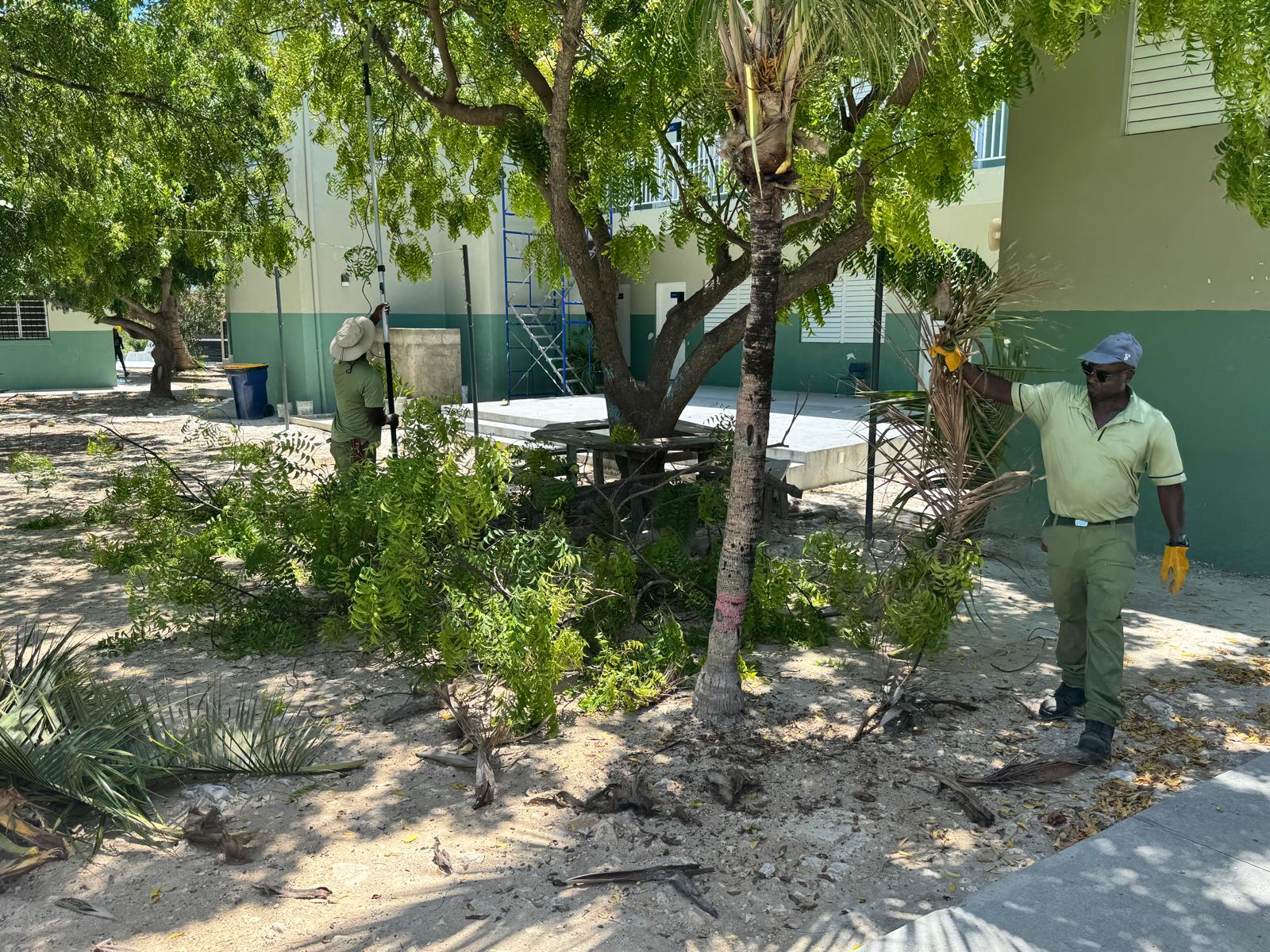
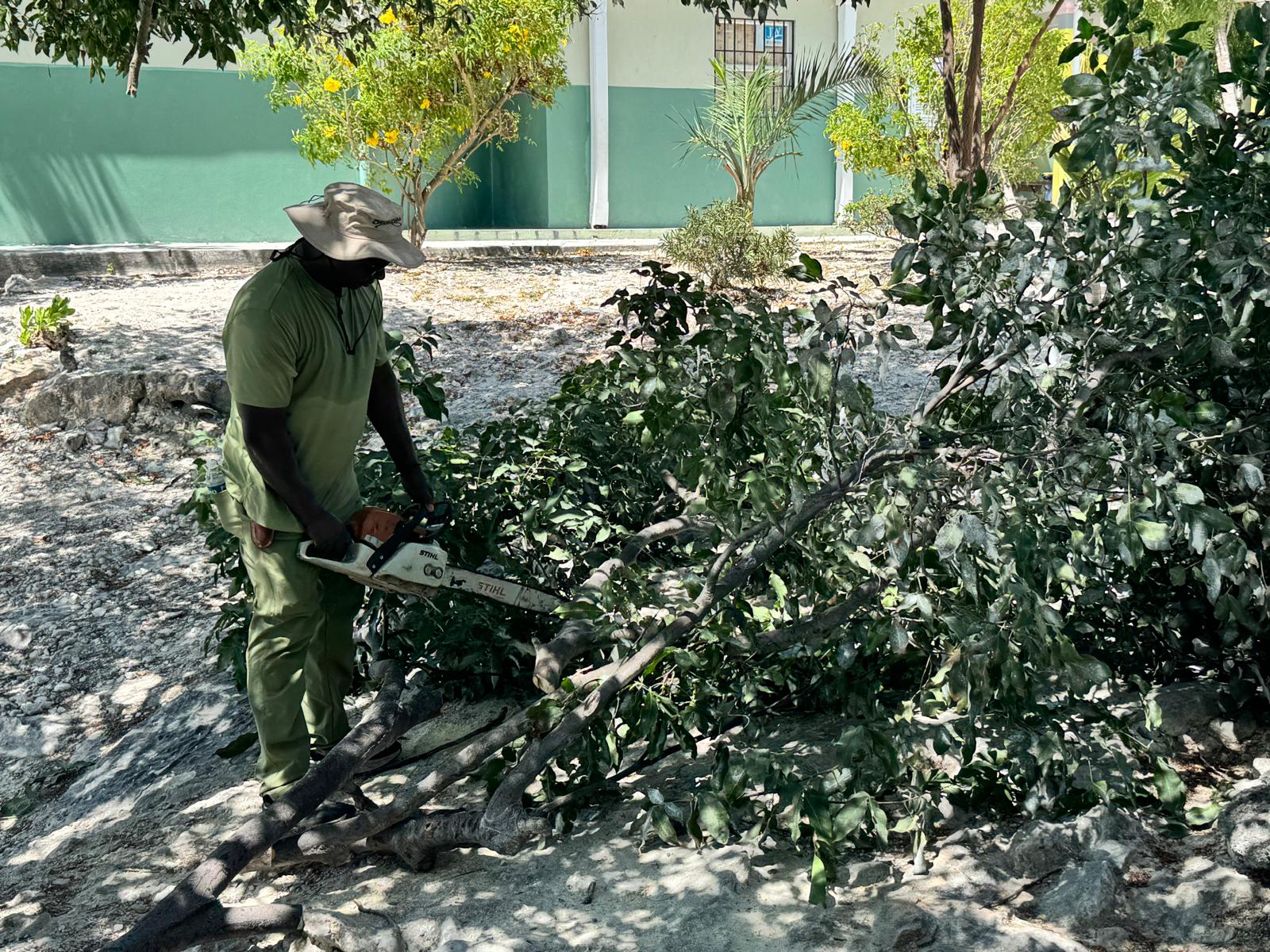
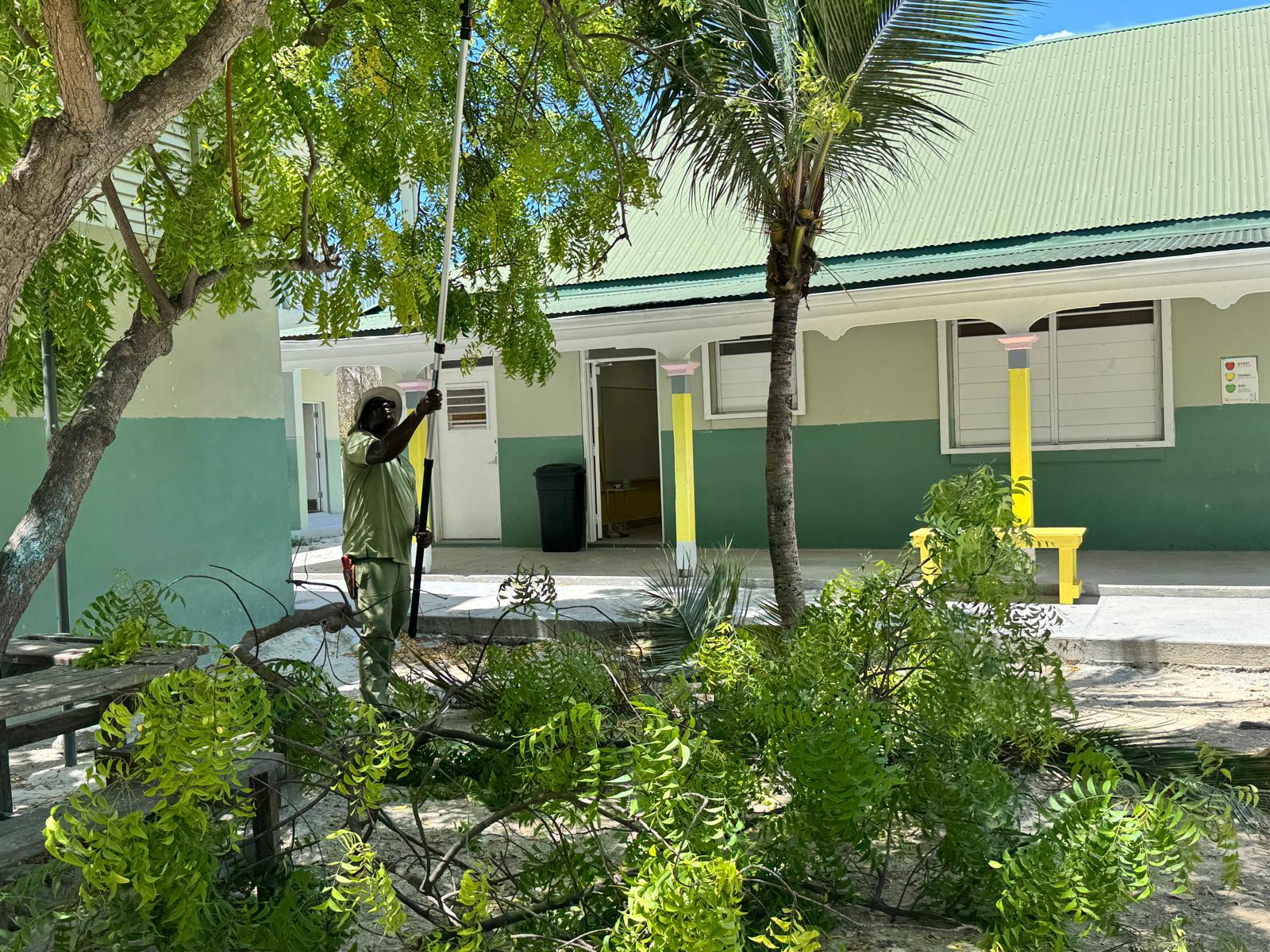
PROVIDENCIALES, Turks & Caicos Islands: — Beaches Turks and Caicos has refreshed the grounds of Enid Capron Primary School in Five Cays, Providenciales, ahead of the new school year, with a landscaping team from the resort, pruning and cutting back overgrown branches to give the campus a cleaner, safer look.
The project focused on the school’s exterior plantings, where tangled growth had begun to encroach on walkways and outdoor learning areas. The team spent time trimming hedges, thinning dense shrubs and removing deadwood to improve sightlines and airflow around the buildings.
Assistant Landscaping Manager, Kemar Jones said the work at Enid Capron is a regular priority for the department, which views community giving as a core part of its mandate. He noted that supporting local schools, particularly through hands-on environmental work, has long been a focus area for his team.
Jones, said the effort reflects the group’s wider commitment to the islands. “As a team, our goal is to give back to our communities and especially providing support for the environment and education,” Jones noted. “The team is always ready to share our skills with making the school environment more comfortable for our students and teachers.”
General Manager Deryk Meany framed the project as part of Beaches’ broader approach to working alongside the community beyond the resort gates. “At Beaches Turks and Caicos, we operate as a team not only within the confines of the resort but also with our communities,” Meany added. “Being able to share our varied skills is always our main focus. Providing a comfortable learning environment allows for a greater relationship with our educational collaborators.”
He added that the resort seeks opportunities to support range of school-based initiatives, from environmental and leadership clubs to creative programmes.
Minister of Education, Youth, Sports and Culture Hon. Rachel Taylor described the landscaping mission as a continuation of a long- standing relationship between the Ministry and Beaches Turks and Caicos. “This mission from our major private sector supporter, Beaches Turks and Caicos is a long standing activity,” Taylor said. “At Enid Capron Primary School, we are treated as family. Once we reach out to the resort, they have always responded in a positive way.”
Hon. Taylor said the support is particularly valuable in the areas of education and community development, where consistent private-sector engagement can amplify government efforts.
Nelene Swann, vice principal at Enid Capron Primary welcomed the refreshed grounds as a boost to morale before classes resume. “This is what true collaboration looks like,” she noted. “This is more than a facelift for the school. The team from Beaches Turks and Caicos has shown true commitment in adding to this learning environment for our students and teachers.”
She said the improved landscaping contributes to a more comfortable and inviting campus for all stakeholders. “This is a good way to start the new school year. This facelift will certainly make the facilities here at the school more appealing to our students, teachers and parents.





-

 Independent writer1 week ago
Born Here, Raised Here, but Still Unable to Vote: Is this a Conundrum for TCI Electorate?
-

 Bahamas News2 days ago
Rosewood Exuma: A precedent-setting case for environmental law and future development in The Bahamas
-

 Bahamas News6 days ago
Monument Supports Hands for Hunger With Paradise Plates Debut
-

 Bahamas News1 week ago
Schweppes ‘the Art of Mixology’ Dazzles at Paradise Plates with Nemiroff Vodka
-
 Bahamas News2 days ago
Energy Minister Delivers Electrifying Keynote Opening Address at CAREC 2026
-
 News1 day ago
Invest TCI Strengthens Regional Investment Connections at Caribbean Investment Forum 2026 in Barbados