
TCI News
Update: RitzCarlton encouraged to source staff at local schools in meeting with TCI Gov’t


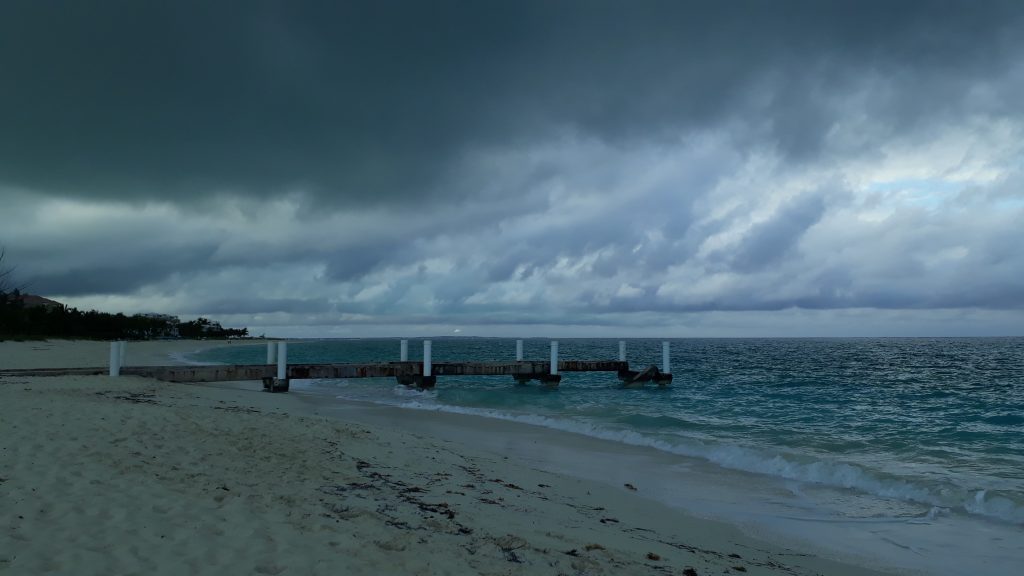
#TurksandCaicos – December 10, 2020 — RitzCarlton Residences Turks and Caicos, Grace Bay is moving steadily toward a mid-2021 opening and in November accomplished a string of feats which have pushed the development of the Desarrolles Hotel Co Turks and Caicos Ltd (DHTC) closer to launch of its luxury twin towers.

A meeting held on November 17 with Delroy Williams, Minister of Labour and Employment Services and his team including Edwin Taylor, TCI Labour Commissioner was meant to give guidance on best practices during the hiring process.
RitzCarlton executives: John Hazard, Corey Guest, Roberto Spita and Steven Redkoles learned of opportunities to partner with schools, colleges and vocational institutions in Turks and Caicos for possible internships and to offer developmental courses as it seeks to staff is world class, branded resort.
Shared with the hotel executives were recommendations on pay, benefits, employee taxes, programs like retirement savings and a session to better acquaint the team with the labour laws of Turks and Caicos.
The Ministry shared: “A number of topics were covered, some of which are as follows: Turks and Caicos Labour Laws; General pay (including required or non-required service charge and distribution) & benefits offered on island; Medical, dental and other required and standard insurance provided to employees; Pension/Retirement plan requirements that are offered in the industry to employees; Vacation, holiday and sick leave entitlements; Local vs. Expat differences and any potential requirements as it relates to Live-in/Live-out, pay and benefits; Offer Letter/Work Agreement templates and requirements.”
On November 26, the Turks and Caicos Islands cabinet approved “a 99 year license for and licence to operate a restaurant and to renovate an existing pier/jetty…”
Minister Williams, who was also accompanied by Desmond Wilson, Permanent Secretary and James Astwood, the deputy PS said, “… that he is confident that the opening of this resort will create major employment as well as entrepreneurial opportunities for the residents of the Turks and Caicos Islands, and is looking forward to the Ritz Carlton team working closely with my Ministry team during the various phases of the project, to ensure that the end result will prove beneficial to all.”
There is optimism and anticipation from the RitzCarlton Turks and Caicos side as well, “When I exited the plane in Turks and Caicos last year, I felt an immediate connection with the island as it truly felt like home. We look very much forward to a successful opening and partnering with you (TCI Government) and the community,” said Mr. Guest, Director of Human Resources.
Additionally, RitzCarlton, in July signed on as FortisTCI’s tenth UORE (Utility Owned Renewable Energy) customer.
“A 210.6 kW rooftop solar PV system will be installed on the resort’s casino and restaurant rooftop. It will be a grid-tied installation, generating approximately 310MWh annually and help avoid approximately 244 tons of CO2 emissions. Customers participating in the UORE program receive a monthly fixed credit for rooftop space and an annual variable incentive based on system production,” said FortisTCI in a media statement.
RitzCarlton Turks and Caicos will be the country’s tallest hotel at 12 storeys and features 124 hotel rooms, 60 residences, restaurant, meeting rooms and a casino stretched across 700 feet of uninterrupted views of the world famous, Grace Bay Beach.








Providenciales, Turks and Caicos Islands – Wednesday, 21st October 2026: The Crown Land Unit, with coordination and support from the Informal Settlements Unit (ISU), conducted a multi-agency enforcement exercise in the Five Cays area of Providenciales on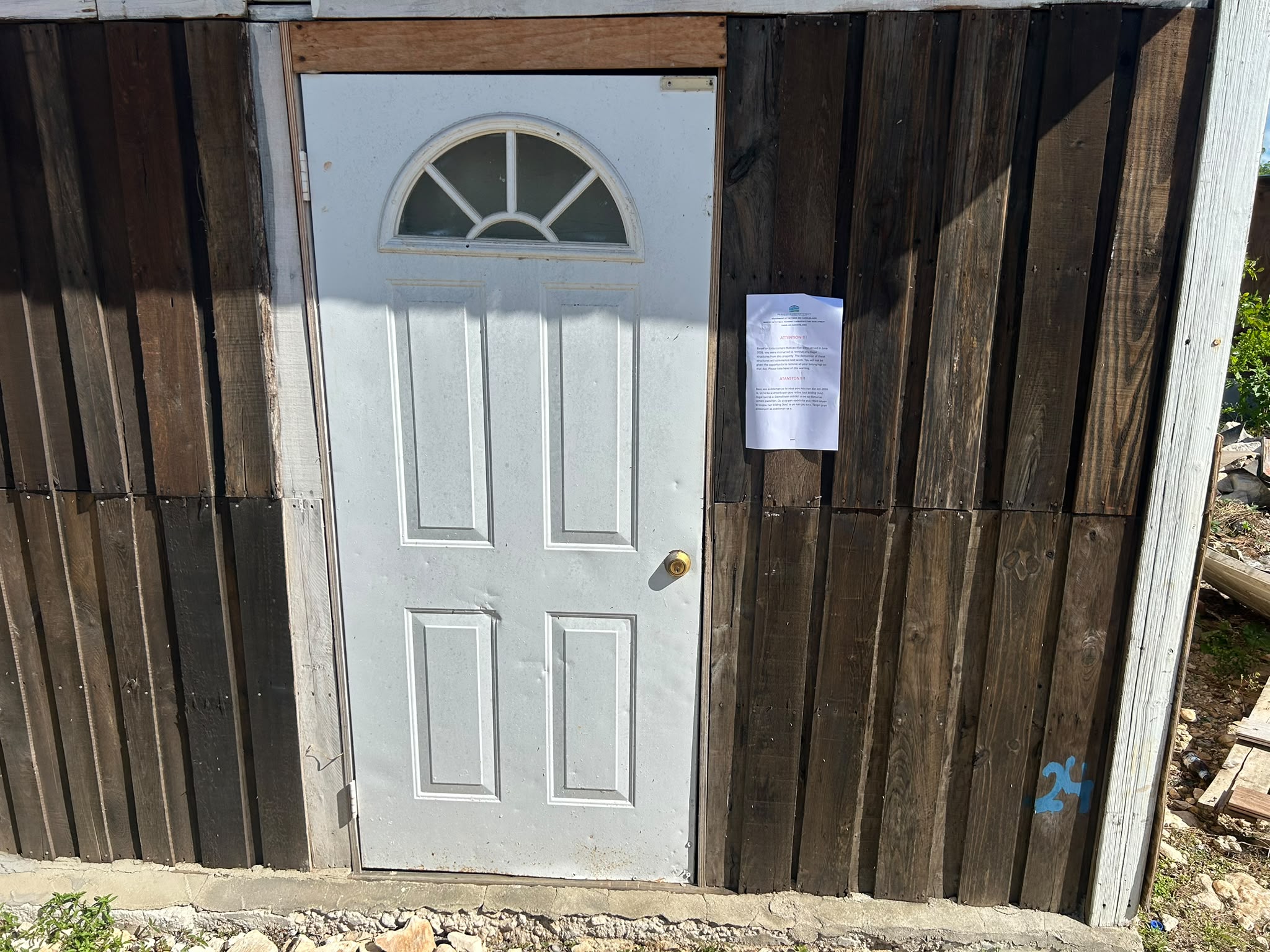 October 8, 2026, as part of the Government’s ongoing efforts to address the illegal occupation and unauthorized use of Crown land.
The exercise brought together representatives from the Crown Land Unit, ISU, TCI Border Force and Royal Turks and Caicos Islands Police Force. Inspections were conducted across several parcels of Crown land in Five Cays, where instances of illegal occupation and unauthorized use had been identified.
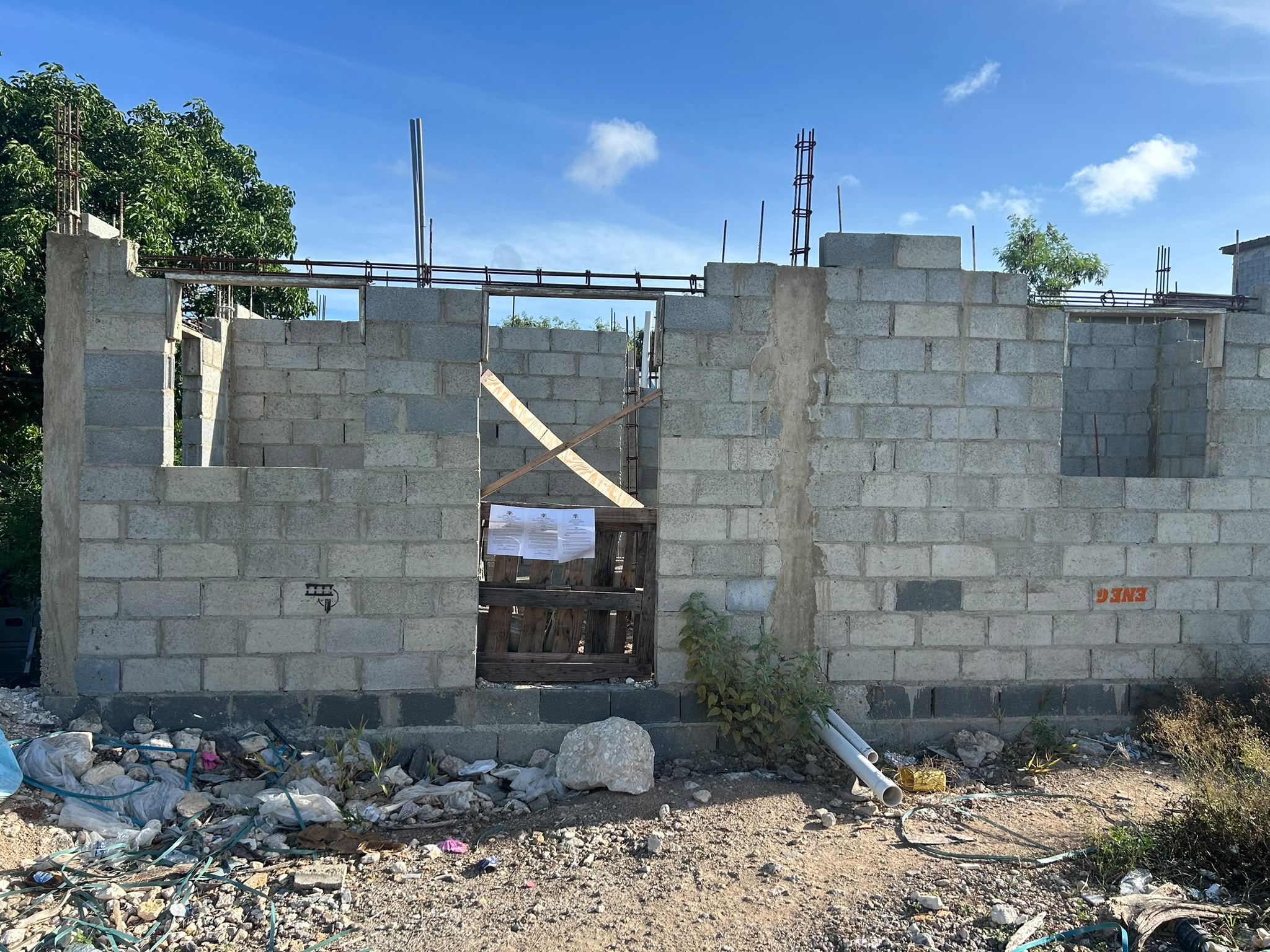
During the exercise, a total of seven (7) Section 22 Notices of Unauthorized Occupation were issued in accordance with the provisions of the Crown Land Ordinance. The notices related to the unauthorized placement of shipping containers and derelict vehicles, as well as the construction of an incomplete concrete structure on Crown land. Where occupants or other responsible persons were not present, notices were affixed to the relevant structures or items.
The exercise forms part of the Crown Land Unit’s continuing efforts to prevent squatting and encroachment on Crown land and to ensure that instances of unauthorized occupation are identified and appropriately addressed.
The Government of the Turks and Caicos Islands reminds the public that occupying, developing or otherwise using Crown land without lawful authority is an offence under the Crown Land Ordinance. These inspections and enforcement activities form part of a sustained program aimed at safeguarding public lands, discouraging unlawful development and ensuring that Crown land is managed in the best interests of the people of the Turks and Caicos Islands.
The Crown Land Unit will continue to work closely with the ISU and other partner agencies to identify and address instances of illegal occupation across the Islands. Persons occupying Crown land without authorization are encouraged to comply with all notices issued and to seek guidance from the relevant authorities where necessary.
News
Invest TCI Strengthens Regional Investment Connections at Caribbean Investment Forum 2026 in Barbados

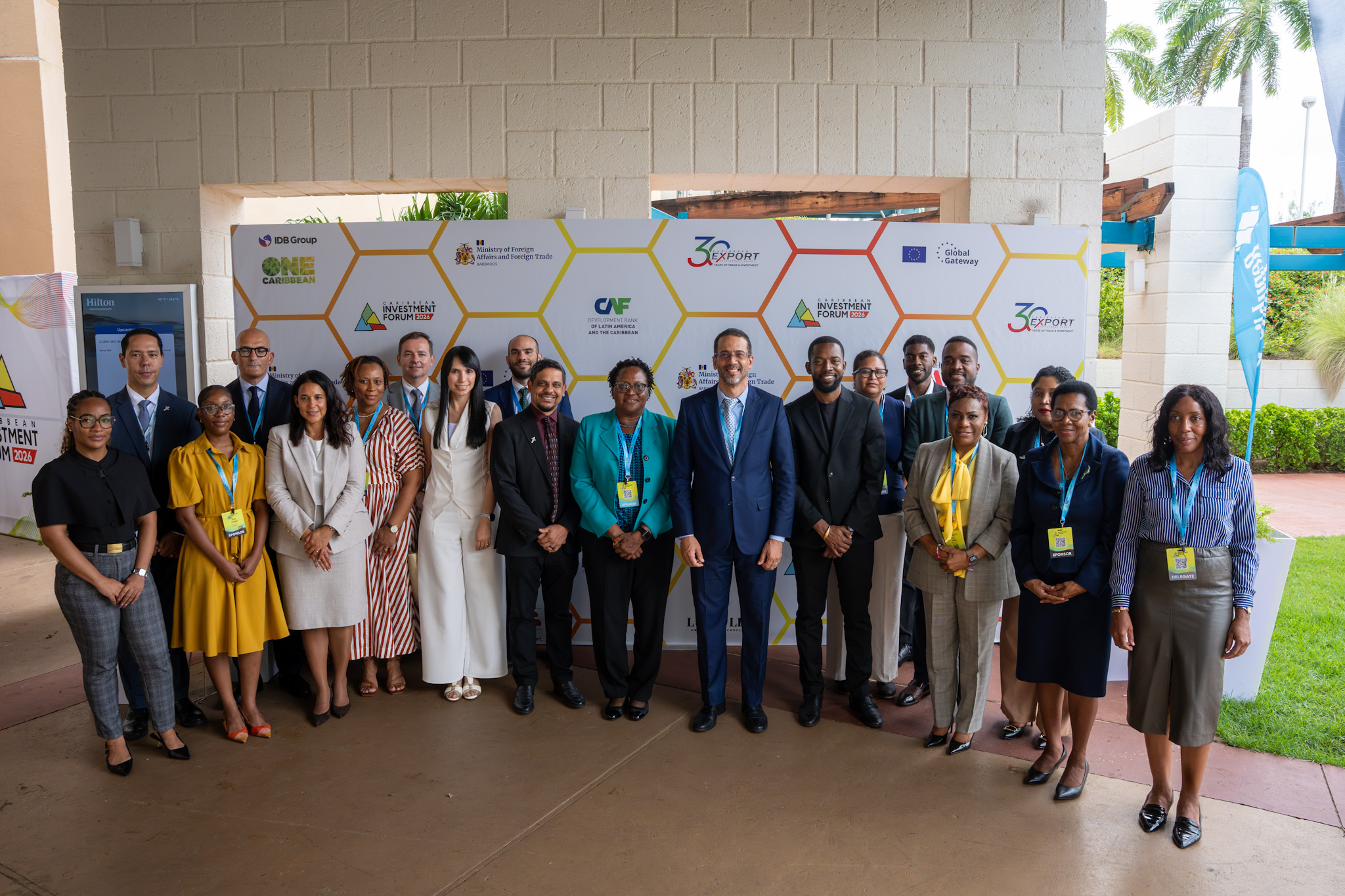
Providenciales, Turks and Caicos Islands – Monday, 19th October 2026: Invest Turks and Caicos Agency (Invest TCI) strengthened its regional presence at the Caribbean Investment Forum (CIF) 2026, held October 5 – 7, 2026, in Bridgetown, Barbados, participating as both a sponsor of the Forum and representative of the Turks and Caicos Islands’ investment landscape.
The Caribbean Investment Forum brought together regional and international investors, government representatives, business leaders,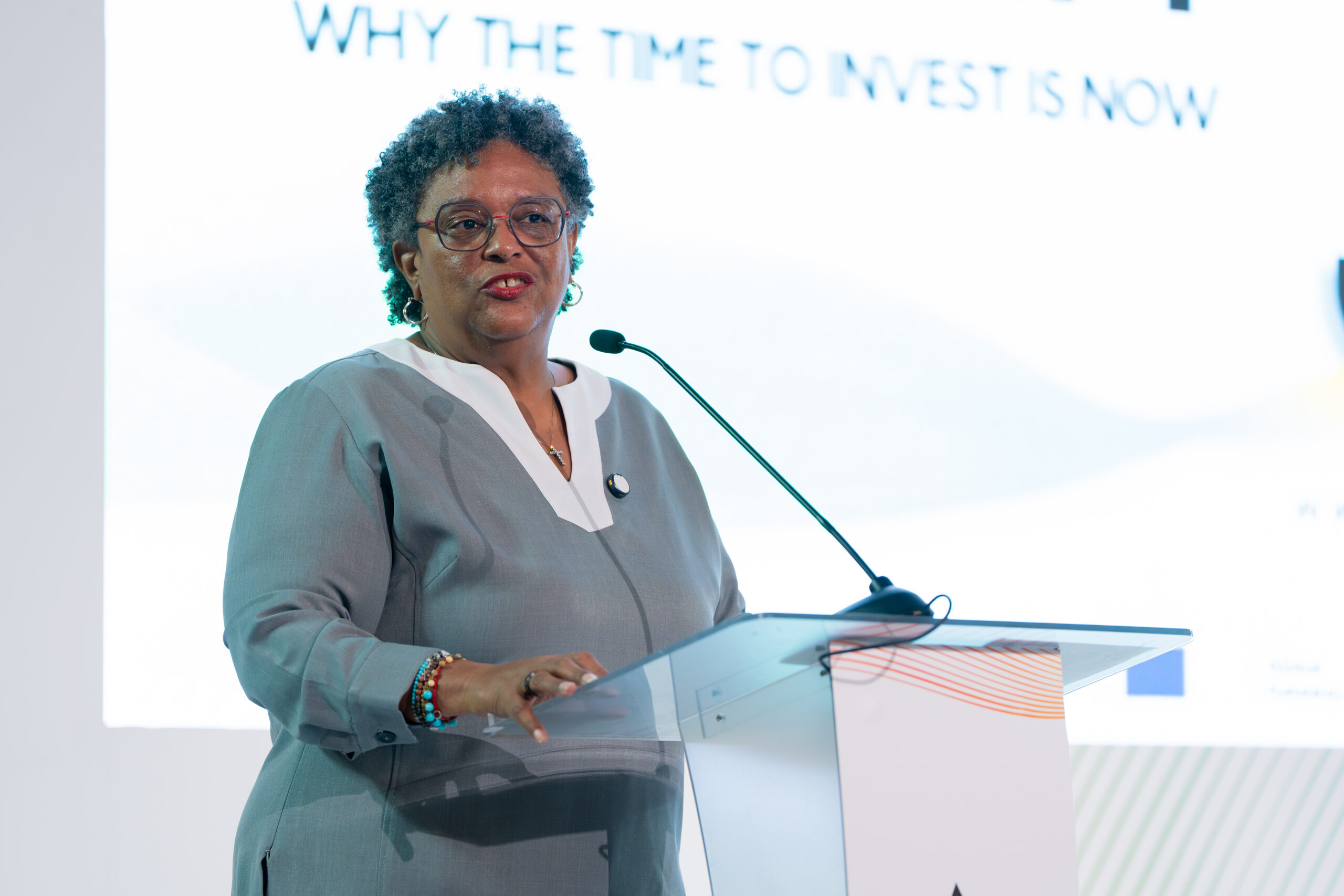 entrepreneurs, investment promotion agencies, and development partners to explore investment opportunities, strengthen partnerships, and advance sustainable economic development throughout the Caribbean.
The Agency’s sponsorship of CIF 2026 formed part of its continued commitment to strengthening the visibility of the Turks and Caicos Islands within the regional investment community and building relationships with investors, development partners, investment promotion agencies, and businesses across the Caribbean.
The opening of the Forum was attended by the Honourable Mia Amor Mottley, Prime Minister of Barbados, who emphasised the importance of scaling regional investment, strengthening economic cooperation, and transforming innovative ideas into commercially viable opportunities. Invest TCI was represented by Ms. Alexa Cooper, Domestic Investment Officer, and Mr. Hezron Henry, Marketing Support Officer. Throughout the Forum, the delegation engaged with stakeholders and promoted the Turks and Caicos Islands as a competitive investment destination while exploring opportunities for greater regional collaboration and knowledge exchange.
Speaking on her experience at the Forum, Ms. Alexa Cooper, Chief Domestic Investment Officer, said:
“CIF 2026 provided another valuable opportunity to engage with donor organisations, investors and Investment Promotion Agencies (IPAs) from across the Caribbean. A highlight for me was the introduction of an exclusive masterclass for fund managers, investors and support organisations, which offered practical insights into unlocking capital, strengthening investment ecosystems and supporting investment-ready businesses. I was equally impressed with the quality of projects pitched, which showcased the region’s innovation and investment potential. It was encouraging to see projects presented with a clearer understanding of investor expectations, reinforcing the importance of not simply developing projects, but ensuring they are well-structured, investment-ready and positioned to attract the right investment partners.”
Accompanying the Invest TCI delegation was Mr. Sean Penn, Chief Executive Officer of Sky Poultry Farm Ltd., the first commercial egg and poultry production facility in the Turks and Caicos Islands. Mr. Penn’s participation provided an opportunity to showcase the development of domestic enterprise within the Turks and Caicos Islands while highlighting the potential of agriculture and food production as part of the country’s broader economic diversification efforts.
Through his participation at CIF 2026, Mr. Penn had the opportunity to engage with regional stakeholders, gain exposure to developments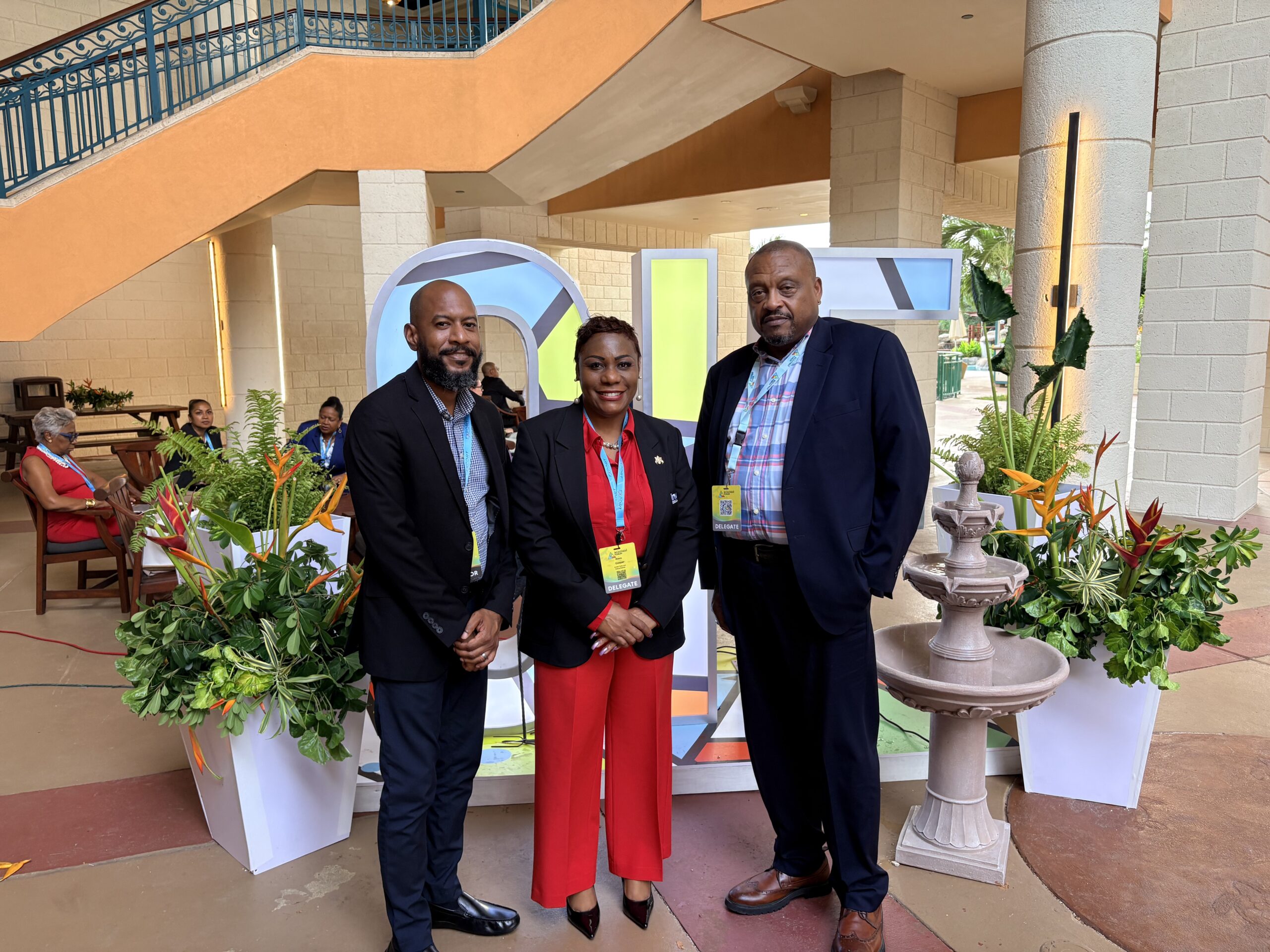 within the Caribbean agricultural sector, and explore potential partnerships and opportunities related to agricultural investment, innovation, and enterprise development.
For Invest TCI, the combination of sponsorship, investment promotion and local business representation provided a multifaceted platform to advance the Agency’s mandate. It allowed Invest TCI not only to promote the Turks and Caicos Islands to prospective investors but also to facilitate greater exposure for a local enterprise operating within an emerging sector of the economy. The Forum also provided opportunities for the Invest TCI delegation to exchange knowledge with regional counterparts, strengthen institutional relationships, and gain insight into investment trends and opportunities affecting Caribbean economies.
As the Caribbean Investment Forum continues to expand its regional reach, Santo Domingo, Dominican Republic, was announced as the destination for the next edition of the Forum, providing another opportunity to bring together investors, policymakers, investment promotion agencies and businesses from across the Caribbean and beyond.
Invest TCI looks forward to the continued growth of the Caribbean Investment Forum and the opportunities it creates to deepen regional partnerships, promote investment, and connect Caribbean businesses with new markets and sources of capital. The Agency remains committed to attracting sustainable investment, supporting domestic enterprise, encouraging economic diversification, and developing partnerships that contribute to the long-term economic development of the Turks and Caicos Islands.
Independent writer
Born Here, Raised Here, but Still Unable to Vote: Is this a Conundrum for TCI Electorate?

By Ed Forbes
The Turks and Caicos Islands faces a growing demographic and democratic question that can no longer be ignored: What happens to young people born and raised here who reach adulthood without qualifying for Turks and Caicos Islander Status, and what does this mean for our country’s future?
This is not simply an immigration issue. It concerns population growth, national identity, political representation and the future relationship between the people who call these Islands home and the system that determines who can participate in our democracy.
Consider a young person born in TCI, educated in our schools, raised in our communities and now working, paying taxes and contributing to the economy. At 18, that person may hold British Overseas Territories Citizenship (BOTC) but still lack Islander Status and, consequently, the eligibility required to register as an elector.
Section 55 of the Turks and Caicos Islands Constitution Order 2011 establishes the qualifications for voter registration, including the requirement to be a Turks and Caicos Islander. Being born here, growing up here or holding BOTC citizenship does not automatically satisfy that requirement.
Of course, birth in the Islands does not automatically confer Islander Status. The law provides different routes based on parental status, nationality, residence and other qualifying circumstances. We must respect those laws while asking whether they adequately address the realities of a population that has changed considerably over the past two decades.
The numbers make this discussion increasingly urgent.
According to Government population estimates, the TCI population grew from approximately 33,500 in 2011 to 47,674 in 2022. The Government’s 2025 projection placed it at approximately 52,299. That represents projected growth of roughly 56 per cent between 2011 and 2025.
Published demographic information has also suggested that fewer than one in four residents holds Islander Status. A separate comparison of the 2022 population estimate and the 2023 registered-elector list placed registered electors at approximately 19 per cent of the population.
These figures measure different things and come from different years. They should not be confused with the percentage of eligible voters who actually cast ballots. Nevertheless, they raise an important question: How will our electorate evolve as the population continues to grow?
We should not assume that every non-Islander resident is eligible for status, or that everyone without status was born here. Equally, we cannot ignore young people who may have spent their entire lives in these Islands yet remain outside the electorate because they cannot satisfy the existing requirements.
This situation did not begin yesterday. Children born here 15 or 20 years ago are now adults. Some may qualify under existing provisions but need assistance navigating the application process. Others may have no available route under current legislation. We need reliable figures to understand the scale of each group.
With the next general election roughly two and a half years away, the time to act is now.
The Government should not wait until an election is approaching to discover how many people may qualify to register, how many remain excluded and whether legislative changes are needed. Islander Status applications and potential legislative reforms can involve lengthy processes. Any necessary changes require legal examination, consultation and sufficient time for implementation.
I propose that the Government work with the Islander Status Commission, immigration authorities and the Elections Department to conduct a comprehensive review of TCI-born adults who do not hold Islander Status. The review should establish how many qualify under existing provisions, how many have been refused or cannot apply, and the specific legal barriers involved.
Where a lawful pathway already exists, the Government should make it clear and accessible. Where genuine gaps remain, it should consult the public on whether a defined pathway should be established for qualifying individuals born, educated and lawfully raised here, with appropriate safeguards.
This is not a call to grant status indiscriminately or disregard immigration controls. It is a call to examine the consequences of our existing framework and determine whether it serves the long-term interests of the Turks and Caicos Islands.
Let’s face it, a growing migrant population, an ageing Islander community and successive generations of young people whose electoral eligibility may be restricted present questions that deserve serious, evidence-based consideration.
We cannot change the past, but we can decide whether to confront this issue today or leave it for another generation. I strongly believe, voting eligibility is more than a right; it is a pathway to inclusion and a stake in our country’s future.
The question is no longer whether this deserves public discussion. It is whether we are prepared to begin in time to make informed decisions before the next election and beyond.
The clock is ticking. Let us establish the facts, examine the law and find a fair, lawful and sustainable way forward.





-

 Independent writer1 week ago
Born Here, Raised Here, but Still Unable to Vote: Is this a Conundrum for TCI Electorate?
-

 Bahamas News4 days ago
Rosewood Exuma: A precedent-setting case for environmental law and future development in The Bahamas
-

 Bahamas News1 week ago
Monument Supports Hands for Hunger With Paradise Plates Debut
-
 News3 days ago
Invest TCI Strengthens Regional Investment Connections at Caribbean Investment Forum 2026 in Barbados
-

 Bahamas News1 week ago
Schweppes ‘the Art of Mixology’ Dazzles at Paradise Plates with Nemiroff Vodka
-
 Bahamas News3 days ago
Energy Minister Delivers Electrifying Keynote Opening Address at CAREC 2026
-

 News22 hours ago
Crown Land Unit Leads Multi-Agency Enforcement Exercise in Five Cays