
Bahamas News
Grand Bahama Utility Company Limited is making steady headway towards return of potable water throughout the island after the impact of catastrophic Hurricane Dorian

#Freeport, GB, November 11, 2019 – Bahamas – .The Grand Bahama Utility Company Limited (GBUC) confirms steady progress towards our full return to potable water on the island of Grand Bahama. Prior to the onset of Hurricane Dorian, tap water provided to the community of Grand Bahama was below 600 ppm (salt particle content per million parts of water), which bettered by a large margin the 1,000 ppm World Health Organization (WHO) standard for consumption. In certain other jurisdictions, 1,500 ppm is considered an acceptable level.
In addition to the damaged pumping stations, which were brought back on line within 5-7 days of the storm to restore the island’s running water ‘distribution’, the wrath of Hurricane Dorian compromised the island’s ‘supply’ of fresh salt-free water in Wellfields 1, 3, 6, comprising some 220 wells in total, which account for 35%, 5% and 60% (respectively) of water being supplied throughout the island. Wellfields 1 & 3 were flooded with 4 ft. of sea water, while Wellfield 6 was flooded with 21 ft. of sea water for a period of 36 hours during and after the treacherous storm. The flooding destroyed the entire vertical infrastructure including utility poles, wires, electrical components, control and motoring systems.
Utility Engineering Manager, Remington Wilchcombe said, “Once the flood water had subsided at Wellfields 1 & 6, our team immediately enacted an action plan to restore water supply. An assessment was conducted to determine the impact to the systems. One of the wells tested at 25,000 ppm, which is close to the salinity of sea water at 35,000 ppm. Results a few days later revealed that the average reading per well was 8,000 ppm in both Wellfields 1 & 3 and 9,000 ppm in Wellfield 6.”
Post assessment, mechanics were recruited to bring back-up systems into service. Once back-up systems were restored, the GBUC was able to begin rationing fresh water reserves into the system 5 days after the storm.
Simultaneously, the GBUC began working with Sanitation Services Company Limited to conduct clean-up efforts within the Wellfields. Simultaneously, Grand Bahama Power Company Limited was conducting repairs and working to regenerate the power systems at Wellfields 1 & 6. Additionally, industrial partners including the Grand Bahama Shipyard, Bahamas Industrial Technologies Ltd., Martin Marietta Aggregates – Bahama Rock, and Freeport Container Port, were all contributing resources to the restoration by providing technical service and physical support in manpower and equipment to return the plant to service.

Early September tests indicated the average salinity reading per well had improved with Wellfield 1 down to 6,000 ppm, Wellfield 3 at 2,500 ppm, and Wellfield 6 reduced to 7,000 ppm. By September 30th, the average salinity reading per well had improved with Wellfield 1 at 4,000 ppm, Wellfield 3 reduced to 2,000 ppm, and Wellfield 6 still showing the highest salinity content of 6,000 ppm.
Mr. Wilchcombe stated, “In an effort to ensure the speediest process for restoring potable water, we enlisted international services to perform a first phase Hydrological Study to provide further testing and recommendations relating to the movement, and physical and chemical composition of the water.” Water & Earth Sciences, Inc. conducted a Resistivity Test, which assesses the level of salt water existing in the water lens. The results confirmed that 99% of the Wellfields were inundated with sea water, which compromised the water quality. Further, it was determined that all of the Wellfields had varying layers of salt water, brackish water and fresh water.
A second assessment was conducted by The United Nations Educational, Scientific and Cultural Organization (UNESCO), which included the areas of Freeport City and East End. The results confirmed findings provided by Water & Earth Sciences, Inc. noting that the Wellfields had significant sea water incursion.
A third assessment was conducted by Dr. Yakov Livshitz from the Hydrological Service of Israel, which again included the areas of Freeport City and East End. First, their team visited the island to gather samples for testing to determine the porous nature of the limestone. The results were analyzed and a follow-up visit ensued. Second, a detailed assessment to locate fresh water lenses in the current Wellfields was carried out. Flow rates were tested to determine the time frame and restoration rate. Finally, a survey was conducted to find additional fresh water lenses outside of the Wellfields to extract or supply fresh water. As a result, fresh water was found in some high elevated areas. However, the capacity is not known at this time.
Geron Turnquest, General Manager of the GBUC said, “A second phase Hydrological Study must be carried out to validate and confirm the capacity of the fresh water lenses that were found for the development of new Wellfield locations. The most feasible approach, currently underway, is to bypass various higher salt content wells in Wellfield 6 with additional fresh water reserves further East, and to revive and develop Wellfield 4, which has been out of service for a number of years.”
In light of current efforts to reduce water salinity to WHO standards, the GBUC has also discussed the possibility of a Reverse Osmosis (RO) System. Mr. Turnquest added, “We have considered the possibility of introducing a large-scale Reverse Osmosis System. But we are advised that this presents challenges. Despite it being an expensive investment that will impact the cost of water to the consumer, it will also take a minimum of three to four months to develop. By this time, we aim to have resolved this salinity issue with new measures in place. An RO system on this scale would only be needed if the possibility of having no fresh water exists.” That said, smaller backup RO systems in small modular units are very likely be part of our plan to provide drinking water in the event of a future hurricane.
Assessments to date reveal a continuing decline in salinity levels. Wellfield 1 is now 2,400 ppm, Wellfield 3 is now ‘potable’ at 500 ppm, and Wellfield 6 is 3,600 ppm. Ian Rolle, President of the Grand Bahama Port Authority says, “The GBUC is committed to resolving the issue of salinity levels as a result of the tidal surge. The actual water pressure and the volume pumped per day is back up to pre-storm levels which is reassuring. Key infrastructure works are in progress and we continue to confer with the experts to bring about the best and speediest return to our pre-storm highest quality fresh water”.
Residents have been advised through public notices that the water can be used for sanitary purposes only and not for consumption. GBPA Chairman Sarah St George added, “We wish to emphasize that the water is clean and bacteria free. While we work to restore potable water, we have established a partnership between GBPA, GBUC, NEMA and several NGOs to provide free drinking water to local communities at water distribution sites island-wide. We are grateful to our NGO partners Isra-Aid, Samaritan’s Purse, Mercy Corps, Siemens, Resolve Marine, Water Mission, International Medical Corp, Operators without Borders, and ADRA. As salinity levels decrease naturally through rainfall and new wells come on line, we look forward to restoring a potable water supply through the island of Grand Bahama in the near future. We thank everyone in the community for their patience and understanding. We are on the right path to bringing our water back to its erstwhile pristineness.”
Release: Grand Bahama Port Authority
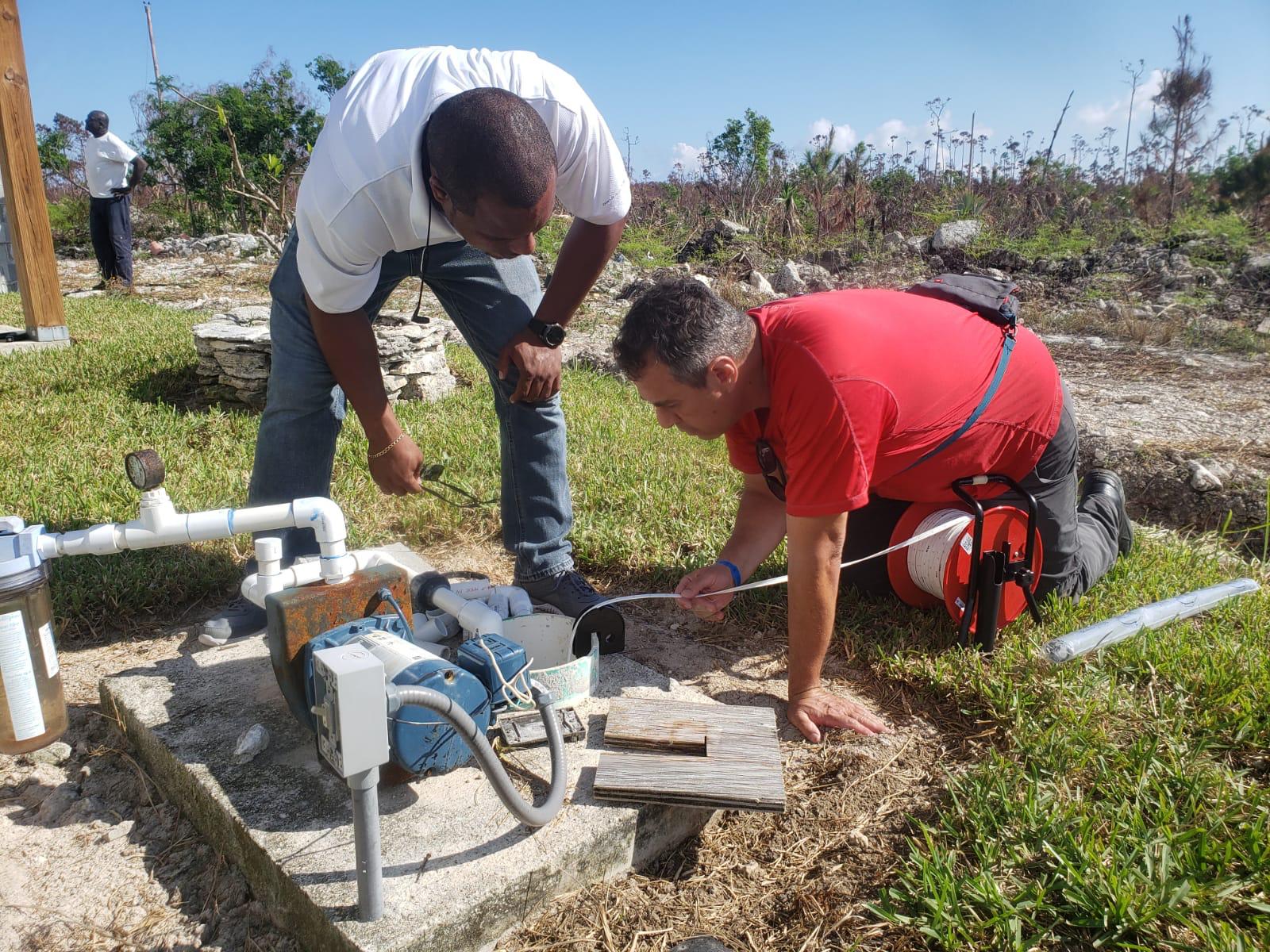
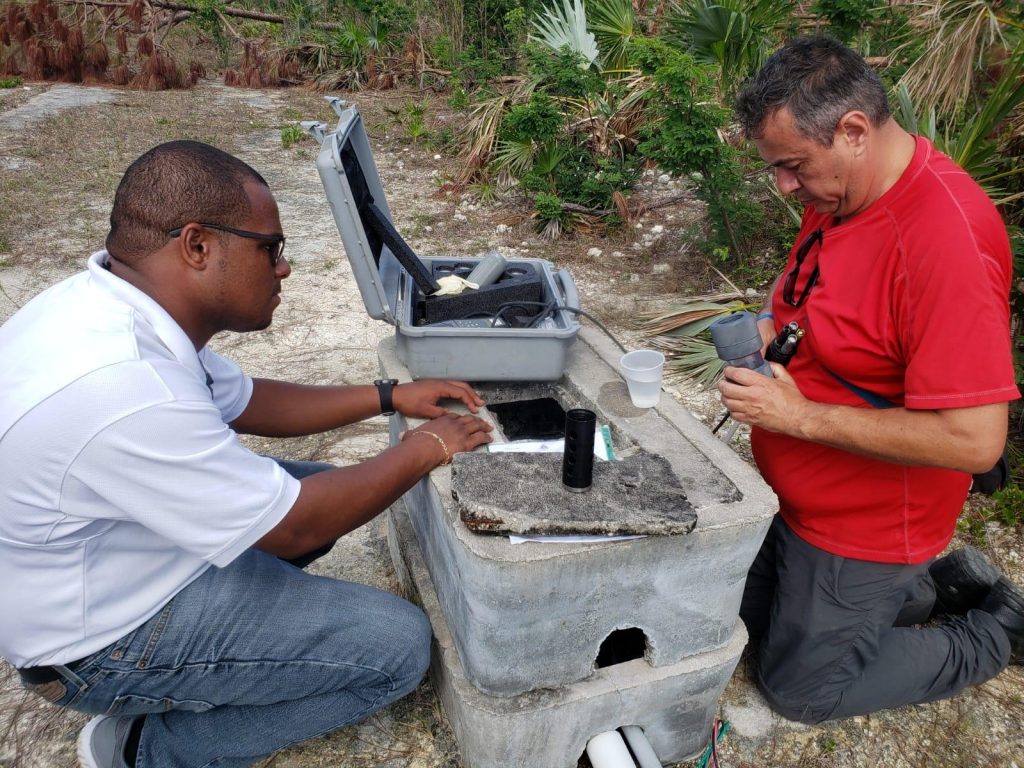
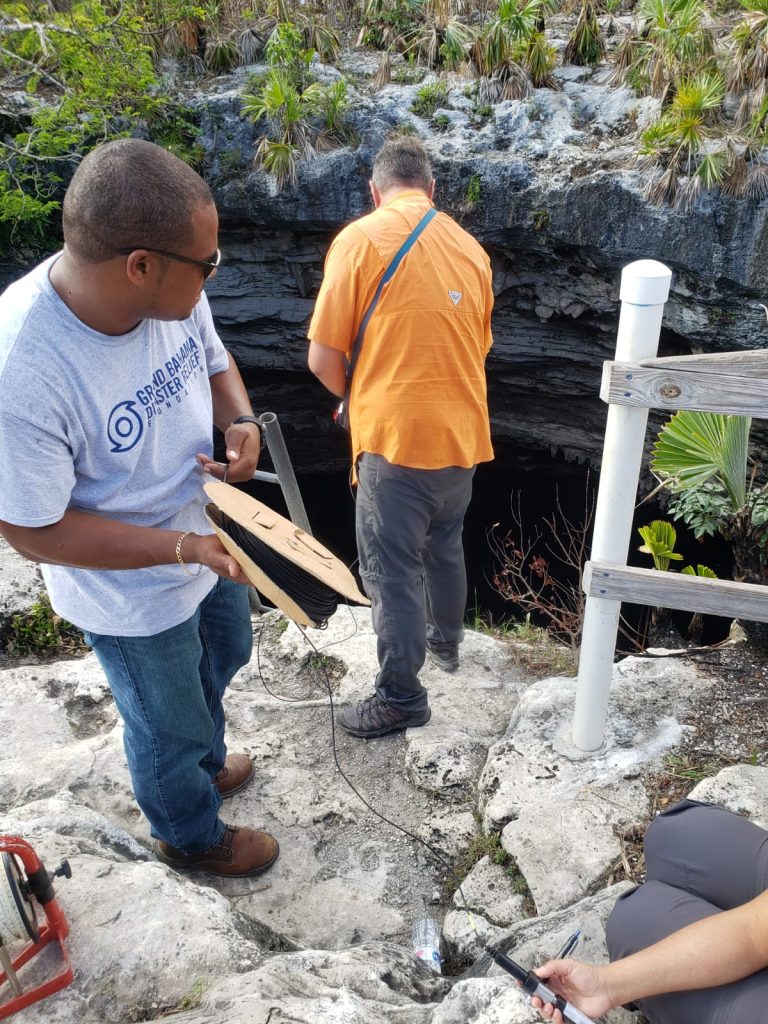
Photo Caption: “Dr. Yakov Livshitz Senior member of the Hydrological Service of Israel visited Grand Bahama and toured our well fields with the GB Utility Team to gauge salinity levels and the pace of aquifer recovery. His initial findings were very encouraging.” (Pictured from left: Remington Wilchcombe, Utility Engineering Manager and Dr. Yakov Livshitz)




The Bahamas, August 27, 2026 – The Royal Bahamas Police Force wishes to inform members of the public that several individuals are scheduled to appear before the Magistrate’s Court on Thursday, 27th August 2026, at 12:00 noon.
The individuals and charges are as follows:
An 18-year-old female is scheduled to be arraigned on the following charges:
Three (3) counts of Murder
Three (3) counts of Attempted Murder
Three (3) counts of Possession of a Firearm with Intent to Endanger Life
Three (3) counts of Possession of an Unlicensed Firearm
Two (2) counts of Possession of Ammunition
Armed Robbery
Abetment to Armed Robbery
Stealing
Receiving
The charges stem from three separate shooting incidents and an armed robbery that occurred on Friday, 21st August 2026, and Saturday, 22nd August 2026.
The first shooting occurred in the area of Soldier Road and Baillou Hill Road, resulting in the death of a 51-year-old male.
The second shooting occurred in the area of Joe Farrington Road, resulting in the death of a 52-year-old male.
The third shooting occurred in the area of Gladstone Road, resulting in the death of a 36-year-old male.
The armed robbery occurred at a business establishment in the area of Carmichael Road and Baillou Hill Road.
A 21-year-old male is scheduled to be arraigned on one charge of:
- Murder
The charge stems from a shooting incident that occurred on Tuesday, 21st July 2026, in the area of Samson Street, Nassau Village, which resulted in the death of a 28-year-old male.
A 32-year-old male is scheduled to be arraigned on the following charges:
- Murder
- Attempted Murder
These charges stem from a shooting incident that occurred on Wednesday, 24th December 2025, in the area of Graham Drive, Yellow Elder, which resulted in the death of a 25-year-old male.
RBPF, PACD
Bahamas News
Bahama Brass Band Invitation Sparks Heritage Debate Ahead of TCI Constitutional Holiday
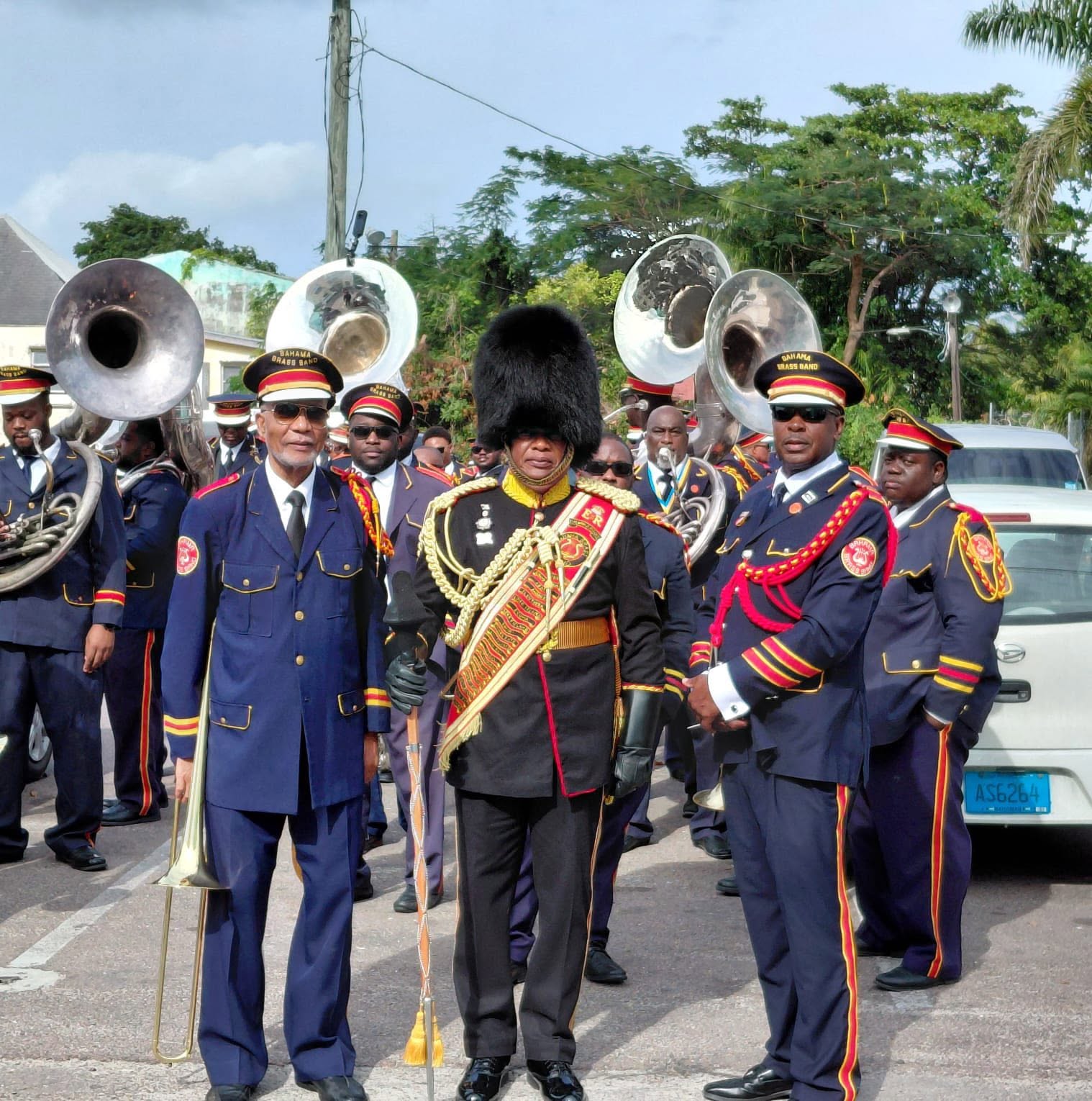
Turks and Caicos, August 20, 2026 – The planned participation of the Bahama Brass Band in the Turks and Caicos Islands’ inaugural Constitutional Holiday celebrations on August 30 has sparked public debate over culture, heritage and the historical contributions of Turks and Caicos Islanders abroad.
Organizers defended the invitation, saying the band’s inclusion is intended to highlight the deep historical ties between the two countries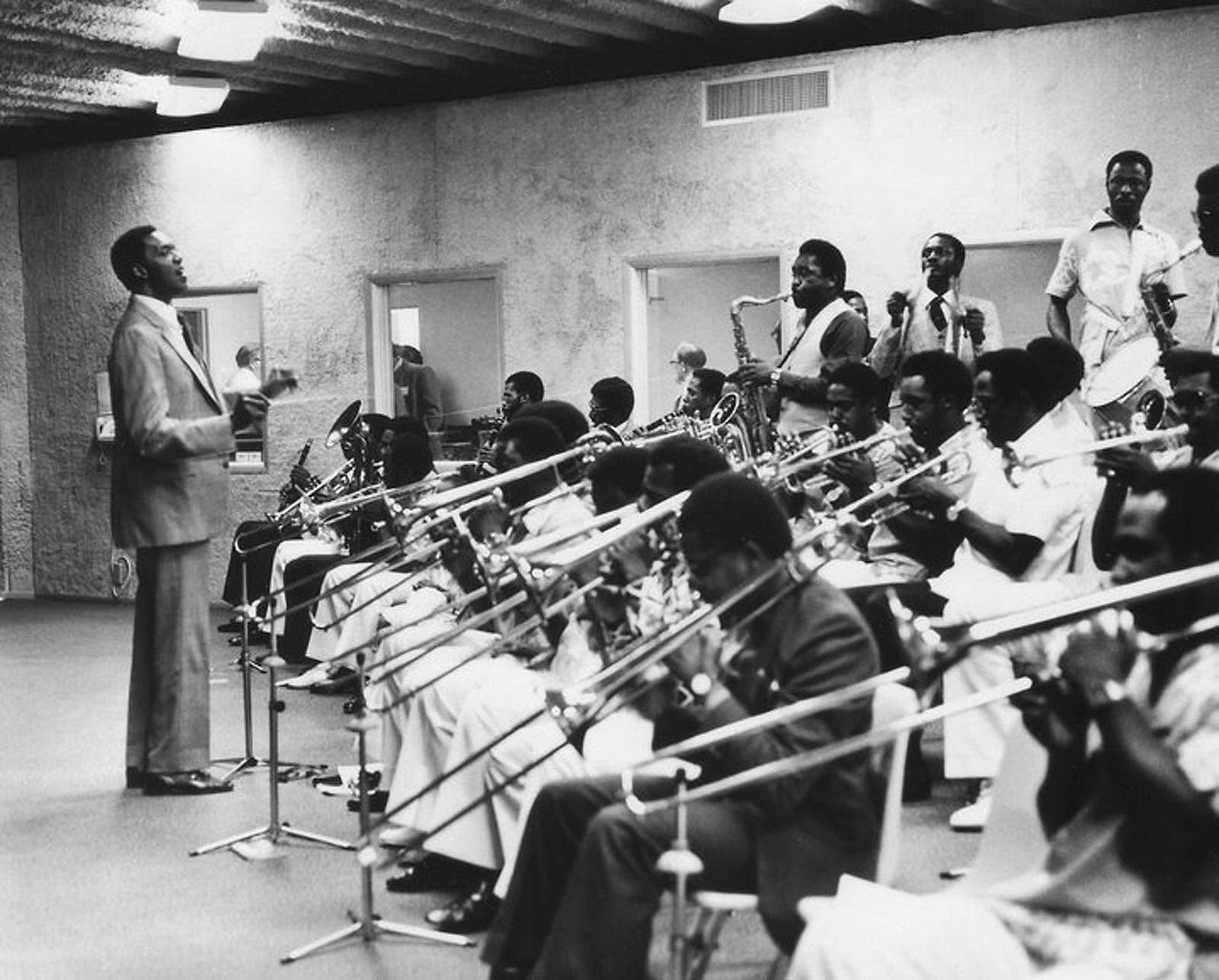 and honor Turks and Caicos men who helped establish and develop the institution in Grand Bahama.
According to the organizers, the Bahama Brass Band began in 1955 in Pine Ridge, Freeport, with Turks and Caicos Islanders, including the late Deacon Reuben Hall Sr. of Middle Caicos and Jenkins Williams and Mervin Hendfield of North Caicos, among those who helped build its foundation. The band eventually grew to more than 50 men.
The organizers also pointed to the participation of Turks and Caicos men in The Bahamas’ Independence celebrations on July 10, 1973, arguing that their contributions became part of Bahamian history while maintaining strong connections to their homeland.
Supporters say bringing the band home represents an opportunity to honor those pioneers, showcase their regional influence and expose younger generations to an important part of Turks and Caicos history.
However, concerns raised publicly described the invitation as potentially disrespectful to local culture and heritage. Organizers acknowledged those concerns, apologizing to anyone who felt overlooked or offended, while maintaining that no disrespect was intended.
The committee said the event should ultimately unite rather than divide, presenting the band’s history as evidence of the reach and resilience of Turks and Caicos heritage.
PHOTO CREDIT: Bahamas Brass Band
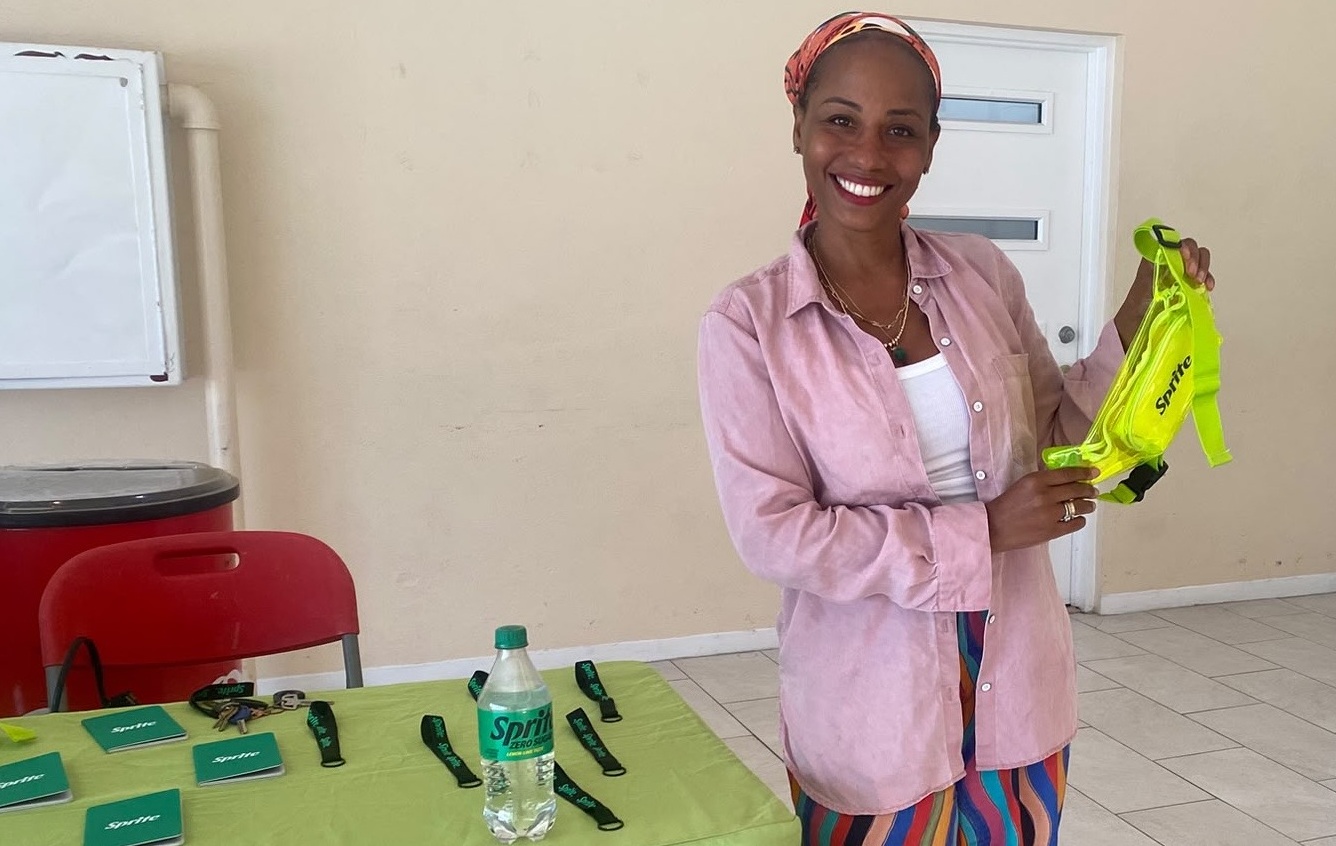
NASSAU, Bahamas — Caribbean Bottling Company (CBC), local producers of Dasani products, proudly sponsored the fifth annual, Caribbean Hoopfest.
The tournament brings together Bahamian high school basketball teams and visiting teams from the United States for a competitive showcase at the Kendal G. L. Isaacs Gymnasium. Following its inaugural year at the Kendal G. L. Isaacs gym and last year’s event at Loyola Hall, the tournament returned to the Kendal G. L. Isaacs gym this year.
During the weekend tournament, CBC kept athletes well hydrated with in-kind donations of Dasani Water, Powerade and Minute Maid Juices.
During the tournament’s final day, CBC provided additional support by offering Sprite No Sugar samples and inviting attendees to participate in its Spin the Wheel for a chance to win exciting prizes.
CBC was proud to support this incredible event, which provides young Bahamian athletes with valuable exposure to U.S. basketball scouts and coaches. This opportunity gives them the chance to earn scholarships, continue their education, and pursue their basketball careers in the United States.
Event organizer, Donald Francois shared his appreciation for CBC’s support.
“I want to express our sincere appreciation for Caribbean Bottling Company, who has been a tremendous supporter and an important part of the success of our program. Without CBC’s support, Caribbean Hoop Fest would not be able to function at the level it does today. And without Caribbean Hoop Fest, we would not have been able to provide the opportunities that have helped young Bahamian athletes gain exposure and pursue educational opportunities in the United States,” he expressed.
Since the program’s inception, several Bahamian student-athletes have been selected for scholarship opportunities, highlighting the tournament’s growing impact on the development and advancement of young basketball talent in The Bahamas.
They are: Kelvin McDowells – Guard, Wodson Antoine – Power Forward, Justin Lafleur – Guard and Sean John – Guard.
After another successful edition of the tournament, Francois shared what he hopes he and Caribbean Bottling Company can achieve in the future.
“Our vision is bigger than basketball. We want to use the platform of Caribbean Hoop Fest to educate, develop, and create opportunities for young people and their families throughout the Bahamas. With individuals and organizations committed to our mission, we believe we can continue to grow the program and make an even greater impact,” Francois said.
For more details on community support, events and new products visit Caribbean Bottling Company at www.cbcbahamas.com today.





-
 News1 week ago
Saunders Tells Caribbean Media: Be Seen, Be Heard – But What About TCI
-

 Bahamas News6 days ago
Royal Bahamas Police Force – ARRAIGNMENT NOTICE
-

 Health3 days ago
Is It Bad To Sleep in a Bra?
-
 News13 hours ago
Government Restates Commitment to TCI’s Telecommunications Evolution
-
 News22 hours ago
Tomorrow’s Communities Start with Today’s Young Leaders: Why Youth Engagement Matters