
TCI News
Hon. Sean Astwood’s Remarks at the World Food Program (WFP) on Regional Symposium on Shock-Responsive Social Protection in the Caribbean

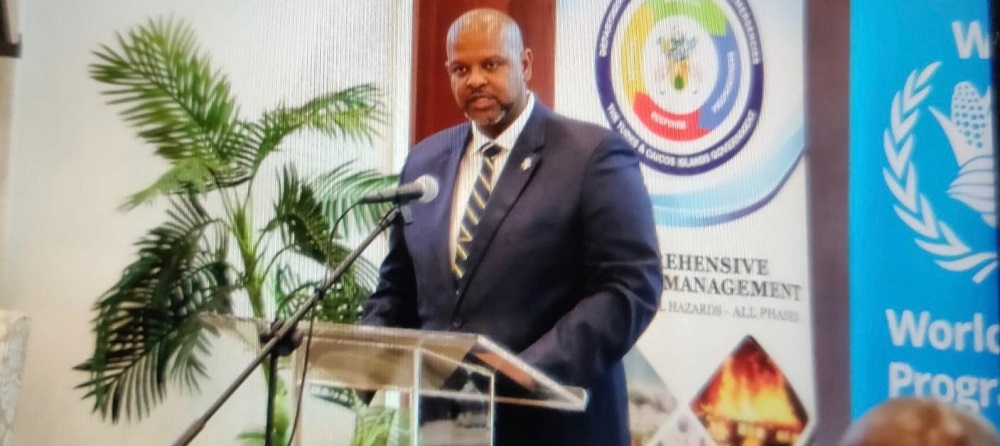
#Providenciales, July 2, 2019 – Turks and Caicos – “Protocol already being established; I would also like to adopt same. Good morning everyone and welcome to our beautiful by nature, Turks and Caicos Islands.

It is a great pleasure to welcome you to the Regional Symposium on Shock-Responsive Social Protection in the Caribbean which is being hosted by the UN World Food Program in collaboration with the Caribbean Disaster Emergency Management Agency (CDEMA) here in the Turks & Caicos Islands.
It is a known fact that globally, the frequency, size and duration of disasters and crisis—be they the consequence of natural phenomena or economic or political shocks—are on the rise. The cost of responding to these disasters has been increasing at what some may described as at an alarming rate. It is important to note that many of these shocks are predictable and protracted, and often slow-onset, and therefore within our control to mitigate against them.
In this regard, the need to identify and expand effective ways to respond to disasters is as pressing as ever. It is true that Caribbean countries have come a long way: from a reactive approach to disaster response to one focusing on preparedness, resilience building and climate change adaptation. However, the achievement of critical targets are being done at very slow pace. While we all face the same hurricane season annually, we however have different degrees of vulnerability. As a result of Climate Change, the increase of devastating weather-related events is hindering governments’ efforts to protect people from collective risks, whilst eroding countries’ sustainable development gains sometimes 3-4 times the cost of their GDP. We may not want to believe it, but we are surely feeling it, Climate Change is Real, and it is not going away anytime soon.
Recognizing the seriousness of climate change, my Government has recently passed a climate change policy and have also banned single use plastic bags, Styrofoam containers. This is just few of the steps that my Government is taking to reduce the countries carbon foot print, though miniscule.
Statistics have also shown that the poorest and the most vulnerable are the ones who suffer the most from the impact of natural hazards. As such, it is not only important to have an integrated disaster risk management strategy but equally important is to ensure that it must go hand-in-hand with long-term comprehensive interventions designed to protect people living in disaster-prone areas from multiple risk scenarios.
In this regard, Social Protection is a key instrument to reduce poverty and vulnerability and enhance people’s capacity to manage economic and social issues. Social Protection role in climate risk management has also been widely recognized in global agreements in recent years. Social protection systems help individuals and families, cope with crises and shocks, find jobs, improve productivity, invest in the health and education of their children and protect the aging population.

Moreover, a growing body of evidence demonstrates that with the appropriate systems and programmes in place, Social Protection can also play a significant role in minimizing the impacts of disasters and strengthen disaster risk management actions, for a more rapid, cost-efficient and effective preparedness and response to emergencies. This was the case in the Turks and Caicos Islands, Dominica and British Virgin Islands, following a devastating 2017 hurricane season, where national social protection schemes were adapted and expanded to support the needs of hurricane-affected people. Much can be learnt from these regional examples.
Events like the WFP and CDEMA symposium on Shock-Responsive Social Protection, hosted by the Government of Turks and Caicos Islands, offers a tremendous opportunity to strengthen the linkages between disaster risk management, social protection and climate change adaptation. It enables countries and sectors to draw from each other’s experiences and best practices. Fosters regional collaboration and knowledge-exchange. And imbues traditional practices in disaster response with novel approaches and innovative ideas that can assist, protect and support the Caribbean people with greater efficiency and effectiveness.
I therefore urge you as we come together to focus more in-debt on our region for these next 2 days, that we will leave these beautiful Turks & Caicos Islands recharged and energized to ensuring that each and every one of us play our part in mitigating against the risks that our respective countries face and we will recommend and implement social protective strategies with the aim of building resilience among our most vulnerable.
Thank you and may God grant us a hurricane free impact season.”
Release: TCIG


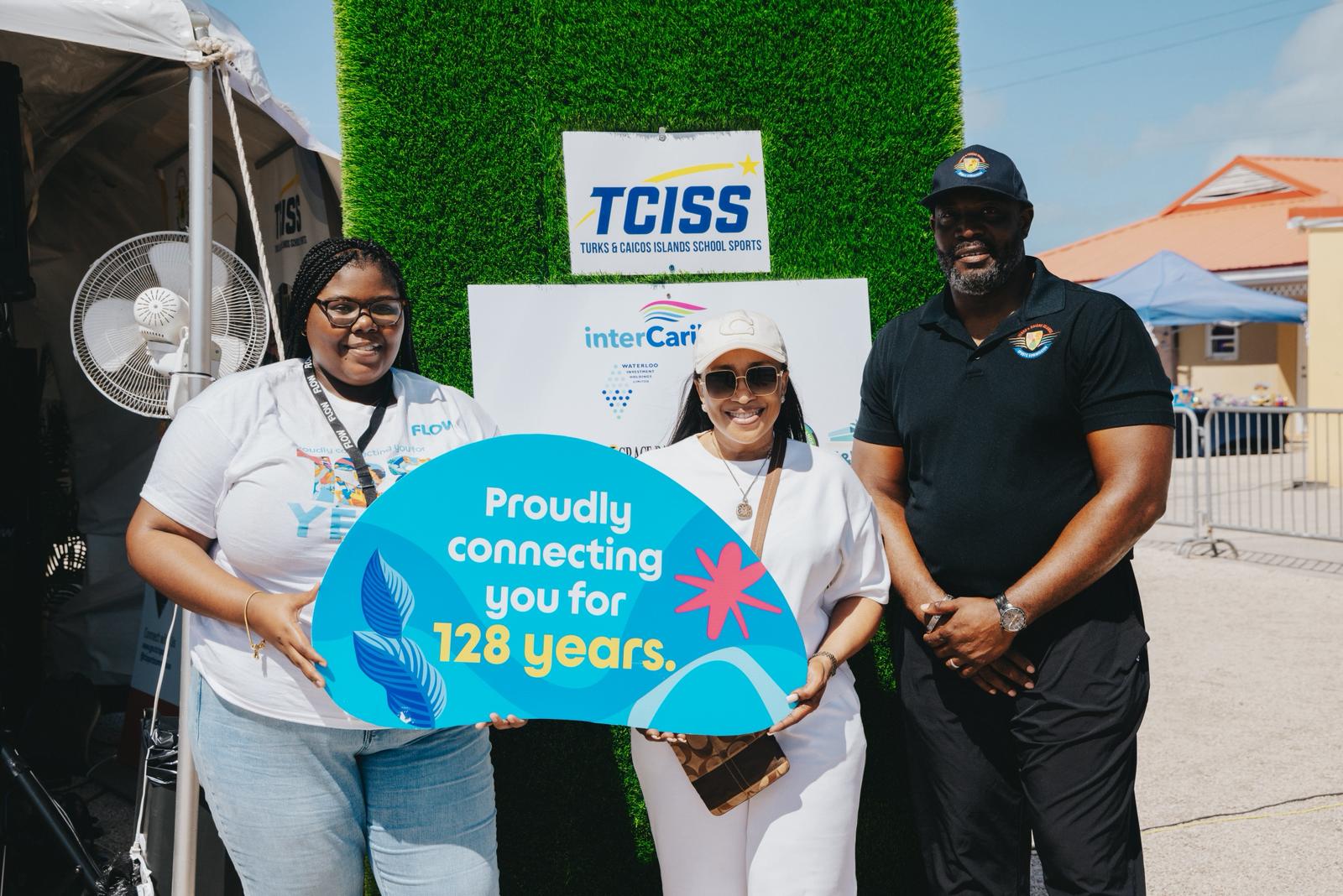
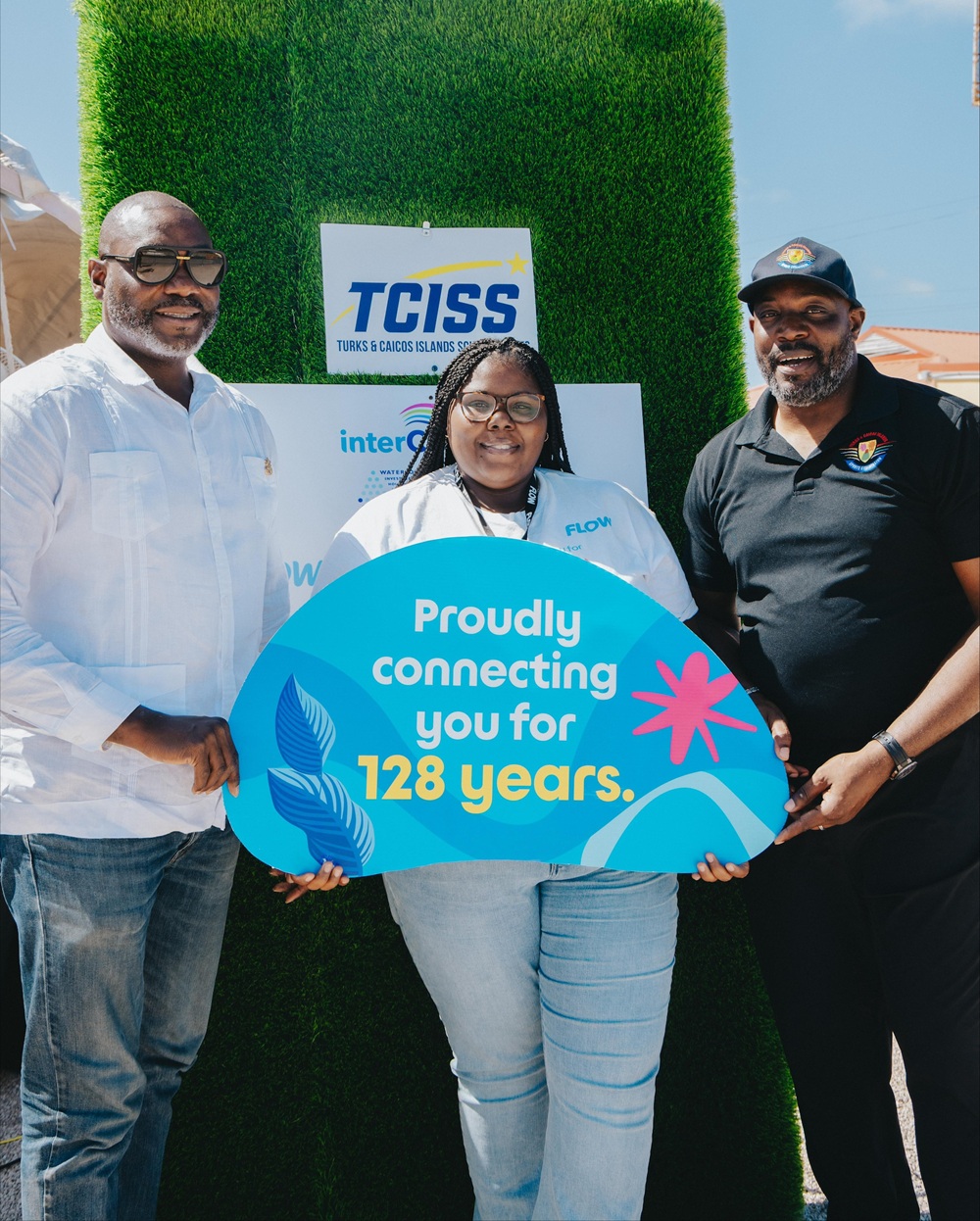
Providenciales, Turks and Caicos Islands (March 5, 2026) – As the Turks and Caicos sporting community celebrates the spirit of youth athleticism, leading telecoms provider, Flow is highlighting the transformative power of connectivity following the successful conclusion of the 2026 Inter-High Track and Field Championships held at the Turks and Caicos Islands National Stadium from February 26 to 28.
As the Official Media Sponsor for the event, Flow provided livestreaming services that premiered across social media and on Flow TV’s Channel 111. This ensured that families and fans throughout the Turks and Caicos Islands could witness every record-breaking moment. To keep the event running at top speed, Flow also provided broadband services throughout the venue, maintaining seamless connectivity throughout the games.
“Our long-standing partnership with the Turks and Caicos Islands Sports Commission is a shared promise to invest in the next generation. Over the years we have worked together to create opportunities for young people to train, compete and grow,” said Joanne Missick, Country Manager, Flow Turks and Caicos Islands.
“We make this investment because sport develops more than athletes. It’s a long-term investment for us in our people, pride and possibility, and it’s a partnership we hold close because advancing our youth advances the entire nation.”
The commitment to the Games extended directly to the track, where Flow served as the headline sponsor for the 200-meter category. Spanning seven races, the partnership culminated during the official medal ceremony with the company presenting winners with Flow merchandise bags.
Off the track, Flow mobilised engagement through the interactive sales booth. The site became a hub for activity, featuring Spin the Wheel promotions and gift certificate giveaways during Q&A intermissions, ensuring the energy of the crowd remained high.
Looking ahead, Flow is preparing to carry this momentum into the upcoming Inter-Primary Track and Field Championships, continuing its investment in the next generation of sporting talent in the Turks and Caicos Islands.



Providenciales, Turks and Caicos Islands – Commissioner of Police Fitz Bailey has been recognised for his contribution to national security and the tourism industry, receiving the Distinguished Civic Service Award at the Turks and Caicos Hotel and Tourism Association’s Star Awards held on February 19, 2026 at Beaches Turks and Caicos.
The annual awards ceremony is the premier recognition event for the territory’s hospitality sector, bringing together industry leaders,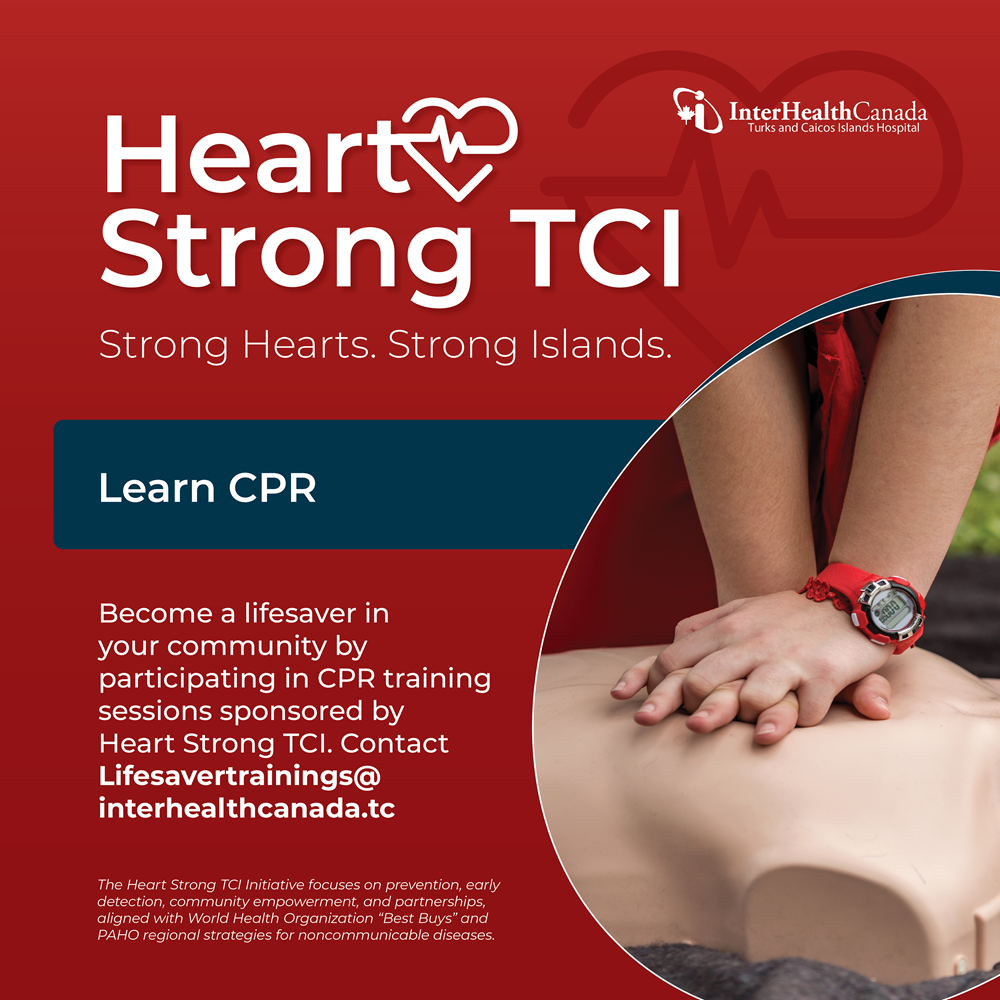 executives and frontline professionals to celebrate excellence and the individuals whose work strengthens the destination’s global reputation.
Commissioner Bailey was honoured for his strategic leadership in the fight against crime and the measurable reductions in major offences, efforts widely credited with improving public confidence and reinforcing the Turks and Caicos Islands’ standing as a safe and competitive tourism jurisdiction.
In accepting the award, the Commissioner dedicated the recognition to the officers and staff of the Royal Turks and Caicos Islands Police Force, praising their commitment and professionalism in what he described as a collective national effort to make the islands more secure.
The TCHTA Star Awards spotlight the link between public safety and tourism performance, acknowledging that a stable and safe environment is essential to visitor confidence, investment and the continued growth of the sector.
This year’s ceremony featured high-energy hosting by Super P the Entertainer, with Omega serving as awards announcer, as the industry gathered to honour the people and partnerships that continue to elevate the Turks and Caicos brand.

(Providenciales – Monday, March 2, 2026) TCI Hospital proudly announces the successful achievement of its Heart Strong TCI initiative, a comprehensive Heart Month campaign focused on raising awareness and strengthening cardiovascular disease prevention efforts across the Turks and Caicos Islands.
Heart disease remains the leading cause of death in the Turks and Caicos Islands, highlighting the critical need for sustained public education, risk-factor reduction, and early intervention. The Heart Strong TCI initiative was designed to actively engage the community through education, outreach, and physical activity.
Key Activities Included:
Educational Training Sessions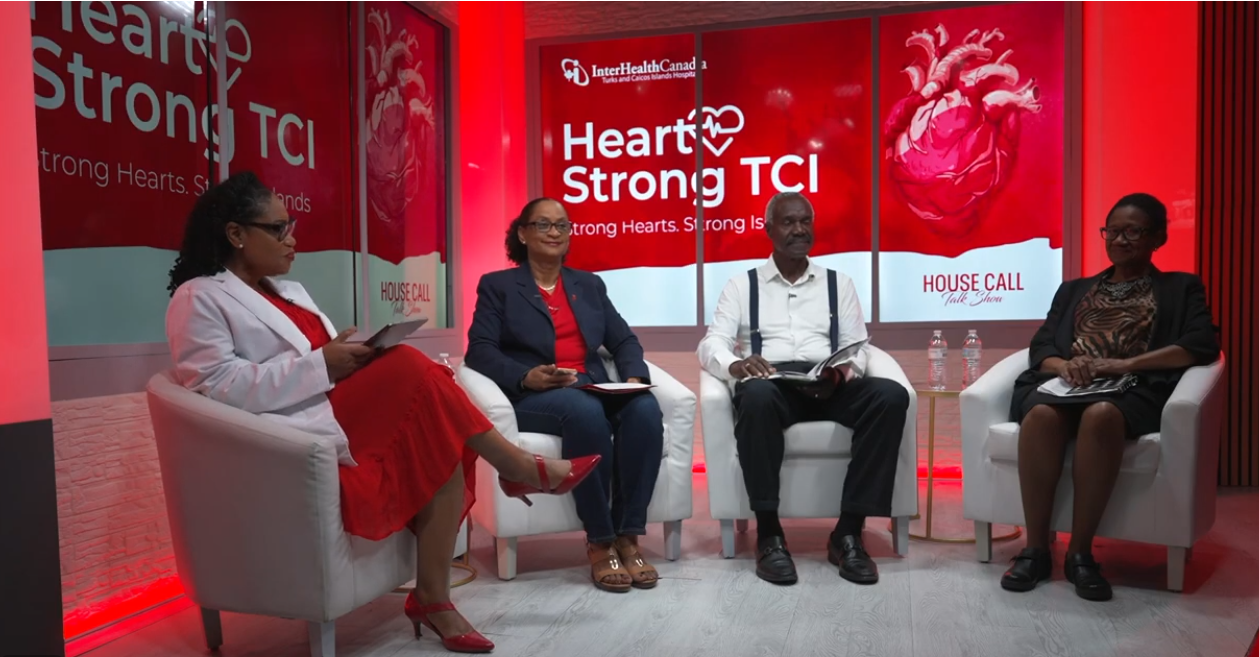
Healthcare professionals conducted structured sessions addressing hypertension, diabetes, cholesterol management, nutrition, exercise, smoking cessation, and the early warning signs of heart disease.
House Call Talk Show Feature
A dedicated Heart Month episode of the hospital’s House Call program provided expert discussion on cardiovascular risk factors and prevention strategies, empowering viewers with practical, evidence-based guidance.
Red Fridays Awareness Campaign
Throughout the month, staff wore red every Friday to increase visibility around heart disease awareness and reinforce the campaign’s message within the community.
Heart Strong 5K Walk/Run
In collaboration with the Rotary Club, TCI Hospital hosted a community-wide 5K walk/run to promote physical activity as a cornerstone of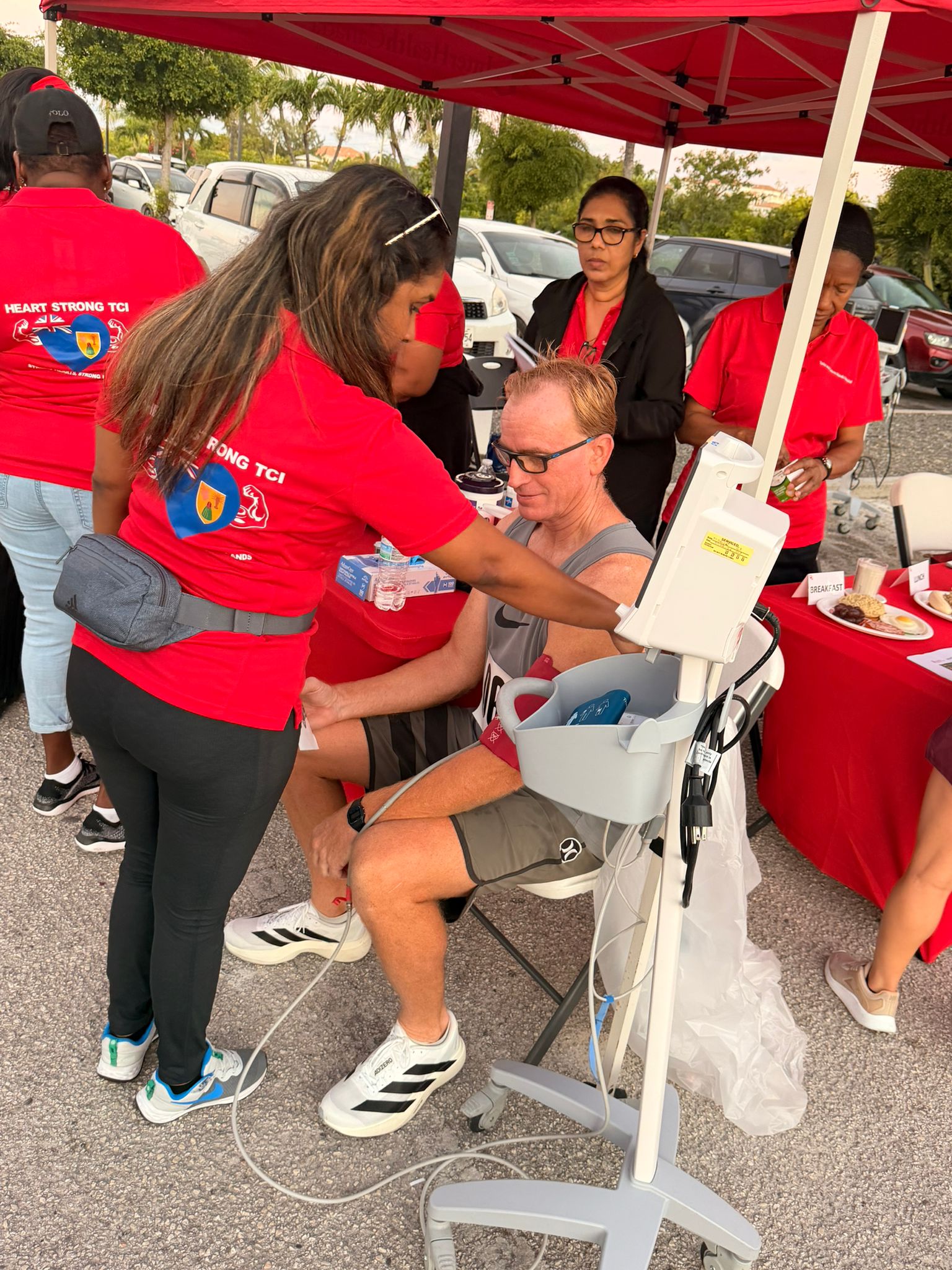 heart health. The walk/run also provided an opportunity for community screening.
Digital Health Education Campaign
To expand its reach, TCI Hospital also shared ongoing heart health education tips and prevention messages across its social media platforms, including Facebook, LinkedIn, and Instagram. These posts provided actionable guidance on diet, exercise, blood pressure control, and lifestyle modification, and encouraging community members to learn CPR.
Heart Strong TCI: A Continuous Commitment
While Heart Month has officially ended, Heart Strong TCI represents an ongoing institutional commitment to cardiovascular disease prevention and awareness. TCI Hospital will continue to prioritize:
- Community-based education initiatives
- Preventative screening and early detection programs
- Lifestyle and wellness promotion
- Strategic partnerships that advance public health outcomes
“Heart Strong TCI is not limited to a single month,” CEO, Dr. Denise Braithwaite-Tennant. “Cardiovascular disease prevention requires sustained effort. We remain committed to promoting healthy hearts across the Turks and Caicos Islands year-round.”
For more information about cardiovascular health services or upcoming screening initiatives, please contact TCI Hospital at 649-941-2800 in Providenciales, 649-941-2900 in Grand Turk or email us at info@interhealthcanada.tc
About TCI Hospital
TCI Hospital is dedicated to delivering high-quality healthcare services to the people of the Turks and Caicos Islands, with a strong emphasis on prevention, education, and community wellness.





-

 News1 week ago
New Chartered Accountant Member Appointed to The Integrity Commission
-

 News1 week ago
Multi-Agency Planning Enforcement Action Conducted in Five Cays
-

 News5 days ago
Police Commissioner Honoured with Distinguished Civic Service Award at TCHTA Star Awards
-

 News4 days ago
Flow TCI powers Inter-High Track and Field Championships
-

 Health7 days ago
TCI Hospital Celebrates Successful “Heart Strong TCI” Initiative During Heart Month