
Bahamas News
BAHAMAS: RBDF Strategy for addressing Human Smuggling in The Bahamas

Coral Harbour Base, February 19, 2019 – Bahamas – The maritime borders of The Bahamas are challenged by illicit activities that often occur at the same time within different geographical locations around The Bahamas. To effectively respond to multiple threats including drug, human and weapons smuggling, as well as poaching and natural disasters, the Royal Bahamas Defence Force has been steadily unfolding a comprehensive program to decentralize its operations using a multi-layered security approach within a collaborative framework throughout our family of islands.
Short term maritime security measures alone will not work in solving challenges that confront The Bahamas in these changing times. Currently, most of the Defence Force patrol operations originate out of New Providence in the north-central Bahamas. The multi-pronged dentralization program in which the Defence Force is engaged calls for the establishment of bases for a sustained presence at strategic choke points throughout our islands.
The program therefore involves the acquisition of ships, dredging of harbours, construction of quaywalls and jetties, expansion and/or construction of bases, the acquisition of detection and tracking technologies, and the strengthening of security cooperation with local and regional partners over the next five years.
In essence, decentralization’ is a long term, sustainable solution that facilitates the implementation of short term measures by the Defence Force in rolling back a diverse number of illicit activities. Additionally, this approach allows the Defence Force to provide necessary assistance to civilian authorities such as police, customs, immigration, the Department of Correctional Services, the National Emergency Management Agemcy and others.
PAST ACTIVITIES
Despite changes in the manner in which illicit activities are carried out on the maritime front, the Defence Force’s anti-migrant smuggling operations have unilaterally and in association with local and regional partners have apprehended almost 1,200 Haitian nationals last year. Also last year, approximately 200 Dominicans were apprehended by the Defence Force aboard 5 motherships resulting in the award of jail time and approximately $8 million dollars in fines by the courts.

The Defence Force had also deployed a number of its Marines to work with the Royal Bahamas Police Force in its crime reduction efforts on our streets throughout the year. The joint effort, which is still underway, yielded a noted reduction in the nation’s murder rate–the lowest in a decade. This collaboration also included two major operations in the Family Islands, resulting in arrests of persons wanted by Police or found in possession of weapons, drugs, and other contraband.
In addition to extensive disaster relief operations that were carried out at home and abroad (including an overseas mission to the Commonwealth of Dominica) during the period 2015 through 2017, Defence Force troops have provided fulltime security support for the residents of Ragged Island since that island was left devastated by Hurricane Irma in 2017.
CHANGING TRENDS AND PATTERNS
Smuggling of undocumented migrants is a major threat to The Bahamas. Needless to say, times and technologies have changed, so too have trends and patterns that are associated with the age-old problems of human, gun and drug smuggling, along with increased potential for terrorist-related activities. Weather patterns have also changed with an increase in frequency of tropical storms and hurricanes in the region.
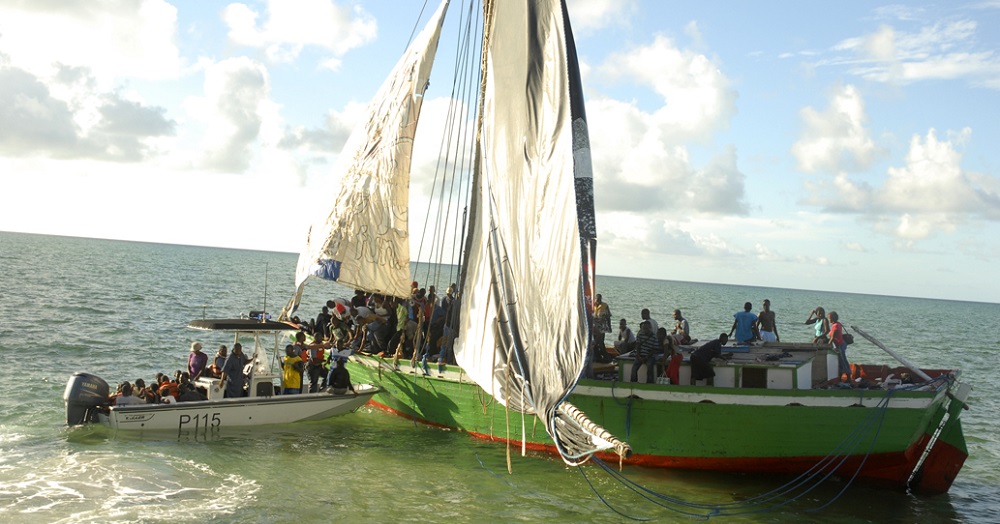
In the case of smuggling of undocumented migrants, there have been noticeable changes with the type of vessels being used and the maritime routes taken by smugglers to enter The Bahamas. In addition to using traditional sailing sloops, smugglers are now using conventional sailing yachts, as well as motorized boats that make it more difficult to detect them. To improve their chances of evading authorities, smugglers are also networking with locals in the islands.
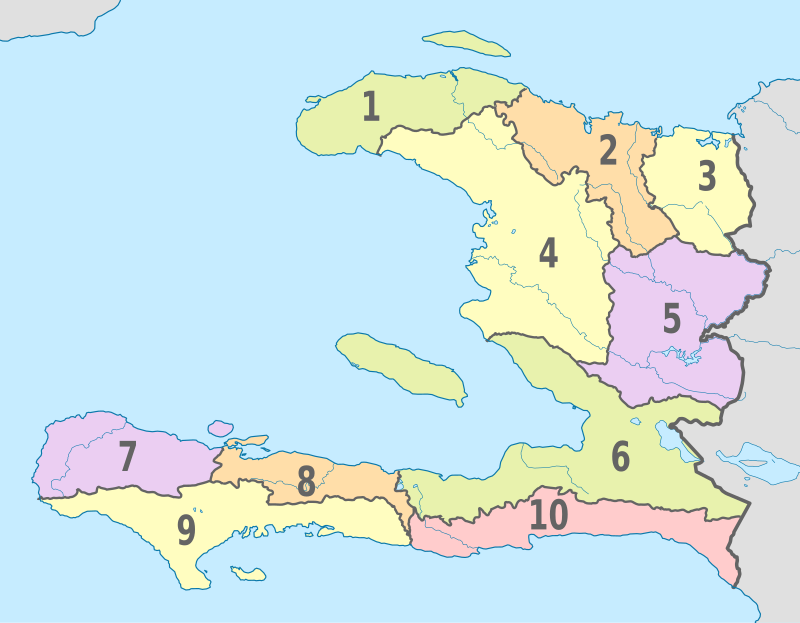
The thing that has not changed over many years is the improvement of border controls at the source country (the Republic of Haiti), which itself is challenged by a vast coastline and limited national resources to secure it. Thus, smugglers are able to operate freely at home, while placing more security demands on neighboring countries or territories such as The Bahamas and the Turks and Caicos Islands.
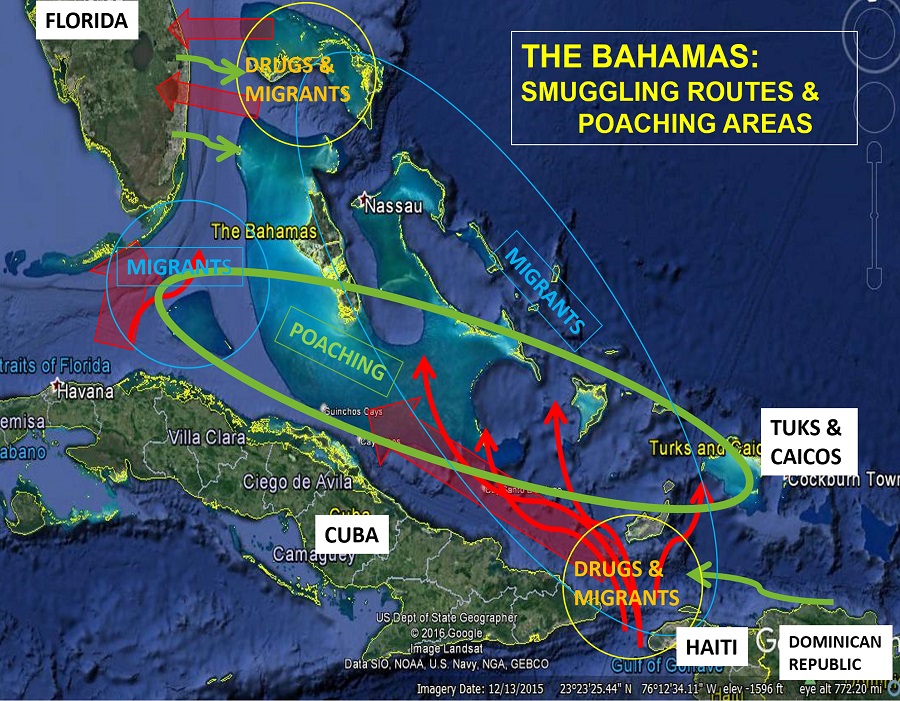
As the Defence Force makes headway in shutting down main smuggling routes, human smugglers naturally shift to new or alternative routes. With this balloon effect in play, common smuggling routes or access points now include the traditional northward passage, as well as additional maritime corridors in the southern Bahamas.
These access points exist from as far east as the Turks and Caicos Islands to as far west as Cay Lobos (on the ocean’s edge south of Andros Island). This southern gateway spans a distance of over 300 nautical miles (nm) making it possible for smugglers to by-pass Defence Force and US law enforcement assets operating in the south.
CLASSIC EXAMPLES
A classic example of how trends and patterns have changed over the years is seen in the matter involving the vessel that recently sank in waters off central Abaco on Saturday 2 February 2019. This tragic incident resulted in the loss of over 30 Haitian nationals. Their vessel struck a reef six miles off mainland Abaco and sank. It was not one of the traditional wooden sloops normally used for smuggling, but rather a modern 40-foot sailing yacht commonly used by hundreds of visitors to The Bahamas making it difficult for authorities to distinguish it as a human smuggling vessel. Additionally, the passage taken by this vessel could have very well been an irregular one off the eastern coast of our islands in the Atlantic Ocean.
Another example of changing trends is the influx of undocumented migrants being smuggled into the Turks and Caicos Islands. This British Overseas Territory at the southeastern end of The Bahama Island chain is extremely challenged by smugglers of Haitian nationals. With a tiny population of over 30,000 people, landings of undocumented migrants on these islands have been occurring more frequently with smugglers using traditional sloops, as well as motorized vessels with outboard engines.
Also, in January of this year, Cuban authorities intercepted a Haitian sloop with over 90 persons on board. This vessel was more than likely making its way westward along the Cuban coast with the hope of avoiding detection by Operation Bahamas Turks and Caicos (OPBAT) helicopters based in Inagua, US Coast Guard vessels patrolling the Windward Passage area near Haiti, and Defence Force patrol craft stationed in the south before heading northward anywhere along the extensive maritime boundary line between The Bahamas and Cuba.
OPERATION DECENTRALIZATION
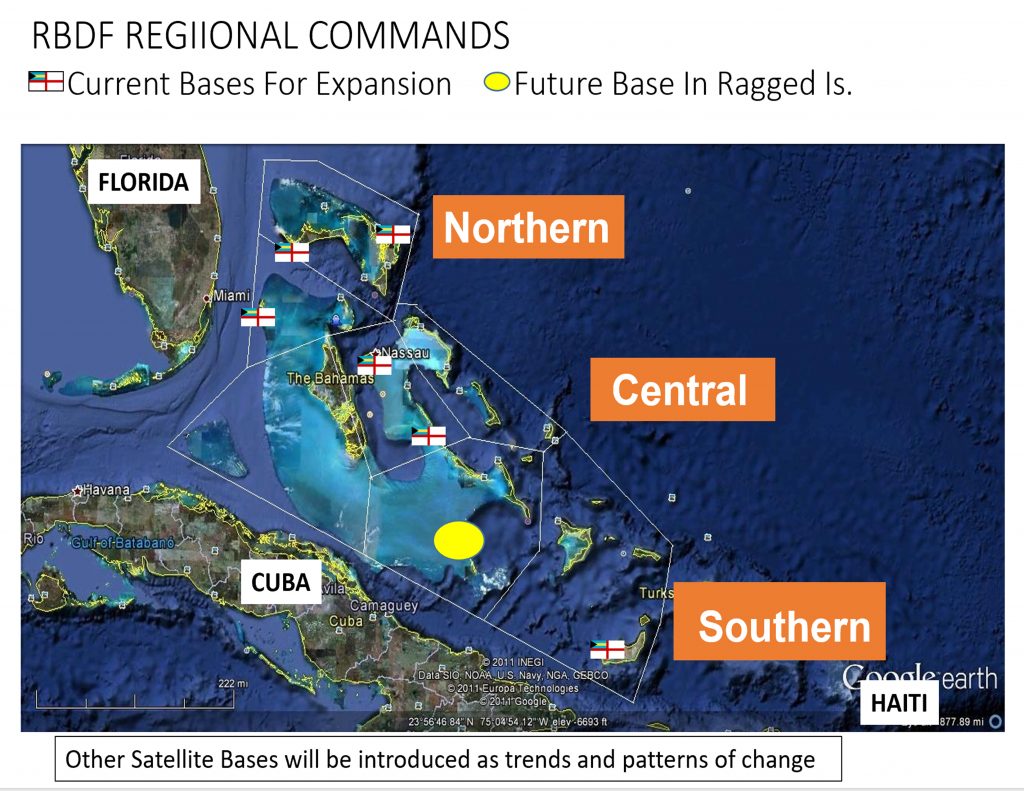
Although the Defence Force conducts patrols on short rotations in the southern Bahamas as part of its short term strategy, the organization is simultaneously unfolding its decentralization program through a multi-layered security approach with a collaborative approach for a sustaines and more effective effort. (
Presently, most Defence Force operations originate out of Coral Harbour Base in New Providence. Located in the north-central Bahamas, this base is over 300 nm from Inagua in the south and approximately 150 nm from the top of the Abaco chain in the north. New Providence-centric operations are time-consuming, ineffective and create much unnecessary wear and tear on ships and personnel for operations in the southern or northern Bahamas. The Defence Force’s decentralization program, therefore, requires the establishment of regional commands with fully operational bases at strategic locations in these areas over the next five years.
The decentralization program is designed to sustain the Defence Force’s presence at strategic locations throughout The Bahamas. The program will also reduce maintenance requirements on Defence Force ships and machinery, as well as limit undue stress on ships’ personnel when on 24/7 patrol assignments.
The nine ships that were acquired and the three major harbours yhat were dredged under the $232 million dollar Sandy Bottom Project during the period 2014 – 2017 constituted the first phase of the Defence Force’s decentralization program. The second and third phases of the decentralization program consists of the establishment of bases and the acquisition of detection and tracking technologies for the effective and efficient policing of Bahamian borders. These bases are needed to sustain the operations of ships and aircraft at strategic locations such as Inagua and Ragged Islands in the south, while detection technologies are instslled to enhance the efficiency of these operations.
A VAST MARITIME DOMAIN
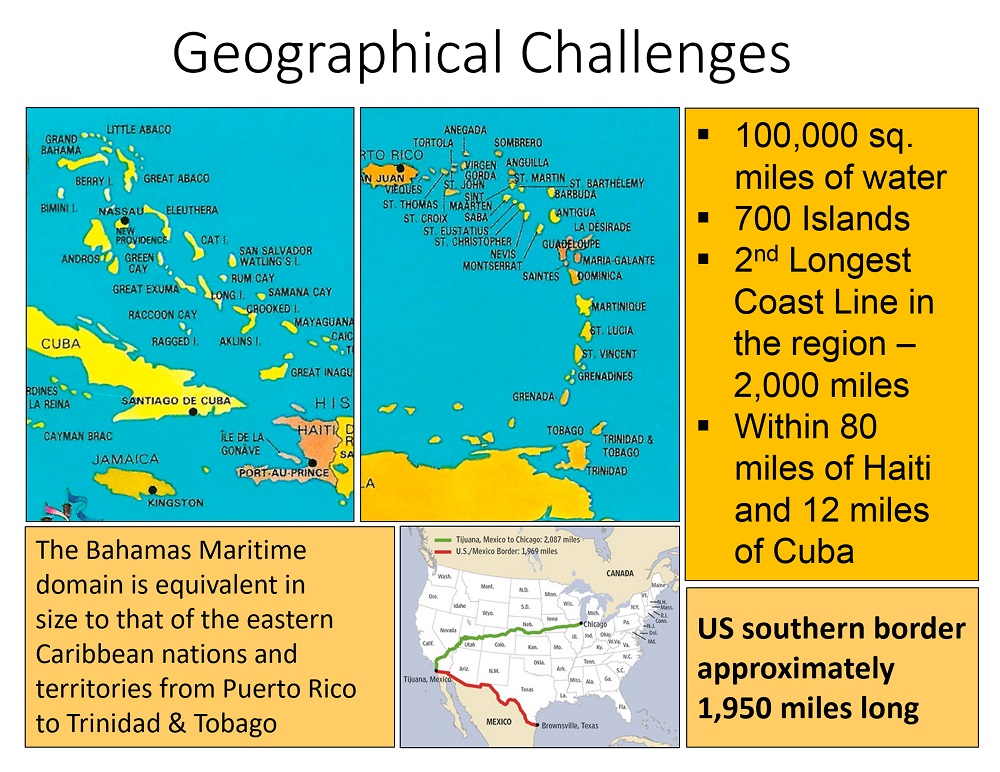
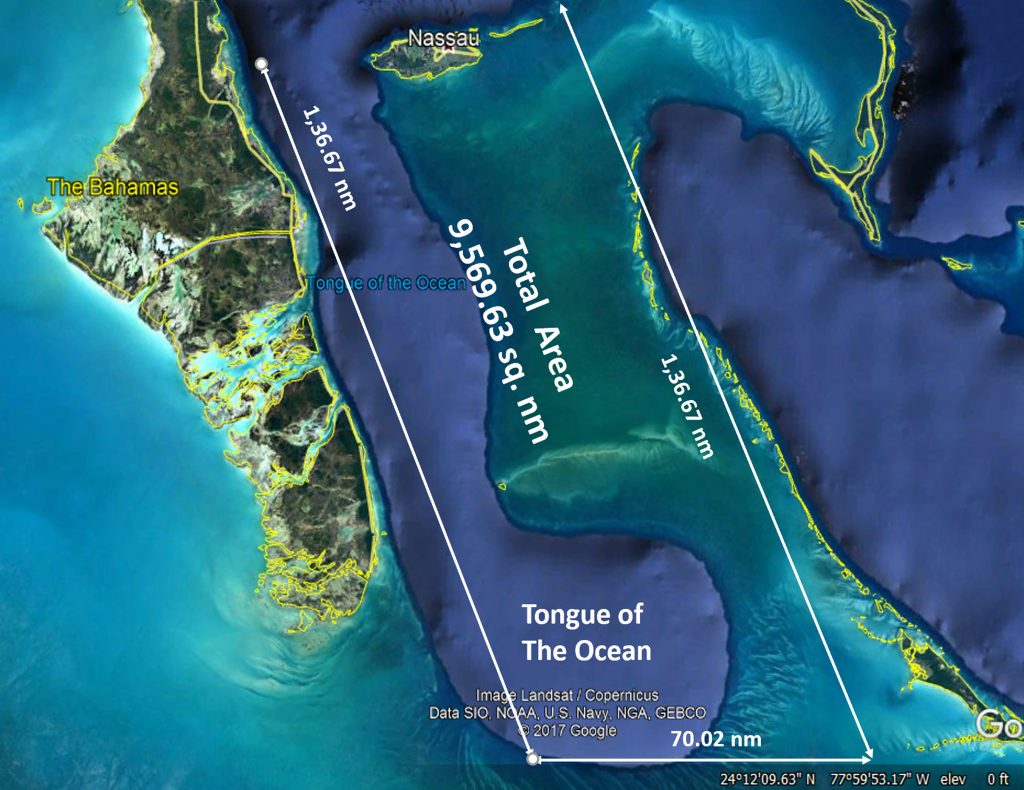
Unlike land patrols that have clearly defined boundaries with limited options for escape by criminals, the open sea has no limits. The vastness of The Bahamas maritime domain is severely underestimated by many. Take for example, how small the area just south of New Providence looks on a map. Often plied by Haitian sloops, this north-central area of the Great Bahama Bank is bounded by the Exuma Chain to the east, the Tongue of the Ocean to the west, and Green Cay near the southern end of the Tongue of the Ocean. In reality, this area alone covers over 9,000 square nautical miles of water. Compared to the 21-by-7-mile-wide New Providence Island where more than 70 percent of the nation’s population resides, this very small portion of the Great Bahama Bank is about 100 larger in size.
The average distance at which a low lying vessel, and in particular, a Haitian sloop can be seen on a clear day is approximately 3 to 7 miles with the naked eye during daylight hours. (Even regular marine radars are limited in detecting wooden Haitian sloops from a distance). In a very general sense, it would take several ships to maintain an effective watch over the 300 nm stretch of water between the Turks and Caicos Islands and Cay Lobos. Patrol effectiveness are all the more diminished during nighttime operations when smugglers travel most.
A recent example of the difficulty in detecting and tracking a human smuggling vessel is found when a patrol craft, a US Coast Guard Cutter, an OPBAT aircraft, and a police aircraft were deployed over several days to find a Haitian sloop that was initially sighted almost 200 nm southeast of New Provodence. In the end, the sloop was spotted by an OPBAT aircraft and intercepted by a Defence Force patrol craft on Sunday 16 February 2019 approximately 40 nm south of New Providence on the Great Bahama Bank.
The absence of adequate bases and patrol craft aided by appropriate detection and tracking technologies paints the picture of looking for a needle in the proverbial ‘haystack’ when searching for targets of interest. Without such technologies, more ships and personnel will be needed to keep a coastal watch on land and at sea with increased wear and tear on assets and personnel.
ACQUISITION OF REQUISITE TECHNOLOGIES
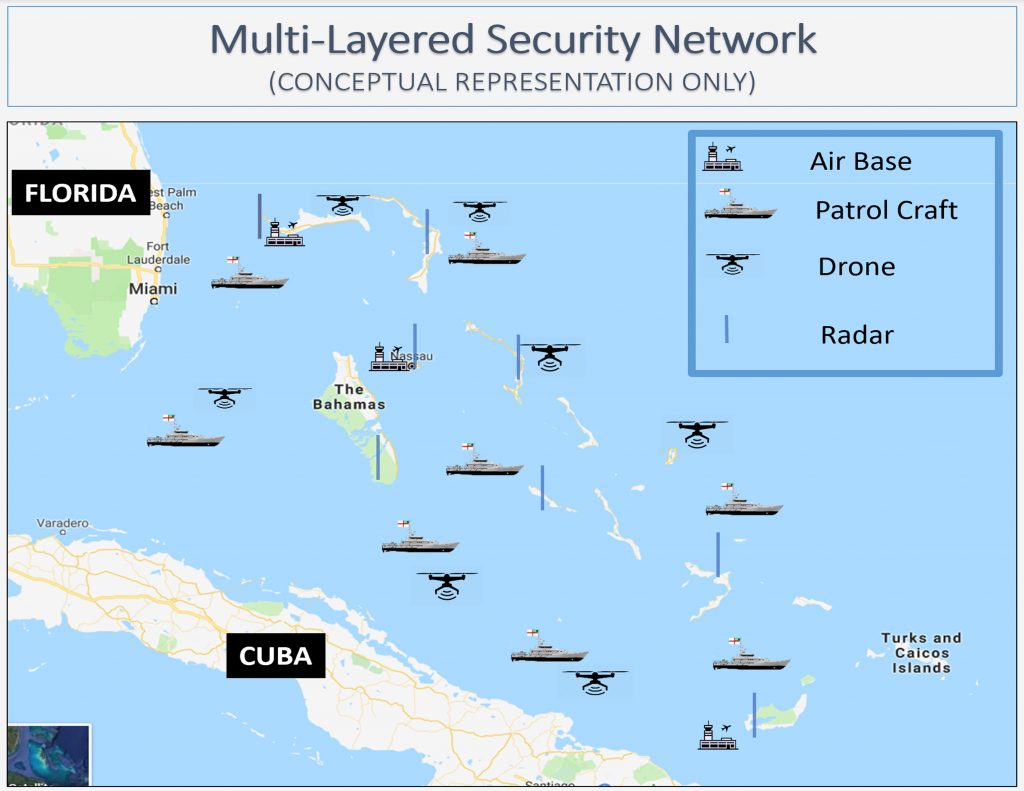
No single asset or detection equipment is going to solve today’s challenges. Each asset or equipment has its strengths and limitations; yet, their contributions are complementary to the success of effective border security. For example, the suspect vessel that a radar might fail to detect, might be located by a drone or an aircraft. The use of detection and tracking equipment is not a cure-all’; however, when used in a multi-layered approach, such technologies would enhance the chances of detecting and tracking illicit activities within The Bahamas’ maritime domain.
An effective decentralization program should therefore incorporate a multi-layered security approach consisting of ships, aircraft, radars, drones, Automated Identification Systems (AIS), Forward Looking Infra-Red Cameras, CCTVs, space satellites, and other detection equipment to enhance operational effectiveness.
Already, a coastal radar has been installed in Inagua inclusive of AIS equipment. It is the first in a series of coastal radars to be installed along our chain of islands with the financial support of the United States government. The US government has also funded a multi-million dollar communications equipment package that is being installed to improve Defence Force air, land and sea communications. Additionally, proposals have been received by the Ministry of Finance for the implementation of a multi-agency drone program that will consist of long and short-range drones to be managed by the Ministry of National Security.
INTERAGENCY AND REGIONAL COOPERATION

Furthermore, no single agency can roll back the tide of illicit activities. Interagency cooperation has been the mantra of the Minister of National Security, the Honourable Marvin Dames, ever since taking office in 2017. In further strengthening its resolve to prevent, monitor, detect, deter and/or apprehend those who violate our maritime laws, the RBDF continues to engage in collaborative efforts with its regional partners–the US, the Turks and Caicos Islands, the Republic of Cuba, and Jamaica–in the areas of information sharing and security cooperation with favourable results. The Defence Force also looks forward to engaging in security cooperation dialogue with its counterparts in the Republic of Haiti and the Dominican Republic through the office of the Ministry of Foreign Affairs.
THE WAY AHEAD
Undoubtedly, the way ahead requires significant investment, which is being addressed. In view of multiple maritime challenges confronting The Bahamas, the Defence Force is shifting from a reactionary approach towards the phased implementation of its decentralization program for the effective policing of borders of The Bahamas.
In the interim, the dedicated, hard-working men and women of the Defence Force will continue to adjust and adapt their mode of operating to overcome human smuggling and other illegal activities in collaboration with local and regiomal partners while the goal of decentralization is being realized.
(For further information please contact the RBDF Public Relations Department or visit our website: www.rbdf.gov.bs, follow us on Facebook, Twitter and view our Youtube channel)
-rbdf-
#GuardOurHeritage
#MarlinSpike
Press Release: RBDF

Bahamas News
Public Hospitals Authority Foundation Donates Dialysis Machines to Princess Margaret Hospital (PMH)
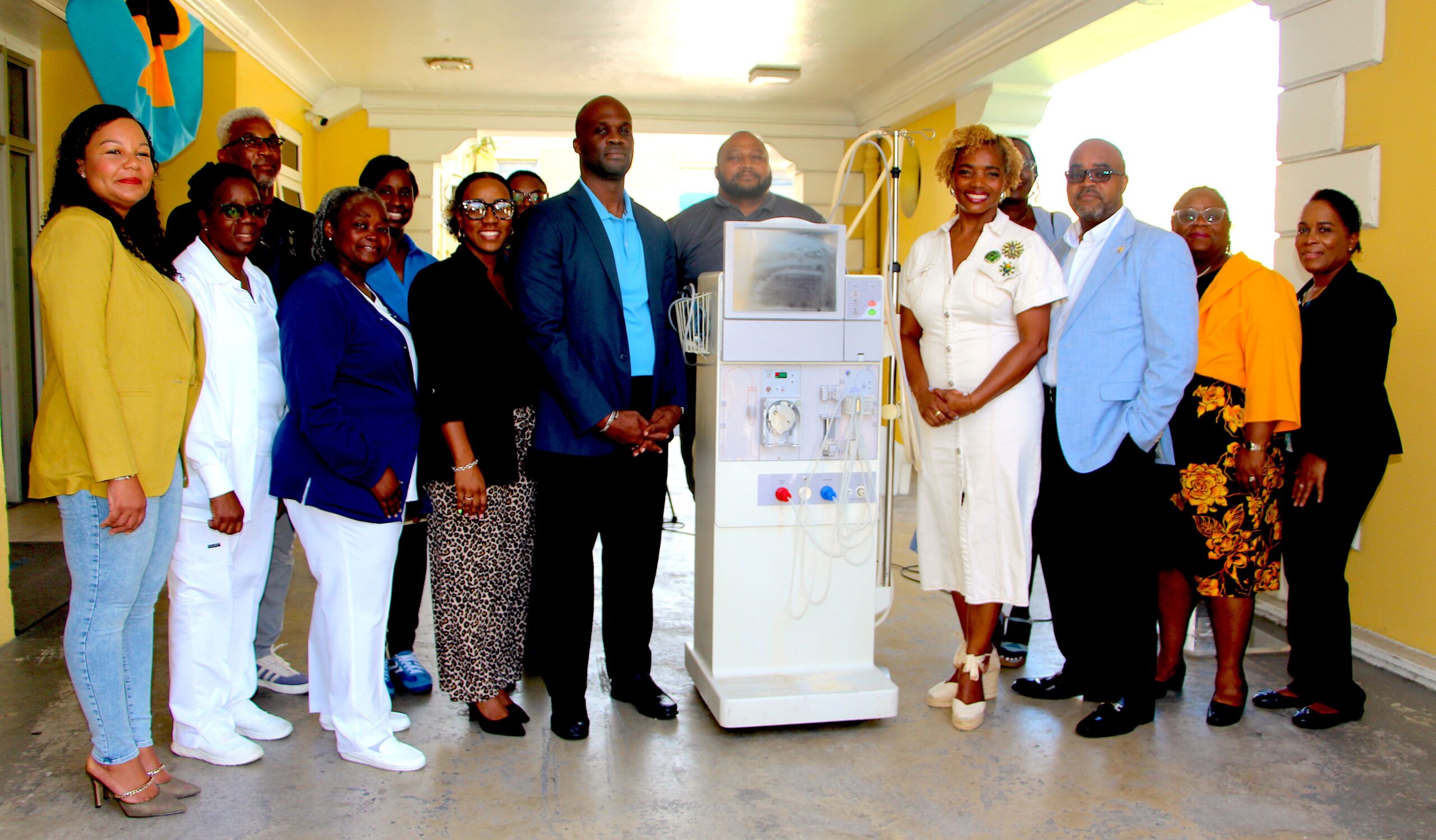
The Bahamas, September 21, 2026 – The Public Hospitals Authority (PHA) Foundation, a philanthropic organization launched in January 2024 to support public hospitals and healthcare clinics, donated eight additional dialysis machines for the PMH Renal Services unit.
Director of Foundations, Corporate and Community Relations for the Public Hospitals Authority and Executive Director of the foundation, Alana Major, said this initiative is a part of the foundation’s “Sun, Sea and Second Chances” campaign. PHA Foundation aims to secure 30 machines for Princess Margaret Hospital.
“As of today, with this donation, we are now up to 15 machines, so we are very excited about that,” Ms. Major said.
Other members of the foundation were present, including PHA Foundation Chairman Mr. Selvin Basden, who said the foundation is committed to doing its part in fulfilling the mandate of the Government of the Bahamas.
“One of the tenets of the Government is to ensure that access to healthcare is a human right. We are committed to ensuring that, at least from our part, we can deliver on that principle,” Mr. Basden said.
The PMH Renal Services Unit dialyzes about 150 to 170 patients annually. The unit provides care for patients who have been diagnosed with end-stage kidney disease and now need renal support. Patients who receive dialysis typically come to the unit three times a week, either on a Monday-Wednesday-Friday schedule or a Tuesday-Thursday-Saturday schedule.
Head of Department for Renal Services, Dr. Thurston Carroll, said she and the unit are excited to receive the donation, as it will replace machines that are not operating optimally.
“We are particularly excited about today’s donation because, although we have 20 stations within the dialysis unit, we have an aging fleet. These new machines and new water-treatment equipment will allow us to replace some of our aging equipment so that we can continue providing services to our patients.”
Foundation representatives noted that one or two organizations are already considering making bulk donations and if it happens, the foundation may be able to secure another 10 machines or another five machines in the very near future.
PMH Deputy Hospital Administrator Angelica Lockhart-Bastian and Hospital Administrator Mr. Tevard Bastian thanked the PHA Foundation for its donation to Princess Margaret Hospital.
Also in attendance were PHA Foundation Deputy Chairman Dr. Erecia Hepburn; Foundation guest Dr. Maria Oriakhi; Chief Biomedical Engineer Mr. Theodore Nottage; Administrative Officer Ms. Appapisa Neely; and Senior Assistant Hospital Administrator Mr. Valdez Bowe.
By Christina Williams
Bahamas Information Services
BIS Photos/Mark Ford
PHOTO CAPTION:
Group Photo, from left:
– Dr. Rhea Thurston Carroll, Director, Renal Services, PMH
– Nurse Kim Harris, Dialysis Nurse, Dialysis Unit, PMH
– Sister Darnell Roker, Nurse Manager, Dialysis Unit, PMH
– Mrs. Angelica Lockhart-Bastian, Deputy Hospital Administrator PMH
– Mr. Tevard Bastian, Hospital Administrator PMH
– Mrs. Alana Major, Director, Foundations, Community and Corporate Relations, PHA
– Mr. Selvin Basden, Chairman, PHA Foundation
– Dr. Erecia Hepburn, PHA Foundation Board
– Ms. Donette Danvers, Executive Assistant, Foundations, Community and Corporate Relations, PHA
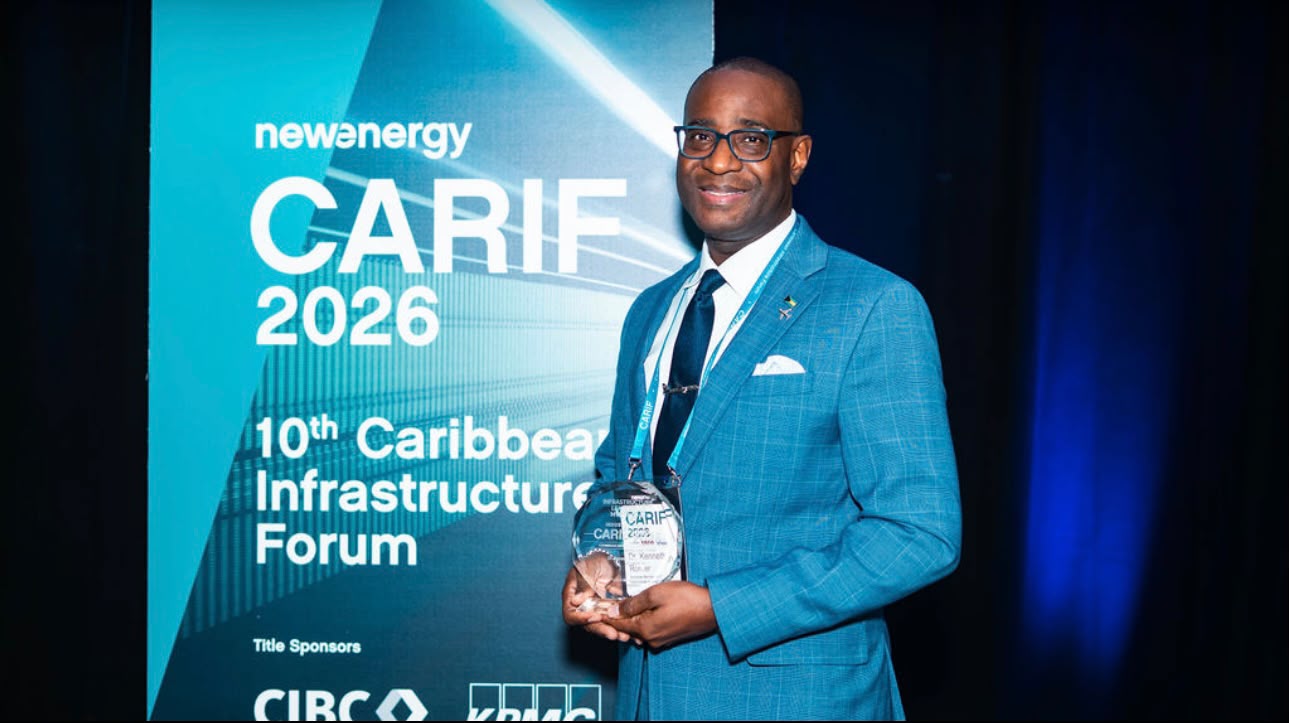
Miami, Florida – Director of Aviation and Deputy Director General of Tourism, Dr. Kenneth Romer was presented with The 2025-2026 Infrastructure Leadership MVP Award, during the 10th Annual Caribbean Infrastructure Forum (CARIF) held in Miami September 15-16, 2026.
According to event organizers, New Energy Events, the MVP Leadership Award is the highest individual honor in the industry and is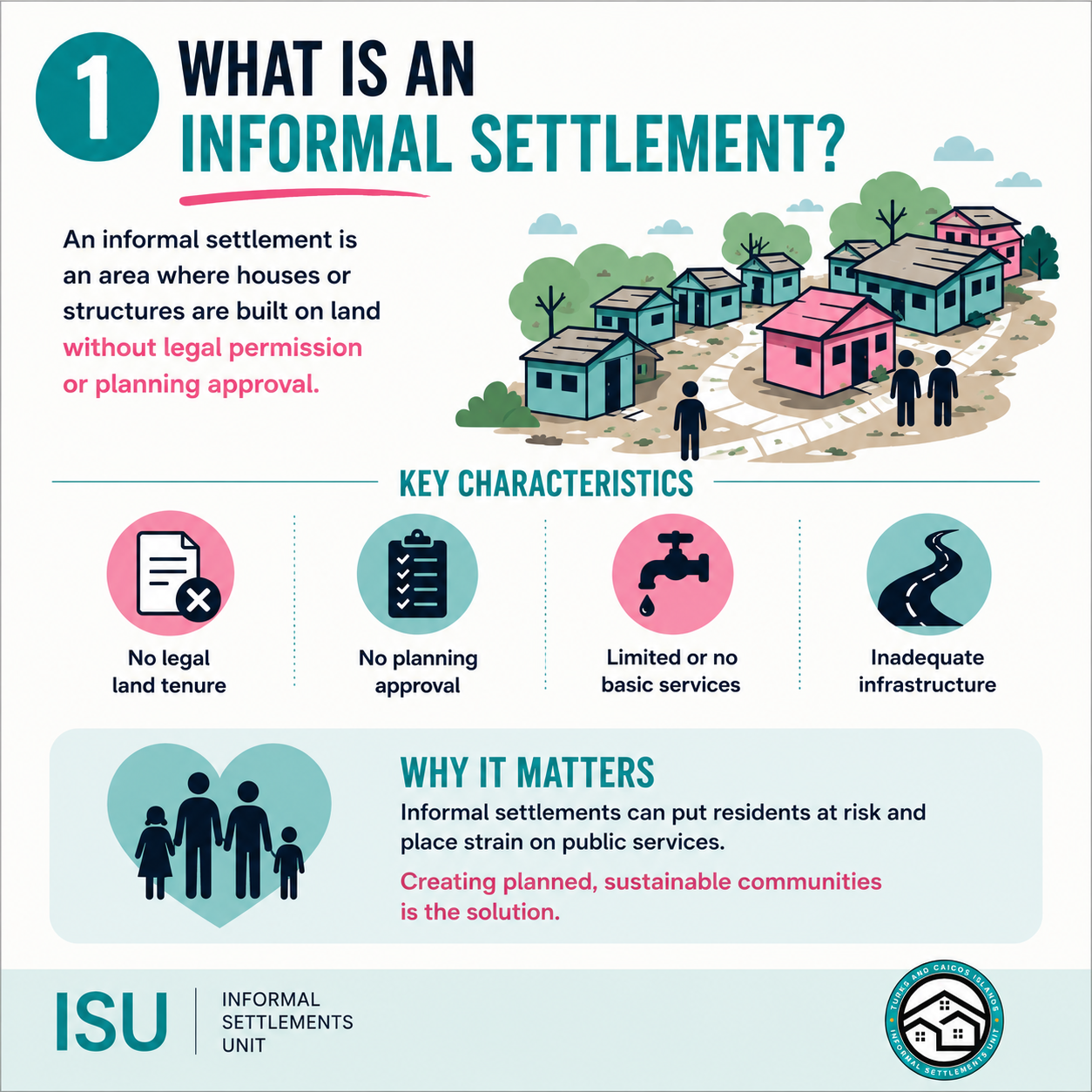 presented to an individual who has demonstrated exceptional, strategic and visionary leadership in advancing infrastructure in the Caribbean. Chosen by an independent jury of regional industry leaders, “The recipient is recognized for their sustained impact, influence across sectors, and dedication to driving meaningful progress in policy, investment, or project delivery”, said Event Organizers.
Romer becomes only the third person from the Region, and the first from The Bahamas to receive the Leadership MVP Award, joining last year’s winner The Honourable Mia Mottley, Prime Minister of Barbados.
Represented among the Conference Speakers and present at the Award Ceremony was Minister of Energy, Utilities and Aviation, The Honourable JoBeth Coleby-Davis, who said that, “This award amplifies The Bahamas Government’s commitment to executing a vision that sets the benchmark for infrastructural investments opportunities across our archipelago while supporting exemplary Bahamian leaders like Dr. Romer, who are steering the Caribbean toward more resilient, investable, and innovative infrastructure”.
“While this award is deemed an individual honor, it is a recognition of the Bahamas’ position as a respected regional leader and more so, a reflection of the incredible talent that resides within our small, but indomitable nation that continues to punch above its weight class as the world marks the manner of our bearing”, said Dr. Romer.
Dr. Romer has been instrumental in driving post-pandemic tourism recovery alongside the transformation of airports across the Family Islands through the Government’s landmark Family Islands Renaissance initiative. Under his leadership as Director of Aviation and Deputy Director General of Tourism, the sector has embraced a strategic, forward-looking approach focused on modernizing over 19 runways and terminals, strengthening safety and resilience, expanding international and regional connectivity, and leveraging public-private partnerships to deliver world-class facilities.
Dr. Romer’s work has helped translate the National Aviation Strategic Plan into tangible infrastructure projects that are creating new opportunities for tourism, investment, entrepreneurship and economic growth across the archipelago.
In 2025, he became the first person from the Caribbean and LATAM Region to be appointed to the Board of the International Association of Airports Executives.

NASSAU, Bahamas –— This back-to-school season Caribbean Bottling Company (CBC), the local producers of Coca-Cola and Dasani products, is offering huge wins for parents and guardians in their Level Up and Win Lunchtime giveaway.
The promotion encourages consumers to share their best lunch bag creations featuring the following products, Honest Kids juice box, Minute Maid 12oz Fruit Cooler and Dasani 12oz. water. Now until September 30th, the public can post or privately share a photo or video of one of the listed products in their lunch bag.
At the end of the promotion, the top five lunch bags will be shared on social media, and consumers will have the opportunity to vote on their favorite lunchtime creations. Prizes include a $200 Kelly’s gift card, $150 John Bull gift card and six-months’ worth of each product.
Lauryn Clarke, Marketing Coordinator of Caribbean Bottling Company, shared what inspired this promotion.
” The back-to-school season is all about getting kids excited for the year ahead, and lunch boxes are a big part of that fun. We wanted to remind parents and guardians that hydration should be just as important as what is being learned in the classroom. This promotion is about encouraging families to pack a refreshing beverage their kids will enjoy and make hydration part of their everyday school routine,” Clarke said.
With a variety of brands and new flavors featured in this promotion, particularly Honest Kids’ newest flavor, Strawberry Peach Keen, and the new 12 oz. Minute Maid Fruit Coolers, CBC hopes this lunchtime giveaway will appeal to new consumers.
For more details on the Level Up and Win Lunchtime promotion, new products and events visit caribbean_bottling on social media.





-
 Education1 week ago
Department of Education Concludes Four-Day TCI National Standards Secondary School Curriculum Implementation Training
-

 Independent writer1 week ago
Fifty Years of Ministerial Government: Honouring Our Past, Embracing Our Present and Preparing for Our Destiny
-
 News1 week ago
UNDER 40 DAYS: COMMITTEE FORMED—BUT WHO IS ON IT?
-

 Health6 days ago
Know the Possible Warning Signs of Prostate Cancer
-

 Independent writer1 day ago
Letter to The Editor
-
 News4 days ago
Liberty Business launches in Turks and Caicos Islands
-
 Education5 days ago
TCI Schools Invited to Participate in 2026 National Student Council Election
-

 Bahamas News15 hours ago
Lunch Bag Wins this Back-to-School