
TCI News
TCI: PDM Govt reports constitutional talks stalled, UK demands cross-party support

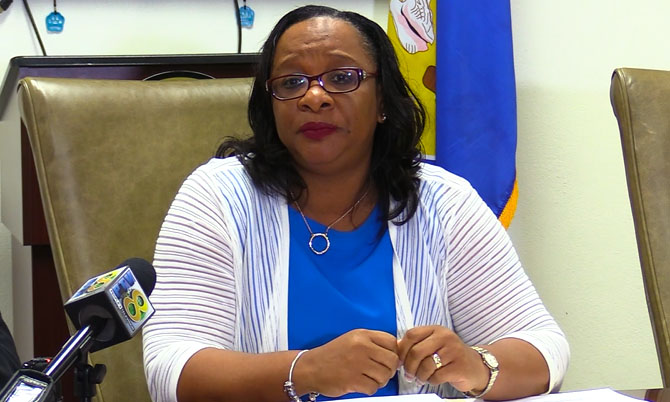
#Providenciales, December 13, 2018 – Turks and Caicos – The no-show by the Opposition PNP has caused another delay in constitutional reform talks between the Turks and Caicos and the United Kingdom as the Foreign and Commonwealth Office closed the curtain on the PDM’s solo performance.
 Reading from one of several letters received by the Turks and Caicos Islands Government from the FCO between 2015 and 2018, Premier Sharlene Robinson gave the nation the grim news in the words of Foreign Office Minister Lord Tariq Ahmad: “I am also concerned that the new recommendations do not have cross party agreement. I have seen that the Leader of the Opposition issued a press statement distancing himself and his party from this exercise. If that is the case then as you will be aware, the UK Government cannot consider these proposals until there is cross-party agreement. I would be grateful if you could confirm this point when we meet for our bi-lateral after the Joint Ministerial Council on 6 December.”
The letter was issued to Premier Robinson and TCI Governor, His Excellency Dr. John Freeman.
The Progressive National Party never joined the PDM for that annual bi-lateral meeting in London last week; therefore the cross-party support required by the UK Government for the suggestions to be considered stalled discussions and new talks have been deferred.
The Premier, during the question and answer period of the press conference held at her office in Providenciales on Tuesday afternoon, explained that this was the first time the Turks and had seen a lack of bi-partisan support on the matter of constitutional reform in modern times.
Premier Sharlene Robinson charged the former PNP Administration with also misleading the public on the 2015 recommendations for constitutional change.
“This made the actions of the PNP abundantly clear. Whilst we know that their actions are political and meant to be stifling, they knew full well that these proposals were not even under consideration and had in fact, misled the entire country. HMG has been sure to cast blame back on us as a people and have refused to progress the other proposals submitted because the PNP had distanced themselves from the discussions. The PNP’s actions have once again harmed constitutional efforts …” said Premier Robinson, who was joined by Deputy Premier Sean Astwood.
The PDM was blind-sided by the FCO’s information that the 2015 recommendations from the Constitutional Commission were not eligible for reconsideration and by a proposal for change to the Crown Land Ordinance, submitted in 2015 by the Rufus Ewing-led administration.
“We remain disappointed that the PNP would play games, as it were, with this matter. Their word cannot be trust and we are again disappointed to likewise report to this country that they had also received response on the crown Land submission of 2015 and these were likewise rejected, we were advised by the UK Government under similar circumstances.”
The Premier reported, in the debriefing with media, that she reiterated the constitutional recommendations are from the People of the Turks and Caicos and bear reconsideration. It was also conveyed by Madame Premier that work by her administration to return as soon as possible to the negotiating table on the 2011 Constitution and the  Crown Land Ordinance begins immediately.
“Having now fallen into post Brexit final quarter we expect a delay, but will finalise our submissions this month and engage again early next year. We will of course remind the people of their submissions before submitting. And we have received a commitment from the Minister in the UK to receive these proposals. We believe that the people have spoken and their voices must be respected.”
Premier Robinson said this is no time to play politics and characterised the UK’s willingness to field submissions from all of their overseas territories as an ‘opportunity’ not to be missed.
The Opposition PNP has reported that by end of January it will have a newly elected leader and will therefore resume bi-partisan participation on constitutional reforms.
#MagneticMediaNews
#constitutionaltalksstalled

News
50 Years of Ministerial Government: Cabinet Moves to Mark Milestone Rooted in 1976 Constitution
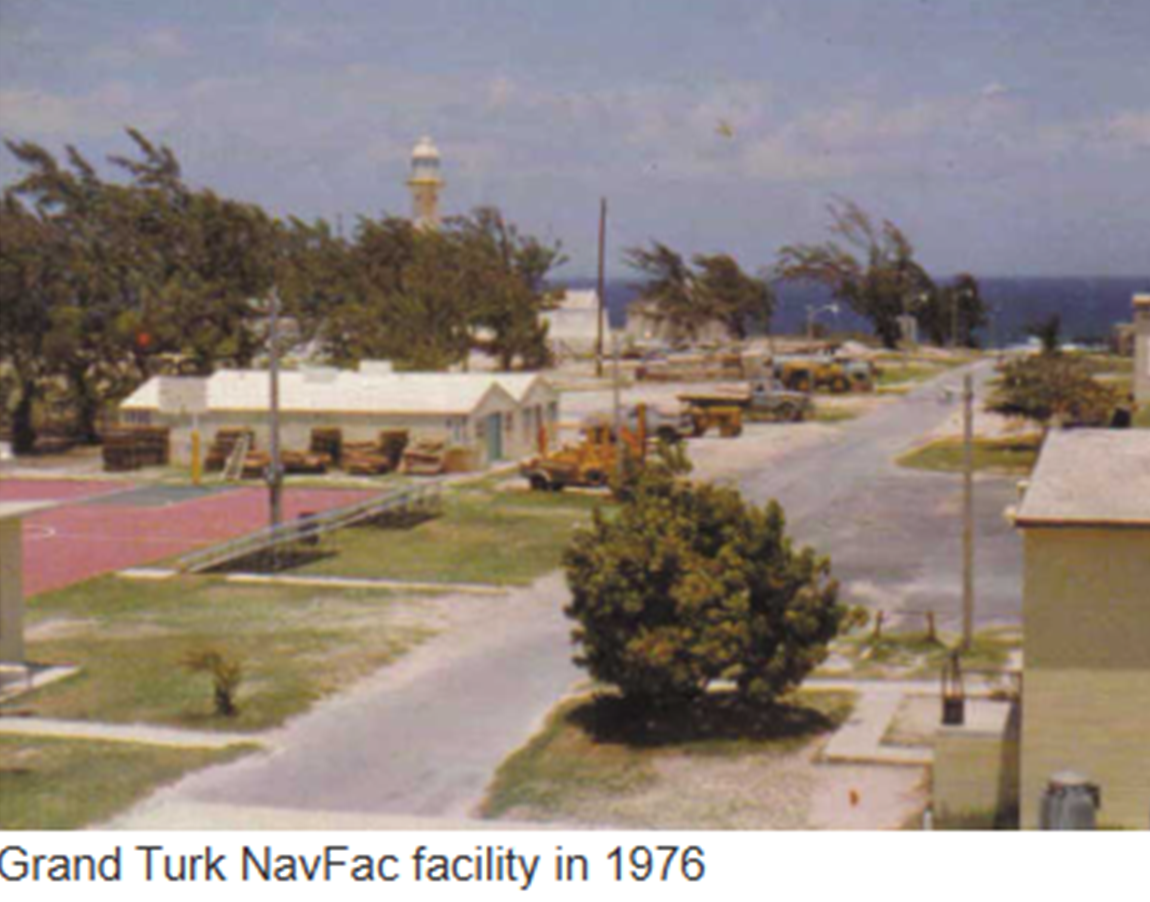
Turks and Caicos, March 30, 2026 – The Turks and Caicos Islands is preparing to mark a major political milestone, with Cabinet approving the establishment of a National Commemorative Committee to celebrate 50 years of ministerial government, a system first introduced under the 1976 Constitution.
The decision, confirmed in the February 10 Post Cabinet statement, signals a year of reflection on a governance model that fundamentally reshaped how the country is run — shifting from direct colonial administration toward locally led political leadership.
That shift was formalized in the Turks and Caicos Islands Constitution Order 1976, which laid the legal foundation for ministerial government and introduced a structured Executive and Legislative system.
At its core, the 1976 Constitution established an Executive Council, bringing together:
- a Governor,
- a Chief Minister elected by members of the Legislative Council,
- and Ministers appointed to assist in governing the Islands.
A Very Different Government Back Then
If today’s Cabinet feels crowded, the 1976 version would have seemed almost unbelievable. There were just three Ministers serving alongside the Chief Minister — a tight, compact leadership team responsible for the affairs of an entire country. No sprawling list of ministries, no long roster of portfolios — just a handful of individuals carrying the weight of governance.
Becoming a Minister wasn’t a direct vote of the people either. You first had to win a seat in the Legislative Council, and from there, the Chief Minister would recommend who should serve. The Governor then made the appointments. In other words, political trust and alignment mattered just as much as public support — and ultimate authority still rested above the local leadership.
And as for job security? There wasn’t much of it. Ministers served without fixed terms and could be removed if they lost their seat, resigned, or if the Governor revoked their appointment. Even the Chief Minister could be ousted through a vote of no confidence. Add to that the basic requirements — being at least 21, a British subject, and meeting residency rules — and it’s clear that ministerial government in 1976 was not only smaller, but far more tightly controlled.
This marked the first time elected representatives were formally given defined roles in the administration of national affairs.
Under the Constitution, the Governor retained overarching authority, but was required in many instances to act on the advice of the Executive Council, particularly in shaping policy and overseeing government operations.
The Chief Minister, meanwhile, was positioned as the central political leader, responsible for directing government business and advising on the appointment of Ministers.
Importantly, the Constitution also allowed for the assignment of responsibilities to Ministers, giving them oversight of specific areas of government — a structure that remains at the heart of today’s Cabinet system.
Section 13 of the Order made clear that Ministers could be assigned responsibility for the administration of departments or government business, embedding accountability and functional governance into the system.
The Legislative Council, established alongside the Executive, provided the law-making body, with elected and appointed members participating in debates, passing legislation, and representing the interests of the Islands.
Together, these provisions created the framework for what is now recognized as ministerial government — a hybrid system balancing local political leadership with constitutional oversight by the Governor.
The explanatory note of the 1976 Order describes it as introducing “new provisions for the Government of the Turks and Caicos Islands,” including the creation of a Legislative Council with elected members and Ministers appointed on the advice of the Chief Minister.
Fifty years on, that structure has evolved through subsequent constitutional changes, but its foundation remains rooted in the 1976 framework.
Cabinet’s decision to establish a commemorative committee suggests that the anniversary will not only celebrate political progress, but also invite reflection on how effectively the system has delivered on its promise of representation, accountability, and governance.
As the Islands approach this Golden Jubilee, attention is likely to turn not only to the achievements of ministerial government, but also to the ongoing question of how the system continues to serve a modern and rapidly developing Turks and Caicos Islands.
Developed by Deandrea Hamilton • with ChatGPT (AI) • edited by Magnetic Media.

Turks and Caicos, March 30, 2026 – The Turks and Caicos Islands Government has signaled changes to its tourism funding framework, with Cabinet approving draft amendments to the Destination Management Fee Act 2023.
The decision was confirmed in the Post Cabinet statement following the February 5 meeting, chaired by Governor Dileeni Daniel- Selvaratnam, where members agreed to move forward with revisions to the law governing the collection and administration of the fee.
The Destination Management Fee, introduced in 2023, is applied to travelers entering the country and is embedded within the cost of travel. The charge was designed to support tourism-related development, including marketing, infrastructure, and sustainability initiatives.
At the time of its introduction, the fee was linked to the establishment of a Destination Management and Marketing Organisation (DMMO), which was expected to coordinate tourism strategy and enhance the visitor experience.
However, recent developments have shifted that landscape.
The DMMO has since been discontinued, raising new questions about how funds generated through the fee are being managed and what structure will now guide tourism development efforts.
The Cabinet note does not outline what specific changes are being proposed under the amended legislation.
It also does not indicate whether adjustments will be made to:
- who pays the fee,
- how it is collected, or
- how the revenue is allocated and overseen.
The move to amend the law comes amid broader government efforts to strengthen revenue collection and compliance, including updates provided to Cabinet on the work of the Drag-Net Steering Committee — a multi-agency initiative focused on improving government revenue systems.
The lack of detail surrounding the amendments leaves several key questions unanswered, particularly given the fee’s direct impact on both visitors and residents and its role in supporting the country’s tourism economy.
Any changes to the Act would require further legislative steps, including presentation to the House of Assembly, before taking effect.
For now, the Cabinet’s approval signals that the government is moving to revise a policy that is already in force — but without yet disclosing how those revisions will alter the current system.
As tourism remains the backbone of the Turks and Caicos Islands economy, clarity on the future of the Destination Management Fee — and the framework it supports — is expected to be closely watched in the weeks ahead.
Developed by Deandrea Hamilton • with ChatGPT (AI) • edited by Magnetic Media.
Photo Credit: TCIAA

Turks and Caicos Islands (March 30, 2026) – Leading telecoms provider Flow has strengthened its commitment to community welfare with a substantial donation of personal care and self-care items to the Turks and Caicos Islands Red Cross, marking a significant contribution in support of International Women’s Month.
The donations, collected throughout March under the theme ‘Give to Gain’, were driven by Flow’s internal initiative, ‘ProjectEmpowerHER’ where employees across the business contributed essential feminine items, underscoring the company’s continued dedication to supporting the health, dignity, and well-being of women and girls across the Turks and Caicos Islands.
“International Women’s Month serves as a powerful reminder of the work still required to support women in our communities,” said Joanne Missick, Country Manager, Flow Turks and Caicos.
“Through ‘ProjectEmpowerHER’, our team wanted to take meaningful action and the ‘Give to Gain’ theme highlights that when we support others, we strengthen the entire community. I am incredibly proud of the generosity shown by our staff, and equally proud that Flow can play a part in creating safer, more supportive environments for women across our islands.”
The handover ceremony, held this week at the Red Cross headquarters, represents an important component of Flow’s corporate social responsibility agenda.
“We are extremely grateful for this contribution from Flow,” said Tuvol Higgs, Office Manager, Turks and Caicos Islands Red Cross.
“Partnerships like this reinforce the strength of our community network, and Flow’s support allows us to extend our reach even further. Their generosity will make an immediate and meaningful difference in the lives of the women we serve.”





-

 News4 days ago
Password to Paradise Radio Remotes at Beaches Turks & Caicos continue to highlight the TCI as the preferred Caribbean destination
-

 News5 days ago
Beaches Turks & Caicos adds four new PADI Dive Instructors to the cadre of professionals in the watersports department
-

 Health1 week ago
Turks and Caicos Islands Hospital Celebrates Patient Safety Awareness Month: “Team Up for Patient Safety”
-

 News5 days ago
Beaches Turks & Caicos shares fine dining experiences to high school students in Providenciales
-
 Health1 week ago
Turks and Caicos Islands Medical Association (TCIMA) Elects New Executive
-

 Bahamas News3 days ago
Bahamasair Backs Surge as Bahamians Flood South Florida for V.J. Edgecombe Showdown
-

 News1 week ago
Flow TCI supports ‘Stars of Tomorrow’ at Inter-Primary Track and Field Championships
-

 News1 week ago
The Turks and Caicos Islands Featured in Top Canadian Publications