
Bahamas News
MM Clean Campaign – What is Littering

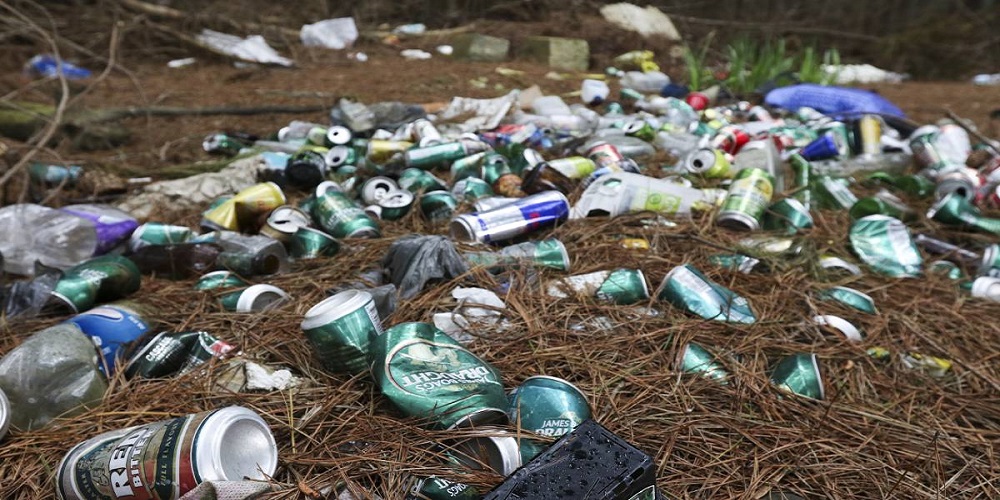
October 11, 2018 – Litter is nothing but a piece of waste or rubbish that has been disposed improperly, without consent and at wrong location.  Littering simply means throwing away objects on the ground or leaving them lying on the ground instead of disposing them at garbage can, recycling bin or trash container. The waste that originates from houses, industries, factories should be placed either in recycling bin or waste to energy plant or at a site meant for disposing garbage.
Litter can originate from construction and demolition sites, households, uncovered trucks, pedestrians, and moving vehicles. Apart from that, unavailability of garbage bins and being too lazy to walk to a trash container are other reasons for littering. Uncovered trucks, pedestrians and moving vehicles are some other
As far as littering effects are concerned, it has economic, legal and environmental impact in the form of spending millions of dollars in cleaning up litter, huge fine if caught littering from vehicle and damage to our surroundings that can have effect on plants and animals and can cause loss to the local tourism industry.
Plain and simply, littering is wrong. We have trash and garbage cans for a reason, so why throw away your trash on the ground when you could throw it away in its intended place? People still litter, largely for the following reasons:
– Laziness
– The area is already messy, why bother finding a trash can?
– People don’t realize that with littering, there do come consequences
– The garbage cans are already overflowing
– My neighbor litters, so do I!
–  Really? It’s just one paper!
– People are starving in Africa! What do you care about littering?
– The garbage can is too far away
The list could really go on forever. People come up with countless excuses to throw their piece of trash down on the ground instead of taking the short amount of time to find a garbage can and properly throw it away. But littering does have consequences, and here are some facts that may surprise you. They include, but are not limited to, ecological, financial and lawful consequences:
Facts About Littering
- Household waste, industrial waste, construction waste and other like packaging waste are most common types of sources of litter.
- It doesn’t look to nice. Places with high littering are also often riddled with crime, less values on homes and property, and are more likely to be the site of fires. You could ultimately end up losing money on your house.
- Litter on the ground degrades natural areas and kills plants and animals. All that it takes is for a cat to get stuck in a bottle or a bird getting caught up in a soda can holder.
- Billions of tons of litter are dumped into the ocean each year, and it is more than the 250 million trashes that is being generated each year too. When you toss your garbage on the sidewalk or on the highway, you may in reality be throwing it away into the Atlantic. This leads to the repeated killing of fish on a daily basis and the gradual depletion of marine life. Believe it or not, the litter we produce are causing more underwater species to become endangered.
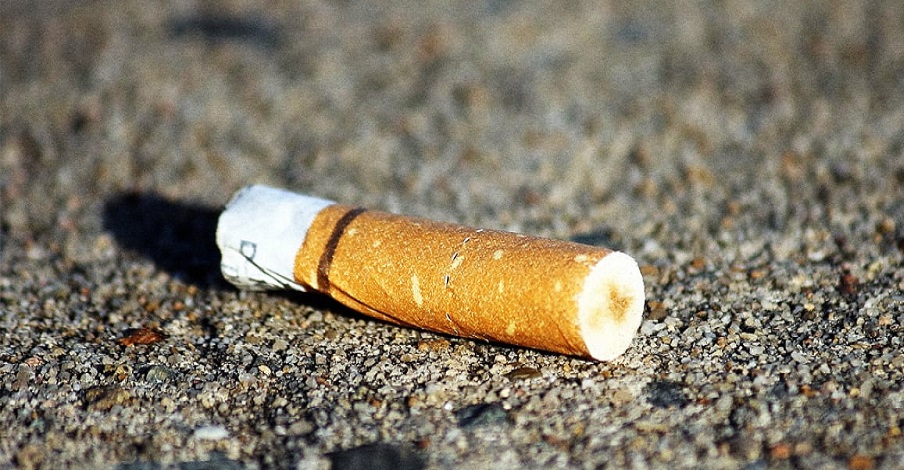
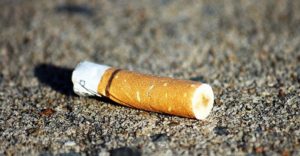 Cigarette butts make up over half of our littered objects, and they take a grand total of ten years to decompose because of a cellulose acetate, contrary to the popular perception that cigarette butts decompose very quickly in only a matter of days. In reality, cigarette butts are a serious threat to the environment.
- The main causes of littering are laziness, ignorance, people don’t realize the effects of littering, the bins are dirty and not big enough, there are enough bins and moreover those bins aren’t emptied often enough, poor parenting and education, there is no fine for littering, one person can’t make a difference, no sense of pride, not bothered about effects of littering.
- The most common littered objects include the following in descending order: fast food, paper, aluminium, glass, and plastic. It turns out someone would rather toss their burger wrapper and empty soda on the street than find a garbage can, and not surprisingly, this is done on roadside and highways.
- Litter can be controlled. People need to be educated regarding ill effects of littering. Education plays an important role here. Children needs to be taught at elementary level as how littering can can cause environmental impact. They can also teach others they see littering and and teach them to dispose of garbage the right way.
- Litter is smelly and dirty and can be dangerous and unhealthy for our environment. It affects communities and people who live there. It could be poisonous for plants and animals. It can have a severe impact on tourism.
 Fast food wrappers and aluminium cans are two most common type of items that are found while cleaning litter.

- Litter when not covered on a truck bed can cause it to blow out without the driver knowing.
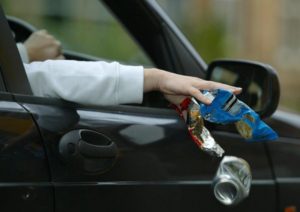
- Do not throw litter from a vehicle as it may cause damage to surroundings and can have a bad effect on local tourism industry.
- Litter can hamper economic development of a community. When new businesses look for a dynamic growing community where their businesses can grow, they would hardly be interested in setting up new ventures, if they see a lot of litter around.
- Reducing litter is just a 3 step process: stop littering, pick up litter, report if you find someone littering illegally.
Article: Conserve Energy Future


PHOTO BY SIXERS NATION
Bahamian pride is already on full display in South Florida, with fans arriving in strong numbers ahead of tonight’s highly anticipated NBA matchup featuring VJ Edgecombe and the Philadelphia 76ers.
Helping to power that movement was Bahamasair, which rolled out a strategic promotion to facilitate travel, turning the game into a full-scale national showing.
And the celebration started early.
A “Bahamas Invades Florida” pre-party over the weekend set the tone, with Bahamian fans, DJs and supporters converging in Fort Lauderdale to build momentum ahead of the game. The event, marketed as a major cultural gathering, has spilled into Miami, where a strong Bahamian presence is expected inside the arena tonight.
This is no ordinary road game.
The Sixers enter the matchup healthy and are favoured to win, adding to the anticipation surrounding what many expect to be a standout performance by the Biminite guard.
Edgecombe, the third overall pick in the 2025 NBA Draft, has been electric in his rookie season — delivering high-scoring performances and quickly establishing himself as one of the league’s most exciting young talents.
But beyond the stats, it’s the moment that matters.
With South Florida just a short flight away, Bahamians have seized the opportunity to show up in force — flags, energy and all — transforming the game into something far bigger than basketball.
A national turnout.
A rising star.
And a night where the Bahamas is expected to be felt — from tip-off to final buzzer.
Angle by Deandrea Hamilton. Built with ChatGPT (AI). Magnetic Media — CAPTURING LIFE.
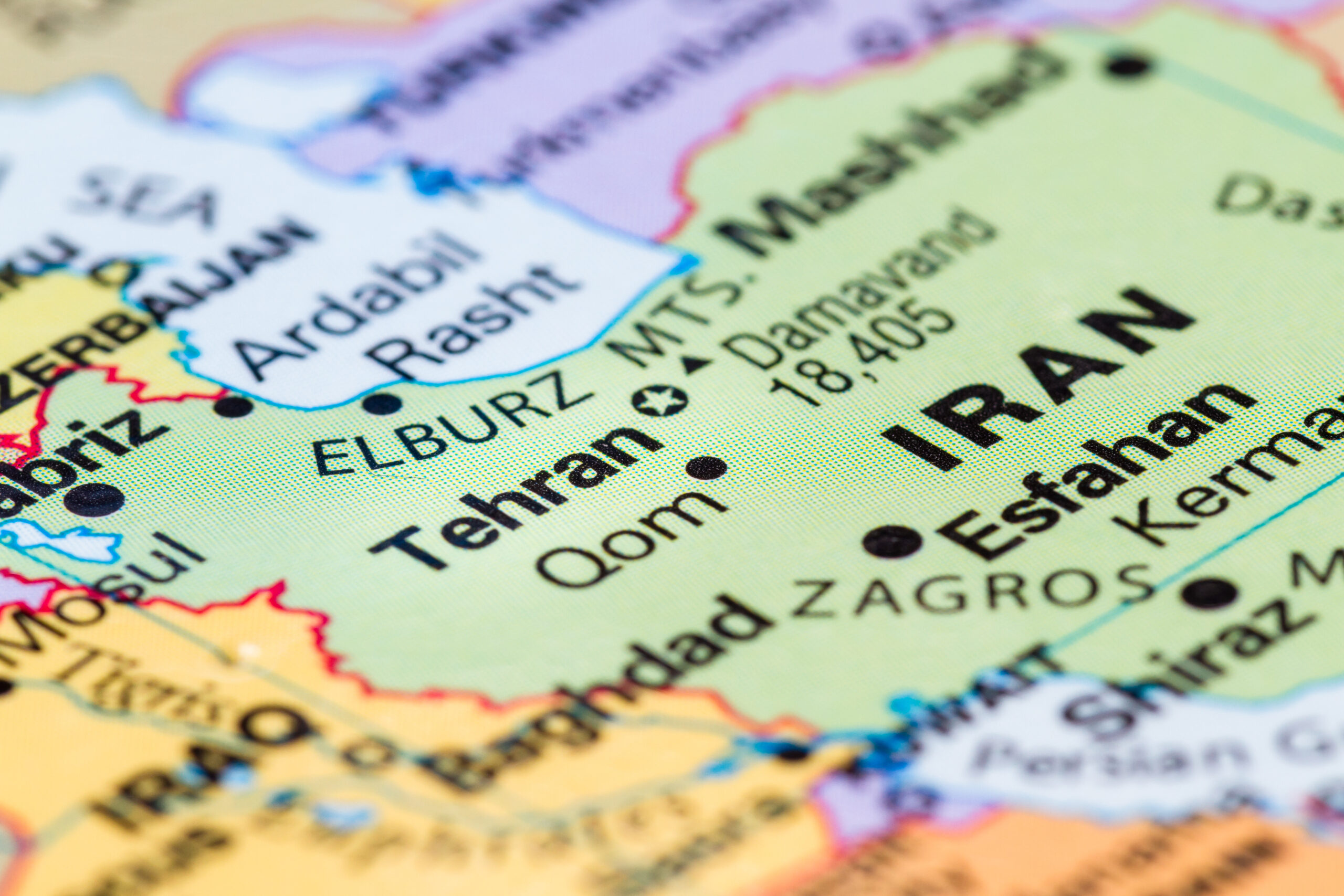
The Bahamas, March 18, 2026 – Twenty days into the latest Middle East escalation, the United Nations is warning the conflict is spreading beyond its original battlefield, as the death toll rises and governments around the world issue urgent travel advisories — including The Bahamas.
In a March 17 statement, the UN Secretary-General’s office said the war must stop and called for all Security Council resolutions to be respected, noting with concern that countries in the Gulf continue to be targeted, raising fears of a wider regional confrontation.
The current round of fighting began February 28 with strikes involving the United States, Israel and Iranian-linked forces, followed by missile and drone attacks across Iraq, Lebanon and parts of the Gulf.
International monitors report more than 1,300 people killed in Iran alone, with additional casualties reported in Lebanon, Israel and Gulf states. U.S. officials confirm at least 13 American service members have died since the escalation began, while reports indicate additional senior Iranian military leaders were killed in recent strikes.
Despite the growing violence, several NATO countries including the United Kingdom, France and Germany have not joined offensive operations, instead calling for diplomacy to prevent the conflict from widening.
The Bahamas Ministry of Foreign Affairs has also issued a travel advisory, warning Bahamian nationals to avoid travel to Israel, Palestine, Iran and Lebanon and to reconsider travel across much of the Gulf region due to the risk of sudden escalation, flight disruptions and security threats.
Officials say Bahamians already in the region should remain vigilant and be prepared for rapidly changing conditions.
Angle by Deandrea Hamilton. Built with ChatGPT (AI). Magnetic Media — CAPTURING LIFE.
Bahamas News
The Bahamas Celebrates Andrew Young at 94 – A Legend Honoured with Love at Baha Mar Gala
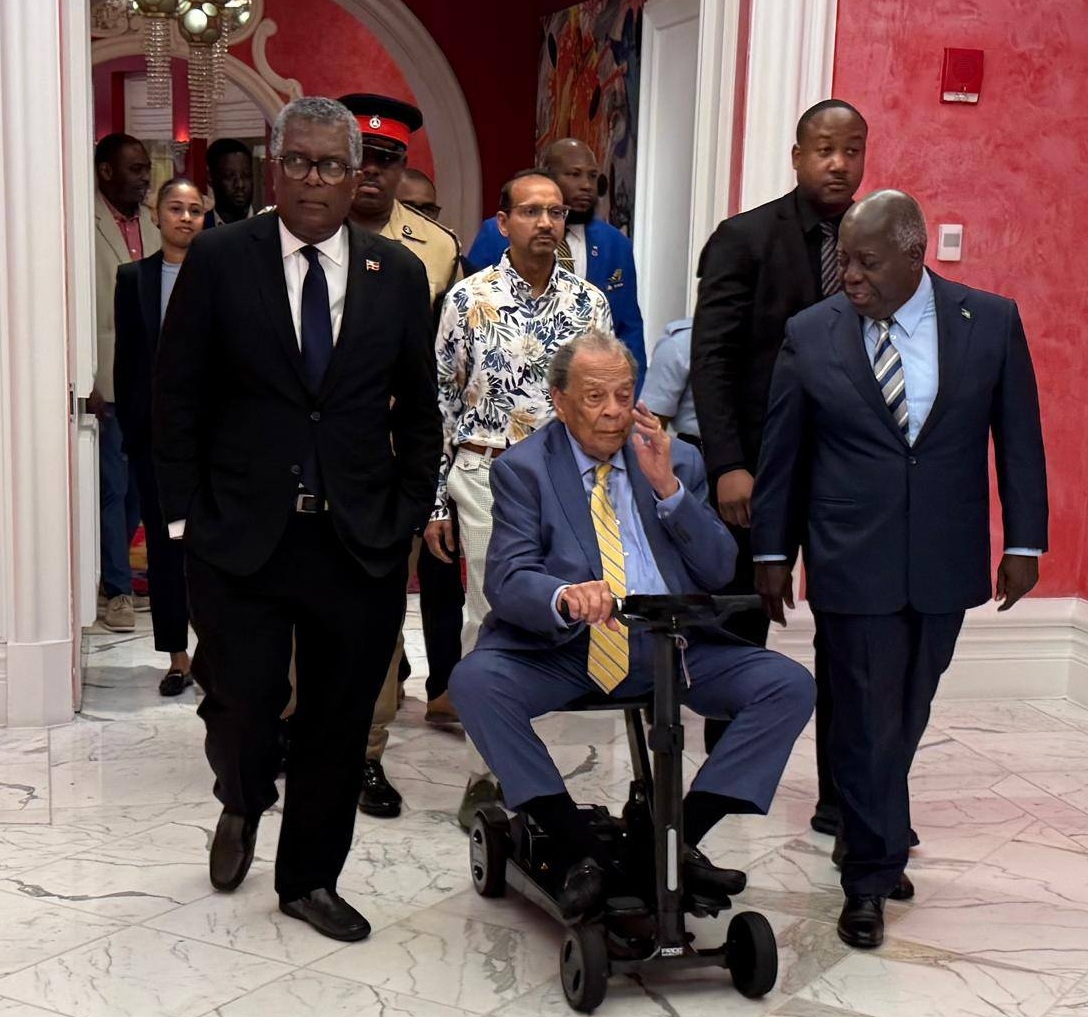
The Bahamas, March 18, 2026 – The Bahamas showed its deep affection for one of the world’s most respected civil rights leaders as Ambassador Andrew Jackson Young Jr. celebrated his 94th birthday in grand style at a gala held at the Eccho Art Gallery, Grand Hyatt Baha Mar on March 12, 2026.
The evening was filled with tributes, laughter and cultural pride, reflecting what many guests described as a genuine bond between Young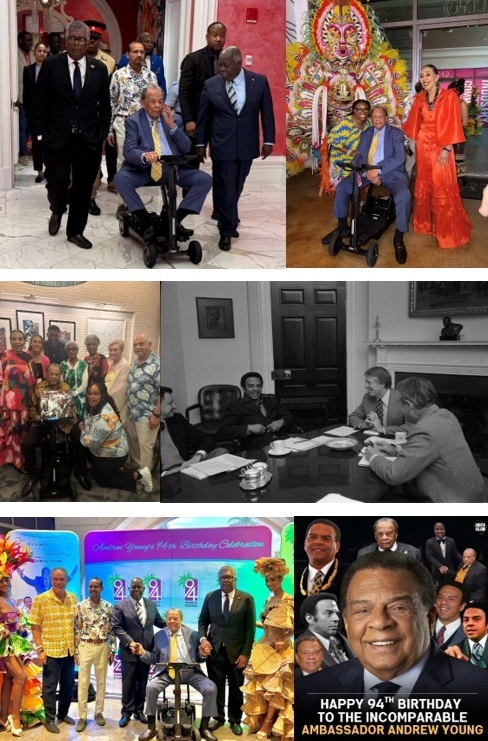 and The Bahamas — a country he has long admired and visited often. Those in attendance said the celebration felt less like a formal event and more like a heartfelt tribute to a man whose life has helped shape modern history.
Prime Minister Philip Davis, Foreign Affairs Minister Fred Mitchell, Bahamas Ambassador to the United States Wendall Jones, and U.S. Ambassador to The Bahamas Herschel Walker were among the dignitaries offering remarks, along with Andrew Young Foundation President Gaurav Kumar and other international guests.
The event was co-hosted by veteran broadcaster Karyn Greer of WSB-TV Channel 2 Action News and Bahamian journalist Dr. Deborah Bartlett, who both reflected on Young’s lifelong commitment to justice, diplomacy and public service.
Born in 1932, Andrew Young is widely regarded as one of the most influential figures of the American civil rights movement. He worked closely with Dr. Martin Luther King Jr., served as a key leader in the Southern Christian Leadership Conference, and later became a U.S. Congressman, U.S. Ambassador to the United Nations under President Jimmy Carter, and Mayor of Atlanta.
Over the decades, Young has been honoured by multiple U.S. presidents, including receiving the Presidential Medal of Freedom, the nation’s highest civilian award, from President Bill Clinton. His diplomatic work, civil rights leadership and global humanitarian efforts have earned him recognition across the world.
Guests noted that even at 94, Young remains active, engaged and passionate about international cooperation and human rights, continuing to inspire new generations.
His wife, Carolyn McClain Young, delivered the vote of thanks, expressing gratitude for what she called the warmth and love shown by the Bahamian people.
The celebration ended in true island fashion with a Junkanoo rush-out, bringing guests to their feet in a joyful close to an evening that blended history, culture and admiration.
For many in attendance, the message of the night was simple — Andrew Young loves The Bahamas, and The Bahamas loves him right back.
Developed by Deandrea Hamilton • with ChatGPT (AI) • edited by Magnetic Media.





-

 News1 week ago
CARICOM – A Regional Club With Benefits; Turks & Caicos Wants In
-

 News2 days ago
Password to Paradise Radio Remotes at Beaches Turks & Caicos continue to highlight the TCI as the preferred Caribbean destination
-

 Health1 week ago
Turks and Caicos Islands Hospital Celebrates Patient Safety Awareness Month: “Team Up for Patient Safety”
-

 News3 days ago
Beaches Turks & Caicos adds four new PADI Dive Instructors to the cadre of professionals in the watersports department
-
 Health1 week ago
Turks and Caicos Islands Medical Association (TCIMA) Elects New Executive
-
 News3 days ago
Beaches Turks & Caicos shares fine dining experiences to high school students in Providenciales
-

 News6 days ago
Flow TCI supports ‘Stars of Tomorrow’ at Inter-Primary Track and Field Championships
-
 News6 days ago
ISU Community Caravan Delivers Essential Services to Granny Hill North