
News
IWF global figures show online child sexual abuse imagery up by a third

Press Release shared by Royal Turks and Caicos Islands Police
Thursday, April 19, 2018 – New data shows 37% increase in child sexual abuse URLs
Figures released today (April 18, 2018) by the Internet Watch Foundation (IWF), the charity that searches for and removes online child sexual abuse imagery, show that more of this disturbing material is being found than ever before. 
The data is published in the IWF’s Annual Report, which provides a yearly global measure of the number of online images and videos of children being sexually abused to government, the police and the internet industry. The eagerly awaited report also contains trends in how services are being abused by offenders to host this illegal material.
Turks and Caicosis member of the IWF global network of Reporting Portals.A Reporting Portal is a simple web-based,safe and anonymous way for citizens inTurks and Caicosto send suspected online reports of child sexual abuse material directly to the IWF expert Analysts. They assess the reports and if applicable, have the content removed. The Reporting Portal of Turks and Caicosis available here: https://report.iwf.org.uk/tc.

Key figures and trends in the Annual Report include:
· Confirmed child sexual abuse URLs (2017) 78,589. This is up by 37% from 57,335 in 2016.
· Severity up. Category A content, which includes the rape and sexual torture of children,is up by 5%, from 28% of all content to33%.
- Disguised website abuse in unprecedented increase. The IWF sawa86% rise in use of disguised websites, from 1,572 in 2016 to 2,909 in 2017. This implicates increased intelligence among offenders, who may be going to new lengths to evade detection.
- Global hosting of child sexual abuse images:
- Europe worst offender for hosting.Europe now hosts 65% of all confirmed IWF child sexual abuse imagery.This is up from 60% last year. The Netherlands continues to be the worst country for hosting child sexual abuse material.
- Asia: In 2017, 1,627webpages containing child sexual abuse imagery were hosted in Asia (2%).
- Africa:In 2017, only 20 webpages containing child sexual abuse imagery were hosted in Africa (<1%).
- South America: Only 10 webpages containing child sexual abuse imagerywere hosted in South America (<1%).
- Website brands. The number of child sexual abuse website brands rose by 112%.
- Websites and newsgroups.In total, 80,318 reports of confirmed child sexual abuse were processed by the IWF, up from 59,548 in 2016. This was a 35% increase.
- New IWF Reporting Portals worldwide: In 2017 the IWF has launched Portals in three countries: Namibia, Tanzania andMozambique. The IWF has also been awarded a grant from the Fund to End Violence Against Children to launch 30 Reporting Portals in the world’s least developed counties in the next three years, being Tanzania the first Portalunder the grant.
- 636 reports from Portals: The IWF received 636 reports from the global Portalsnetwork in 2017.
- To read the IWF’s full 2017 Annual Report go to: iwf.org.uk
Susie Hargreaves OBE, IWF CEO, said:“Our Annual Report is used as a reference and information tool, to give an accurate global picture of online child sexual abuse imagery. I’m incredibly proud that our Hotline has been able to remove more web pages that contain disturbing images of children being abused, than ever before from the internet. We share our analysis of trends with our partners – in government, law enforcement and industry, so that together we can fight this horrific crime.”
Much of the analysis for the 2017 IWF Annual Report makes for uncomfortable reading, with the images and videos found having increased in their severity. The most serious Category A images, depicting rape and sexual torture, rose to 33% from 28%. Category B images rose from 19% to 21%.
Significantly, the IWF also saw an increase of 86% in disguised websites, from 1,572 websites in 2016, to 2,909 in 2017. These are websites where the child sexual abuse content is only revealed to someone who has followed a pre-set digital pathway.To anyone else, they will only show legal content. This finding indicates an increased intelligence among a select number of offenders, who are going to new lengths to evade detection.
Europe now accounts for 65% of all child sexual abuse imagery the IWF sees, up from 60% last year.It continues to be the worst continent for child sexual abuse material. The top hosting countries of child sexual abuse URLs are the Netherlands, USA, Canada, France and Russia. The Netherlands now hosts 36% of child sexual abuse content, down from 37% last year, while North America has decreased by more than 4% from 22% to 18%. Overall, 87% of all child sexual abuse URLs identified globally in 2017 were hosted in just these top five countries.
Susie Hargreaves OBE, IWF CEO, said: “We are now receiving more reports of child sexual abuse content than ever before. This year we’re seeing offenders getting smarter and finding new ways to abuse legitimate internet services.Our trends analysis tracks this development. It’s concerning that offenders appear to be increasingly using concealed digital pathways to prevent law enforcement and hotlines around the world detecting these criminal websites. We are making huge technological advances, which we’ll be announcing later in the year, but we also need to continue to work globally, in partnership, to fight this disturbing crime. This battle cannot be won in isolation.
“The child victims of sexual abuse online are revictimised again and again, every time their picture is shared. The experience they go through at such a young age is unimaginably horrific, and they frequently take this pain into adulthood with them. That’s why at the IWF we fight every day to make sure these images and videos are removed from the internet, so that victimsare no longer forced to live with the tormentof others seeing the images of their abuse online.
“While I’m so proud of our Hotline for the sheer number of child sexual abuse URLs they’re removing online, these figures show what a vast amount of content is out there.Sadly, this could just be the tip of the iceberg.”
Jenny Thornton, IWF International Development Manager, said: “There is a global disparity in the availability of mechanisms for tackling child sexual abuse imagery online. To address this unevenness, in a world where child sexual abuse imageryonline is a crime that disregards international borders, we are dedicated to equipping the least developed countries with a Reporting Portal. It’s important to do this now, before these countries are targeted because of their vulnerability.”
More top stats and trends from IWF’s 2017 Annual Report:
- In 2017, IWF Analysts assessed a webpage every four minutes. Every 7 minutes, that webpage showed a child being sexually abused. In 2016, Analysts saw a child being sexually abused every 9 minutes.
- In total, 80,318 reports of confirmed child sexual abuse were processed by the IWF, up from 59,548 in 2016. This was overall a 35% increase. This figure includes URLs and newsgroups.
- In 2017, the IWF’s Analysts found 78,589 URLs containing child sexual abuse material, and 571 newsgroups – of which 43,767 individual posts were removed from public access.
- Image hosting sites continue to be the most abused service at 69% of content.
- More images featured children aged 0to 10 than last year, rising from 53% to 55%, with images featuring 11 to 15 year-olds dropping from 45% to 43%. Children aged two or under accounted for 2% of content. The last 2% were pages with links to child sexual abuse content.
- Of the victims, 86% were girls, 7% were boys and 5% featured both genders.
- A total of 77,082 unique URLs were included on the IWF’s URL list, a 44% increase on 53,552included in 2016.
- With a 57% increase on last year, more domain names than ever before are being used to host images and videos of children being sexually abused. With 3,791 domains being found this year, compared to 2,416 in 2016, 1,991 in 2015 and 1,694 in 2014, there has been a rise of 124% in four years.
- In 2017, the IWFtook action against 5,002 URLs on websites using new generic top-level domains (gTLDs). These URLs were located across 1,063 different domains and 50 different new gTLDs.In 2016, action was taken to remove 1,559 URLs from websites using new gTLDs.
- During 2017, the IWF added 130,671 hashes to its Hash List. At the end of 2017, the list contained hashes relating to 295,389 individual images. Of these hashes, 76,459 relate to the worst forms of abuse – images of rape or sexual torture of children.
- Each of the IWF’s 13 Analysts saw 10,889 child sexual abuse images when adding to the IWF’s Hash List, alongside reviewing public reports and actively searching for child sexual abuse images and videos.
- Exactly 50% of the IWF’s reports were proactively sourced while the other 50% were sent in by the public.

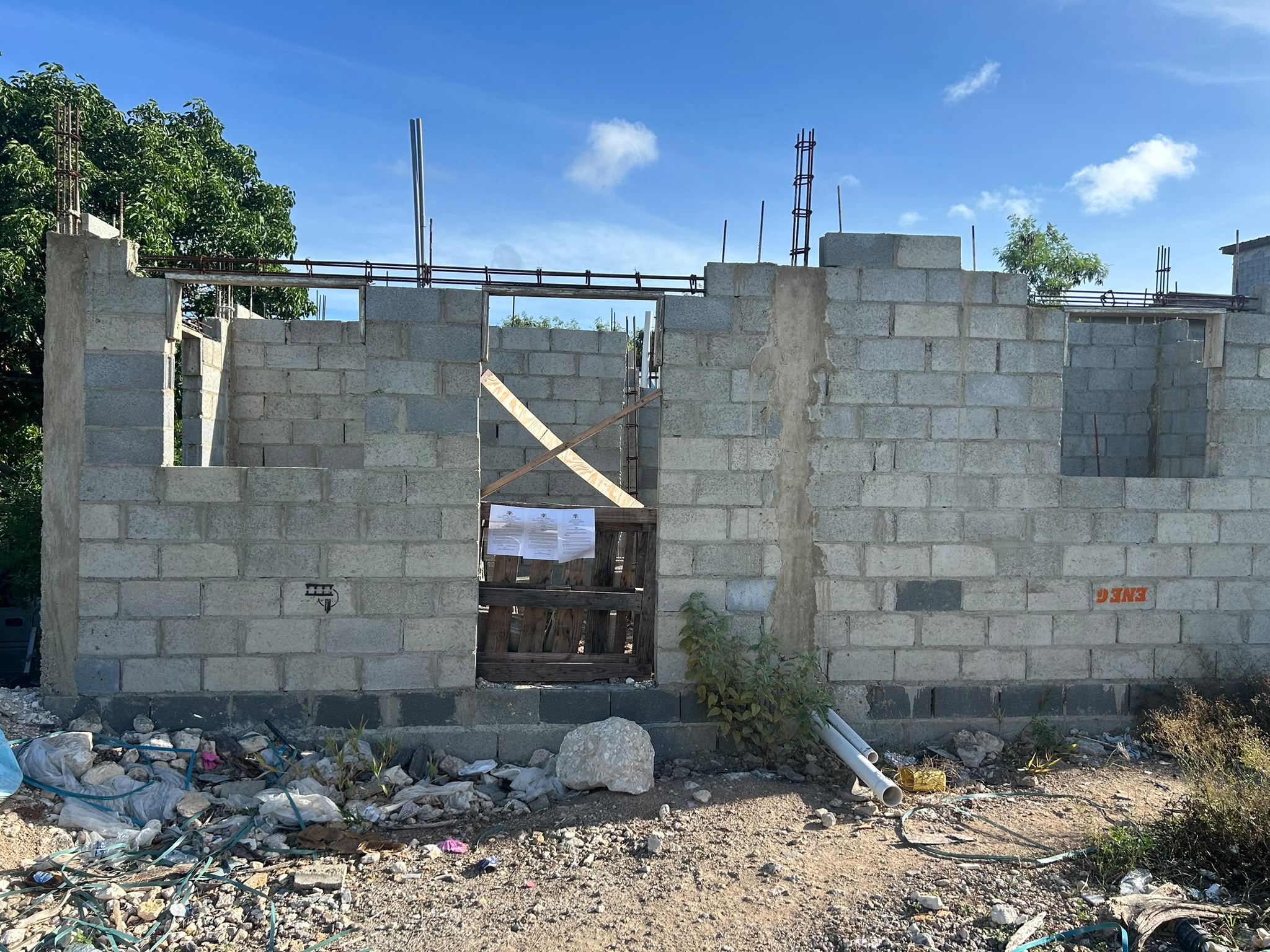
Providenciales, Turks and Caicos Islands – Wednesday, 21st October 2026: The Crown Land Unit, with coordination and support from the Informal Settlements Unit (ISU), conducted a multi-agency enforcement exercise in the Five Cays area of Providenciales on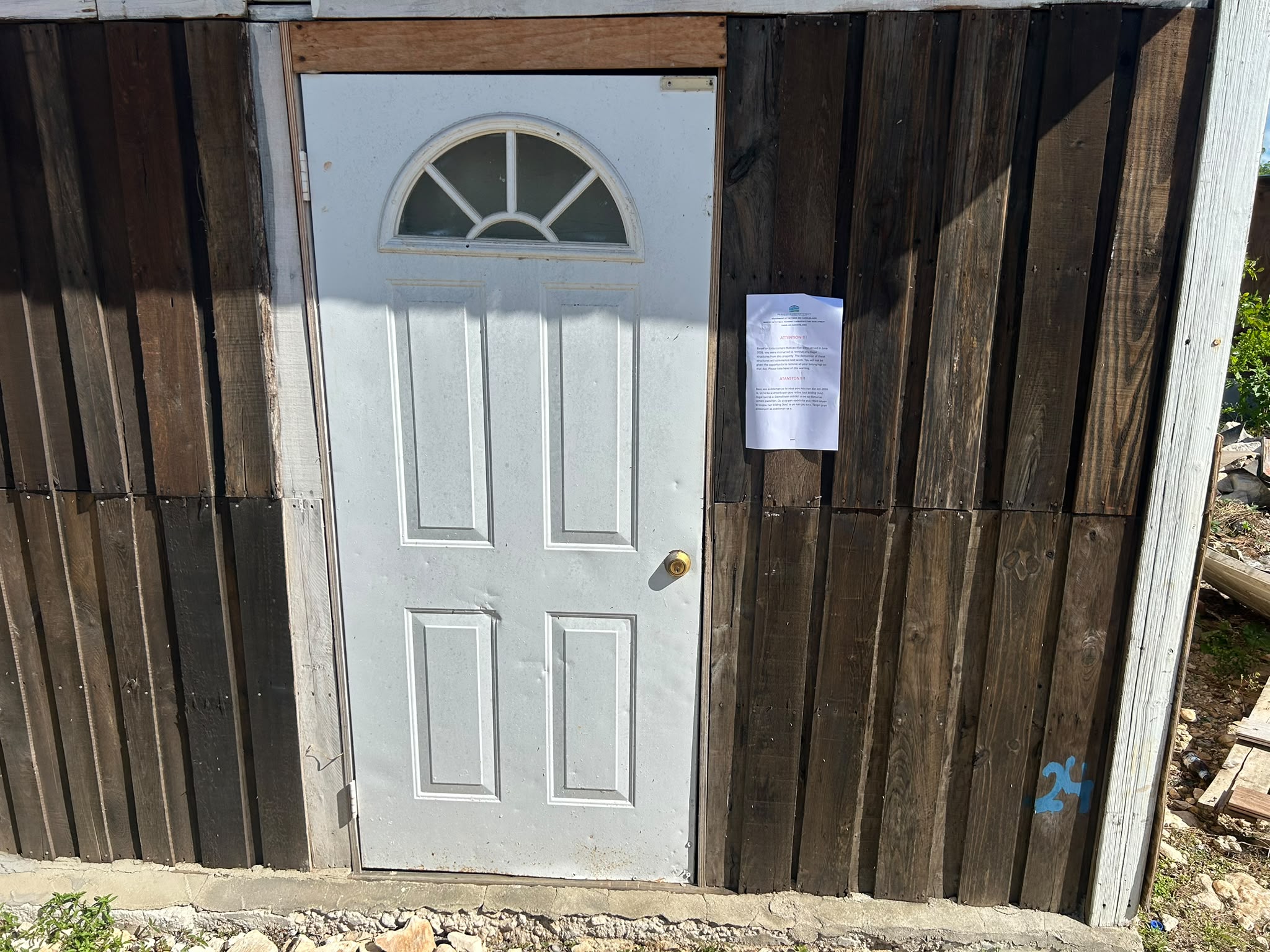 October 8, 2026, as part of the Government’s ongoing efforts to address the illegal occupation and unauthorized use of Crown land.
The exercise brought together representatives from the Crown Land Unit, ISU, TCI Border Force and Royal Turks and Caicos Islands Police Force. Inspections were conducted across several parcels of Crown land in Five Cays, where instances of illegal occupation and unauthorized use had been identified.
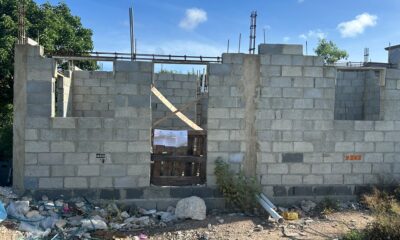
During the exercise, a total of seven (7) Section 22 Notices of Unauthorized Occupation were issued in accordance with the provisions of the Crown Land Ordinance. The notices related to the unauthorized placement of shipping containers and derelict vehicles, as well as the construction of an incomplete concrete structure on Crown land. Where occupants or other responsible persons were not present, notices were affixed to the relevant structures or items.
The exercise forms part of the Crown Land Unit’s continuing efforts to prevent squatting and encroachment on Crown land and to ensure that instances of unauthorized occupation are identified and appropriately addressed.
The Government of the Turks and Caicos Islands reminds the public that occupying, developing or otherwise using Crown land without lawful authority is an offence under the Crown Land Ordinance. These inspections and enforcement activities form part of a sustained program aimed at safeguarding public lands, discouraging unlawful development and ensuring that Crown land is managed in the best interests of the people of the Turks and Caicos Islands.
The Crown Land Unit will continue to work closely with the ISU and other partner agencies to identify and address instances of illegal occupation across the Islands. Persons occupying Crown land without authorization are encouraged to comply with all notices issued and to seek guidance from the relevant authorities where necessary.
News
Invest TCI Strengthens Regional Investment Connections at Caribbean Investment Forum 2026 in Barbados

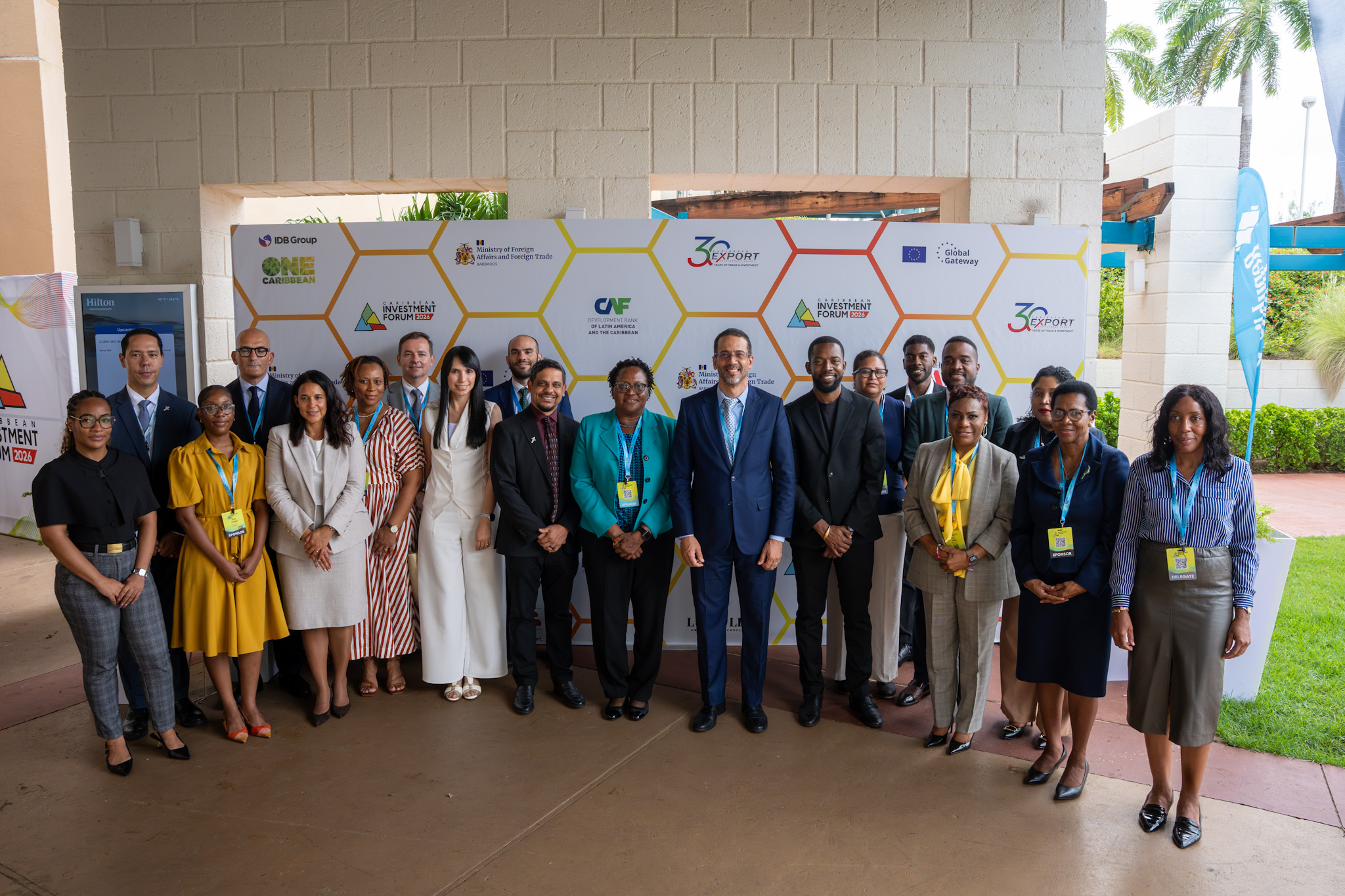
Providenciales, Turks and Caicos Islands – Monday, 19th October 2026: Invest Turks and Caicos Agency (Invest TCI) strengthened its regional presence at the Caribbean Investment Forum (CIF) 2026, held October 5 – 7, 2026, in Bridgetown, Barbados, participating as both a sponsor of the Forum and representative of the Turks and Caicos Islands’ investment landscape.
The Caribbean Investment Forum brought together regional and international investors, government representatives, business leaders,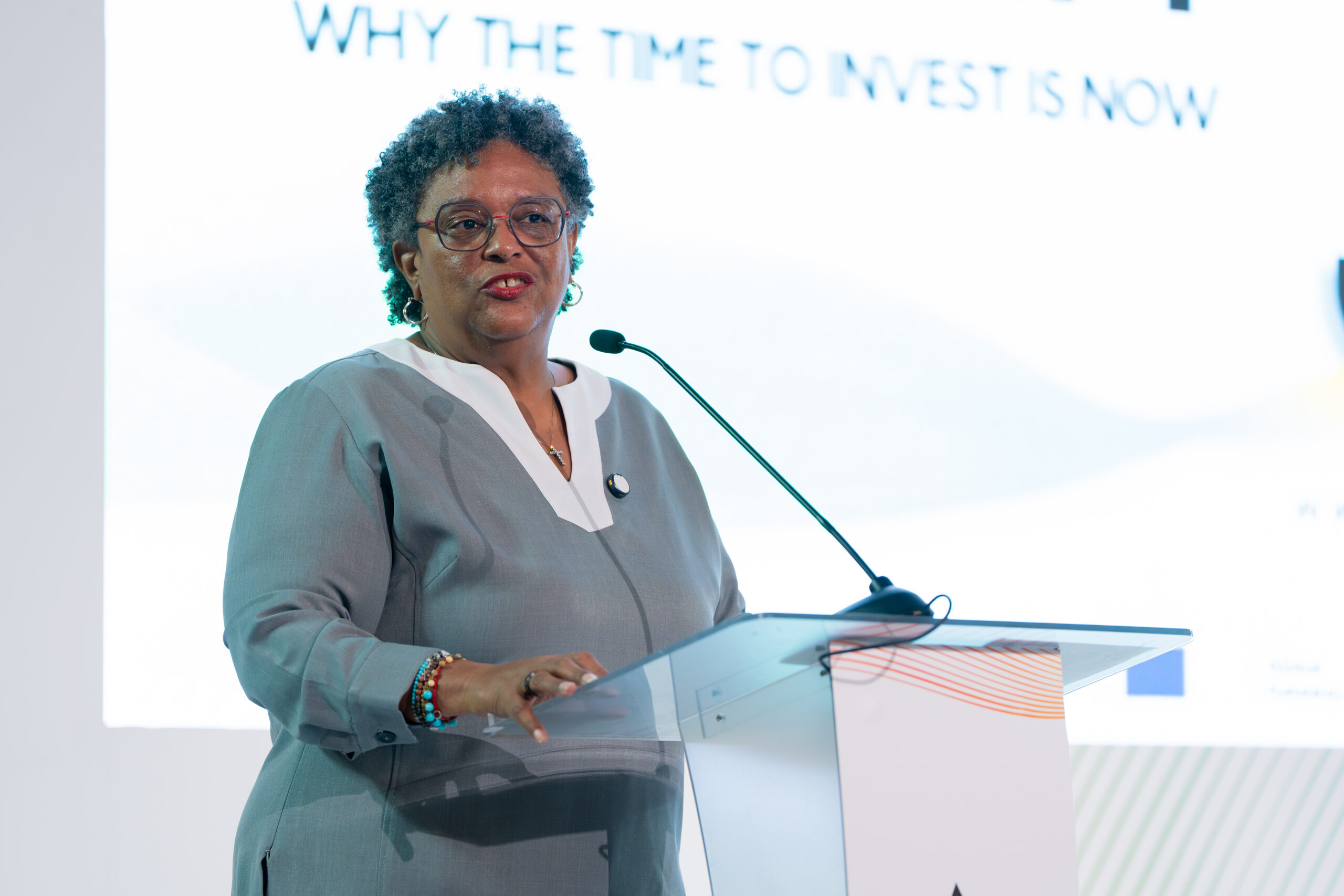 entrepreneurs, investment promotion agencies, and development partners to explore investment opportunities, strengthen partnerships, and advance sustainable economic development throughout the Caribbean.
The Agency’s sponsorship of CIF 2026 formed part of its continued commitment to strengthening the visibility of the Turks and Caicos Islands within the regional investment community and building relationships with investors, development partners, investment promotion agencies, and businesses across the Caribbean.
The opening of the Forum was attended by the Honourable Mia Amor Mottley, Prime Minister of Barbados, who emphasised the importance of scaling regional investment, strengthening economic cooperation, and transforming innovative ideas into commercially viable opportunities. Invest TCI was represented by Ms. Alexa Cooper, Domestic Investment Officer, and Mr. Hezron Henry, Marketing Support Officer. Throughout the Forum, the delegation engaged with stakeholders and promoted the Turks and Caicos Islands as a competitive investment destination while exploring opportunities for greater regional collaboration and knowledge exchange.
Speaking on her experience at the Forum, Ms. Alexa Cooper, Chief Domestic Investment Officer, said:
“CIF 2026 provided another valuable opportunity to engage with donor organisations, investors and Investment Promotion Agencies (IPAs) from across the Caribbean. A highlight for me was the introduction of an exclusive masterclass for fund managers, investors and support organisations, which offered practical insights into unlocking capital, strengthening investment ecosystems and supporting investment-ready businesses. I was equally impressed with the quality of projects pitched, which showcased the region’s innovation and investment potential. It was encouraging to see projects presented with a clearer understanding of investor expectations, reinforcing the importance of not simply developing projects, but ensuring they are well-structured, investment-ready and positioned to attract the right investment partners.”
Accompanying the Invest TCI delegation was Mr. Sean Penn, Chief Executive Officer of Sky Poultry Farm Ltd., the first commercial egg and poultry production facility in the Turks and Caicos Islands. Mr. Penn’s participation provided an opportunity to showcase the development of domestic enterprise within the Turks and Caicos Islands while highlighting the potential of agriculture and food production as part of the country’s broader economic diversification efforts.
Through his participation at CIF 2026, Mr. Penn had the opportunity to engage with regional stakeholders, gain exposure to developments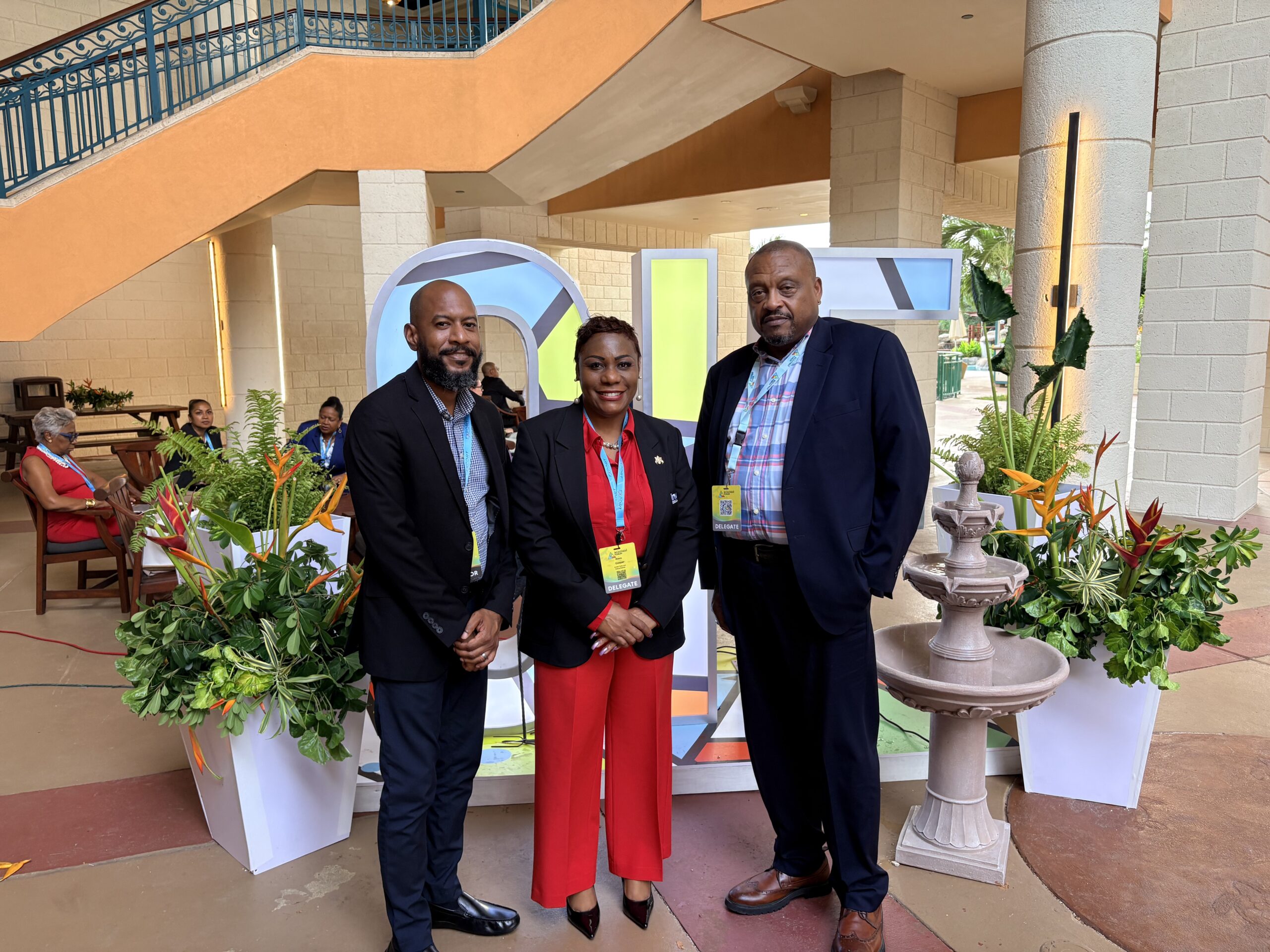 within the Caribbean agricultural sector, and explore potential partnerships and opportunities related to agricultural investment, innovation, and enterprise development.
For Invest TCI, the combination of sponsorship, investment promotion and local business representation provided a multifaceted platform to advance the Agency’s mandate. It allowed Invest TCI not only to promote the Turks and Caicos Islands to prospective investors but also to facilitate greater exposure for a local enterprise operating within an emerging sector of the economy. The Forum also provided opportunities for the Invest TCI delegation to exchange knowledge with regional counterparts, strengthen institutional relationships, and gain insight into investment trends and opportunities affecting Caribbean economies.
As the Caribbean Investment Forum continues to expand its regional reach, Santo Domingo, Dominican Republic, was announced as the destination for the next edition of the Forum, providing another opportunity to bring together investors, policymakers, investment promotion agencies and businesses from across the Caribbean and beyond.
Invest TCI looks forward to the continued growth of the Caribbean Investment Forum and the opportunities it creates to deepen regional partnerships, promote investment, and connect Caribbean businesses with new markets and sources of capital. The Agency remains committed to attracting sustainable investment, supporting domestic enterprise, encouraging economic diversification, and developing partnerships that contribute to the long-term economic development of the Turks and Caicos Islands.
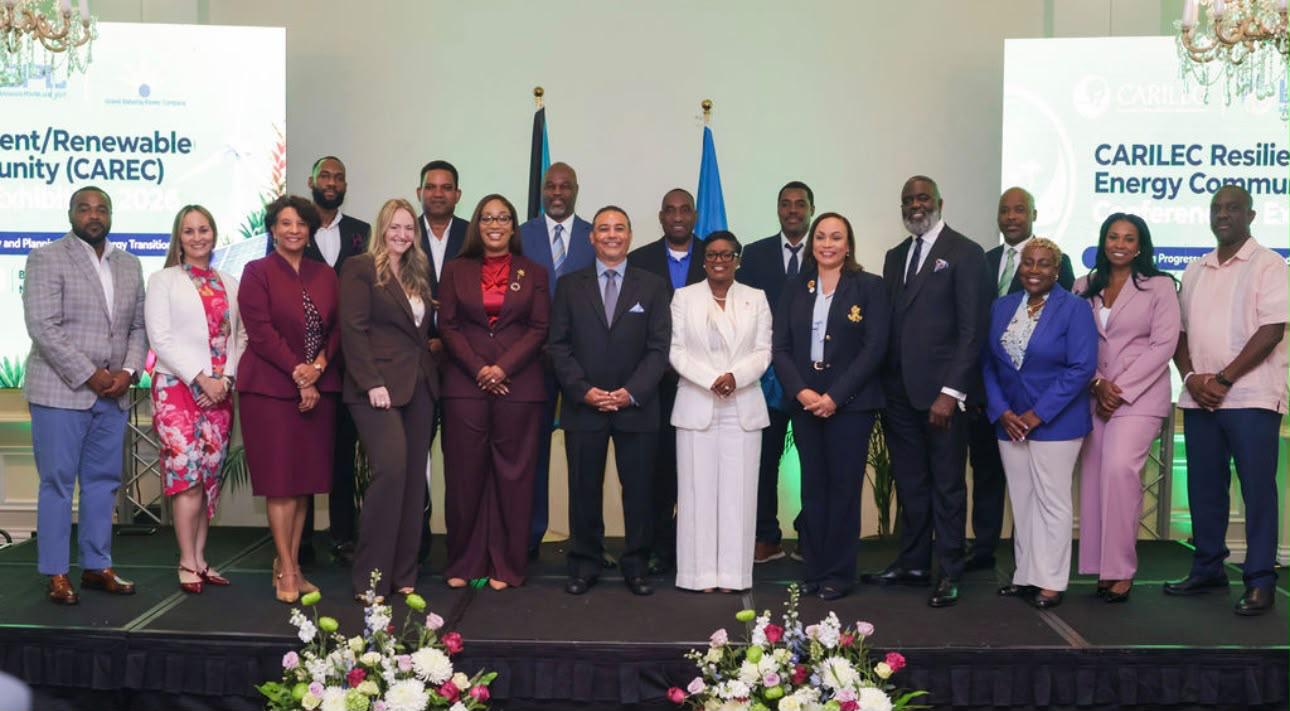
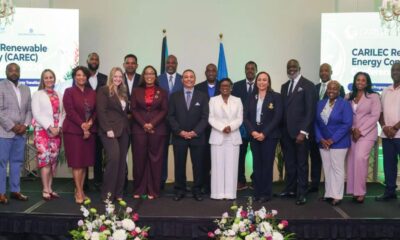
NASSAU, The Bahamas – The Bahamas’ Minister of Energy, Utilities and Aviation, The Honourable JoBeth Coleby-Davis, delivered an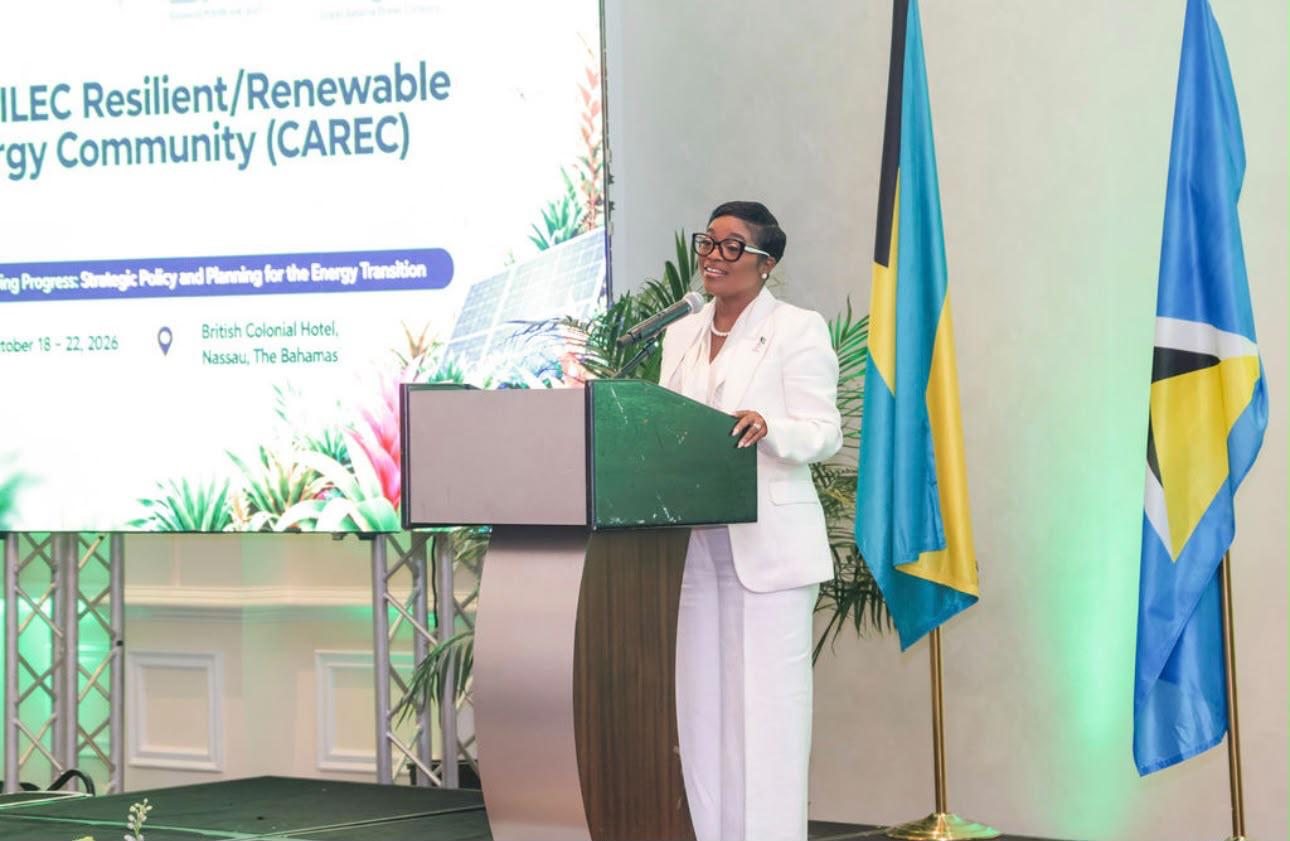 electrifying address during the opening ceremony of the 2026 CARILEC Resilient/Renewable Energy Community (CAREC) Conference and Exhibition, being held October 18–22, 2026, at the British Colonial Hotel in Nassau, The Bahamas.
Under the theme “Empowering Progress: Strategic Policy and Planning for the Energy Transition,” the event draws more than 200 industry leaders, policymakers, regulators, and energy professionals committed to advancing practical strategies for sustainable and reliable Caribbean power systems through renewable energy and emerging technologies.
During her address, titled “The New Energy Era: Transforming Policy into Progress,” Minister Coleby-Davis reminded attendees that The Bahamas’ national motto, “Forward, Upward, Onward, Together,” aptly describes what the region’s energy transition demands.
“Empowering Progress speaks directly to our national motto. Not waiting for progress, but creating the conditions that allow progress to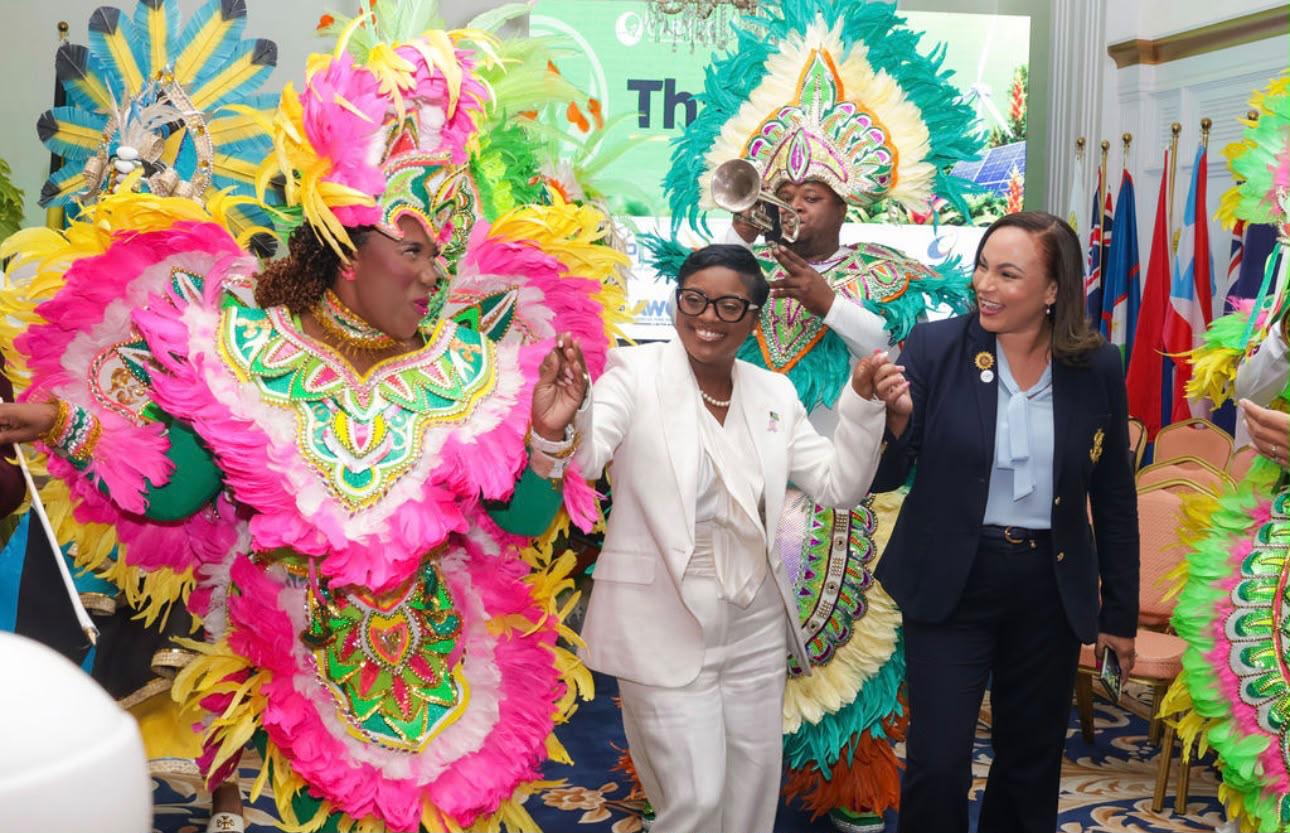 happen. Meaningful progress, however, does not occur by accident. It requires vision, sound policy, strategic planning, strong institutions, and the determination to turn decisions into results,” said Minister Coleby-Davis.
Participants acknowledged that small island developing states share similar pressures, compounded by geographical challenges, small electricity markets, ageing infrastructure, geopolitical influences, and the growing threat of severe weather.
Tasked with ushering in a new energy era across the islands while addressing the challenges posed by The Bahamas’ unique archipelagic composition, Minister Coleby-Davis said, “Every island needs a different answer, but the same logic. As an archipelagic nation, we must provide electricity across many islands, each with its own demand and infrastructure needs. Our strategy, therefore, must be national in direction, but responsive to individual communities.”
Restating her Ministry’s three core messages—that energy is an economic and security priority, technology must be viewed as a tool to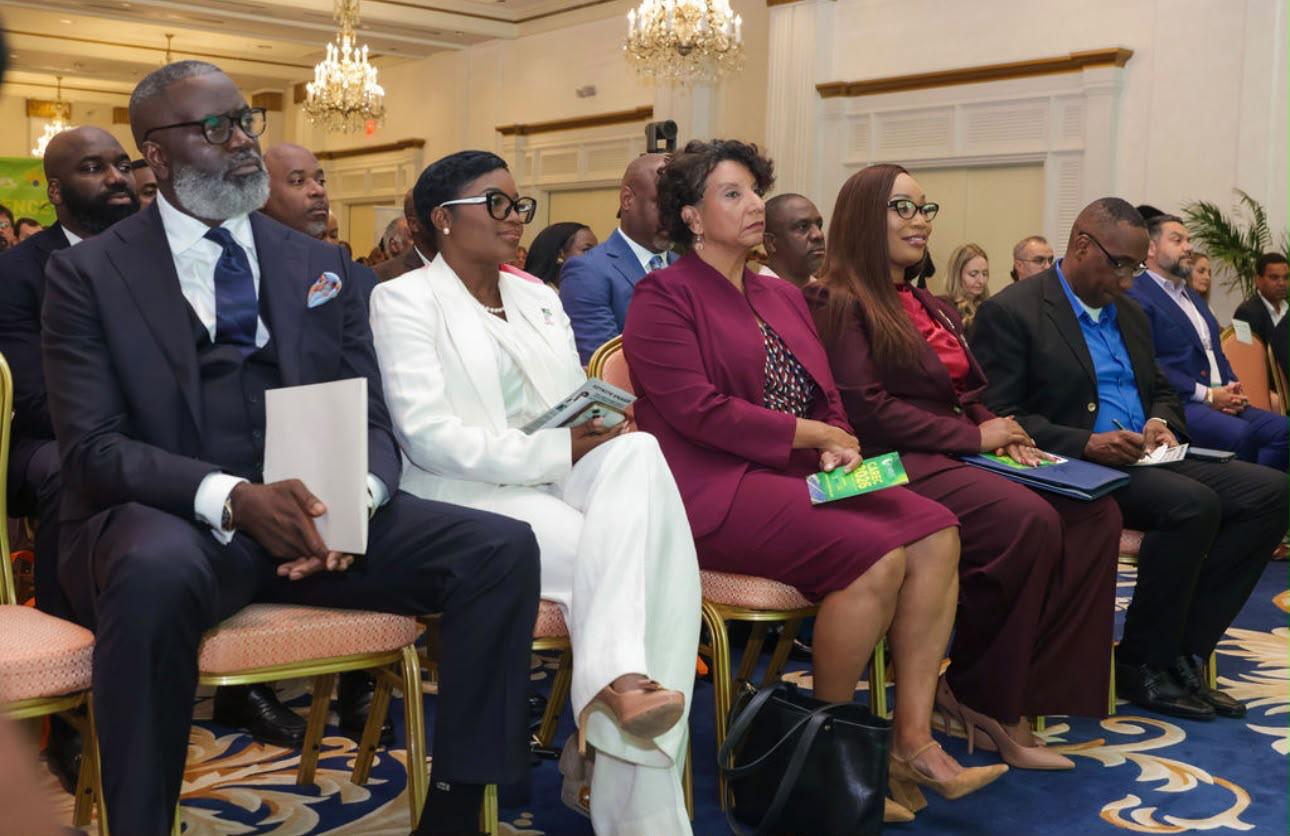 support strong institutional leadership, and natural gas should be considered a bridge, not a destination—Minister Coleby-Davis reiterated that “progress must now be reflected in functioning infrastructure, effective institutions, and better electricity services: from policy commitments to coordinated implementation, and from fragmented investment decisions to long-term planning.”
Organised by CARILEC and co-hosted by Bahamas Power and Light (BPL) and Grand Bahama Power Company (GBPC), the annual Conference and Exhibition brings together the Caribbean energy community to advance practical solutions to the region’s most pressing energy challenges and accelerate progress towards more resilient, reliable, and sustainable power systems.





-

 Independent writer1 week ago
Born Here, Raised Here, but Still Unable to Vote: Is this a Conundrum for TCI Electorate?
-
 Bahamas News4 days ago
Rosewood Exuma: A precedent-setting case for environmental law and future development in The Bahamas
-

 Bahamas News1 week ago
Monument Supports Hands for Hunger With Paradise Plates Debut
-

 Bahamas News1 week ago
Schweppes ‘the Art of Mixology’ Dazzles at Paradise Plates with Nemiroff Vodka
-
 News3 days ago
Invest TCI Strengthens Regional Investment Connections at Caribbean Investment Forum 2026 in Barbados
-
 Bahamas News3 days ago
Energy Minister Delivers Electrifying Keynote Opening Address at CAREC 2026
-
 News16 hours ago
Crown Land Unit Leads Multi-Agency Enforcement Exercise in Five Cays