
News
Turks and Caicos Islands Government Completes National Skills Audit

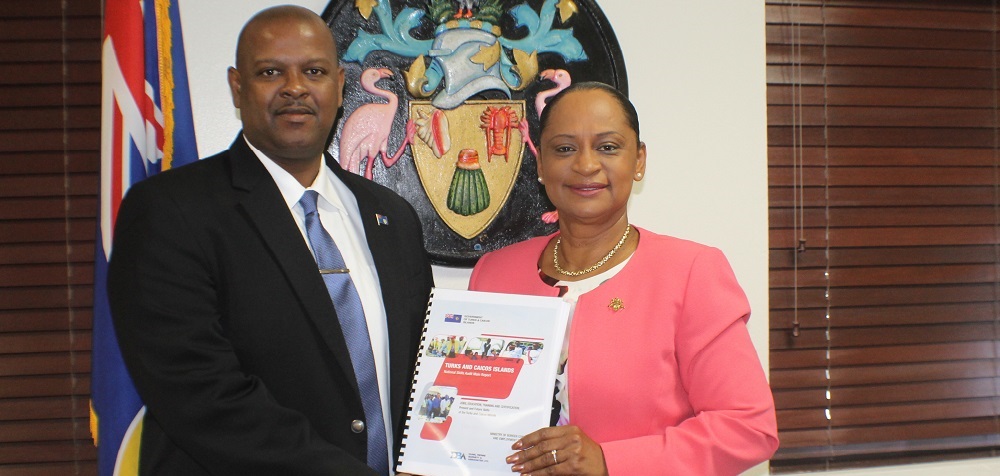
#TurksandCaicos, March 1, 2018 – Providenciales – The Turks and Caicos Islands Government, under the direction of the Ministry of Border Control and Employment, has conducted a National Skills Audit, which assesses the level of skills that are currently available throughout the country and the demographic attributes of each skill set.
The report was completed and presented to Cabinet in August 2017 by consultant Dunn Pierre Barnett and Associates Limited (DPBA), located in Toronto, Canada, and Kingston, Jamaica.
The Turks and Caicos Islands National Skills Audit and Migration Study provides insight and information on the skills and knowledge needs and imbalances within the country and it also identifies the occupations and skills required to meet the changing needs of the economy and labour market.

It is the vision and intention of the Government to have this report utilized as a guide for its own educational policies, and that of other educational establishments, on the introduction and offering of vocational programmes, career and personal development. This approach would lead to more targeted training and development and better recruitment to meet the needs for sustainable development of a vibrant and competitive workforce in the Turks and Caicos Islands.
The information contained in the audit will further enable all stakeholders – government, employers, individuals, universities, colleges, other training providers, social and political actors – to make well-informed decisions about which areas of the economy that are most likely to provide opportunities in terms of employment and economic growth, and about the areas of possible skills shortages and deficiencies, now and in the future.
In appreciation for the changing trends in the populace in recent years, the study looks at the impact on population growth, including inward and outward migration in the TCI, the employment and skills of migrants, the social and economic challenges that they face in the TCI, and the impact on their dependents.
Deputy Premier Hon. Sean Astwood stated that; “I am pleased that the National Skills Audit is now complete. This document is a blueprint that can be used for the future development of the Turks and Caicos Islands especially as we, in this critical time, seek to focus on the education system and its offerings, the development of our people and the revamping of our employment services to ensure that Turks and Caicos Islanders are not marginalized in their own country.”

The Commissioner of Labour, Edwin Taylor remarked that; “The National Skills Audit provides the TCIG with more accurate knowledge of current competency levels within the country. This knowledge can assist individuals with career pathing and provide skills gap information for future scholarship allocation. I am hoping this information can assist us in partnering more with the private sector, and focusing more of our training efforts to build local capacity.”
In February 2018 the Audit was presented to the Ministry of Education in an exchange of hands between the Deputy Premier and Minister of Border Control and Employment, Hon Sean R. Astwood, and the Minister with responsibility for Education, the Hon. Karen Malcolm.
Click here to view the full report.

By Magnetic Media Newsroom
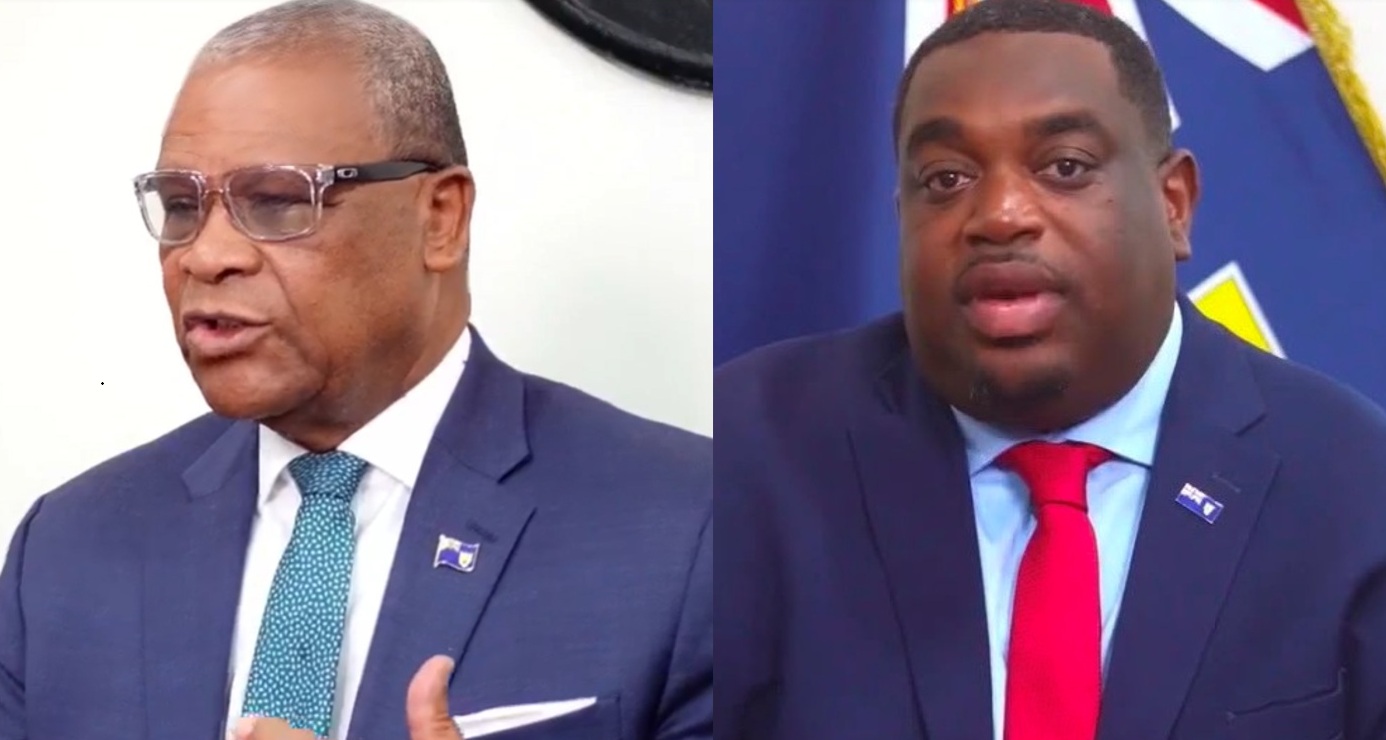
PROVIDENCIALES, Turks and Caicos Islands — The Turks and Caicos Islands Government says the breakdown of its relationship with InterHealth Canada presents an opportunity to reshape healthcare delivery, with plans to expand local medical services, strengthen primary care and reduce dependence on overseas treatment.
During a national briefing following InterHealth Canada’s notice terminating its hospital contract, Premier Charles Washington Misick acknowledged publicly for the first time that Government and InterHealth had been negotiating an exit from the arrangement for more than a year after what he described as an “irretrievably broken down” relationship.
Despite the contractual dispute, Misick and Health Minister Kyle Knowles stressed that healthcare services will continue uninterrupted during the transition.
“Allow us to do our job,” Knowles appealed, assuring residents that Government is actively managing the transition and safeguarding patient care.
The Premier outlined what amounts to a broader healthcare transformation built around four connected levels of care: strengthened community-based primary healthcare; expanded polyclinic services; enhanced hospital-based secondary care with greater specialist capacity; and overseas tertiary treatment only for cases that cannot be managed locally.
Among the proposals are the long-discussed establishment of intensive care units, expanded use of currently unfinished hospital space, recruitment of more resident specialist physicians and stronger contract management to oversee future healthcare agreements.
Knowles said the new polyclinic model will broaden services available outside the hospitals, including dentistry, ophthalmology, laboratory services, diagnostic imaging, gynaecology and preventative screening, helping to reduce pressure on emergency departments while improving early intervention.
Misick also acknowledged that while the hospital system significantly improved healthcare access after opening in 2010, Government believes further reform is necessary to improve affordability, sustainability and the range of services available within the Turks and Caicos Islands.
The briefing marked the Government’s most comprehensive explanation to date of its plans beyond the InterHealth contract, signalling that officials now see the transition as an opportunity to redesign healthcare delivery rather than simply replace one operator with another.
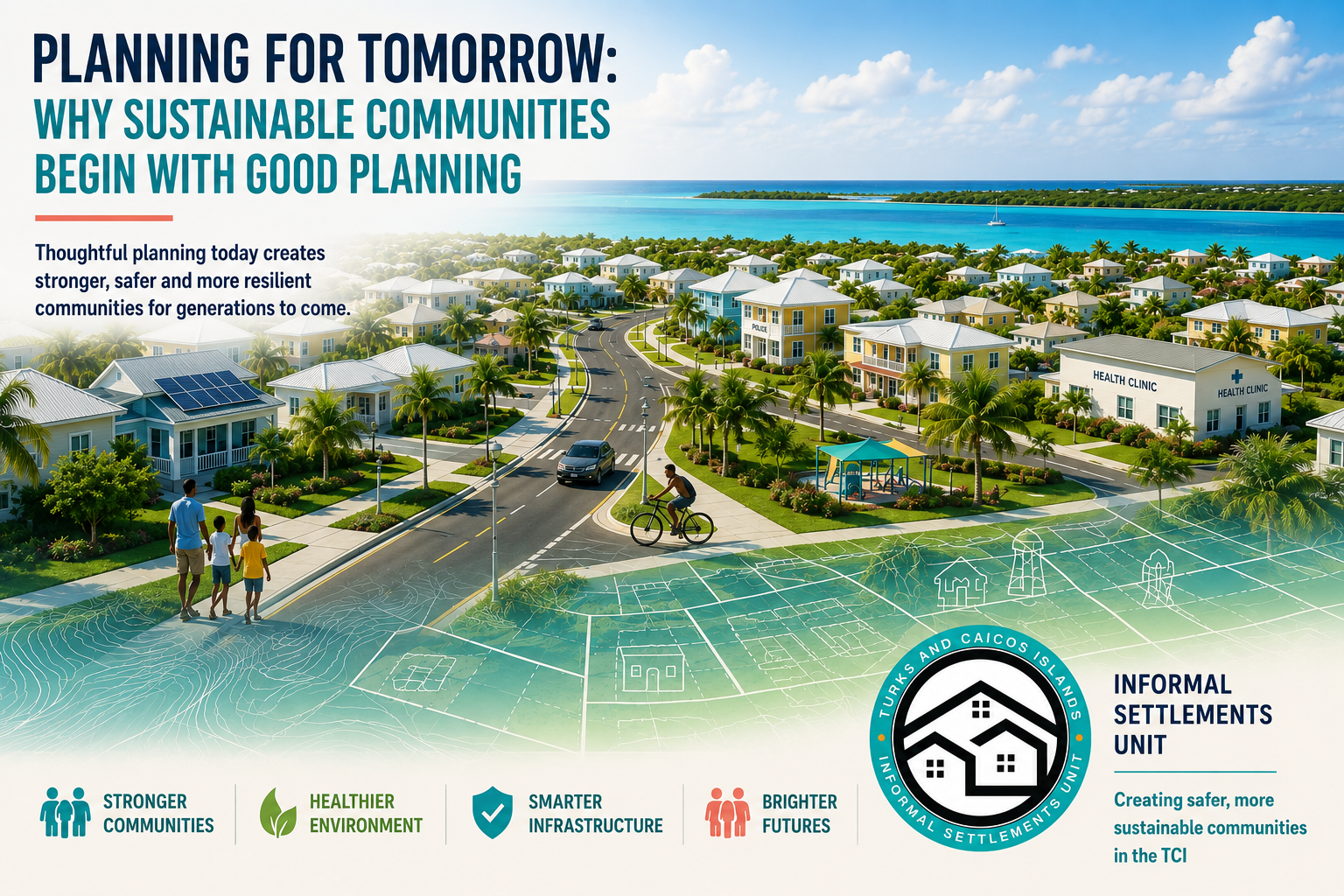
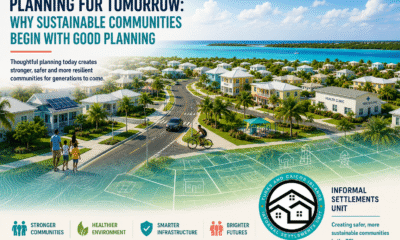
Turks and Caicos – Every thriving community tells a story long before the first home is built. The placement of roads, the routing of utilities, the protection of natural resources and the provision of schools, healthcare and emergency services are all the result of decisions made through careful planning. While these elements are often taken for granted, they form the foundation of safe, functional and sustainable communities.
As populations grow and communities evolve, planning becomes increasingly important. It helps ensure that development takes place in locations that can support it, that infrastructure keeps pace with demand, and that public services remain accessible to those who depend on them. Good planning also considers the future, creating communities that can adapt to changing needs while preserving the quality of life enjoyed by current and future generations.
Where development occurs without adequate planning, however, the effects can be felt far beyond the boundaries of a single neighbourhood. Roads may be unable to accommodate emergency vehicles, utilities can become overstretched, and environmental resources may come under increasing pressure. Delivering public services in these circumstances often becomes more difficult and more costly, creating challenges that affect entire communities rather than individual properties alone.
For this reason, sustainable development can only emanate from careful planning. It must be ensured that homes, infrastructure and essential services develop together in a coordinated and responsible way. Every planning decision contributes to the broader picture of how communities function, grow and respond to future demands.
Supporting that process requires reliable information. Accurate data helps planners and policymakers understand where growth is occurring, identify emerging needs and make informed decisions about infrastructure, housing and public services. It also strengthens collaboration among government agencies by providing a shared understanding of the challenges and opportunities facing communities.
Within the Turks and Caicos Islands, this collaborative approach is reflected in the work of the Informal Settlements Unit (ISU), which supports a range of initiatives aimed at improving the understanding of informal settlement development. Through activities such as GIS mapping, the Social Needs Assessment Survey and collaboration with partner agencies, the ISU contributes valuable information that helps support evidence-based planning and long-term decision-making.
Strong communities are not built overnight. They are shaped through thoughtful planning, informed decisions and cooperation across government and the wider community. As the Turks and Caicos Islands population continues to grow, maintaining that focus will be essential to creating communities that are safe, resilient and equipped to meet the needs of generations to come.
What the Attorney General must do now to protect Bahamian exports
Deandrea Hamilton | Editor
NASSAU, Bahamas — The United States’ decision to impose a 12.5 percent tariff on Bahamian exports is about more than higher costs for seafood, rum and other goods entering the American market. It is a warning that The Bahamas must move quickly to strengthen or clarify its legal framework governing forced labour and supply-chain enforcement.
The tariff, which takes effect July 24, is part of a sweeping U.S. trade action affecting 60 economies following a review by the Office of the U.S. Trade Representative (USTR). The review concluded that the listed countries have not adequately prohibited or enforced measures against goods linked to forced labour in global supply chains.
The action follows a recent U.S. Supreme Court ruling that invalidated an earlier series of Trump-era tariffs imposed under emergency powers. In response, the Trump administration shifted to a different legal authority—Section 301 of the Trade Act of 1974—using findings from a U.S. Trade Representative investigation into forced-labour compliance to support a new round of tariffs affecting 60 economies, including The Bahamas.
Importantly, the action does not accuse Bahamian businesses of using forced labour. Instead, it reflects the U.S. view that The Bahamas’ legal or enforcement framework does not yet meet the standard Washington expects.
That distinction matters.
The Attorney General’s Office now has the responsibility to lead the country’s legal response. That begins with determining precisely what concerns the U.S. Trade Representative identified, reviewing whether Bahamian law adequately addresses those concerns and, where necessary, recommending legislative or regulatory changes. If deficiencies exist, legal amendments and stronger enforcement could help position The Bahamas for removal from the tariff list.
The government may also seek formal discussions with U.S. officials while those reforms are undertaken, outlining a clear timetable for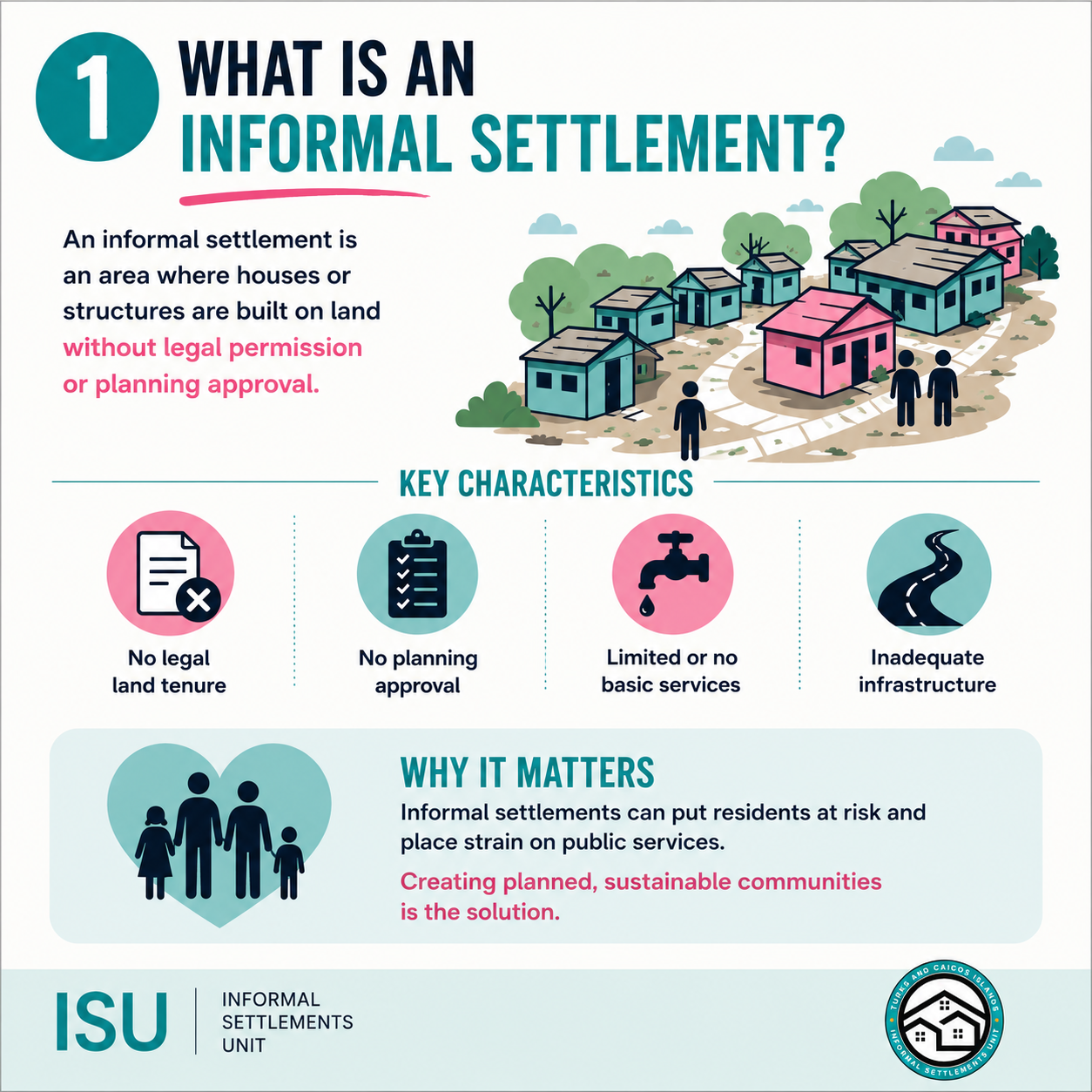 compliance and demonstrating that the country is committed to meeting international labour standards.
A Nassau Guardian front-page report on July 24 drew attention to the tariff action, prompting broader questions about why The Bahamas was included among the 60 economies affected by the U.S. trade measure and what steps are now needed to restore full confidence in the country’s trade framework.
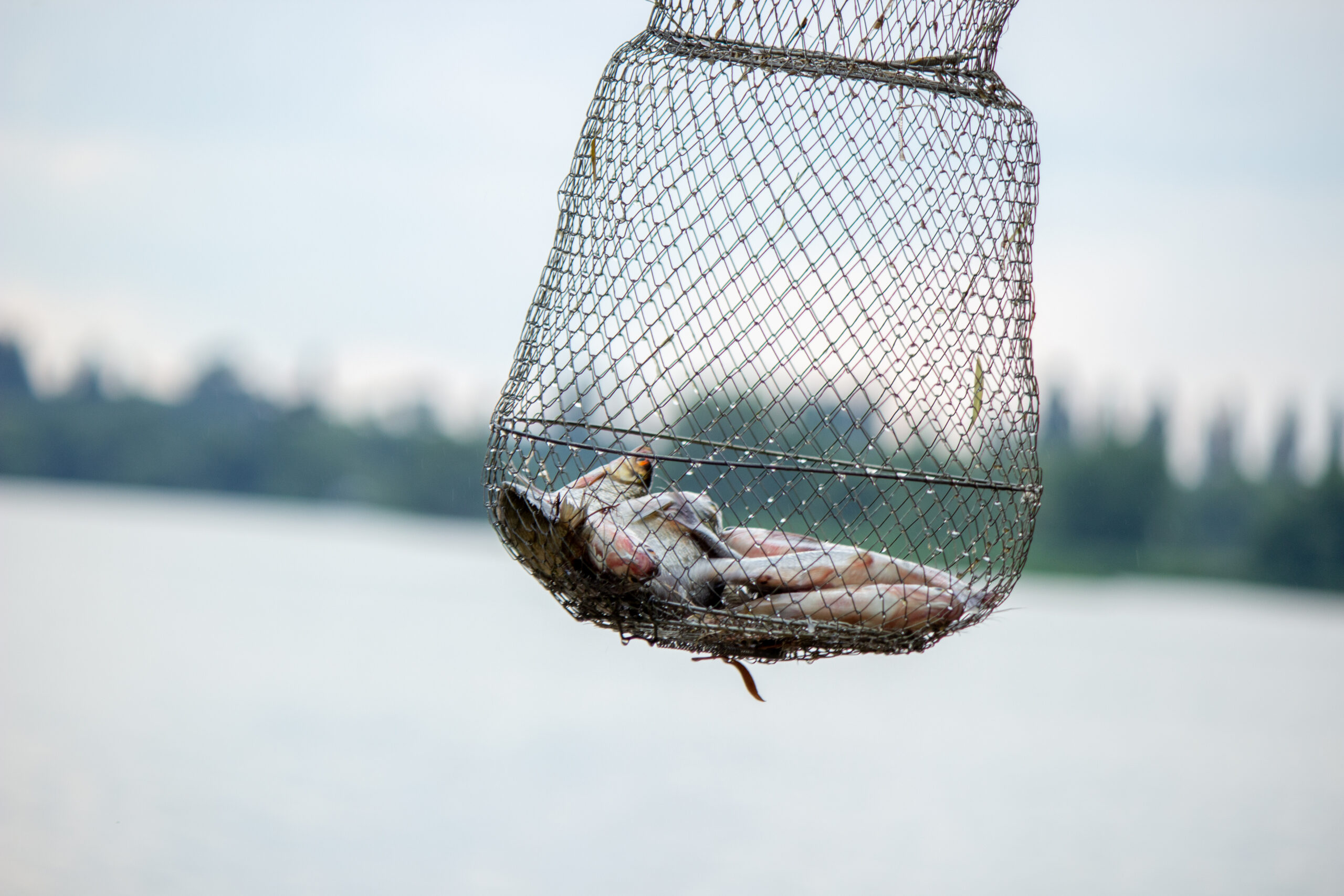
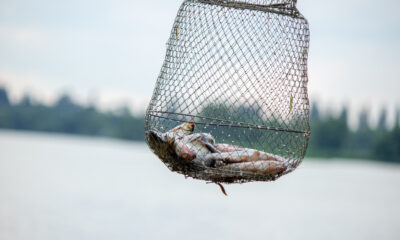
For many Bahamians, the immediate concern will be the fisheries sector, one of the country’s largest export industries. Commercial shipments of lobster, conch, fish, crawfish and other products entering the United States could become more expensive because of the additional tariff, potentially affecting exporters’ competitiveness.
The broader lesson is that international trade increasingly depends not only on quality products, but also on strong business relationships and confidence in the legal systems that govern them.
For The Bahamas, this is less a finding of wrongdoing than a reminder that international credibility is earned through modern laws, effective enforcement and trusted partnerships. The challenge now is for the Attorney General’s Office to lead a swift legal review, identify any deficiencies and chart a clear path toward compliance so Bahamian exporters are not burdened any longer than necessary.





-

 Education5 days ago
Turks and Caicos Islands Students Excel at Cycle 13 WizdomCRM Regional AI Game National Awards Ceremony
-
 Caribbean News6 days ago
Pres Ali declares three days of national mourning following MV Barima tragedy July 21, 2026
-
 News6 days ago
ANDY BURNHAM, NEW UK PM’S FIRST ORDER: LOWER THE COST OF LIVING
-
 Government5 days ago
Parnell Urges Premier to Step Aside, Proposes Bipartisan Board to Guide Healthcare Transition
-
 Government4 days ago
Government Outlines New Healthcare Vision as Interhealth Exit Accelerates Reform
-
 News4 days ago
Planning for Tomorrow: Why Sustainable Communities Begin with Good Planning
-
 Bahamas News4 days ago
Caught in the Net, Not Accused of Wrongdoing