TURKS AND CAICOS ISLANDS GOVERNMENT
CONSOLIDATED STATUTORY BODY
REVIEW REPORT
Prepared by: Stephen Turnbull cpfa, Public Financial Management Consultant
Date Issued: 24th January 2018
1 Executive Summary
1.1 A lack strategic planning and systemic organisational and senior leadership
performance management has created a culture that does not promote effective
accountability.
1.2 Attempts were made at introducing performance based budgeting by the
MoF as part of the budget process, however, the statutory bodies did not fully
embrace this. The result has been an exercise led by government rather than the
bodies themselves with key performance indicators being introduced without the
management will to properly adopt them.
1.3 Evidence of persons being appointed into executive positions which it is
considered that they were not appropriately qualified for was identified for two
statutory bodies.This questions the quality of the leadership in decision making.
1.4 Salaries for the statutory bodies vary significantly but a common thread
across most is that they are inflated to significantly higher levels than those
provided by TCIG. None of the bodies have defensible salary structures. Of the
few bodies that have conducted job evaluation, benchmarking or salary grading
exercises comparators often seem to be chosen that would skew the result to
salary increases. It is not considered appropriate in small Island states for these
exercises to be conducted independently of government who is in a better
position to apply an objective judgment on the results.
1.5 Other than regulatory bodies where staff recruitment is in direct competition
with the regulated sector there is no reason why public sector pay and grading
analogues could not be applied to the statutory bodies. It is also considered
prudent to remove inconsistencies in the manner in which allowances are
awarded or operated that the TCIG staff allowance policies and rates are
adopted across the entire wider public service.
1.6 It was identified that on a number of occasions persons were appointed to the
boards who did not hold the relevant qualification criteria. However, other than a
few of the Ordinances provisions surround the required qualification or skills
criteria the majority were weak. To provide an adequate level of oversight and
direction in any organisation it would be expected boards would include a person
who is qualified and experienced in the specific sector, a professionally qualified
accountant, a qualified attorney and human resources specialist. Many of the
ordinances do not have these specific skills prescribed. which has created a risk
that the governance or fiduciary responsibilities are not adequately discharged.
1.7 Too much reliance is also placed on ex officio members to provide the
requisite professional skills, however, when this is being undertaken by the
Permanent Secretary of the parent Ministry responsible for the body it causes a
potential conflict that weakens the ability of the Permanent Secretary to address
wider governance, operational or financial management concerns.
Many of the Permanent Secretaries raised concerns that if they were not on the
boards then they would be very concerned that the boards themselves fail to
comply with policy or legislation. This statement indicates a lack of confidence in
the boards ability to govern effectively.
1.8 It was observed that some board members held no relevant qualifications or
experience under the provisions for which they were appointed. It is therefore
doubtful if the members could effectively contribute to strategic or operational
matters.
1.9 Despite issues with qualifications, skills and experience generally board sizes
were adequate with the exception of the NHIB, National Trust and Port
Authority which are considered to be too large to be effectively controlled.
The size of the board also impacts on key governance themes such as achieving
quorum and agreeing suitable meeting dates.
1.10 With the exception of those board appointed by the Governor in his
discretion all of the other boards are appointed by the respective Minister.
Until the appointment of the current Governor and Premier there was little
oversight on who was being appointed to boards. That suitability information is
now debated prior to the appointment improves the process, however, there are
still institutional weaknesses in qualification and disqualification criteria in the
ordinances. The result of this is that appointments are partisan. Whilst it is not
uncommon particularly for small island states for partisan appointments it would
be expected that greater scrutiny would be applied particularly to the
appointment of the chairperson and that persons who are members of the House
of Assembly or those who hold political office are prevented from serving on
boards.
1.11 Other than the Financial Services Commission none of the other statutory
bodies operate a risk management system. Therefore, boards are not
systemically thinking about how to address potential threats against the delivery
of strategic or operational objectives. This means they might be often waiting
until loss events or problems materialise before addressing them at which point
issues will generally be more expensive or difficult to resolve.
1.12 Contingent liabilities were identified in the Community College and National
Trust that need urgent review to ascertain if they need to be financed by the
TCIG.
1.13 There was again a wide range in the way that good governance policies
were being implemented. Whilst meetings were conducted on a frequent basis
and appointed members had good attendance, public officers attendance was
not as good although this could partly be as a result of multiple membership
requirements and different board meetings often taking place on the same dates.
1.14 Some agendas and board papers were poorly constructed with operational
and financial information not being routinely debated by the Board. Some spent
more time debating none core related items rather than focusing on the
governance of the organisation. Conflicts of interests were not always properly
managed and disproportionate board member representation on committees was
observed.
1.15 Generally the FSC and NIB operated the best governance processes and
has many aspects that could be used as a template for other to learn from.
The Community College, Telecommunications Commission and National
Trust offered the lowest level of good governance.
2 Introduction
2.1 A 67 day review was commissioned by the Turks and Caicos Islands
Government (TCIG) to examine the Statutory Bodies, other Non-Central
Government’s Commissions and Agencies/ALBs to ensure good governance
practices are being consistently applied and there is adherence to relevant
policies and objectives.
2.2 The deliverables of the exercise were to review and report against:
• the internal procedures and the effectiveness of the Boards supervision;
• the internal procedures and the effectiveness of the senior management of
the Board;
• whether the membership of the Boards reflect adequately and appropriately the
responsibilities of each Body to protect the wider public interest and public
finances;
• examine the processes for determining salary levels to ensure they are
defensible;
• determine whether Public Service analogues should be used to establish job
weightings and related payments;
• ensure the membership of the Board reflect appropriately the responsibilities of
the Board under the respective Ordinance;
• determine of the Board members are suitably qualified to discharge their
assigned duties;
• determine of the Board is of a suitable size;
• examine the appointment processes to determine if it is conducive to
nonpartisan governance;
• review the risk management procedures and systems in place as to provide
properly for the protection of the wider public interest; and
• assess whether there is adherence to good governance policies and objectives
are being carried out.
2.3 Special attention was to be paid to those Statutory Bodies with responsibility
for significant financial resources and potential liabilities.
2.4 A visit was made to the Turks and Caicos Islands between the 13th October
2017 and 9th November 2017. The consultant met with HE Governor,
Hon. Premier, all relevant Permanent Secretaries and Accounting Officers.
Meetings were also scheduled with the Chairpersons and Chief Financial
Officers/Managing Directors of the Statutory Bodies with the exception of the
Complaints Commission and Human Rights Commission.
2.5 Additional meetings were also held with the HE Deputy Governor, Deputy
Secretary Finance (Mrs Shonia Thomas-Been), Budget Director, Deputy
Budget Director, Chief Internal Auditor (OCIA) and Auditor General (NAO).
2.6 Information requests were issued prior to the visit with further information
requested during the scheduled meetings. In addition, as part of the meetings
reviews were undertaken of meeting agendas and board papers. Desk top
reviews of the legislative provisions surrounding governance, budgets and salary
costs were also completed. A governance questionnaire was also issued to each
statutory body for completion at their next scheduled board meeting.
2.7 This report draws conclusions from the report drafted on the individual
statutory body reviews and also introduces elements from best practice and
lessons learnt from historic failures. The intention is that recommendations will be
made to Cabinet suggesting a series of changes that can be encompassed in a
specific piece legislation governing key or code of conduct to improve the general
governance of the statutory bodies.
2.8 Thanks are provided to all persons who took time out of their busy schedules
to meet with the consultant and for their courtesy and assistance in providing the
necessary information to conduct the review.
2.9 Special thanks are offered to Mr Marlon Shippie, Chief Internal Auditor,
TCIG for the provision of staff resources and Mrs Natasha Kam-Mutelib,
Internal Audit Manager, TCIG who provided valuable assistance with the review
and without whom it would have been impossible to complete this review in such
a short duration.
3 Observations
Procedures and effectiveness of the Boards supervision
3.1 Strategic or operational plans are uncommon across the SB’s therefore the
boards are not properly considering longer term objectives of the bodies that they
are appointed to. Whilst a few of the bodies had in place strategic plans others
had allowed their plans to become out of date whilst others had never prepared
one.
3.2 Although a few of the SB’s were reporting operational performance to their
Boards at meetings none of the boards have specific guidance on
organisational performance management. Performance tends to be managed by
the delivery of tasks rather than systemically reviewing and reporting against
organisational efficiency and effectiveness. Whilst it is arguable that if the Board
focuses on key issues then they are making best use for their time there is a risk
that they fail to pay attention to general operational and financial performance
issues.
3.3 Of the Statutory Bodies only the NIB Board had previously prepared KPI’s for
the Chief Executive Officer, however, these had not been further discussed or
measured since the appointment of the new Chair and Board members.
During the meetings it was apparent that the newly appointed Chair was unaware
that these had been previously set. This warrants the preparation of those
indicators meaningless.
3.4 In response to the ToR of this review the FSC Board had decided to discuss
performance management of its Managing Director and has recently agreed
a set of performance indicators for him.
3.5 Following a direction from the Hon. Premier and Minister responsible for
Finance the TCIAA Board had held an extra-ordinary meeting to discuss and
agree KPI’s for the CEO.
3.6 In addition to the tasks issued from the boards some of the CEOs advised
that they often received instructions directly from Ministers which can either be
with or without the Boards knowledge. Whilst it is important to have an open
dialogue between Ministers and the statutory bodies under their aegis informal
channels of communication and reprioritisation of Chief Officer deliverables can
erode the boards ability govern effectively and hold the CEO to account in the
delivery of their duties.
3.7 Sponsorship letters were developed as a mechanism to set out specific
financial control arrangements and also for the Government to formally relay its
expectations in terms of performance and policy focus. From a review of the
sponsorship letter issued for FY 17/18 it seems that they have only been used a
mechanism to reiterate the financial provisions set out in the PFMO/
PFMRs together with additional expenditure control requirements. The
opportunity to use these as performance agreements whereby the government
sets out its operational and financial performance expectations has not been
exploited.
3.8 Overall there is a general lack of performance management and therefore
accountability of the CEO/MD’s and of the statutory bodies themselves.
3.9 There was a wide range of systems in place some of which provided staff
with a good range for performance measures and provided scope for staff input
and the identification of training needs. However, others were quite weak with
management providing scores across a range of areas without any indication of
staff participation.
3.10 The NHIB and Telecommunications Commissions have performance
appraisal systems recorded in the Human Resource manuals and had previously
operated performance appraisal systems in their organisations but had since
ceased undertaking these.
3.11 The TCI Community College indicated that they operated informal verbal
performance appraisal processes although there is no evidence to support these
assertions. Informal processes are also of no value when attempting to address
performance issues.
3.12 The National Trust and Tourist Board failed to operate any form of staff
performance appraisal.
Board Membership
3.13 Other than provisions surrounding the production of budgets, management
accounts and preparation of financial statements contained in the PFMO specific
legislation surrounding standards of accountability in the statutory bodies
ordinances are weak.
3.14 The majority of board membership provisions are too general or fail to
explain the qualification criteria adequately as examples, although not exclusive
to these bodies;
• The TCI Airports Authority and TCI Civil Aviation Authority require no
qualifications, skills or experiences for its board members.
• The Community College requires persons to be nominated from professional,
business and cultural sectors rather than persons with experience in tertiary
education.
• NIB requires persons to represent either employers or employees rather than
require persons with insurance or investment banking or fund management
experience.
3.15 The result of the TCIG legislation has been whilst persons are appointed to
the boards correctly they are not in all instances necessarily sufficiently
experienced, skilled or qualified to undertake the governance responsibilities of a
director.
3.16 Together with a general lack of an accountability framework, as described in
the previous section, this can and has, led to instances where governance of
statutory bodies has been less than effective. For example, the TCI
Community College and NHIB has been habitually creating liabilities that the
TCIG have been required to fund. Responsible officers or directors have then not
been held accountable by the board for their actions.
3.17 It was also identified that legislative provisions had not been properly
applied, for example the NIB had too many persons representing insured
persons and the Telecommunications Commission had one to many
commissioners appointed.
3.18 Whilst there were some well qualified and experienced persons appointed to
boards their skills were not considered totally relevant and in one instance there
was a risk that the board members substantive employment could be considered
to conflict against their board responsibilities.
3.19 Permanent Secretaries are often appointed to SB Boards as ex officio
members. Their purpose is to represent the Government and ensure that
decisions are being made in accordance with government policy. However, they
also hold higher level accounting officer responsibilities such as setting
performance targets, ensuring legislative requirements are being adhered to and
seeking explanations if the statutory body fails in its objectives. These
responsibilities can therefore lead to a conflict as they might be required to
intervene on decisions that they have been involved in. It is therefore suggested,
to remove this conflict, that PS’s are not included as ex officio members on
statutory body boards and if government representation is required then this is
provided by other senior civil servants nominated by the
Permanent Secretaries.
3.20 Most of the Boards consist of seven or so members which is considered a
reasonable size to properly govern. However, there are a number of boards
where when taking into account both appointed and ex officio members that the
board is remarkably large such as the NHIB or TCINT.
3.21 Larger boards tend to have a difficult time scheduling meetings as there is a
greater chance that persons will be unavailable meaning that achieving quorum
will become more difficult.
Appointment processes – Board
3.22 Whether real or perceived, issues can occur when board members are
appointed during a former administration remain appointed to Boards under a
new administration. The new administrations then view these persons with
suspicion they may be using the office to promote an oppositions political agenda
and therefore intentionally frustrating the delivery of a government. These issues
can increase if the board members hold political office.
3.23 Many countries address this risk by removing any ministerial involvement
from the appointment process and have boards appointed through an application
and merit based recruitment procedure led by the Permanent
Secretary.
3.24 It is accepted that it is advantageous to have purely independent persons
appointed to Boards but the reality in small island states is that often there is an
insufficient pool size to properly attract nonpartisan persons.
3.25 With the exception of the National Trust whereby the majority of members
are elected by its members all of the Ordinances require Board members to be
appointed by either the HE Governor, Hon. Premier, responsible Hon.
Minister or by nomination of the Leader of the Opposition. Furthermore, not all of
the Ordinances have restrictions or disqualification criteria for appointments to
boards members.
3.26 Therefore, with the exception of those members appointed by the Governor
‘in his discretion’ the current appointment processes lend themselves to partisan
governance.
3.27 During the review the consultant was advised on a few occasions by
Chairpersons that Ministers were not effectively communicating with them which
in their opinion was a result of their political affiliation or because they had been
appointed by the previous government. It was also stated that in one instance
that recommendations were not made to Cabinet for suggested areas of
improvement because a Board member, who held political office, advised that it
would not be supported. This is not conducive to effective governance as a
Chairpersons should have regular dialogue with the responsible Minister and
individual board members should not be in a position to overly influence an entire
board.
3.28 Ideally there should be a fair balance between members appointed purely
due to specific qualifications and experience and those that possess skills but are
politically appointed. However, the Chairperson should be the key member
responsible to ensure the boards members are not conflicted in their decisions
and should also provide feedback on whether the expected board competencies
are in place.
3.29 To remove potential conflicts it would be beneficial if an independent
commission was established to recommend appointments for Chairpersons that
could be based on predefined criteria such as qualifications, skills and
experience. Also there should be general exclusions for all employees from other
statutory bodies from boards and for persons holding political office.
3.30 It was also observed for a number of the statutory bodies that the tenure of
the entire board expires on the same date meaning a whole new board could be
appointed who has no knowledge of previous decisions or key issues facing an
organisation.
3.31 Ideally board tenures should be staggered to prevent the loss of institutional
knowledge.
3.32 Also other than the Ordinance for the National Trust no other legislation
requires limits on the number of terms persons can sit as board members. To
prevent complacency and ensure that fresh approaches are brought into
organisations, board members should be disqualified from a board after a
specified number of appointments.
Appointment process – CEO/MD
3.33 Legislative provisions enable Ministers or Boards to make appoints of the
CEO/MDs for the statutory bodies. Weaknesses were identified as the legislative
provisions rarely require the CEO/MD to hold requisite qualifications, skills or
experience therefore it is possible that persons could be appointed that are not
appropriately qualified or experienced.
3.34 To reduce the potential risk of unqualified persons being appointed it is
suggested that the legislative provisions across all of the ordinances are
improved to require secure specific qualifications, skills and experience.
Salaries and public service analogues
3.35 CEO/MD salaries tend to be approved by the Minister responsible for the
body although there are circumstances where the board are charged with this
responsibility. Some ordinances did not contain any clauses relating to setting
terms and conditions.
3.36 This approach has led to an inconsistent adoption of salaries, terms and
conditions being set for the statutory body leadership. As this tends to be
used as the threshold for which all other salaries are set if the CEO/MD salary is
incorrectly configured it is probable that so is the entire organisation.
3.37 Other issues impact the overall emoluments at statutory bodies, for example
some staff are paid housing allowances despite being ordinarily resident in the
island of their employment or have excessive vehicle allowances that would allow
them to purchase a new vehicle every couple of years. The Telecommunications
Commission has factored inflationary pay awards into their contracts of
employment which is not consistent with any other statutory body.
3.38 It is evident that the process for salary setting of the most senior official
needs a structured and consistent approach to be developed. It is suggested
that this is undertaken by a Board or Commission that is developed who is
responsible for not only the recruitment but also recommending terms and
conditions.
3.39 The majority of the salary levels in place across the bodies were derived
historically from when the functions were originally part of TCIG. Over time
various unstructured increases had been made of which only some were
consistent with government pay awards.
3.40 A few Statutory Bodies have undertaken job evaluation exercises albeit to
varying degrees of success and implementation. There was also evidence that
when evaluation exercises were undertaken that statutory bodies were
comparing themselves against what can be considered to be non-comparable
countries for example, Cayman islands, Bermuda or British Virgin Islands or selffinancing
statutory bodies, usually those with higher salaries. This has created a
culture for many of the bodies of ever increasing rates being applied.
3.41 A salary review was undertaken for the statutory bodies that highlighted
major differences across the statutory bodies, particularly for the Chief
Executive Officer or equivalent. Notable in their extreme the CEO of the TCI
Airports Authority and TCI Telecommunications Commission at $169k and
$159k excluding allowances respectively. Furthermore, the salary of the CFO at
the Airports Authority was almost $30k per annum higher than the next highest
paid CFO/Financial Controller.
3.42 Average salaries for the statutory bodies were calculated as tabulated
below:
Table 1 – Statutory Bodies Average Salaries
Statutory Body Total Salary
2017/2018
No. of
Positions
Average Variance to
average SB
Variance to
average TCIG
Complaints
Commission
178,940 4 44,735 8,009 12,312
Human Rights
Commission
241,000 5 48,200 11,474 15,777
Integrity
Commission
809,900 13 62,300 25,574 29,877
Civil Aviation
Authority
932,025 19 49,054 12,328 16,631
NHIB 1,909,146 43 44,399 7,673 11,976
TCI Community
College
2,337,754 63 37,107 381 4,685
Invest TCI 737,960 11 67,087 30,362 34,665
Tourist Board 1,187,314 26 45,666 8,940 13,243
National Trust 351,722 20 17,586 (19,140) (14,836)
FIA 99,300 3 33,100 (3,626) 677
Port Authority 2,046,082 57 35,896 (830) 3,474
National Insurance
Board
2,656,260 55 48,350 11,624 15,928
Telecommunications 638,306 8 79,788 43,063 47,366
Airport Authority 10,056,329 340 29,577 (7,148) (2,845)
TCI FSC 3,542,901 88 40,260 3,534 7,838
Total Statutory Body 27,727,939 755 36,726
Total TCIG 69,611,306 2,147 32,423
Cost of SB Variance 3,248,882
3.43 For the purposes of the review the adjust lecturers volumes and
emoluments were eliminated from the Community College calculations as they
skewed the overall results. The following observations can be made:
• Average salaries for the statutory bodies are approximately $4.3k higher than
that of the TCIG. If this variance was applied to the total number of staff it shows
that the average staff cost of statutory bodies is $3.2m higher than it would had
these functions operated in a similar manner TCIG.
• The average salary for statutory bodies at $36.7k per annum is suppressed by
cost containment measures at the TCIAA which represents almost half of the
statutory body staff employed.
• The Telecommunications Commission has the highest average salaries across
the entire government at $79.7k per annum followed by Invest TC at $67k per
annum.
• The National Trust at an average salary of $17.5k per annum is the lowest
although this is suppressed as a result of a large proportion of casual and part
time employees.
3.44 Overall both salaries and the processes for determining salary levels are not
defensible across the statutory bodies and an exercise independent of the bodies
themselves needs to be completed to determine if these are adequate.
3.45 There are major variances both in terms of amounts and payment
frequencies between the stipends received by board members. The most
common was $1,500 and $1,000 per month for the Chair and members, these
payments are made irrespective of whether the board meets.
3.46 Evaluation of whether public service analogues to establish job weightings
and related payments was undertaken based on two key indicators being, if the
bodies revenue is primarily subvented by government or if there is a risk that
employees might be poached by the private sector as their skills would be in high
demand locally.
3.47 The fully or partly subvented bodies rely on revenue received from the
consolidated fund to finance their operations they are little different to
government departments therefore should be subject to same job weightings.
3.48 Self-financing bodies tend to be operating in areas such as the Airports,
Ports or National Insurance who are generally providing very specific services
that are not provided by the private sector. There is limited scope for poaching
staff outside of those individuals providing professional services eg. accountants,
human resources and lawyers. These professional services can be recognised in
the job weightings therefore it is considered that public service analogues can be
applied to the entire establishments.
3.49 There has been a long standing argument in regulatory sectors that in order
to retain staff and so that management and staff are of an equal standing to
those that they are holding to account that their salaries should be comparable
with their regulated industry. Many jurisdictions tend to compete for the same
small pool of experts as skills shortages often occur. This can be considered to
be a reasonable justification for salaries to sit outside of the government
structure, however, only where it can be clearly demonstrated that there is
consistency with regional salaries of jurisdictions of a similar size and complexity.
3.50 Where both regulatory and non-regulatory functions are being undertaken
for example the FSC it is suggested that only those related to the regulatory
sector sit outside of the public service analogues.
Risk Management
3.51 Formal risk management procedures and systems are not routinely adopted
by the Statutory Bodies as a means to govern or manage their resources.
Despite many boards measuring themselves as actively implementing a risk
management process they had not done so indicating a general lack of
awareness in this area.
3.52 Only the FSC had established a risk management policy and had a risk
register in place albeit was only recently introduced in July 2017. The risk register
itself is more of an current issues log, however, the commission should be
commended for at least attempting to identify and capture the risks it faces.
3.53 The policy that the FSC created is a reasonable and pragmatic process
that could be easily rolled out as a consistent risk management approach for
all of the statutory bodies. This would although require some initial training
and facilitation across the statutory bodies.
3.54 Common themes of statutory bodies indicating that they faced operational
risks as a result of difficulties and time delays associated the recruitment of
qualified and experienced staff since they were required to comply with
requirements of obtaining work permits, however, there was no demonstrable
evidence to support these assertions.
Governance policies and objectives
3.55 Only a few of the statuary bodies have board or committee charters in place
that explain the standard operating procedures and decision making
requirements of the Board and its staff.
3.56 Quality of the agendas across the statutory bodies varied significantly with
many excluding operational and financial performance. The meetings in these
circumstances tended to focus on specific issues rather than general strategic
and operational performance. It is anticipated if standard agendas were devised
that this could help lead the meetings in a more structured manner.
3.57 As with the agendas the quality of the board papers were very inconsistent
and problems associated with the issues of papers in a timely manner with some
only being presented on the day of the meeting and in other instances only
verbal reports being presented.
3.58 However, there were examples of good practice in board paper preparation
for example the FSC had very well structured papers and it was evident that
the board debated a broad range of items. Remarkably, the board papers for the
NHIB were very comprehensive and presented the best example of operational
and financial reports, although it is understood that data integrity reduces
significantly the reliance that be placed on these.
3.59 Minutes were often a good indicator of the quality of the debate although
some did not provide sufficient information to be able to determine if all Board
members contributed to the discussion. The National Trust and Civil Aviation
Authority were the worst examples which indicated only brief meetings and
an inadequate focus on organisational or financial performance.
3.60 Generally meeting were held frequently although at the time of the review
many boards had not met for some time as a result of damages from hurricanes
Irma and Maria. Attendance from the appointed members was much better than
that of public officers who held a much higher percentage of absences.
3.61 Quorum was generally well maintained in the meetings however difficulties
have arisen at the NHIB as high vacancy levels making it impossible to achieve
quorum that has prevented the Board from meeting. It is acknowledged that the
government has taken steps to reduce the board that should improve the ability
to achieve quorum.
3.62 It was identified the NIB and FSC had established committees that held the
majority of the voting members of the main board. Therefore, when
recommendations are being made to the main board it does so knowing that it
can exert control and approve a decision it has already made. This weakens the
control of the main board and in such circumstances either the committee should
be reduced to include a board minority or be disbanded and the tasks absorbed
back into the main board. This ensures that all board members have an active
voice at a stage when it can inform the decision being made.
3.63 Annual reports are not required to be prepared by all statutory bodies
despite them being a valuable mechanism to promote accountability by the
statutory body to its stakeholders. These are generally considered alongside
the financial statements and explain, who the board are, how it has operated
and the objectives that it has achieved. It is suggested that all statutory
bodies are required to complete an annual report.
3.64 Financial statements were until recently up to date for most of the statutory
bodies, however, many have struggled to understand the changes that the
National Audit Office Ordinance had on their ability to appoint auditors and to
control the scope of the audit. This has caused some delays to those that are
usually conducted within the financial year and will soon be rectified.
However, the National Trust, Complaints Commission, Human Rights
Commission and the Tourist Board has financial statements outstanding. This
weakens considerably the reliance that the Board, Government and
Stakeholders can place on its current financial position.
3.65 Despite being a requirement under the Public Finance Management
Regulations the Statement on Internal Control is not being prepared by all of
the statutory bodies. This is the primary accountability document where the
executive and board formally disclose how they have discharged their fiduciary
responsibilities to ensure that internal controls have been operating as intended
and that risk have been adequately managed.
Additional Issues
3.66 The Community College and NHIB have over numerous years
demonstrated poor standards of governance which has resulted in significant
contingent liabilities being incurred by the Government. Despite these being
regularly extinguished by TCIG these liabilities continue to be incurred and in
some instances grow. Successive boards have failed to demonstrate adequate
oversight or control over the entities leading to a position whereby there has
been a governance failure. Management systems have broken down and that
the functions are undertaken in a statutory body means that the government
cannot exercise the level of oversight required to properly being these under
control. There is also no compelling reason why tertiary education which is
almost wholly government funded is better suited being independent from the
TCIG.
3.67 The Tourist Board has not been subject to adequate levels of board
oversight. Furthermore, that the primary purpose of the Tourist Board is a
marketing function there is no compelling reason why this function is better
suited in a separate legal entity.
3.68 It is suggested that the three statutory bodies be dissolved and the functions
returned to TCIG so that they can be subject to greater levels of oversight and
scrutiny and financial risks can be better managed.
4 Recommendations
Procedures and effectiveness of Board supervision
4.1 To improve the accountability framework across the statutory bodies the
following recommendations should be implemented:
• Introduction of a standard business planning document as approved by the
government;
• Quarterly reporting of key performance indicators alongside the TCIG financial
report, these should include a mix of organisational efficiency and financial
management indicators;
• Establishment of specific CEO/MD performance targets;
• CEO/MD performance appraisal processes established and regular reports to
Cabinet on the outcome of the appraisals; and
• Creation and adoption of a statutory body code of practice (suggested example
provided in appendix 1)
4.2 The sponsorship letters should be revised to include specific and realistic
performance targets to which organisational effectiveness, financial and risk
management should be measured this would form a performance agreement.
Failure to meet these targets could warrant the invocation of a board member
termination mechanism. An example of the proposed contents of a sponsorship
letter/performance agreement is shown as appendix 2 to this report.
4.3 Improvements to the senior management effectiveness processes should
include:
• standard performance appraisal processes established across the statutory
bodies possibly using the FSC or NIB systems as a template;
• regular reports to the board on completion and status of implementation of
the performance appraisal process; and
• SMART performance measures to be provide to all members of staff for
inclusion in their performance appraisals.
4.4 To improve organisational accountability formal reporting lines between
Ministers, Chairpersons, Board members and CEO’s should be established.
All instructions issued to the Statutory Body should be made through the
Chairperson who should in turn keep the Board and CEO’s apprised of these
directives.
Board membership
4.5 Similar to the way that financial management clauses were harmonised in the
Public Financial Management Ordinance a specific piece of legislation should
be developed that supersedes the existing sometimes outdated individual
statutory body ordinance clauses governing;
• size, suggested maximum of 7;
• chair, board and CEO appointment method
• remuneration setting;
• tenure and reappointment process;
• disqualification criteria;
• term limits; and
• member termination clauses.
4.6 It is also recommended that schedules to the ordinance are prepared for
each of the Statutory Bodies to cover the specific qualifications, skills and
experience requirements of the members.
4.7 That Accounting Officers can address any failing performance of a Board or
Body they should not themselves be a Board member. Where the Ordinance
requires the Permanent Secretary as an ex officio member legislation should
be amended to a suitably qualified and experienced nominated representative.
Board papers and minutes together with performance reports should still be
provided to the PS so that they can independently monitor the effectiveness of
the CEO and Board.
Appointments processes – Board
4.8 To support non partisan approaches and to demonstrate they are fully
devoted to their board appointments, appointed board members should not
hold office in a political party, a different statutory body or public office other
than where appointed in an ex officio capacity. Nor should any appointed
board member be eligible to sit on more than two boards at any one time.
4.9 Chairpersons should be appointed by an independent committee that is
established specifically to identify the most appropriately qualified and skilled
individuals to the statutory bodies. Appointments should be merit based where
practical.
4.10 To prevent complacency board members should be appointed for a
maximum term of three years with no more than two reappointments before an
automatic sitting out for one term.
4.11 In order to ensure continuity of institutional knowledge of a Board the
tenures should be staggered so not more than one third of the board expires in
any given year.
Appointment process – CEO/MD
4.12 To demonstrate the best candidates remains in position, CEO/MD
appointments should be for a standardised term, say 2 to 3 years with the
option to renew only once before the position is subject to a compulsory
international recruitment process. The existing employee should be entitled
and encouraged to apply and be considered alongside other applicants.
4.13 To avoid unqualified or experienced persons being considered for
recruitment, legislative amendments should be made to specify that each
CEO/MD should hold professional qualifications and relevant experiences
required for the bodies they are being appointed to.
4.14 CEO recruitment processes should be undertaken by an established
independent commission and appointment panel that should include the
Deputy Governor, nominated representative from the Governor, nominated
representative from the Premier, nominated representative from the Leader of
the Opposition, the respective Chairperson and independent HR representative.
4.15 To prevent ‘stress’ appointments, recruitment processes should commence
at least 6 and ideally 9 months before the existing contract expires.
Consideration should be given to formal competence based and
psychometric assessments in addition to interviews particularly for the larger
SB’s. Cabinet should be provided summary recruitment assessments and
recommendations from the Commission prior to approving the appointments.
4.16 CEO/MD terms and conditions should be governed by the independent
oversight body that takes into consideration the size and complexity of the
body. Benchmarking within materiality parameters should be used, for
example the CEO of a body with only a few members of staff and smaller less
technical scope of work should have a lower salary than the CEO of a large
technical organisation.
Salaries and public service analogues
4.17 Consideration could be given to undertaking an independent statutory body
wide job evaluation exercise based on the public service job weightings and
pay scales, however, care needs to be taken to ensure that any specific
technical competencies are properly aligned with market conditions. To ensure
independence and objectivity this should be facilitated by the TCIG as opposed
to the bodies themselves, although the Statutory Bodies should be requested to
contribute to the costs of this exercise.
4.18 Benchmarking exercises should be undertaken for regulatory staff salaries.
Care needs to be taken to ensure that the comparator organisations are relevant.
These comparator organisations should be approved by Cabinet in advance of
being used.
4.19 All staff and management salary allowance policies including eligibility
criteria, term limits and rates for all Statutory Bodies should be consistent
with those offered by TCIG.
4.20 Senior officers for statutory bodies should not be appointed on substantive
contracts until the job evaluation process is concluded.
4.21 Instruction should be issued to all of the statutory bodies advising them that
under no circumstances should contracts of employment be entered into that
provides for automatic inflationary awards.
Risk Management
4.22 A standardised risk management process should be devised and rolled out
for all of the Statutory Bodies, the FSC model could be used as a template. In
the short term this should be high level risk register detailed with key risks facing
the bodies and then further developed as the organisations risk awareness
matures.
Governance policies and objectives
4.23 Standard meeting agendas should be adopted by the statutory bodies to
help guide them in the conduct of their business. See appendix 3 which provide
an example based on a slight revisions to the NIB standard board agenda.
4.24 Consideration should be given to providing training to senior officers within
statutory bodies on the preparation of board papers. This should help improve
the quality of board papers.
4.25 A forward schedule of Board meeting should be established. This should be
considered alongside all other statutory body meetings to ensure that where
members might sit on more than one Board and potential schedule clashes can
be avoided.
4.26 To ensure that committees cannot over-rule the board the composition of
appointed board members on an established committees should be formally
restricted under legislation to less than those required to constitute quorum
under the main board. Committees should never hold the delegated power to
make decisions.
4.27 Annual reports together with the financial statements are important
documents for stakeholders, including Government, to understand how
effectively the statutory body has operated in accordance with its mandate. It
is recommended that all statutory bodies are required to prepare and publish, in
conjunction with the audited financial statements, an annual report that nearly
sets out its performance measurements against its strategic and operational
objectives.
4.28 In order to fully discharge their responsibilities, improve accountability and
comply with the Public Financial Management Ordinance, Statutory Body
Boards should ensure that Statements on Internal Control are completed for
inclusion in their financial statements. These statements are Boards assurances
to stakeholders that they have ensured the body has an adequate internal control
environment and thereby demonstrated that have safeguarded the public funds
placed under their stewardship.
4.29 A code of practice should be devised to standardise the general
expectations on how Boards should operate their responsibilities and reporting
relationships. An example has been drafted as appendix 1 to this report.
Additional Issues
4.30 Consideration should be given to absorbing back into Government the
functions for those bodies that do not properly or fully support itself to being a
separate legal entity, has been poorly governed or where they have consistently
created liabilities or failed to deliver their objectives, for example Community
College and Tourist Board.
4.31 Due to the inherent issues associated with the systems, operations and
management of the NHIB, since its inception, careful consideration needs to
be given to whether the delivery model should continue in its current form.
Alternative options can include:
• Merging the registration, contribution liability, billing, collection and
compliance functions with those of the more established NIB.
• Dissolving the NHIB and absorbing back into Government either permanently
or until better controlled and more affordable systems are developed.
Additionally, the treatment abroad programme needs a thorough revaluation with
a greater focus on cost control.







 in Yachting Breakfast. These engagements provided opportunities to strengthen relationships across the yachting sector and position the Turks and Caicos Islands within conversations about the Caribbean’s growing superyacht and luxury marine tourism market.
 in Turks and Caicos, Blue Haven Marina was excited about participating in multiple presentations and conversations showcasing the beauty that the destination has to offer. From the third largest barrier reef in the world, to nature sanctuaries, whale watching and varied cultural events, Turks and Caicos Islands, with it’s 100 named islands and cays, has become the premier Superyacht destination in the Caribbean,” he said.
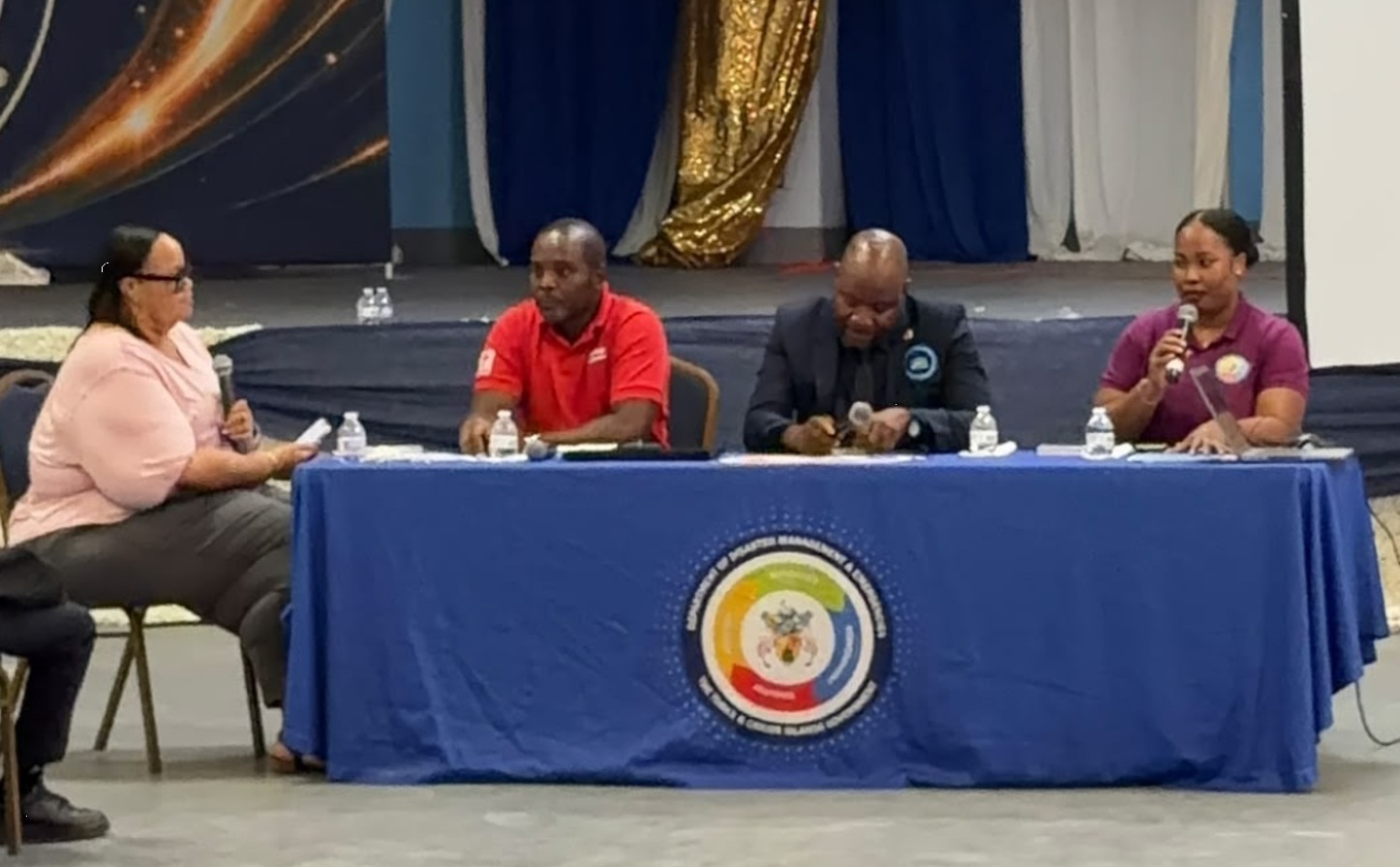
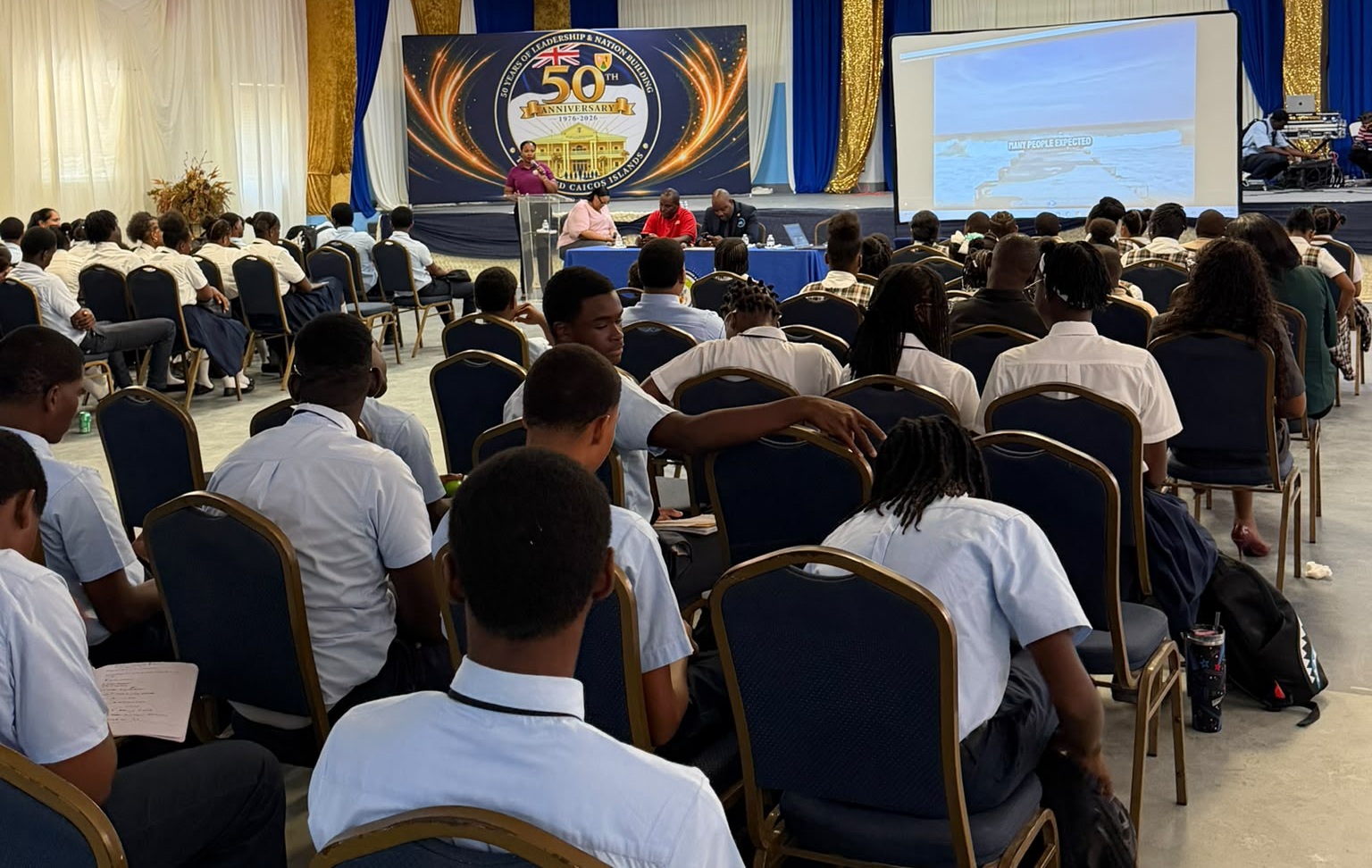 activities, school visits, essay writing and an original video submission from the Eliza Simons School in Grand Turk.
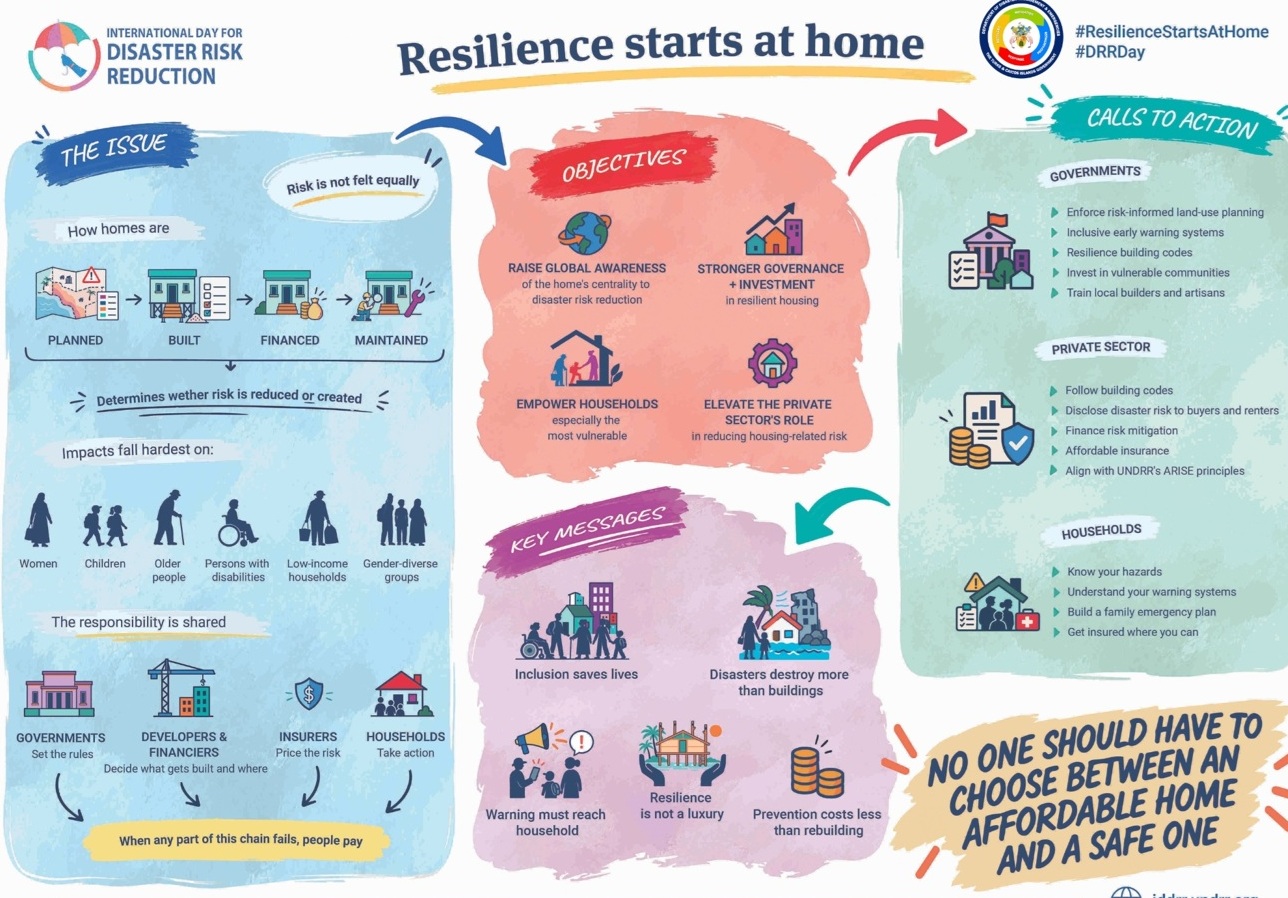
 2015-2030. Throughout the years, many initiatives have been taken through the various stages of the disaster cycle from preparedness to recovery in an effort to strengthen the resilience of the Turks and Caicos Islands. Initiatives such as the creation and consistent updating of building codes, the Reconstruction and Rehabilitation Housing Project following major hurricanes such as Ike in 2008, the creation of an early recovery framework, as well as strengthening CCRIFF insurance were all implemented to ensure that the Turks and Caicos Islands were on the path to build back stronger and better.

 Statistics Authority, a milestone years in the making and one many in attendance attributed to the vision, persistence and leadership of longtime statistician Shirlen Forbes.
 explaining that his focus extends beyond qualifications.






 Health6 days ago

 Bahamas News5 days ago

 Caribbean News6 days ago

 News7 days ago

 Uncategorized1 week ago

 News6 days ago