Connect with us

News

Government underscores the impact of climate change on the country

Published

on

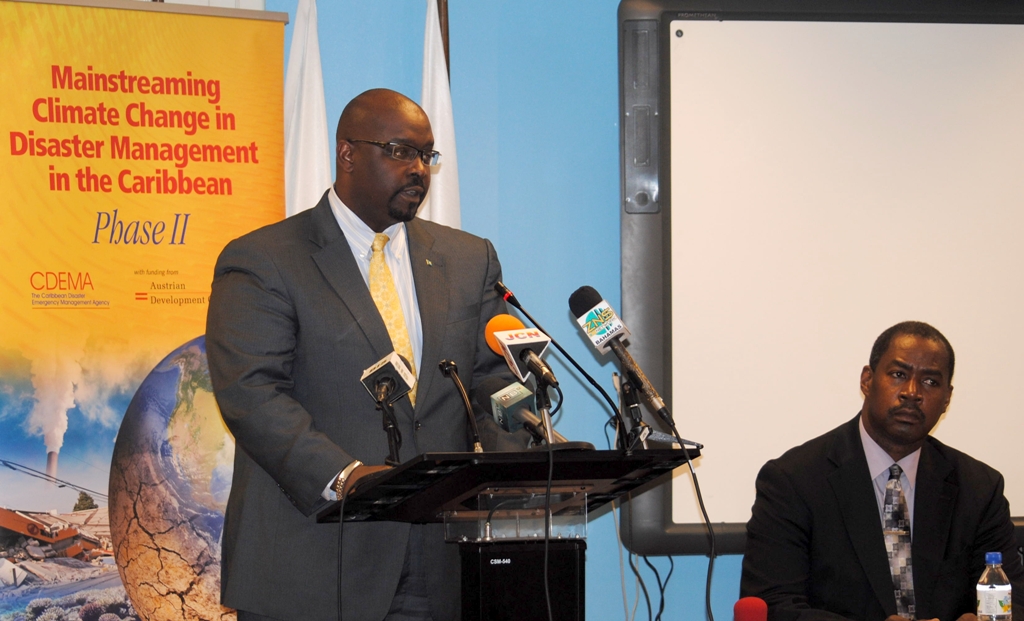
NASSAU, THE BAHAMAS – The effects of climate change will have the potential to drastically change the landscape of The Bahamas and its residents, the Minister of the Environment and Housing the Hon Kenred Dorsett told a workshop on Monday, September 23, 2013.

He was addressing The Climate Smarting Comprehensive Disaster Management Country Work Programme opening ceremony on behalf of the Rt. Hon. Perry Christie, Prime Minister of the Commonwealth of the Bahamas, at the Ministry of Youth Sports and Culture conference room on Thompson Boulevard.

Captain Stephen Russell, Director of the National Emergency Management Agency and Lyndon Robertson, project coordinator, Caribbean Disaster Emergency Management Agency, CDEMA, also addressed the opening ceremony. The workshop, slated for September 23 to 27, 2013 aims to develop a strategic country work programme for comprehensive disaster management that is climate smart and gender-sensitive, amongst other things. It also seeks to educate participants of Climate Change Adaptation (CCA) and its need to be integrated into The Bahamas’ Comprehensive Disaster Management (CDM) Programme.

Facilitated by the Caribbean Disaster Emergency Management Agency, CDEMA and the National Emergency Management Agency, NEMA, the workshop further seeks to identify peculiar needs of The Bahamas for achieving Comprehensive Disaster Management and to determine what concrete changes are needed to address these needs. Recently, many studies have highlighted the effects and impact of climate change on The Bahamas and the wider Caribbean, which calls for measures to be put in place to counteract the effects.

In March 2012, a CARIBSAVE Partnership study assessed that 15 low-lying states in the Caribbean were particularly vulnerable to climate change and needed to “develop pragmatic response strategies to reduce vulnerability and enhance resilience”. And, The Bahamas, like the other 14 Participating States is experiencing coastal erosion and expect to see changes in average atmospheric temperature, reduced average annual rainfall, increased sea surface temperatures and the potential for an increase in the intensity of tropical storms. Additionally, there is a predicted increase in the intensity of tropical storms and hurricanes.

“All of this is dire news and we must begin to act now to help secure our countries,” Mr. Dorsett said. “As developing countries and small island states, we will be the first and the hardest hit.” With continued coastal and beach erosion and the rising sea level, the country’s tourism product will be threatened, he said. “The effects of climate change will be great and have the potential to drastically change the lives we live now. The livelihood of almost every fisherman and farmer will be threatened and thereby food security. The quality of water and its availability is also threatened,” he said.

In The Bahamas these threats are almost replicated on each island and cay, covering over 100,000 square miles. “Our work to mitigate the effects of climate change must be replicated throughout the length and breadth of The Bahamas. This makes it that much more challenging for us and much more necessary that we intervene now,” Mr. Dorsett said. In this vein, he regarded the workshop as both timely and relevant. The overall objectives are to: enhance the understanding of vulnerability to natural and anthropogenic hazards in the Caribbean; expansion of Country Work Plan activities and responsibility; agreement on the outcome and output level results for the national CDM Programme, amongst other things.

In 2012, a significant template for The Bahamas’ fist Country Work Plan was created by a number of government agencies in collaboration with CDEMA and NEMA. These agencies were charged with the responsibility of keeping the plan and maintaining it every three years. The Bahamas Government has begun the process of identifying vulnerable areas throughout the country and intends to enforce land use and building code policies.

The Bahamas Environmental Scientific and Technology (BEST) Commission and the Ministry of Works and Urban Development are tasked with monitoring, the implementation and enforcement of these policies supported by legislation. Additionally, the Bahamas National Geographic Information Systems (BNGIS) will assist the mentioned agencies with the execution of these responsibilities through collaborating and supplying spatial data and maps.

By LINDSAY THOMPSON BAHAMAS INFORMATION SERVICES

Magnetic Media is a Telly Award winning multi-media company specializing in creating compelling and socially uplifting TV and Radio broadcast programming as a means for advertising and public relations exposure for its clients.

Continue Reading

News

The Department of Trade, Industry & Fair Competition to Host Export Readiness Workshop Under the theme “Empowering TCI Businesses for Local Growth and Global Markets.”

Published

on

Providenciales, Turks and Caicos Islands, February 12, 2026 — The Department of Trade is pleased to announce the launch of its Export Readiness Workshop Series, a key component of its Trade Technical Assistance Programme.

This workshop series will address priority areas critical to small business development in the Turks and Caicos Islands, offering practical guidance and hands-on support in the following areas:

  1. Standards and Quality – Identification of and compliance with regulatory and market requirements
  2. E-Commerce and Digital Trade – Expanding access to regional and international markets

The workshops will be held February 24–27, 2026 and will be delivered in an in-person, interactive format.  Each session is tailored to specific business sectors to ensure targeted support and practical application.

  1.  Workshop 1 – February 24, 2026 | Agricultural Activities and Light Manufacturing (Food & Beverage)
  2.  Workshop 2 – February 25, 2026 | Light Manufacturing (Arts & Crafts)
  3.  Workshop 3 – February 26, 2026 | Light Manufacturing (Clothing, Jewelry & Apparel Accessories)
  4.  Workshop 4 – February 27, 2026 | Light Manufacturing (Cosmetics & Skin Care)

Entrepreneurs and business owners are encouraged to take advantage of this opportunity to enhance their operational capacity, improve export readiness and position their businesses for sustainable growth.

To register, please complete the registration form via the following link Capacity Building & Export Readiness Workshop – Fill out form

For more information, please contact the Department of Trade, Industry and Fair Competition.

☎️Phone: (649) 338-3703

Email: tradetci@gov.tc

Stay updated on announcements by following @tcidepartmentoftrade on Facebook, Instagram, and @MadeInTCI on   TikTok

Continue Reading

News

Violence against children persists in Latin America and the Caribbean  

Published

on

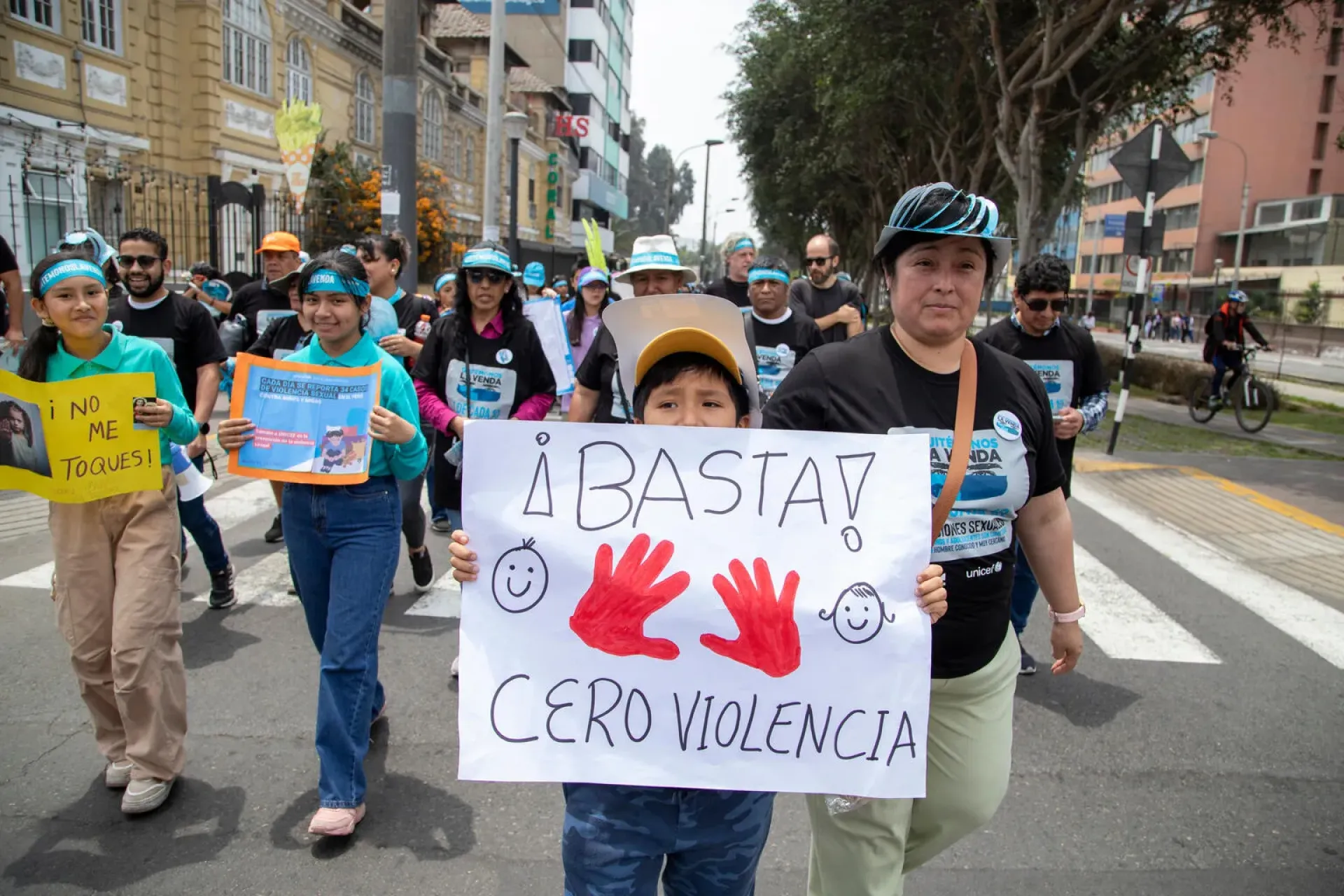
A new report by PAHO and UNICEF warns of the impact of violence from an early age and calls for strengthening prevention, protection and response from health, education and social protection systems to break the cycle of violence and ensure safe environments.


PANAMA CITY / WASHINGTON, D.C., 26 January 2026 – In Latin America and the Caribbean, violence continues to be a serious threat to the lives, health and well-being of millions of children, adolescents and young people, warn the Pan American Health Organization (PAHO) and UNICEF in a new joint publication, Violence against children and adolescents in Latin America and the Caribbean: New data and solutions.

The most serious consequence of violence is the death of thousands of children, adolescents and young people. Between 2015 and 2022, 53,318 children and adolescents were victims of homicide in the region.

The most recent available data, focusing on adolescents aged 15 to 17 years, show contrasting trends by sex. Between 2021 and 2022, the homicide rate among adolescent boys decreased from 17.63 to 10.68 deaths per 100,000 in Latin America and the Caribbean, although it remains high. During the same period, the rate among female adolescents doubled, from 2.13 to 5.1 deaths per 100,000.

Homicides occur in a context of rising armed violence in some areas of the region, associated with organized crime, easy access to firearms, social inequalities and harmful gender norms, which increasingly expose adolescents to situations of lethal violence.

Different forms of violence are interconnected andin many cases, intensify over time. The report highlights how violence is present from a very early age. In the region, 6 out of 10 children and adolescents under 14 years of age are subject to some type of violent discipline at home, while one in four adolescents aged 13 to 17 experiences bullying at schoolNearly one in five women in Latin America and the Caribbean report having experienced sexual violence before the age of 18. Increasingly, violence manifests itself in digital environments, although available data remains limited.

“Every day, millions of children in Latin America and the Caribbean are exposed to violence – at home, at school and in communities with a gang presence. Multiple places and situations in the region present real risks and dangers for children,” said Roberto Benes, UNICEF Regional Director for Latin America and the Caribbean. “We know how to end the violence. In Latin America and the Caribbean, strong and sustained public policies are required to prevent and respond to violence in all its forms so that every child can grow up in a safe environment.”

“Violence has a profound and lasting impact on the physical and mental health of children and adolescents and violates their right to grow up in safe environments, at home, school and in the community,” said Dr. Jarbas Barbosa, Director of PAHO. “Health services play a key role in prevention and response: when health workers identify people and groups at risk early and provide timely, quality support, they can make a real difference for survivors, their families and communities.”

In addition to describing the scale of the problem, the report highlights evidence-based solutions that can prevent violence and mitigate its costs.

To advance this agenda and end violence in all its forms, PAHO and UNICEF urge governments in the region to strengthen and enforce child protection laws, ensure effective control of firearms, train police officers, teachers, and health and social workers, support parents and caregivers in respectful parenting practices, invest in safe learning environments, and scale up responsive services to ensure that all children and adolescents grow up protected, have access to justice, and live healthy, violence-free lives.

The report was validated during a regional ministerial consultation held on 23-24 October 2025, which brought together more than 300 participants from across the region, including ministers and senior officials from the health, education, justice and child protection sectors, as well as civil society representatives, youth leaders and international partners, with the aim of agreeing on concrete actions to build safer environments for children and adolescents.

Continue Reading

News

Invest TCI Launches Fisheries Pilot to Strengthen the Local Fishing Industry

Published

on

Providenciales, Turks and Caicos Islands – Thursday, 22nd January 2026: Invest Turks and Caicos has officially launched its
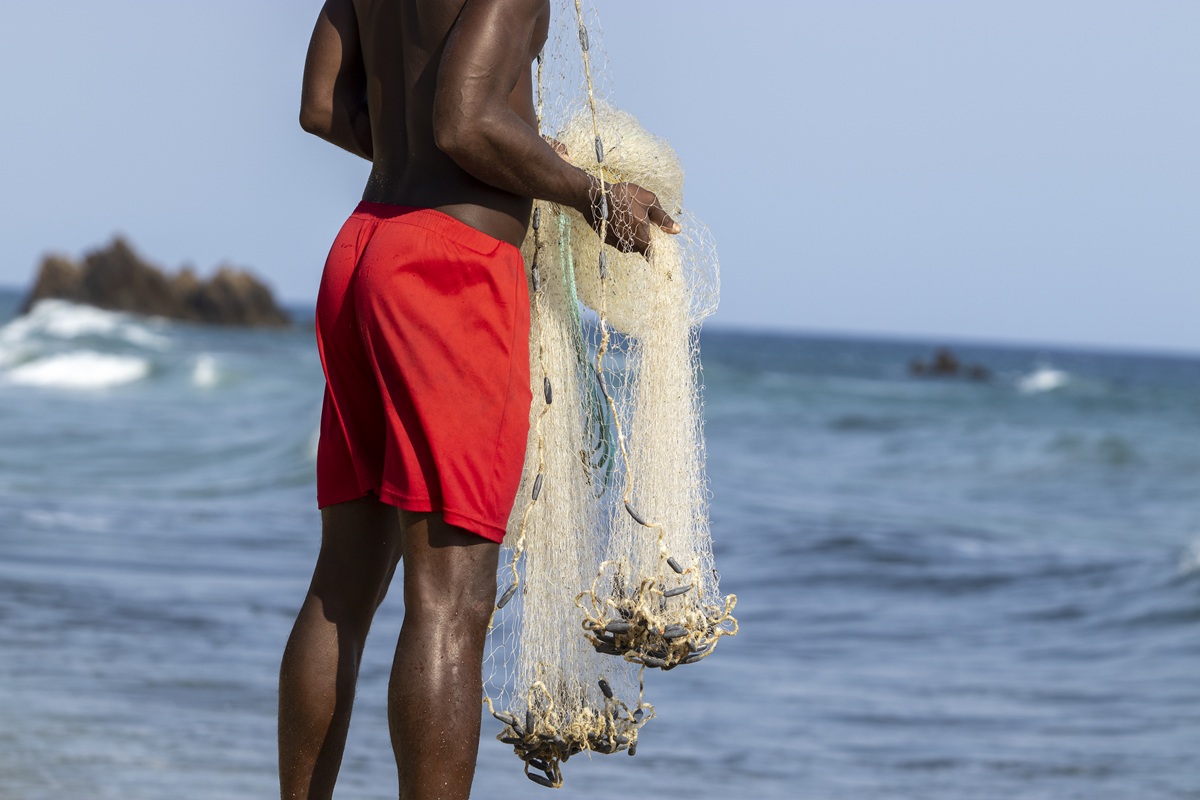
A man pulling in a fishing net with a successful catch

Fisheries Pilot Programme, an initiative designed to transform local fishing from a subsistence activity into a sustainable, growth-oriented business sector. The pilot supports 18 fisherfolk across the islands, providing each with funding of up to $50,000 to purchase vessels, engines, fishing gear, and other essential equipment. In addition to financial assistance, each participant receives business coaching and technical support to help them establish recordkeeping systems and strengthen their financial management.

The programme, developed in partnership with the Ministry of Tourism, Environment, Fisheries, and Marine Affairs, was created in

response to the increasing number of fishing-related applications under the MSME Programme. To address this surge and support the development of the sector, in FY 2024/2025 Cabinet approved $1 million in special funding dedicated specifically to commercial fishing activities.

The initiative officially kicked off in South Caicos on the 9th October 2025, where Invest TCI’s VP of SME Development, Alexa Cooper, and Business Advisor/Programme Manager, Lashena Simmons, joined by Director of Fisheries Mr. Ponteen and Dr. Alvarez, engaged participants in a roundtable discussion on progress, challenges, and next steps.

“This Fisheries Pilot is about helping our local fisherfolk move from survival to sustainability. Through our partnership with the Ministry, we are providing not only equipment and funding, but the business support needed to help them grow strong, viable enterprises. The island meetings ensure that participants remain supported and on track as the programme continues.” – Alexa Cooper, VP of SME Development, Invest Turks and Caicos.
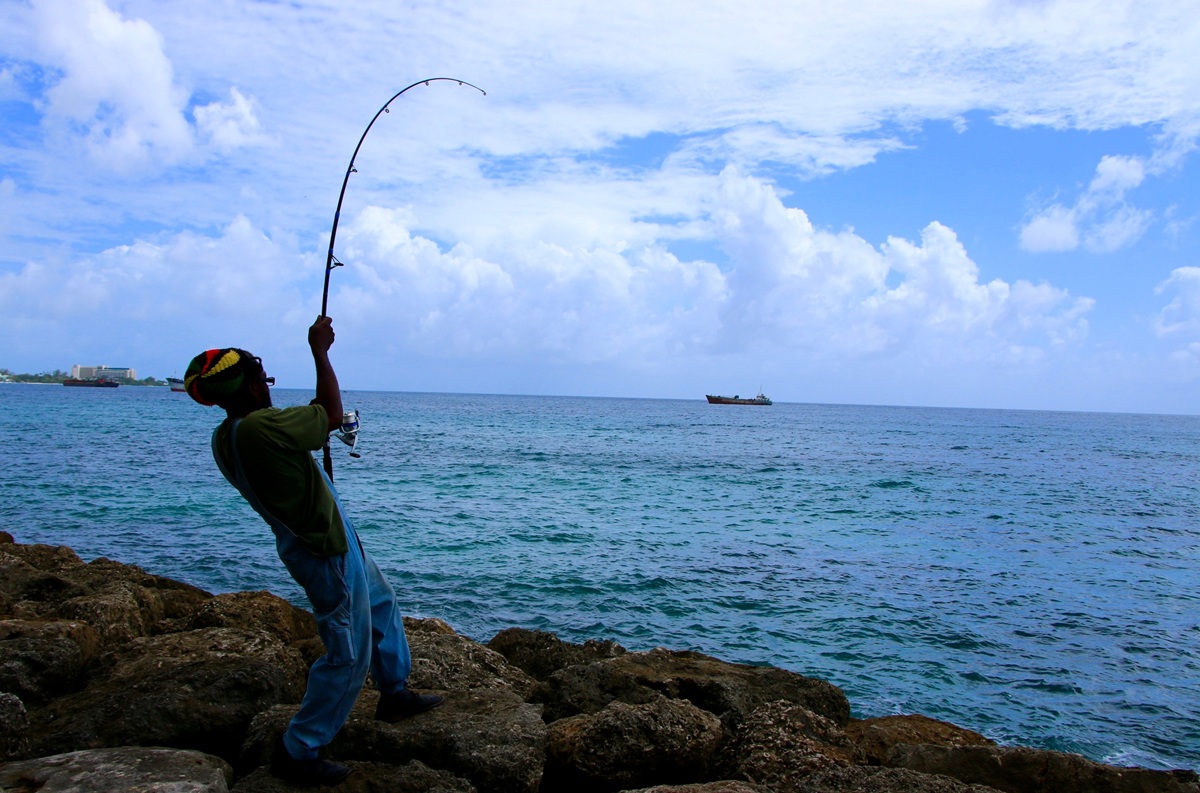
“I know firsthand how important this industry is to our future, not only environmentally, but in how it provides for local families and sustains entire communities. This Fisheries Pilot is about giving our fisherfolk the tools to operate more efficiently, earn more from their work, and build businesses that can last. Through this partnership with Invest Turks and Caicos, we are strengthening food security while ensuring the sector grows in a responsible and sustainable way.” – Hon. Zhavargo Jolly- Minister of Tourism, Environment, Fisheries and Marine Affairs.

Meetings will continue across the islands, with upcoming sessions planned for Grand Turk and Providenciales in February. Through this pilot, Invest TCI aims to build a model for future sectoral support, ensuring that local fisherfolk can operate more efficiently, profitably, and sustainably while contributing to national food security and economic resilience.
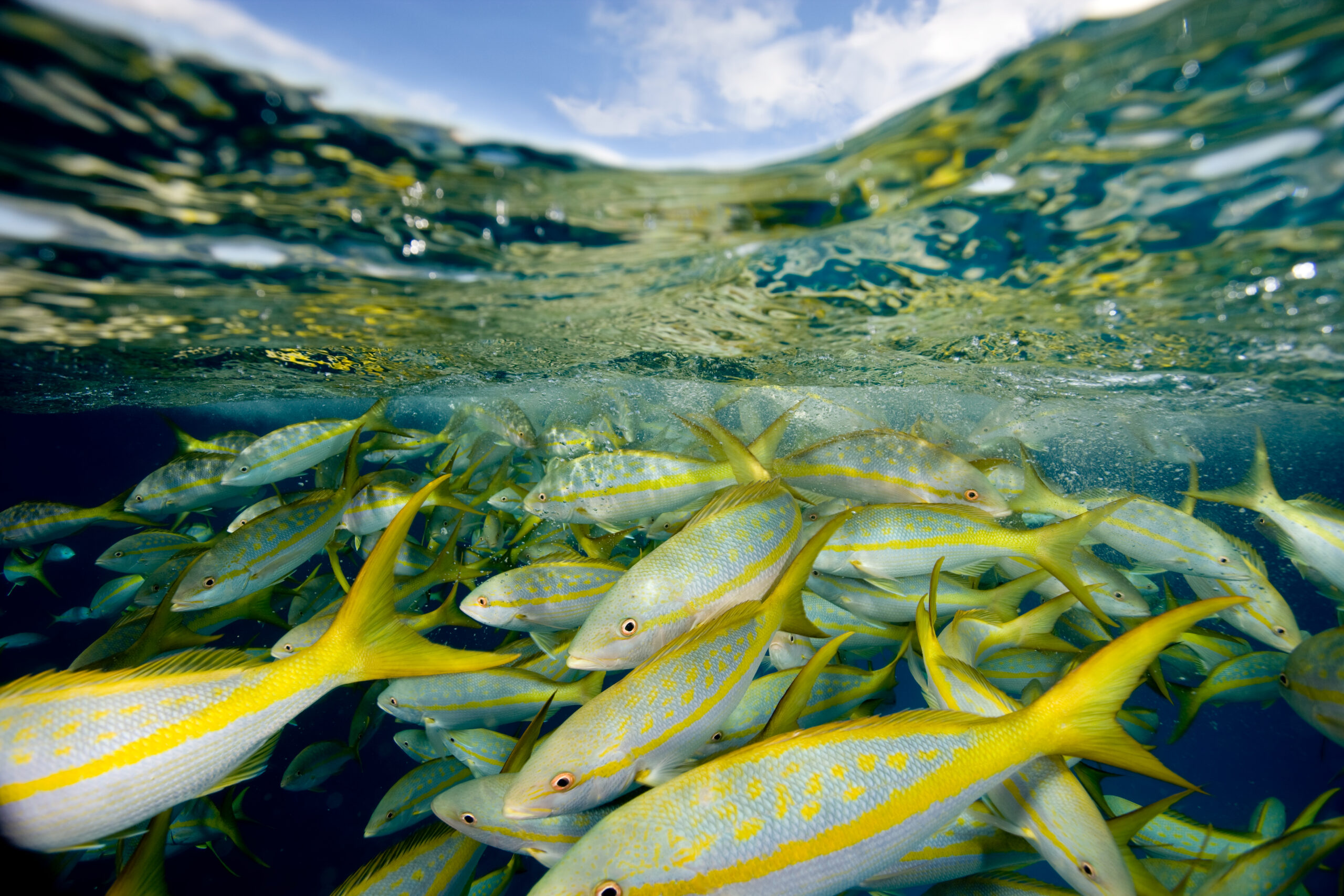
Yellowtail snapper.


Continue Reading

FIND US ON FACEBOOK

TRENDING