
Bahamas News
Prime Minister Davis Lauds Both Incoming and Outgoing Commissioners of Police

By: Eric Rose
Bahamas Information Services
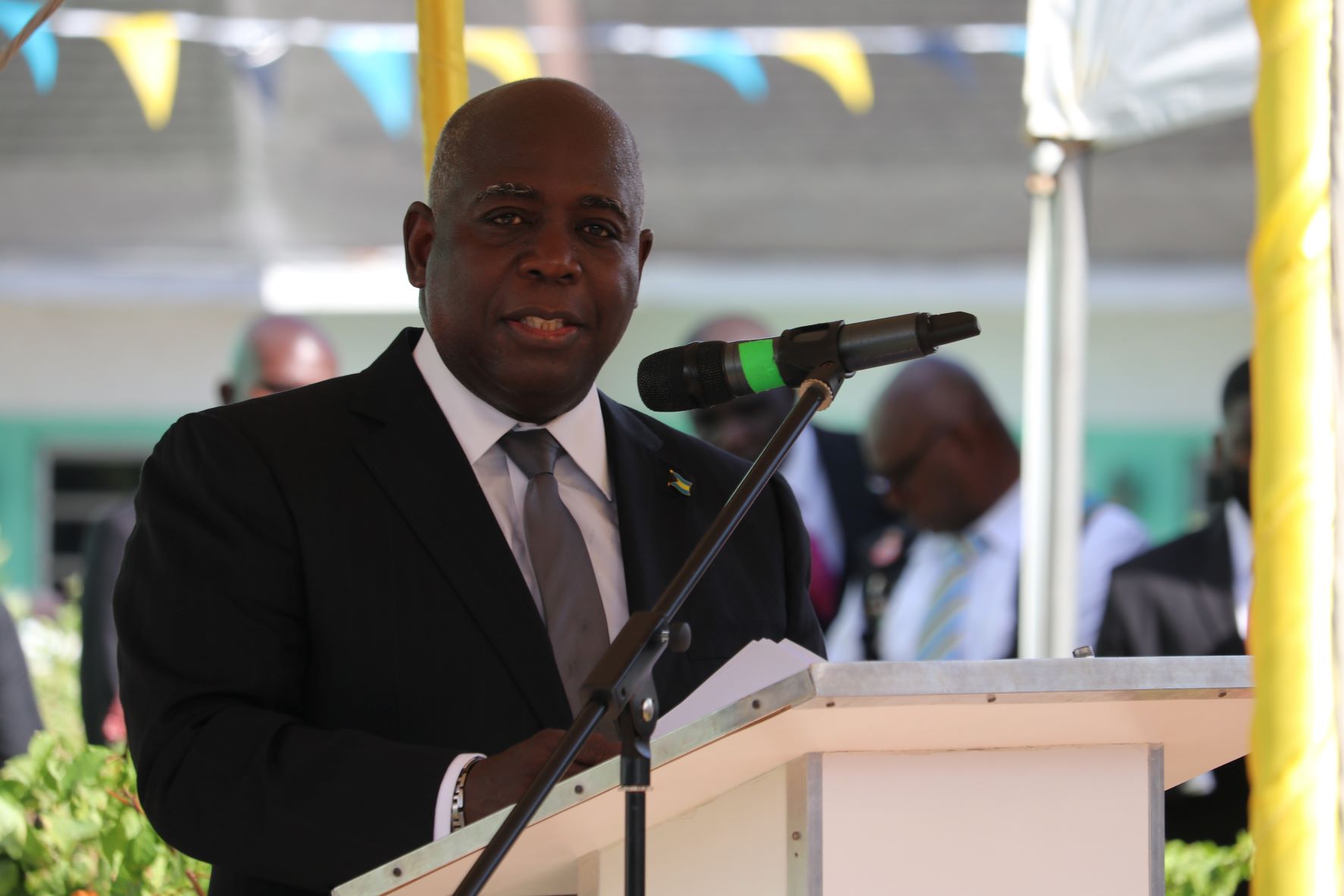
#TheBahamas, July 15, 2022 – During his remarks at the Handing-Over Ceremony of the Office of Commissioner of Police of the Royal Bahamas Police Force (RBPF), on July 5, 2022, Prime Minister and Minister of Finance the Hon. Philip Davis noted that formal policing in The Bahamas went back to 1840, making the RBPF one of the longest-established institutions in the country.
He added that traditions, such as the Handing-Over Ceremony, symbolised not just the continuity of the institution, but also the continuity of Bahamian democratic traditions.
“At a time when so many other democracies are experiencing significant challenges, we should be justifiably proud that, here in our Bahamas, the fundamental role and responsibilities of policing are so deeply entrenched,” Prime Minister Davis said, at the ceremony held at the RBPF Headquarters, on East Street.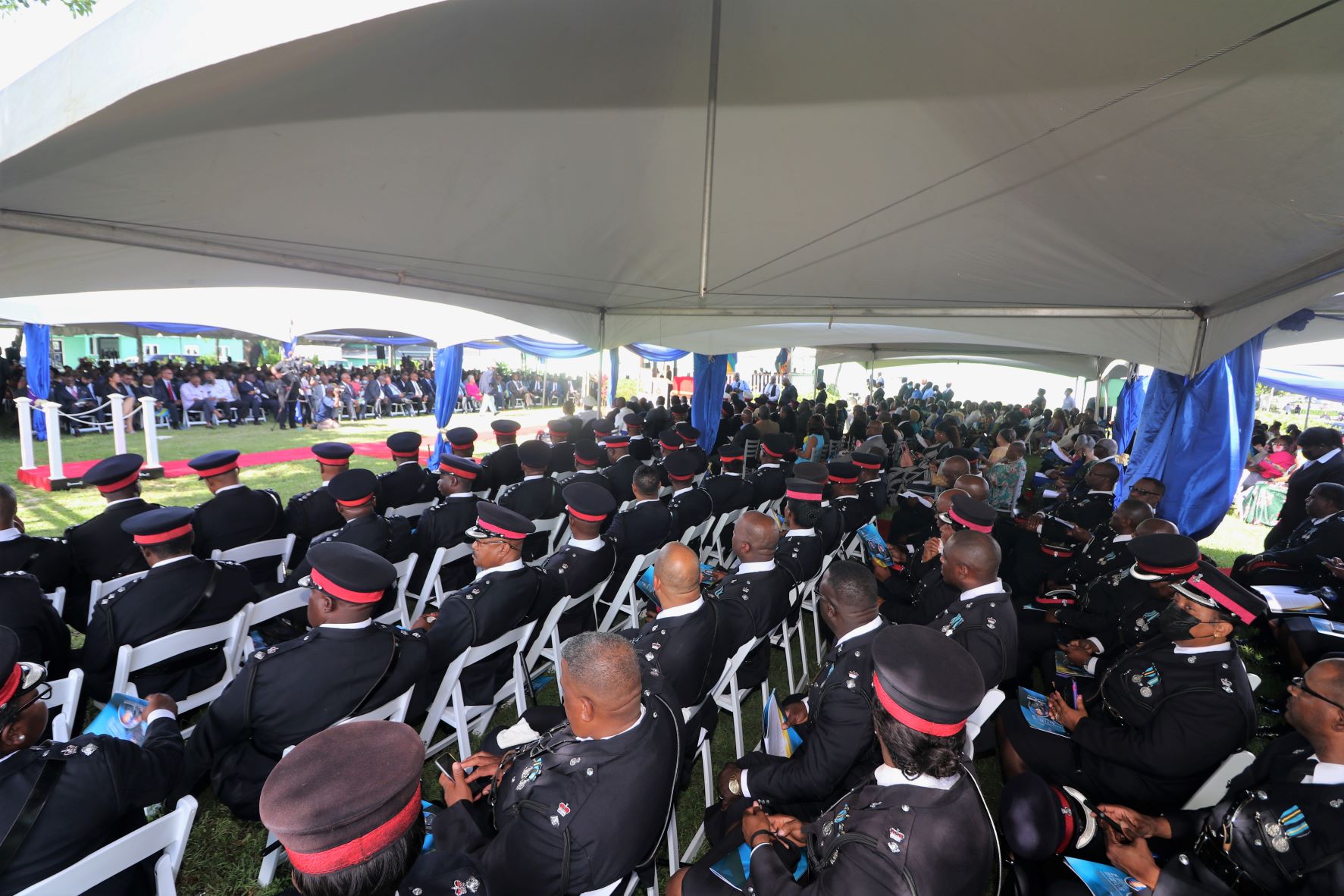
Among those present included Governor General His Excellency the Most Hon. Sir Cornelius A. Smith; Deputy Prime Minister and Minister of Tourism, Investments and Aviation the Hon. Chester Cooper, Minister of National Security the Hon. Wayne Munroe and various Cabinet Ministers; Leader of the Her Majesty’s Loyal Opposition the Hon. Michael Pintard; Chief Justice the Hon. Sir Brian Moree; senior Government officials and heads and officers of the uniformed branches; diplomats; law enforcement stakeholders; family members and well-wishers.
“This transfer of new leadership today, at its heart, is a renewed commitment to the fight against crime,” he added. “Our administration is also committed to the wider responsibilities of policing, which is to maintain public order and safety, and to enforce the law.”
Prime Minister Davis pointed out that, during the past 49 years since Independence, this was only the second Commissioner of Police to be appointed by a Progressive Liberal Party Administration. “And so in the Commissioner, we think it important that he is able to work within our approach to policy, which reflects both the progressive values we represent, and the mandate upon which we were elected,” he said.
Prime Minister Davis continued: “First and foremost, this means that we see policing in general, and the fight against crime in particular, as an effort that must be conducted in partnership with the Bahamian people.” He noted that in the platform document, ‘A Blueprint for Change’, his Government made a solemn commitment to strengthen the nation’s security by ‘… enhancing crime fighting methodologies in our aggressive war against crime’.
“We stand firmly behind that commitment,” Prime Minister Davis said.
“That said, we do not view policing as something which is to be inflicted upon our citizens and residents,” he added. “The reflexive, heartless approach of recent years of ‘just lock them up’, is not one that we endorse or share.”
Prime Minister Davis said, to be clear, however, his Government will continue to increase its muscular response to crime, and violent crime in particular.
“We will continue to use every available resource to dismantle the gangs which plague our society, and work with neighbouring countries to stop the flow of illegal weapons into The Bahamas,” he said. “Gangs and weapons are the two critical factors driving the high murder rate we are currently experiencing, with the almost weekly tit-for-tat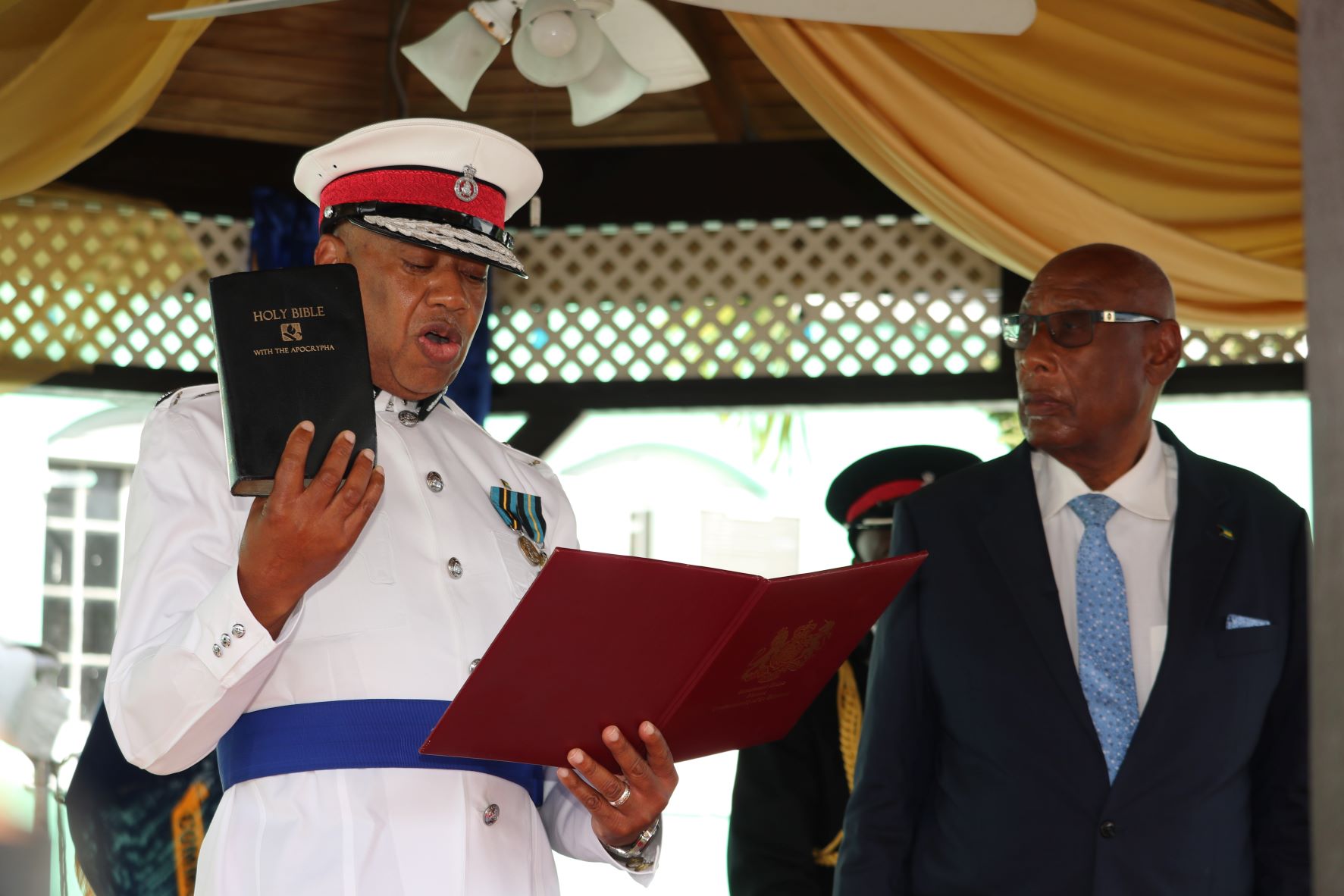 killings between gangs.”
Prime Minister Davis noted that more aggressive policing, on its own, was not the whole answer.
“We understand that fighting crime requires more than just responding to an offence,” he said. “It’s also about conflict resolution, prevention, intervention, punishment, and rehabilitation. The Government will continue to spend more on community policing and ‘violence-disrupters’. And we will continue to offer safety net programs for young people.”
Prime Minister Davis noted the Urban Renewal Trust Foundation was recently formally relaunched, to assist in this effort. He added that other initiatives, such as ‘Swift Justice’, and the ‘Citizens’ Justice and Security Programme’ will continue to strengthen his Government’s approach.
“We will also continue to invest in education and job programmes that can confront and overcome the sense of hopelessness felt by so many young men, who resort to a life of crime as a means of gaining self-esteem and opportunity,” he said.
“And with the building of a new prison, and an expansion of rehabilitation schemes, we will do what we can to ensure that when people complete their jail sentences, and re-join society, they are supported and enabled to ensure that they do not re-offend,” he added.
Prime Minister Davis said that, along with those initiatives, which were focused on the offender, his Government was also extremely mindful of the need to offer better support to those who were victims of crime. “Every criminal act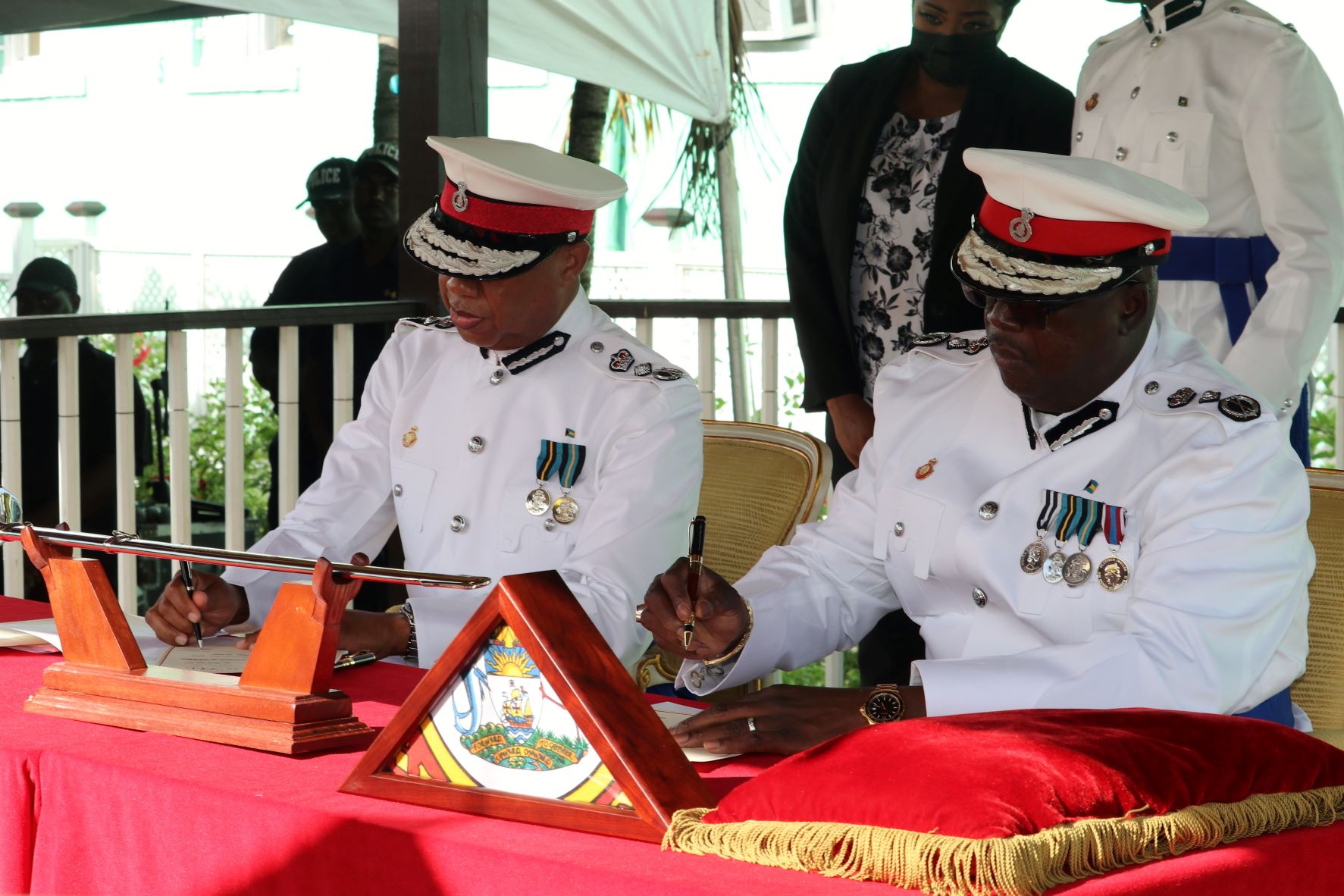 impacts upon those who are victims of it,” he said. “But those who are victims of serious, life-changing crimes, need more, along with the encouragement to trust the police to do their job, and not engage in any individual, vigilante efforts.”
Prime Minister Davis pointed out that he set out those thoughts in relation to policing to highlight the charge given to both the outgoing and incoming Commissioners.
He also noted that the background and experience of both represent “some of the finest in the policing tradition of our country”.
Prime Minister Daivs said that, since joining the RBPF in 1983, outgoing Commissioner Paul Rolle had enjoyed a distinguished career in law enforcement.
“Among his many assignments, Commissioner Rolle served as Officer-in-Charge of the Central Detective Unit, Head of the Police Training College, and Officer-in-Charge of the Crime Detection Unit (CDU), during which time he concluded and placed more than 2,400 cases before the Supreme Court,” he noted.
“After attaining the rank of Assistant Commissioner of Police in 2017, Mr. Rolle was instrumental in establishing the Anti-Corruption Unit.
“My government and I thank Mr. Paul Rolle for his public service, and wish him well in his new assignment.”
To the incoming Commissioner of Police, Deputy Commissioner Clayton Fernander, Prime Minister Davis extended a welcome and congratulations.
“He is also a career law enforcement officer with almost four decades of policing, administrative and investigative experience,” Prime Minister Davis said.
“He has worked in the Traffic Division, the Criminal Investigations Department, and served as a Divisional Commander; on the Selective Enforcement Unit,” he added. “He has been part of the Central Detective Unit, and, as Assistant Commissioner was a member of the Senior Executive Leadership Team when, in 2017, he assumed responsibilities for the Crime Management Portfolio.
Prime Minister Davis pointed out that, following his return to active duty in September 2021, Mr. Fernander took on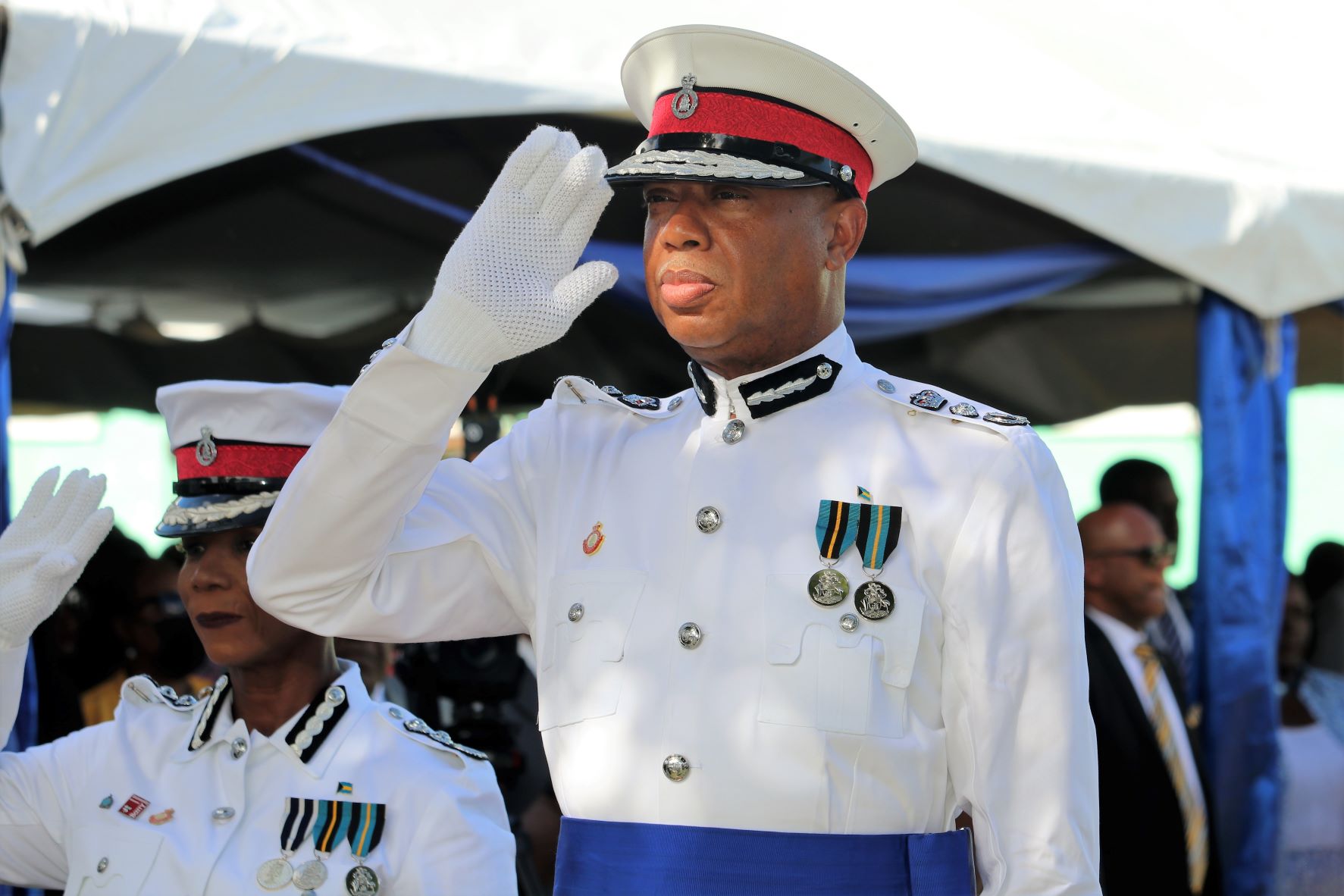 a “new and more challenging role” when he assumed the Criminal Investigations and Intelligence Portfolio as Deputy Commissioner of Police.
Prime Minister Davis also mentioned that, in 2013 Mr. Fernander was shot during an attempted armed robbery, an incident “which not weaken his resolve to serve in law enforcement”. We look forward to his bringing the same courage and tenacity to his role as Commissioner,” he said.
Prime Minister Davis said that it was arguable that the job of policing in The Bahamas has never been more challenging or more demanding.
“The change of leadership signified by today’s handing-over ceremony, contains within it my administration’s commitment to strengthen the rule of law, the preservation of good law and order and the maintenance of the peace, and a resolute determination to win the fight against crime in our country,” he said.
“Commissioner Fernander is the right man for the job.”
Photo Caption: Prime Minister and Minister of Finance the Hon. Philip Davis speaks, during his remarks at the Handing-Over Ceremony of the Office of Commissioner of Police of the Royal Bahamas Police Force (RBPF), on July 5, 2022, at the RBPF Headquarters. Among those present included Governor General His Excellency the Most Hon. Sir Cornelius A. Smith; Deputy Prime Minister and Minister of Tourism, Investments and Aviation the Hon. Chester Cooper, Minister of National Security the Hon. Wayne Munroe and various Cabinet Ministers; Leader of the Her Majesty’s Loyal Opposition the Hon. Michael Pintard; Chief Justice the Hon. Sir Brian Moree; senior Government officials and heads and officers of the uniformed branches; diplomats; law enforcement stakeholders; family members and well-wishers. (BIS Photos/Eric Rose)


The Bahamas, August 27, 2026 – The Royal Bahamas Police Force wishes to inform members of the public that several individuals are scheduled to appear before the Magistrate’s Court on Thursday, 27th August 2026, at 12:00 noon.
The individuals and charges are as follows:
An 18-year-old female is scheduled to be arraigned on the following charges:
Three (3) counts of Murder
Three (3) counts of Attempted Murder
Three (3) counts of Possession of a Firearm with Intent to Endanger Life
Three (3) counts of Possession of an Unlicensed Firearm
Two (2) counts of Possession of Ammunition
Armed Robbery
Abetment to Armed Robbery
Stealing
Receiving
The charges stem from three separate shooting incidents and an armed robbery that occurred on Friday, 21st August 2026, and Saturday, 22nd August 2026.
The first shooting occurred in the area of Soldier Road and Baillou Hill Road, resulting in the death of a 51-year-old male.
The second shooting occurred in the area of Joe Farrington Road, resulting in the death of a 52-year-old male.
The third shooting occurred in the area of Gladstone Road, resulting in the death of a 36-year-old male.
The armed robbery occurred at a business establishment in the area of Carmichael Road and Baillou Hill Road.
A 21-year-old male is scheduled to be arraigned on one charge of:
- Murder
The charge stems from a shooting incident that occurred on Tuesday, 21st July 2026, in the area of Samson Street, Nassau Village, which resulted in the death of a 28-year-old male.
A 32-year-old male is scheduled to be arraigned on the following charges:
- Murder
- Attempted Murder
These charges stem from a shooting incident that occurred on Wednesday, 24th December 2025, in the area of Graham Drive, Yellow Elder, which resulted in the death of a 25-year-old male.
RBPF, PACD
Bahamas News
Bahama Brass Band Invitation Sparks Heritage Debate Ahead of TCI Constitutional Holiday
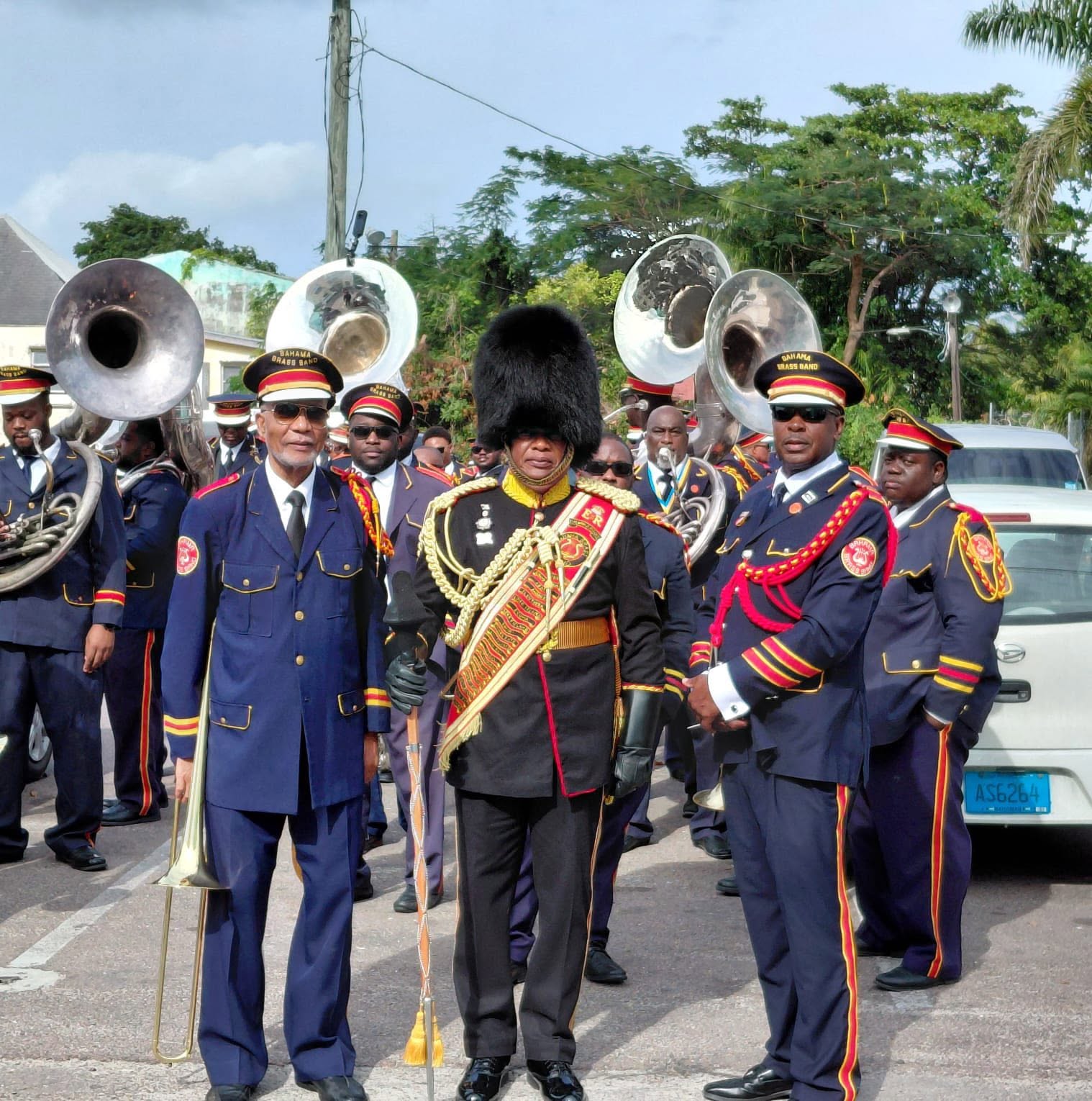
Turks and Caicos, August 20, 2026 – The planned participation of the Bahama Brass Band in the Turks and Caicos Islands’ inaugural Constitutional Holiday celebrations on August 30 has sparked public debate over culture, heritage and the historical contributions of Turks and Caicos Islanders abroad.
Organizers defended the invitation, saying the band’s inclusion is intended to highlight the deep historical ties between the two countries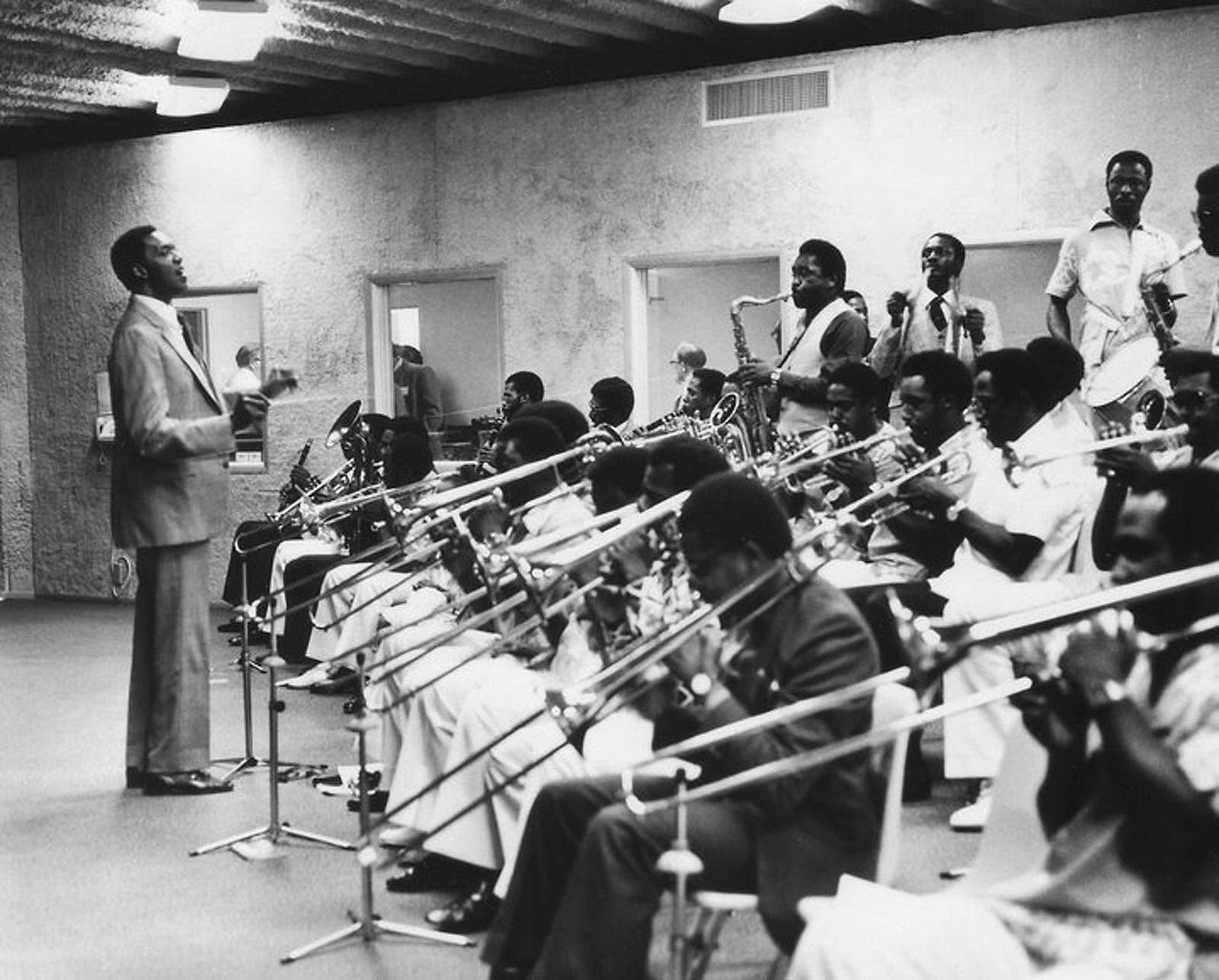 and honor Turks and Caicos men who helped establish and develop the institution in Grand Bahama.
According to the organizers, the Bahama Brass Band began in 1955 in Pine Ridge, Freeport, with Turks and Caicos Islanders, including the late Deacon Reuben Hall Sr. of Middle Caicos and Jenkins Williams and Mervin Hendfield of North Caicos, among those who helped build its foundation. The band eventually grew to more than 50 men.
The organizers also pointed to the participation of Turks and Caicos men in The Bahamas’ Independence celebrations on July 10, 1973, arguing that their contributions became part of Bahamian history while maintaining strong connections to their homeland.
Supporters say bringing the band home represents an opportunity to honor those pioneers, showcase their regional influence and expose younger generations to an important part of Turks and Caicos history.
However, concerns raised publicly described the invitation as potentially disrespectful to local culture and heritage. Organizers acknowledged those concerns, apologizing to anyone who felt overlooked or offended, while maintaining that no disrespect was intended.
The committee said the event should ultimately unite rather than divide, presenting the band’s history as evidence of the reach and resilience of Turks and Caicos heritage.
PHOTO CREDIT: Bahamas Brass Band
NASSAU, Bahamas — Caribbean Bottling Company (CBC), local producers of Dasani products, proudly sponsored the fifth annual, Caribbean Hoopfest.
The tournament brings together Bahamian high school basketball teams and visiting teams from the United States for a competitive showcase at the Kendal G. L. Isaacs Gymnasium. Following its inaugural year at the Kendal G. L. Isaacs gym and last year’s event at Loyola Hall, the tournament returned to the Kendal G. L. Isaacs gym this year.
During the weekend tournament, CBC kept athletes well hydrated with in-kind donations of Dasani Water, Powerade and Minute Maid Juices.
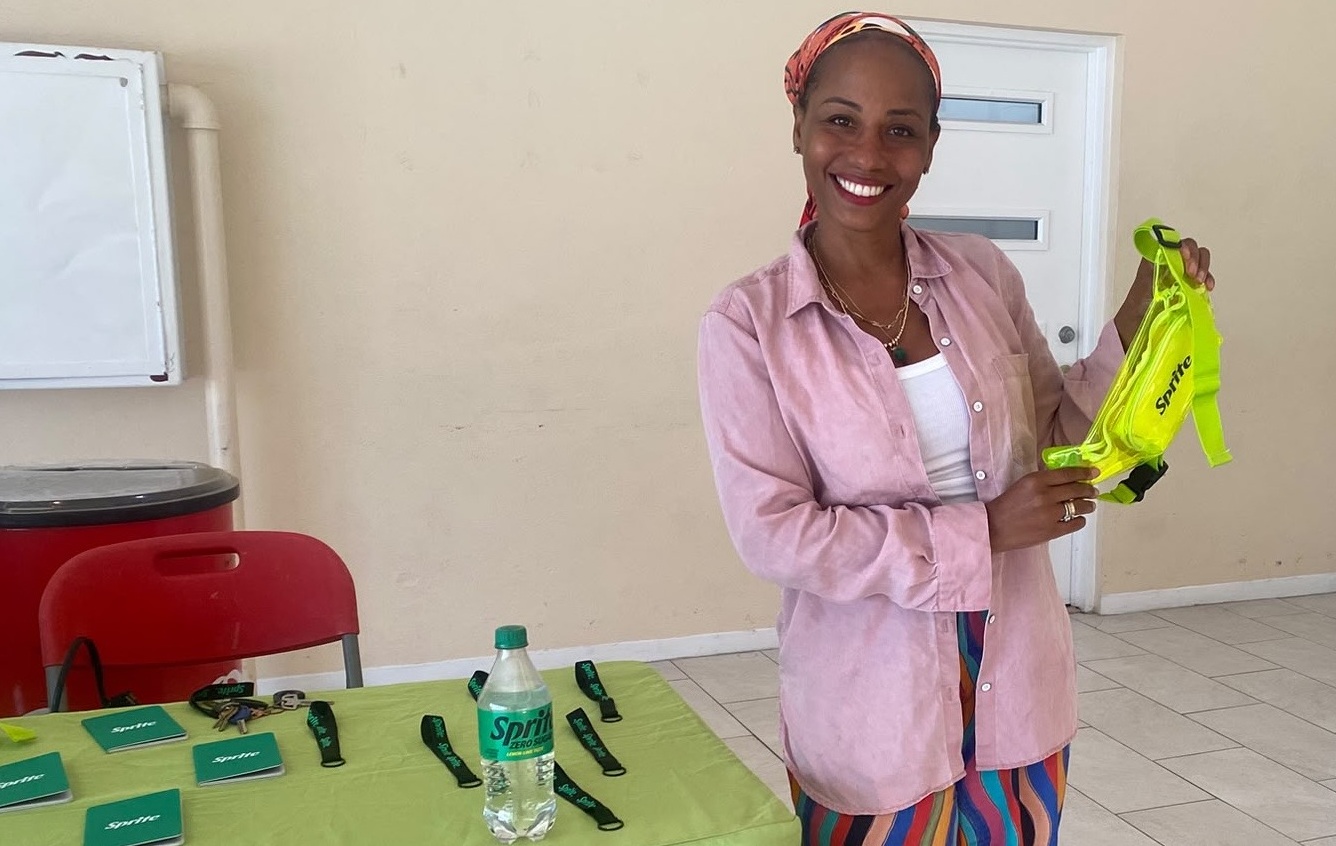
During the tournament’s final day, CBC provided additional support by offering Sprite No Sugar samples and inviting attendees to participate in its Spin the Wheel for a chance to win exciting prizes.
CBC was proud to support this incredible event, which provides young Bahamian athletes with valuable exposure to U.S. basketball scouts and coaches. This opportunity gives them the chance to earn scholarships, continue their education, and pursue their basketball careers in the United States.
Event organizer, Donald Francois shared his appreciation for CBC’s support.
“I want to express our sincere appreciation for Caribbean Bottling Company, who has been a tremendous supporter and an important part of the success of our program. Without CBC’s support, Caribbean Hoop Fest would not be able to function at the level it does today. And without Caribbean Hoop Fest, we would not have been able to provide the opportunities that have helped young Bahamian athletes gain exposure and pursue educational opportunities in the United States,” he expressed.
Since the program’s inception, several Bahamian student-athletes have been selected for scholarship opportunities, highlighting the tournament’s growing impact on the development and advancement of young basketball talent in The Bahamas.
They are: Kelvin McDowells – Guard, Wodson Antoine – Power Forward, Justin Lafleur – Guard and Sean John – Guard.
After another successful edition of the tournament, Francois shared what he hopes he and Caribbean Bottling Company can achieve in the future.
“Our vision is bigger than basketball. We want to use the platform of Caribbean Hoop Fest to educate, develop, and create opportunities for young people and their families throughout the Bahamas. With individuals and organizations committed to our mission, we believe we can continue to grow the program and make an even greater impact,” Francois said.
For more details on community support, events and new products visit Caribbean Bottling Company at www.cbcbahamas.com today.





-

 News1 week ago
Starlink Gets 15-Year TCI Licence; Commission Reveals Fees, Future Flow and Digicel Partnerships
-

 News1 week ago
Building a Stronger Royal Turks and Caicos Islands Police Force through Change and Capacity Building
-
 Independent writer1 week ago
A Second Chance Through Service: Is the TCI Regiment an Untapped Tool for Rehabilitation?
-

 News1 week ago
Flow Strengthens Network Leadership in TCI
-

 News1 week ago
GOLDEN MESSAGE: REMEMBER, REPENT, RETURN
-

 Education11 hours ago
Department of Education Concludes Four-Day TCI National Standards Secondary School Curriculum Implementation Training
-
 News12 hours ago
UNDER 40 DAYS: COMMITTEE FORMED—BUT WHO IS ON IT?