
Bahamas News
New Chairman Looks to Grow BAMSI

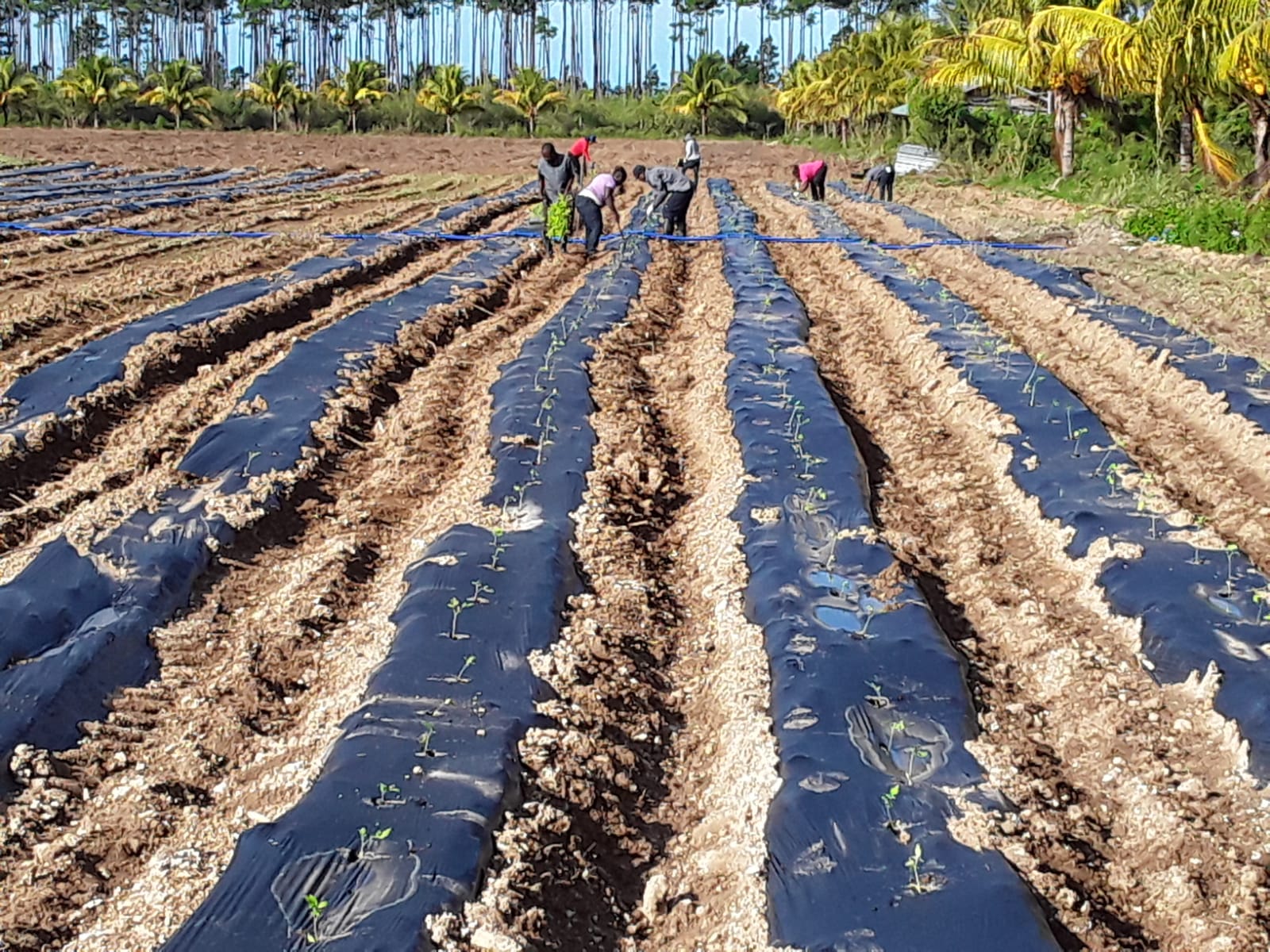
#TheBahamas, January 15, 2022 – Critics of the Bahamas Agriculture & Marine Science Institute (BAMSI) might argue that the Institute had been left to languish in mediocrity after a stellar launch in 2014. Initially, the Institute soared, with laser-like focus, on an upward trajectory of success including; experts, both international and Bahamian from the field of agriculture and marine science, were brought in to equip students, staff and farmers with technical knowledge, the academic arm held the first of successive graduations in 2016, and international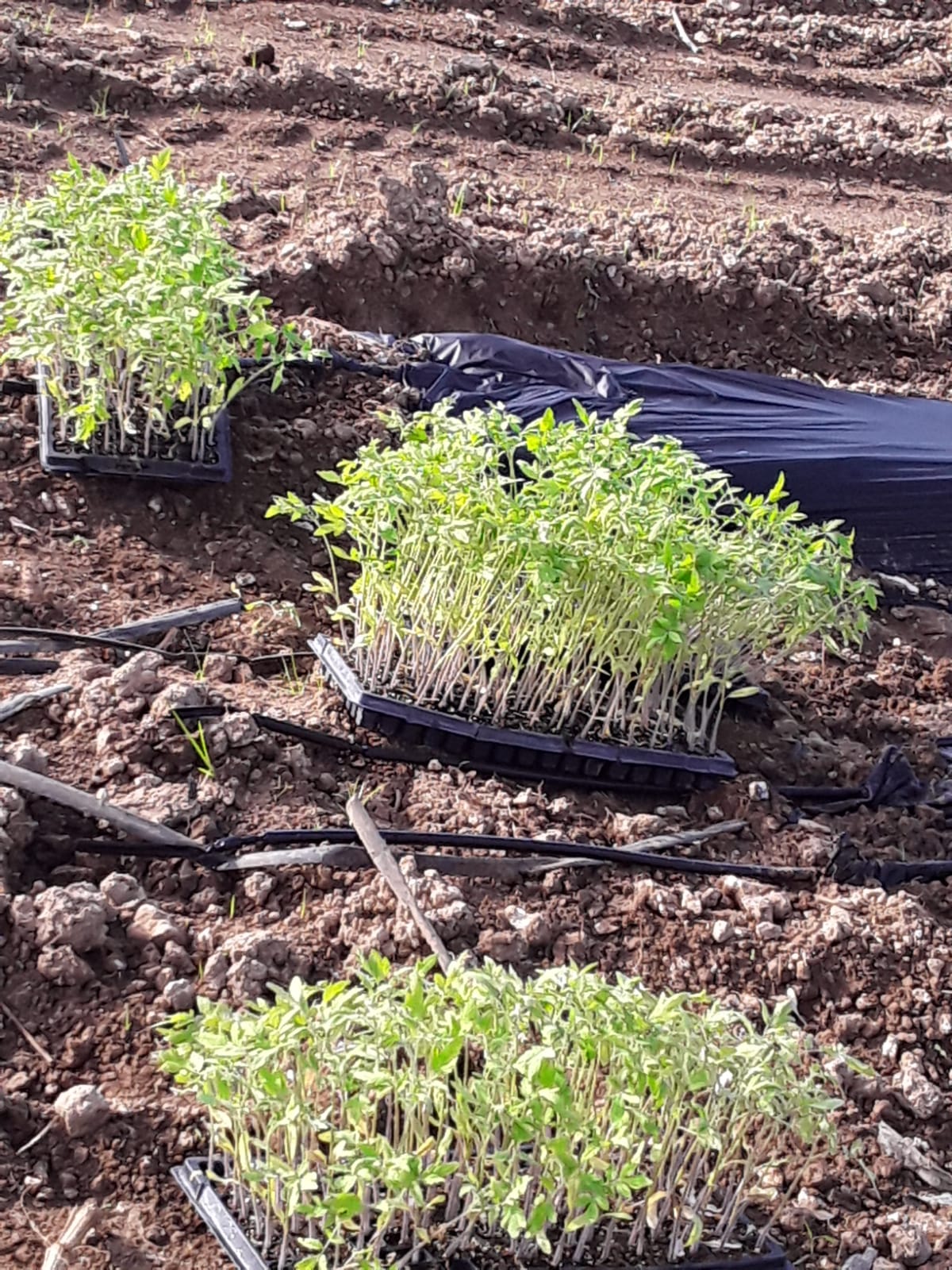 partnerships were formed that would benefit students and staff alike and bring a level of esteem to the Institute.
Woven amongst these triumphs however, cracks, setbacks, and seemingly insurmountable hurdles arose. Combine these inefficiencies with the impact in recent years of major hurricanes, a downturn in the economy and the loss of key personnel, BAMSI struggled with its identity and lost sight of its original mandate.
Under the leadership of newly appointed Chairman Tyrel Young, who assumed office November 1, 2021, the way forward for BAMSI is steadily and strategically being carved out and a return to the original objectives and mission statement seem assured.
“I want people to know that from day one, my priority was to understand the Government’s plan for BAMSI and to carry out that mandate to the best of my ability, and with the full support of the staff. As the COVID-19 pandemic continues to rage across the globe, food security must remain at the top of our agenda. We must be able to provide at least the basic food items for ourselves on a consistent basis and we must be able to do that in a sustainable manner, so that future generations of Bahamians will be supported and have access to arable land, and delicacies like conch and lobster. “
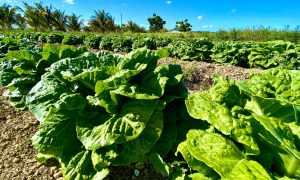
Finding the farm in a disappointing level of disarray – this is one of the first areas Mr. Young turned his attention to. With almost 90 percent of the tractors down, Mr. Young moved to have the machines quickly repaired so that production on the farm could ramp up to an acceptable level and also so the Institute could better support its Associate Farmers.
The wellbeing of the farm itself was quickly reasserted as a critical objective, as was identifying the essential crops and increasing production, research and training of farm staff.
“As we head into 2022, my goal is to see a steady increase in the types of crops grown by BAMSI, our partners in the Associated Farmers program and all farmers across the Bahamas. Part of BAMSI’s job, as research Institute, is to provide critical information for the sector in terms of best practices, best variety for our environment, and healthiest options for our populace,” he said.
“We want to balance supporting the business of farming – that is seeing farmers maximize their earning potential – with making the healthiest produce available to the widest spectrum of our citizenry…and available at a cost they can afford,” Mr. Young said. “Persons living in the inner cities, the less fortunate, those living on the margins of society, they should all have access to healthy produce in their neighbourhoods and be able to actual include these items – fresh fruit and vegetables – in their grocery budget.”
The academic arm also required greater support. Unlike many government departments, agencies and ministries, there was an immediate need to increase the staff compliment with educated, motivated and focused individuals who would assist in the training of young and not so young future agriculturalist and marine scientists.
A key component of the new mandate is driving enrollment levels up by widening the recruitment net and making it easier for recent graduates and those interested in making a career change to choose BAMSI and work through the enrolment process quickly and smoothly, all while feeling supported by staff and administration.
“Just like UB and BTVI, the Government of the Bahamas is committed to providing free education to qualified candidates at BAMSI. We want students and parents to know that if you pass five BGCSE’s, math and English included, the BAMSI Government Tertiary Education Grant is available to you. It covers a range of things from tuition and fees to textbooks. We want senior high students, especially those in grades 10 and 11, to start planning now to enroll in BAMSI. A beautiful campus along with a talented team of educators awaits you,” Mr. Young said.
Other areas of BAMSI are also scheduled for revamping. The Distribution Centre, long a favourite amongst the Bahamian public, especially those who are focused on locally grown, healthy food items, will again showcase the best produce the nation has to offer. The $20 produce box continues to be a much sought-after item.
Pulling all of these areas together, Mr. Young noted, the Institute is set to launch an aggressive marketing campaign to ensure that BAMSI becomes a household name in the best possible way…a leader in sustainable farming, a world-class academic institute in agriculture and marine science, a top regional research Centre, and a partner and stakeholder along with every Bahamian farmer. “My goal is that every Bahamian is aware of the full range of services and goods the Nassau/Andros-based Institute has to offer.”
Press Release: BAMSI





Bahamas News
Bahama Brass Band Invitation Sparks Heritage Debate Ahead of TCI Constitutional Holiday

Turks and Caicos, August 20, 2026 – The planned participation of the Bahama Brass Band in the Turks and Caicos Islands’ inaugural Constitutional Holiday celebrations on August 30 has sparked public debate over culture, heritage and the historical contributions of Turks and Caicos Islanders abroad.
Organizers defended the invitation, saying the band’s inclusion is intended to highlight the deep historical ties between the two countries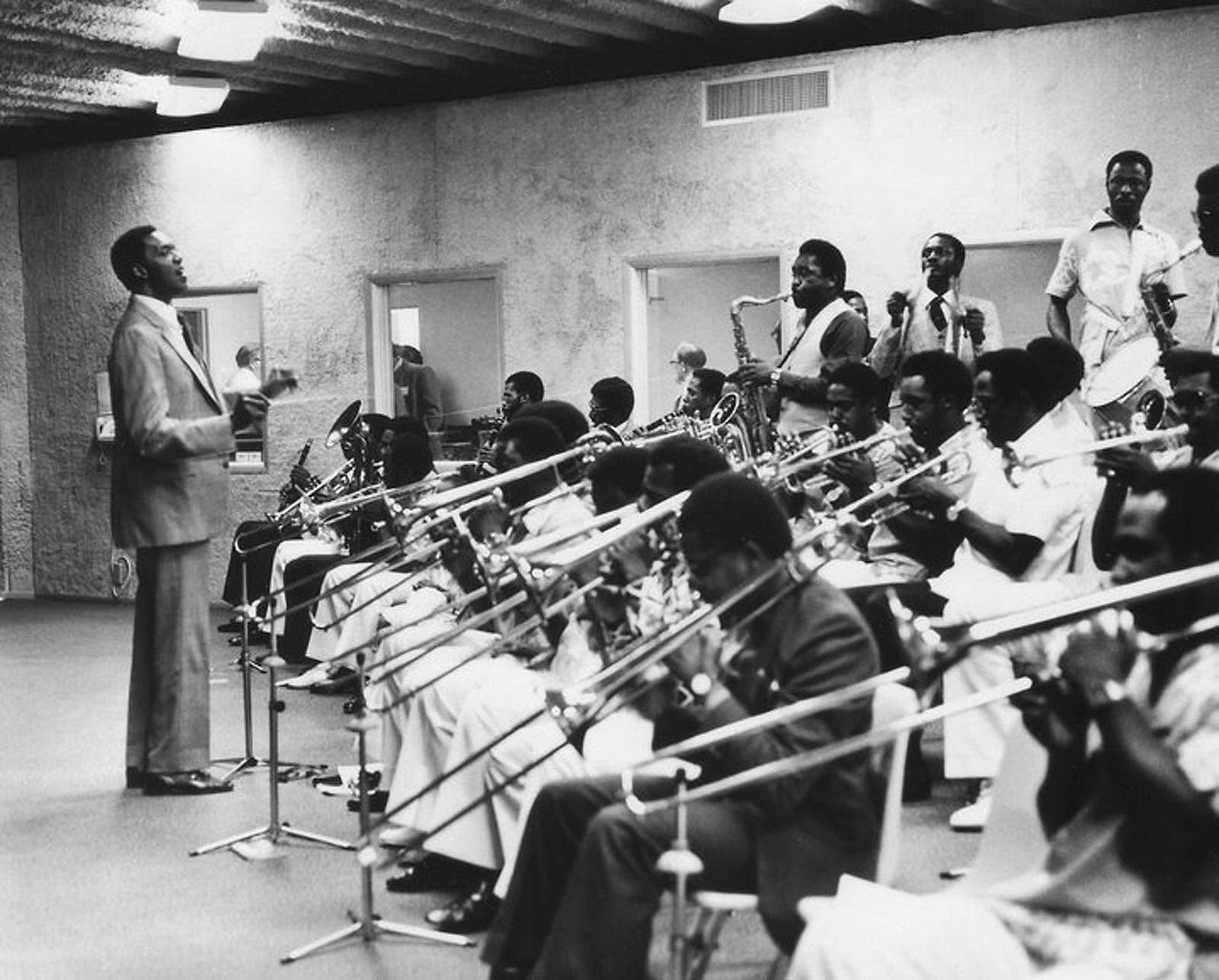 and honor Turks and Caicos men who helped establish and develop the institution in Grand Bahama.
According to the organizers, the Bahama Brass Band began in 1955 in Pine Ridge, Freeport, with Turks and Caicos Islanders, including the late Deacon Reuben Hall Sr. of Middle Caicos and Jenkins Williams and Mervin Hendfield of North Caicos, among those who helped build its foundation. The band eventually grew to more than 50 men.
The organizers also pointed to the participation of Turks and Caicos men in The Bahamas’ Independence celebrations on July 10, 1973, arguing that their contributions became part of Bahamian history while maintaining strong connections to their homeland.
Supporters say bringing the band home represents an opportunity to honor those pioneers, showcase their regional influence and expose younger generations to an important part of Turks and Caicos history.
However, concerns raised publicly described the invitation as potentially disrespectful to local culture and heritage. Organizers acknowledged those concerns, apologizing to anyone who felt overlooked or offended, while maintaining that no disrespect was intended.
The committee said the event should ultimately unite rather than divide, presenting the band’s history as evidence of the reach and resilience of Turks and Caicos heritage.
PHOTO CREDIT: Bahamas Brass Band
NASSAU, Bahamas — Caribbean Bottling Company (CBC), local producers of Dasani products, proudly sponsored the fifth annual, Caribbean Hoopfest.
The tournament brings together Bahamian high school basketball teams and visiting teams from the United States for a competitive showcase at the Kendal G. L. Isaacs Gymnasium. Following its inaugural year at the Kendal G. L. Isaacs gym and last year’s event at Loyola Hall, the tournament returned to the Kendal G. L. Isaacs gym this year.
During the weekend tournament, CBC kept athletes well hydrated with in-kind donations of Dasani Water, Powerade and Minute Maid Juices.
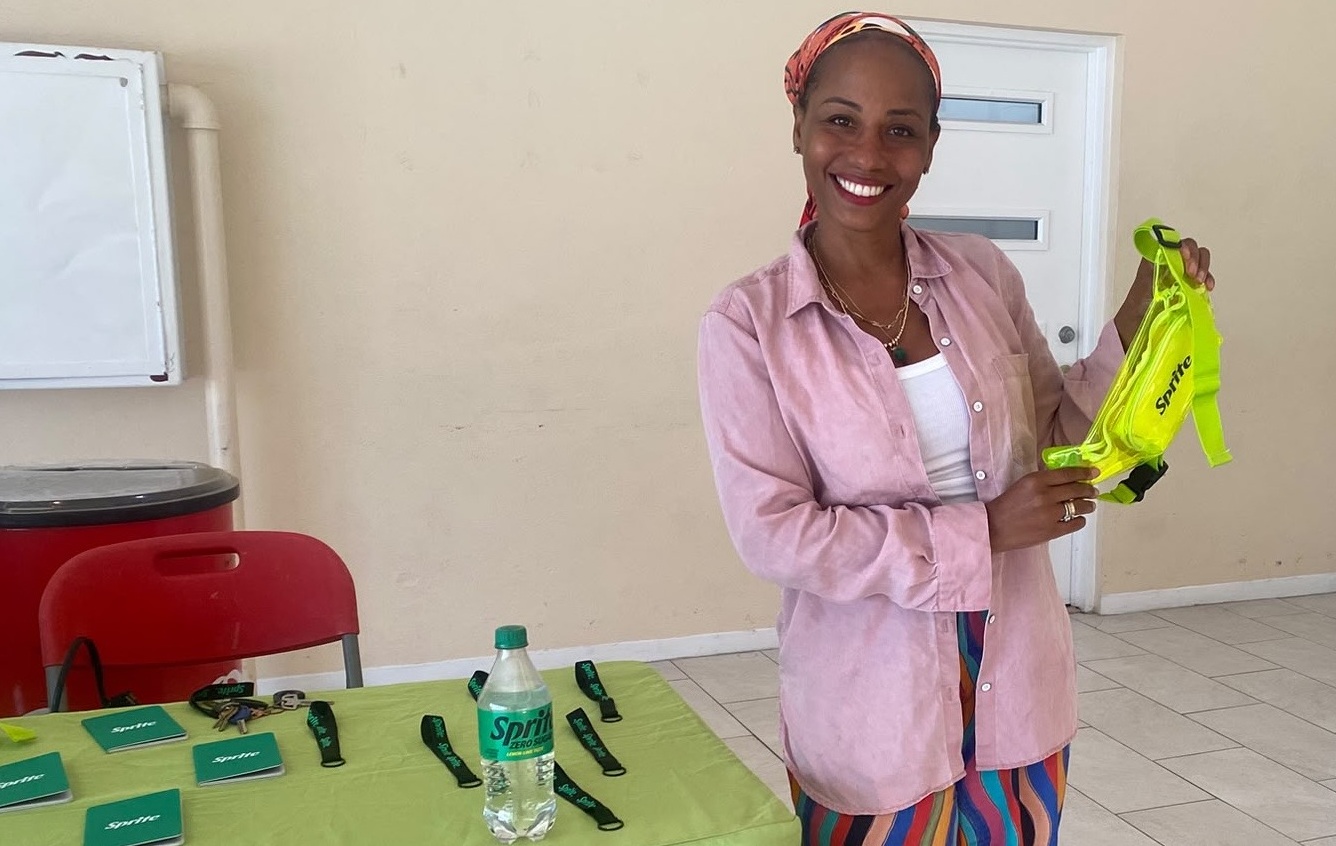
During the tournament’s final day, CBC provided additional support by offering Sprite No Sugar samples and inviting attendees to participate in its Spin the Wheel for a chance to win exciting prizes.
CBC was proud to support this incredible event, which provides young Bahamian athletes with valuable exposure to U.S. basketball scouts and coaches. This opportunity gives them the chance to earn scholarships, continue their education, and pursue their basketball careers in the United States.
Event organizer, Donald Francois shared his appreciation for CBC’s support.
“I want to express our sincere appreciation for Caribbean Bottling Company, who has been a tremendous supporter and an important part of the success of our program. Without CBC’s support, Caribbean Hoop Fest would not be able to function at the level it does today. And without Caribbean Hoop Fest, we would not have been able to provide the opportunities that have helped young Bahamian athletes gain exposure and pursue educational opportunities in the United States,” he expressed.
Since the program’s inception, several Bahamian student-athletes have been selected for scholarship opportunities, highlighting the tournament’s growing impact on the development and advancement of young basketball talent in The Bahamas.
They are: Kelvin McDowells – Guard, Wodson Antoine – Power Forward, Justin Lafleur – Guard and Sean John – Guard.
After another successful edition of the tournament, Francois shared what he hopes he and Caribbean Bottling Company can achieve in the future.
“Our vision is bigger than basketball. We want to use the platform of Caribbean Hoop Fest to educate, develop, and create opportunities for young people and their families throughout the Bahamas. With individuals and organizations committed to our mission, we believe we can continue to grow the program and make an even greater impact,” Francois said.
For more details on community support, events and new products visit Caribbean Bottling Company at www.cbcbahamas.com today.
NASSAU, Bahamas — More Bahamians are accessing HIV and sexually transmitted infection-related healthcare through National Health Insurance, a trend the NHI Authority says should be viewed positively.
NHIA stressed in an August 6 statement that its 2025 figures measure healthcare utilisation, not newly diagnosed infections. They include beneficiaries screened, treated, monitored or receiving follow-up care, including people diagnosed previously.
“Increased utilisation of these services should be viewed as a positive development,” NHIA said.
The Authority pointed to “greater enrolment and use of NHI, improved access to screening and testing, continued treatment and monitoring of existing conditions, and increased willingness to seek medical care.”
The development comes amid a mixed three-year HIV picture. New diagnoses rose from 130 in 2023 to 156 in 2024, before declining to 142 in 2025.
NHIA said increased utilisation demonstrates that more beneficiaries are accessing needed healthcare and actively managing their health, reinforcing the importance of screening, early diagnosis and continued treatment.





-

 News1 week ago
Beaches Turks & Caicos shares dining etiquette training at Provo youth summer camp
-

 News2 days ago
BermudAir Launches New York Area’s First Nonstop Service to South Caicos, Now Just a 3.5 Hour Flight from Newark
-

 News4 days ago
Salt Cay Water Shortage Unresolved as Residents Question Promised Relief
-
 Bahamas News2 days ago
CBC Supports Opportunities for Young Bahamian Basketball Players
-

 Bahamas News2 days ago
Bahama Brass Band Invitation Sparks Heritage Debate Ahead of TCI Constitutional Holiday