
TCI News
TCI father says, “I tried everything” as he talked about feeling abandoned by TCI Gov’t and NHIP in saving his little girl

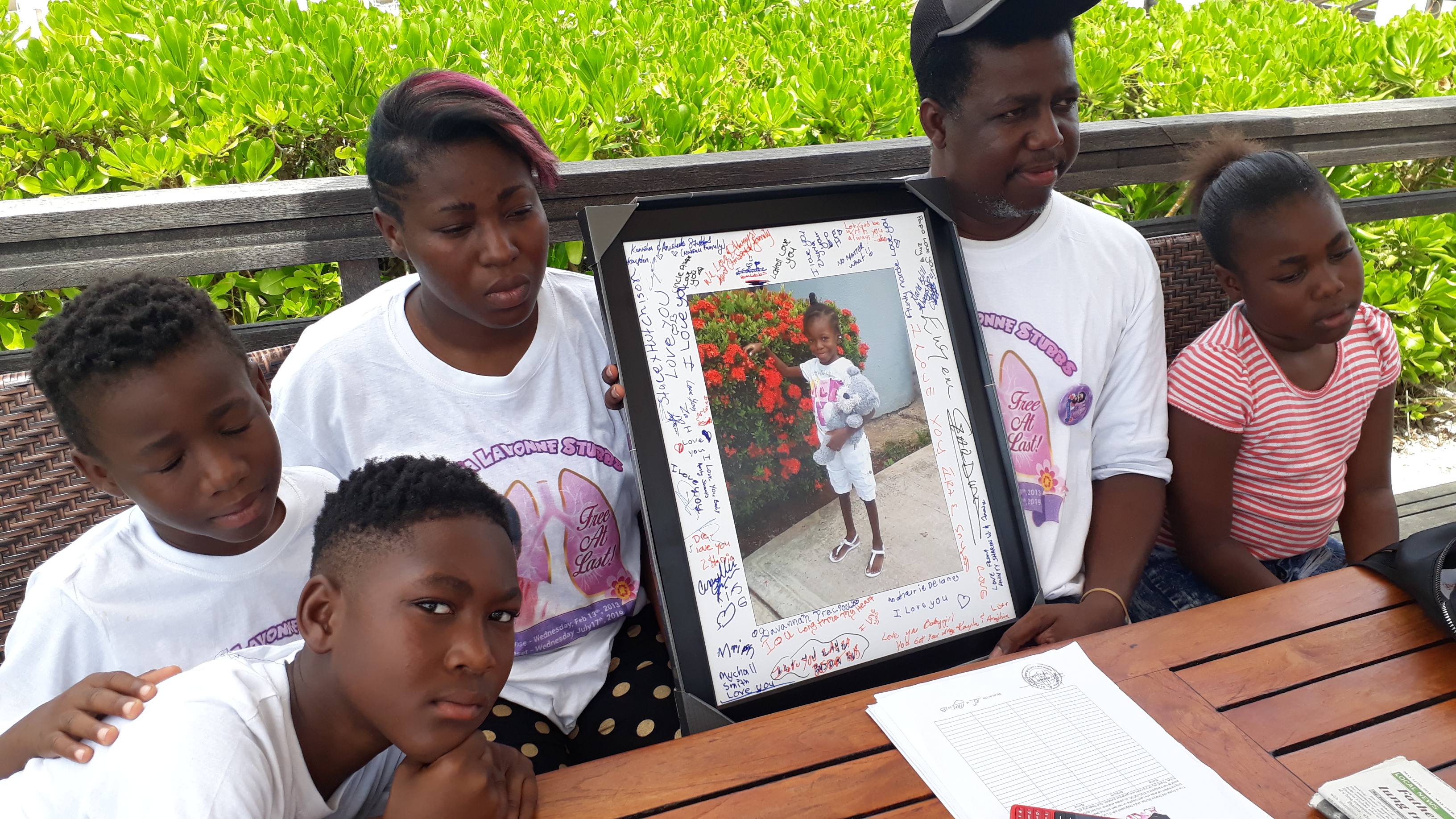
#Providenciales, August 28, 2019 – Turks and Caicos – A Turks and Caicos family today, tearfully shared their traumatic experience of trying to get medical care for their young daughter, who was diagnosed with lung cancer after being moved from hospital to hospital and who tragically died on July 17; now, that family just wants Zharyia Lavonne to be flown home from England.
Even the return of six-year-old Zharyia Stubbs to the Turks and Caicos Islands has reportedly been botched by those whom the family entrusted with the process.

The funeral home in the United Kingdom and the National Health Insurance Board in the TCI had all of the requisite documents, media was told, three weeks before the funeral date. Still there was a confusion that led to a delay which resulted in the child missing her own funeral, which was to be held this past Saturday August 24, 2019 at Jericho Baptist Church.
Ira Stubbs is Zharyia’s father and he explained that both he and his wife, Zshanai have been contributors to the National Health Insurance Plan for years and yet, when the time came for urgent, life-saving medical care for their youngest child, the system failed miserably. Mr. Stubbs said he felt abandoned and that the string of letdowns caused his daughter her life.
Zharyia began visiting the hospital for respiratory problems when she was just three-years-old. Mr. Stubbs said he suspected her problem to be asthma as the family has a long history of the condition. However, according to diagnoses, her condition was not asthma and eventually Zharyia was flown to Doctors’ Hospital in Nassau, Bahamas.
Mr. Stubbs said he was satisfied with the treatment there.
Zharyia was healthier after her time at hospital in Nassau and the referral by Doctors’ Hospital for further medical attention was to a respiratory specialist.
The family explained that with no lung specialist at Doctors’ Hospital and none in the Turks and Caicos, arrangements were made by the National Health Insurance Plan for the child to see the recommended specialist in the Dominican Republic. In the DR, the service was described as terrible; there was a language barrier and there was no translator to help the family transition.
Mr. Stubbs also accused the health practitioners in the Dominican Republic of being corrupt in some instances and, he reported that they gave his child subpar medical care. Suspected errors in Zharyia’s treatment, including medication with which her father did not agree all worked to cause his daughter’s condition to worsen, believes Ira Stubbs.
In the Dominican Republic was where Zharyia received the diagnosis of Stage 4 lung cancer.
Father, mother and three siblings told the story and responded to questions in a press conference held this morning at Hemmingway’s Restaurant at the Sands at Grace Bay in Providenciales. The family was given a week’s accommodation at the Sands by the Hartlings as help in this time of desperate need.
Funds, said Mr Stubbs, are depleted and now he plans to wait for Zharyia to be transported home and then it will be back to the United Kingdom, to get his three other young children settled into school.
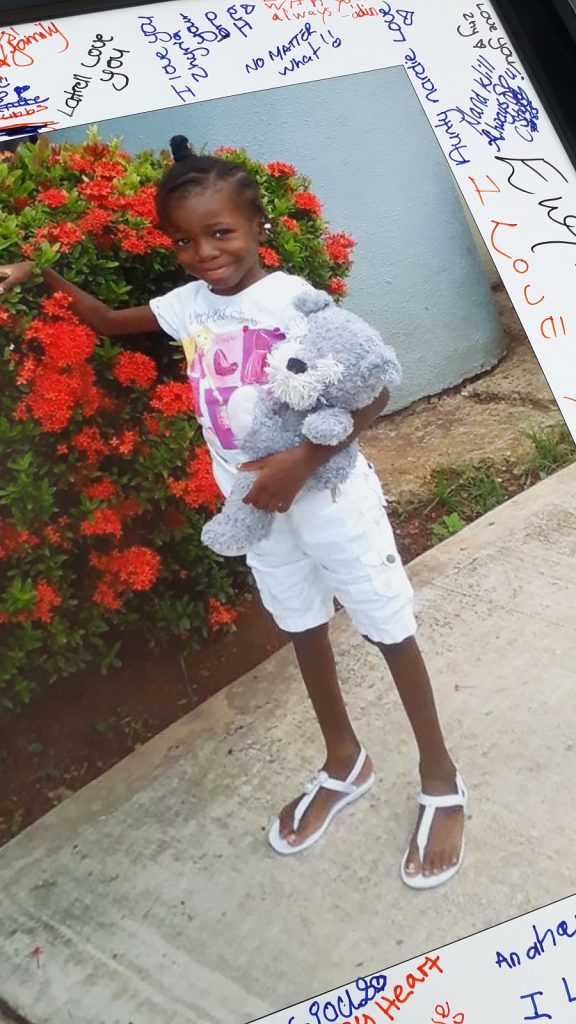
In the account, Mr. Stubbs said his daughter was bounced from health care institution to health care institution in a system that failed his family; The Bahamas, the Dominican Republic, Canada and the United Kingdom were cited in his report.
In Canada, care was really good, Mr. Stubbs said. Zharyia was airlifted to Toronto from the Dominican Republic due to her father’s relentlessness in getting help. That pursuit took him to the Premier and Finance Minister, Sharlene Robinson who intervened and got approval for Zharyia and both her parents to be medically evacuated to a children’s hospital in Toronto.
Again, there was a hitch when only one parent was allowed to go and when it took one week before the medical team from Canada could stabilize Zharyia in order for her to travel. There had been questions, said Mr. Stubbs, about the quality of care for Zharyia in the DR by the Canadian medics.
Help for the child was good in at the children’s hospital but it was also limited. A lung transplant was seen as the only way Zharyia would survive and go on to live a healthy, normal life.
Again, her father Ira Stubbs, began working. Dropping off sponsor letters and writing to people and telling his story to media all in the hopes that it would help to raise the profile of the case and raise the $320,000 necessary for the transplant.
Once again, it meant a move for the now, five-year-old little girl who her father said was in excruciating pain. Her trip home to Providenciales, said Ira Stubbs, was meant to be a maximum 30-days. Instead it was three months and hindered, reported the family by an unwillingness for the child’s ‘soon to expire’ TCI passport to be fast-tracked or for other arrangements to be made, so that she could travel for medical care.
According to Mr. Stubbs, his daughter picked up on the delays and the frustrations and asked, at one point, ‘why did they do this to me, please continue fighting!’
Those were the moments in the press conference when both mother and father were awash in tears, long pauses by her father to quell the crying and all of the family members at the table were donning t-shirts featuring a radiant portrait of Zharyia; bright eyes and big smile.
“I feel they abandoned us and a vulnerable child,” said Mr. Stubbs.
Eventually, Zharyia made it to further care in the United Kingdom but there too, the Stubbs family felt abandoned by the Turks and Caicos Islands government and the National Health Insurance Plan.

For 30-days the family lived out of a car. Immigration issues forced a marriage between mother and father in order to bring swift resolve and that flash wedding was said to have taken place at the hospital according to Mr. Stubbs.
By now Zharyia, who wanted to becoming a doctor was surviving with the help of a ventilator and soon it was clear that money and the transplant were not coming.
Zharyia died on Wednesday July 17, 2019 at 7pm at the Great Ormand Street Hospital for Children (GOSH) in the UK.
Medical records, request for a new consultant and the autopsy after Zharyia’s death were all met with little to no response from GOSH, said Mr. Stubbs, who also expressed his disdain for the hospital in London.
“We reported in emails, the mental and physical abuse to NHIP,” but we got no support from NHIP.
It was a complicated story, laced with strong charges and the overwhelming distress of the loss of a child. The family has also received no counselling and feels out of options.
Mr. Stubbs said he wants his daughter home as promised. Mr. Stubbs said he also needs financial help to get back on his feet and believes $5,000 is sufficient to pay the penalty on airline tickets and get the family re-settled in the UK.
There was another request to the public for that financial assistance.
Magnetic Media has contacted the National Health Insurance Board; Public Relations executive Joddy Harvey has been responsive and promised there would be some communication on this complex and distressing matter.
#magneticmedianews
#ZharyiaLavonne
#fatherfeltabandonedbynhip

Bahamas News
Bahama Brass Band Invitation Sparks Heritage Debate Ahead of TCI Constitutional Holiday
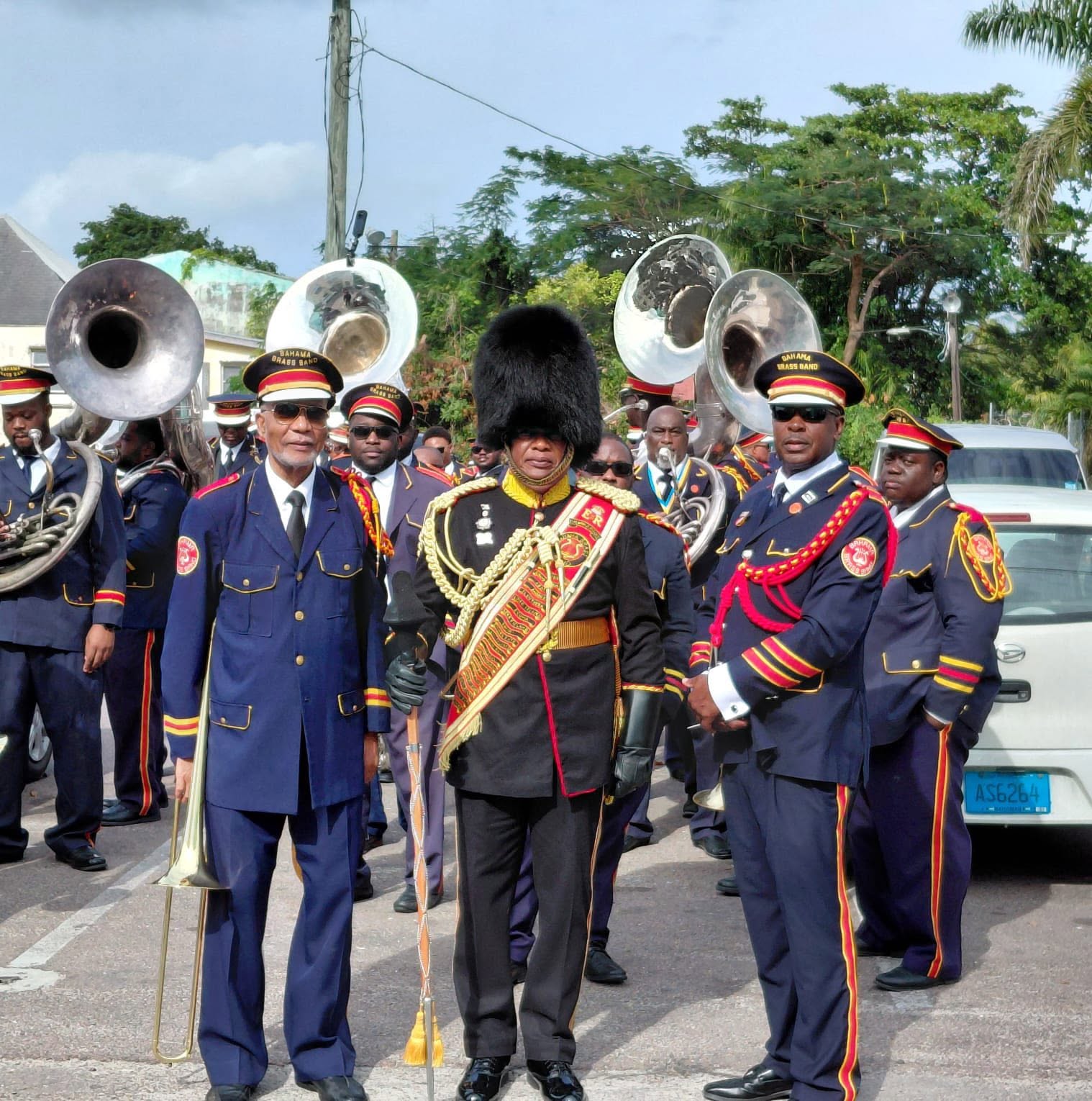
Turks and Caicos, August 20, 2026 – The planned participation of the Bahama Brass Band in the Turks and Caicos Islands’ inaugural Constitutional Holiday celebrations on August 30 has sparked public debate over culture, heritage and the historical contributions of Turks and Caicos Islanders abroad.
Organizers defended the invitation, saying the band’s inclusion is intended to highlight the deep historical ties between the two countries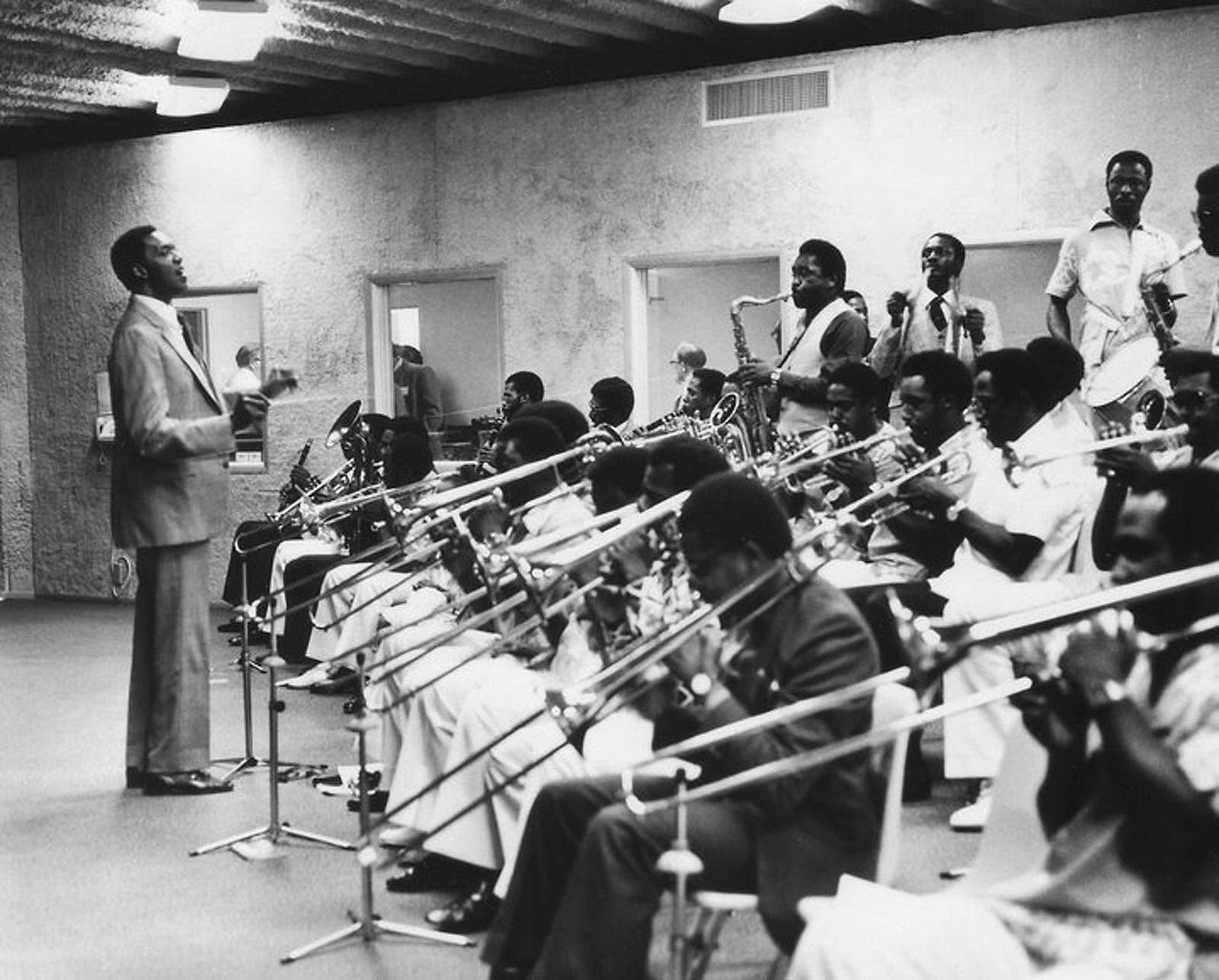 and honor Turks and Caicos men who helped establish and develop the institution in Grand Bahama.
According to the organizers, the Bahama Brass Band began in 1955 in Pine Ridge, Freeport, with Turks and Caicos Islanders, including the late Deacon Reuben Hall Sr. of Middle Caicos and Jenkins Williams and Mervin Hendfield of North Caicos, among those who helped build its foundation. The band eventually grew to more than 50 men.
The organizers also pointed to the participation of Turks and Caicos men in The Bahamas’ Independence celebrations on July 10, 1973, arguing that their contributions became part of Bahamian history while maintaining strong connections to their homeland.
Supporters say bringing the band home represents an opportunity to honor those pioneers, showcase their regional influence and expose younger generations to an important part of Turks and Caicos history.
However, concerns raised publicly described the invitation as potentially disrespectful to local culture and heritage. Organizers acknowledged those concerns, apologizing to anyone who felt overlooked or offended, while maintaining that no disrespect was intended.
The committee said the event should ultimately unite rather than divide, presenting the band’s history as evidence of the reach and resilience of Turks and Caicos heritage.
PHOTO CREDIT: Bahamas Brass Band
News
BermudAir Launches New York Area’s First Nonstop Service to South Caicos, Now Just a 3.5 Hour Flight from Newark

Twice-Weekly Nonstop Flights Begin December 20 with Fares from $347 One Way, Creating Direct Access to Salterra Resort & Spa
– New Route Expands BermudAir’s Winter Turks & Caicos Network –
[New York, NY – August 20, 2026] – BermudAir, the leading premium leisure carrier to Bermuda and the Caribbean, today announced it will introduce nonstop flights to South Caicos from Newark this winter. The route places one of the Caribbean’s most secluded island destinations just 3.5 hours from the New York area for the first time.
The new service starts on December 20, 2026, operating on Sundays and Thursdays, and will be the only nonstop service to the destination from the New York area. This seasonal service will operate through April 25, 2027. Fares start at $347 one way ($773 roundtrip) and go on sale today.
The new South Caicos route creates gives travelers two distinct luxury resort options, with direct access to Salterra, A Luxury Collection Resort & Spa, recently named the No. 1 resort in Turks and Caicos by Condé Nast Traveler.
Set across 85 beachfront acres with a 3,000-foot private white-sand beach, Salterra brings a full luxury resort experience to an island still defined by its historic salinas, pristine waters, bonefishing flats and uninhabited cays. Upon landing at South Caicos International Airport (XSC), guests are approximately 10 minutes from the resort.
While flights go on sale today, the airline’s BermudAir Holidays vacation-packaging division will offer curated travel to South Caicos from next month, featuring flights, hotels and authentic island experiences, with bundled discounts and value-added perks, making it even easier to explore the destination.
Previously BermudAir announced seven new routes to Providenciales in Turks and Caicos, from Newark (EWR), Boston (BOS), Baltimore-Washington (BWI), Raleigh-Durham (RDU), Fort Lauderdale (FLL), St Petersburg/Tampa (PIE) and Toronto (YYZ) which will all start in December except for Fort Lauderdale which begins October 26.
Expanded Winter Season
- To South Caicos:
- Twice-weekly nonstop from Newark (Sundays and Thursdays) from December 20 through April 25, 2027.
- To Turks and Caicos:
- Weekly nonstop from Newark (Saturdays) and one weekly direct service (Thursdays) from December 19 through April 29, 2027;
- Weekly nonstop service from Boston (Saturdays), from December 19 through May 1, 2027;
- Weekly nonstop service from Baltimore-Washington (Thursdays), from December 24 through April 29, 2027;
- Twice-weekly nonstop service from Raleigh-Durham (Thursdays and Sundays), from December 20 through May 2, 2027;
- Thrice-weekly service from Fort Lauderdale (Mondays, Wednesdays and Fridays), from October 26 through May 3, 2027;
- Twice-weekly nonstop service from St Petersburg/Tampa (Mondays and Thursdays), from December 21 through May 3, 2027; and
- Weekly nonstop service from Toronto (Saturdays), from December 19 through May 1, 2027.
“We’re thrilled to continue expanding our Caribbean network as the premium leisure carrier from North America,” said Adam Scott, Founder and CEO of BermudAir. “Now New Yorkers can fly nonstop to two distinct sides of the Turks and Caicos Islands — Providenciales and the secluded island of South Caicos, home to the exquisite Salterra and Sailrock South Caicos resorts.”
The airline consistently earns Net Promoter Scores of 70+, one of the highest ratings in the airline industry. All flights will be operated on comfortable Embraer E190 aircraft, offering passengers the airline’s signature warm service and authentic island hospitality.
“South Caicos has always felt worlds away, and that is part of its magic,” said Michael Tibbetts, Founder and CEO of Salterra. “Beginning this winter, guests can fly nonstop from Newark in 3.5 hours, land at one of the newest international airports in the region and be at Salterra minutes later. This route makes a long weekend escape and an extended stay to one of the Caribbean’s most unspoiled islands remarkably easy, without changing the sense of discovery that makes South Caicos so special.”
For more information or to book flights, visit www.flybermudair.com. Salterra will offer dedicated stay packages timed to BermudAir’s Thursday and Sunday nonstop service. To book a stay at Salterra, A Luxury Collection Resort & Spa, visit www.salterra.com
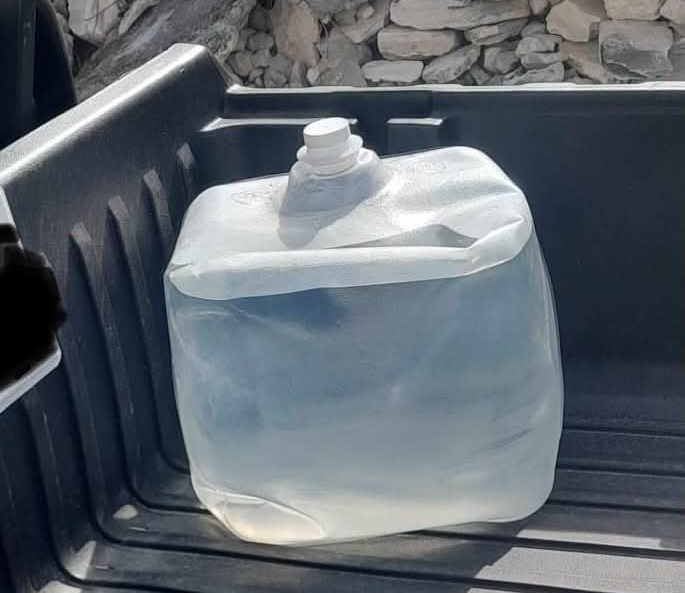
SALT CAY — Residents say Salt Cay’s prolonged water shortage remains unresolved, with no visible activity or relief from the measures Government said would be advanced last week.
The crisis began in June after a critical filter failed at the island’s reverse osmosis plant, severely disrupting local water production. Residents told Magnetic Media Tuesday morning that neither the replacement filter nor the promised bulk shipment of emergency water appeared to have arrived.
Minister of Innovation, Technology and Energy E. Jay Saunders, however, said the filter is already on Salt Cay.
“The RO filter is on Salt Cay and it’s being installed,” Saunders told Magnetic Media.
The large emergency water shipment has not materialised. Saunders said transporting more than 1,000 gallons in a single container requires a barge, and officials are still attempting to source one.
Government had previously indicated that it would try to deliver up to 2,500 gallons to partially replenish Salt Cay’s depleted storage tanks while repairs continued.
Saunders had initially projected that the RO plant would be fully operational by August 19. He now says the system is expected to return to full operation “in a few days.”
For residents, however, the immediate reality remains unchanged: the shortage continues, the bulk water has not arrived and the promised relief is not yet flowing.





-

 News5 days ago
BermudAir Launches New York Area’s First Nonstop Service to South Caicos, Now Just a 3.5 Hour Flight from Newark
-
 News7 days ago
Salt Cay Water Shortage Unresolved as Residents Question Promised Relief
-

 Bahamas News5 days ago
Bahama Brass Band Invitation Sparks Heritage Debate Ahead of TCI Constitutional Holiday
-
 Bahamas News5 days ago
CBC Supports Opportunities for Young Bahamian Basketball Players
-
 Health7 days ago
Turks and Caicos Islands Hospital Celebrates Successful Completion of 2026 Summer READY Programme